Hey fellow green-fingered friends! Randy here, from my little patch of gardening heaven right here in the UK Midlands. If you're anything like me, you've probably stared at a newly planted perennial, willing it to burst into life, already dreaming of those glorious blooms or that first harvest. It’s a bit like waiting for a slow computer to boot up, isn't it? (And believe me, coming from an IT background, I know all about frustratingly slow starts!).
But what if I told you there are strategic ways to shorten that initial "sleep" phase? That period where a perennial seems to just sit there, doing very little above ground, barely growing, and certainly not blooming. I've spent the last five years, since swapping my keyboard for a spade, absolutely obsessed with understanding what's going on below the surface. My 800 sq ft backyard, packed with raised beds and a bustling greenhouse, has become my living laboratory, and I've tried just about everything to get my plants thriving faster, especially in our often-unpredictable British climate.
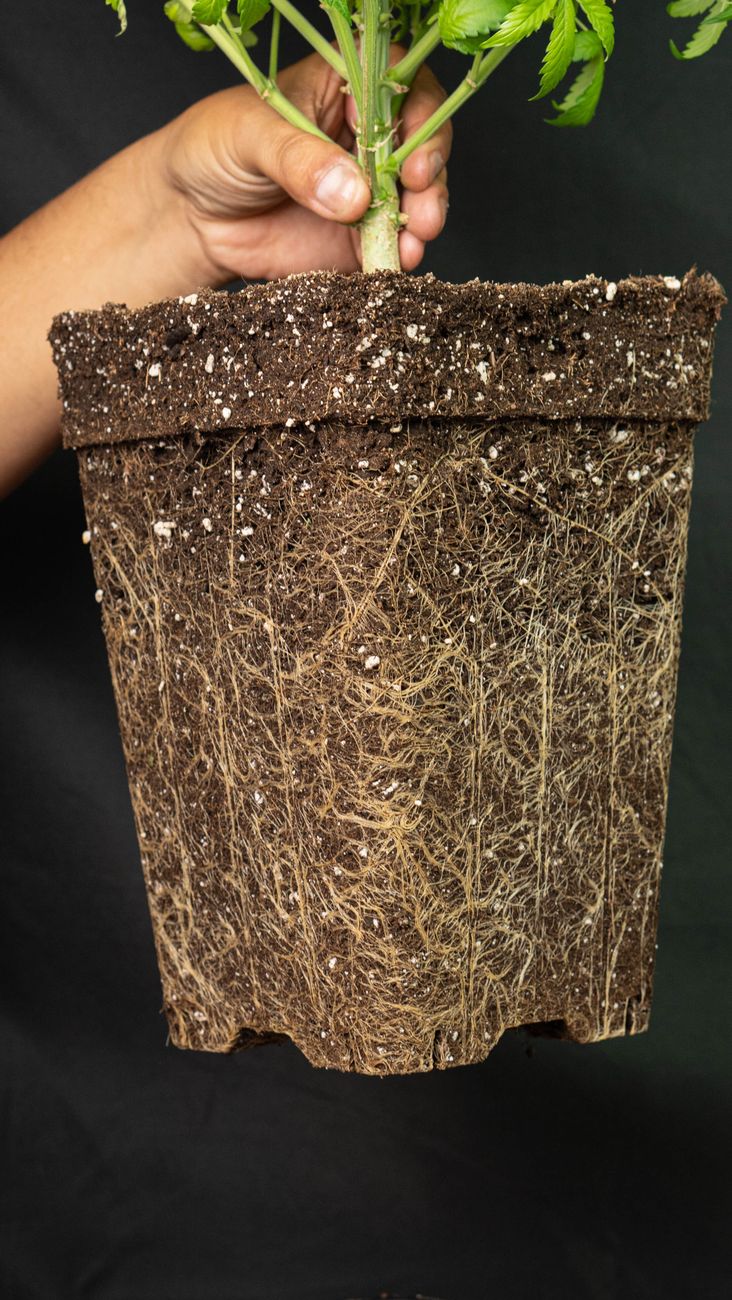
This isn't about rushing nature; it's about giving our plants the absolute best start, focusing on what truly matters in those critical first weeks and months: their roots. By accelerating root establishment, we're not just getting quicker blooms; we're building stronger, more resilient plants that can better withstand our fickle UK weather, from summer droughts to soggy winters. So, grab a cuppa, and let's dig into how we can help your perennials wake up, grow vigorously, and grace your garden with quicker, more abundant beauty.
Beyond the Bloom: Why Accelerating Perennial Root Establishment Matters for UK Gardens
When I first started gardening here in the UK, I was all about the immediate gratification – the colourful flowers, the juicy heirloom tomatoes I grow in my greenhouse, the vibrant herbs. I’d plant a perennial, give it a bit of water, and then just… wait. Often, I'd be disappointed when it barely grew in its first year, sometimes even looking a bit sad and spindly. I used to think, "Oh, it's just sleeping, it'll get there eventually." And while patience is indeed a virtue in gardening, I've learned that we can do so much more than just wait. We can actively encourage our perennials to thrive from day one.
In my UK garden, especially with our shorter growing seasons compared to some sunnier climes, accelerating root establishment isn't just a nicety; it's a game-changer. Here's why I've become so focused on it:
- Quicker, More Robust Growth: A strong root system acts like a plant's engine. The faster that engine is built, the sooner it can power vigorous top growth. I've seen perennial salvias that barely put on a few leaves in their first year with my old "wait and see" approach, transform into bushy, flower-laden beauties in the same timeframe using targeted root care. My 'May Night' salvia, for example, is now a showstopper, and it got there much quicker than its predecessors.
- Enhanced Resilience to British Weather: This is huge for us in the UK. One year, we had a really dry spell in July followed by a shockingly wet August. My plants with well-established root systems weathered it beautifully, tapping into deeper moisture or tolerating the damp. Those struggling with poor root growth quickly showed signs of stress – wilting, yellowing, or even succumbing to rot. A deep, wide root network means better access to water and nutrients and better anchorage against our blustery winds.
- Reduced Maintenance: When a plant is properly rooted, it's simply less demanding. It needs less frequent watering (freeing me up to tend to my thirsty greenhouse tomatoes!), is more resistant to common pests and diseases, and generally requires less hand-holding. This has been a lifesaver in my packed 800 sq ft plot.
- Earlier and More Abundant Yields/Blooms: Who doesn't want more flowers or a bigger harvest sooner? For my perennial herbs like rosemary and thyme, or my rhubarb 'Timperley Early' in its dedicated bed, getting those roots settled quickly means I can start harvesting sooner and more sustainably. For flowering perennials, it means a fuller, more spectacular display in less time, brightening up my Midlands garden much faster.
I learned this the hard way with some bare-root roses a few years back. I just dug a hole, shoved them in, and hoped for the best. They limped along for two seasons before finally kicking the bucket. It was a disheartening mistake, but it taught me that what happens below ground is paramount. Now, I approach every new perennial planting with a strategic, root-first mindset.
Decoding the Dormant Start: What Perennials Do Below Ground in Their First Year
It’s easy to look at a newly planted perennial and think it's doing nothing, especially when it just sits there, seemingly refusing to grow. We call this the "sleep phase" or establishment phase, but trust me, below the soil, it's anything but dormant! When I first started, I'd get impatient, wondering why my beautiful delphiniums weren't shooting up like rockets. It wasn't until I started really digging into the 'why' behind plant growth that I understood the incredible, unseen work happening underfoot.
In their first year, perennials are essentially re-building their entire support system. Imagine moving into a new house; you wouldn't start decorating the living room before you'd ensured the foundations were solid, the plumbing worked, and the electricity was connected, right? Plants are no different. They divert most of their energy – the carbohydrates produced by photosynthesis – away from visible top growth (leaves, stems, flowers) and into developing a robust root system.
This crucial process involves:
- Anchoring: Securing the plant firmly in the soil, essential for stability, particularly in our windy British weather.
- Water Uptake: Expanding their network of fine root hairs to efficiently absorb moisture from the surrounding soil. This is vital, as newly planted roots are often restricted to the original pot shape.
- Nutrient Scouting: Reaching out to find and absorb essential minerals and nutrients, which are often sparsely distributed in garden soil.
- Storage: Building up reserves of energy in their roots to fuel future growth, especially to get through our cold UK winters and burst forth in spring.
If this critical root development phase is rushed or compromised, the plant will struggle for its entire life. It might be weaker, more susceptible to disease (something I've seen with early blight on my poorly established tomatoes), and never reach its full potential. Understanding this invisible ballet beneath the soil has completely changed how I approach planting.
First Year Root Development vs. Established Plant Growth
Here’s a breakdown of what’s happening during that initial establishment phase compared to what you see in subsequent years:
| Feature | First Year (Root Focus) | Subsequent Years (Top Growth Focus) |
|---|---|---|
| Primary Goal | Establish deep, wide root network, anchor plant. | Produce shoots, leaves, flowers, fruit/seed; expand overall size. |
| Visible Growth | Slow, minimal top growth; plant may appear "stalled." | Vigorous top growth; rapid expansion of foliage and stems. |
| Energy Use | Majority of energy directed to root tissue development. | Energy distributed between roots, shoots, flowers, and fruit. |
| Resilience | Vulnerable to environmental stress (drought, extreme cold). | More hardy, able to withstand wider range of conditions. |
| Water Needs | Critical and often frequent, as roots are shallow/confined. | Established roots access deeper water; less frequent watering needed. |
| Nutrient Needs | Moderate, steady uptake for foundational growth. | Higher, seasonal needs to fuel abundant top growth/flowering. |
Building the Bedrock: Tailoring UK Soil for Rapid Root Expansion
Ask any seasoned gardener here in the UK, and they'll tell you: soil is everything. It's the bedrock, the foundation, the very lifeblood of your plants. And for accelerating perennial root establishment, getting your soil right before you even think about planting is non-negotiable. I've got a mixed bag here in my 800 sq ft Midlands garden – some areas are heavy, claggy clay that holds water like a sponge, while others are surprisingly sandy and drain almost too quickly. Learning to amend these different soil types for specific plants has been one of my biggest breakthroughs.
When I first started, I'd just dig a hole and plonk a plant in, thinking the existing soil was "good enough." This often led to disappointment: soggy roots for my lavender in clay, or perpetually thirsty plants in sandy spots. Our British weather, with its glorious unpredictability, only amplifies these issues. Poor drainage means roots sit in cold, waterlogged conditions, leading to rot, especially in winter. Too much drainage means roots can’t access enough moisture during dry spells, even short ones.
The goal for rapid root expansion is to create a soil environment that offers the perfect balance:
- Excellent Drainage: Roots need air as much as water. Good drainage prevents waterlogging and ensures oxygen can reach the roots, which is crucial for their growth and health.
- Good Aeration: Similar to drainage, an open soil structure allows roots to easily push through and explore, rather than hitting compacted barriers.
- Consistent Moisture Retention: While needing drainage, the soil also needs to hold onto moisture so roots don't dry out too quickly.
- Available Nutrients: A healthy soil food web provides a steady supply of nutrients for root development.
My secret weapon for achieving this balance across my varied UK soil types is copious amounts of organic matter. I get well-rotted horse manure from a local stable (which is a fantastic, sustainable way to build soil!) and make my own compost from kitchen scraps and garden waste. I dig it in generously, often to a spade's depth, several weeks or even months before planting.
I also regularly test my soil pH – a simple kit from the garden centre does the trick. Different perennials prefer different pH levels, and trying to grow an acid-lover like a blueberry in my naturally slightly alkaline Midlands soil without amending it is a recipe for disaster (trust me, I’ve tried!).
Ideal Soil for Root Establishment vs. Typical UK Garden Soil
Here’s how I think about tailoring my soil:
| Feature | Ideal Soil for Rapid Root Establishment | Typical UK Garden Soil (Common Challenges) | How I Amend for UK Conditions |
|---|---|---|---|
| Drainage | Free-draining, never waterlogged. | Varies wildly: heavy clay (poor), sandy (too fast), silt (compacts). | Add grit/perlite for clay; add organic matter (compost/manure) for all. |
| Aeration | Loose, crumbly, allowing root penetration. | Compacted (especially clay or walked-on areas), hard for roots to spread. | Dig deeply, incorporate organic matter; avoid walking on beds. |
| Organic Matter | High (5% or more), providing structure and nutrients. | Often low, especially in new builds or neglected plots. | Generous amounts of well-rotted compost/manure annually; green manures. |
| pH Level | Optimal for specific plant (e.g., 6.0-7.0 for most veg). | Variable across the UK; often slightly alkaline in limestone areas. | Adjust with lime (to raise) or sulphur/compost (to lower) as needed. |
| Nutrient Avail. | Steady supply of macro and micronutrients. | Nutrients can be locked up (wrong pH) or leached (sandy). | Regular additions of compost; balanced organic fertilisers if needed. |

Precision Planting Techniques: From Pot to Plot for Optimal Root Success
Okay, so you've prepped your soil like a pro, and you've got your lovely perennial ready to go. This next bit – the actual act of planting – is where many gardeners, myself included in my early days, can inadvertently set their plants back. I used to just tip the plant out, dig a hole, and hope for the best. That often led to root bound plants continuing to grow in circles, or worse, "J-rooting" where roots hit the bottom of the hole and curl upwards. Not ideal for a long, happy life!
I've learned that precision and gentle handling at this stage are absolutely critical for encouraging those roots to spread out quickly and confidently into their new home. Think of it as a surgery – you want to be precise, clean, and minimise shock.
Here's my step-by-step approach, honed over years of trial and error in my UK garden:
- Harden Off First (if applicable): If your perennial has come from a warm greenhouse (like many of my own seedlings) or a protected nursery, it needs time to adjust to the harsher realities of the outside world. This is called 'hardening off'. I do this gradually over 7-10 days, moving plants outside for increasing periods, starting in a sheltered spot, especially with our notoriously changeable British weather. A sudden cold snap can really set a plant back.
- Prepare the Planting Hole: Dig a hole that is twice as wide as the plant's root ball, but only as deep as the root ball. This encourages roots to spread outwards into the loosened soil, rather than just heading downwards. Break up any compacted soil at the bottom and sides of the hole.
- Inspect and Tease the Roots: Gently remove the plant from its pot. If the roots are tightly coiled around the outside (root-bound), carefully tease them apart with your fingers or a small hand fork. I've even made vertical cuts into the root ball with a sharp knife on severely root-bound plants to encourage new outward growth. Don't be afraid – a little tough love now prevents a lot of grief later. For bare-root plants, spread the roots out naturally.
- Positioning is Key: Place the plant in the centre of the hole so that the top of the root ball is level with the surrounding soil surface. The crown of the plant (where the stem meets the roots) should not be buried too deeply. Burying the crown can lead to rot, especially in our damp UK conditions. Hold the plant in place as you backfill.
- Backfill and Firm Gently: Carefully push the amended soil back into the hole around the root ball. As you backfill, gently firm the soil around the roots with your hands to remove any large air pockets. Air pockets can dry out roots and prevent good soil-to-root contact. I always avoid stomping on the soil; gentle pressure is enough.
- The First Big Drink: Water the plant immediately and thoroughly after planting. This settles the soil around the roots, eliminating any remaining air pockets and providing crucial moisture. I use a watering can with a rose, giving it a good soak until water starts to pool slightly on the surface before slowly soaking in.
- Mulch for Moisture and Temperature: Apply a 2-3 inch layer of organic mulch (like well-rotted compost, wood chip, or straw) around the base of the plant, keeping it a few inches away from the stem or crown. Mulch helps retain soil moisture, suppresses weeds (which compete for water and nutrients), and moderates soil temperature – keeping roots cooler in summer and warmer in winter, a definite plus for our variable climate.
- Initial Aftercare: Keep a close eye on your newly planted perennial for the first few weeks, especially during dry spells. Consistent moisture is vital for those new roots to establish. My 'Blackcurrant Consort' bushes, which I planted last spring, really benefited from this consistent watering during a dry May.
By taking these precise steps, you're not just planting a perennial; you're setting it up for a lifetime of vigorous growth and abundant beauty in your UK garden. It’s a little more effort upfront, but the payoff in terms of healthier, happier plants is absolutely worth it.
Nourishing the Network: Strategic Watering, Feeding, and Mulching for Subsurface Growth
Once those precious root hairs are reaching out into their new home, our job shifts from setting the stage to actively supporting their expansion. It's a bit like nurturing a newborn – consistent, thoughtful care makes all the difference. In my 800 sq ft Midlands garden, I’ve learned that getting the balance right with watering, feeding, and mulching isn't just about survival; it's about pushing for that accelerated growth.
The Watering Waltz: More Than Just Dousing
This is where many new gardeners, myself included when I first started five years ago, often go wrong. We tend to either overwater, drowning those young roots, or underwater, leaving them parched. For young perennials, especially in our often-unpredictable British weather, deep and infrequent watering is key. I aim to encourage those roots to reach down for moisture, rather than staying shallow and lazy.
When I plant a new perennial, I give it a really good soak right away. After that, I check the soil moisture regularly. I stick my finger about an inch or two into the soil near the plant. If it feels dry, it's time to water. If it's still damp, I hold off. Here in the UK, especially during those surprise dry spells we get in late spring or early summer, this can mean watering every few days. But after a good downpour, I might not need to touch the watering can for a week or more. I learned this the hard way with a gorgeous 'Salvia nemorosa Caradonna' one particularly wet spring – too much love from the hose, combined with natural rain, led to a very sad, yellowing plant. Less is often more, but when you do water, make it count.
Fueling the Foundation: Strategic Feeding for Root Development
While established perennials often need very little feeding, those youngsters in their first year are working overtime to build that crucial root network. They're like teenagers – always hungry! But we're not aiming for lush, leafy top growth just yet; we want to encourage strong roots. This means a balanced or slightly phosphorus-heavy feed, not one high in nitrogen.
In my UK garden, I typically give my new perennials a light feed about 4-6 weeks after planting, once they’ve had a chance to settle. I use a slow-release granular organic feed, something like a good quality general-purpose organic fertiliser with an NPK around 4-6-4. I sprinkle it sparingly around the base of the plant, well away from the stem, and then water it in thoroughly. For my greenhouse tomatoes, I'm all about high-potash feeds later in the season, but for these young perennials, it's all about that foundational strength. One mistake I made early on was giving them a liquid tomato feed, thinking "more food is better!" – it encouraged too much leafy growth at the expense of root density.
The Mulch Magic: A Blanket of Benefits
Mulching is, hands down, one of the easiest and most effective things you can do for young perennials. It’s like giving them a cosy blanket that does a million jobs. I swear by it in my raised beds.
For root establishment, mulch helps regulate soil temperature, keeping it cooler in summer and warmer in winter – crucial for those sensitive young roots in our changeable British climate. It also conserves soil moisture, meaning I don't have to water as often, and it suppresses weeds that would compete for water and nutrients. I use homemade compost or well-rotted wood chip, applied in a layer about 2-3 inches deep, keeping it a good inch or two away from the plant stem to prevent rot. I learned the hard way with a new 'Echinacea purpurea' that piling mulch right up against the crown is a recipe for disaster.

Here’s a quick comparison of these three pillars of root support:
| Aspect | Watering (Deep & Infrequent) | Feeding (Balanced/Phosphorus-heavy) | Mulching (Organic Material) |
|---|---|---|---|
| Primary Goal | Encourage deep root growth, prevent stress. | Provide essential nutrients for root cell division and expansion. | Regulate soil temp, conserve moisture, suppress weeds. |
| Timing | As needed (finger test), especially during dry spells. | 4-6 weeks post-planting; light, slow-release. | Immediately after planting, top up annually. |
| Method | Soak thoroughly at the base; avoid overhead watering. | Granular, sprinkled away from stem; water in. Avoid high-N liquid. | 2-3 inches deep, kept away from stem; homemade compost, wood chip. |
| Randy's Tip | "Think 'rainforest downpour,' not 'light drizzle'!" | "Subtle support, not a growth spurt – roots first!" | "Your plant's best friend: keeps them cosy and hydrated." |
| UK Specific | Crucial during spring/summer dry spells; monitor after rain. | Choose feeds suitable for UK soil types (often clay in Midlands). | Essential for managing our variable temps and retaining moisture. |
Guardian Against Stress: Protecting Young Roots from UK Weather and Pests
Even with the best soil and care, Mother Nature (and a few unwelcome visitors) can throw a spanner in the works. Protecting those vulnerable young roots from the harsh realities of UK weather and common garden pests is a crucial part of ensuring they establish well. I've had my fair share of battles in my 800 sq ft garden, and I've learned that a bit of foresight goes a long way.
Battling British Weather: A Gardener's Constant Challenge
Our UK climate is glorious, but it's also wonderfully unpredictable, isn't it? Young roots are particularly susceptible to extremes.
- Late Frosts: I've been caught out by a sneaky late May frost here in the Midlands more times than I care to admit. While the top growth might show damage, severe frost can also harm shallow roots. For very tender young perennials, a fleece cover overnight can make all the difference. I keep a roll of horticultural fleece handy, especially in spring.
- Excessive Rain: We know this one well, don't we? Too much rain, especially on heavy clay soils, can lead to waterlogged conditions and root rot. That's why good soil preparation with plenty of organic matter (as we discussed earlier) is so vital for drainage. Raised beds are a godsend for this, as I’ve found in my own garden. If you're in a particularly wet spot, consider planting on a slight mound.
- Drought and Heatwaves: Conversely, those sudden scorching spells can dry out the soil rapidly. Mulch is your best defence here, but consistent, deep watering during these times is non-negotiable. I lost a promising young 'Penstemon digitalis Husker Red' one particularly hot summer because I underestimated how quickly its small root ball would dry out. Now, I'm religious about checking.
- Wind: Strong winds can rock young plants, damaging their emerging root systems. Staking taller perennials can help stabilise them until their roots are firmly anchored. For smaller plants, sometimes a temporary windbreak of garden cane and netting can offer enough protection.
Fending Off Foes: Pests and Diseases
It's not just the weather. Our garden friends (and foes) can also pose a threat to developing roots.
- Slugs and Snails: Ah, the bane of every British gardener's existence! While they primarily target new shoots and leaves, a severely damaged plant above ground means it can't photosynthesise effectively, starving the roots. I use a multi-pronged approach: checking under pots, copper tape, and a good old slug patrol after dusk. I've had success with nematodes early in the season too, which attack slugs below ground.
- Vine Weevil: This one is a real root menace, especially in pots or raised beds. The grubs munch on roots, often causing plants to wilt and die suddenly. I once lost a beautiful 'Heuchera' to these little monsters. Now, if I suspect them, I'll repot or carefully inspect the roots of struggling plants. Biological controls (nematodes applied in late summer/early autumn) are my go-to for these.
- Voles and Mice: Less common, but they can tunnel and nibble on roots. If you have persistent issues, consider planting in wire cages (like chicken wire) buried around the root ball for particularly prized plants.
The key is to observe your plants daily. Wilting when the soil is damp, yellowing leaves, or stunted growth can all be signs of root stress, whether from weather, pests, or disease. Catching these issues early is vital for giving your young perennials the best chance.
Long-Term Vigour: Maintaining Momentum for a Lifetime of Blooms and Resilience
The first year is critical, but the effort we put into accelerating perennial establishment isn't just about getting through those initial months. It's an investment that pays dividends for years, even decades, to come. A robust root system built in that crucial "sleep" phase translates directly into a more resilient, vigorous, and floriferous plant throughout its lifetime in your UK garden.
From Established to Enduring: The Ongoing Journey
Once your perennials have truly established – typically after that first full growing season – their needs will change. They'll be much more self-sufficient, drawing moisture and nutrients from deeper in the soil.
- Reduced Intervention: You'll find you need to water much less frequently, relying mostly on natural rainfall. Feeding will become an annual event, if at all, perhaps a top-dressing of compost in spring.
- Increased Resilience: Those deep, widespread roots make your plants far more tolerant of our unpredictable British weather extremes – be it a scorching summer drought or a prolonged wet spell. They'll bounce back quicker from stress and be less prone to disease. I've got 'Geranium Rozanne' that have been in the ground for four years, and they laugh in the face of our variable Midlands weather now.
- More Blooms, Stronger Growth: Ultimately, a plant with a fantastic root system has the engine to produce abundant, healthy top growth and a profusion of flowers. My 'Phlox paniculata' 'Bright Eyes', which I coddled in its first year, now produces an incredible display every summer, far outperforming ones I neglected in my early gardening days.
The Art of Observation and Continuous Learning
Gardening, for me, is a journey of constant learning. What works perfectly for one perennial in one spot in my 800 sq ft garden, might need tweaking for another. The principles we've discussed – understanding root needs, preparing the soil, precise planting, strategic care, and protection – are your toolkit. But it's your daily observation, your willingness to experiment, and your connection with your plants that will truly make you a master of perennial establishment.
I've learned to listen to my plants. A slight droop, a change in leaf colour, or a slower growth rate often tells me something is amiss below ground. That former IT worker in me loves the data, the process, the optimisation – and applying that to my plants has been my biggest breakthrough.
Conclusion: Unleashing the Power Beneath Your UK Garden
So, there you have it, fellow UK gardeners. Accelerating perennial establishment isn't some mystical art; it's a strategic, root-focused approach that pays dividends in spades. We've journeyed from understanding the crucial "sleep" phase to meticulously preparing our UK soil, mastering precision planting, and then diligently nourishing and protecting those vital subsurface networks.
Remember, every bit of effort you invest in that first year – from enriching your soil with homemade compost here in the Midlands, to choosing the right planting depth, to carefully monitoring moisture levels during our notorious British dry spells – is an investment in the long-term health and beauty of your garden. You're not just planting a plant; you're cultivating a foundation for a lifetime of vigorous growth, stunning blooms, and incredible resilience against whatever our UK weather throws its way.
Don't be afraid to get your hands dirty, to experiment, and yes, even to make a few mistakes along the way – I certainly have! The joy of seeing a perennial thrive, knowing you've given it the best possible start, is one of the most rewarding feelings in gardening. So go forth, embrace these root-focused strategies, and prepare to be amazed by the vibrant, enduring beauty you can unleash in your own UK garden. Happy planting!