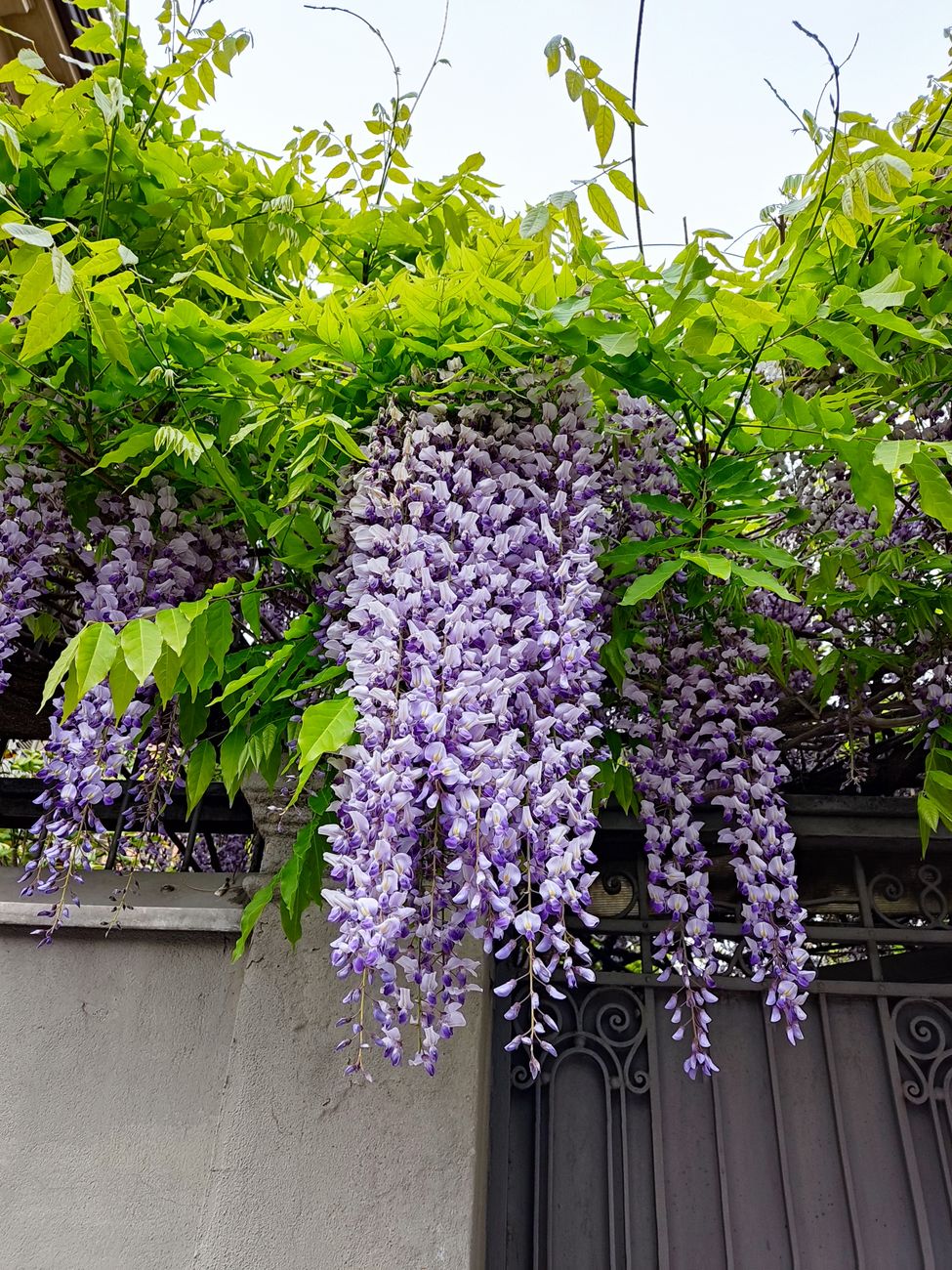
Introduction: Transforming Your Garden with Rapid Overhead Coverage
When I first bought my little 800 sq ft patch here in the Midlands, the old wooden arbor at the back was just... bare bones. A sad, skeletal thing. For five years now, I've poured my heart and soul into transforming this space, from those raised beds bursting with heirloom tomatoes in the greenhouse to the herb spirals I've experimented with. But one of my absolute favourite projects, and honestly, one of the most rewarding, has been coaxing glorious climbing roses and wisteria to absolutely smother my arbors and pergolas.
I'm Randy, and like many of you, I started out just trying to keep things alive. But over the years, I've become obsessed with optimising every inch of my UK garden, pushing the boundaries of what's possible, even with our often-unpredictable British weather. Achieving that dreamy, full overhead coverage – a living ceiling of flowers and foliage – can seem like a daunting task, especially when you want it to happen fast. I've learned, often through trial and error (and a few dishearteningly bare patches!), that it's not just about planting a climber and hoping for the best. It’s about strategic training and pruning from day one. I've tried different varieties, experimented with various training methods, and battled everything from late frosts to torrential downpours here in the Midlands, all in pursuit of that lush, verdant canopy. If you're dreaming of a shaded, fragrant haven in your own UK garden, stick with me. I'm going to share exactly what I've learned works for achieving rapid, full overhead coverage, drawing directly from my own hands-on experience and the mistakes I've made along the way.
Selecting the Best Climbers for Rapid UK Overhead Coverage
Choosing the right plant is half the battle, especially when you're aiming for speed and coverage in a specific structure like an arbor or pergola here in the UK. I've spent a fair bit of time researching and trialling different climbers in my own garden, and I've found that not all roses or wisterias are created equal when it comes to rapid overhead domination. You need vigorous growers that are well-suited to our British climate and your specific conditions.
For climbing roses, I’m looking for cultivars known for their robust growth, disease resistance (essential in our damp climate!), and, crucially, their ability to produce long, pliable canes that are easy to train horizontally. One mistake I made early on was picking a rose that was too stiff-caned, making it a nightmare to weave across the top of my arbor. Similarly, with wisteria, it's about selecting varieties with reliable flowering in the UK and a good growth habit that can quickly bulk up.
Here’s a breakdown of some of my top picks and observations from my own experience and what I've seen do well in other UK gardens:
| Feature | Climbing Rose: 'Paul's Himalayan Musk' | Climbing Rose: 'Albertine' | Wisteria: Wisteria sinensis 'Prolific' | Wisteria: Wisteria floribunda 'Rosea' |
|---|---|---|---|---|
| Growth Rate | Extremely vigorous (up to 10m in 3-5 years) | Very vigorous (4-6m in 3-4 years) | Very vigorous (6-10m in 3-5 years) | Vigorous (5-8m in 4-6 years) |
| Flower Colour | Pale pink to white, small, highly fragrant | Salmon-pink, highly fragrant, single flush | Lavender-blue, long racemes (30-45cm), repeat flowering | Pinkish-purple, shorter racemes (20-30cm), fragrant |
| Flowering Period | Late spring/early summer (one spectacular flush) | Early summer (one glorious flush) | Late spring/early summer, often with a smaller autumn flush | Late spring/early summer, typically one flush |
| Foliage | Small, abundant, relatively disease resistant | Glossy, bronze-green, good disease resistance | Lush green, turning yellow in autumn | Dense green, good autumn colour |
| Thorns | Numerous, small, hooked | Moderate to few, quite sharp | None | None |
| Maintenance | Needs space, annual hard pruning after flowering, training | Regular training, annual pruning after flowering | Requires twice-yearly pruning (winter & summer) for best flowers | Requires twice-yearly pruning (winter & summer) |
| UK Suitability | Excellent, very hardy, thrives in most UK soils | Excellent, very hardy, copes well with varied UK conditions | Excellent, reliable flowering in UK, hardy | Excellent, hardy, slightly less vigorous than sinensis |
| Randy's Take | "This is my absolute go-to for sheer volume on a large pergola. I've got one scrambling over an old shed roof too! The scent is incredible, but be warned, it gets HUGE. Perfect if you’ve got a big space like my pergola here in the Midlands." | "I planted 'Albertine' on one side of my smaller arbor. It's a proper British classic. The bronze new growth is lovely, and the flowers are just stunning. It’s got a bit more structure than 'Paul's', making it easier to manage in a smaller space, but still gets good coverage." | "My 'Prolific' wisteria is the star of the show. I learned the hard way that you HAVE to prune it twice a year for flowers, but when it goes, it's breathtaking. The sheer weight of blooms is amazing. I’ve found it perfectly happy with our Midlands weather, though a late frost can nip the buds sometimes." | "I've considered 'Rosea' for a more delicate look. It's beautiful, but for rapid overhead, 'Prolific' edges it out for sheer vigour in my experience. Still a fantastic choice if you want something a bit less aggressive." |
When I first started, I initially tried a less vigorous rose, thinking it would be easier to manage in my 800 sq ft garden. Big mistake! It took years to get any meaningful coverage. What works here in Britain, especially if you're battling unpredictable springs or damp summers, is choosing varieties that are inherently robust and known for their rapid growth. Don't be afraid of the 'vigorous' tag; with good training and pruning, you can direct that energy exactly where you want it.
Essential Site Preparation and Initial Planting for Vigorous Growth
Getting the foundations right is absolutely critical for achieving rapid, full overhead coverage. You can pick the most vigorous climber in the world, but if its roots aren't happy, it's just going to sulk. I learned this the hard way with my first wisteria. I dug a hole, chucked it in, and wondered why it barely grew an inch for two years! Our British climate, with its often heavy soils and varying rainfall, demands a bit more thought.
First off, soil preparation. My soil here in the Midlands is proper heavy clay, as you might expect. While great for holding onto nutrients, it can get waterlogged easily, which is a death sentence for most climbers. So, before I even think about planting, I dig a generous hole – at least twice the width of the root ball and a spade's depth. I then spend time improving that soil. I fork over the base of the hole to break up any compaction and then mix in a good amount of well-rotted garden compost or manure, along with a handful of grit for drainage. This creates a lovely, free-draining, nutrient-rich pocket for the roots to establish quickly. It’s like giving your plant a luxury apartment to move into, rather than a cramped, damp bedsit.
Next is the planting itself. For climbing roses, I always plant them with the graft union (the knobbly bit where the rose was joined to the rootstock) just below soil level. This encourages more shoots from the base, leading to a bushier, stronger plant. For wisteria, I plant it at the same depth it was in its pot. When placing the plant, angle it slightly towards the support structure. This isn't just aesthetic; it helps the plant naturally lean into its new home.
After planting, I backfill the hole with my improved soil, gently firming it around the roots to remove any air pockets. A thorough watering is essential to settle everything in. Don't skimp on this first drink! Finally, for those initial weeks, I make sure to keep an eye on moisture levels, especially if we have a dry spell, which even here in the Midlands can happen. A good mulch of compost or bark chips around the base will help retain moisture and suppress weeds, giving your young climber the best possible start.
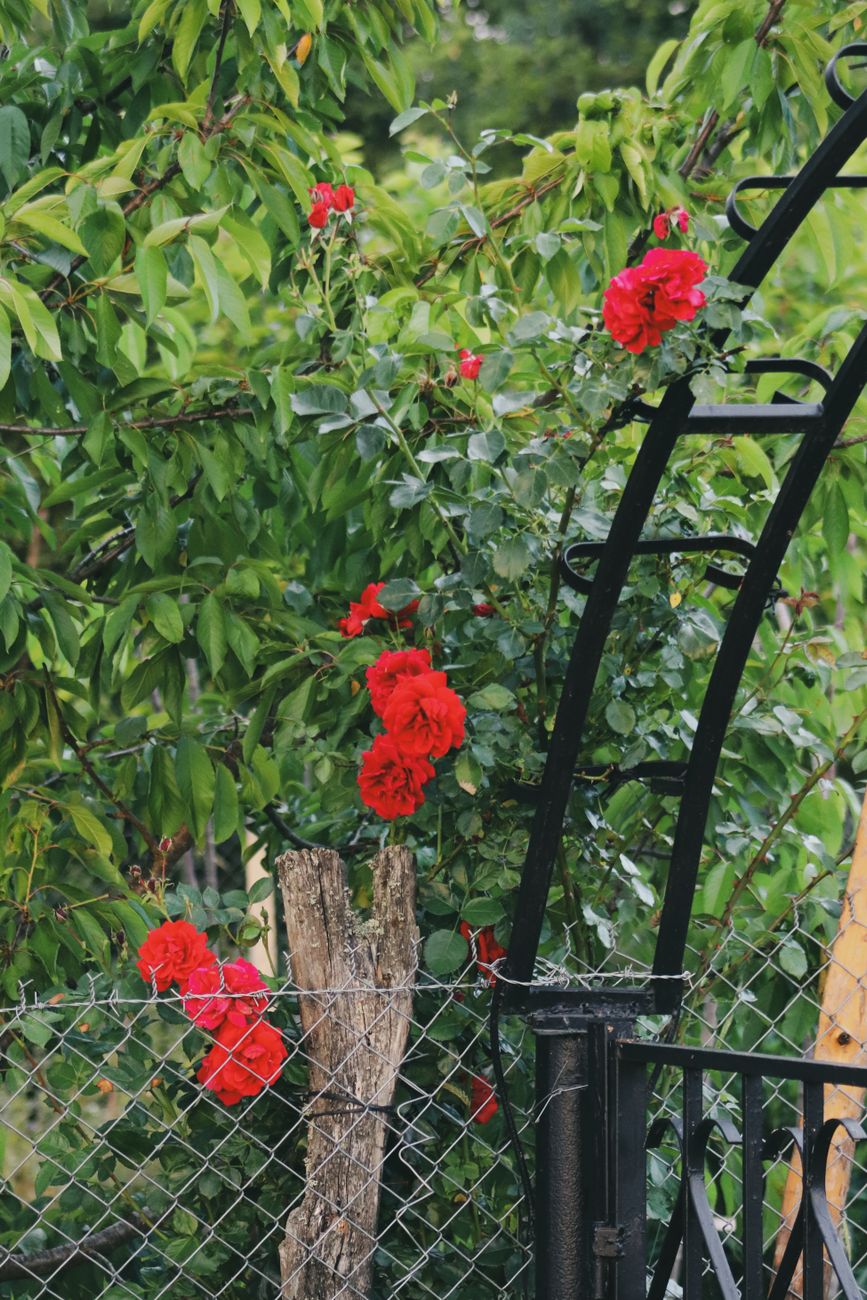
Mastering Early Training: Guiding Canes for Maximum Spread on Arbors
This is where the magic really starts to happen, and it's a step I wish I'd understood better when I first started out. You see, most climbing roses and wisteria naturally want to shoot straight up. If you let them, you'll end up with a few long, leggy stems reaching for the sky, with all the flowers at the top and a bare bottom half. That's not the full, lush coverage we're aiming for on an arbor or pergola!
The secret, which I've learned through a fair bit of head-scratching and observation in my own garden, is to train horizontally from the get-go. This goes against the plant's natural upward inclination, but it forces the plant to send out side shoots along the length of the horizontal stem. And guess what these side shoots do? They produce more flowers and more foliage, filling out your structure beautifully.
As soon as my climbers start producing pliable new canes – usually in their first year, or early in the second – I begin gently guiding them. For a rose, I'll select a few strong, healthy canes to be my primary framework. I then carefully bend these canes and tie them horizontally along the bottom spars of my arbor or pergola. I use soft garden twine or specific plant ties that won't cut into the bark. It’s crucial not to tie them too tightly; leave a bit of slack for growth. I aim for about a 45-degree angle initially, gradually bringing them flatter as they mature.
With wisteria, the principle is similar, but they're even more vigorous. You'll want to establish a strong, woody framework of main stems that are trained horizontally. I’ve found that twisting the wisteria stems around the support structure works well, as they naturally want to twine. For both, any vertical shoots that emerge directly from the ground or from the main horizontal canes should either be trained horizontally if you have space, or pruned back to encourage more side shoots.
One classic mistake I made was letting a particularly enthusiastic rose cane just shoot straight up the leg of my pergola. It looked impressive for a bit, but then all the flowers were way up at the top, out of sight, and the lower section remained sparse. I had to prune it hard and retrain, which set me back a full season. Now, I’m constantly observing my plants, gently coaxing those new canes into position, ensuring they're spread out to maximise light exposure and future flowering. This early, consistent training sets the stage for that rapid, full overhead coverage we're all dreaming of.

Targeted Pruning: Boosting Coverage and Flowering on Arbors and Pergolas
Right, so you’ve got those canes guided, weaving them across your arbor or pergola like a pro. But guiding is only half the battle, isn’t it? The real magic, the dense coverage and those glorious blooms we’re all dreaming of, comes down to targeted pruning. This is where you really get to encourage the plant to do exactly what you want it to, filling out those overhead spaces and showering you with flowers.
I’ve learned this the hard way with both my climbing roses and my wisteria here in the Midlands. My first wisteria, years ago, was a sprawling mess because I was too timid with the secateurs. It had all the spread but none of the density or flowers where I wanted them. Now, I approach pruning with a clear goal: more flowering spurs for wisteria, and plenty of strong lateral shoots for my roses.
Let's break down the two main types of climbers we're talking about, because what works for one can be disastrous for the other!
Pruning for Climbing Roses: Encouraging Laterals and Repeat Blooms
With climbing roses like my 'New Dawn' and a lovely 'Gertrude Jekyll' I have scrambling over a small archway, the goal is to encourage those flowering side shoots, or laterals, off your main structural canes. These are the ones you've already trained horizontally.
I usually do my main rose prune in late winter here in the UK, typically February or early March, just before new growth really kicks off. If you do it too early, a hard frost can damage the fresh cuts, which I've seen happen after an unseasonably mild January.
Here’s my simple approach:
- Remove the three D's: Dead, Damaged, and Diseased wood. This is always step one, any time of year. Our damp British climate means blackspot can be a real pain, so I'm vigilant about removing affected leaves and stems.
- Shorten laterals: Identify the side shoots coming off your main horizontal canes. These are your flowering powerhouses. I shorten them back to about 2-3 buds (around 10-15cm). This encourages them to produce more flowers.
- Remove crossing/rubbing branches: Just like with any shrub, you want good air circulation, especially important in our often humid summers to prevent fungal diseases.
- Consider old, unproductive canes: Every few years, I’ll remove one or two of the oldest, thickest, least productive main canes right at the base to encourage vigorous new basal growth. This keeps the plant youthful and strong. I found this particularly effective on an older 'Wedding Day' climber that was getting a bit woody and sparse at the bottom.
Pruning for Wisteria: The Two-Stage Approach for Spectacular Flowers
Wisteria is a whole different beast. If you want those incredible cascades of flowers that truly cover an arbor, you absolutely must adopt the two-stage pruning method. I swear by this after years of trial and error; it’s a game-changer for getting a reliable show from my Wisteria sinensis every spring.
- Summer Pruning (July/August): This is crucial for controlling growth and setting up next year's flowers. After the main flush of growth, I go in and shorten the long, whippy green shoots that have grown since spring. I cut them back to about 5-6 leaves (around 20-30cm) from the main stem or an existing spur. This diverts the plant's energy from leafy growth into developing flower buds along those spurs. If you skip this, you’ll just get a tangled mess of leaves and very few flowers!
- Winter Pruning (January/February): This is where you really refine those flower spurs. I go back to those shoots I shortened in summer and cut them back even further, to 2-3 buds from the main stem. These tight little spurs are where your magnificent flower trusses will emerge in spring. I always look for the fat, round flower buds, distinct from the smaller, pointed leaf buds.
It sounds like a lot, but once you get into the rhythm, it's incredibly rewarding.
Here’s a quick comparison of my pruning strategies:
| Feature/Climber | Climbing Roses (e.g., 'New Dawn') | Wisteria (e.g., W. sinensis) |
|---|---|---|
| Main Goal | Encourage continuous lateral flowering, maintain vigor | Promote abundant flower spurs, control rampant growth |
| Primary Pruning Time | Late Winter (Feb/Early March in UK) | Two-stage: Summer (July/Aug) & Winter (Jan/Feb in UK) |
| What to Cut Back | Laterals to 2-3 buds (10-15cm); old, unproductive main canes | Summer: Whippy shoots to 5-6 leaves (20-30cm); Winter: Same shoots to 2-3 buds |
| Mistake I Made | Not removing old main canes, leading to sparse lower growth | Not summer pruning – resulted in masses of leaves, few flowers |
| UK Climate Note | Prune before hard frosts; remove diseased wood due to damp | Essential for reliable flowering; manage vigorous growth in our mild weather |

Ongoing Care: Feeding, Watering, and Pest Management for Healthy Climbers
Getting your climbers established and pruned correctly is fantastic, but maintaining that rapid, full coverage requires consistent, thoughtful ongoing care. Think of it like looking after a pet – it needs regular feeding, watering, and a watchful eye for any trouble. This is something I’m constantly doing in my 800 sq ft Midlands garden, especially with so many plants packed in!
Feeding for Sustained Vigor and Blooms
Once your climbers are established and growing well, they'll benefit from regular feeding to support all that vigorous growth and flowering.
- Roses: I feed my climbing roses a good quality granular rose feed in early spring (March/April) as new growth starts, and then again in early summer (June) after the first flush of flowers. I follow the packet instructions carefully, as overfeeding can be worse than underfeeding. I also give them a boost with homemade compost tea every few weeks during the growing season; it’s packed with micronutrients and beneficial microbes, and my 'New Dawn' absolutely laps it up!
- Wisteria: Wisteria is a bit different. It’s a legume, so it fixes its own nitrogen. Too much nitrogen will give you masses of lush foliage but fewer flowers. I generally give my wisteria a dose of high-potash feed in early spring (think tomato food) to encourage flowering, and top-dress with a layer of well-rotted garden compost or manure. This provides slow-release nutrients without overdoing the nitrogen.
Watering: The Lifeline for Overhead Coverage
Even here in the UK, where we're famous for our rain, prolonged dry spells are common, especially in spring and summer. Newly planted climbers need consistent moisture to establish their root systems.
- Consistency is Key: For the first year or two, I make sure to check the soil moisture around new climbers every few days. I stick my finger in about an inch or two deep. If it feels dry, I water deeply.
- Deep Watering: When I water, I aim for a slow, deep soak rather than frequent shallow sprinkles. This encourages the roots to grow downwards, making the plant more resilient to drought later on. For my established climbers on the pergola, a good drench once a week during a dry summer is usually enough. I learned this after a particularly dry April here a few years back – my 'New Dawn' started to flag, and I realised I was relying too much on surface moisture.
- Mulch, Mulch, Mulch! This is a non-negotiable for me. A thick layer (5-10cm) of organic mulch (like wood chip, compost, or bark) around the base of your climbers helps retain soil moisture, suppresses weeds, and slowly adds nutrients. It’s a real time-saver and a lifesaver in our variable British weather.
Pest and Disease Management: Staying Vigilant
No gardener in the UK gets away without some battles with pests and diseases, do they? The key is vigilance and early intervention.
- Daily Check-ins: As I potter around my garden every morning, I always give my climbers a quick once-over. Are there any curled leaves? Any sticky residue? Any tell-tale holes?
- Aphids: These are the most common culprits, especially on new rose growth in spring. My first line of defence is always a strong jet of water from the hose to knock them off. If it's a persistent problem, I'll use a dilute soap spray or an organic insecticide like neem oil. I’ve found that encouraging natural predators like ladybirds and hoverflies through companion planting (e.g., nasturtiums near roses) really helps keep numbers down.
- Fungal Diseases (e.g., Blackspot, Powdery Mildew): Roses, particularly, can suffer from these in our humid climate. Good air circulation through proper pruning helps, as does removing affected leaves immediately. I also try to water the base of the plant, not the foliage, to reduce dampness on the leaves. If it gets bad, I'll use an organic fungicide, but prevention is always better. My 'Gertrude Jekyll' is quite susceptible to blackspot, so I'm always picking off those spotted leaves.

Advanced Strategies: Maintaining Full Coverage and Rejuvenating Mature Plants
You've put in the hard graft, and your arbor or pergola is looking magnificent, blanketed in glorious green and flowers. But what happens when your climbers mature, perhaps get a bit woody, or develop bare spots? This is where advanced strategies come in – thinking long-term about maintaining that lush, full coverage and, when necessary, giving an older plant a new lease on life.
I’ve had to tackle this with an older, rather neglected Wisteria sinensis when I first moved into my current house. It had a massive, gnarled trunk but very little flowering wood and huge bare sections. It was a proper challenge, but so rewarding to bring it back!
Maintaining Density and Filling Gaps
Rapid growth is great, but sometimes it can be leggy or uneven. The goal is to encourage a dense, even canopy.
- Strategic Lateral Training: Continue to train new, vigorous shoots horizontally along your structure. These are the main framework. For roses, these laterals will produce the most flowers. For wisteria, they become the base for your flowering spurs. If you notice a gap forming, guide a young, flexible cane into that space and secure it.
- "Weaving" New Growth: For both roses and wisteria, I often gently weave new, pliable shoots through the existing framework. This helps to fill out the canopy and ensures that sunlight reaches all parts of the plant, encouraging growth where you want it. This is particularly effective for thickening up a rose arch.
- Pinching Back Soft Tips: If you have areas that are growing too vigorously with leafy growth but not setting flowers (more common with wisteria), you can gently pinch out the soft tips of new shoots. This encourages branching lower down and helps to create a bushier, denser effect.
Rejuvenation Pruning: A New Lease on Life
Sometimes, a climber just gets old, woody, and unproductive. Or, like my initial wisteria, it’s been neglected. This is when you might consider rejuvenation pruning, which is essentially a hard prune to encourage fresh, vigorous growth from the base. It’s a bit scary the first time you do it, but often necessary for long-term health and performance.
- When to Consider It: If your rose has become very woody with few flowers, or your wisteria has stopped flowering well and has a lot of dead or unproductive wood. This is usually for plants that are 10+ years old.
- The Big Chop (for Roses): I tackle this in late winter (February/March). I'll cut back the oldest, thickest, least productive main canes right to the ground or to a very strong, low-growing side shoot. You might remove 1/3 to 1/2 of the plant's overall mass. It looks drastic, but it stimulates new basal shoots. I remember doing this to an old, sparse 'Aloha' rose, and the next season it put out amazing new growth.
- The Big Chop (for Wisteria): This is even more dramatic. For a seriously neglected wisteria, you can cut all the main stems back to about 60-90cm from the ground, or to the lowest strong side branch, in late winter. It might take a year or two for it to recover and flower again, but the new growth will be far more vigorous and productive. I did this with my old wisteria – it looked like I’d murdered it, but within two years, it was producing incredible flower trusses again, and I could train the new growth properly.
Important Note: Don't try rejuvenation pruning on plants that are already struggling with disease or poor health. Make sure the plant is generally healthy before giving it such a shock.
Here's a comparison of these advanced strategies:
| Strategy | Goal | Timing (UK) | How I Do It (Randy's Tips) | Potential Drawback |
|---|---|---|---|---|
| Maintaining Density | Keep coverage even, fill minor gaps, encourage branching | Ongoing, during growing season | Weave new shoots through existing framework; pinch soft tips | Requires regular attention, can be time-consuming |
| Rejuvenation Pruning | Revitalise old, woody, unproductive plants; stimulate new growth | Late Winter (Feb/March) when dormant | Cut back oldest canes heavily (roses: 1/3-1/2; wisteria: 60-90cm) | Drastic appearance initially, might skip a year of flowers |
| Addressing Gaps | Guide new growth into sparse areas | As new growth emerges, throughout growing season | Select a vigorous new cane, train it to fill the gap | Requires patience, may take a season or two to fill |
| UK Climate Note | Rejuvenation best in milder winters; ensure good spring recovery | New growth can be susceptible to late frosts after hard pruning |
Conclusion: Your Overhead Oasis Awaits!
Well, there you have it, fellow gardeners! We've journeyed from selecting the perfect climbers to mastering early training, targeted pruning, and providing the ongoing care that will transform your garden with spectacular overhead coverage.
It's been quite a ride, hasn't it? From wrestling those young canes onto my arbor to the sheer joy of seeing my Wisteria sinensis explode with those incredible purple cascades every spring, or my 'New Dawn' roses showering me with bloom after bloom. I've made my fair share of mistakes along the way – a wisteria that was all leaf and no flower, roses that got leggy because I was too scared to prune. But every failed experiment, every battle with the British weather, has taught me something valuable.
The key, I've learned in my 5+ years of intense gardening here in my 800 sq ft Midlands backyard, is patience, observation, and a willingness to get stuck in. Don't be afraid to prune, to guide, to experiment a little. Your climbing roses and wisteria are incredibly resilient, and with these strategies, you're not just growing plants; you're crafting living architecture that will bring immense beauty and a wonderful sense of enclosure to your outdoor space.
Imagine sitting under your own canopy, dappled sunlight filtering through fragrant blooms, perhaps a cup of tea in hand. That vision is entirely achievable with a bit of strategic effort. So, go forth, embrace the challenge, and create your own overhead oasis. I'd love to hear about your successes – and your challenges too! Happy climbing, everyone!