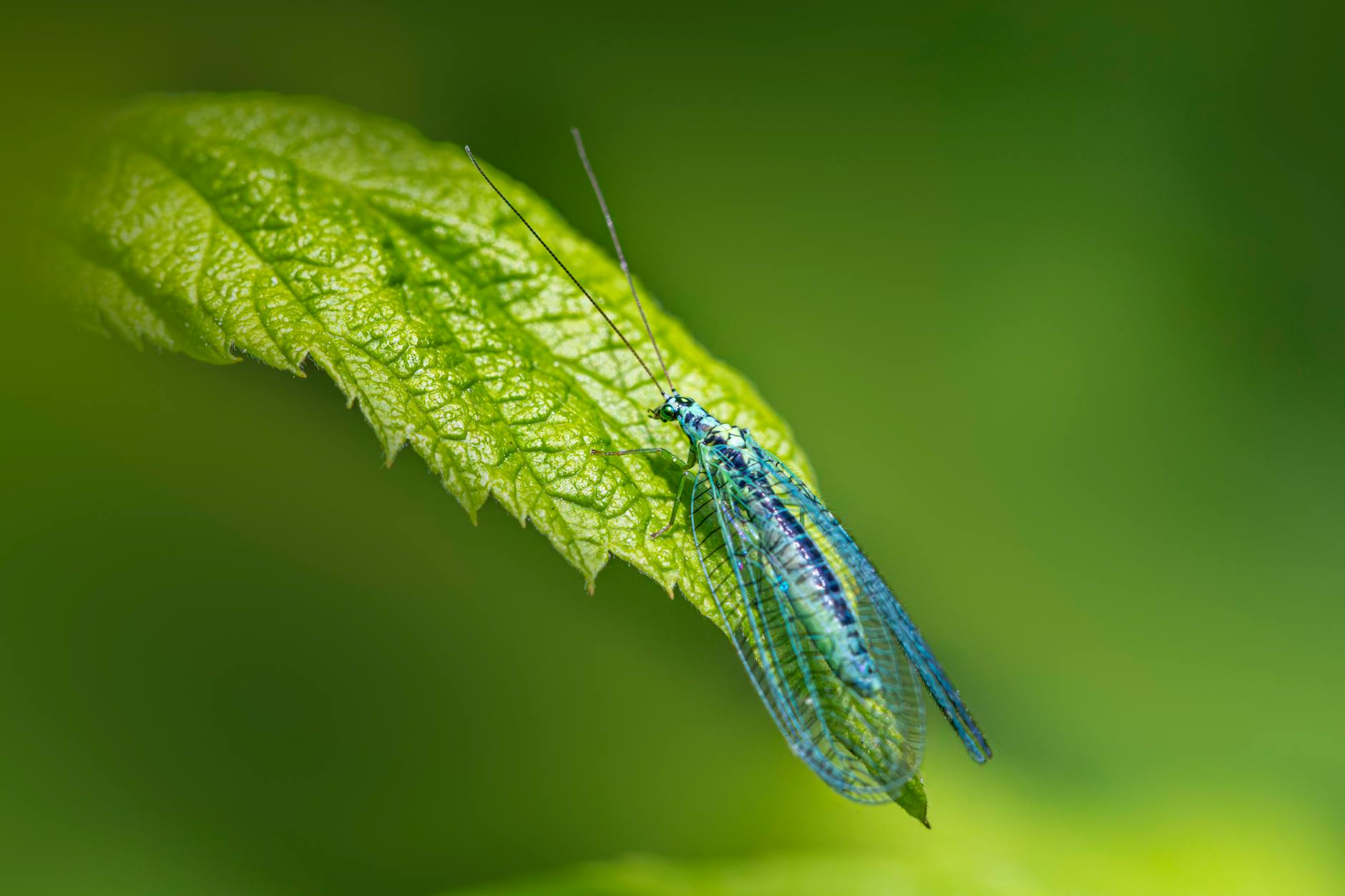
Introduction: Why Beneficial Insects are Your UK Garden's Best Friends
When I first started gardening about five years ago, fresh out of the IT world and into the soil here in the UK Midlands, my biggest nemesis wasn't slugs – although they certainly put up a good fight! It was the sheer overwhelm of dealing with aphids, whitefly, and caterpillars devouring my precious crops. I remember one season, my greenhouse 'Moneymaker' tomatoes were absolutely smothered in whitefly, and my Brussels sprouts looked like lace doilies thanks to cabbage whites. I tried everything from soapy water sprays to meticulously picking off pests by hand, but it felt like a losing battle, and I certainly didn't want to reach for harsh chemicals in my organic patch.
That's when I had my big 'aha!' moment: instead of fighting against nature, why not work with it? I started reading about beneficial insects, and honestly, it felt like discovering a secret army I never knew I had. My 800 sq ft backyard, packed with raised beds and a bustling greenhouse, quickly became a testing ground for attracting these tiny heroes. What I've learned since then has completely transformed my approach to pest control. My garden isn't just a place for growing food; it's a thriving ecosystem, buzzing with allies that do the hard work for me, naturally.
Here in Britain, with our often unpredictable weather and diverse range of garden pests, inviting beneficial insects to your patch is, in my experience, the most effective and sustainable way to keep things balanced. They're your natural pest control squad, tirelessly hunting down and munching on the critters that want to munch on your veggies. This isn't just theory; it's what I've seen firsthand in my own UK garden for years. From ladybirds devouring aphids on my 'Sungold' tomatoes to hoverfly larvae protecting my lettuce, these little guys are invaluable. So, if you're ready to ditch the endless battle and embrace a truly organic, harmonious garden, stick with me. We're going to dive into identifying your garden allies, cultivating their favourite hangouts, and making your garden a five-star resort for these incredible pest-munching machines.
Identifying Your Garden Allies: A Visual Guide to Common Beneficial Insects in the UK
One of the first things I learned on my journey to a more natural garden was the importance of knowing who's who. It's easy to assume every bug is a bad bug, especially when you're new to this, but that's a mistake I certainly made early on. I'd sometimes accidentally squish a ladybird larva thinking it was some kind of alien pest, only to realise my error later. Knowing what your beneficial insects look like, especially in their larval stages when they're at their hungriest, is absolutely crucial. They're often less glamorous than their adult counterparts but far more effective pest controllers!
Here in my Midlands garden, I've spent countless hours observing these creatures, mug of tea in hand, learning their habits and identifying their various life stages. What works here in Britain is understanding that these insects are adapted to our climate, and once you provide the right conditions, they'll happily move in and get to work. Let's take a look at some of the superstars you'll want to welcome.
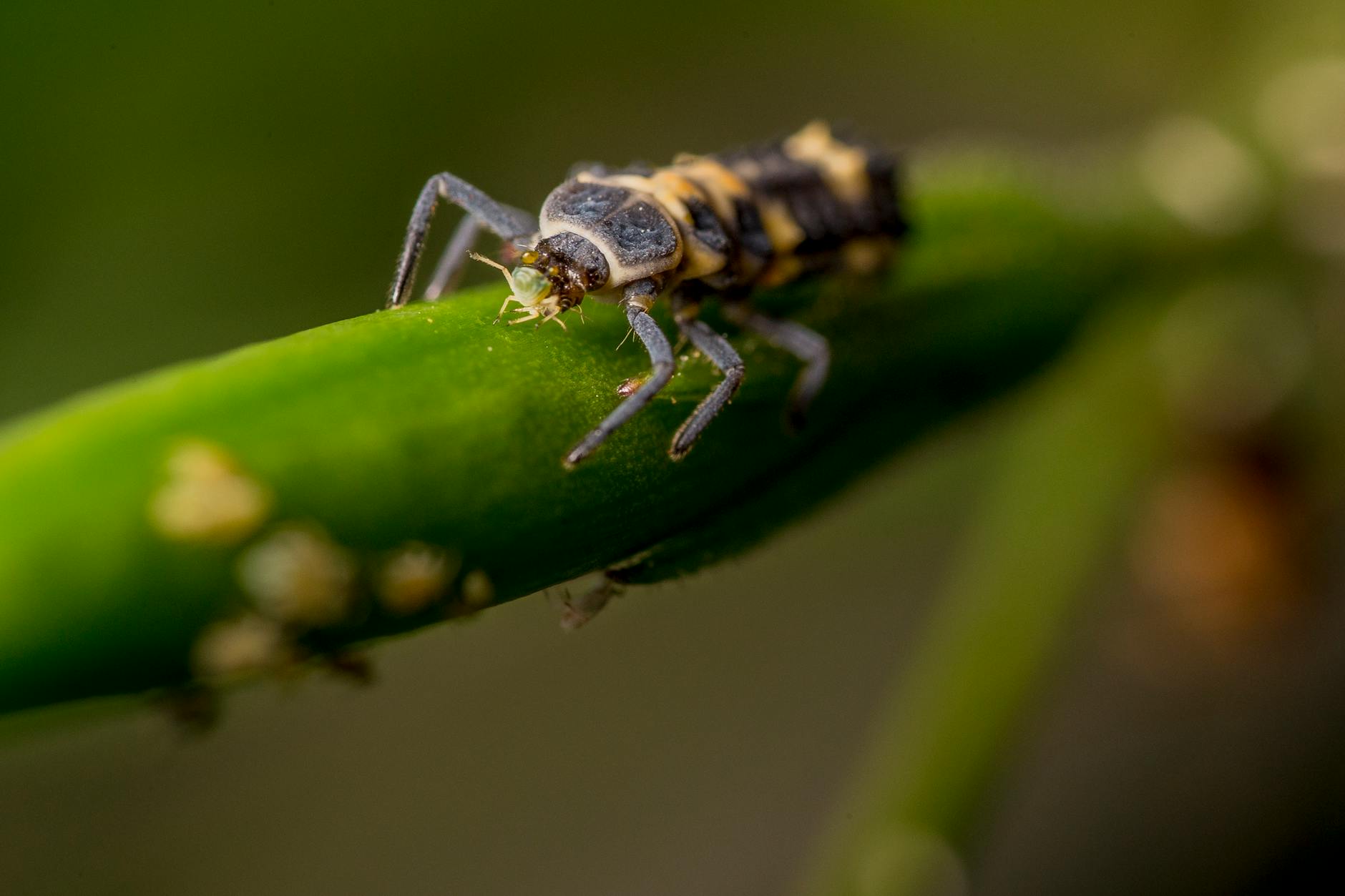
Common Beneficial Insects in My UK Garden
| Insect Ally (Life Stage) | Key ID Features (UK Garden) | What They Eat (Pests) | Where I Find Them (My UK Garden)
5. Harmful Habits to Avoid: Protecting Your Beneficial Insect Population
Alright, we've talked about what to do, but sometimes what you don't do is just as important. When I first started out five years ago, buzzing with enthusiasm but perhaps a bit short on wisdom, I made some classic mistakes that inadvertently harmed the very allies I was trying to attract. Learning from these missteps has been crucial for cultivating the thriving mini-ecosystem I now enjoy in my 800 sq ft Midlands garden.
The Pesticide Problem: Even "Organic" Can Be Bad News
This is probably the biggest no-no. It sounds obvious, right? Don't spray chemicals if you want insects. But it goes deeper than that. I remember one season, early on, when my broad beans were absolutely covered in blackfly. I panicked and grabbed an 'organic' insecticidal soap, thinking it was harmless. While it did knock back the aphids initially, I noticed a dramatic drop in ladybirds and hoverflies for weeks afterwards.
The truth is, most broad-spectrum pesticides – even many approved for organic gardening – don't discriminate. They kill the good guys along with the bad. A general spray for aphids will also wipe out the lacewing larvae that were just about to feast on them. I've learned that a temporary fix often creates a bigger, longer-term problem by destroying the natural predators. Now, I only ever consider a very targeted, last-resort approach if a pest outbreak is truly decimating a crop, and even then, I try physical removal first. My 'Sungold' tomatoes in the greenhouse, for instance, sometimes get whitefly, but a quick blast with the hose or a sticky trap is usually all it takes, letting the Encarsia wasps I see buzzing around do their job naturally.
Over-Tidiness: Don't Sweep Away Their Homes
As a former IT worker, I used to love everything neat and organised. This translated into my early gardening habits: raking every leaf, cutting back every spent stem, keeping borders pristine. What I didn't realise was that I was effectively bulldozing the homes and overwintering sites for many beneficial insects.
Here in the UK, especially with our damp winters, many beneficials like ladybirds, lacewings, and ground beetles seek shelter in leaf litter, hollow stems, and undisturbed areas. Now, in my garden, I make a conscious effort to leave spent perennial stems standing over winter – things like my coneflowers and sedum provide excellent hollows. I also have a couple of designated 'wilder' corners where leaf litter naturally accumulates. It might not look like a show garden, but it's a bustling hub of activity beneath the surface. I've found that leaving a small log pile under a hedge has been a fantastic retreat for ground beetles, which are brilliant slug predators, especially with our classic British slug problem!
Monoculture Madness: Variety is the Spice of Life (and Pest Control)
Planting vast swathes of a single crop might look impressive, but it's an open invitation for specific pests and a barren landscape for beneficials. A field of just brassicas, for example, is a banquet for cabbage white butterflies and their caterpillars, with little to attract the parasitic wasps that could control them.
My 800 sq ft garden is a testament to diversity. I practise companion planting extensively, mixing vegetables, herbs, and flowers throughout my raised beds. I interplant my 'Defender' cabbages with calendula and dill, not just for aesthetics, but because the flowers attract hoverflies and lacewings, which then stay to tackle any emerging aphid issues on the brassicas. This patchwork approach ensures that even if one crop gets a bit of pest pressure, there's always a diverse community of beneficials nearby ready to step in. It’s also much more resilient to our unpredictable British weather patterns, as different plants thrive in different conditions.
6. Monitoring Your Mini-Ecosystem: Signs of a Healthy, Balanced Garden
So, you've put in the effort, planted the flowers, provided the water – how do you know if it's all actually working? Monitoring your garden is one of the most rewarding parts of this whole process. It’s not about achieving a sterile, pest-free zone (that's an impossible dream, especially with our UK climate!), but about observing a dynamic balance. After five years of watching my garden evolve here in the Midlands, I've learned to read the subtle signs that tell me my beneficial insect population is thriving.
The Presence of Your Allies
This is the most obvious sign. Are you seeing the beneficial insects we talked about in the earlier sections? I love doing my morning rounds, coffee in hand, spotting ladybirds munching on aphids on my climbing beans, hoverflies darting around the phacelia I sow for them, or lacewing larvae stealthily patrolling the undersides of my 'Marmande' tomato leaves in the greenhouse.
- Ladybirds: Look for both adults and their alligator-like larvae. They're voracious aphid eaters. Last year, after a particularly wet spell that brought a surge of blackfly to my broad beans, I counted dozens of ladybird larvae on the stems – a sure sign my ecosystem was responding.
- Hoverflies: Their larvae are slug-like and hide among aphid colonies. The adults are great pollinators and easy to spot on open flowers like dill and calendula.
- Lacewings: Delicate adults, but their larvae are fierce predators. I often find their tiny, stalked eggs on leaves, a good indicator they're around.
- Ground Beetles: These nocturnal heroes are harder to spot, but if you lift a pot or a stone, you might see them scurry away. Their presence is a great sign they're tackling slugs and other ground-dwelling pests.

Healthy Plants with Minor Pest Presence
A truly healthy garden isn't one with no pests. It's one where pests are present, but their numbers are kept in check. You might see a few aphids on a new shoot of your 'Red Russian' kale, but before they can form a major colony, you'll spot a ladybird larva or a hoverfly maggot getting to work.
If your plants are generally vigorous, producing well, and not showing signs of severe damage, that's a huge win. The occasional munched leaf is just part of nature, and it signals that the food chain is active. It's about seeing the recovery and resilience of your plants, rather than perfect, unblemished leaves. I've found that my greenhouse tomatoes, while occasionally attracting whitefly, rarely suffer significant damage because the resident beneficials keep them under control.
Minimal Need for Intervention
The ultimate sign of a balanced garden is that you rarely need to step in. I barely ever spray anything these days. My main interventions are things like companion planting, hand-picking a few particularly juicy slugs off my lettuce after a damp evening (a classic UK gardening battle!), or a quick blast of water for a small aphid cluster.
This hands-off approach allows the natural processes to take over, saving me time and effort, and making my gardening experience much more enjoyable. It means my garden is working for me, rather than me constantly battling against it. It's a huge shift from my early days, and one that brings immense satisfaction, especially when you consider our often-challenging British weather!
7. Conclusion: Embrace Nature's Pest Control for a Thriving Organic UK Garden
Stepping away from my computer and into my garden five years ago was the best decision I ever made. And one of the most profound lessons I've learned in that time, cultivating my 800 sq ft space here in the UK Midlands, is the immense power and wisdom of working with nature, not against it. Attracting beneficial insects isn't just a gardening technique; it's a philosophy that transforms your garden into a vibrant, resilient ecosystem, and your approach to gardening into a partnership with the natural world.
We've covered a lot today, from identifying those unsung heroes like ladybirds and hoverflies, to creating a veritable five-star resort for them with nectar-rich plants like phacelia and dill, and providing essential shelter and water. We've also discussed the crucial habits to avoid, like the indiscriminate use of pesticides and over-tidiness, which can unwittingly undermine all your good efforts. And finally, I've shared how I monitor my own mini-ecosystem, looking for those encouraging signs of balance and health.
It's not always easy, especially with our unpredictable British weather throwing curveballs – one year it's a late frost, the next it's a summer drought, then endless rain! But what I've found through years of trial and error in my UK garden is that a diverse, insect-friendly garden is far more robust and adaptable. It requires patience and observation, but the rewards are truly immense.
You'll see fewer pest outbreaks, healthier plants, and a garden teeming with life. Beyond the practical benefits of organic pest control, there's a deep satisfaction in knowing you're contributing to local biodiversity, providing vital habitats, and reducing your environmental footprint. My greenhouse, packed with heirloom tomatoes like 'Brandywine' and 'Cherokee Purple', thrives because of this approach, and the buzzing life in my raised beds is a constant joy.
So, fellow UK gardeners, I urge you: give it a go! Start small. Plant a few extra calendulas, leave a patch of nettles, or simply observe your garden more closely. You'll be amazed at the tiny wonders working tirelessly on your behalf. Embrace the mess, celebrate the diversity, and let nature do what it does best. Your plants will thank you, the insects will thank you, and you'll discover a deeper connection to your own little patch of British soil. Happy gardening!