As the crisp autumn air starts to bite and the last of the summer's frenzy begins to fade, many gardeners might be tempted to put their feet up and dream of next spring. But here in my 800 sq ft Midlands garden, packed with raised beds and a bustling greenhouse, I see autumn and early winter not as an end, but as a critical new beginning for some of my most cherished residents: the established perennial vegetable beds. For me, tending to my asparagus, rhubarb, and artichokes during these colder months isn't just a chore; it’s a strategic investment, a silent promise to myself for a bountiful harvest next season.
I’ve been at this intensive home gardening game for over five years now, ever since I swapped my IT desk for a trowel, and one of the biggest lessons I’ve learned – often the hard way, thanks to our wonderfully unpredictable British weather – is that what you do now truly dictates what you'll pick later. Neglect these workhorse perennials when they're winding down, and you're essentially short-changing yourself. I remember one early season, I got a bit lazy with my asparagus bed, thinking it would just "be fine." Come spring, the spears were thinner, fewer, and the overall vigour just wasn't there. That was my wake-up call. Now, I approach this period with a focused plan: strategic clean-up, targeted feeding, and robust crown protection. Trust me, it makes all the difference for those glorious asparagus spears, juicy rhubarb stalks, and meaty artichoke hearts.
Setting the Stage: Why Autumn & Early Winter Care is Crucial for Perennial Success
For me, caring for my established perennial vegetable beds in autumn and early winter is like tucking them into bed for a long, restorative sleep. It’s not just about being tidy; it’s about understanding the plant's natural cycle and giving it exactly what it needs to thrive through our often-damp and chilly UK winters, ready to burst forth with energy when spring finally rolls around.
Think about it: these plants have spent months pouring energy into producing foliage, flowers, and delicious harvests for us. Asparagus ferns, rhubarb leaves, and artichoke plants have been photosynthesising like mad, building up energy reserves in their root systems and crowns. As the days shorten and temperatures drop here in the Midlands, they start to slow down, redirecting that stored energy downwards. Our job as gardeners is to facilitate this process and protect that precious stored energy. One mistake I made early on was thinking that because the leaves were dying back, the plant was 'done'. In reality, those underground crowns are very much alive, just dormant, and incredibly vulnerable to the cold, wet, and pests if left unattended. In my experience, a little effort now prevents a lot of heartache and disappointment when you’re eagerly awaiting those first tender shoots in spring. What works here in Britain is a proactive approach, preparing them for the specific challenges our climate presents, from sudden frosts to prolonged wet spells.
Strategic Clean-Up: Removing Spent Foliage and Weeds for Plant Health
As the leaves on the trees turn gold and fall, so too do the spent leaves and stalks of our perennial vegetables. This is the first, crucial step in my autumn and early winter routine. It's more than just tidying up; it's about disease prevention, pest control, and ensuring all the plant's energy is focused on its crown, not on maintaining decaying foliage.
For my asparagus, like the 'Guelph Millennium' variety I've grown for three years, I wait until the ferns have completely yellowed and started to die back, usually after the first significant frost around late October or November here in the Midlands. I cut them right down to about 2-3 inches above the soil level using sharp, clean secateurs. This isn't just for aesthetics; those decaying ferns can harbour asparagus beetle eggs and fungal spores, which can overwinter and cause problems next season.
My rhubarb patch, currently home to 'Timperley Early' and 'Victoria', gets a similar treatment. Once the leaves yellow and collapse, usually by late autumn, I cut them back to ground level. Again, this removes potential hiding spots for pests and diseases, and any leaves showing signs of disease, like rust, go straight into the bin, not the compost.
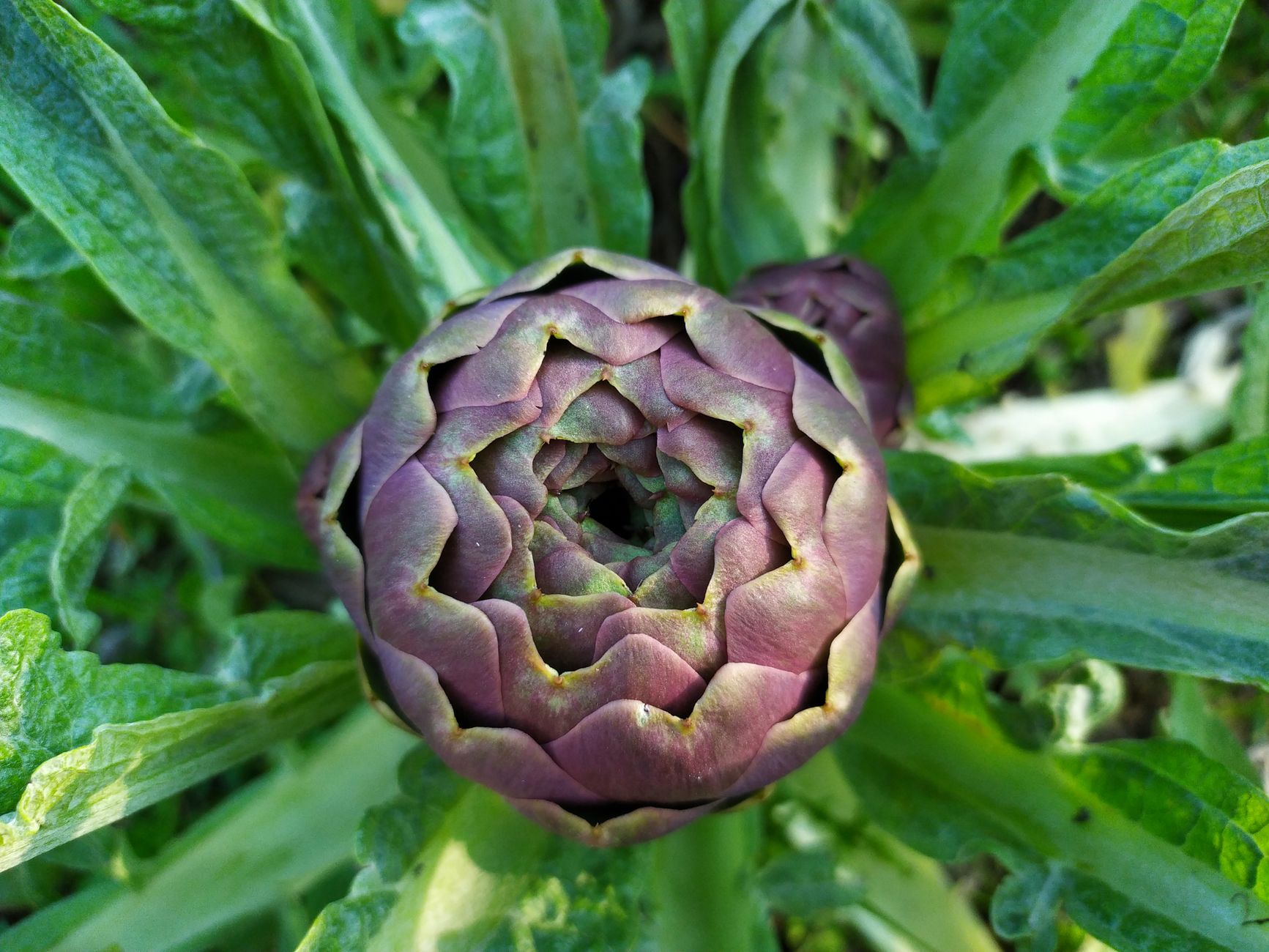
Artichokes, especially my 'Green Globe' variety, are a bit different. After they've finished producing their wonderful globes, I usually cut back the main flowering stalks right away. Then, as winter approaches and the remaining foliage starts to look ragged or gets hit by frost, I'll cut those back too, leaving about 6-8 inches of stem to protect the crown. This prevents the old growth from becoming a soggy, rotting mess over winter, which can lead to crown rot, something I've battled with in past damp UK winters.
While I'm down there, I always give the beds a thorough weeding. Even in winter, weeds can compete for moisture and nutrients, and provide shelter for slugs and other pests. It’s much easier to pull them out now when the soil is still relatively workable than to battle them in spring when your perennials are trying to get a head start.

Targeted Feeding: Nourishing Crowns for Bumper Harvests Next Season
Once the beds are clean and tidy, it's time for the second critical step: targeted feeding. This isn't about promoting leafy growth now, but about replenishing the soil and giving those dormant crowns a slow-release boost of essential nutrients that they can draw on when they wake up in spring. I've learned that feeding your perennials in autumn is like giving them a nutritious packed lunch for their winter nap, ensuring they have plenty of energy for next year’s big growth spurt.
Here in my UK garden, I focus on organic, slow-release feeds that improve soil structure while providing the right balance of nutrients. We're generally looking for feeds rich in phosphorus and potassium, which are crucial for root development and overall plant vigour, rather than high nitrogen, which encourages leafy growth we don't need right now.
My go-to options include well-rotted farmyard manure, good quality homemade compost, and bonemeal. I apply these around the crowns of each plant, gently working them into the top few inches of soil without disturbing the roots too much. The beauty of these organic materials is that they slowly break down over winter, enriching the soil and making nutrients available to the plants exactly when they need them in spring. I’ve found that applying a good layer of well-rotted manure to my rhubarb in late autumn, for example, results in much stronger, earlier stalks the following season. Last year, I experimented with adding a handful of wood ash (from untreated wood, of course) around my artichokes for an extra potassium boost, and they certainly seemed to appreciate it!
Here's a detailed comparison of what I typically use for targeted feeding in my UK perennial beds:
| Perennial Vegetable | Recommended Feed Type (Autumn/Early Winter) | Key Nutrients Supplied | Application Timing (UK Specific) | Randy's Personal Notes/Tips for UK Conditions |
|---|---|---|---|---|
| Asparagus | Well-rotted farmyard manure, Bonemeal | P, K, Ca, Mg, Trace Elements | Late Oct - Nov (after ferns cut back) | Essential for strong spears. Don't use fresh manure; it can burn. I aim for a 2-3 inch layer around the crowns. |
| Rhubarb | Well-rotted farmyard manure, Compost, Wood Ash | P, K, N (low), Trace Elements | Late Oct - Nov (after leaves cut back) | Rhubarb is a hungry plant! A generous mulch of manure works wonders for stalk thickness. Wood ash adds potassium for vigour. |
| Artichokes | Compost, Bonemeal, Seaweed Meal | P, K, Ca, Trace Elements | Late Oct - Early Nov (after stalks cut back) | Artichokes appreciate good drainage and consistent nutrients. Seaweed meal seems to help them cope with damp winters. |
Crown Protection: Shielding Established Beds Against UK Winter Frosts
Even after a good clean-up and a nutritious feed, our established perennial vegetable crowns are still vulnerable to the harsh realities of a British winter. The main threats here in the Midlands are deep, penetrating frosts, the dreaded "frost heave" (where the soil freezes and thaws, pushing crowns out of the ground), and prolonged periods of wet, cold weather that can lead to rot. This is where crown protection comes in – essentially, giving them a warm, insulating blanket.
My primary method for protection is mulching. A good, thick layer of mulch not only insulates the soil, keeping the crowns at a more stable temperature, but it also helps suppress weeds and retains moisture, which is still important even in winter. For my asparagus and rhubarb, I lay down a generous 4-6 inch layer of well-rotted compost, straw, or leaf mould over the entire bed after feeding. I've found that straw is particularly good for insulation, especially for my asparagus, which seems to appreciate the extra warmth. It also helps prevent the soil from getting waterlogged, which is crucial in our often-damp climate.
Artichokes, in my experience, are the most sensitive of the bunch, especially to hard frosts. Here in the Midlands, a thick mulch isn't always enough. After cutting them back and applying compost, I'll often heap a mound of straw or bracken directly over the crown, sometimes even adding a cloche or a sturdy bucket over the top if a really severe cold snap is forecast. This extra layer of protection can be the difference between a thriving plant next spring and a sad, frozen crown. One particularly bitter winter a few years ago, I didn't adequately protect my artichokes, and despite them being established, I lost a couple to the frost. That was a hard lesson learned about just how unpredictable our British weather can be!
Remember, good drainage is absolutely paramount before you even think about mulching. If your perennial beds are prone to waterlogging, adding a thick mulch without addressing the drainage issue first can actually exacerbate rot. I always make sure my raised beds are draining well before applying any winter protection.
Winter Health Check: Preventing Pests and Diseases Before Spring Emergence
Even though our perennial beds look pretty quiet now, lying dormant under the grey UK skies, this isn't the time to completely switch off. In my 800 sq ft Midlands garden, I’ve learned that autumn and early winter are actually a crucial time for a bit of a "winter health check" to prevent nasty surprises come spring. It’s all about getting ahead of the curve, especially with our often-damp British winters.
My main focus right now is on slugs and snails. Oh, those pesky critters! They absolutely adore the damp, sheltered conditions around dormant crowns. While they might not be munching on foliage right now, they're bedding down, ready to emerge with a vengeance the moment those asparagus spears or rhubarb shoots poke through. I make sure the area around my crowns is as clear as possible from any excess debris – think fallen leaves or stray weeds – that could give them a cosy hideout. I’ve had success with a sprinkling of crushed eggshells or even a very light layer of horticultural grit around the base of my rhubarb and artichokes. It’s not foolproof, but it definitely makes a difference. One year, I was a bit lazy with this and paid for it with nibbled rhubarb stalks in early spring. Never again!
For asparagus, I’m particularly vigilant about any signs of asparagus beetle larvae or eggs on the old fronds before I cut them back. While the main cut-back should have happened by now, a final check as I mulch is a good idea. Any suspect fronds go straight into the general waste, not the compost, to prevent overwintering. I also keep an eye out for rust, which can sometimes linger on forgotten bits of foliage. A good clear-up earlier in the season is your best defence here, as spores can overwinter.
And let's not forget the potential for fungal diseases. Our mild, wet UK winters can be a breeding ground if conditions are too stagnant. Good air circulation is key, which again, ties back to that initial strategic clean-up. By removing spent foliage and ensuring the crowns aren’t buried under a thick, soggy blanket of dead leaves, you’re helping to prevent issues like crown rot, especially with rhubarb. I’ve found that a light, airy mulch, like straw, works much better than heavy, wet leaves for this exact reason. It’s all about creating an environment that’s inhospitable to pests and diseases, long before spring’s tender shoots even think about emerging.
Preparing for Next Season: Division, Offsets, and Future Bed Planning
Beyond just getting our established beds through winter, this quieter period is also a brilliant time to think about the future. For the eager gardener like me, it's never too early to plan for next season's expansion or rejuvenation. This is where division and taking offsets come into play, helping us propagate our favourite perennial vegetables and keep our existing beds productive.
Rhubarb Division: Rejuvenation and Propagation
Rhubarb is probably the easiest of the three to divide, and it’s something I do every few years to rejuvenate older, less productive crowns or to simply get more plants for new beds or to share with fellow gardeners. The best time to do this here in the UK is either in late autumn/early winter, when the plant is fully dormant and the leaves have died back, or in very early spring before active growth begins. I usually aim for November or February, depending on how frozen the ground is.
To divide, I carefully dig up an established crown, usually one that's been in for 5-7 years and is starting to look a bit tired. Then, with a sharp spade or even a saw for really stubborn ones, I chop the crown into pieces, ensuring each section has at least one strong bud (or "eye") and a good section of root. I've found that replanting these divisions immediately, giving them plenty of space and well-rotted compost, sets them up for success. Last year, I divided my 'Timperley Early' rhubarb, and the new plants are already looking strong, ready for a small harvest next spring.
Artichoke Offsets: Expanding Your Patch
Globe artichokes, unlike rhubarb, are usually propagated from offsets or suckers rather than dividing the main crown. These offsets are the small plantlets that grow around the base of the main plant. Again, late autumn or early spring is the prime time for this. I prefer early spring, just as they start to show signs of life, as it gives them the whole growing season to establish.
I carefully dig around the base of a mature artichoke plant and gently detach the offsets, ensuring each has some roots attached. I look for the strongest, healthiest-looking ones. You can either pot these up in good quality compost to grow on in a sheltered spot (my unheated greenhouse is perfect for this) or, if the weather is mild and the soil workable, plant them directly into their new, well-prepared bed. I once tried to detach some offsets too early in autumn during a particularly wet spell, and they just rotted. Patience and good timing, especially with our variable UK weather, are key!
Asparagus: A Different Approach
Asparagus is a bit different. While you can divide very old, unproductive asparagus crowns, it’s not common practice and can be quite stressful for the plant. Asparagus prefers to be left undisturbed once established. For expanding my asparagus patch, I always opt to buy new, healthy one-year-old crowns in late winter/early spring. I've tried growing them from seed too, which is a lovely project, but takes much longer to get to harvestable spears. If you have an exceptionally old bed (15+ years) that's really flagging, then a careful division might be a last resort, but honestly, I'd probably start a new bed with fresh crowns instead.
Here's a quick comparison of these propagation methods:
| Perennial Vegetable | Method of Propagation | Best Time (UK) | Why This Method? | Randy's Top Tip |
|---|---|---|---|---|
| Rhubarb | Division | Late Autumn / Early Spring (dormant) | Rejuvenation, increased yield, propagation | Ensure each division has at least one strong bud and plenty of root; plant into rich, well-drained soil. |
| Globe Artichoke | Offsets / Suckers | Late Autumn / Early Spring (showing life) | Propagation, replacement of older plants | Choose healthy, rooted suckers; pot up for protection if planting out immediately isn't feasible due to weather. |
| Asparagus | New Crowns (or seed) | Early Spring (dormant) | Less stress, quicker establishment than division | Buy robust one-year-old crowns from a reputable UK supplier; division is generally discouraged due to plant stress. |
Looking Ahead: Anticipating a Bountiful Harvest Next Spring
So, there you have it – a comprehensive guide to seeing your established perennial vegetable beds through autumn and early winter here in my UK garden. From the initial strategic clean-up and targeted feeding to the vital crown protection and that sneaky winter health check, every step we take now is an investment. It’s a commitment to the future, a promise of deliciousness to come.
I know it can feel like a bit of a chore when the weather turns grim, and the thought of another task in the garden isn't always appealing. Believe me, there have been many a frosty morning here in the Midlands when I've questioned my sanity while mucking out around my rhubarb. But this meticulous, thoughtful care for our asparagus, rhubarb, and artichokes during their dormant period is what truly sets the stage for success. It's the secret sauce, the unsung hero of bumper harvests.
There’s nothing quite like that moment in early spring when you spot the first fat asparagus spears pushing through the soil, or the vibrant red stalks of rhubarb unfurling, or the majestic, architectural leaves of the artichoke plant beginning to emerge. These are the moments that make all the effort worthwhile, the tangible rewards of a season of diligent care. Knowing that you’ve nurtured these plants through the harshest months, providing them with everything they need to thrive, adds an extra layer of satisfaction to every meal you create with their produce.
For me, transitioning from the fast-paced world of IT to the rhythm of the garden has been a revelation. It’s taught me patience, observation, and the immense joy of working with nature. My perennial beds are a testament to that journey. So, as the days shorten and the chill sets in, embrace these vital tasks. Get out there, give your perennial powerhouses the love and attention they deserve. Trust me, your taste buds – and your garden – will thank you for it come spring. Here's to a truly bountiful harvest next season!
