Beyond Decomposers: Friend or Foe in Your UK Garden?
Right, let's talk about those little armoured chaps scurrying under pots and logs – pillbugs and sowbugs, often lumped together as 'woodlice' here in the UK. For years, when I first got serious about gardening five years ago, transforming my 800 sq ft backyard in the Midlands, I thought of them purely as garden good guys. They're decomposers, aren't they? Breaking down organic matter, helping create that beautiful, crumbly soil we all dream of. And for the most part, that's absolutely true; they play a vital role in our garden ecosystems.
But here's the kicker, something I learned the hard way last spring with my tender lettuce seedlings and again with some ripening 'Sweet Millions' cherry tomatoes in the greenhouse: sometimes, these little decomposers cross a line. When their populations explode, or when their preferred decaying snacks are scarce, they can turn their attention to our prized plants. Suddenly, those helpful garden residents become genuine pests, munching through young, vulnerable growth and even soft fruits. It's a frustrating situation, especially when you've put in all that effort, and I've certainly had my share of head-scratching moments trying to figure out why my carefully nurtured plants were disappearing overnight. This article is all about helping you spot when they've shifted from friend to foe and, more importantly, how to protect your harvest using organic, UK-garden-tested methods.
Spotting the Difference: Pillbugs, Sowbugs, and Their Tell-Tell Damage
Before we can tackle them, we need to know who we're dealing with. While often called 'woodlice' interchangeably, there are key differences between pillbugs (also known as roly-polies) and sowbugs. Both are crustaceans, not insects, which is a neat little fact I picked up during my deep dives into garden ecology after leaving my IT job. Knowing the specific culprit can sometimes help tailor your approach, though their damage is often similar.
I've spent many a damp evening here in my Midlands garden gently flipping over stones and pots, observing these creatures. The main giveaway for a pillbug is their ability to roll into a perfect little ball when disturbed – a brilliant defence mechanism! Sowbugs, on the other hand, are flatter, faster, and will just scurry away. They also have two distinct tail-like appendages (urogpods) sticking out from their rear, which pillbugs lack.
The damage they cause is quite distinctive, and it's something I've seen firsthand more often than I'd like. They generally prefer soft, moist plant tissue. For seedlings, especially those like lettuce, brassicas, or even delicate herb sprouts, you'll often see ragged holes chewed into the leaves, right at ground level, or sometimes entire seedlings will be girdled and collapse. With fruits, particularly my greenhouse tomatoes or ground-level strawberries, they'll create shallow, irregular holes or scrapes on the surface, especially where the fruit touches the damp soil or a leaf. This damage often happens overnight, leaving you wondering what on earth happened to your perfect fruit. I once lost nearly half a bed of 'Tom Thumb' peas when they were just emerging because I hadn't realised how prolific the sowbugs had become under a layer of mulch.
Here's a quick rundown of their differences and the damage they inflict:
| Feature | Pillbugs (Armadillidium vulgare) | Sowbugs (Porcellionides pruinosus, etc.) | Tell-Tale Damage |
|---|---|---|---|
| Appearance | Oval, grey, segmented body. Can roll into a tight ball. | Flatter, more elongated, grey-brown. Cannot roll into a ball. | |
| Tail Appendages | None visible when unrolled. | Two distinct, short 'tails' (urogpods) visible at the rear. | |
| Movement | Slower, tends to "play dead" or roll up. | Faster, scurries away quickly. | |
| Preferred Food | Decaying organic matter, fungi, algae. | Decaying organic matter, fungi, algae. | |
| Pest Damage | Irregular holes in tender seedling leaves/stems. | Irregular holes in tender seedling leaves/stems. | Seedlings: Ragged holes, girdled stems at soil line, entire collapse. |
| Surface feeding on soft fruits (e.g., strawberries, tomatoes). | Surface feeding on soft fruits (e.g., strawberries, tomatoes). | Soft Fruits: Shallow, irregular scrapes/holes, especially where fruit touches damp ground. | |
| Often worse in very damp conditions. | Often worse in very damp conditions. | General: Worse in high populations and when natural food sources (decaying matter) are depleted. |

Understanding the 'Why': When Damp & Decay Lead to Devastation
So, why do these usually harmless decomposers suddenly turn to your prize-winning 'Costoluto Fiorentino' tomatoes? It boils down to their basic needs and environment. Woodlice, being crustaceans, need constant moisture to breathe through their gill-like structures. That's why you'll always find them in damp, dark places – under rocks, logs, pots, or thick layers of mulch. Here in the UK Midlands, with our often damp and unpredictable weather, conditions are frequently perfect for them.
The primary reason they become pests is a combination of two factors: a lack of preferred food sources and an overpopulation. Their favourite meals are decaying leaves, wood, and other organic matter. If your garden is a little too tidy, or if their natural food supply has been exhausted due to a population boom, they’ll start looking elsewhere. And what's softer and more appealing than a freshly sprouted seedling or a ripe, juicy strawberry?
I've certainly made mistakes here myself. One year, I diligently cleared away all the leaf litter from my raised beds over winter, thinking I was being super tidy. Come spring, when my 'Little Gem' lettuces were just getting established, I had a massive woodlouse problem. I'd inadvertently removed their natural larder, driving them straight to my young plants.
The second factor is population size. In ideal, damp conditions with plenty of hiding spots and food, their numbers can explode. Then, even if there's some decaying matter around, the sheer volume of hungry mouths means they'll start exploring other options, like your precious crops. This is especially true in enclosed, consistently moist environments like a greenhouse, where I’ve struggled with them attacking my heirloom tomatoes where the fruits touch the slightly damp soil or leaf litter. It's not that they prefer your seedlings over rotting wood, it's that they're opportunistic and if they're starving or overcrowded, anything soft and moist becomes fair game.
Cultivating Balance: General Organic Strategies to Deter Woodlice
My approach to managing woodlice, like most things in my organic UK garden, is all about balance and prevention. I’m not looking to eradicate them entirely; they're too important for soil health. Instead, I focus on making my garden less appealing for them to become a nuisance, particularly around vulnerable plants. What works here in Britain, especially with our diverse weather, often involves a bit of observation and adapting.
The first line of defence is always about managing moisture and habitat. I've learned that a slightly tidier approach around vulnerable plants is key, while still allowing for plenty of beneficial decaying matter elsewhere.
Here are some strategies I've found effective in my 800 sq ft Midlands garden:
Reduce Moisture & Shelter: This is probably the most impactful. Woodlice hate dry, open spaces.
- Keep beds tidy: Around seedlings and soft fruits, I make sure there's no excessive leaf litter, weeds, or debris. This means less hiding spots right where they can cause damage.
- Water smart: Water in the morning so the soil surface has a chance to dry out during the day. Avoid overhead watering if possible for ground-level crops, opting for drip irrigation or careful hand watering at the base of plants. This prevents damp spots where they thrive.
- Improve drainage: In my raised beds, I ensure good drainage by adding plenty of compost to my heavy Midlands clay soil. Waterlogged soil is a woodlouse paradise.
Create Diversions & Traps: Sometimes, giving them something else to do or somewhere else to go works wonders.
- Sacrificial zones: I've experimented with creating 'sacrifice zones' – a small pile of damp leaves or wood chips in a corner of the bed, away from my vulnerable plants. They'll often congregate there, and you can then collect and relocate them to your compost heap or a less critical area of the garden.
- Simple traps: This is an old favourite, much like for slugs. I sink shallow dishes of beer or yeast solution into the soil near affected areas. The woodlice are attracted to the fermentation, fall in, and drown. I also use hollowed-out orange or grapefruit halves placed cut-side down; they crawl in for shelter and food, and I can then collect and dispose of them. I check these daily, especially during damp spells.
- Cardboard traps: A piece of damp corrugated cardboard laid flat on the soil overnight can attract hundreds. Flip it over in the morning, brush them into a bucket of soapy water or relocate them.
Physical Barriers: Sometimes you just need to put a physical wall between them and your plants.
- Copper tape: Around my greenhouse seed trays, I've found copper tape can act as a deterrent, as it supposedly gives them a mild electric shock. It's not foolproof, but it certainly helps.
- Diatomaceous Earth (DE): This natural product, made from fossilised diatoms, works by scratching their exoskeletons and causing them to dehydrate. I sprinkle a fine layer around the base of seedlings or young plants when they're most vulnerable. It needs to be reapplied after rain, which, let's be honest, is a frequent task here in the UK! Always use food-grade DE.
- Raised beds & pots: Growing in raised beds naturally lifts plants away from the damp ground where woodlice congregate. For particularly precious seedlings, starting them in pots on benches can keep them out of reach until they're stronger.
Here's a comparison of some common organic strategies:
| Strategy | Description | Pros | Cons | Randy's UK Experience |
|---|---|---|---|---|
| Habitat Management | Removing excess leaf litter/debris around vulnerable plants; morning watering. | Cost-effective, long-term solution, benefits overall plant health. | Requires consistent effort, might reduce beneficial insect habitat if overdone. | My go-to for prevention. I've seen a huge reduction in damage near my 'Salad Bowl' lettuces by keeping the area tidy and watering early. |
| Beer/Yeast Traps | Shallow dishes with beer/yeast solution sunk into soil. | Very effective for reducing populations, easy to set up. | Needs frequent checking and refilling, can attract other beneficial insects if not careful. | Works a treat for slugs and woodlice alike, especially around my greenhouse tomatoes. I use leftover cheap lager! |
| Citrus Rind Traps | Hollowed-out citrus halves placed cut-side down. | Simple, uses kitchen waste, provides shelter and food. | Needs daily checking and emptying, less effective in very dry conditions. | Excellent for quick, visible results. I often use these near my young cabbage and broccoli starts. |
| Diatomaceous Earth (DE) | Fine powder sprinkled around plant bases. | Non-toxic, physically damages pests, effective barrier. | Needs reapplication after rain (common problem in UK!), can harm beneficial insects if applied broadly. | A lifesaver for my 'Sungold' seedlings when they're tiny. I learned to apply it carefully and mostly on dry days here in the Midlands. |
| Copper Tape | Adhesive tape applied around pots or raised beds. | Long-lasting barrier, non-toxic. | Can be expensive, effectiveness varies, needs good contact with pest. | I mostly use this on individual greenhouse pots for my heirloom tomatoes to stop them climbing up. It's not a magic bullet, but it helps. |
Safeguarding Sprouts: Organic Barriers & Traps for Tender Seedlings
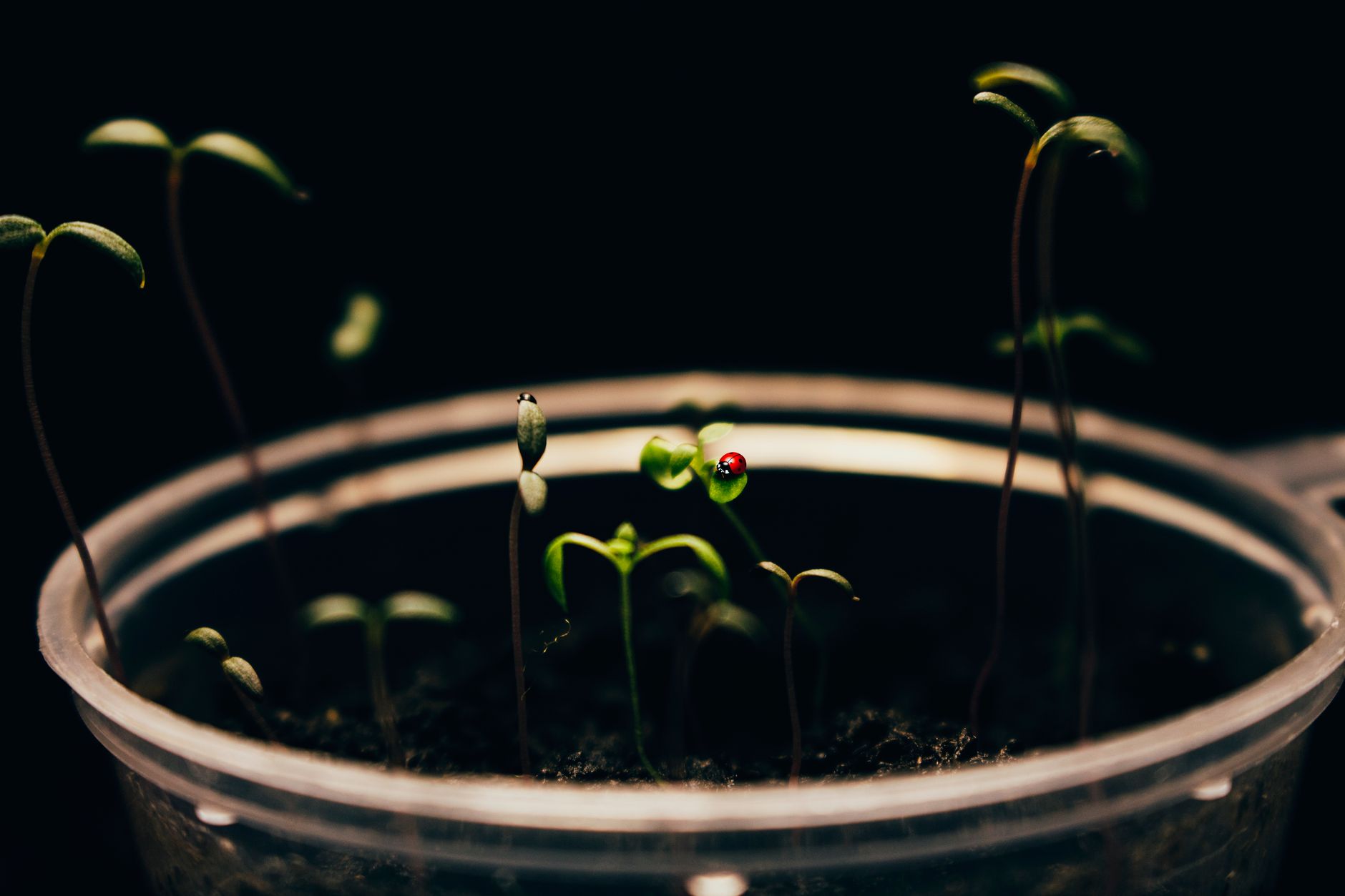
There's nothing quite as disheartening as checking on your precious, newly sprouted seedlings only to find them gnawed down to nubs. I've been there more times than I care to admit, especially in our damp UK springs. Those tiny, tender leaves are like a five-star buffet for pillbugs and sowbugs when other decaying matter is scarce. Over my five years of intensive gardening here in the Midlands, I've learned that proactive protection is key, especially for those first few weeks.
My go-to strategy for protecting individual seedlings, particularly those I've lovingly started in the greenhouse and am now hardening off for the raised beds, involves creating simple physical barriers. I’ve had great success with what I call "seedling collars." You can fashion these from all sorts of recycled materials. Old plastic drinks bottles cut into rings, or even sturdy cardboard toilet roll tubes, work a treat. Just push them a couple of inches into the soil around the base of your seedling, forming a protective wall. This not only deters woodlice from crawling up the stem but also offers a bit of wind protection – a real bonus with our changeable British weather. I find the cardboard ones eventually break down, adding a bit of organic matter back to the soil, which is a win-win.

Beyond collars, I’ve also found simple traps can reduce their numbers around vulnerable areas. A shallow dish filled with beer, sunk to soil level, is a classic for a reason. Pillbugs and sowbugs, much like slugs, are attracted to the yeast and will drown. I usually pop a few of these near my lettuce and spinach beds when the seedlings are young. Another effective trap I use is an overturned grapefruit half, cut-side down, left overnight. They'll congregate underneath, seeking shelter and moisture, making them easy to collect and relocate to the compost heap in the morning. I once saved a whole bed of 'Salad Bowl' lettuce this way after an initial onslaught – a lesson learned the hard way that early intervention saves a lot of heartache.
Preserving Your Harvest: Organic Solutions for Berry Protection
Once your plants have grown past the seedling stage, the next big challenge is protecting that hard-earned harvest, especially soft fruits like strawberries. These low-growing, juicy delights are a favourite target for pillbugs and sowbugs, who can quickly turn a perfect berry into a nibbled mess, especially after a spell of rain here in the UK. I've seen entire patches of my 'Cambridge Favourite' strawberries ruined in a single damp week if I don't take precautions.
My main strategy for berries is to get them off the damp soil. I use straw extensively under my strawberry plants. It creates a drier layer between the fruit and the ground, making it less appealing for woodlice and also helping to keep the berries clean. However, a word of caution: if the straw itself gets too damp and matted, it can become an attractive habitat, so regular checking and turning is essential. I also make sure to prune away any lower leaves that might be touching the ground to improve air circulation. Another method I've experimented with, particularly for my blueberries in pots, is copper tape around the rims. While often touted for slugs, I've found it can also deter woodlice from climbing up, though it's less practical for ground-level strawberries.
Here's a comparison of some organic methods I've tried in my UK garden to protect berries:
| Method | How I Use It in My UK Garden | Pros in British Conditions | Cons/Challenges for UK Gardeners |
|---|---|---|---|
| Straw Mulch | Generously spread clean, dry straw under strawberry plants. | Lifts fruit off soil, keeps berries clean, insulates soil. | Can become damp and create habitat if not managed; needs topping up. |
| Raised Beds/Pots | Grow strawberries, low-bush blueberries in raised beds or containers. | Elevates fruit, better drainage, easier access. | Initial setup cost; may dry out faster in summer. |
| Copper Tape | Applied around pots or raised bed edges for blueberries. | Creates a barrier that woodlice dislike crossing. | Can be expensive; less effective for ground-level strawberries. |
| Improve Airflow | Pruning lower leaves, good plant spacing. | Dries out soil surface faster, reduces damp habitats. | Requires ongoing maintenance; doesn't directly deter pests. |
| Hand-picking/Traps | Regular morning checks, setting beer traps. | Direct removal, no chemicals, very targeted. | Time-consuming for larger areas; consistent effort needed. |
A Balanced Ecosystem: Coexisting with Your Garden's Critters
After all this talk about deterring and trapping, I think it's crucial to circle back to the core message: woodlice, in most cases, are our friends in the garden. My journey from an IT desk to digging in the dirt has really opened my eyes to the intricate ballet of nature, even in my relatively small 800 sq ft Midlands garden. We're not aiming for total eradication – that would be fighting against the very ecosystem we're trying to nurture.
What I've learned from my five-plus years of gardening here in Britain is that balance is everything. If you see a few pillbugs scurrying away when you lift a stone, that's perfectly normal and healthy. They're doing their vital work, breaking down organic matter and enriching the soil. It's only when their populations explode, usually due to an abundance of damp, decaying material and a lack of other food sources, that they turn their attention to our living plants.
By focusing on good garden hygiene – removing excessive leaf litter, turning your compost regularly, ensuring good drainage, and providing plenty of healthy, decomposing material away from your prize plants – you can often prevent them from becoming a problem. I've found that encouraging natural predators like ground beetles, centipedes, and even songbirds (who love a good woodlouse snack!) helps keep populations in check. A diverse garden, full of different plants and habitats, is usually a resilient one.
So, while it's frustrating to lose a seedling or a perfect berry, remember that these little crustaceans play a crucial role. Our goal isn't to eliminate them, but to understand their needs and manage our gardens in a way that encourages their beneficial activities while protecting our most vulnerable crops. It’s all part of building a thriving, organic UK garden that works with nature, not against it.
Conclusion: Understanding, Protecting, and Thriving Together
The journey with pillbugs and sowbugs in your UK garden is rarely about outright war; it’s about understanding their role and knowing when to intervene with a gentle, organic touch. As I've navigated my own gardening adventures here in the Midlands, from battling slugs to coaxing heirloom tomatoes in the greenhouse, I've come to appreciate that every creature has its place.
We've covered a lot today: understanding the difference between pillbugs and sowbugs, identifying the specific conditions that turn them from decomposers into pests, and implementing a range of organic strategies. From cultivating good drainage and managing moisture to building simple seedling collars and protecting those ripening berries, the solutions are often surprisingly straightforward and always align with organic principles.
The key takeaway for any UK gardener, in my experience, is observation. Spend time in your garden, watch what's happening, and understand the 'why' behind any pest issue. Is it too damp? Is there too much decaying matter right next to your sprouts? Armed with that knowledge, you can make informed decisions and employ the right organic techniques.
Don't be disheartened by a few nibbled leaves or berries – it's all part of the learning curve. Embrace the process, experiment with these organic methods in your own patch, and share your successes (and even your failures!) with fellow gardeners. Together, we can cultivate not just amazing produce, but also a deeper connection with the natural world right outside our back doors. Happy gardening, and may your seedlings thrive and your berries remain unblemished!