When I first traded my IT keyboard for a trowel five years ago, my compost knowledge was… well, let's just say 'basic'. I'd trot down to the local garden centre here in the Midlands, grab the biggest bag of 'multi-purpose' I could find, and spread it everywhere. And for a while, it seemed fine. My raised beds were getting something, my pots looked vaguely happy.
But as I delved deeper into the world of growing, especially here in our often-challenging UK climate, I started noticing things. Some plants thrived, others just… existed. My prize heirloom tomatoes in the greenhouse, for example, seemed to want something different than the hardy kale outside. That's when the penny dropped: not all compost is created equal, and using the right 'fuel' for the right plant is an absolute game-changer.
Think of it like this: you wouldn't feed a marathon runner the same diet as a weightlifter, would you? The same principle applies to our plants. My 800 sq ft backyard, crammed with everything from 'Sungold' tomatoes in the greenhouse to a burgeoning herb patch and perennial borders, demands a more nuanced approach. Over the last five seasons, through plenty of trial and error (and a few soggy failures thanks to our unpredictable British weather!), I've become a firm believer in targeted compost. It’s not just about adding organic matter; it’s about providing specific nutrients, improving soil structure in particular ways, and truly unlocking your garden's potential. It's truly your garden'
Hot Compost: Rapid Renewal for Raised Beds & Vigorous Growers
Now, let's talk about the powerhouse of compost, the one that makes you feel like a proper alchemist: hot compost. If leaf mold is the gentle elder and vermicompost the industrious micro-farmer, then hot compost is the energetic teenager – fast, furious, and full of concentrated goodness. This is the compost I turn to when I need a rapid soil boost for my hungriest plants or to establish a brand-new raised bed here in my 800 sq ft Midlands garden.
The magic of hot composting lies in its speed and intensity. By carefully layering carbon-rich "browns" (think straw, dried leaves, woody prunings) with nitrogen-rich "greens" (fresh grass clippings, kitchen scraps, spent plant material), and ensuring proper aeration and moisture, you create an environment where thermophilic bacteria thrive. These microscopic workers generate incredible heat – sometimes reaching up to 60-70°C in the core of the pile! This high temperature is crucial because it sterilizes weed seeds and kills off many plant pathogens, giving you a truly clean and potent soil amendment.
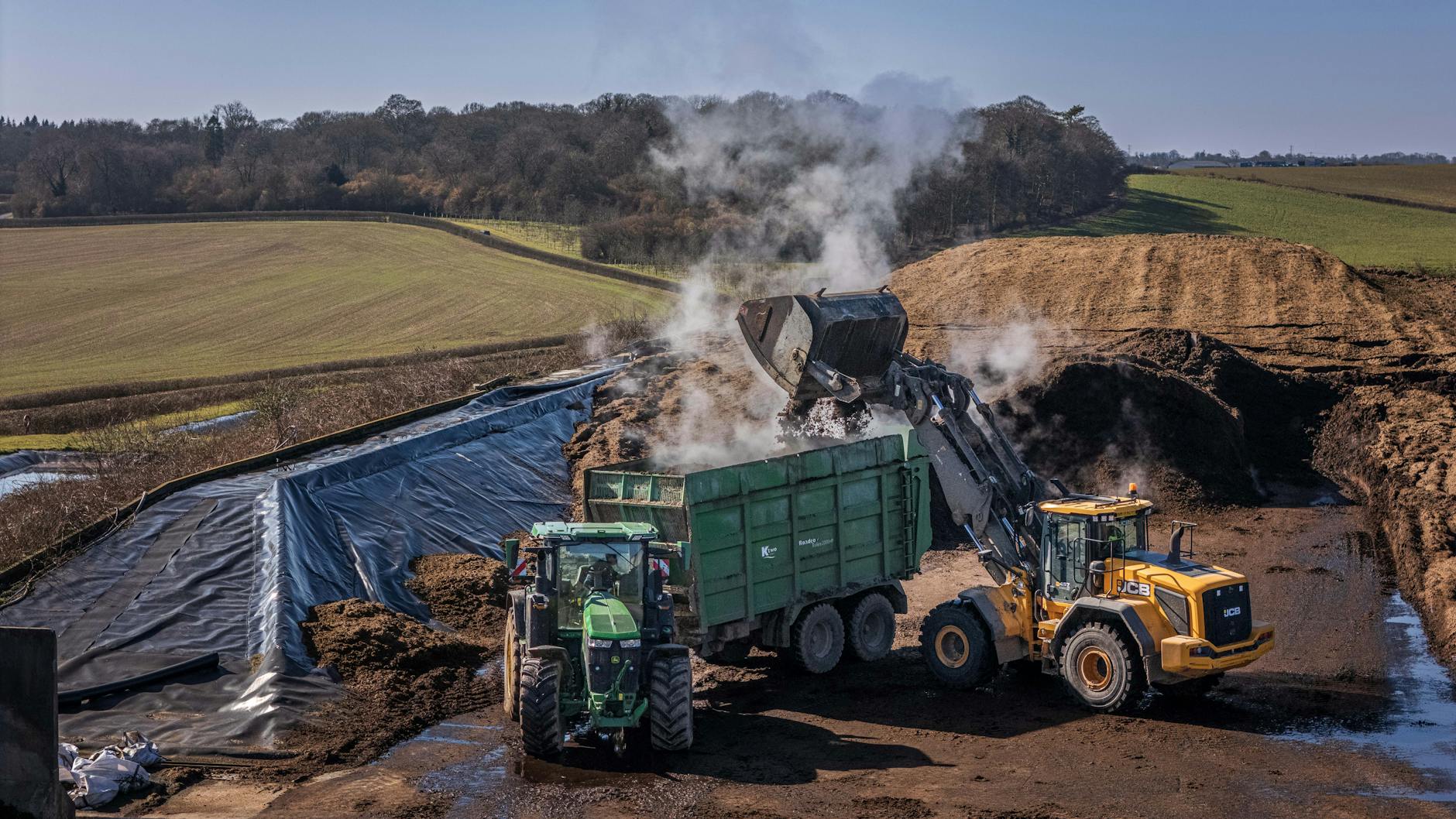
I started experimenting with hot composting about three seasons ago. My first attempt was, shall we say, a bit of a soggy, cold disappointment. I hadn't understood the critical carbon-to-nitrogen ratio properly, and I certainly hadn't mastered the art of turning the pile regularly. It just sat there, smelling a bit off, stubbornly refusing to heat up in our often-damp British climate. I learned the hard way that a well-balanced mix and consistent turning are non-negotiable. Now, I aim for roughly two parts brown to one part green, and I turn it every few days once it starts heating up. It's a proper workout, I'll tell you, especially with our unpredictable UK weather making it either too wet or too dry at critical moments. But oh, the satisfaction when you plunge your hand in (carefully!) and feel that warmth, or see the steam rising on a chilly morning!
In my experience, hot compost is unparalleled for giving my vigorous vegetable crops the immediate kick they need. I dig generous amounts into my raised beds before planting hungry brassicas like 'Caledonian' kale or my autumn 'Romanesco' cauliflower. It's also brilliant for my potato trenches – last year, my 'Charlotte' potatoes absolutely thrived after being planted in soil enriched with a good dose of hot compost. It provides a quick burst of readily available nutrients, pushing strong root development and vigorous top growth. It's also my go-to for topping up established raised beds that have seen a season of heavy feeding, quickly replenishing the nutrient bank. The texture is wonderfully crumbly and dark, a real testament to nature's incredible recycling power.
Your UK Garden Planner: Matching Compost to Specific Plants & Soil Types
So, with these three fantastic compost types at your disposal, how do you decide which one to use and when? This is where the real art of targeted gardening comes in. It's not about declaring one compost superior to another; it's about understanding their unique strengths and matching them to your plants' specific needs and your garden's particular conditions here in the UK.
I've learned that a truly thriving garden, especially one packed into 800 sq ft like mine, relies on this nuanced approach. Generic compost will get you by, sure, but targeted compost will make your plants sing. Think of it like this: you wouldn't give a marathon runner the same diet as a weightlifter, would you? Different needs, different fuel.
Here in my Midlands garden, with its often heavy clay soil, I use all three. Leaf mold goes onto my perennial borders and under my fruit bushes to improve long-term structure and moisture retention. Vermicompost is my secret weapon for my greenhouse tomatoes – especially my beloved 'Cherokee Purple' and 'Gardener's Delight' heirlooms – and for all my potted herbs and peppers. And hot compost? That's for my hungry raised bed vegetables that need a serious nutrient boost.
To help you get started, I've put together a little planner based on my own trials and errors here in British growing conditions.
| Compost Type | Key Characteristics | Best For (Plants/Soil) | Randy's UK Garden Use | Pros (UK Context) | Cons (UK Context) |
|---|---|---|---|---|---|
| Leaf Mold | Humus-rich, fungal-dominated, slow-release, improves soil structure & water retention. | Woodland plants, perennials, acid-loving plants (e.g., rhododendrons, camellias), mulching, heavy clay soils. | Mulching perennial borders (hostas, hellebores), under fruit bushes, improving my clay soil. | Excellent for long-term soil health in our often wet climate, great for mulching against UK weeds. | Slowest to produce (1-2 years), low nutrient content, doesn't directly feed hungry plants. |
| Vermicompost | Nutrient-dense, bacterial-rich, rich in beneficial microbes & plant growth hormones. | Pot plants, seed starting, delicate seedlings, container vegetables (e.g., 'Shirley' tomatoes), herbs, boosting established plants. | My greenhouse tomatoes ('Cherokee Purple'), potted chillies, herbs (basil, coriander), foliar feed for struggling plants. | "Black gold" for pots and containers, great for boosting growth quickly, excellent for our shorter growing season. | Smaller quantities produced, requires worm bin maintenance (can struggle in very cold UK winters), not for large-scale soil amendment. |
| Hot Compost | Rapidly decomposed, high nutrient content, weed-seed free, bacterial-rich. | Hungry vegetables (brassicas, squash, potatoes), new raised beds, vigorous growers, improving compacted soils. | Raised beds for brassicas ('Caledonian' kale), potatoes ('Charlotte'), courgettes, initial soil enrichment for new beds. | Fast production (weeks-months), high nutrient availability, kills weed seeds & pathogens (great for disease prevention). | Requires active management (turning, moisture), demanding on materials, can be too rich for delicate seedlings. |
Cultivating Smarter: Empowering Your Garden with Targeted Nutrition
Stepping beyond the generic bag of compost was one of the biggest breakthroughs in my gardening journey. It's a journey that started when I traded my IT job for muddy boots and a life outdoors, and every season since has been a lesson in observation, experimentation, and a deeper understanding of the natural world right here in my backyard. What I've found, through countless hours digging, planting, and yes, even failing, is that truly great gardening isn't just about what you grow, but how you nurture the soil that supports it.
Understanding the unique superpowers of leaf mold, vermicompost, and hot compost has truly empowered me. It allows me to be a more discerning gardener, matching the right "food" to the right plant at the right time. No more guesswork, no more one-size-fits-all approach. It means my woodland edge plants get the gentle, long-term care they thrive on, my precious greenhouse tomatoes get a nutrient-rich elixir, and my hungry brassicas get the powerful kick-start they need to produce bumper harvests, even with our often-challenging British weather.
This isn't just about bigger yields or healthier plants; it's about building resilience in your garden, fostering a vibrant ecosystem beneath the soil, and becoming a more connected and knowledgeable gardener. It's about respecting the incredible, diverse processes that turn kitchen scraps and garden waste into living gold.
So, I urge you, fellow UK gardener, to get your hands dirty! Start a leaf mold cage, set up a worm bin in the shed, or even try your hand at a small hot compost pile. Observe your plants, listen to your soil, and don't be afraid to experiment. You'll learn so much, and I promise you, the rewards of seeing your garden flourish with this targeted approach are immense. Share your experiences, ask questions, and let's keep learning together. Here's to cultivating smarter, healthier, and happier gardens, one specific scoop of compost at a time!