
You know that feeling, don't you? You've nurtured a young plant from a tiny seed, carefully potted it up, watched it flourish, and then… it just starts looking a bit sad. Leaves yellowing, growth stunting, maybe even a mysterious wilting despite the compost feeling damp. I've been there, more times than I care to admit, especially in my early days of container gardening here in the UK. For years, I blamed everything from the unpredictable British weather (which, let's be fair, is often a culprit!) to dodgy seed batches.
But what if the problem wasn't a pest, or a nutrient deficiency, or even a sudden Midlands downpour? What if it was something far more fundamental, hiding right beneath the surface of your beautiful potted plant? I’m talking about drainage, or more specifically, the lack of it, and the biggest, most persistent myth in container gardening that I, like countless other UK gardeners, fell for hook, line, and sinker: the gravel layer.
When I first started transforming my 800 sq ft backyard into the packed-out haven of raised beds and a bustling greenhouse it is today, I was so eager to learn. I devoured books, watched videos, and listened to every piece of advice I could get my hands on. And nearly all of them, from my nan to glossy gardening magazines, suggested putting a layer of gravel or broken crocks at the bottom of your pots for "better drainage." I dutifully collected pebbles from the garden path and smashed old terracotta, convinced I was doing my plants a favour. It felt right, didn't it? Water flows through gravel easily, so surely it would help the excess escape.
Oh, how wrong I was! It wasn't until I started getting truly obsessed with the 'why' behind successful gardening – a habit I probably picked up from my old IT days – that I uncovered the truth. That seemingly helpful layer of gravel was actually setting my beloved heirloom tomatoes, my struggling patio herbs, and even my sturdy container-grown spuds up for failure. This isn't just about avoiding soggy bottoms; it's about giving your plants the absolute best chance to thrive, even through our notoriously fickle British summers. So, grab a cuppa, because we're about to dive deep into the real science of drainage and how to build the healthiest possible home for your potted plants, right here in your UK garden.
1. Beyond the Old Wives' Tale: Why Gravel Isn't Your Potted Plant's Friend
Like many of you, I used to swear by the gravel-at-the-bottom method. "It stops the compost washing out," "it helps the water drain away," "it's what my grandad always did." These were the mantras I repeated as I diligently layered an inch or two of coarse aggregate into every single container in my UK garden. From my small herb pots on the patio to the massive tubs housing my prized 'Black Krim' tomatoes in the greenhouse, gravel was standard practice. I genuinely believed I was giving my plants a head start, creating a perfect pathway for excess water to escape.
But here's the kicker, and I learned this the hard way: that gravel layer doesn't help drainage; it actively hinders it. In fact, it creates what's known as a "perched water table." Imagine you've got a sponge (your potting compost) sitting on top of a layer of marbles (your gravel). When you pour water onto the sponge, it absorbs what it can. But instead of the excess water immediately dripping through the marbles, it actually sits in the bottom of the sponge, right above where the sponge meets the marbles. The water "perches" there, defying gravity, until the entire sponge is completely saturated.
This phenomenon happens because water has cohesive properties – it likes to stick to itself and to the tiny particles in your compost. It won't readily move from the fine texture of the potting mix into the much coarser texture of gravel until the compost above it is completely saturated. Think about a paper towel: water spreads through it easily. If you put that wet paper towel on a sieve, the water doesn't just instantly drop out, does it? It holds on until the towel is saturated or gravity really pulls it through. The same principle applies here.
What this means for your plants, especially with our often-soggy British weather, is that a significant portion of your pot's depth becomes a waterlogged zone. Roots sitting in this constantly wet environment are starved of oxygen, which is absolutely vital for their health. I remember one season trying to grow some 'Cosmic Purple' carrots in a deep container on my patio. Despite what I thought was good drainage, they were stunted and sickly. When I eventually tipped out the pot, that bottom layer of compost was a sodden, anaerobic mess, sitting right on top of my carefully placed gravel. It was a stark lesson, and one that really hit home after losing a couple of promising pepper plants to what I now realise was root rot caused by this very issue.
2. The Science of Drainage: Understanding Root Respiration and the Perched Water Table
Now, let's get a little bit into the 'why' behind why that perched water table is such a killer, especially for container plants in our varied UK climate. It all comes down to something called root respiration. Just like us, plant roots need to breathe. They don't have lungs, of course, but they absorb oxygen from the tiny air pockets (called pore spaces) within the soil or potting mix. This oxygen is crucial for metabolic processes that allow the plant to absorb water and nutrients, and ultimately, to grow.
When your potting mix becomes waterlogged, these essential air pockets fill up entirely with water. The roots are essentially suffocated. They can't take in oxygen, which means they can't effectively absorb water or nutrients, even if they're plentiful in the compost. This leads to the symptoms we often mistake for underwatering or disease: wilting, yellowing leaves, stunted growth, and eventually, if the waterlogging persists, root rot. Root rot is a nasty fungal disease that literally causes the roots to decay, turning them mushy and brown, and it's almost always fatal for the plant. I’ve seen it devastate young 'Marmande' tomato plants in my greenhouse, particularly during a particularly wet spell in late spring a couple of years back.
The perched water table, as we discussed, is the silent killer here. It's the layer of saturated compost that forms just above any layer of coarser material, like gravel. The water refuses to drain into the coarser layer until the finer compost above it is completely saturated. This effectively reduces the usable depth of your pot, turning what you thought was a deep, accommodating home for your plant into a shallow, boggy mess at the bottom. This is particularly problematic in the UK, where a sudden heavy downpour can quickly saturate pots, and then cooler temperatures might mean they don't dry out quickly enough.
Understanding this science has been a game-changer for me. It transformed how I approach container gardening in my Midlands backyard. Instead of trying to create a drainage layer, the goal is to create a growing medium where water can drain freely and evenly throughout the entire pot, ensuring those vital air pockets remain available to the roots. It's about working with the physics of water and soil, rather than against it.

3. Choosing the Right Container: Drainage Holes, Materials, and Smart Sizing for UK Gardens
Once you understand the science, the next logical step is to pick the right home for your plants. It's not just about aesthetics; the container itself plays a massive role in optimal drainage and plant health, especially here in the UK with our varied climate.
Drainage Holes: More is More!
Forget the idea that one small drainage hole is enough. For a healthy container plant, particularly one that's going to spend its life outdoors in our British weather, you need multiple and adequately sized drainage holes. I've learned from experience that a single small hole can easily become blocked by a rogue piece of compost or a probing root, leading to instant waterlogging. For a standard 20-litre pot, I look for at least 3-5 holes, each at least 1-2cm in diameter. If a pot only has one central hole, I'll often drill a few more around the base myself using a masonry bit, making sure not to crack the pot. This is particularly crucial for my greenhouse peppers and aubergines, which absolutely despise wet feet.
Container Materials: A UK Perspective
The material of your pot significantly impacts how quickly the potting mix dries out, which is a major consideration for UK gardeners.
Terracotta/Clay Pots:
- Pros: Highly breathable, allowing air to penetrate the sides and moisture to evaporate through the porous material. This means the potting mix dries out faster, which is excellent for plants that hate sitting in damp conditions (like rosemary or many Mediterranean herbs). They also look fantastic and add a classic touch to any UK patio.
- Cons: Because they're so porous, they dry out very quickly, especially in summer heatwaves (yes, we do get them sometimes here in the Midlands!). This means more frequent watering. They can also be heavy and are prone to cracking in winter frosts if left outdoors. I use them for my patio herbs and some drought-tolerant flowers, but not usually for my heavy-feeding veg.
Plastic Pots:
- Pros: Lightweight, affordable, and retain moisture very well due to their non-porous nature. This can be a blessing in disguise during dry spells, reducing watering frequency. They're also durable and easy to move around.
- Cons: Their moisture-retentive quality can be a double-edged sword. If not managed carefully, they can easily lead to waterlogging, especially with our unpredictable British downpours. Less air circulates through the sides, so a well-draining potting mix is absolutely critical here. I use plastic pots extensively for my tomatoes and peppers in the greenhouse, as I can control their watering precisely.
Fabric Pots (Grow Bags):
- Pros: These are my secret weapon for many crops! They offer unparalleled aeration, as both air and water can pass freely through the fabric sides. This prevents roots from circling (a common problem in solid pots) and encourages 'air pruning,' leading to a denser, healthier root ball. They're lightweight and fold flat for storage.
- Cons: They dry out extremely quickly, even faster than terracotta. You'll need to be vigilant with watering, sometimes twice a day during hot, sunny spells. They can also be a bit messy, with compost potentially seeping out the sides. I've had huge success growing 'Charlotte' potatoes and massive 'Sungold' tomatoes in 20-litre fabric pots in my garden.
Here's a quick comparison for typical UK garden use:
| Feature | Terracotta/Clay Pots | Plastic Pots | Fabric Pots (Grow Bags) |
|---|---|---|---|
| Drainage | Excellent (dries fast through sides) | Good (relies heavily on holes & mix) | Superior (air & water through fabric) |
| Moisture Ret. | Low (dries quickly) | High (retains moisture) | Very Low (dries extremely fast) |
| Aeration | Good (porous) | Poor (non-porous) | Excellent (air pruning) |
| Weight | Heavy | Lightweight | Very Lightweight |
| Durability | Fragile (prone to frost cracks) | Durable (can last years) | Moderate (fabric can degrade over time) |
| Cost | Moderate to High | Low | Moderate |
| UK Best For | Herbs (rosemary), drought-tolerant plants, aesthetics. | Veg (tomatoes, peppers), annuals, where precise watering is poss. | Root veg (potatoes), large annuals, vigorous veg (squash). |
Smart Sizing for UK Gardens
A common mistake I made early on was overpotting – putting a small plant into a huge container. I thought I was giving it room to grow, but what I was actually doing was creating a massive reservoir of potting mix that the small root system couldn't possibly utilise. This excess compost holds too much moisture for too long, leading to waterlogging issues and a general lack of vigour. I learned this the hard way with a young chilli plant which just sat there, sulking, in a massive pot after a particularly wet week.
Always choose a pot that is proportionate to the plant's current size and its expected growth within the season. For young seedlings, pot up gradually. For established plants, consider their final size. A small basil plant doesn't need a 10-litre pot, but a 'Gardener's Delight' tomato plant absolutely will need at least 20 litres, if not more, to thrive and fruit well in my greenhouse. Think about stability too; taller plants in smaller pots are prone to toppling in a blustery British breeze!
4. Crafting the Ultimate Potting Mix for Optimal Drainage and UK Plant Health
Okay, so we've ditched the gravel and chosen a container with ample drainage. But the real magic, the true secret to happy, healthy potted plants, lies in what you fill that container with: your potting mix. This is where I've done the most experimenting in my UK garden, and I've tweaked my recipes more times than I've debugged a stubborn Wi-Fi connection! Garden soil, straight from your beds, is generally a no-go for containers. It's too dense, compacts easily, and doesn't offer the crucial aeration that container plants need.
The goal is to create a 'goldilocks' mix: one that holds enough moisture for your plant's needs, but also drains freely to ensure those all-important air pockets for root respiration.
The Essential Components of a Well-Draining Potting Mix:
The Base (Moisture & Nutrients): Peat-Free Multi-Purpose Compost
- As a keen UK gardener, I'm committed to peat-free where possible. A good quality peat-free multi-purpose compost forms the bulk of your mix. It provides initial nutrients and retains moisture. Look for brands that specify "open" or "free-draining" for best results.
- My Tip: Don't just scoop it straight from the bag; break up any clumps to ensure a consistent texture.
The Aerators (Drainage & Airflow): Perlite, Horticultural Grit, Coarse Sand
- These are crucial for preventing compaction and creating those vital air pockets.
- Perlite: Those little white, lightweight bits. Perlite is expanded volcanic glass that improves drainage and aeration without adding significant weight. It's fantastic for breaking up heavy compost.
- Horticultural Grit (or Small Gravel): Not the gravel for the bottom of the pot, but mixed throughout the compost! This adds weight and structure, improving drainage and helping anchor plants, especially useful for taller plants in windy UK gardens.
- Coarse Sand: Not builder's sand, which is too fine, but sharp, coarse horticultural sand. This also aids drainage and provides some weight. I tend to prefer grit for its larger particle size.
The Balancers (Targeted Moisture & Nutrients): Vermiculite, Coir, Worm Castings
- These ingredients can be added in smaller quantities to fine-tune your mix.
- Vermiculite: Like perlite, it's a mineral, but it's more absorbent. It holds onto water and nutrients, releasing them slowly, whilst also aiding aeration. Use sparingly if you're battling waterlogging, but great for seed starting.
- Coir (Coconut Fibre): A sustainable alternative to peat, coir is excellent at retaining moisture while still offering good aeration. It's fantastic for balancing mixes that might otherwise dry out too quickly.
- Worm Castings: My favourite natural soil amendment! They provide a slow-release boost of nutrients and beneficial microbes, helping to build a healthy soil ecosystem. I always add a scoop or two to my mixes.
Randy's Ultimate UK Potting Mix Recipe (for most container veg):
For a standard 20-litre pot, I usually aim for something like this:
- 60% Peat-Free Multi-Purpose Compost: (Good quality, not the cheapest stuff!)
- 20% Perlite: For lightweight aeration.
- 15% Horticultural Grit: For structure and drainage, especially in taller pots.
- 5% Worm Castings: For that natural nutrient boost.
I mix it all thoroughly in a large trug before potting up. This balance has worked wonders for my 'Moneymaker' and 'Gardener's Delight' tomatoes in the greenhouse, providing consistent moisture without ever becoming waterlogged, even during the wetter parts of a British summer. For herbs like rosemary or lavender that demand even sharper drainage, I might up the grit to 25% and reduce the compost slightly.

Remember, there's no single "perfect" mix for every plant, but understanding these components allows you to tailor your blend to your specific plants and your local UK conditions. Experimentation is key – it's how I've found what truly works here in my Midlands garden!
5. Mastering Watering Techniques: How to Water for Encouraged Drainage, Not Just Reliance
So, you’ve got the perfect pot, the ideal potting mix, and you’ve ditched the gravel. Fantastic! But even with all that in place, your watering technique can make or break your plant’s health. It’s not just about getting water into the pot; it’s about watering in a way that encourages that fantastic drainage you’ve worked so hard to create. I’ve learned this the hard way over the years, especially during our notoriously unpredictable British summers here in the Midlands.
The Deep Dive: Watering for Root Development
My biggest takeaway from years of growing everything from 'Moneymaker' tomatoes in the greenhouse to hardy calendula in my raised beds is this: water deeply and less frequently. When you give your plants a good, thorough soak, the water penetrates all the way down, encouraging roots to follow. This is crucial for stability and nutrient uptake. Shallow, frequent watering, on the other hand, keeps roots near the surface, making them vulnerable to drying out quickly, especially during a sudden UK heatwave.
I usually water my potted plants until I see water freely draining from the bottom holes. This ensures the entire root ball is saturated and helps flush out any built-up salts. For my larger containers, like the 15-litre pots I use for my 'Cherokee Purple' heirloom tomatoes in the greenhouse, I might give them a good 2-3 litres of water until it starts running out. Then I let them really dry out before the next watering.
The Finger Test and the Weight Test: My UK-Proof Methods
Knowing when to water is just as important as how. Forget relying purely on a schedule; our UK weather is far too fickle for that!
- The Finger Test: This is my go-to for most of my potted herbs and smaller veg. I simply stick my finger about an inch or two into the potting mix. If it feels dry, it’s time to water. If it’s still damp, I hold off. Simple, effective, and I've saved countless basil plants with this method in my UK garden.
- The Weight Test: For smaller to medium-sized pots, especially those with plants prone to overwatering like pelargoniums or my greenhouse chilli plants, I lift the pot. When it feels light, it's dry. When it's heavy, it's saturated. This is a brilliant trick I picked up early on, and it’s surprisingly accurate once you get a feel for it. It works particularly well for my terracotta pots, as they tend to dry out quicker than plastic ones here in the Midlands.
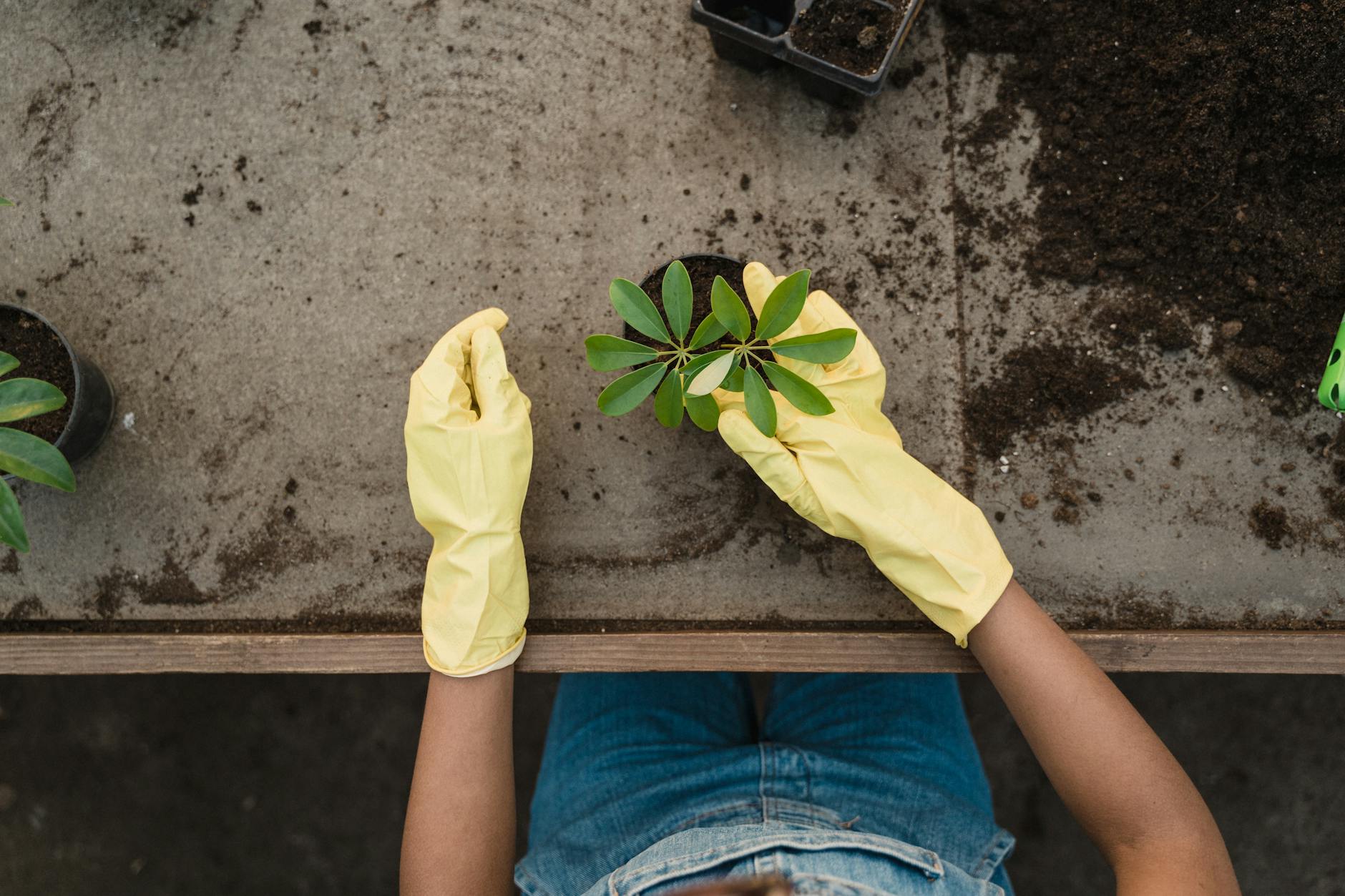
Timing Your Watering for UK Conditions
I always aim to water in the morning, especially during the warmer months. This gives the plants plenty of time to absorb the water before the heat of the day (if we get any!) causes rapid evaporation. It also means the foliage has time to dry out before evening, which helps prevent fungal diseases like powdery mildew, a common nuisance here in Britain’s often damp climate. Watering late in the evening means water can sit on leaves overnight, creating a perfect breeding ground for these issues. On a particularly drizzly day in my Midlands garden, I might skip watering entirely for my outdoor pots, even if the top inch feels dry, knowing there's plenty of moisture deeper down or more on the way!
6. Troubleshooting Common Drainage Issues: Identifying and Solving Problems for UK Potted Plants
Even with the best intentions and all the right techniques, drainage issues can sneak up on you. I've certainly had my fair share of plants looking utterly miserable, only for me to realise I'd missed a crucial sign. It’s easy to panic, especially when a beloved plant starts to look unwell. The key is to know what to look for and how to react quickly.
Spotting the Signs: Is it Drainage or Something Else?
This is where observation becomes your superpower. In my 800 sq ft garden, I'm always peering at my plants. Here are the tell-tale signs I’ve learned to spot when drainage is the culprit:
- Wilting, even when the soil is wet: This is the classic, confusing symptom. You see drooping leaves, so your first instinct is to water more. Don't! If the soil is already soggy, wilting indicates root damage (root rot) because the roots can't take up water or oxygen. I made this mistake with my 'Sungold' cherry tomatoes one wet summer, almost drowning them trying to 'save' them.
- Yellowing leaves (often starting from the bottom): While yellowing can be a sign of nutrient deficiency, if combined with wet soil, it often points to anaerobic conditions. Roots are suffocating, unable to absorb nutrients effectively.
- Stunted growth or lack of vigour: Plants in waterlogged conditions simply don't thrive. They're too busy trying to survive.
- Foul, musty smell from the potting mix: This is a sure sign of anaerobic decomposition and root rot. It’s a smell you won’t forget once you’ve experienced it!
- Algae or moss growth on the soil surface: Persistent moisture on the surface encourages these growths, another indicator that the pot isn't drying out sufficiently.
My Troubleshooting Toolkit for UK Potted Plants
Once you've diagnosed a drainage problem, here's my practical approach to fixing it, honed over years of trial and error in my British garden:
| Symptom | Probable Cause | Randy's UK-Specific Solution |
|---|---|---|
| Wilting despite wet soil, yellow leaves | Root rot, lack of oxygen | Immediate Action: Stop watering! Gently tip the pot on its side and check the drainage holes. Are they blocked? Clear them. If the plant is small enough, carefully slide it out of the pot to inspect the roots. If they're mushy and brown, root rot has set in. Long-term Fix: If severe, repotting might be necessary. Gently remove as much of the old, soggy soil as possible, trim off any rotted roots (they’ll be dark and soft), and repot into fresh, well-draining potting mix. For less severe cases, just let it dry out completely before watering again. For outdoor pots during a wet spell, try to move them under cover if possible. |
| Stunted growth, general malaise | Chronic overwatering, compacted soil | Immediate Action: Reduce watering frequency drastically. Use the "weight test" religiously. Gently aerate the soil by poking a few holes with a chopstick or thin stick, being careful not to damage roots. This helps oxygen penetrate. Long-term Fix: Ensure your potting mix is truly free-draining. If it's heavy and clay-like, consider repotting with a better mix next season. Check the pot size – perhaps it’s too large for the plant, retaining too much moisture. |
| Water pooling on surface, slow drainage | Blocked drainage holes, overly dense potting mix | Immediate Action: Check those drainage holes! I've had slugs block holes on my outdoor pots before. Use a stick or even a screwdriver to clear them from the outside. If the pot has a saucer, ensure it's not holding standing water for long periods. Long-term Fix: If the problem persists, the potting mix itself might be too fine or compacted. Consider mixing in more perlite or grit next time you pot up. Sometimes, just tilting the pot slightly can help the water escape more freely. |
| Foul smell from soil | Severe root rot, anaerobic bacteria | Immediate Action: This is serious! The plant needs immediate intervention. Carefully remove the plant from the pot. Discard the old, smelly soil entirely (do not reuse). Rinse the roots gently under running water and trim off all affected (mushy, black) roots. Long-term Fix: Repot into a clean pot with entirely fresh, well-aerated potting mix. This is a last-ditch effort, but I’ve saved a few beloved plants this way in my greenhouse after a particularly damp spring. |

Don't be disheartened if you encounter these issues. Every UK gardener, no matter how experienced, has had a plant suffer from drainage woes. The trick is to learn from it. I certainly have!
7. Happy Roots, Thriving Plants: Your Path to Perfect Potted Gardening in the UK
Well, there we have it – a comprehensive journey into the often-overlooked world of container drainage! From debunking that old gravel myth to fine-tuning your watering, we’ve covered a lot. My hope is that you now feel empowered to give your potted plants the best possible start, right here in our wonderfully diverse UK climate.
When I first started gardening five years ago in my Midlands backyard, I was just happy if anything grew. But as my passion deepened and my greenhouse filled with heirloom tomatoes, I realised that truly thriving plants begin below the soil line. It’s all about creating an environment where those roots can breathe, stretch, and do their vital work without being drowned or starved of oxygen.
We've learned that a layer of gravel at the bottom of a pot actually hinders drainage, creating a 'perched water table' that can suffocate roots. Instead, focus on:
- Choosing the Right Container: Look for ample drainage holes, smart sizing for your plant's needs, and consider materials like terracotta for their breathability, especially for plants that prefer a drier root run.
- Crafting the Ultimate Potting Mix: This is your plant's home! A quality, free-draining mix, perhaps amended with perlite, grit, or bark fines, is paramount for healthy root respiration.
- Mastering Watering Techniques: Deep, infrequent watering encourages strong root development, while using the finger or weight test ensures you're watering when the plant truly needs it, not just on a schedule.
- Vigilant Troubleshooting: Knowing the signs of drainage issues – wilting in wet soil, yellowing leaves, or a foul smell – allows you to intervene quickly and save your precious plants.
Trust me, after years of experimenting in my 800 sq ft garden, dealing with everything from torrential British downpours to unexpected heatwaves, these principles have been my guiding light. They've transformed my potted plants from merely surviving to absolutely thriving. My greenhouse tomatoes have never been more productive, my patio herbs more fragrant, and my container displays more vibrant.
Gardening is a continuous learning experience, a wonderful journey of observation and adjustment. Don't be afraid to experiment in your own UK garden, to try different mixes, or to adjust your watering based on our changeable weather. Pay attention to your plants; they’ll tell you what they need.
So, go forth, fellow UK gardener! Let's give those roots the happy, healthy home they deserve. Your plants, and your harvests, will thank you for it. Happy potting!
