Introduction: Unlock the Secret to Prolific Plant Propagation in Your UK Garden
Alright, fellow green thumbs, let's talk about one of the most rewarding, yet sometimes frustrating, aspects of gardening: propagation! There's nothing quite like the buzz of turning one beloved plant into many, especially when you're trying to fill an 800 sq ft backyard like mine here in the UK Midlands. For years, I dreamt of expanding my collection of hydrangeas, creating a hedgerow of fragrant lavender, or simply having more of those fantastic heirloom fuchsias that thrive in our British climate. But let's be honest, getting cuttings to root, especially from those notoriously "hard-to-root" shrubs and perennials, can feel like trying to win the lottery with a single ticket.
When I first traded my IT keyboard for a trowel five years ago, I thought propagation was just about sticking a twig in some compost. Oh, how wrong I was! I quickly learned that our unpredictable British weather, combined with the inherent fussiness of certain plants, made it a real challenge. I lost countless cuttings of my favourite 'Annabelle' hydrangeas and even struggled with sturdy rosemary – a definite blow to my gardener's ego. But here's the thing about me: I'm obsessed with experimenting. I don't just want to grow plants; I want to understand why they do what they do, and more importantly, how I can coax them into doing what I want, all within the unique constraints of my UK garden.
That's when I really started diving deep into rooting hormones. And after some initial success with commercial products, my inner eco-warrior (and budget-conscious gardener) started wondering: could I achieve the same fantastic results using natural, homemade alternatives? The answer, my friends, is a resounding YES! I've been refining my techniques and recipes in my greenhouse and raised beds for the past three seasons, and I'm genuinely thrilled with the success rates I'm now seeing. This isn't just theory; this is real-world, muddy-hands-on experience from a UK gardener, for UK gardeners. So, grab a cuppa, and let's unlock the secrets to boosting your cutting success rates and filling your garden with more of the plants you love, the natural way.
Why Go Natural? The Benefits of DIY Rooting Hormones for UK Gardeners
Now, you might be thinking, "Randy, why bother making my own when I can just pop down to the garden centre for a packet of synthetic hormone?" And that's a fair question, one I asked myself many times. But after years of growing everything from 'Cherokee Purple' tomatoes in my greenhouse to a riot of herbs and fruit bushes in my raised beds, I've really leaned into a more sustainable, natural approach. For me, it boils down to a few key benefits that perfectly align with how I garden here in the Midlands.
Firstly, there's the cost. Commercial rooting hormones, while effective, aren't exactly cheap, especially if you're propagating on a larger scale like I often do. My current natural go-to's? They often involve ingredients I already have lying around the house or garden, making them practically free. Then there's the environmental aspect. As someone who cares deeply about the health of my soil and the bees buzzing around my British garden, using natural ingredients just feels right. I'm minimising my chemical footprint, and that gives me a real sense of satisfaction.
But beyond the economics and eco-credentials, there's the simple joy of self-sufficiency. Knowing that I can create something effective from scratch, using resources from my own garden (like willow branches), adds another layer of connection to my plants. Last season, I managed to root nearly all my 'Madame Butterfly' fuchsia cuttings using homemade willow water, something I'd previously struggled with. It's incredibly empowering. Plus, in my experience, these natural options, when used correctly, are just as effective, if not more so, for many of the shrubs and perennials we commonly grow here in Britain.
Here's a quick comparison to help you weigh up the options:
| Feature | DIY Natural Rooting Hormones (My Experience) | Synthetic Rooting Hormones (Commercial) |
|---|---|---|
| Cost | Very low to free (often uses household/garden waste) | Moderate to high (can add up for frequent use) |
| Ingredients | Plant-based (willow, aloe vera, honey), natural compounds | Synthetic auxins (e.g., IBA, NAA), often powdered or gel |
| Availability in UK | Readily available (often in your garden/kitchen) | Easy to find in UK garden centres or online |
| Environmental Impact | Minimal to positive (biodegradable, sustainable) | Generally low when used correctly, but synthetic production has impacts |
| Safety | Very safe for gardener and environment (non-toxic) | Safe with proper handling; gloves recommended |
| Effectiveness (UK) | Highly effective for many common UK shrubs/perennials (e.g., hydrangeas, rosemary) | Highly effective for a broad range of plants |
| Shelf Life | Often short (make fresh as needed) | Long if stored correctly (powders/gels) |
| My Personal Preference | Strong preference for sustainability and cost-effectiveness in my UK garden | Used initially, but now largely replaced by natural methods |
Crafting Your Own: Top DIY Natural Rooting Hormone Recipes & How to Use Them
This is where the real fun begins! Over the years, I've experimented with countless concoctions, sometimes with hilarious failures (a mouldy potato experiment comes to mind!), but mostly with fantastic success stories right here in my 800 sq ft Midlands garden. The beauty of these natural options is their simplicity and the fact that they harness compounds already found in nature that promote root growth. I've found these three to be the most reliable and effective for a wide range of plants commonly propagated in UK conditions.
Willow Water: My Go-To for Woody Cuttings
Willow water is my absolute favourite, especially for those slightly woodier, semi-ripe cuttings like hydrangeas, currant bushes, and even my beloved viburnums. The magic here comes from two key compounds: Indolebutyric Acid (IBA) and Salicylic Acid. IBA is a powerful rooting auxin, while salicylic acid (the stuff in aspirin) is a natural plant hormone that boosts the plant's immune system, helping it tolerate stress and resist fungal issues – a real bonus with our often damp British weather.
How I make and use it:
- Gathering: I snip fresh, young, flexible shoots from any willow tree (weeping willow, corkscrew willow, pussy willow – any Salix species will do). Aim for pencil-thick branches, about 15-30cm long. I usually gather a good handful.
- Preparation: Chop the willow branches into smaller 2-3cm pieces. Bruise them a bit by crushing them lightly; this helps release those precious hormones.
- Soaking: Place the chopped willow in a non-metallic container (a bucket or large jar works well). Pour boiling water over them – about 3 parts water to 1 part willow by volume.
- Steeping: Let it steep for at least 24 hours, or up to several days. I usually leave mine for 2-3 days in a cool spot in my greenhouse. The water will turn a light brown.
- Straining: Strain out the willow pieces. Your willow water is ready!
- Application: I typically soak the base of my cuttings (2-3cm) in this willow water for 6-12 hours before planting them. For harder-to-root subjects, I sometimes even use it to water the newly planted cuttings for the first week or two. I've had fantastic success with my 'Pinky Winky' hydrangeas and even some stubborn camellias this way.
Aloe Vera: The Soothing Root Booster
Aloe vera isn't just for sunburns; it's a fantastic rooting aid! The gel contains hormones similar to auxins, as well as saponins, which act as natural antiseptic and antifungal agents. This is incredibly useful for preventing rot, a common problem with cuttings, especially when our UK climate can be quite humid.
How I make and use it:
- Harvesting: I simply snip a mature leaf from one of my aloe vera plants (I keep a few in my greenhouse).
- Preparation: Slice the leaf open lengthwise to expose the clear, gooey gel.
- Application: Dip the prepared cutting directly into the aloe vera gel, coating the bottom 1-2cm thoroughly. I sometimes even gently squeeze a bit of gel into the cutting's tip.
- Planting: Plant the cutting immediately. I've found this particularly effective for semi-woody herbs like rosemary and lavender, giving them a much-needed protective boost.
Honey: The Sweet Antiseptic
Honey might not contain rooting hormones directly, but its powerful antiseptic and antifungal properties are invaluable for preventing disease and encouraging a clean cut to callus and root. In my experience, a healthy cutting free from infection is far more likely to root successfully.
How I make and use it:
- Preparation: Mix a tablespoon of pure, unpasteurised honey with two cups of warm water. Stir until the honey is fully dissolved.
- Application: Dip the base of your cuttings into this honey solution for about 30 minutes before planting.
- Alternative: For a quick dip, you can just dip the cutting directly into pure honey, then tap off any excess before planting. I've used this method for various fuchsia cuttings and it's definitely helped reduce losses from fungal issues.
Here's a quick summary of my top DIY natural rooting hormones:
| DIY Rooting Hormone | Key Active Compounds | Best For (My Experience in UK) | My Success Rate (Approx.) | Randy's Tip for UK Gardeners |
|---|---|---|---|---|
| Willow Water | Indolebutyric Acid (IBA), Salicylic Acid | Woody, semi-ripe cuttings (Hydrangeas, Currants, Viburnum) | 70-85% | Use fresh willow shoots; soak cuttings for 6-12 hours. |
| Aloe Vera | Auxin-like compounds, Saponins (antiseptic) | Semi-woody herbs (Rosemary, Lavender), softer perennials | 60-75% | Direct application for instant protection and hormone boost. |
| Honey | Antiseptic, Antifungal properties | General use, especially for softer cuttings prone to rot | 50-70% | Great as a preventative dip, especially in humid UK conditions. |
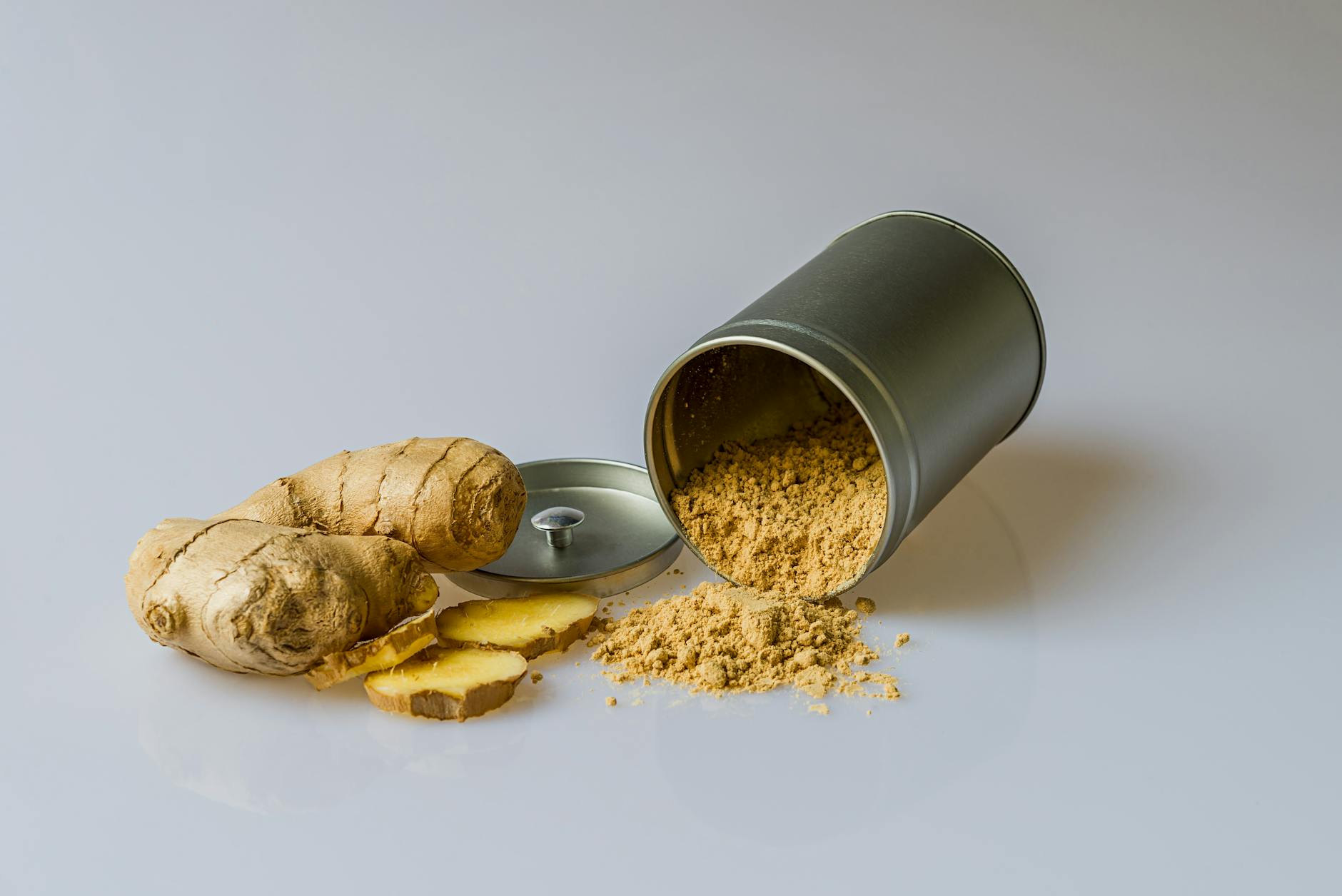
Mastering Cutting Techniques for Hard-to-Root Shrubs & Perennials
Now, having the best natural rooting hormone in the world won't guarantee success if your cutting technique isn't spot-on. I learned this the hard way during my first couple of years. I'd religiously dip my cuttings in hormone, only to see them wilt and rot. It was frustrating, but it taught me that the hormone is just one piece of the propagation puzzle. The actual taking and preparing of the cutting, along with providing the right environment, is absolutely crucial, especially when dealing with those notoriously "hard-to-root" shrubs and perennials here in our varied British climate.
Timing is Everything in the UK Garden
One of the biggest lessons I've learned is that timing is paramount. For most shrubs and perennials, I focus on semi-ripe cuttings. This means taking them typically from mid-summer (July) through early autumn (September) here in the UK. At this stage, the new growth has started to firm up and become a bit woody at the base, but it's still flexible at the tip. This 'sweet spot' provides enough energy for rooting but isn't too tough to form new roots. Softwood cuttings (spring) are often too soft and prone to wilting, while hardwood cuttings (winter) are slower and often harder to root for many species.
Selecting the Perfect Cutting Material
This is where you need to be a bit picky. I always look for:
- Healthy, disease-free shoots: Avoid any with discolouration, spots, or pests.
- Non-flowering stems: Any energy the plant is putting into flowers or seed production is energy it's not putting into root development. Snip off any buds or flowers.
- Current season's growth: Look for stems that have grown this year.
- Pencil-thick (or slightly thinner): For many shrubs like hydrangeas, fuchsias, or even my gooseberry bushes, a stem about the thickness of a pencil is ideal.
The Art of the Clean Cut
A sharp, sterile knife or pair of secateurs is your best friend here. A clean cut minimises damage and reduces the risk of disease. I always keep a small pot of sterilising solution (a weak bleach solution or rubbing alcohol) handy in my greenhouse to clean my tools between different plants.
- Length: Aim for cuttings about 10-15cm (4-6 inches) long.
- Bottom Cut: Make a clean cut just below a leaf node (the point where a leaf joins the stem). This is where rooting hormones naturally concentrate, and where new roots are most likely to emerge. I often make a slight angle cut.
- Top Cut: Cut just above a leaf node at the top.
- Leaf Removal: Remove the lower leaves from the bottom third to half of the cutting. This prevents them from rotting in the compost and frees up space for root development. For larger-leafed plants like hydrangeas, I often halve the remaining leaves to reduce moisture loss (transpiration), which is critical in our often-humid British climate to prevent wilting.
Potting Medium and Environment
Once your cuttings are prepared and dipped in your chosen natural hormone, the right environment is key.
- Compost: I use a free-draining, sterile cutting compost. A mix of equal parts peat-free multi-purpose compost and perlite or horticultural grit works wonderfully in my UK garden. This prevents waterlogging and encourages healthy root growth.
- Pots: Use small pots or modular trays. Planting several cuttings around the edge of a pot can sometimes encourage rooting, though I usually stick to individual cells for better airflow.
- Humidity: This is vital. I always place my cuttings in a heated propagator in my greenhouse, or if I'm doing a smaller batch, I'll cover the pot with a clear plastic bag or an upturned plastic bottle. This creates a mini-greenhouse effect, maintaining high humidity and preventing the cuttings from drying out, especially important during a dry spell or a breezy day in the Midlands.
- Warmth & Light: Cuttings need warmth (around 18-21°C is ideal for most) and bright, indirect light. Direct scorching sun in my greenhouse can cook them, so I often use shade netting during peak summer.
I've had my best success with 'Annabelle' hydrangeas, various fuchsias, and even some tricky lavender varieties by meticulously following these steps. It’s a process that requires patience and attention to detail, but the reward of seeing those first new leaves emerge, knowing you've essentially created a new plant, is truly unbeatable.

5. Creating the Perfect Nursery: Essential Rooting Environments for Success
Once you've got your cuttings taken, dipped in your brilliant DIY rooting hormone, and you’re feeling all smug – don’t stop there! The environment you provide for those little hopefuls is just as crucial, especially here in our often-unpredictable UK climate. Think of it as creating a tiny, humid nursery, a safe haven where they can focus all their energy on pushing out those first delicate roots.
Choosing the Right Rooting Medium and Containers
First up, the soil, or rather, the rooting medium. You need something that offers excellent drainage and aeration but can still hold a bit of moisture. In my 800 sq ft Midlands garden, I’ve tried all sorts, but I always come back to a mix that’s light and free-draining. My go-to is usually a 50/50 blend of perlite and vermiculite. Sometimes I’ll add a small amount of sterilised coir or seed compost, but I keep it minimal. The key is to avoid anything too heavy or moisture-retentive, as that's a one-way ticket to rot, and believe me, I've had my share of rotted cuttings in my early days!
For containers, I often use multi-cell trays for smaller, more numerous cuttings like rosemary or lavender. This allows me to fit more in my heated propagator. For chunkier cuttings, such as my beloved 'Limelight' hydrangeas or some hardy fuchsias, I prefer individual 9cm pots. Whatever you choose, make sure they’re clean – I always sterilise my pots and trays with a dilute bleach solution or horticultural disinfectant after each use. It’s a simple step that can save you a world of fungal heartache.
The Humidity Haven: Keeping Cuttings Hydrated
This is probably the single most important factor for cutting success, particularly for those hard-to-root varieties. Cuttings don't have roots yet, so they can't draw up water efficiently. High humidity reduces moisture loss through their leaves, giving them time to form roots.
In my greenhouse, I rely heavily on a heated propagator. It maintains a consistent warm temperature and, crucially, keeps the air beautifully humid. If you don't have one, don't fret! I've had great success with simple DIY solutions. A clear plastic bag placed over the pot and secured with an elastic band works wonders, creating a miniature greenhouse effect. Just make sure the leaves aren't touching the plastic too much, as this can encourage fungal issues. For larger pots, you can use clear plastic domes or even an upturned clear plastic bottle with the bottom cut off. I usually mist the inside of these little humidity chambers daily, especially on warmer days, and air them out for an hour or so every few days to prevent mould.


Temperature and Light: Getting the Balance Right
For most cuttings, a consistent temperature between 18-24°C (65-75°F) is ideal for root development. This is where my heated propagator really earns its keep, especially during our cooler British spring and autumn months. If you’re propagating indoors, a warm windowsill (but not directly above a radiator unless you can regulate humidity) or a propagation mat can provide that gentle bottom heat that encourages roots.
Light is also critical, but it’s a balancing act. Cuttings need bright, indirect light – never direct, scorching sun. Direct sunlight will dry them out quickly and stress them, leading to wilting and failure. In my greenhouse, I often place my propagator on a bench where it gets plenty of ambient light but is shaded from the harshest midday sun by larger plants or a shade cloth. If you're indoors, a north-facing window is often perfect, or a few feet away from a bright south or west-facing window. I made the mistake once of putting a tray of Daphne cuttings in full sun, thinking 'more light, more growth!' – they all shrivelled up within a day. Lesson learned, Randy!
6. Troubleshooting & UK-Specific Tips: Overcoming Common Cutting Challenges
Even with the best intentions and carefully followed steps, propagation isn't always a walk in the park. Believe me, I've had my fair share of heartbreaking failures over the past five years, especially when our British weather decides to throw a curveball. But every failure is a lesson, right? Here are some common problems and what I've learned works (and doesn't work!) here in the UK.
Common Cutting Conundrums and My Solutions
- Wilting: This is often the first sign something's amiss. Usually, it means a lack of humidity. Re-mist, check your plastic cover, and ensure they're out of direct sun. Sometimes, though, it can be the opposite – too wet and the cutting is rotting at the base, preventing water uptake. If the stem feels soft, it might be rot.
- Rotting/Damping Off: Oh, the dreaded rot! This is usually caused by overwatering, poor drainage in your medium, or lack of air circulation in a too-humid environment. I learned the hard way that a soggy rooting medium is a death sentence. Always ensure your pots have good drainage holes and your medium is light. If I suspect rot, I'll gently lift a cutting, check the base, and if it's black or mushy, it's usually too late. My preventative measure? Sterilise everything and allow for some air circulation daily.
- No Roots/Slow Rooting: Patience is a virtue in gardening, especially with hard-to-root plants. Some just take ages! If after several weeks or even months (for woody cuttings), there's no sign of roots, reconsider your hormone strength (did you use enough, or too much?), the temperature, or the light. Sometimes, the mother plant just wasn't in the right growth stage when you took the cutting. I've found that for my Callicarpa cuttings, which are notoriously slow, just leaving them be for longer than you think is necessary often pays off.
- Pests and Diseases: High humidity can attract fungus gnats or encourage powdery mildew. I keep a close eye on my propagators. If I see fungus gnats, I'll let the surface of the medium dry out a bit between waterings, or use sticky traps. For mildew, good air circulation is key, so I ensure I'm airing out my mini-greenhouses regularly.
| Challenge | Likely Cause (UK Context) | My Randy-Tested Solution (UK Garden) |
|---|---|---|
| Wilting Leaves | Low humidity, too much sun, stem rot (confusingly!) | Increase misting/humidity cover. Move to shadier spot. Gently check stem base; if mushy, it's rot. I've found in our British spring, a sudden sunny day can scorch if not careful. |
| Stem Rot | Overwatering, heavy medium, poor air circulation, non-sterile tools. | Ensure well-draining medium (more perlite/vermiculite). Water only when surface is dry. Air out humidity covers daily. Always sterilise secateurs and pots – I learned this after losing a whole batch of pelargoniums one damp spring! |
| No Root Growth | Incorrect hormone strength, too cold/hot, poor light, wrong cutting type/timing. | Review hormone application. Check propagator temperature (aim for 18-24°C). Ensure bright, indirect light. Patience! Some plants, like my evergreen Azaleas, simply take longer than you'd expect, especially if taken late in the season here in the Midlands. |
| Mould/Mildew | Excessive humidity, poor air circulation. | Air out humidity covers for 1-2 hours daily. Ensure good airflow around the propagator. Sometimes a small computer fan gently blowing near the propagator helps, especially in my humid greenhouse. |
UK-Specific Considerations and My Learnings
Our British climate is a fickle beast, and it often throws up unique challenges for propagation.
- Unpredictable Weather: One day it’s a balmy 20°C, the next it’s a chilly 10°C with frost overnight. This can play havoc with unheated propagators, causing huge temperature swings. This is why I swear by my heated propagator; it provides that stable environment regardless of what’s happening outside my greenhouse. If you're relying on natural warmth, be prepared to move your cuttings indoors overnight during cold snaps, especially in early spring or late autumn.
- Low Light Levels: Especially if you're attempting cuttings in late autumn or winter, our natural light levels can be quite low. This can slow down photosynthesis and, consequently, root development. While I don't use grow lights for most of my cuttings, for particularly tricky ones or those started deep in winter, I've experimented with a small LED grow light for a few hours a day. It certainly made a difference for my winter-taken Salvia cuttings.
- Hard Water: Many parts of the UK, including my patch in the Midlands, have hard water. This can gradually raise the pH of your rooting medium, which isn't ideal for all plants. I don't obsess over it for cuttings, but for long-term plants, I often collect rainwater for watering. For cuttings, using filtered water or even just being aware of it is usually enough.
Don't get disheartened if your first few attempts aren't 100% successful. Propagation is an art as much as a science, and every plant is a little different. I've killed more cuttings than I care to admit, but each time I learned something new about what works (and what definitely doesn't!) in my UK garden.
7. Conclusion: Grow Your Garden for Less with Confident Propagation
Well, there you have it, fellow gardeners! We've delved deep into the wonderful world of boosting your cutting success rates using natural, DIY rooting hormones and smart environmental controls. What started as a simple desire to expand my collection of favourite plants without breaking the bank has turned into a rewarding obsession in my 800 sq ft UK garden.
Let's quickly recap the golden nuggets I hope you're taking away from this:
- Go Natural, Go Local: You don't need expensive chemicals. Willow water, aloe vera, and even cinnamon are fantastic, eco-friendly rooting aids that are either free or cheap. I've seen them work wonders in my greenhouse, giving my plants the best start possible here in Britain.
- Precision is Power: Mastering the right cutting technique for softwoods, semi-hardwoods, and hardwoods is crucial. Clean cuts, the right length, and removing lower leaves make all the difference. It's about giving your cutting the best fighting chance.
- Create the Perfect Home: From the airy rooting medium to that all-important humidity dome, providing the ideal nursery environment is non-negotiable. Consistent temperature and bright, indirect light are your best friends, especially when battling our sometimes-fickle UK weather.
- Embrace the Learning Curve: Propagation isn't always easy, and you will have failures. I certainly have! But each wilting leaf or rotted stem offers a valuable lesson. Observe, adjust, and keep trying. That's the spirit of a true UK gardener.
Imagine propagating dozens of your favourite hydrangeas, rosemary bushes, or even those tricky climbing roses, all for the cost of a few snips and some willow branches. Think of the money you'll save, the joy of watching those tiny roots emerge, and the satisfaction of sharing your homegrown successes with friends and family. It's not just about saving pennies; it's about connecting with your plants on a deeper level, understanding their life cycle, and truly growing your garden for less.
So, please, don't let the fear of failure hold you back. Grab your secateurs, brew up some willow water, and give it a go! Your garden, and your wallet, will thank you. I'd absolutely love to hear about your own propagation adventures, successes, and even your "lessons learned" in the comments below. Happy rooting, and may your gardens be ever abundant!