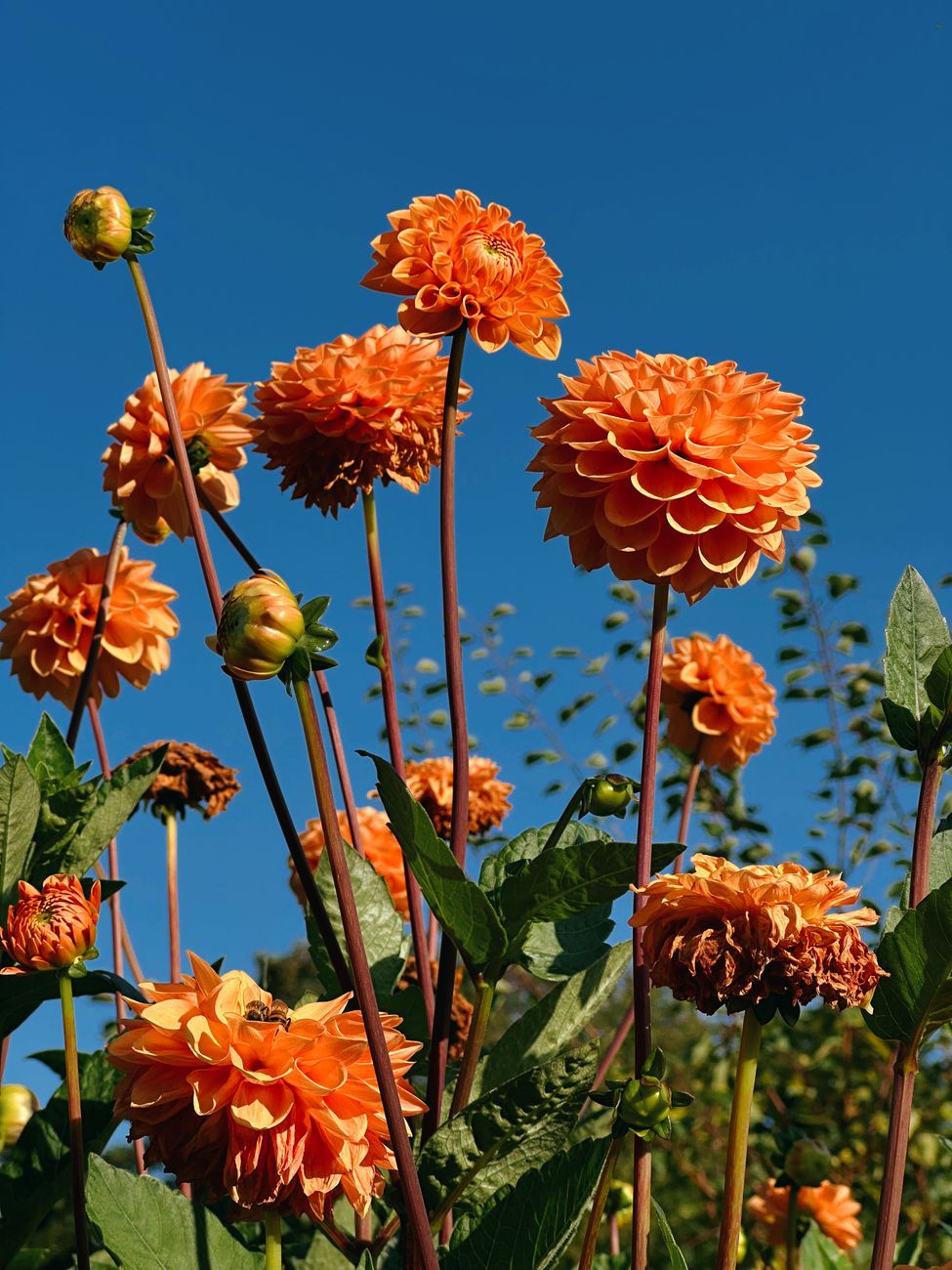
Hello, fellow UK gardeners! Randy here, coming to you from my little patch of green in the Midlands. If you're anything like me, you probably fell head over heels for dahlias the moment you saw their incredible variety and vibrant colours. For years now, these beauties have been the absolute stars of my 800 sq ft backyard, jostling for space with my heirloom tomatoes in the greenhouse and my ever-expanding herb collection in the raised beds. But let me tell you, when I first started out five years ago, my dahlias were... well, a bit underwhelming. Leggy, with small, shy blooms that often got knocked about by our classic British downpours. It wasn't until I truly embraced the "tough love" techniques of pinching and disbudding that my dahlia game – and my entire garden – transformed.
Unlocking Show-Stopping Dahlias: Why Pinching & Disbudding Matter
When I first started growing dahlias, I'd just stick them in the ground, water them, and hope for the best. And for a season or two, that's what I got: a few lovely flowers, but nothing like the glorious, robust plants I'd seen in magazines or at local UK flower shows. My plants were often tall and gangly, prone to snapping in a gust of wind, and their blooms were decent, but never truly spectacular. I wanted those dinner-plate sized beauties and armfuls of sturdy cut flowers to bring into the house.
That's when I dug into the science (my former IT brain loves a good problem to solve!) and discovered the twin powers of hard pinching and disbudding. These aren't just fancy terms; they're strategic interventions that fundamentally change how your dahlia plants grow and bloom. Here in my Midlands garden, where we often get a mix of sunny spells and sudden deluges, making the most of every dahlia tuber is crucial. I've learned that by understanding and applying these techniques, I can coax my plants into producing not just more flowers, but significantly larger ones, all while building a much stronger, more resilient plant structure that can stand up to our unpredictable British weather. It’s all about directing the plant's energy exactly where you want it to go, turning a good dahlia into a truly show-stopping one.
Hard Pinching vs. Disbudding: Understanding the Differences for UK Gardeners
Now, before we dive into the nitty-gritty, it’s important to understand that hard pinching and disbudding are two distinct techniques, each with its own purpose. I often see new gardeners (and even some seasoned ones!) getting them mixed up, or thinking they’re interchangeable. They're not! Think of them as different tools in your dahlia-boosting toolkit, designed for different outcomes. I use both in my UK garden, but for very specific reasons, depending on whether I want a bushier plant with lots of medium-sized blooms or just a few colossal, exhibition-quality flowers.
Here's how I break them down for our specific UK growing conditions:
| Feature | Hard Pinching (Stopping) | Disbudding |
|---|---|---|
| Primary Goal | Encourage lateral branching for a bushier plant; more stems, more blooms (often smaller). | Direct all energy to one central bud on a stem for much larger, exhibition-quality blooms. |
| Timing (UK Garden) | Early growth, once the plant has established 3-5 sets of true leaves (typically late May - early June here in the Midlands). | When flower buds begin to form, usually in mid-late July, and continue throughout the season. |
| Method | Remove the central growing tip of the main stem. | Remove the smaller, side flower buds (often two per stem) that form alongside the main terminal bud. |
| Effect on Plant | Stimulates dormant buds lower down the stem to grow, creating multiple new shoots. | Prevents the plant from wasting energy on developing multiple smaller flowers, pushing it all into the chosen bloom. |
| Ideal For (UK Use) | General garden display, cut flower production where volume is key, creating compact plants for raised beds. | Achieving giant, statement blooms for shows, special bouquets, or just bragging rights! My 'Café au Lait' dahlias get this treatment every year. |
| My Experience | Absolutely essential for preventing leggy plants that flop in our summer rains. I find my plants are much more resilient. | Crucial for getting those truly impressive 'Penhill Watermelon' blooms that stand out. It's a sacrifice of quantity for quality. |
| Common UK Mistake | Pinching too late in our shorter growing season can delay flowering. Aim for early! | Accidentally removing the main terminal bud instead of the side buds – I've done this a few times, it's gutting! |
Mastering the Hard Pinch: Step-by-Step for Bushier Plants & Stronger Stems
Let's talk about the hard pinch first, because this is the fundamental step I swear by for nearly every dahlia I grow in my UK garden, especially those destined for my cutting patch. When I first skipped this, my plants grew tall and spindly, like awkward teenagers, and often collapsed under the weight of their own flowers, or worse, a sudden summer downpour. A hard pinch encourages a strong, multi-stemmed plant right from the start.
Here's how I do it:
- Timing is Key for the UK: I usually aim to hard pinch my dahlias when they’ve grown to about 12-18 inches tall and have developed at least 3-5 sets of true leaves on the main stem. Here in the Midlands, this usually falls around late May to early June, once any threat of a late frost has definitely passed and the plants are actively growing. If you do it too early, the plant might not be robust enough; too late, and you risk delaying those precious summer blooms in our already relatively short growing season.
- Locate the Sweet Spot: Look for the main central stem. You'll see several sets of leaves growing opposite each other. What you're looking for is the very top, the central growing tip, which is where the plant is putting all its energy into growing upwards.
- Make the Cut: Using sharp, clean secateurs or even just your thumb and forefinger (I often just pinch it off, it's quicker!), carefully snip or pinch out the main central growing tip, just above a set of leaves. I usually aim to leave 2-3 sets of leaves on the plant below the pinch. The goal is to remove about 1-2 inches of the very top growth.
- Why It Works: By removing that central growth, you're essentially telling the plant, "Hey, stop growing tall! Start growing outwards!" This interrupts the flow of a hormone called auxin, which is responsible for apical dominance (upward growth). When auxin is removed, dormant buds at the leaf axils (where the leaves meet the stem) are stimulated, and they'll start to grow into new side shoots. Within a week or two, you'll see multiple new stems emerging from those leaf nodes below where you made the pinch.
- My Experience: I've found this makes a phenomenal difference. Instead of one tall, wobbly stem, I get a beautiful, bushy plant with 4-6 strong stems emerging from the base. Each of these new stems will produce flowers, giving me a much higher yield of blooms throughout the season. My 'Karma Serena' dahlias, which I grow specifically for cutting, benefit hugely from this, giving me dozens of flowers from just a few plants in my raised beds. It also means less staking later on, which is a huge time-saver when you've got as many plants as I do!
Strategic Disbudding: Targeting Side Buds for Giant, Exhibition-Quality Blooms
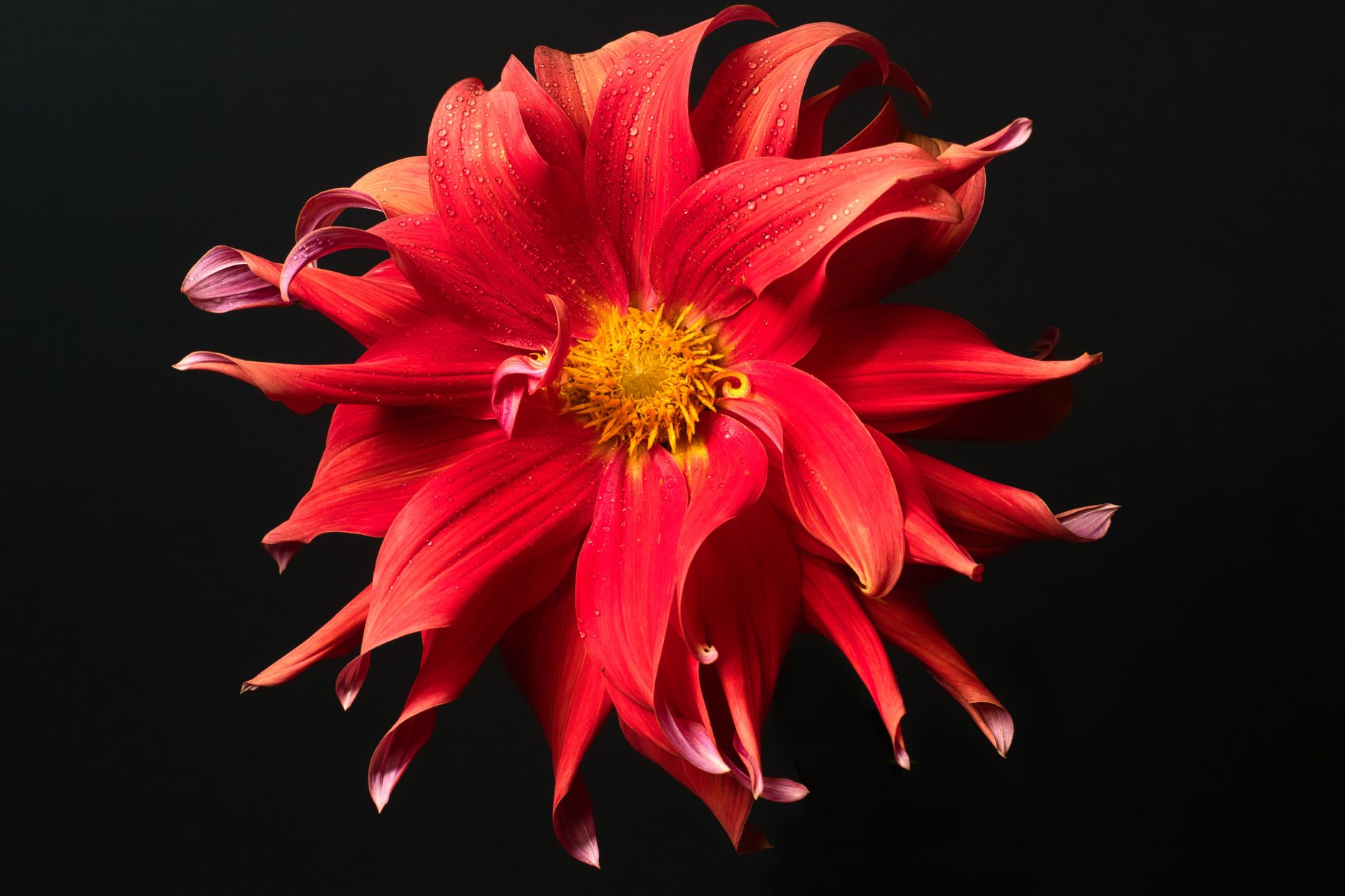
Now, if you're like me and you dream of those truly massive, dinner-plate dahlias that stop everyone in their tracks, then strategic disbudding is your secret weapon. This technique is all about quality over quantity. You're sacrificing some smaller blooms to get fewer, but significantly larger, more impressive ones. I use this method specifically for my larger dinnerplate varieties like 'Café au Lait' or 'Penhill Watermelon' that I grow for show or for those really special bouquets.
Here’s my approach to disbudding in my UK garden:
- When to Start: Disbudding begins when your dahlia stems start producing flower buds. This is typically from mid-July onwards here in the Midlands, and you'll continue doing it throughout the flowering season.
- Identify the Trio: As a dahlia stem grows, you'll notice that flower buds form in clusters of three. There will be one larger, central bud (this is your prized terminal bud), and two smaller side buds (axillary buds) located just below and to either side of the main bud, nestled in the leaf axils.
- The "Sacrifice" Cut: Your mission, should you choose to accept it, is to carefully remove those two smaller side buds. I usually just pinch them off with my fingers, gently twisting them until they pop off. Be very, very careful not to accidentally snap off or damage the larger central bud – that's the one you're investing all your plant's energy into!
- The Why Behind the Wow: By removing these two side buds, you're preventing the plant from dividing its energy among three flowers on that stem. Instead, all the plant's resources, nutrients, and water are channeled directly into that single, central bud. This focused energy allows it to grow much larger, with more petals, and often on a stronger, longer stem. It’s like giving all the food to one child instead of three – that one child is going to be much bigger!
- My Disbudding Success: I've seen 'Café au Lait' dahlias in my greenhouse go from respectable 6-inch blooms to absolute monsters, pushing 10-12 inches across, purely by disbudding consistently. It feels a bit counter-intuitive at first to remove potential flowers, but trust me, the results are worth it. It’s a bit of a commitment, as you need to check your plants regularly as new buds form, but the payoff in magnificent, sturdy blooms is immense.
Timing is Everything: Your Seasonal Guide to Pinching & Disbudding Dahlias
Knowing when to hard pinch and disbud your dahlias is just as crucial as knowing how. Get the timing right, and you’re setting yourself up for those show-stopping blooms. Get it wrong, and you might lose precious growing time or even a fantastic flower. Here in the UK, with our often unpredictable seasons, I’ve found that keeping a keen eye on the plant's development rather than strict calendar dates is key, though I do have some general guidelines that work well in my Midlands garden.
Hard Pinching: I usually perform my hard pinch when the dahlia plants are around 8-12 inches tall, and they’ve developed at least four sets of true leaves. For me, here in the Midlands, that's typically late May to early June, depending on how warm our spring has been. If you plant your tubers out after the last frost risk, you'll generally find them ready for pinching about 3-4 weeks later. My 'Karma Choc' dahlias, for instance, are usually amongst the first to hit this stage, giving me an early opportunity to get them branching out. Don't be shy; a good, clean snip at this early stage really does pay off for a bushier plant that can handle our British breezes.
Disbudding: This is a continuous job throughout the flowering season, starting once your dahlias begin to set buds. For me, that's usually from mid-July right through to September. You're looking for the main central bud on a stem to be plump and showing promise, with smaller, weaker side buds developing just below it in the leaf axils. I remember one season I was so busy with my heirloom tomatoes in the greenhouse that I let some of my 'Cornel Bronze' dahlias get away from me, and by the time I got around to disbudding, the side buds were almost as big as the main one! It still worked, but the main bloom wasn't quite as enormous as it could have been. It taught me the importance of regular checks.
Here’s a quick guide to help you time these techniques in your UK garden:
| Technique | Ideal Timing (UK) | Plant Stage | Goal | Randy's Tip from the Midlands |
|---|
- A detailed comparison table for each technique, making sure to connect the timing directly to the specific stage of the dahlia's growth and our UK seasons.
| Technique | Optimal Timing (UK) | Plant Stage for Action | Primary Goal |
|---|