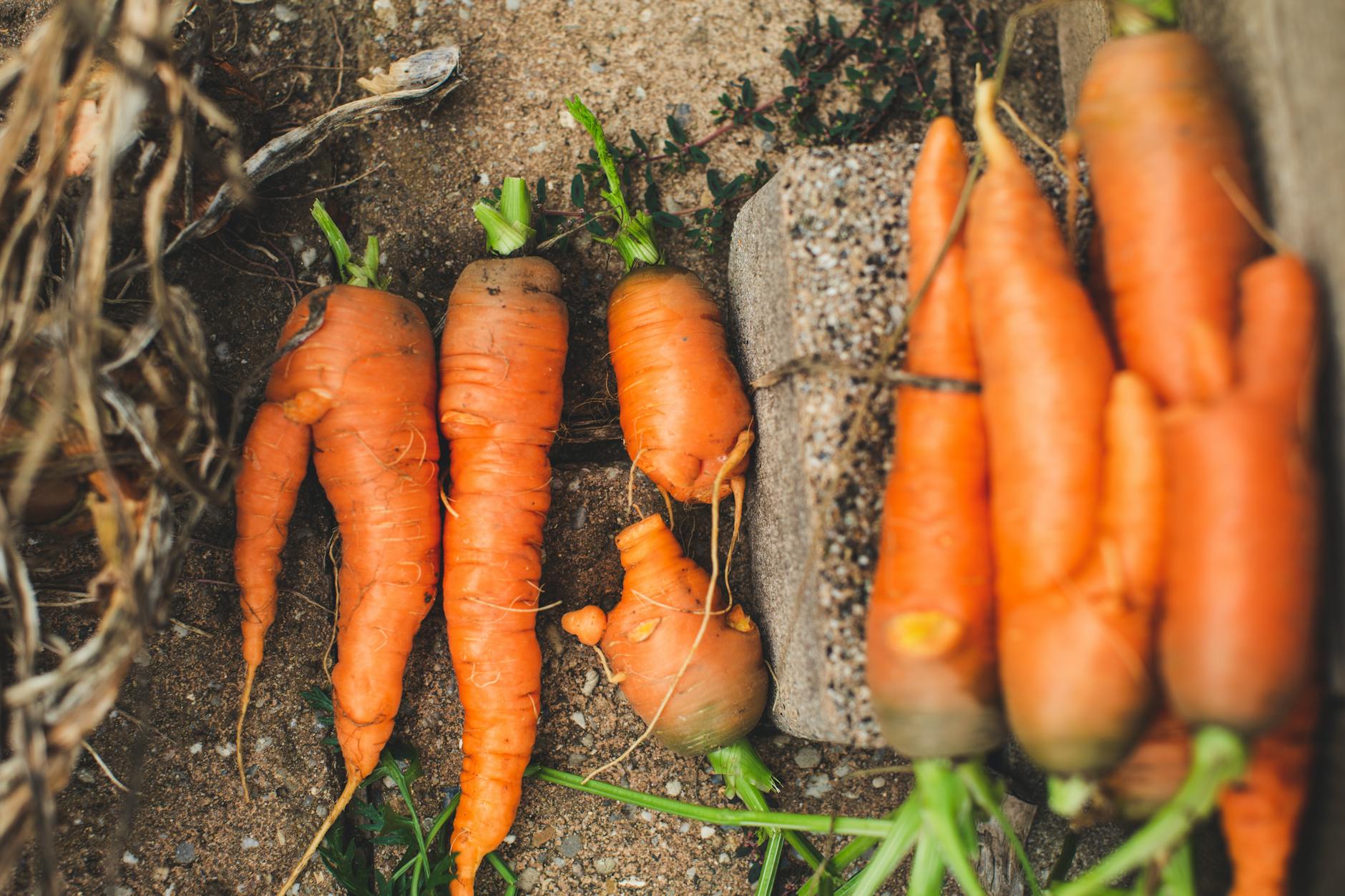
Introduction: Unlocking the Sweet Potential of Your Homegrown Carrots
If there's one thing I've learned in my five years of intensively gardening here in the UK Midlands, it's that homegrown truly is best. But even more so, there's a huge difference between a good homegrown carrot and an unforgettable one. You know, the kind that snaps with a sweet crunch, tastes almost like candy, and leaves that earthy, sugary flavour dancing on your tongue? That's the holy grail for me. Early on in my gardening journey, when I first swapped my IT desk for a trowel and some raised beds, my carrots were… well, they were carrots. Edible, yes, but often a bit woody, sometimes bland, and certainly not the sweet orange jewels I dreamt of. I remember one particularly dismal batch, grown during a surprisingly dry spell in May, that tasted more like bitter dirt than anything else! It was a real wake-up call that simply planting a seed wasn't enough.
That experience kicked off what became a bit of an obsession for me: understanding how to coax the absolute maximum sweetness out of every single carrot I grow in my 800 sq ft backyard. It's a quest that's taken me through countless experiments in my raised beds, battling our famously unpredictable British weather, and diving deep into the science of plant physiology. What I've discovered, through a lot of trial and error (and a few more bland harvests!), is that it boils down to three critical factors: the very foundation of your soil, strategic and consistent watering, and perhaps most surprisingly for us UK gardeners, knowing exactly when to pull those beauties from the ground – especially after a touch of frost. I'm excited to share what I've learned, from my garden to yours, so you can stop settling for 'okay' carrots and start harvesting truly spectacular, sweet ones.
The Foundation of Flavor: Optimal Soil pH and Nutrient Balance for Carrots
When it comes to boosting carrot sweetness, I always tell people to start with the soil. It's the absolute bedrock of flavour, and honestly, it's where I made some of my earliest and most impactful mistakes. Here in the Midlands, my soil tends towards a heavy clay-loam mix, which can be fantastic for holding nutrients, but it also means I've had to work hard to get it just right for delicate root crops like carrots. Carrots are particularly fussy about their growing medium; they need it light, stone-free, and with the correct nutritional balance to really shine.
The sweet spot for carrots is a slightly acidic to neutral pH, ideally between 6.0 and 7.0. If your soil is too acidic, nutrients become locked up and unavailable; too alkaline, and you’ll face similar issues, often leading to stunted growth and, crucially, less sugar production. I learned this the hard way during my second season when I neglected a proper soil test. My carrots were struggling, the foliage was weak, and the roots were small and pale. A quick test revealed my soil was a touch too acidic, hovering around 5.5, a common issue in some parts of the UK. Rectifying that with a bit of garden lime, applied sparingly and thoroughly mixed in, made an immediate difference in subsequent crops.
Beyond pH, the right balance of nutrients is paramount, especially potassium. Think of potassium as the sugar-transporter in plants; it plays a vital role in photosynthesis and the movement of sugars from the leaves down into the root. While nitrogen is great for leafy growth, too much of it can actually encourage tops over roots, leading to fork-tailed carrots and less sweetness. Phosphorous is crucial for root development, but potassium is the real star for flavour. In my raised beds, I regularly amend with well-rotted compost and a handful of wood ash (from my log burner, a great source of potassium!) before planting. This organic approach ensures a slow, steady release of nutrients, perfectly suited for encouraging sweet, healthy carrot development without overdoing the nitrogen.
Here's a quick comparison of what soil conditions tend to produce in my UK garden:
| Feature | Conditions for Sweet, Flavourful Carrots | Conditions for Bland, Woody Carrots | My Midlands Garden Strategy |
|---|---|---|---|
| Soil pH | 6.0 - 7.0 (Slightly Acidic to Neutral) | Below 5.5 (Too Acidic) or Above 7.5 (Too Alkaline) | Test annually. Amend with garden lime for low pH, or elemental sulphur for high pH. Target 6.5. |
| Texture & Structure | Loose, friable, well-draining, stone-free | Compacted, heavy clay, stony, poor drainage | Deep digging, incorporate plenty of well-rotted compost, sand if needed for heavy clay. |
| Organic Matter | High (20-30% or more) | Low | Generous amounts of homemade compost into beds every year. Works wonders! |
| Key Nutrients (NPK) | Moderate Nitrogen, Ample Phosphorus, High Potassium | High Nitrogen, Low Phosphorus/Potassium | Balanced organic fertiliser or wood ash for potassium, avoid fresh manure. |
| Moisture Retention | Consistent, even moisture | Dries out quickly or waterlogs easily | Thick mulch layer (straw, grass clippings) to retain moisture. |
Strategic Watering: Guiding Your Carrots to Peak Sugar Content
Once you've got your soil dialled in, the next crucial step in cultivating super-sweet carrots is all about strategic watering. This is another area where I've learned so much through trial and error in my UK garden, especially given our often unpredictable rainfall. When I first started, I'd just water whenever the surface looked dry, or when we hadn't had rain for a few days. The result? Carrots that were often stressed, sometimes forked, and definitely lacking that incredible sweetness. I'd get the odd bitter one, too, which was incredibly frustrating after all the effort!
What I've come to understand is that carrots need consistent, even moisture throughout their entire growth cycle. Why? Because water is the vehicle that transports all those vital nutrients, including potassium, from the soil into the plant. Inconsistent watering – periods of drought followed by heavy saturation – causes the carrot to stop and start its growth, leading to stress. This stress can manifest as bitterness, cracking, or a woody texture, as the plant prioritises survival over sugar production. Think of it like this: a happy, unstressed carrot can focus all its energy on storing sugars in its root, which is exactly what we want!
Here in the UK, especially during those unpredictable summer dry spells we occasionally get, consistent watering becomes a real art. My approach now is to water deeply and regularly, aiming for the soil to be moist but never waterlogged. For my raised beds, I've found a soaker hose system under the mulch works brilliantly, delivering water directly to the root zone without wetting the foliage (which can encourage fungal issues in our damp climate). On average, I aim for about an inch of water per week, either from rain or irrigation. If we have a week of drizzle, I still check the soil depth because often the surface looks wet but it's bone dry a few inches down. I literally stick my finger in the soil to check! During hot, dry periods, I might water every other day, ensuring the top 6-8 inches of soil remain consistently damp. This deep watering encourages the roots to grow downwards, rather than spreading out near the surface, leading to longer, straighter, and ultimately sweeter carrots.
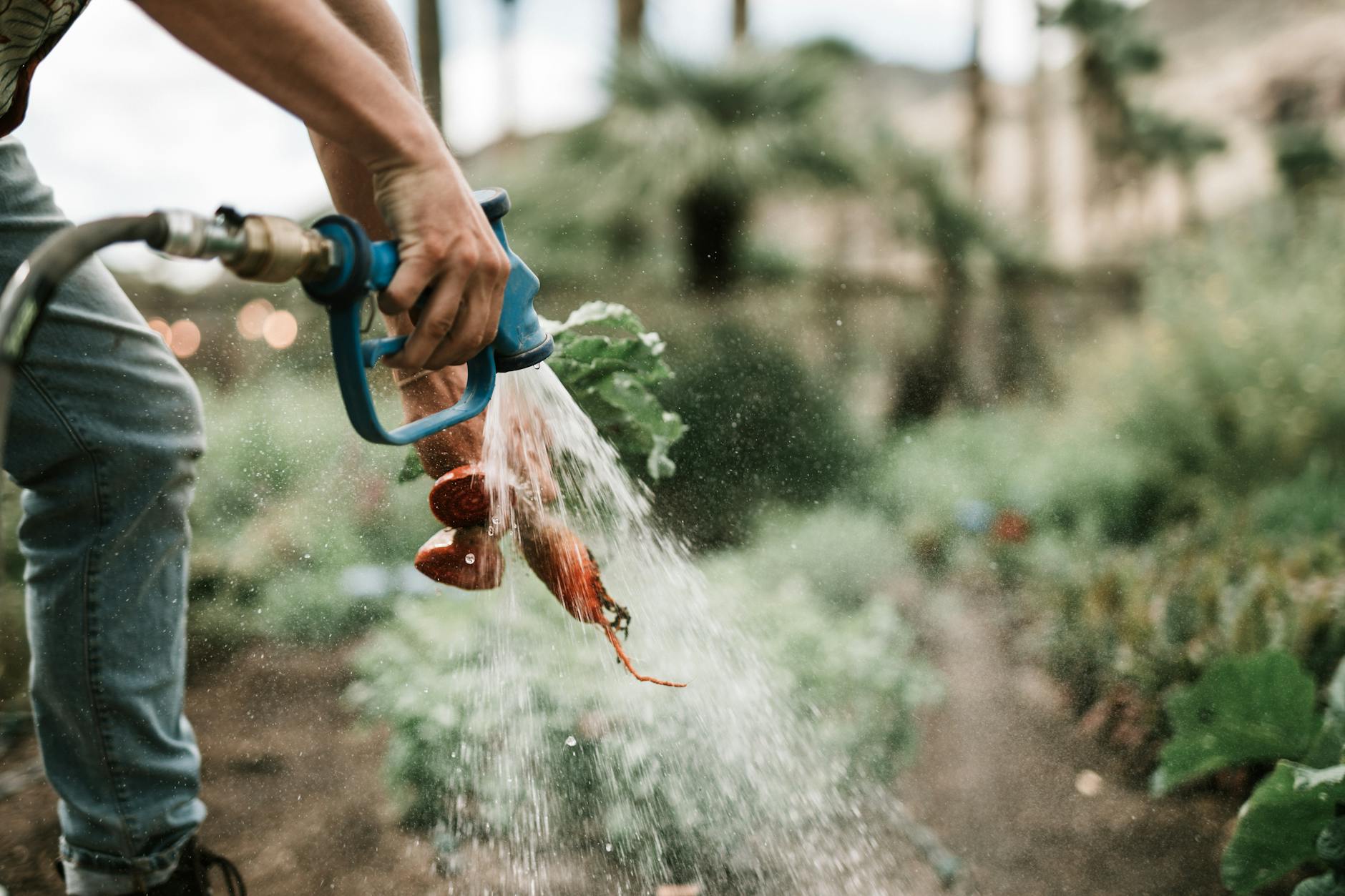
The Frost Factor: Why Late Harvests Boost Sweetness in UK Gardens
Now, this is perhaps the most exciting and counter-intuitive secret I've uncovered for boosting carrot sweetness, especially relevant for us British gardeners: the magic of a late, post-frost harvest. When I first heard about leaving carrots in the ground until after the first proper chill, it sounded utterly bonkers. Why would I risk my precious crop to the cold? But after hearing it mentioned by a few seasoned allotment holders here in the Midlands, I decided to experiment a couple of seasons ago. And let me tell you, the results were nothing short of revelatory.
The science behind it is fascinating and incredibly clever on the part of the plant. As temperatures drop and the first frosts hit, carrots (and many other root crops like parsnips) initiate a natural defence mechanism. To prevent their cells from freezing solid, they start converting starches stored in their roots into sugars. Sugars act as a natural antifreeze, lowering the freezing point within the plant's cells. For us gardeners, this means a significant increase in the sugar content of the root, resulting in an intensely sweet flavour that you just won't get from a summer-harvested carrot.
In my UK garden, I now routinely leave a good portion of my carrot crop in the ground well into autumn, often right up until late November or even early December, as long as the ground isn't completely frozen solid. Last year, after a sharp overnight frost in mid-November, I harvested a batch of 'Amsterdam Forcing' carrots that were unbelievably sweet – almost too sweet! The texture was crisp, and the flavour was deep and complex, far superior to any I'd pulled earlier in the season. There are some risks, of course; prolonged, hard freezes can make extraction difficult, and leaving them too long can invite pests like slugs or voles if your garden is prone to them. To mitigate this, I often mulch heavily with straw over the carrot beds in late autumn. This not only offers a bit of insulation against hard freezes, keeping the ground workable for longer, but also helps protect the crowns from hungry critters. It's a risk-reward scenario, but for that unparalleled sweetness, it's a gamble I'm always willing to take.
Here’s a breakdown of what I've observed between early and late carrot harvests in my UK garden:
| Feature | Early Harvest (e.g., July-August) | Late Harvest (e.g., October-December, post-frost) | Randy's UK Experience & Recommendation |
|---|---|---|---|
| Flavour Profile | Mild, often less sweet, sometimes slightly earthy | Intensely sweet, deeper flavour, sometimes almost nutty | Late harvest wins for sweetness every time. My best carrots are always from late autumn. |
| Texture | Crisp, but can sometimes be slightly watery or rubbery if stressed | Very crisp, firm, dense | Post-frost carrots have a superior, satisfying crunch. |
| Growth Period | Shorter, faster maturity | Longer, slower maturation, benefits from cool soil | Allows roots to fully develop sugars without rushing. |
| Pest/Disease Risk | Generally lower, but can attract carrot fly if not protected | Slightly higher risk from slugs/voles if not mulched/monitored | Mulch heavily! I've had good success with straw. |
| Ground Condition | Easy to pull from soft, warm soil | Can be harder to pull if ground is frozen; mulch helps | Best to harvest on a milder day after a frost, before deep freeze sets in. |
| Recommended Varieties (UK) | 'Nantes', 'Chantenay Red Core' | 'Autumn King 2', 'Amsterdam Forcing', 'Flakkee' | 'Autumn King 2' is my go-to for overwintering and frost-sweetening. |
| Storage Potential | Shorter fresh storage | Excellent fresh storage in the ground or cool cellar | Can leave them in situ until needed, a true winter treat! |
5. Beyond the Basics: Variety Selection and Companion Planting for Sweeter Roots
While soil, water, and timing are absolutely crucial, sometimes the sweetest secret lies right at the beginning: in the seeds you choose. Not all carrots are created equal when it comes to sugar content, and I've learned over my five years in this UK garden that selecting the right varieties for our climate can make a huge difference.
In my 800 sq ft plot here in the Midlands, I’ve experimented with quite a few. Some varieties are just naturally sweeter and more suited to our British growing conditions. For instance, I've had fantastic success with 'Nantes' types; they're generally reliable, sweet, and don't mind our sometimes cooler summers too much. 'Amsterdam Forcing' is another brilliant one for earlier crops or for those of us with slightly heavier soil, as they mature quickly and maintain a lovely sweetness. If you're looking for something with a bit more heft for those later, frost-kissed harvests, 'Autumn King 2' is a classic that develops excellent flavour.
I remember one year, early on, I just grabbed a random packet of "mixed carrots" from a supermarket display. While they grew, the flavour wasn't anything to write home about. It taught me that a little research into variety specifics, especially for sweetness and UK suitability, goes a long way. Now, I always seek out varieties known for their high sugar content and good performance in our often-temperate climate.

Companion Planting: A Helping Hand for Sweetness
Beyond genetics, another layer of flavour-boosting magic comes from companion planting. This is something I've truly embraced in my raised beds. It’s all about creating a mini ecosystem where plants help each other thrive, and for carrots, this often means deterring pests that can stress them out and lead to bitterness, or improving soil conditions.
Here in my UK garden, I swear by planting certain herbs and vegetables near my carrots. My absolute favourite combination is carrots with rosemary or sage. The strong scent of these herbs acts as a brilliant deterrent for the dreaded carrot root fly, which is a real nuisance in many parts of Britain. Last season, after losing a good chunk of an early crop to these pests a few years back, I strategically placed rosemary bushes at the ends of my carrot beds, and I noticed a significant reduction in damage.
I also often sow a few rows of quick-growing radishes between my carrot seeds. They sprout quickly, mark the row for me (so I don't accidentally weed out my slow-germinating carrots!), and help to break up any surface crust on the soil, making it easier for the delicate carrot seedlings to emerge. By the time the carrots need the space, the radishes are usually harvested.
Finally, while I don't always manage it, planting onions or leeks nearby can also help confuse pests with their pungent aroma. It's all about creating a diverse, healthy environment where your carrots can grow happily and put all their energy into producing those wonderful, sweet sugars.
6. Troubleshooting Common Issues: Preventing Bitterness and Woody Carrots
Even with the best intentions and meticulous planning, gardening in the UK throws curveballs. I’ve certainly had my share of less-than-perfect carrot harvests over the years. We've all been there: eagerly pulling up a promising root, only to find it's either disappointingly bitter or tough and woody. Don't worry, these are common issues, and often, they're entirely preventable once you understand the "why" behind them.
My first major encounter with bitter carrots was during a particularly dry spell in the Midlands a few summers ago. I got a bit complacent with the watering, thinking the occasional shower was enough. It wasn't. The carrots endured stress, and boy, did they let me know it with a harsh, almost acrid taste. It was a tough lesson in consistency!
Woody carrots, on the other hand, have usually been a result of either leaving them in the ground for too long, past their prime, or trying to grow them in a patch of soil that wasn't quite loose enough. I remember one batch that looked huge and impressive, but when I sliced into them, they were incredibly fibrous and tasteless. It was a clear sign that the soil hadn't been adequately prepared, preventing smooth, consistent growth.
Here’s a breakdown of the common issues I've faced and how I've learned to tackle them in my British garden:
| Issue | Cause (UK-specific) | Randy's Solution (UK-proven) | Key Takeaway |
|---|---|---|---|
| Bitterness | Inconsistent watering: Dry spells followed by heavy rain stress roots. | Maintain consistent moisture, especially during dry British summers. Use mulch liberally. | Consistency is key: Avoid stressing roots with water fluctuations. |
| Poor soil/nutrient imbalance: Lack of potassium, too much nitrogen. | Prioritise well-rotted compost. Test soil pH. Avoid fresh manure. | Balanced diet: Ensure soil provides steady, balanced nutrients. | |
| Pest damage: Carrot root fly larvae stressing roots. | Companion plant (rosemary, sage), use horticultural fleece during peak season. | Pest patrol: Healthy plants are less stressed and less bitter. | |
| Woodiness | Over-maturity: Left in the ground too long, especially smaller varieties. | Harvest at optimal size for the variety. Don't leave them indefinitely, even after frost. | Timely harvest: Know your varieties' maturity dates. |
| Compacted/Heavy soil: Roots struggle to expand, leading to tough growth. | Deeply loosen soil, incorporate plenty of sharp sand and well-rotted compost. | Loose living: Carrots need unhindered growth for tender texture. | |
| Lack of consistent moisture: Slow, stunted growth in dry conditions. | As above, consistent watering, especially when roots are developing. | Steady growth: Prevents roots from becoming tough and fibrous. | |
| Forking/Stunting | Obstacles in soil: Stones, uncomposted organic matter, compacted layers. | Sieve soil, double-dig if necessary, ensure a stone-free, fine tilth. | Clear path: Remove obstructions for straight, unblemished roots. |
| Over-fertilisation (especially nitrogen): Encourages leaf growth over root. | Use balanced, slow-release organic feeds. Avoid high-nitrogen fertilisers. | Root focus: Encourage root development, not just leafy tops. |
7. Your Sweetest Harvest Awaits: Final Tips for UK Carrot Growers
So, there you have it – my tried-and-tested strategies for boosting the sweetness of your homegrown carrots, straight from my 800 sq ft patch here in the UK Midlands. It's been a journey of learning, experimenting, and sometimes, outright battling with our wonderfully unpredictable British weather. But every year, when I pull up those perfectly sweet, vibrant orange roots, it makes every effort worthwhile.
Let's quickly recap the key ingredients for that peak carrot flavour in your own UK garden:
- Soil is King: Focus on a finely tilled, stone-free, sandy loam enriched with well-rotted organic matter. Aim for a slightly acidic to neutral pH (6.0-7.0) and ensure a good balance of potassium.
- Water Wisely: Consistency is paramount. Deep, regular watering prevents stress and encourages steady sugar development. Don't let your carrots dry out, especially during growth spurts!
- Embrace the Frost: For many of us in the UK, waiting until after the first few light frosts can work magic, converting starches to sugars. Keep an eye on the forecast and time your harvest.
- Choose Wisely: Select carrot varieties known for their sweetness and suitability for our climate. Varieties like 'Nantes', 'Amsterdam Forcing', or 'Autumn King 2' are great starting points.
- Plant Companions: Utilise the power of companion planting with herbs like rosemary or sage to deter pests and create a healthier growing environment.
- Troubleshoot with Care: Understand the common culprits behind bitterness and woodiness – usually inconsistent moisture, poor soil, or harvesting too late – and adjust your approach.
Gardening, especially here in Britain, is a continuous learning curve. Don't be disheartened if your first attempt isn't a Michelin-star success. I've had my share of gnarly, bitter, or stunted carrots, particularly in my early days when I was still figuring out the nuances of my soil and our local climate. Each season brings new insights, new challenges, and new opportunities to refine your craft.
For me, there's nothing quite like the satisfaction of pulling up a sweet, crisp carrot that I've nurtured from seed in my own backyard. That earthy sweetness, knowing it's free from nasty chemicals and packed with homegrown goodness, is a true delight.
So, get out there, experiment in your own patch of Britain, and discover the sweet rewards of truly understanding your carrots. Happy growing, fellow UK gardeners! I'd love to hear about your own sweet carrot successes and 'learning opportunities' in the comments below!