Introduction: Grow Your Own Year-Round Herbs & Lettuce with Mini Aquaponics
Alright, fellow UK gardeners! Randy here, coming to you from my bustling 800 sq ft patch in the heart of the Midlands. If you're anything like me, you live for that feeling of plucking fresh, vibrant produce straight from the source. But let's be honest, our glorious British weather, while characterful, isn't always on our side when it comes to a continuous, year-round harvest. I've spent five years battling everything from late frosts to torrential summer downpours and, of course, the inevitable winter gloom that puts a stop to most outdoor growing. My greenhouse, packed with heirloom tomatoes like 'Black Krim' and 'Gardener's Delight', certainly extends the season, but even that has its limits.
That's where my IT-brain, which I thankfully swapped for muddy boots and a trowel, started ticking over. I became utterly obsessed with finding ways to cheat the seasons, particularly for those everyday staples like herbs and salad leaves. After countless experiments in my shed and kitchen – some glorious successes, others rather soggy failures – I stumbled into the fascinating world of aquaponics. And specifically, the magic of a mini aquaponics system. Imagine: fresh basil, crisp lettuce, spicy rocket, all thriving in your home, completely oblivious to the frost outside or the slugs lurking in the damp garden. It’s not just a dream; it’s entirely achievable. In this guide, I'm going to walk you through exactly how I set up my own compact system, sharing all the nitty-gritty details, the lessons I learned the hard way (and believe me, there were a few!), and how you can enjoy a continuous supply of homegrown goodness, no matter what the UK weather throws at us.
Why Build a Mini Aquaponics System? Benefits for UK Indoor Gardening
When the temperatures drop here in the Midlands, and the days get shorter, my gardening itch doesn't magically disappear. In fact, it often intensifies! I used to rely on sad-looking supermarket herbs or try to coax a few last leaves from hardy parsley in pots, but it was never quite the same. That's why I started looking seriously into indoor growing. Traditional potting mix indoors can be a faff – think gnats, inconsistent watering, and nutrient depletion. Hydroponics was a step closer, but then I discovered aquaponics, and it was a real game-changer for my setup.
For those new to the idea, aquaponics is essentially a miniature, symbiotic ecosystem where fish (I use small, ornamental ones like Guppies or Endlers) provide nutrient-rich water for plants. The plants, in turn, filter the water for the fish. It's a natural, closed-loop system that cuts down on waste and provides a fantastic environment for both fish and plants. I've found it incredibly rewarding, and honestly, it's far less complicated than it sounds once you understand the basics.
Here in the UK, where our outdoor growing season can feel frustratingly short, a mini aquaponics system offers a multitude of benefits:
- Year-Round Harvest: This is the big one! No more waiting for spring. I'm regularly harvesting lettuce, rocket, and various herbs like mint and basil even in the depths of winter.
- Space Efficiency: My kitchen windowsill and a corner of the utility room are now productive growing areas. You don't need a massive footprint for a mini system.
- Water Conservation: It uses significantly less water than traditional soil gardening, as the water is recirculated. That's a big win for sustainability.
- No Weeds or Soil Pests: Say goodbye to digging out bindweed or battling slugs and snails indoors. The clean, soilless environment is a dream.
- Faster Growth: Plants in aquaponics often grow quicker than in soil due to direct access to nutrients and oxygen-rich water. I've seen 'Salad Bowl' lettuce go from seedling to harvest in under a month.
- Educational Fun: It’s genuinely fascinating to watch the ecosystem at work. My kids love watching the fish and seeing the plants grow so quickly.
To give you a clearer picture, I've put together a little comparison of common indoor growing methods. I've personally tried all three at various points in my gardening journey, and for continuous, low-fuss fresh greens, aquaponics really shines for me.
| Feature | Traditional Indoor Potting (Soil) | Hydroponics (e.g., DWC, NFT) | Mini Aquaponics (My Preferred Method) |
|---|---|---|---|
| Nutrient Source | Soil/Fertiliser (can deplete quickly) | Bottled mineral nutrient solutions | Fish waste (natural, organic, continuous) |
| Water Usage | Moderate (evaporation, runoff) | Low (recirculated, some evaporation) | Very Low (recirculated, minimal evaporation) |
| Pest/Disease Risk | Moderate (fungal gnats, damping off) | Low (sterile environment) | Very Low (sterile, healthy ecosystem) |
| Maintenance Effort | Moderate (watering, fertilising, repotting) | Moderate (pH testing, nutrient mixing, reservoir changes) | Low (daily fish feeding, occasional water top-up, pH check) |
| Growth Rate | Standard | Fast | Very Fast |
| Cost to Start | Low | Moderate | Moderate |
| Environmental Impact | Varies (peat use, fertiliser runoff) | Moderate (plastic, nutrient production) | Low (natural cycle, less waste) |
| UK Seasonality Solved? | Partially (limited by light, temperature) | Yes (with grow lights) | Absolutely (with grow lights, year-round) |
| Randy's Verdict | Good for small plants, but can be messy and high maintenance. | Effective, but the constant chemical mixing felt less 'natural' to me. | My top choice! Sustainable, productive, and surprisingly simple once set up. |
Essential Components: What You'll Need for Your Mini System
Right, let's get down to brass tacks. You might be picturing huge industrial tanks, but a mini aquaponics system is surprisingly simple and compact. I started with a setup that fits comfortably on a sturdy shelf in my utility room, next to my seed-starting station. Don't feel overwhelmed; most of these items are easily sourced from local pet shops, garden centres, or online. I've learned that investing a little more in quality components at the start saves a lot of headaches down the line. For instance, I initially bought a flimsy air pump and quickly regretted it when my fish looked sluggish!
Here’s a breakdown of what you'll need:
- Fish Tank (Reservoir): This will house your fish and hold the nutrient-rich water.
- My Recommendation: Start with a 10-20 litre (2.5-5 gallon) glass or acrylic tank. A 20-litre tank gives you enough volume for a stable system without taking up too much space. I use a standard rectangular 20-litre tank that was originally a second-hand pet shop find.
- Grow Bed: This is where your plants will live, sitting above the fish tank.
- My Recommendation: A plastic container slightly larger than your fish tank, about 10-15 cm (4-6 inches) deep. You'll need to drill drainage holes in the bottom. I repurposed a sturdy storage box for mine.
- Grow Media: The material that fills your grow bed and provides support for the plants.
- My Recommendation: Clay pebbles (LECA - Lightweight Expanded Clay Aggregate) are excellent. They're pH neutral, porous, and provide good aeration for roots. Hydroton is a common brand here in the UK.
- Water Pump: To cycle water from the fish tank up to the grow bed.
- My Recommendation: A small submersible pump suitable for aquariums. Look for one with a flow rate of around 100-200 litres per hour (LPH) for a 20-litre tank. I usually pick one from a reputable brand like Aqua One or Fluval, even for a mini setup.
- Air Pump & Air Stone: Essential for oxygenating the fish tank water.
- My Recommendation: A small aquarium air pump (e.g., up to 50 LPH) with an air stone and airline tubing. This is crucial for fish health and also aids in nutrient cycling. Don't skip this!
- Tubing & Connectors: To link the pump to the grow bed and for drainage.
- My Recommendation: Standard aquarium tubing and any necessary connectors (e.g., elbow joints) to create your water flow.
- Fish: The heart of your system!
- My Recommendation: Small, hardy, non-aggressive freshwater fish. Guppies, Endler's Livebearers, or even Betta fish (one per tank) are great choices for smaller systems. I started with a small shoal of Guppies – they’re quite forgiving for beginners.
- Seeds/Seedlings: What you're going to grow!
- My Recommendation: Leafy greens like lettuce (e.g., 'Salad Bowl', 'Little Gem'), rocket, spinach, and herbs like basil, mint, coriander, and chives are fantastic for aquaponics. I usually start them in rockwool cubes or coco coir plugs.
- Lighting (Optional but Recommended for UK): Especially important in our darker winter months.
- My Recommendation: A full-spectrum LED grow light. Even a small 20-30W LED bar can make a huge difference to plant growth and prevent leggy seedlings. I use a simple LED strip light from Amazon, mounted above the grow bed.
- Test Kit: To monitor water parameters (pH, ammonia, nitrite, nitrate).
- My Recommendation: A liquid-based aquarium test kit (e.g., API Freshwater Master Test Kit) is far more accurate than test strips. This is vital for maintaining a healthy balance.
Here’s a quick overview of some component choices I've made and what I've learned works best for a home setup here in the UK:
| Component Type | Randy's Preferred Choice (UK Home Setup) | Why I Choose It | What to Avoid (Based on My Mistakes!) |
|---|---|---|---|
| Fish Tank Size | 20 Litre (approx. 40x25x25cm) | Good volume for stability, fits on shelves, suitable for 3-5 small fish. | Anything smaller than 10L - too unstable for beginners. |
| Grow Bed Material | Sturdy plastic storage box (approx. 10-15cm deep) | Cheap, easy to drill, light, readily available in UK shops. | Opaque or dark plastic - makes checking roots difficult. |
| Grow Media | Clay Pebbles (LECA, e.g., Hydroton) | pH neutral, excellent aeration, reusable, good root support. | Gravel (too dense), Rockwool (can degrade over time). |
| Water Pump Flow | 100-200 LPH | Provides good circulation without overwhelming the system. | Over-powerful pumps (too much noise, water splatter). |
| Fish Species | Guppies, Endler's Livebearers, Betta (single) | Hardy, small, low bioload, peaceful, easy to source in the UK. | Goldfish (too messy, grow too large), tropical fish needing specific temps. |
| Grow Light | 20-30W Full-spectrum LED bar/strip | Energy-efficient, provides necessary light spectrum for leafy greens, compact. | Standard household bulbs (wrong spectrum, low intensity). |
| Test Kit | API Freshwater Master Test Kit (liquid) | Accurate, comprehensive, essential for troubleshooting. | Test strips (often inaccurate, don't last long). |

Step-by-Step Build: Assembling Your Indoor Aquaponics Setup
Alright, now that you've got all your bits and bobs, let's get this system built! Don't worry, it's not as complex as it sounds, and you don't need to be an engineer. I've broken it down into simple, manageable steps. I remember when I first put mine together, I was so excited I almost forgot to check for leaks – learn from my mistakes, folks!
1. Prepare Your Grow Bed
- Drill Drainage Holes: This is crucial. Your grow bed needs to drain the water back into the fish tank. I typically drill a series of small holes (around 5-10mm diameter) along the bottom of the grow bed, spaced about 5-7cm apart. Alternatively, you can install a single larger bulkhead fitting and an overflow pipe if you want to create a 'flood and drain' system, but for a basic constant flow, multiple small holes work fine. Make sure they’re not so big that your grow media falls through.
- Rinse Grow Media: Clay pebbles often come with a lot of dust. Give them a good rinse under running water until the water runs clear. This prevents murky water in your fish tank later. I usually do this in a large bucket outside, letting the water drain through a sieve.
- Place Grow Media: Fill your grow bed with the rinsed clay pebbles. Leave about 2-3cm of space from the top edge.
2. Position Your Tank and Grow Bed
- Choose a Location: Find a sturdy, level surface indoors. A kitchen counter, a strong shelf, or a dedicated stand works perfectly. Remember, a 20-litre system will weigh over 20kg when full, so stability is key! I learned this the hard way when a wobbly shelf nearly led to a flood in my utility room – not ideal.
- Elevate the Grow Bed: The grow bed needs to sit directly above the fish tank. You can use blocks, a sturdy frame, or even another, slightly larger plastic container turned upside down to create a gap of a few inches between the bottom of the grow bed and the water level in the fish tank. This gap is vital for oxygen exchange.
3. Install the Water Pump and Tubing
- Place the Pump: Submerge your water pump completely in the fish tank. Position it near one end of the tank.
- Connect Tubing: Attach one end of your tubing to the pump's outlet. Run the other end up and over the edge of the fish tank, into the grow bed.
- Secure the Tubing: You can use a suction cup clip to hold the tubing in place against the tank wall, ensuring it doesn't fall out.
- Test Water Flow: Before adding fish, fill the fish tank with plain tap water (treated with a dechlorinator – more on that in a moment!). Plug in the pump. Water should flow from the tubing into the grow bed, trickle through the clay pebbles, and drain back into the fish tank through your drainage holes. Adjust the tubing so the water evenly distributes over the grow media. I always leave mine running for a few hours to check for any leaks or blockages.
4. Set Up Air Pump and Air Stone
- Place Air Pump: Position the air pump above the water level of the fish tank. This is important to prevent water from siphoning back into the pump if it loses power. I usually place it on the shelf above the tank.
- Connect Air Stone: Attach the airline tubing to the air pump. Run the tubing down into the fish tank and connect it to the air stone. Place the air stone on the bottom of the tank.
- Plug In: Plug in the air pump. You should see a steady stream of bubbles rising from the air stone, oxygenating the water.
5. Final Touches and Water Conditioning
- Dechlorinate Water: Fill your fish tank with tap water. Our UK tap water contains chlorine or chloramines, which are harmful to fish and beneficial bacteria. Add a good quality aquarium dechlorinator (available at any pet shop) according to the product instructions. This is non-negotiable!
- Cycle the System (Crucial!): This is the most important step for a healthy system. Before adding fish or plants, you need to establish the beneficial bacteria that convert fish waste into plant nutrients. This process is called "cycling."
- Fishless Cycle (Recommended): This is what I always do now. Add a small amount of ammonia (pure household ammonia, no scents or surfactants) to the fish tank every day, aiming for about 2-4 ppm (parts per million). Test the water daily. You'll see ammonia rise, then nitrite rise, and finally, nitrates will start to appear while ammonia and nitrite drop to zero. This usually takes 3-6 weeks. It sounds tedious, but it's vital for success.
- Fish-in Cycle (More Challenging): You can add a couple of hardy fish, but you'll need to monitor water parameters very closely and perform frequent small water changes to keep ammonia and nitrite levels safe for the fish. I wouldn't recommend this for a first-timer.
- Install Grow Light (If Using): Position your LED grow light about 15-30cm (6-12 inches) above the grow bed, depending on the light's intensity. I usually put mine on a timer for 14-16 hours a day, mimicking a long summer's day.
Once your system is cycled, and ammonia and nitrites consistently read zero, with nitrates present, you're ready for the exciting part: adding fish and plants!

5. Choosing Your Residents: Best Fish & Plants for Small Systems
Right, with your system built and ready, it’s time for the fun part – picking your fishy friends and the leafy greens you’ll be growing! This is where your mini aquaponics system really comes alive, becoming a tiny, thriving ecosystem right there in your home. I've spent years experimenting with different combinations in my own setup, and what works beautifully is usually a combination of hardy fish and fast-growing, low-demand plants.
Selecting Your Fish
For a small indoor aquaponics system, you're looking for fish that are hardy, don't get too large, and are readily available from reputable UK pet shops. We’re not looking to raise dinner here, but rather to create efficient nutrient producers.
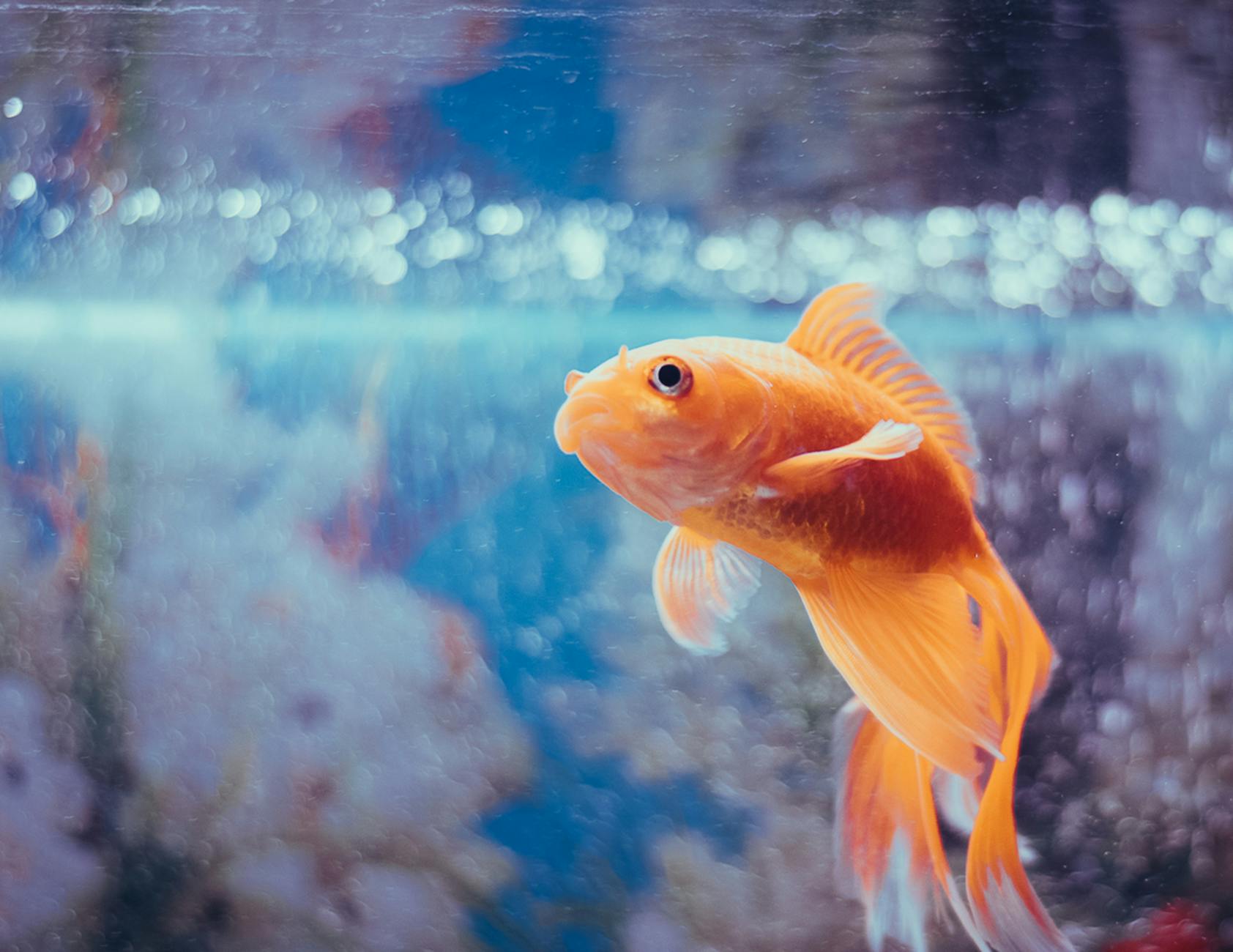
I've personally found that Goldfish (the common or comet varieties, not fancy ones) are fantastic for beginners. They're robust, tolerate a range of water conditions, and produce a good amount of waste to feed your plants. Plus, they’re easy to find in most UK aquatic centres. Just remember, even small goldfish need space, so don't overcrowd your tank. For a 20-30 litre system, one or two small goldfish are plenty.
Another option, if your system is particularly small (say, 10-15 litres), could be a Betta fish (Siamese fighting fish). They're stunning to look at and can thrive in smaller volumes, though they are solitary. Just ensure your system provides enough filtration and oxygenation for them. I tried a Betta in a tiny desk system once, and it was fascinating to watch, but I found the bioload slightly less consistent for my hungry basil than my main goldfish system.
Guppies are also often suggested, and while they're hardy and small, they breed like mad, which can quickly lead to an overcrowded tank and water quality issues if you're not careful. I learned this the hard way when a couple of guppies turned into twenty in a matter of months!
Here’s a quick comparison of my top picks:
| Fish Type | Pros | Cons | Randy's Take (UK Context) |
|---|---|---|---|
| Goldfish | Hardy, good waste producers, widely available in UK | Can get larger (choose common/comet), need adequate space | My absolute go-to for beginners. Very forgiving, and you can pick up healthy ones from almost any good UK pet shop. Just be sensible with numbers; one small fish for every 10-15 litres is a good starting point. |
| Betta | Beautiful, can thrive in smaller tanks (solitary) | Solitary (only one per tank), specific temperature needs | Great if you want a beautiful 'feature' fish in a very small system. Less bioload for plants, so you might need to supplement nutrients later, but for a single basil plant, it could work. I'd lean towards goldfish for better plant growth, though. |
| Guppy | Very small, hardy, active | Breed rapidly, can quickly overcrowd system | I've tried these, and while they're tough, the breeding overwhelmed my system. If you're prepared to manage population (e.g., separate sexes), they're an option, but for simplicity, I'd suggest sticking with goldfish. |
Choosing Your Plants
For the plant side of things, we’re aiming for fast-growing, leafy greens and herbs. Root vegetables or fruiting plants (like my beloved greenhouse tomatoes!) usually require much larger, more established systems with higher nutrient loads than a mini indoor setup can provide.
My success in my Midlands garden, both indoors and out, has taught me to focus on varieties that thrive with consistent moisture and moderate nutrients.
- Lettuce: This is a no-brainer. Varieties like 'Little Gem', 'Salad Bowl', or 'Butterhead' are fantastic. They grow quickly, are shallow-rooted, and you can harvest outer leaves continuously for weeks. I've had 'Little Gem' lettuce plants producing fresh leaves for over two months in my indoor system, a feat almost impossible outdoors with our unpredictable British weather!
- Basil: 'Genovese' basil is a personal favourite of mine. It absolutely loves the consistent water and nutrients. You'll get fragrant, lush leaves perfect for pesto. Just remember to pinch back the flower stalks to encourage bushier growth.
- Parsley: Both curly and flat-leaf parsley do well. They're a bit slower than lettuce or basil but provide a steady supply of fresh herbs.
- Mint: Spearmint or peppermint are vigorous growers and love the wet feet. Be warned, though, mint can be invasive even in aquaponics, so it might try to take over!
- Other Herbs: Chives, coriander, and even some compact varieties of kale (like 'Nero di Toscana') can work, but I'd start with lettuce and basil to get your confidence up.
Here’s a look at what I’ve found most successful:
| Plant Type | Growth Rate | Nutrient Needs | Harvest Type | Randy's Take (UK Context) |
|---|---|---|---|---|
| Lettuce | Fast | Moderate | Cut-and-come-again | My top recommendation! Varieties like 'Little Gem' or 'Salad Bowl' are fantastic for continuous harvesting. I've had these going strong through the darkest UK winter months, providing fresh salads when my outdoor beds are utterly dormant. |
| Basil | Fast | Moderate | Pinch leaves, cut stems | 'Genovese' is a superstar. It absolutely thrives in aquaponics. Just pinch off the flower stalks early to keep it bushy. Perfect for adding a taste of summer to your cooking, no matter what the British weather is doing outside. |
| Parsley | Moderate | Moderate | Cut outer leaves | A reliable performer. Takes a little longer to get going than lettuce or basil, but once established, it provides a steady supply. I usually have a curly parsley plant going in one of my aquaponics spots, especially for garnishes. |
| Mint | Very Fast | Moderate | Cut stems | Mint loves water and nutrients, but it can be aggressive. Great for teas or mojitos, but monitor its growth as it can outcompete other plants. I usually dedicate a separate grow bed to mint if I want to include it, or keep a close eye on it so it doesn't try to take over the whole system, much like it tries to do in my outdoor raised beds! |

6. Cycling & Daily Care: Maintaining a Healthy Aquaponics Ecosystem
You've got your residents, now it's time to make sure their home is a healthy, thriving ecosystem. This is where the magic of the nitrogen cycle comes in, and understanding it is key to your success. Trust me, I learned this the hard way after a few initial mishaps that nearly cost me my first batch of fish!
The Nitrification Cycle: The Heart of Aquaponics
This might sound a bit technical, but it's really quite simple when you break it down. Think of it like this:
- Fish Waste (Ammonia): Your fish produce waste, primarily in the form of ammonia. Ammonia is toxic to fish.
- Bacteria (Nitrosomonas): Beneficial bacteria, called Nitrosomonas, colonise your grow media (clay pebbles, biofilter). These bacteria convert the toxic ammonia into less toxic nitrites.
- More Bacteria (Nitrobacter): Another group of beneficial bacteria, Nitrobacter, then convert the nitrites into nitrates.
- Plants (Nitrates): Nitrates are the primary food source for your plants! They absorb these nitrates, effectively cleaning the water for your fish.
This continuous cycle is what keeps both your fish and plants healthy.
System Cycling: Patience is a Virtue!
Before you add any fish, you must cycle your system. This means building up a healthy colony of those beneficial bacteria. It typically takes 2-4 weeks, and trying to rush it is one of the biggest mistakes I made when I first started. I was so eager to get my first harvest, I added fish too soon, and it stressed them out terribly.
There are two main ways to cycle:
- Fishless Cycling (Recommended for Beginners): This is what I now recommend to everyone. You add an ammonia source (like pure household ammonia – make sure it doesn't contain detergents! – or a specific aquaponics cycling product) to your tank. You then monitor the water parameters daily using an aquarium test kit (I swear by the API Freshwater Master Test Kit; it's thorough and reliable). You'll see ammonia rise, then nitrites rise, and finally, nitrates rise as ammonia and nitrites fall to zero. Once ammonia and nitrite are consistently zero, and you have nitrates, your system is cycled and ready for fish.
- Fish-in Cycling (More Challenging): This involves adding a very small number of hardy fish from day one. You then carefully monitor water parameters and perform small daily water changes to keep ammonia and nitrite levels low enough not to harm the fish. This is stressful for the fish and requires a lot more vigilance, so I really advise against it for your first system.
My Cycling Tip: Don't skip water testing! It's your window into the health of your system. Get a good liquid test kit and use it regularly, especially during cycling.
Daily and Weekly Care Routine
Once your system is cycled, maintaining it becomes surprisingly easy. Here’s my typical routine for my mini aquaponics setup:
Daily (5-10 minutes)
- Check Water Level: Evaporation is constant, so top up your fish tank with dechlorinated tap water daily. I keep a bucket of tap water out for 24 hours to let the chlorine dissipate naturally, especially here in the Midlands where our tap water can be quite chlorinated.
- Feed Fish: Feed your fish a small amount of high-quality fish food, only what they can eat within 2-3 minutes. Overfeeding is a common mistake and leads to excess waste, which can overwhelm your system.
- Observe Fish & Plants: Take a moment to simply look. Are your fish swimming normally? Are your plants looking vibrant? Catching issues early saves a lot of hassle.
Weekly (20-30 minutes)
- Water Parameter Test: Use your test kit to check ammonia, nitrite, nitrate, and pH levels. This is crucial. Ammonia and nitrite should always be zero. Nitrates should be present (5-40 ppm is usually good). pH for most aquaponics systems aims for 6.0-7.0, slightly acidic, which is good for most leafy greens.
- Harvest Plants: Trim off any outer leaves of lettuce or basil that are ready. Regular harvesting encourages more growth.
- Clean Tank (if needed): If you see a buildup of algae on the tank sides, gently scrape it off. I use a simple magnetic algae cleaner.
- Check Pump/Air Stone: Ensure they're running smoothly and not clogged. Sometimes, a quick rinse of the pump impeller can prevent issues.

7. Troubleshooting & Tips: Ensuring Long-Term Success and Bountiful Harvests
Even with the best intentions, every gardener, myself included, runs into snags. Aquaponics is no different. The key is to know what to look for and how to react. My IT background taught me systematic troubleshooting, and I've applied that same logic to my UK garden, especially my aquaponics systems!
Common Aquaponics Problems & My Solutions
- Algae Bloom: This is probably the most common issue. You’ll see green slime on your tank walls or grow media.
- Randy's Solution: Too much light! Reduce the amount of light hitting the fish tank directly. You can use blackout film, paint the sides, or simply wrap a dark towel around the tank. I've even strategically placed larger plants to shade the tank. Sometimes, a few snails (like Nerite snails) can help, but don't rely on them as your sole solution.
- Yellowing Leaves (Nutrient Deficiency): If your plants look pale or yellow, especially older leaves, it often indicates a lack of nutrients, usually iron or nitrogen.
- Randy's Solution: First, check your nitrate levels. If they're too low (below 5 ppm), you might be underfeeding your fish or have too many plants for your fish load. Increase fish food slightly (without overfeeding) or consider adding a second small fish if your tank size allows. Sometimes, pH can lock out nutrients, so ensure your pH is in the 6.0-7.0 range. If all else fails, a very small dose of chelated iron supplement designed for aquaponics can help, but use sparingly!
- Fish Looking Stressed/Sick: Clamped fins, gasping at the surface, lethargy, or visible spots.
- Randy's Solution: Immediately test your water parameters (ammonia, nitrite, nitrate, pH). High ammonia or nitrite is the most common culprit. Perform a partial water change (25-30%) with dechlorinated water. Ensure your air pump is working well to provide plenty of oxygen. If it's a disease, isolate the fish if possible and research appropriate treatments, but good water quality is always the first line of defence. I've learned that consistent water quality prevents most fish health issues.
- Slow Plant Growth: Your plants just aren't thriving.
- Randy's Solution: Check light intensity and duration (14-16 hours is ideal with a good grow light). Ensure nutrient levels (nitrates) are adequate. Also, check the water flow to the grow bed; is it reaching all the plant roots consistently? Sometimes a clogged pump or drip line can reduce nutrient delivery.
Randy's Top Tips for Aquaponics Success
After five years of getting my hands dirty, both in the soil and with my aquaponics tanks, these are the golden rules I live by:
- Patience is Paramount: Especially during the cycling phase. Don't rush it. A stable system is a happy system.
- Observe, Observe, Observe: Spend a few minutes each day just watching your fish and plants. They'll tell you if something's wrong long before it becomes a major problem. This is a skill I've honed in my 800 sq ft Midlands garden, and it applies just as much indoors.
- Invest in a Good Test Kit: It’s your diagnostic tool. Don't skimp here; reliable readings are invaluable.
- Don't Overfeed: It's the quickest way to create water quality issues. Little and often is far better.
- Maintain Consistent Water Levels: Evaporation is inevitable, so regular top-ups are essential to keep your system balanced.
- Use a Timer for Lights: Consistency in light duration is crucial for plant growth and preventing algae. I run my grow lights for 14 hours a day, which works wonders for my lettuce and basil.
- Embrace Trial and Error: Not every plant or fish combination will work perfectly for everyone. Experiment, learn from what doesn't work, and adjust. That's the true joy of gardening!
Conclusion: Your Indoor Oasis Awaits!
So there you have it – my step-by-step guide to building, stocking, and caring for your very own mini aquaponics system. From the initial build to nurturing your fish and plants, you’ve got all the tools and knowledge you need to embark on this incredibly rewarding journey.
For me, building this system was a revelation. It brought a piece of my big Midlands garden indoors, offering fresh, vibrant herbs and lettuce even when the British weather outside was doing its worst. There’s something truly magical about harvesting a crisp 'Little Gem' lettuce in the middle of a dreary January, knowing it came from your own sustainable ecosystem. It's not just about the produce, though; it's about connecting with nature, understanding intricate cycles, and having a constant source of green joy in your home.
Aquaponics might seem a bit daunting at first, especially if you're used to traditional soil gardening, but I promise you, it's far more accessible than you might think. It combines the best of both worlds – the relaxing presence of an aquarium with the satisfying reward of growing your own food.
So, what are you waiting for? Take the plunge! Build your system, choose your residents, and start enjoying year-round fresh produce. I’d absolutely love to hear about your aquaponics adventures and see what you’re growing. Drop a comment below with your experiences or any questions you have. Happy growing!