Beyond the Bloom: Why Strong Stems are Key for Your UK Garden's Showstoppers
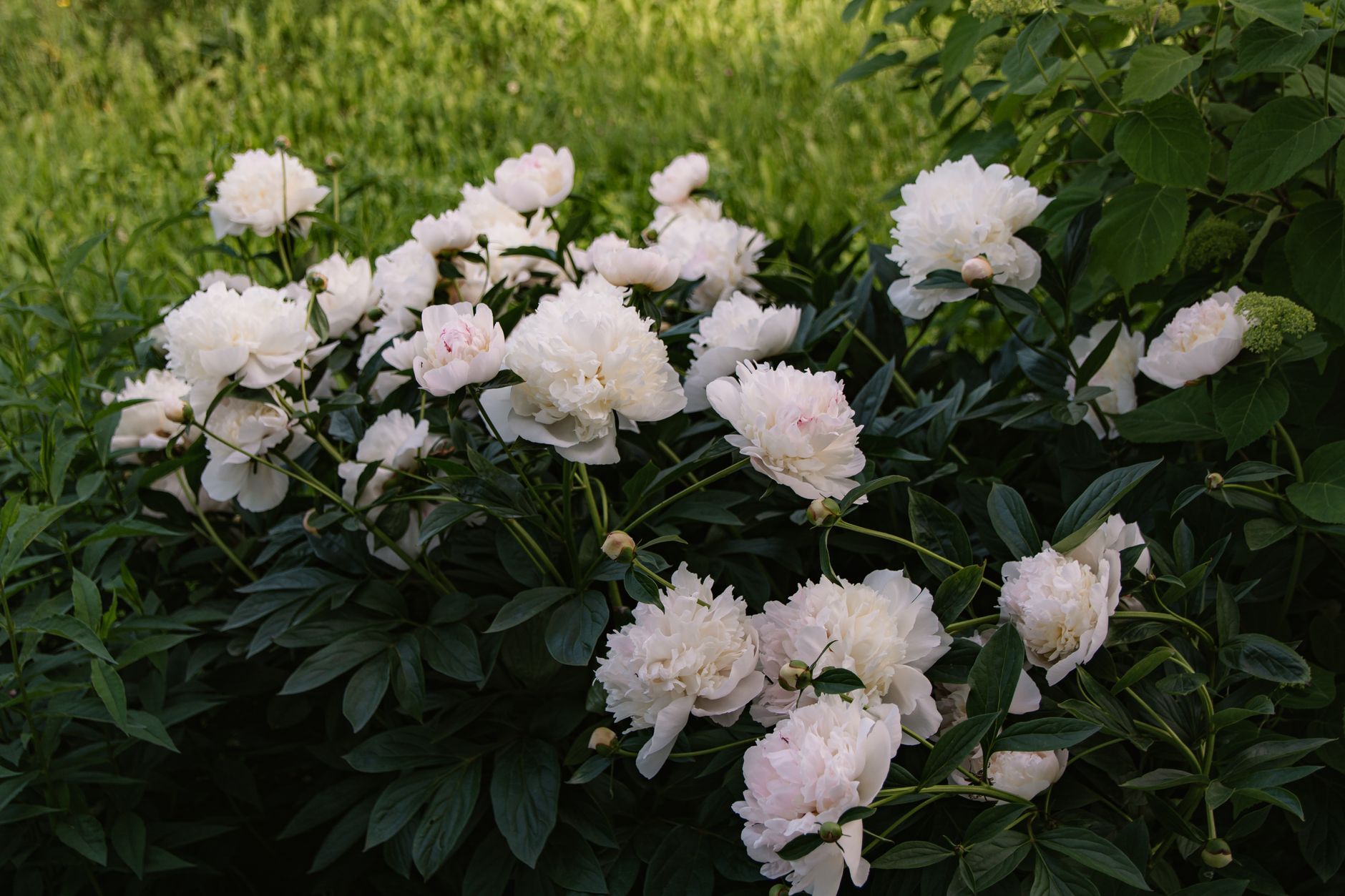
There’s nothing quite like the sight of a magnificent peony, its huge, blousy head bursting with colour, or a hydrangea heavy with its iconic mop-like blooms. Here in my 800 sq ft Midlands garden, these plants are absolute showstoppers, bringing so much joy after months of anticipation. But I'm going to be honest with you – for years, that joy was often followed by a pang of frustration. You know the feeling, right? You nurture them, you feed them, they bloom beautifully, and then… snap. One gust of our notoriously unpredictable British wind, one sudden, heavy downpour, and those gorgeous stems buckle, leaving your prize blooms drooping in the mud. It's heart-breaking, isn't it?
When I first traded my IT desk for a trowel five years ago, I thought gardening was all about getting things to grow. I quickly learned that it's just as much about getting things to stand up. My early attempts at growing towering delphiniums or robust hydrangeas were often met with disappointment. I remember one particularly soggy June, a stunning 'Annabelle' hydrangea I'd been so proud of collapsed under the weight of rain, its beautiful white globes face down in the soil. It was a real lesson learned the hard way.
Since then, I've become a bit obsessed with building resilience in my plants. It's not just about aesthetics either; strong stems mean healthier plants overall, better air circulation (crucial in our often damp UK climate to prevent fungal issues), and ultimately, a much more rewarding display that lasts longer. If you're tired of seeing your garden's stars flop at the first sign of trouble, you're in the right place. I'm going to share everything I've learned through trial and error in my own UK garden, from strategic pruning to targeted feeding and preventative support, to help your hydrangeas, peonies, and other large herbaceous perennials stand tall and proud, no matter what our British weather throws at them.
Diagnosing the Droop: Common Causes of Stem Snapping in Hydrangeas, Peonies & Perennials
Before we can build those unbreakable stems, we need to understand why they're breaking in the first place. I've spent countless hours in my garden, observing, experimenting, and sometimes just staring forlornly at a snapped stem, trying to figure out what went wrong. What works here in Britain, with our unique climate challenges, often comes down to a few key factors.
Here in the Midlands, I've pinpointed several common culprits responsible for our beloved plants taking an unexpected bow:
- Our Unpredictable British Weather: This is probably the biggest factor.
- Wind Damage: Gusty winds are a major enemy, especially for plants with large flower heads acting like sails. My exposed backyard, even with raised beds, gets battered. I've seen a strong gust literally twist and snap the stems of my 'Coral Charm' peony, leaving its heavy buds lying on the path.
- Heavy Rain/Waterlogging: Sudden, intense downpours, especially after a dry spell, can cause two problems. Firstly, the sheer weight of water accumulating on broad leaves and dense flower heads can be too much for weaker stems. Secondly, waterlogged soil can weaken roots, making the entire plant less stable.
- Over-Fertilisation (Especially Nitrogen): This was one of my biggest mistakes when I first started. I thought more feed meant bigger plants. While nitrogen promotes lush, leafy growth, too much of it can lead to soft, sappy stems that lack the necessary structural integrity. They grow tall and fast, but without the strength to hold themselves up. I learned this the hard way with some overly enthusiastic delphiniums that looked magnificent for a week before collapsing.
- Nutrient Deficiencies: Just as too much of one thing can be bad, not enough of another can be devastating. Specifically, a lack of potassium (K) and calcium (Ca) can severely compromise stem strength. Potassium is vital for water regulation and cell wall development, while calcium is a building block for those strong cell walls. Without them, stems become brittle and weak.
- Incorrect or Lack of Pruning: Neglecting to prune, or pruning incorrectly, often results in leggy, spindly growth. These stems are simply not equipped to bear the weight of abundant foliage and flowers, especially when faced with the elements. I used to be too timid with my hydrangeas, and they'd reward me with weak, flopping branches.
- Pest and Disease Damage: While not always the primary cause of snapping, pests and diseases can weaken stems, making them more susceptible to breaking from other factors. Stem borers, fungal infections like botrytis, or even severe aphid infestations can compromise the integrity of a stem.
- Variety Selection: Let's be honest, some varieties are just naturally prone to flopping. While good cultural practices can help, a 'Dinnerplate' dahlia or a particularly top-heavy peony will always need more support and careful management than a naturally more compact cultivar. I've learned to be picky, especially in my relatively small space.
Understanding these underlying issues is the first step. Once we know why our stems are struggling, we can implement targeted strategies to make them truly unbreakable.
Prune for Power: Tailored Cutting Techniques for Resilient Stems
Pruning used to intimidate me. The idea of cutting back a healthy plant felt wrong, almost destructive. But after a few seasons of trial and error in my 800 sq ft garden, especially here in the often-damp Midlands, I've learned that strategic pruning is one of the most powerful tools we have for encouraging strong, resilient stems. It's not just about shaping; it's about building a robust framework from the ground up.
The general principles I follow are: remove weak, damaged, or crossing stems; encourage outward growth for better air circulation (a must in our humid UK summers to prevent fungal issues); and promote thicker, woodier stems, particularly for plants like hydrangeas.
Hydrangeas: Building a Sturdy Foundation
My 'Limelight' Hydrangea paniculata is a prime example of how pruning can transform a plant. I used to be too timid, resulting in top-heavy blooms that would flop. Now, I prune it hard, and it rewards me with incredibly strong, upright stems. For hydrangeas, the timing here in the UK is usually late winter or early spring, just as the buds begin to swell.
- For Hydrangea paniculata (e.g., 'Limelight', 'Vanilla Fraise') and Hydrangea arborescens (e.g., 'Annabelle'): These bloom on new wood. I cut back the previous year's growth quite hard, leaving only a few strong buds on each stem. This encourages fewer, but much thicker and stronger, new shoots. I aim to create an open framework.
- For Hydrangea macrophylla (mophead and lacecap varieties): These bloom on old wood, so you need to be more selective. I focus on removing weak, spindly, or crossing stems, cutting them back to a strong outward-facing bud. I also remove about a quarter of the oldest stems right down to the base each year to encourage fresh, vigorous growth. This rejuvenates the plant without sacrificing too many blooms.
Peonies: A Clean Cut for Strength
My 'Sarah Bernhardt' peony used to be a notorious flopper, its magnificent blooms face-down in the soil after every shower. I learned that while support is often necessary, good autumn pruning is key to its overall health and vigour.
- Herbaceous Peonies (e.g., Paeonia lactiflora): Unlike woody shrubs, herbaceous peonies die back to the ground each year. Here in the UK, I cut all the foliage right back to the ground in late autumn, once it has yellowed. This isn't directly for stem strength in the next season, but it's crucial for preventing diseases like peony blight, which can weaken the entire plant. A healthy plant with strong roots will produce stronger stems next spring. Ensuring good airflow around the emerging shoots in spring also helps.
Large Herbaceous Perennials: The Art of the "Chelsea Chop"
For many of my tall perennials like delphiniums, tall phlox, heleniums, and even some of my cosmos varieties, the "Chelsea Chop" is a game-changer. I learned this technique a few years ago, and it's brilliant for our British climate, especially with those sudden summer downpours.
- The "Chelsea Chop": Around late May to early June (around the time of the Chelsea Flower Show, hence the name), I cut back about a third to a half of the stems of these plants. This delays flowering slightly but encourages the plant to produce more side shoots, resulting in a bushier plant with more, but smaller, flowers. Crucially, these side shoots have shorter, thicker, and therefore much stronger stems. For my delphiniums, which used to collapse every year, this has been revolutionary. I also combine this with removing any weak or spindly early growth in early spring.
Here's a quick comparison of these tailored pruning techniques:
| Plant Type | UK Pruning Time | Key Technique for Stem Strength | Randy's Tip/Experience |
|---|
Pre-emptive Props: Choosing and Installing Effective Support Systems
Alright, so we’ve talked about getting strong stems from the inside out with pruning and feeding. But let's be honest, sometimes even the beefiest peony or the most robust hydrangea needs a bit of a helping hand, especially here in the UK with our delightful (read: utterly unpredictable) weather. When I first started gardening five years ago, I thought supports were a sign of weakness, or just for those fancy show gardens. I quickly learned that ignoring them was a recipe for disaster, usually involving a torrential downpour and a symphony of snapping stems. Never again!
One particularly memorable incident involved my 'Sarah Bernhardt' peonies. I’d spent all spring lovingly tending to them, only for a classic Midlands summer storm with gusty winds and horizontal rain to flatten them overnight. They looked like they’d been run over by a tractor. Gutting, absolutely gutting. That’s when I became a firm believer in pre-emptive propping.
Here in my 800 sq ft garden, I’ve tried pretty much every type of support going, and I’ve found a few that truly stand up to our British climate:
Grow-Through Supports & Peony Rings
These are my absolute go-to for peonies, taller herbaceous perennials like delphiniums, and even some of the more floppy hydrangeas once they’ve grown a bit. They’re basically metal grids or rings on legs that you place over the plant early in the season. The plant then grows up and through the grid, providing invisible support that becomes completely hidden by the foliage.
- Peonies: For my 'Sarah Bernhardt' and 'Duchesse de Nemours' peonies, I put these in when the shoots are barely 6-8 inches tall, usually around late March or early April here in the Midlands. If you wait until they’re already covered in buds, it’s a wrestle and you risk damaging the stems. Trust me, I’ve made that mistake more times than I care to admit.
- Taller Perennials: I use similar grow-through supports for my taller foxgloves ('Dalmatian Peach' is a favourite) and some of the more statuesque phlox varieties. It keeps them upright and prevents that awful splaying effect after a shower.
Individual Staking
For plants that might just need support in one or two specific spots, or those with very rigid, upright growth, individual stakes are perfect.
- Bamboo Canes: These are a gardener's best friend. I use them for my delphiniums (oh, those glorious spires!), gladioli, and even some of the taller dahlias in my raised beds.
- The Figure-of-Eight Tie: This is crucial. Never tie a stem directly to a stake with a tight loop. Always use a figure-of-eight tie with soft garden twine. It creates a small buffer between the stem and the stake, preventing chafing and damage as the plant sways in the wind. I learned this the hard way when a strong gust rubbed a stem raw against a cane.
- Hazel or Brushwood: For a more natural look, especially in my cottage garden borders, I'll sometimes use hazel stakes or even prune some twiggy brushwood from my own garden. These provide a lovely, rustic support that blends in beautifully, particularly for plants like astrantias or smaller asters that just need a bit of backbone.
Hydrangea-Specific Support
Those massive mophead hydrangea blooms, especially after a good British soaking, can weigh a ton! For my 'Nikko Blue' and 'Teller Blue' hydrangeas, I sometimes use a semi-circular metal support ring that pushes into the ground around the base of the plant. It's less intrusive than a full cage and gives just enough lift to stop the outer branches from flopping onto the path.
My golden rule for supports: Get them in early! Don't wait until you see the first signs of flopping. By then, the damage is often done, or you're fighting against established growth. Pop them in when the plants are still relatively small and they'll grow through them, hiding the supports beautifully. It's a bit of faff in early spring, but it saves so much heartache later in the season when you're admiring your perfect, upright blooms, come rain or shine.
Year-Round Resilience: Integrating Pruning, Feeding, and Support for Lasting Strength
Building unbreakable stems isn't a one-and-done job; it's a continuous, year-round commitment. Think of it as a symphony where pruning, feeding, and support are all different instruments playing in harmony to create a masterpiece in your garden. If one instrument is off-key, the whole performance suffers. I’ve found that truly robust plants in my UK garden are the result of consistently integrating all three of these strategies throughout the seasons.
Here’s how I weave them together in my 800 sq ft space, adapting to our wonderfully varied British weather:
Spring Awakening (March – April in the UK Midlands)
This is a critical time for setting the stage for strong growth.
- Pruning: I tackle the bulk of my deciduous hydrangea pruning (e.g., Hydrangea paniculata 'Limelight' and Hydrangea arborescens 'Annabelle') in early spring, just as the buds start to swell. This encourages strong new growth that will bear the season's blooms. For herbaceous perennials, I cut back the last of the previous year's dead growth, clearing the decks for fresh shoots.
- Feeding: As new growth emerges, I give a good granular feed, rich in potassium and phosphorus, to all my established hydrangeas, peonies, and perennials. I often top-dress my raised beds with a thick layer of homemade compost from my bin – it's a slow-release feast for the soil and helps retain moisture.
- Support: This is THE moment for putting in those peony rings and grow-through supports for taller perennials. Get them in when the plants are just peeking out of the ground. Don't delay! I learned this the hard way with my delphiniums a few years back; a late cold snap followed by rapid growth and then a sudden downpour meant they were already leaning before I even thought about supports.
Early Summer Growth (May – June)
As the days lengthen and plants surge with growth, my focus shifts to maintaining vigour and pre-empting problems.
- Pruning: I start my 'Chelsea Chop' on plants like phlox, asters, and even some sedums around late May/early June. This encourages bushier growth, more flowers, and critically, stronger, more numerous stems that are less prone to flopping later. I also pinch back my greenhouse tomatoes (like 'Moneymaker' and 'Gardener's Delight') and some chrysanthemums for better form.
- Feeding: If we have a particularly wet spring that washes nutrients away, or for heavy feeders like my greenhouse tomatoes, I might give a mid-season liquid feed (diluted comfrey tea is fantastic!) to my flowering perennials to keep them powering through.
- Support: I'm constantly checking individual stakes for my rapidly growing delphiniums and foxgloves, ensuring ties aren't too tight and adjusting as they shoot upwards. Any new plants that show signs of leaning get a stake straight away.
Mid to Late Summer (July – August)
The garden is in full swing, and it's about enjoyment and keeping things tidy.
- Pruning: Deadheading is key now – not just to encourage more blooms, but also to remove the weight of spent flower heads, which can put strain on stems. I religiously deadhead my hydrangeas (unless I want to leave the spent blooms for winter interest, which I sometimes do for the paniculata varieties).
- Feeding: Generally, I'm not doing much heavy feeding now. The plants should be self-sufficient if they were fed well in spring. However, if we have a scorching dry spell (rare but it happens!), I might give a very dilute feed alongside watering to stressed plants.
- Support: Regular checks! Our summer thunderstorms can be brutal. I walk through the garden after any significant wind or rain to ensure supports are still upright and ties are secure. It’s amazing how a sudden gust can dislodge a perfectly placed stake.
Autumn Tidy-Up & Winter Prep (September – February)
The garden slows down, but there's still work to do for next year's strength.
- Pruning: I'll deadhead Hydrangea paniculata and H. quercifolia if I didn't in summer, otherwise, I leave some seed heads for winter interest and wildlife. For many herbaceous perennials, I leave the foliage to die back naturally, providing insulation and habitat. I only cut back once it's completely brown or in early spring.
- Feeding: No feeding now; plants are heading into dormancy.
- Support: I remove temporary stakes and clean any permanent metal supports before storing them. This is also the time I assess what worked and what didn't, making plans for new or better supports for next season.
This integrated approach, constantly observing and reacting to my plants and our British weather, is what has truly transformed my garden. It's not about doing everything perfectly, but about understanding the rhythm of the seasons and acting proactively.
Cultivating Confidence: Enjoying Your Unbreakable Blooms Season After Season
So, we've journeyed through the nitty-gritty of why stems snap, how strategic pruning can build power from within, why targeted feeding is crucial fuel, and how pre-emptive supports are your secret weapon against our unpredictable British weather. It might sound like a lot, but I promise you, it's an investment that pays dividends in sheer gardening joy.
I remember those early days in my Midlands garden, battling floppy peonies and hydrangeas that collapsed with every summer shower. It was frustrating, disheartening, and quite frankly, made me question if I was even cut out for this gardening lark. But through countless experiments, a few glorious successes, and plenty of learning from my mistakes (like the time I forgot to support my delphiniums and they ended up looking like they’d had a particularly rough night out!), I've seen the transformation.
Now, my hydrangeas stand tall, their mopheads proudly displayed even after a proper downpour. My peonies hold their enormous, fragrant blooms aloft without needing an intervention. My delphiniums reach for the sky, unfazed by the wind. And honestly, there's no better feeling than walking through your garden after a storm and seeing everything still standing strong, showcasing the beauty you've helped cultivate.
This isn't just about preventing snapping branches; it's about cultivating confidence in your own gardening abilities. It's about understanding your plants, their needs, and how to best support them in our unique UK climate. You're not just a gardener; you're an architect, a nutritionist, and a personal trainer for your plants, building them up to be the best they can be.
So, take these strategies – the sharp snips of purposeful pruning, the enriching boosts of targeted feeding, and the sturdy embrace of timely support – and integrate them into your gardening routine. Observe your plants, experiment a little, and don't be afraid to try new things. Your garden is your laboratory, and every season is a new opportunity to learn and grow.
I truly believe that with a little forethought and consistent care, you too can banish the droop and enjoy a season after season of magnificent, unbreakable blooms. Go forth, fellow UK gardener, and cultivate with confidence! I can't wait to hear about your successes.
