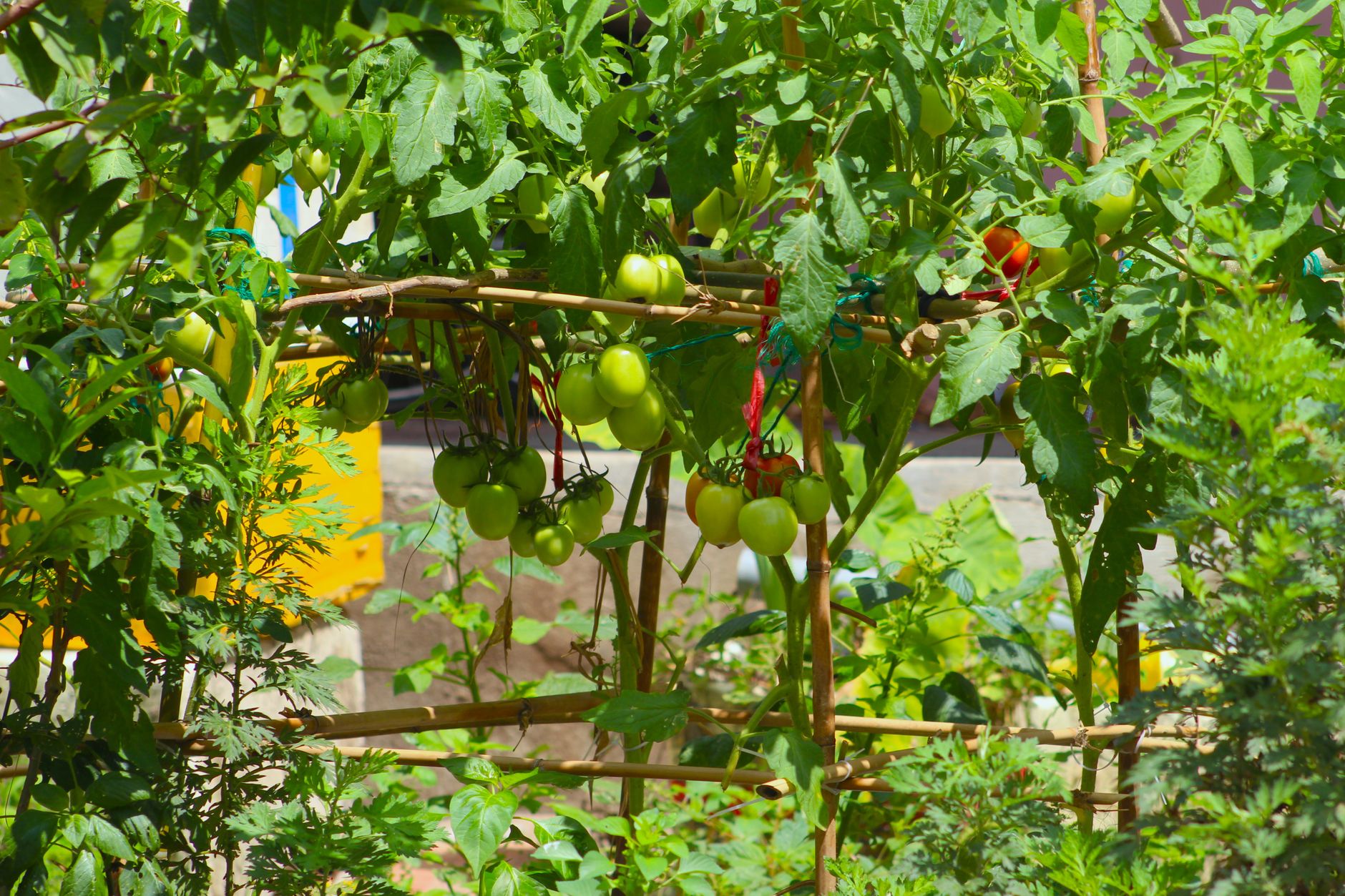
Introduction: Why Your Tomatoes Need a Helping Hand
Right then, fellow gardeners! If you're anything like me, the sight of a healthy tomato plant, laden with ripening fruit, is one of the true joys of a British summer. Whether they're tucked away in your greenhouse, basking in a sunny spot in a raised bed, or brightening up a patio container, tomatoes are just fantastic. I’ve been utterly obsessed with growing them here in my 800 sq ft Midlands garden for the past five years, ever since I swapped my IT desk for digging forks. But, and this is a big "but," getting those glorious fruits from a tiny seedling to a bountiful harvest isn't always as simple as just popping them in the ground.
One of the biggest lessons I’ve learned – often the hard way, mind you, with plants sprawled across the path after a blustery British day – is that tomatoes absolutely need a helping hand. Left to their own devices, most tomato plants become a chaotic tangle of stems and leaves. This isn't just untidy; it's a recipe for disaster in our often damp and unpredictable UK climate. Unsupported plants are prone to snapping under the weight of their fruit, they develop poor air circulation which invites fungal diseases like blight (a real headache here in Britain!), and harvesting becomes a frustrating game of hide-and-seek.
Choosing the right support system for your tomatoes isn't just about keeping them neat; it's about maximising your yield, keeping your plants healthy, and making your gardening life a whole lot easier. Over the years, I've experimented with everything from bamboo canes to elaborate trellises, both in my greenhouse and out in the open. What works for a sprawling 'Marmande' in the greenhouse is completely different from what a compact 'Tiny Tim' needs on the patio. So, grab a cuppa, and let's get into the nitty-gritty of choosing the BEST support system for your precious tomato babies, based on what I’ve seen thrive (and sometimes flop!) in my UK garden.
Know Your Tomato: Determinate, Indeterminate & Patio Varieties Explained
Before you even think about buying stakes or cages, the absolute first step is to understand what kind of tomato you’re growing. This is a mistake I made early on – trying to cage a vigorous indeterminate heirloom, only for it to burst out the top and sides like an unruly green monster! Knowing your tomato's growth habit is crucial for success here in the UK, as it directly impacts how much support, pruning, and space it will need.
Let's break down the three main types:
Determinate Tomatoes (Bush Tomatoes)
Determinate varieties are often called "bush" tomatoes for a reason – they grow to a predetermined size, usually stopping at around 3-4 feet tall. They produce most of their fruit all at once, over a relatively short period, typically a couple of weeks. Once they've set their fruit, they stop growing upwards.
In my UK garden, I've found determinate varieties like 'Roma' or 'Gardener's Delight' to be brilliant for outdoor growing in raised beds, especially in areas where our summer growing season might be a bit shorter or cooler. They don't need a huge amount of pruning, which makes them quite low-maintenance. The challenge is that they can still become quite bushy and heavy with fruit, so they definitely need support to keep them upright and off the damp soil.
Indeterminate Tomatoes (Vining Tomatoes)
These are the marathon runners of the tomato world. Indeterminate varieties will continue to grow, flower, and produce fruit all season long, right up until the first hard frost. They are true "vining" plants, capable of reaching impressive heights – I’ve had 'Sungold' plants in my greenhouse reach over 8 feet tall!
Most of the heirloom varieties I adore, like 'Cherokee Purple' and 'Brandywine', are indeterminate. They absolutely thrive in the protected environment of my greenhouse here in the Midlands, where they get the warmth and longer season they need. These plants require consistent pruning (especially removing side shoots, which I'll touch on later) and robust, continuous support. If you're growing these outdoors in the UK, be prepared for a fight against the elements and understand that your harvest might be smaller due to our cooler temperatures.
Patio/Dwarf Tomatoes
These are the compact champions, specifically bred for small spaces, containers, and hanging baskets. They are usually determinate in growth habit, but even more miniature, rarely exceeding 2 feet in height. Varieties like 'Tiny Tim' or 'Micro Tom' are perfect for balconies, patios, or even a sunny windowsill.
I love growing these in pots around my patio for easy access to fresh fruit – 'Balcony Red' is a particular favourite. While they are small, the sheer weight of their fruit can still cause them to flop over, so even these little guys appreciate a bit of gentle support to keep their precious produce off the ground.
Tomato Variety Comparison Table
Understanding these differences is your first step to choosing the right support. Here's a quick comparison to help you out:
| Feature | Determinate (Bush) Tomatoes | Indeterminate (Vining) Tomatoes | Patio/Dwarf Tomatoes |
|---|---|---|---|
| Growth Habit | Grows to a set height (3-4 ft), then stops. Bushy. | Grows continuously, often reaching 6-10+ ft. Vining. | Very compact, usually 1-2 ft. Bushy. |
| Fruit Production | Produces most fruit within a 2-3 week window. "One flush." | Produces fruit continuously throughout the growing season. | Produces fruit over a short period, but often multiple small flushes. |
| Pruning Needs | Minimal pruning required (mostly for air circulation). | Regular pruning of side shoots (suckers) is essential. | Very little to no pruning needed. |
| Ideal Support | Cages, sturdy stakes, short trellises. | Tall stakes, strong trellises, string/clip systems. | Small stakes, mini cages, hanging baskets. |
| UK Suitability | Excellent for outdoor growing in raised beds/containers. | Best suited for greenhouses or very sheltered, sunny spots outdoors in the UK. | Ideal for containers, balconies, small gardens. |
| Examples | 'Roma', 'Gardener's Delight', 'Moneymaker', 'Alicante' | 'Sungold', 'Marmande', 'Cherokee Purple', 'Ailsa Craig' | 'Tiny Tim', 'Micro Tom', 'Balcony Red', 'Tumbler' |
Staking Tomatoes: The Classic Vertical Support for UK Gardens
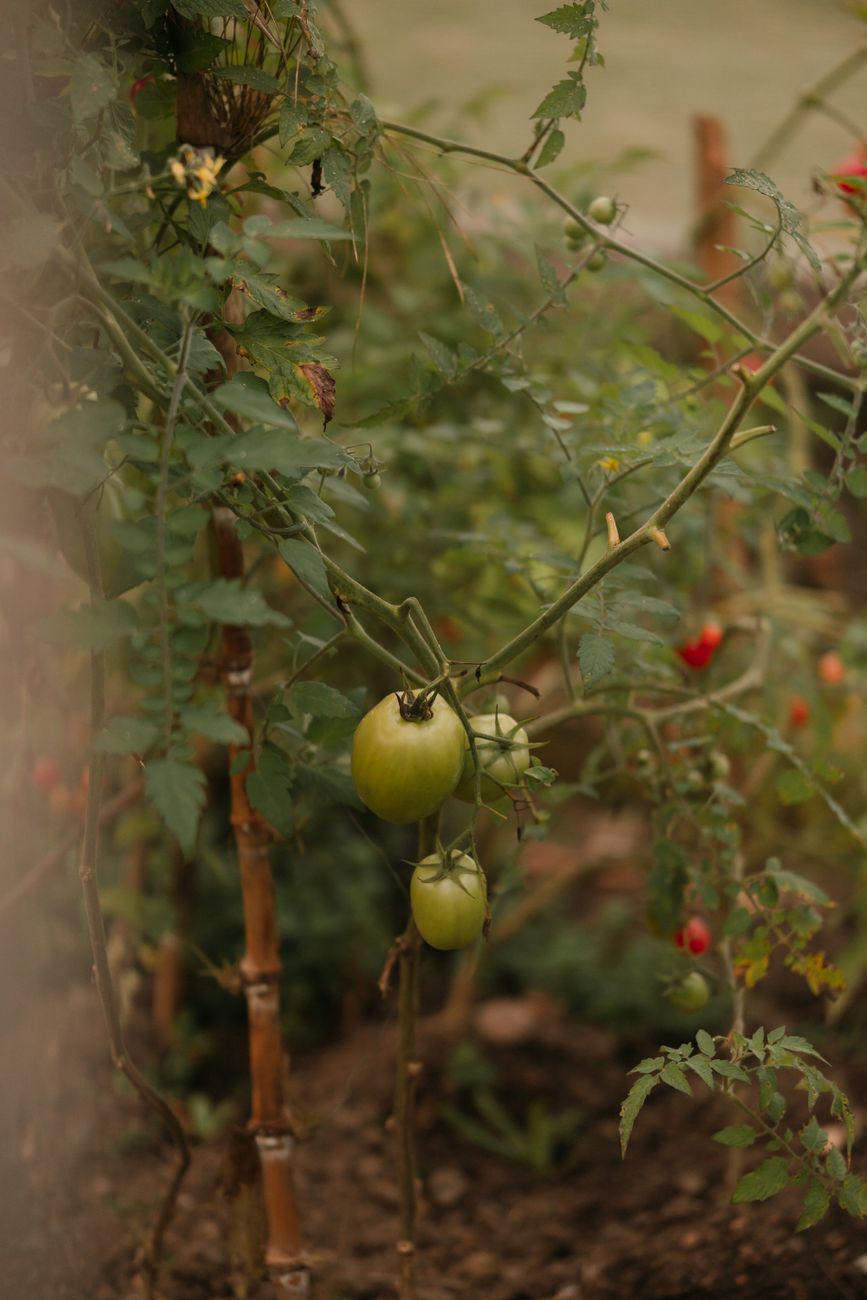
Staking is probably the most traditional method of supporting tomatoes, and it's one I rely on heavily, especially for my taller indeterminate varieties in the greenhouse. It involves using a single, sturdy vertical support for each plant, guiding its growth upwards.
My Experience with Staking
When I first started out, I bought some flimsy bamboo canes from a local garden centre. One particularly windy August day, my 'Marmande' plants, heavy with fruit, simply snapped them in half! I learned that the cheap option often costs more in the long run. Now, for my prized indeterminate heirlooms like 'Ailsa Craig' and 'Brandywine' in the greenhouse, I use much thicker, stronger bamboo canes – about 1 inch (2.5 cm) in diameter and 6-8 feet (1.8-2.4 m) long – driven deep into the soil. For outdoor determinate plants like 'Alicante' that I want to keep single-stemmed, a sturdy wooden stake or a metal rebar stake works wonders.
How to Stake Your Tomatoes
- Choose Your Stake: Select a strong stake that will be tall enough to support the mature height of your plant. For indeterminate varieties, this means something at least 6 feet (1.8m) above ground level.
- Install Early: Drive the stake into the ground when the plant is still young (around 12-18 inches / 30-45 cm tall). Place it about 4-6 inches (10-15 cm) from the base of the stem to avoid damaging the roots.
- Tie Regularly: As your tomato plant grows, gently tie the main stem to the stake every 8-12 inches (20-30 cm). I use soft garden twine, making a loose loop around the stem in a figure-eight pattern to prevent it from rubbing against the stake, then securing it tightly to the stake itself. You can also use specific tomato clips, which are brilliant for quick adjustments.
Pros of Staking Tomatoes
- Excellent Air Circulation: Keeping the foliage open and off the ground helps prevent fungal diseases, a huge bonus in our often damp British climate.
- Space-Saving: Growing vertically is ideal for smaller gardens or when you want to pack more plants into your greenhouse.
- Easy Harvesting: Fruits are displayed clearly, making them simple to spot and pick.
- Focused Growth: Encourages the plant to put energy into fruit production rather than sprawling.
- Pruning Control: Makes it easy to manage side shoots and maintain a single main stem for indeterminate varieties.
Cons of Staking Tomatoes
- Labour Intensive: Requires regular tying and pruning, especially for indeterminate types. If you miss a week, you'll be untangling a mess!
- Wind Vulnerability: If stakes aren't strong and deeply anchored, or if ties aren't secure, strong UK winds can still cause damage. I've had entire plants ripped from their stakes during a summer storm.
- Pruning Required: For indeterminate varieties, you absolutely must prune side shoots (suckers) to maintain a single leader, or you'll end up with a bushy, less productive plant.
Tomato Cages: Simple, Sturdy Support for Bushier Varieties
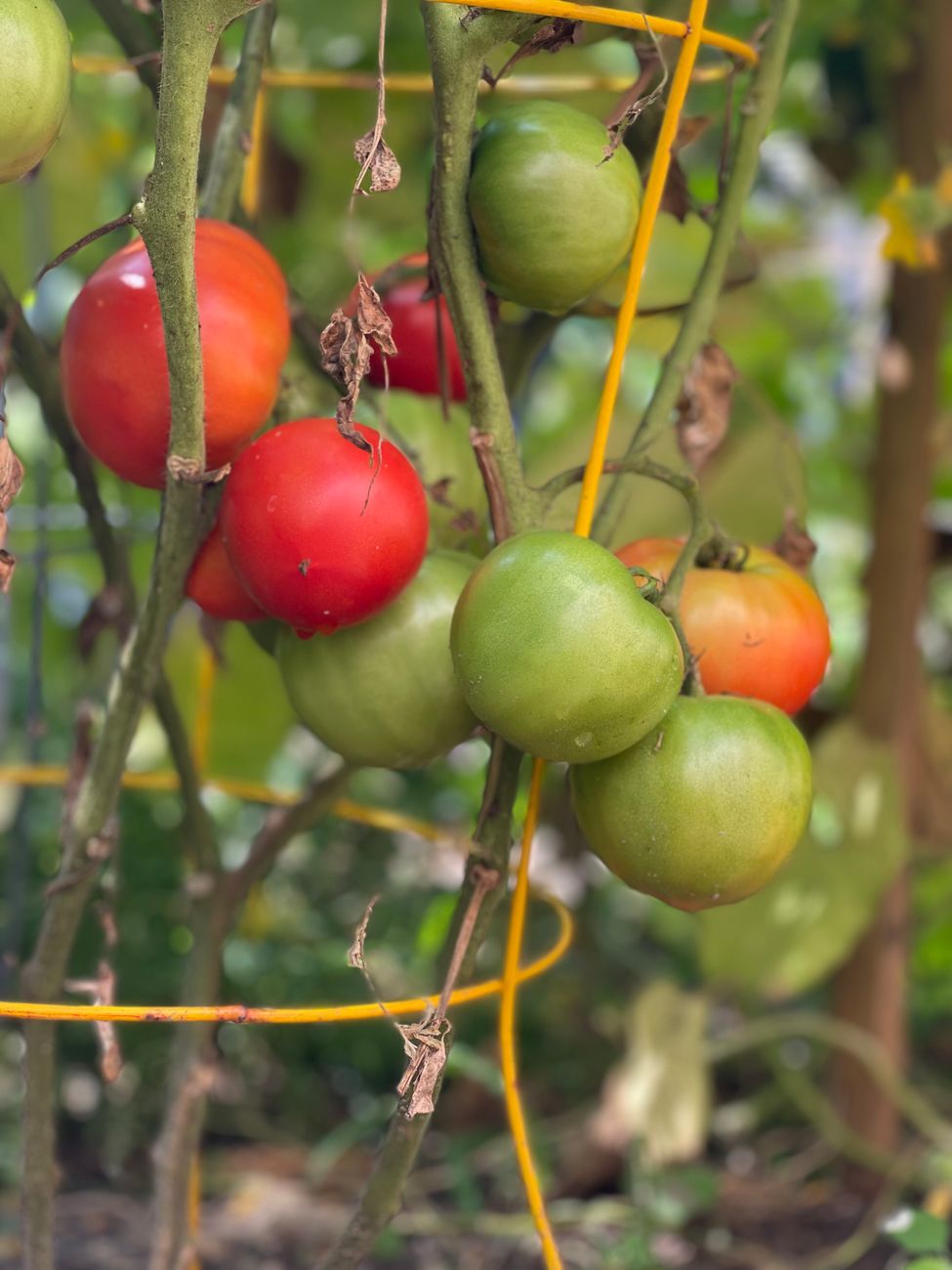
Tomato cages are a fantastic option for gardeners who prefer a more hands-off approach, particularly for determinate and some patio varieties. They offer all-around support, allowing the plant to grow within its confines.
My Experience with Cages
I’ve had a love-hate relationship with tomato cages over the years. When I first started, I bought some of those flimsy wire cages from a discount shop, thinking I was saving money. They were absolutely useless for anything but the smallest patio plants! My determinate 'Moneymaker' plants, growing happily in my raised beds, quickly outgrew and bent them, collapsing under the weight of their fruit.
Now, I've invested in some really robust, heavy-gauge steel cages for my outdoor determinate tomatoes like 'Alicante' and 'Roma'. These are much wider at the base and considerably sturdier, standing up to our British summer downpours and gusty winds far better. They're excellent for varieties that don't need aggressive pruning and tend to be bushier.
How to Use Tomato Cages
- Choose the Right Size: Select a cage that is robust enough for your plant's mature size and heavy enough not to blow over. For determinate varieties, look for cages at least 3-4 feet (0.9-1.2 m) tall.
- Install Early: Place the cage over your tomato plant when it's still small, ideally no more than 12-18 inches (30-45 cm) tall. Push the legs firmly into the ground for stability.
- Guide the Growth: As the plant grows, gently guide the stems and branches to grow inside the cage. You generally won't need to tie them as much as with staking, as the cage provides support on all sides. Some light pruning of inner foliage might be beneficial for air circulation.
Pros of Tomato Cages
- Low Maintenance: Once installed, cages require much less attention than staking. You don't need to tie plants up constantly.
- All-Around Support: Provides support for multiple stems and branches, which is perfect for bushy determinate varieties.
- Good for Determinate Types: Ideal for bushier plants that don't need heavy pruning. I find them excellent for varieties like 'Gardener's Delight' outdoors.
- Protection: Offers some protection from pests and accidental knocks, and keeps fruit off the wet ground, reducing rot.
Cons of Tomato Cages
- Can Be Bulky: Storing cages, especially the sturdy ones, can be a challenge in a smaller garden or shed.
- Not for All Varieties: Flimsy cages are completely inadequate for vigorous indeterminate tomatoes; they'll simply outgrow and damage them. Even strong cages can be overwhelmed by a monster indeterminate.
- Air Circulation Issues: If the plant gets too dense within the cage and isn't pruned at all, air circulation can be restricted, potentially increasing the risk of fungal diseases, particularly in our humid UK summers.
- Harvesting Can Be Tricky: Sometimes, fruit can become hidden deep within the foliage, making it harder to spot and pick.
Trellising Tomatoes: Maximising Yields and Space for Vining Types
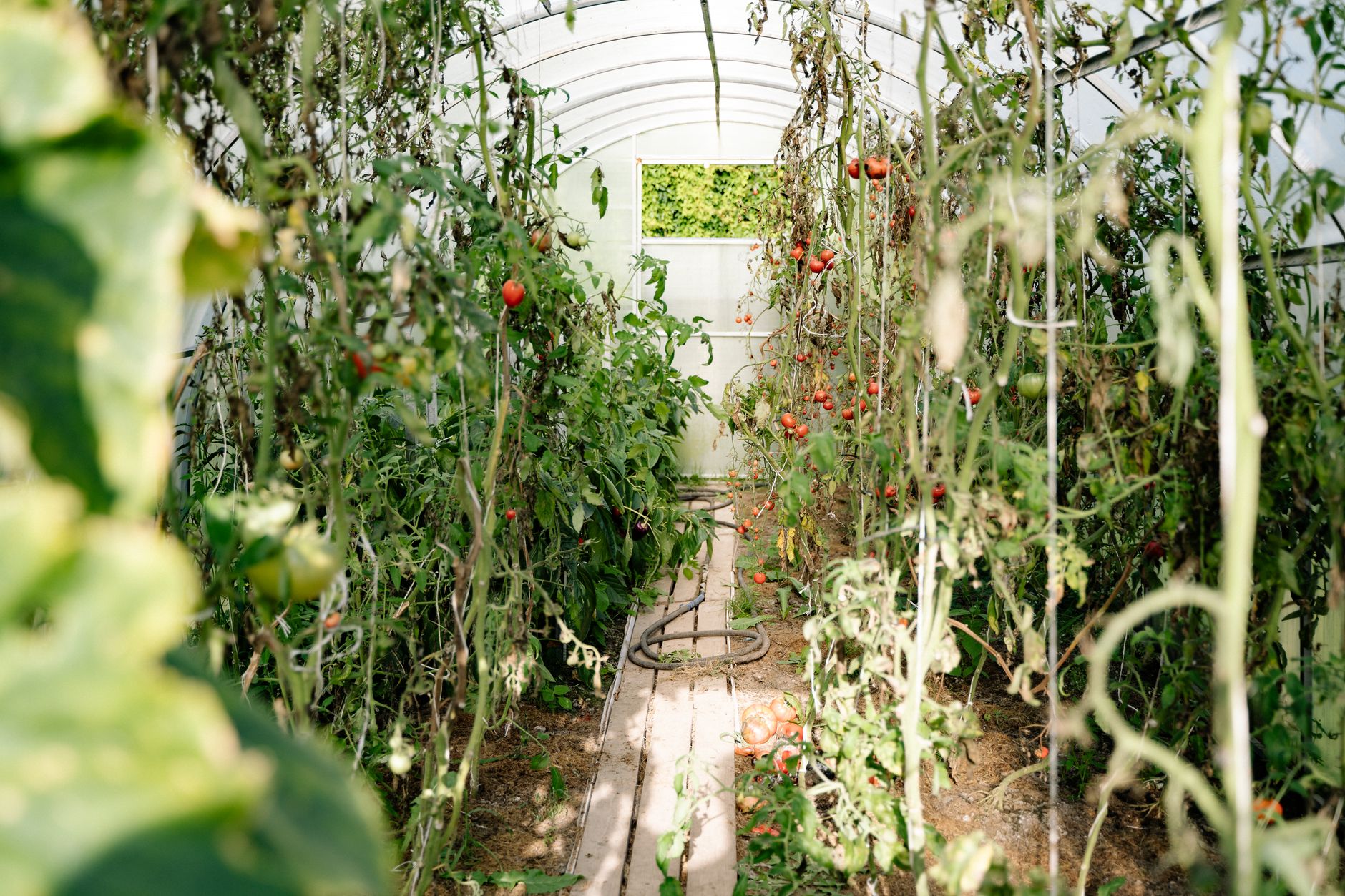
Now, if you're growing those vigorous indeterminate varieties, especially in a greenhouse like mine, trellising is where you can truly maximise your yields and make the most of your vertical space. This method involves training your tomato plants to grow upwards on a support system, typically a single main stem, which I find brilliant for varieties like 'Sungold', 'Gardener's Delight', and my beloved 'Cherokee Purple'.
Why I Swear by Trellising for My Indeterminates
Trellising isn't just about making your garden look tidy; it's a strategic move for healthier, more productive plants. Here in my Midlands greenhouse, I've seen firsthand how trellising significantly improves airflow around the foliage. This is absolutely crucial for reducing the risk of fungal diseases like blight, which can be a real headache in our often-humid UK climate. By getting the leaves off the ground and letting the air circulate, you're creating a much less welcoming environment for those pesky spores.
Furthermore, training your plants vertically makes harvesting an absolute dream. No more bending and rummaging through a tangled bush; the fruit is presented beautifully at eye level. It also means you can pack more plants into a smaller footprint. In my 800 sq ft backyard, every inch counts, and trellising allows me to grow a diverse range of tomatoes without feeling overcrowded.
My Go-To Trellising Methods in the UK
The Cordon System (Single Stem): This is my absolute favourite for greenhouse tomatoes. I select one main stem and diligently remove all side shoots (or "suckers") as they appear in the leaf axils. This concentrates the plant's energy into producing fruit on that single stem. I've found that this method works wonders for continuous fruiting right up until the autumn chill sets in.
- Materials: For tying, I usually use soft garden twine, securing the main stem to an overhead wire or sturdy bamboo canes. For my greenhouse, I run strong wires lengthways at the top, and then I drop lengths of jute twine down to each plant, twisting the stem around the twine as it grows. It's a bit of a daily ritual, but totally worth it.
- Pruning: Consistent de-suckering is key here. If you let them get too big, snipping them off can cause a wound that's an entry point for disease. Little and often is my mantra! I also pinch out the growing tip once the plant has set about 5-7 trusses of fruit, especially later in the season, to encourage ripening before the UK weather turns properly cold.
Fan System (Multiple Leaders): While I primarily use the cordon system in the greenhouse, I've experimented with a fan system for some of my outdoor indeterminates like 'Marmande' when I want more fruit, even if it's slightly smaller. Instead of one main stem, you allow 2-3 strong leaders to develop, training them outwards in a fan shape along a sturdy trellis or strong wires. This provides more fruiting points but requires even more robust support and careful pruning to maintain the fan shape. I've used this with a cattle panel trellis, which is incredibly strong and reusable year after year.
- Outdoor Challenges: For outdoor trellising in the UK, wind is your biggest enemy. A good, strong support structure is non-negotiable. I learned this the hard way one blustery August evening when a flimsy bamboo frame collapsed under the weight of a laden 'Costoluto Fiorentino'. Never again! Now, if it's outside, it gets proper heavy-duty support.
My Experience: The Trellis Pay-off
Trellising is undoubtedly the most labour-intensive of the support methods. You're tying, you're pruning, you're constantly interacting with your plants. But for me, the rewards are immense. My greenhouse indeterminates, like 'Sweet Aperitif' and 'Black Krim', literally climb to the roof, providing an astonishing amount of fruit. I usually get a good 6-8 feet of growth from them by the end of the season.
The consistency of the harvest and the quality of the fruit – better air circulation means fewer split skins and less rot – make it my top choice for those ambitious vining varieties. Just remember, it's a commitment, but one that pays dividends in buckets of delicious, homegrown tomatoes.
Choosing Your Champion: A Quick Comparison of Support Systems
So, you've heard about the different options, seen them in action (at least in my mind's eye!), and now it's time to weigh them up. What works best for your tomatoes, your garden, and your level of commitment here in the UK? To help you out, I've put together a little comparison table based on my five years of trial and error in the Midlands.
| Feature | Staking (Randy's Experience) | Caging (Randy's Experience) | Trellising (Randy's Experience) |
|---|---|---|---|
| Best For | Determinate, smaller Indeterminate (single stem) | Bushy Determinate, Patio (some Indeterminate with heavy pruning) | Indeterminate, high-yielding vining types (especially in greenhouse) |
| Pros (UK Context) | - Good airflow - Easy to spot/prune - Maximises vertical space - Good for small spaces/pots | - Relatively low effort once set up - Good support for bushy growth - Less pruning than staking/trellising - Protects fruit from ground | - Maximises yields & vertical space - Excellent airflow (less blight risk in UK) - Easy harvesting - Ideal for greenhouse environments |
| Cons (UK Context) | - Requires frequent tying - Can be unstable in wind/heavy rain - Prone to snapping if not sturdy - Less support for very heavy yields | - Can be bulky to store - Limited for very tall Indeterminates - Airflow can be restricted in dense growth - Hard to reach fruit inside | - Most labour-intensive (tying, de-suckering) - Requires strong, well-anchored structure - Can be costly initially for materials - Risk of wind damage outdoors if not sturdy |
| Effort Level | Medium-High (regular tying, pruning) | Low-Medium (set it and forget it largely) | High (daily/weekly tying, pruning) |
| Space Efficiency | Good (vertical growth) | Medium (bushy footprint) | Excellent (vertical growth, high density) |
| Yield Potential | Good (concentrates energy into fruit) | Good (supports natural bush habit) | Excellent (continuous fruiting, maximum growth) |
| My Top Tip | Use strong stakes (rebar, thick bamboo) and soft ties. | Choose wide, sturdy cages that won't tip over. | Invest in proper greenhouse wire/strong outdoor frame. |
Making Your Decision: Practical Tips for Your UK Garden
Alright, you've got the lowdown on stakes, cages, and trellises. Now, how do you pick the absolute best one for your specific setup? It’s not a one-size-fits-all situation, especially when you factor in our wonderfully unpredictable British weather!
Know Your Tomato Variety (Again!)
I can't stress this enough: your tomato's growth habit is the single most important factor.
- Determinate: Think 'Roma' or 'Moneymaker'. These will usually be happiest in a sturdy cage or on a robust stake. They don't need the constant attention of trellising.
- Indeterminate: 'Sungold', 'Brandywine', 'Gardener's Delight'. These vining champions absolutely thrive on a trellis system, especially in my greenhouse. If you try to cage one of these, you'll end up with a jungle of tangled stems and probably lower yields.
- Patio/Dwarf: 'Micro Tom' or 'Balcony'. These often do fine with a small stake or even just their own compact habit in a pot.
Assess Your Space: Backyard, Patio, or Greenhouse?
- Small Patio/Balcony: If you're growing in pots, stakes are fantastic for determinate varieties, keeping them neat. Small, compact cages can also work well. Trellising might be overkill unless you have a dedicated wall trellis.
- Raised Beds/Open Garden: For determinates, I often mix cages and stakes. For indeterminates, if I'm growing them outside, I go for a very strong trellis system – usually a robust wire framework or a cattle panel, because our Midlands winds can be brutal. Don't skimp on strength here; I learned that lesson after a particularly gusty summer storm flattened half my outdoor patch one year!
- Greenhouse: This is where trellising truly shines for indeterminates. The controlled environment allows for tall, productive plants. Staking can also work for determinates in a greenhouse, but cages tend to take up too much precious floor space.
Be Honest About Your Time and Effort
Gardening is a joy, but it also takes commitment.
- Low Effort: If you want to largely 'set and forget', a good quality cage for determinate varieties is your best bet.
- Medium Effort: Staking requires more regular attention for tying, but it's manageable.
- High Effort: Trellising is a daily or weekly commitment to tying and pruning. As a former IT worker, I appreciate efficiency, and while trellising takes time, the organised, high-yielding results make it a very satisfying investment of effort for me.
Consider Your Budget
You don't need to break the bank to support your tomatoes.
- Stakes: Can be very cheap – bamboo canes, wooden posts, even sturdy branches.
- Cages: Vary in price. DIY cages from concrete reinforcing mesh can be cost-effective and very strong.
- Trellising: Can be a higher initial investment for robust structures, wires, and clips, but these are often reusable for many seasons. I’ve found that investing in good quality, durable materials upfront saves money and heartache in the long run.
UK Weather and Pest/Disease Management
- Wind: For outdoor plants, wind is a major factor. Stakes need to be driven deep, and trellises need to be rock solid. Cages offer decent wind resistance for bushier plants.
- Humidity/Blight: In our often-damp UK summers, anything that improves airflow is a winner. Both staking and especially trellising excel here by getting foliage off the ground and allowing air to circulate. Cages can sometimes restrict airflow if the plants get too dense. I've found that proper spacing between plants, combined with good support, is my best defence against blight in my Midlands garden.
My Personal Approach: A Mix and Match Method
In my 800 sq ft UK garden, I don't stick to just one system. I've found a 'mix and match' approach works best:
- Greenhouse: Almost exclusively trellised indeterminates. My 'Sungold' and 'Gardener's Delight' literally climb to the roof.
- Raised Beds (Outdoor): Determinate varieties like 'Mountain Magic' go into sturdy, wide cages. My outdoor indeterminates like 'Marmande' are on strong cattle panel trellises that can withstand our sometimes-gale-force winds.
- Pots on the Patio: Smaller determinate varieties like 'Totem' get a single, strong stake for support.
The Bottom Line: Experiment and Enjoy!
Ultimately, the best support system is the one that works for you and your tomatoes. Don't be afraid to experiment! Start with what you have, observe how your plants respond, and adjust next season. That's the beauty of gardening, isn't it? Every year is a new opportunity to learn, grow, and improve.
The journey of growing tomatoes, from tiny seed to juicy fruit, is incredibly rewarding. Providing them with the right support is a key step in ensuring they thrive and give you the best possible harvest. So, get out there, choose your champion support system, and prepare for a season filled with delicious, homegrown goodness. There’s truly nothing quite like picking a sun-warmed tomato straight from your own UK garden!