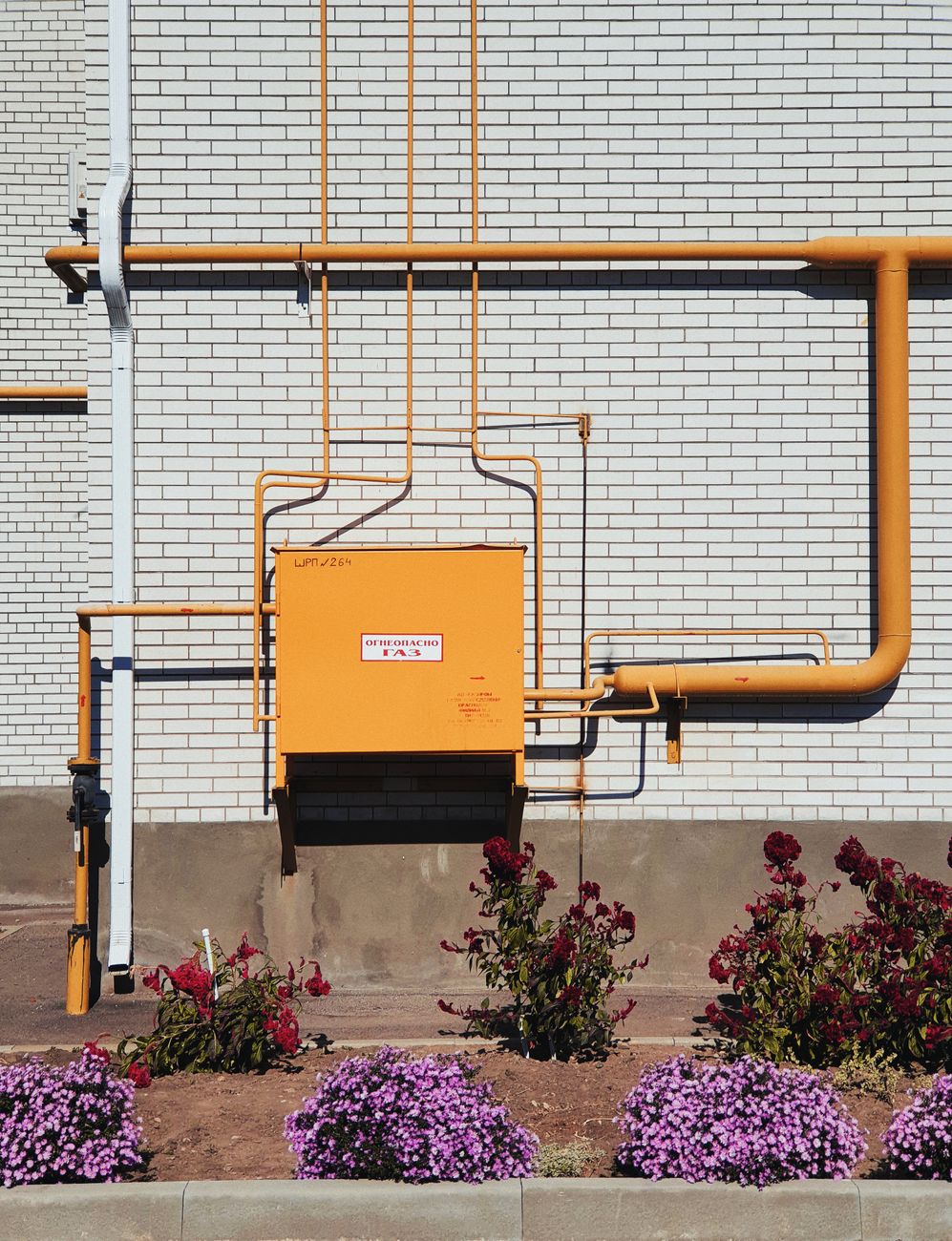
Seamless Gardens: Blending Utility into Your UK Landscape
There's nothing quite like stepping out into your garden, cup of tea in hand, ready to soak in the beauty you've nurtured. The vibrant colours of your summer borders, the scent of herbs wafting from your raised beds, the buzz of bees around your homegrown produce… pure bliss, isn't it? But then, your eye catches it. That glaringly obvious, totally un-garden-like utility box, or the hum of the AC unit shattering the peaceful illusion. Sound familiar? Here in my 800 sq ft Midlands backyard, I know that feeling all too well. For five years, ever since I swapped my IT desk for a trowel and dedicated myself to this glorious obsession, I've been on a mission to make my garden truly seamless.
My journey from a complete novice to a seasoned UK vegetable grower has been packed with trial and error, but one of the most persistent challenges has always been how to gracefully integrate the necessary but ugly bits of modern living into my green oasis. We've all got them – those essential pieces of infrastructure that just stick out like a sore thumb. I've spent countless hours experimenting with everything from clever planting schemes to building my own screens, all designed to reclaim that visual harmony. What I've learned, often the hard way through a soggy British winter or a scorching summer, is that with a bit of strategic thinking and the right UK-specific plants or DIY solutions, you absolutely can transform those eyesores into invisible elements, or even attractive features. Let's dive into making your garden feel like a truly cohesive, beautiful space.
Identifying Your Hideaway Targets: Common UK Utility Intrusions
Before we can hide anything, we first need to know exactly what we're dealing with. In my UK garden, I’ve got a fair few 'intruders' that needed attention. There's the gas meter by the side path, the electricity box near the shed, and the rather noisy AC unit for the house that sits just outside my patio door. Each of these presented its own unique challenge, not just in terms of aesthetics but also in terms of access for maintenance or meter readings. It’s crucial to assess each one individually.
One mistake I made early on was trying to completely engulf my gas meter in a dense shrub. While it looked fantastic, I quickly realised it made life incredibly difficult for the meter reader – and potentially dangerous if rapid access was ever needed! What works here in Britain is understanding that while concealment is the goal, accessibility can't be compromised for safety or practical reasons. Take a good look around your own garden. What are the culprits? Think about their size, their function, and how often they might need to be accessed. This will dictate your hiding strategy.
| Utility Intrusion | Typical UK Location | Key Considerations for Hiding | Randy's Experience & Advice (UK Specific) |
|---|---|---|---|
| Gas Meter Box | Front/Side of house, usually at ground level | Requires easy access for readings & emergencies. Often small. | Mine's on the side of the house. I learned to keep plants clear of the actual box door. A freestanding screen or an open-structured shrub like Choisya ternata 'Sundance' works well, allowing access without feeling overgrown. Don't plant anything with deep, invasive roots too close. |
| Electricity Meter Box | Front/Side of house, sometimes higher up | Similar to gas, needs clear access. Can be larger/more prominent. | My electricity box is a bit bigger. I found a slatted timber screen, hinged on one side, was perfect. It blends in, but I can swing it open easily for readings. Avoid anything that might interfere with cables or obstruct ventilation if it's a newer smart meter system. |
| External AC Unit | Near a wall, often patio/conservatory side | Requires good airflow around the unit to function efficiently. Can be noisy. | My AC unit is the loudest culprit! I've learned that you absolutely cannot plant right up against it. Leave a good 60-90cm gap. I use a mix of taller ornamental grasses and a deciduous shrub that loses its leaves in winter when the unit is less active. |
| Drainage/Inspection Covers | Paths, lawns, paved areas | Must be easily lifted for maintenance. Flat, discreet. | I had a manhole cover right in the middle of a paved area. I opted for a custom-made timber cover that matches my decking. For lawn covers, I've seen fake rock covers, but I just ensure my grass grows thickly over it so it's less obvious. |
| Water Butt/Compost Bin | Back of garden, near shed/fence | Often large but movable. Can be integrated into existing features. | My water butt is behind the greenhouse. I've encouraged a climbing rose, 'Claire Austin', to ramble over a small trellis next to it, which softens the view. For compost bins, I usually just tuck them behind a dense border or the shed itself. |
Strategic Planting Solutions: Evergreen & Deciduous Choices for UK Gardens
Once you've identified your targets, it's time for the fun bit: plants! I'm a firm believer that the right plant in the right place can work wonders, especially here in our often-changeable British climate. I've experimented with dozens of varieties in my Midlands garden, and I've found that a thoughtful mix of evergreens and deciduous plants gives you the best of both worlds – year-round concealment and seasonal interest.
For my AC unit, which sits quite prominently near my patio, I needed something that would provide good screening, particularly in summer when it's working hardest. I opted for a beautiful evergreen shrub called Viburnum tinus 'Eve Price'. It's been a brilliant choice; it offers dense, dark green foliage all year, plus lovely white flowers in winter. Just remember, as I mentioned, leave plenty of space around the unit for airflow – I aim for at least 60-90cm from the plant's mature spread. Another fantastic option, if you have more space, is the much-loved native Prunus laurocerasus (Cherry Laurel), which can be quite vigorous but takes pruning well.
On the flip side, for a utility box that needs occasional access, a deciduous shrub or a herbaceous perennial border might be better. These offer fantastic seasonal displays and then die back, making access easier in winter. I've used ornamental grasses like Miscanthus sinensis 'Morning Light' to great effect. They grow tall and graceful in summer, providing a soft screen, but then I cut them back in late winter, clearing the view for any necessary maintenance. Always pick varieties known to thrive in UK conditions and consider your soil type and sun exposure!
| Plant Type | Key Characteristics (UK Specific) | Pros for Concealment | Cons for Concealment | Randy's Go-To Varieties & Advice |
|---|---|---|---|---|
| :--- | :--- | :--- | :--- | :--- |
| Evergreen | Retains foliage all year. | Year-round screen, dense, permanent structure. Often low maintenance once established. Good for noise suppression. |
Crucial Considerations: Safety, Access, and Airflow Compliance
Right, we've talked about what to plant and how to build, but before you get too carried away with your secateurs and spirit level, we absolutely have to talk about safety, access, and airflow. This isn't just about making things look pretty; it's about making sure your home stays safe and your utilities function properly. I learned some of these lessons the hard way, thinking I could just completely hide everything, only to get a stern talking-to from an engineer!
Don't Obstruct the Essentials: Safety First
My biggest mistake when I first started out was planting a gorgeous, vigorous clematis ('Nelly Moser', if you're asking – it's a beauty!) right up against our gas meter. I thought, "Perfect, it'll be completely hidden!" Fast forward to the annual gas safety check, and the engineer couldn't even get a spanner in there. He was very polite, but firm: never block access to gas meters, electrical boxes, or boiler flues.
- Gas Meters & Pipes: These are critical. Keep plants and structures at least 30cm (about a foot) clear of any access points, valves, or pipes. You need to be able to turn off the supply in an emergency, and engineers need clear access for maintenance. I now use a small, hinged screen for my gas meter, which I can easily swing open.
- Electrical Boxes: Again, clear access is paramount. Damp foliage constantly touching an electrical box isn't ideal, especially with our unpredictable British weather. Make sure there's plenty of space around them.
- Boiler Flues: These emit hot air and fumes. Any plants directly in their path will suffer, and more importantly, you risk blocking the exhaust, which can be dangerous. Maintain a generous clearance – check your boiler manual for specific recommendations, but generally, at least 60cm (2 feet) is a good rule of thumb.
Access for Maintenance and Emergencies
Imagine your boiler breaks down on the coldest day in January (it always happens, doesn't it?). The engineer arrives, ready to fix it, only to find your carefully crafted screen or dense shrubbery completely blocking their access. Not only will they struggle, but you could face extra charges for the time it takes them to clear the way.
I've learned to build my screens with easy access in mind. For my AC unit, I designed a simple slatted screen with one side hinged like a door, secured with a couple of strong barrel bolts. It blends in beautifully, but when the annual service is due, it's a 30-second job to open it up. For planting, I always choose varieties that can be easily pruned back or, even better, those that are naturally compact enough not to fully engulf the utility. Think about the long-term growth of your chosen plants.
Airflow is Non-Negotiable: Especially for AC Units
This is a big one, especially if you're trying to hide an air conditioning unit or a heat pump. These machines need plenty of unrestricted airflow to operate efficiently and avoid overheating. In my greenhouse, I've got a small AC unit for those scorching Midlands summers (yes, we do get them sometimes!). I initially put a dense climbing rose right next to it, thinking it would look lovely. Big mistake. The rose thrived, but the AC unit was struggling and making a lot of noise.
- AC Units/Heat Pumps: The manufacturer will specify minimum clearances around the unit. This often means at least 60cm (2 feet) on the sides and back, and even more above and in front for the fan exhaust. Restricting this airflow can lead to:
- Reduced efficiency (higher electricity bills!).
- Increased wear and tear on the unit.
- Overheating and potential breakdowns.
- Voided warranty.
- Strategic Gaps: When building a screen, ensure it has plenty of gaps or slats to allow air to flow freely. For planting, choose open, airy shrubs or climbers on a trellis that's set well away from the unit, allowing air to circulate behind the foliage.
Remember, the goal is to conceal, not suffocate. A little planning now will save you a lot of headaches (and potentially money!) down the line.
Long-Term Success: Maintaining Your Concealment
So, you've done the hard work, the utility eyesore is beautifully camouflaged, and your garden looks seamless. Fantastic! But the job isn't quite finished. Just like any other aspect of gardening, maintaining your concealment is key to its long-term success. Plants grow, wood weathers, and our British climate loves to throw a curveball or two.
Keeping Plants in Check: Pruning for Purpose
This is where my years of battling unruly tomato plants and vigorous perennial growth really come into play. What looks perfect on day one can quickly become an overgrown monster if left unchecked.
- Regular Pruning is Essential: For climbers like ivy, honeysuckle, or clematis ('Montana' varieties are particularly rampant here in the UK!), you'll need to prune them regularly to prevent them from engulfing the utility or blocking access. I usually give my screening plants a good haircut in late winter or early spring, and then a lighter trim through the growing season.
- My Tip: For a sturdy evergreen like Pyracantha (firethorn), which I use to screen a particularly ugly drainpipe, I prune it twice a year – once after flowering to shape it, and then again in late summer to tidy any new growth before winter. This keeps it dense but controlled.
- Managing Growth: If you've opted for shrubs, consider their mature size. Even 'compact' varieties can get surprisingly large in our fertile UK soil. Be prepared to prune them to maintain the desired size and shape, ensuring they don't impede airflow or access. What works well in a tiny pot might be a beast in the ground.
- Dealing with Deciduous Plants: If you've used deciduous plants, remember they'll drop their leaves in winter, potentially revealing the utility. This isn't necessarily a bad thing, especially if the utility unit is less noticeable without foliage. However, if year-round concealment is crucial, you might need a secondary evergreen layer or a well-designed screen to provide winter interest. My own deciduous screen around a compost bin (which, let's be honest, is a utility in itself!) means it's fully visible in winter. I've learned to accept it as part of the winter garden aesthetic – bare branches have their own charm, right?
Maintaining Your DIY Screens
Wooden screens, trellises, and slatted panels are fantastic solutions, but they do require a bit of TLC, especially with our damp UK climate.
- Weather Protection: I learned this the hard way with my first DIY screen. I built it, painted it, and thought that was that. Two years later, it was looking decidedly sad and a bit wobbly due to rot at the base. Now, I make sure all my wooden structures are treated with a good quality exterior wood preservative or paint, specifically designed for British weather conditions.
- Regular Checks: Every spring, when I'm doing my garden tidy-up, I give all my screens a once-over. Are the fixings secure? Is there any sign of rot? Does it need a fresh coat of paint or stain? It's much easier to fix a small issue than to rebuild an entire screen.
- Clearance from Soil: If your screen posts are in the ground, ensure they are set in postcrete and ideally have a gravel collar around the base to prevent moisture retention and rot. Gravel boards at the bottom of fence panels can also massively extend their life.
Adapting to Change
Gardens are living, evolving spaces, and sometimes, things don't go exactly to plan. A plant might not thrive in a particular spot, or a utility might need replacing, requiring temporary removal of your screen. Be prepared to adapt!
- My Experience: Last year, a particularly vicious late frost here in the Midlands zapped a Photinia hedge I was using to partially screen our oil tank. It looked terrible for months. I had to prune it back hard and supplement with some fast-growing annual climbers on a temporary trellis until it recovered. Sometimes, you just have to roll with the punches that British weather throws at you!
By staying on top of maintenance, you'll ensure your concealed areas remain beautiful, functional, and safe for years to come. It’s all part of the joy (and occasional challenge!) of gardening here in the UK.
Achieving Garden Harmony: A Final Word on Blending Function and Beauty
Well, we've covered a fair bit, haven't we? From identifying those garden eyesores to choosing the right plants and building clever screens, and then to ensuring safety and long-term maintenance. My hope is that you're now brimming with ideas and feel empowered to tackle those utility boxes and AC units that have been silently nagging at the back of your mind.
For me, gardening isn't just about growing vegetables or cultivating beautiful flowers, though I absolutely adore my heirloom tomatoes in the greenhouse! It's about creating a space that feels harmonious, a place where I can truly relax and connect with nature, even in my relatively modest 800 sq ft Midlands backyard. Those ugly utility boxes used to stick out like a sore thumb, constantly reminding me of the practical realities of modern living in what was supposed to be my peaceful haven.
What I've learned over my five-plus years of intensive gardening, often through trial and error (and plenty of mud!), is that you don't have to choose between function and beauty. You can absolutely have both. With a bit of strategic thinking, a willingness to experiment (like my ill-fated clematis incident!), and an understanding of what works best in our specific UK climate, you can transform those necessary nuisances into integrated, even attractive, features of your garden landscape.
Think of it as an exciting challenge, another layer to the creative process of gardening. Each cleverly hidden meter or beautifully screened AC unit is a testament to your ingenuity and your passion for creating a truly seamless outdoor space. It's about making your garden feel like your sanctuary, free from jarring distractions.
So, go on, take a good look around your own UK garden. Identify those hidden targets. Grab your notebook, sketch out some ideas, and start planning. Whether it's a simple climbing rose on a trellis, a dense evergreen shrub, or a custom-built slatted screen, the satisfaction of blending the practical with the picturesque is immense.
I'd love to hear about your own projects and what works in your patch of Britain! Let's keep sharing our experiences and growing beautiful gardens together. Happy concealing, fellow gardeners!