Introduction: Understanding Vole and Mole Damage in Your UK Garden
There’s nothing quite like stepping out into my 800 sq ft Midlands garden on a crisp UK morning, mug of Earl Grey in hand, to check on my 'Gardener's Delight' tomatoes in the greenhouse or those glorious 'Kestrel' potatoes I've carefully mounded in the raised beds. It’s a feeling of pure joy, a satisfaction that comes from nurturing life from seed to harvest. But then, it happens. That sudden, gut-wrenching moment when you spot a fresh molehill marring your pristine lawn, or worse, you pull up what should be a plump carrot only to find it’s been nibbled clean away at the root. Sound familiar?
For us dedicated UK gardeners, dealing with voles and moles can be a real headache, turning a promising season into a frustrating battle. After five years of intensive gardening – transforming what was once a patchy lawn into a thriving haven of raised beds, a small orchard, and a bustling greenhouse – I've certainly had my fair share of skirmishes with these underground dwellers. I learned early on that a proactive, organic approach is the only way to truly protect my precious root crops, like my beloved 'Purple Haze' carrots, and established perennials, which took so much effort to get going in our often-challenging British climate. This article is all about sharing what I've personally tried, tested, and found effective here in the UK to keep these subterranean pests at bay without resorting to harsh chemicals that harm our garden ecosystem. It’s about learning from my mistakes and celebrating the victories, big and small, in the ongoing fight to keep our gardens thriving.
Spotting the Signs: Differentiating Voles from Moles in Your Garden
When you first notice activity, it's easy to lump all underground pests together. Believe me, I made that mistake in my first year, blaming every bit of damage on 'a mole'. But knowing who your adversary is, whether it’s a vegetarian vole or an insectivorous mole, is the crucial first step in choosing the right organic defence. They both leave distinct clues, and once you know what to look for, it becomes much clearer.
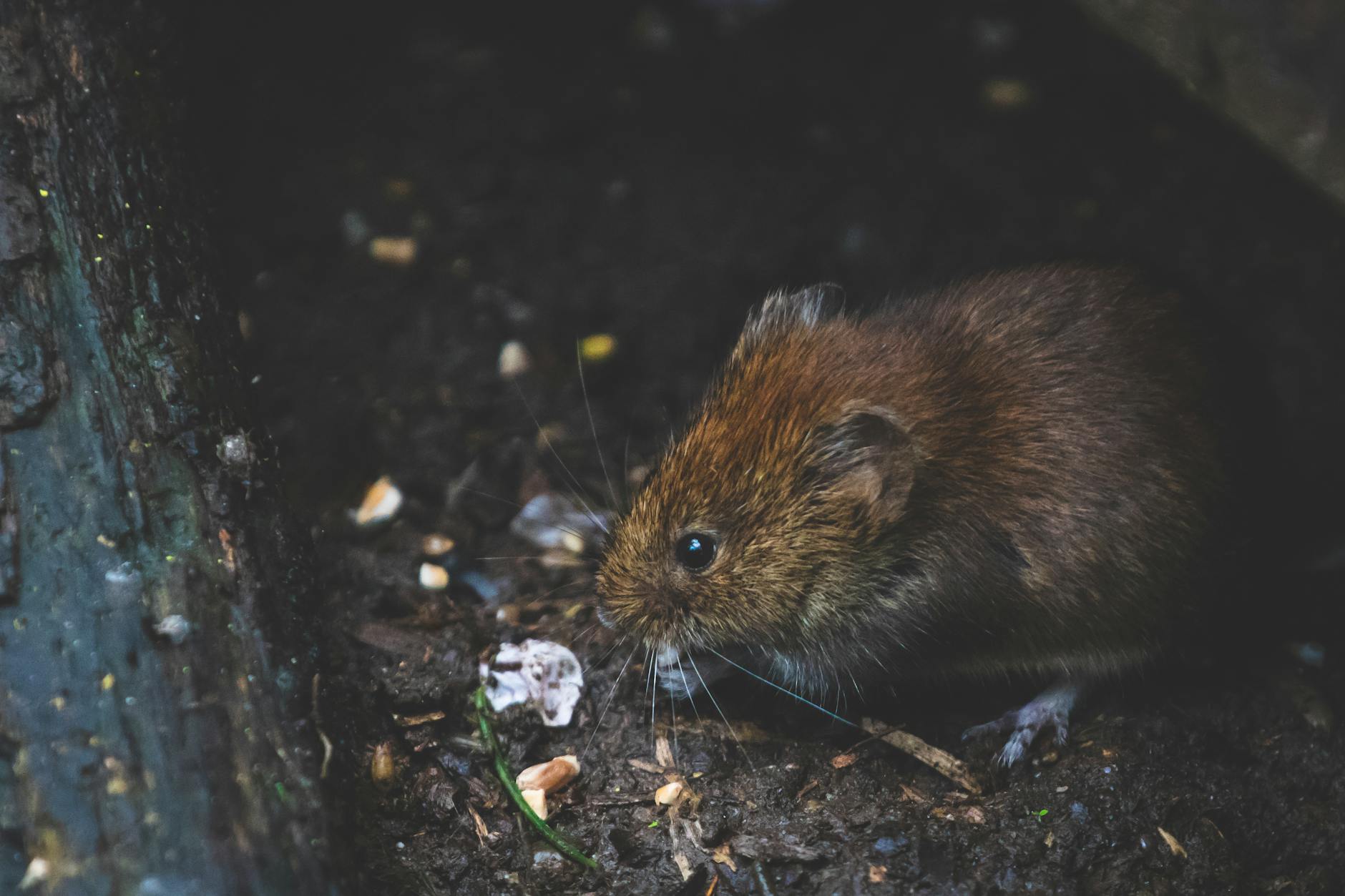
Voles (often referred to as 'short-tailed field mice' here in Britain) are the plant destroyers. They're primarily herbivores, and their diet includes roots, tubers, bulbs, and even the bark of young trees and shrubs, especially during colder UK winters when food is scarce. In my Midlands garden, I’ve seen them decimate entire rows of 'Charlotte' potatoes, leaving behind hollowed-out tubers, and they absolutely adore my 'Autumn King 2' carrots. The tell-tale signs of vole activity include:
- Surface runways: Narrow, well-worn paths through grass or mulch, about 1-2 inches wide.
- Small, open burrows: Entry holes without a distinct mound, often found near plant bases.
- Irregular gnaw marks: On roots, bulbs, or the lower stems of plants, often with visible tooth marks.
- Disappearing plants: You might find a plant looking healthy one day, then wilting and easily pulled up the next because its roots are gone. I once lost a whole bed of established 'Heritage' raspberries to these little blighters.
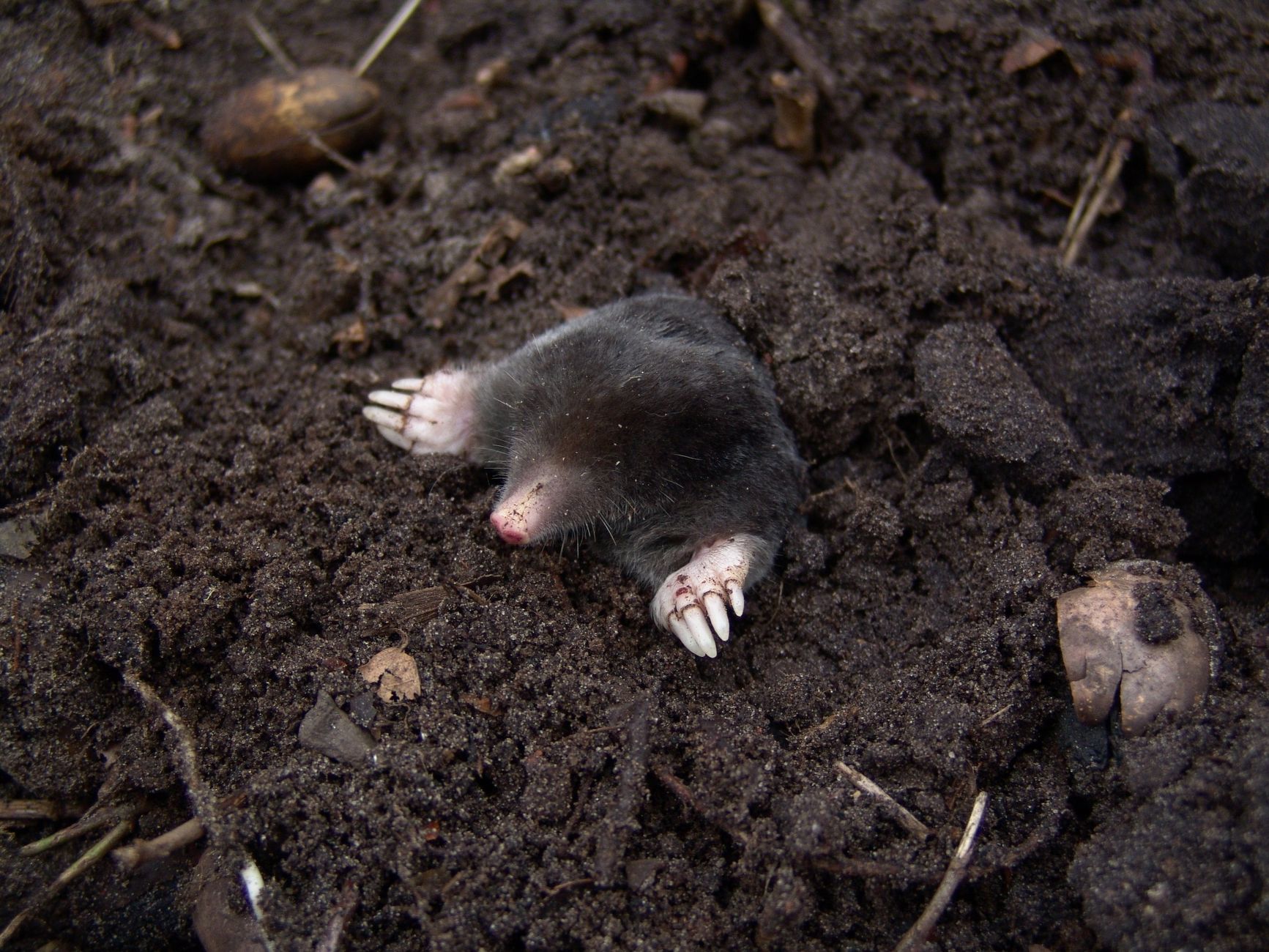
Moles, on the other hand, are the architects of those iconic, volcano-shaped hills we all recognise. But here's the key difference: moles are carnivores. They primarily feast on soil invertebrates – earthworms, grubs, and insects – and don't directly eat your plants. Their damage is indirect; they tunnel through your soil, disturbing roots, which can cause plants to wilt or even die from lack of contact with the soil. While they don't eat my prize 'Moneymaker' tomatoes, their tunnelling under the raised beds can certainly cause stress to the plants. Look for:
- Classic molehills: Piles of finely sifted soil, usually conical or volcano-shaped, appearing overnight. These are exit points from their deep tunnels.
- Raised ridges: Lines of disturbed soil across your lawn or garden beds, indicating shallow feeding tunnels just beneath the surface.
- No direct plant damage: You won't find gnaw marks on roots from a mole. If your plant is dying, it's likely due to root disturbance rather than being eaten.
Recognising these distinct signs is vital. When I see those tell-tale surface runways and gnaw marks on my 'Red Baron' onions, I know it's vole time and I need to deploy my anti-vole tactics. If it's just a fresh molehill near my perennial border, I know I'm dealing with a mole on the hunt for grubs, and my strategy shifts accordingly.
Physical Barriers: Protecting Root Crops and Perennials Effectively
When it comes to organic pest control, I've learned that prevention truly is the best medicine, especially here in the UK where we get a good mix of everything weather-wise, making our gardens appealing to all sorts of creatures. Physical barriers are my first line of defence against voles, creating an impenetrable shield around my vulnerable plants. I swear by this method for my raised beds and for establishing new perennials.
One of my biggest gardening heartbreaks was losing an entire crop of 'Early Nantes' carrots and 'Covent Garden' parsnips in my second year. I'd spent weeks preparing the soil, only to find them hollowed out by voles. That's when I realised I needed to get serious about barriers.
Raised Beds: The Ultimate Vole Fortification
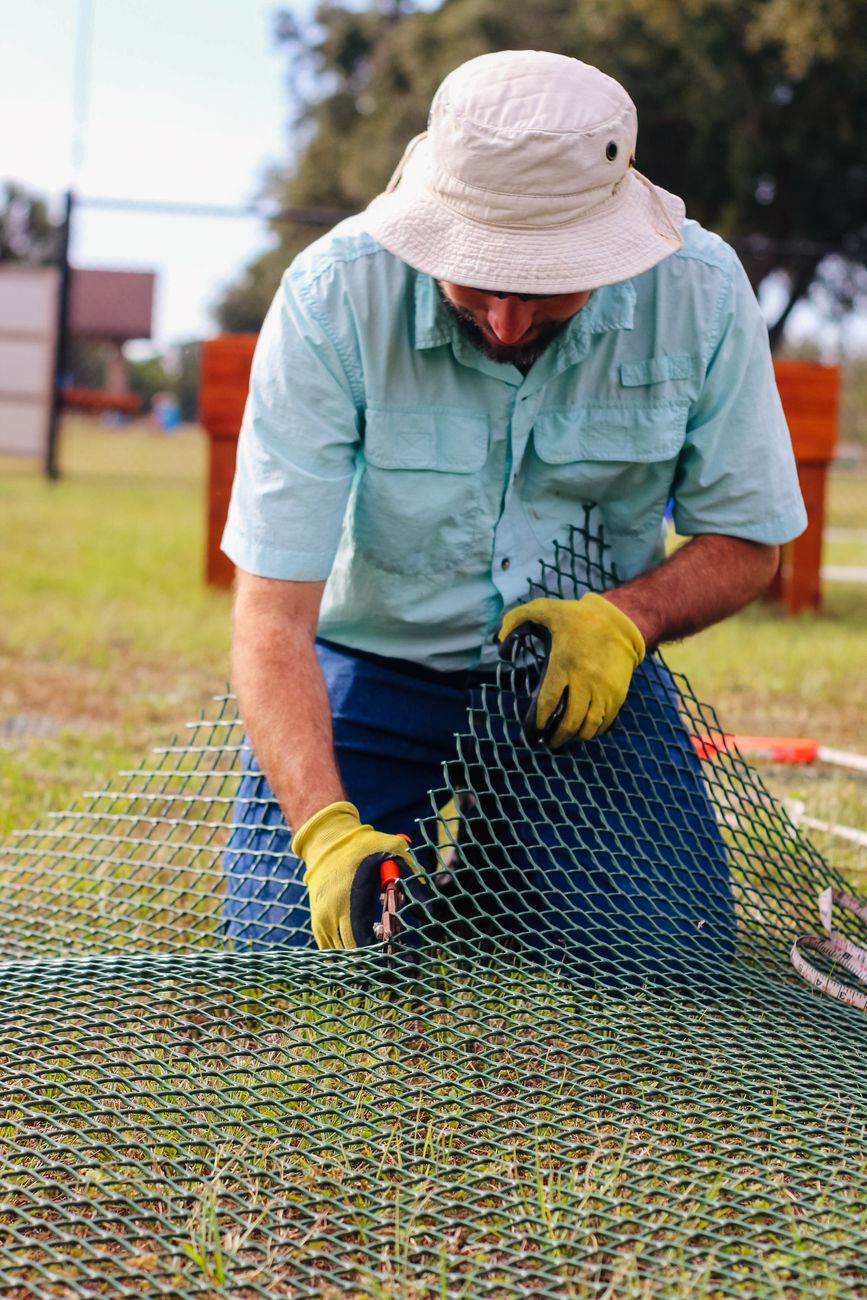
For my raised beds, which are packed with delicious root crops and herbs, I've found that lining them with galvanised steel mesh is absolutely non-negotiable.
- Mesh Size: I use 6mm (1/4 inch) galvanised steel mesh. Anything wider and those determined voles will find a way through. It's tough, rust-resistant, and lasts for years in our damp British climate.
- Installation: When building or refilling a raised bed, I lay the mesh flat across the bottom of the bed, ensuring it extends up the sides by at least 6-8 inches (15-20 cm). This creates a complete "basket" that voles can't burrow into from below or tunnel into from the sides. I usually secure it to the wooden frame with a staple gun. This has saved countless crops of my heirloom 'Cosmic Purple' carrots and 'Desiree' potatoes.
Individual Plant Protection
For specific, highly prized perennials or newly planted trees and shrubs, especially those with tasty roots or tender bark, individual barriers are the way to go.
- Root Collars/Baskets: For planting individual bulbs or small root crops like garlic or precious 'Candy' onions, I'll sometimes create small cages out of the same 6mm mesh. You can form a cylinder, secure the seam, and bury it with the plant inside. This is a bit more fiddly but invaluable for protecting specific investments.
- Tree Guards: For young fruit trees or valuable shrubs, particularly in winter when voles might girdle the bark, a cylinder of mesh around the base of the trunk, buried a few inches into the soil, provides excellent protection.
It’s an upfront effort, I won't lie. Cutting and shaping the mesh can be a bit of a faff, especially on a chilly day here in the Midlands. But the peace of mind, knowing my carefully cultivated 'Crown Prince' squashes or 'Black Krim' tomatoes (which I grow in pots but sometimes plant out) won't have their roots munched on, is absolutely worth it.
Here’s a quick comparison of physical barrier options I’ve used:
| Barrier Type | Best For | Randy's Experience/Pros | Cons for UK Gardeners |
|---|---|---|---|
| Raised Bed Mesh | All raised beds, root crops, perennials | Essential for vole-proofing. Permanent, highly effective, lasts years in British weather. | Initial labour-intensive installation; costs for galvanised steel mesh can add up. |
| Individual Root Baskets | Prized bulbs (e.g., tulips), specific root veg | Targeted protection for high-value plants; easy to make from scrap mesh. | Time-consuming for many plants; not suitable for large-scale protection. |
| Tree Guards (Mesh) | Young fruit trees, vulnerable shrubs | Prevents bark gnawing in winter; durable against frost and rain. | Only protects the trunk; roots can still be vulnerable if not buried deep enough. |
| Hardware Cloth (Fencing) | General garden perimeter, compost bins | Good deterrent for general access; useful for stopping surface entry. | Less effective against determined burrowing voles unless buried deeply. |
Natural Repellents: Scents, Sounds, and Plants to Deter Pests Organically
Once the physical barriers are in place, my next line of defence against both voles and moles is often a more gentle, deterrent approach using natural repellents. I'm always keen to try anything that works organically, preferring to persuade these creatures to move on rather than harm them. Over my five years of gardening here in the UK, I've experimented with various concoctions and gadgets, with mixed results, but some methods have proven surprisingly effective in my Midlands plot.
Scent-Based Repellents
This is where I've had the most success, particularly with voles. Voles have a keen sense of smell, and certain strong odours can make an area less appealing for them to forage.
- Castor Oil: This is my go-to for both voles and moles. Moles, in particular, seem to despise the smell and taste it leaves on their food source (earthworms). I mix about four tablespoons of castor oil with a gallon of water and a dash of liquid soap (as an emulsifier). I then drench active tunnels and entry points, especially in my lawn where molehills often pop up, and around the perimeter of my raised beds. I reapply after heavy rain, which, let's be honest, is a frequent occurrence here in Britain! I've found it needs consistent reapplication, especially after our famously unpredictable UK weather.
- Garlic and Chilli: Crushed garlic or chilli powder can be scattered around vulnerable plants. I've tried this around my 'Perpetual Spinach' and 'Pak Choi' to deter voles. It works for a short while, but rain quickly washes it away, making it a high-maintenance option.
- Essential Oils: Peppermint or eucalyptus oil soaked onto cotton balls and placed near burrows can be a temporary deterrent. I've used this in my greenhouse to discourage any inquisitive rodents, but outside, the scent dissipates too quickly in our damp climate.
Sound and Vibration Repellents
Ah, the sonic repellents. I've tried those solar-powered gadgets, the ones that emit a low-frequency pulse into the ground. And honestly? In my 800 sq ft Midlands garden, they had about as much effect as a gentle breeze on a fully grown oak. I installed three around my main vegetable patch one season, hoping to deter both moles and voles, but I still found fresh molehills and vole runways nearby. My conclusion is that these devices, while sounding good in theory, don't offer reliable, long-term protection, especially against a determined British mole. Perhaps the ground here is too varied, or the creatures just get used to the noise. Either way, I wouldn't recommend them based on my personal experience.
Repellent Plants
Incorporating certain plants into your garden can also act as a living deterrent.
- Daffodils: Voles find daffodil bulbs toxic and will avoid them. I’ve strategically planted drifts of daffodils around my perennial borders and near the edges of my vegetable patch. It adds beauty and a layer of protection.
- Alliums: Most members of the onion family (onions, garlic, chives) are thought to deter voles due to their strong scent. I always interplant garlic and chives throughout my raised beds, hoping it gives the voles something to think about before they get to my carrots.
- Castor Bean Plants: These are highly repellent to voles and moles. However, they are also highly toxic to humans and pets, so I've never personally used them in my garden, especially with my neighbour's cat often visiting. Always exercise extreme caution if considering these.
Here’s a summary of my experiences with natural repellents:
| Repellent Type | How it Works | Randy's Experience/Effectiveness | UK Specific Considerations |
|---|---|---|---|
| Castor Oil Spray | Irritates nasal passages, makes soil taste bad. | Best scent-based option for both voles and moles. | Requires frequent reapplication, especially after heavy rain. Use a good emulsifier. |
| Garlic/Chilli | Strong, irritating scent. | Limited, temporary effect; washes away quickly. | Not ideal for our wet climate; better for short-term, dry applications. |
| Essential Oils | Strong, concentrated scents. | Good for enclosed spaces (greenhouse); short-lived outdoors. | Scent dissipates rapidly outdoors; not cost-effective for large areas. |
| Sonic Repellents | Emits vibrations/sound into soil. | Largely ineffective in my garden; creatures adapt or ignore. | Questionable effectiveness; don't rely on these as a primary defence. |
| Daffodils | Bulbs are toxic to voles. | Excellent dual-purpose: beauty and passive deterrence. | Plant in autumn for spring blooms; long-term, low-maintenance solution. |
| Alliums (Garlic, Chives) | Strong scent deters voles. | Good for interplanting; provides a mild, continuous deterrent. | Easy to grow in UK; adds to biodiversity; a gentle, integrated pest control method. |
| Castor Bean Plants | Highly repellent. | (Not used personally due to toxicity) | Highly toxic! Use with extreme caution and only if you can guarantee no access by children or pets. |
Humane Trapping Techniques: Safe and Effective Removal for Persistent Pests
Right, so we've talked about all the preventative stuff – the barriers, the smells, the sounds. And honestly, for most situations in my UK garden, those methods do a brilliant job. But sometimes, despite your best efforts, you get a persistent little blighter that just won't take the hint. That's when I reluctantly turn to humane trapping. It’s always a last resort for me, especially as I prefer to live and let live, but when my precious 'Charlotte' potatoes or a patch of heirloom 'Red Russian' kale are under threat, I have to act.
Voles: Live Trapping and Relocation
For voles, I absolutely stick to live traps. There are plenty of good small mammal traps out there, readily available in the UK. I've found the key is placement and bait. I typically set them along known vole runways – those little tunnels they create in the grass or under leaf litter. In my 800 sq ft Midlands garden, these often run along the edges of my raised beds, particularly near where I grow my main crop carrots or parsnips.
For bait, I've had success with a smear of peanut butter, a slice of apple, or even just some rolled oats. They seem to love all of them! I place the trap at dusk and check it first thing in the morning. It's crucial to check them frequently, ideally within a few hours, to minimise stress to the trapped animal. If I catch one, I carefully relocate it a good distance away – at least a couple of miles from my garden, ideally somewhere with natural cover where it won't immediately bother another gardener. One year, I had a real issue with voles getting into my greenhouse and nibbling on young tomato plants, even my prized 'San Marzano' seedlings. Live trapping and relocating a few of them really broke the cycle and saved my season.
Moles: Targeted Trapping for Serious Infestations
Moles are a different beast entirely. While I'd love to just shoo them away, their damage is often more extensive and harder to deter with just repellents once they've established a network of tunnels. For moles, if all else fails, I've used traditional, quick-kill mole traps. Now, I know this sounds less "humane" than live trapping, but when properly set, traps like the 'Talpex' or 'Duffus' tunnel traps are designed for a swift, instant dispatch, which is considered more humane than prolonged suffering. I wouldn't recommend just any old trap; choose one specifically designed for moles and follow the instructions meticulously.
Finding an active run is paramount. I look for fresh molehills – those tell-tale mounds of soil – and then carefully probe the ground with a stick between them to locate the main tunnel. Once I've found it, I carefully open a small section, set the trap according to the manufacturer's instructions (safety first, always!), and then cover it with a bucket or turf to block out light. Moles are very sensitive to disturbance and light, so a dark, undisturbed tunnel increases the trap's effectiveness. I check these traps twice a day.
I learned this the hard way a few years back when a mole decided my prime potato bed was the perfect place for a subterranean city. It was a proper nightmare! I tried castor oil, sonic deterrents, even burying bottles, but the damage was escalating rapidly. Eventually, I invested in a couple of good quality mole traps and watched some YouTube tutorials from experienced UK mole catchers. It took a bit of practice to get the hang of setting them correctly, but once I did, I was able to clear the problem. It's not a task I enjoy, but sometimes, for the health of the garden, it's a necessary step.
Integrated Organic Management: Combining Strategies for Long-Term Control
This is where the real magic happens, folks. In my five years of intensive gardening here in the UK Midlands, I've learned that relying on just one method for pest control is like trying to catch rain in a sieve – you'll get some, but you'll miss a lot! The most effective, long-term solution for voles and moles, in my experience, is an integrated organic management plan. It’s about creating a hostile environment for them while nurturing a healthy, resilient garden ecosystem.
Randy's Multi-Pronged Approach
I like to think of it as a layered defence system for my 800 sq ft backyard.
- Foundation of Barriers: This is my first line of defence. All my raised beds have a layer of galvanised mesh at the bottom, and I use individual wire baskets for prized root crops like my 'Autumn King 2' carrots and 'Cylindra' beetroots. Even my greenhouse has a mesh barrier buried around the perimeter to stop any underground intruders from reaching my beloved heirloom tomatoes.
- Repellents as Reinforcement: I regularly use castor oil granular repellents, especially around the boundaries of my garden and near vulnerable plants. After a good downpour (which, let's face it, is a regular occurrence in Britain!), I'll often reapply, knowing the scent might have washed away. I also interplant strongly scented herbs like garlic, chives, and mint (in pots, mind you, that stuff spreads like wildfire!) around susceptible areas.
- Habitat Modification & Monitoring: This is about making my garden less inviting. I keep weeds and long grass to a minimum, especially around my raised beds, as this removes cover for voles. I also keep an eye on my compost heaps, ensuring they're well-managed and not providing a cosy home. Every time I'm out in the garden, I'm subtly scanning for fresh molehills or vole tunnels. Early detection is absolutely key here in the UK climate, where pests can multiply quickly given the right conditions.
- Targeted Trapping (When Necessary): As discussed, if all the above fail and I have a serious, ongoing problem, I’ll deploy traps. But crucially, this is always within the context of the other preventative measures, not as a standalone solution.
Seasonal Vigilance in the UK Garden
What works here in Britain often depends on the season.
- Spring: This is prime time for setting up your defences. Before planting, I make sure all my barriers are in place. I'm also proactive with repellents around new plantings, especially tender seedlings.
- Summer: Maintaining vigilance is crucial. Our typically wet UK summers mean I'm often reapplying repellents after heavy rain. I'm also checking for new activity, as populations can boom quickly.
- Autumn: As the garden winds down, I'm careful to harvest root crops promptly and clear debris that could offer winter shelter to voles. I also keep an eye out for renewed mole activity as they forage for overwintering grubs.
- Winter: Don't let the dormant garden fool you! Voles and moles are still active underground. I've often found fresh molehills even in January. Keep an eye out and address any signs, as a small problem in winter can become a big one by spring.
One mistake I made early on was thinking a single application of repellent would last all season. Oh, how wrong I was! Our unpredictable British weather quickly taught me that consistent reapplication, especially after rain, is vital. It's a bit of extra effort, but it's far less effort than losing half your potato crop to voles or having a mole tunnel devastate your newly planted 'All the Year Round' cabbage seedlings.
| Strategy | When Randy Uses It (UK Context) | Why It Works for Randy |
|---|---|---|
| Physical Barriers | Pre-planting (raised beds, individual cages for root crops), all year. | Prevents access entirely, long-lasting, especially vital for my precious root vegetables. |
| Natural Repellents | Spring, Summer, Autumn; reapplied after heavy UK rain. | Deters pests with unpleasant scents/tastes, making the garden less attractive. |
| Habitat Management | All year round, regular tidying and monitoring. | Removes cover for voles, reduces food sources for moles, makes detection easier. |
| Humane Trapping | As a last resort, when other methods fail and damage is significant. | Addresses persistent, localised infestations quickly and effectively. |
Conclusion: Cultivating a Pest-Free Garden, Organically Achieved
So, there we have it – a deep dive into the world of voles and moles, and more importantly, how we can co-exist with them (or politely encourage them to move on!) using entirely organic methods. In my journey from IT worker to full-time gardening fanatic here in the UK Midlands, learning to manage pests organically has been one of the most rewarding challenges. It’s about observation, patience, and a willingness to experiment.
We’ve covered everything from understanding the distinct damage of voles versus moles, to deploying robust physical barriers, leveraging nature’s own repellents, and finally, using humane trapping as a last, targeted resort. The biggest takeaway, and something I truly believe in, is the power of an integrated approach. No single silver bullet exists, especially with our diverse British climate and garden conditions. It's the combination of strategies, tailored to your specific UK garden, that truly makes the difference.
My own 800 sq ft garden, packed with everything from heirloom 'Moneymaker' tomatoes in the greenhouse to 'King Edward' potatoes in raised beds, has been a fantastic testing ground. I've had my share of molehills appearing overnight and vole tunnels threatening my carrots, but through these organic methods, I've managed to cultivate a thriving, productive space.
Gardening is a constant learning curve, and managing pests is just another facet of that beautiful journey. By choosing organic, we're not only protecting our crops but also fostering a healthier ecosystem for beneficial insects and wildlife. We're working with nature, not against it.
So, go forth, my fellow UK gardeners! Observe your patch, understand your pests, and confidently implement these organic strategies. You’ll be amazed at the resilience of your garden and the satisfaction of harvesting your produce, knowing you’ve protected it every step of the way. Here’s to a season of healthy, pest-free growing – organically achieved!
Have you had success with any of these methods in your own UK garden? Or perhaps you've discovered another organic trick that works wonders for voles or moles? I'd absolutely love to hear about your experiences in the comments below!