
Right, let's get stuck into it! You know, there's nothing quite like the feeling of stepping out into your UK garden, cuppa in hand, ready to admire your hard work. But then, it catches your eye: that once-glorious sun-loving perennial is looking a bit… wonky. One side is lush and full, reaching for the light like it's auditioning for a botanical photoshoot, while the other is sparse, almost forgotten. Sound familiar?
Here in the Midlands, with our often-grey skies followed by sudden bursts of intense sun, it's a constant juggle to get everything just right. I've been there countless times in my 800 sq ft backyard, trying to squeeze in another heirloom tomato in the greenhouse or a new herb in a raised bed, and sometimes, a perennial just doesn't get the even light distribution it craves. I've learned, often the hard way, that neglecting this uneven growth isn't just an aesthetic issue; it can actually weaken the plant, making it more susceptible to pests and diseases, and ultimately leading to fewer flowers or a shorter lifespan.
When I first started gardening five years ago, fresh out of the IT world and totally immersed in this new passion, I thought plants would just naturally grow beautifully. Oh, how naive I was! I remember a beautiful 'Caradonna' Salvia I planted. It was in a spot that got glorious morning sun, but then a fence cast a shadow in the late afternoon. Within a few weeks, it was dramatically leaning towards the west, its stems elongated and flowers concentrated on one side. It looked like it was trying to escape! That was a lightbulb moment for me, realising that even "full sun" in my UK garden doesn't always mean even sun.
This article isn't about giving up on those sun-lovers in tricky spots. Far from it! It’s about empowering you with the strategic pruning and training techniques I've personally tried and tested here in Britain to correct those leaners and help them grow into the balanced, bushy specimens they're meant to be. We'll cover everything from spotting the signs early to making the right cuts, all with a focus on what works in our unique UK climate.
Early Detection: How to Spot Uneven Growth in Sun-Loving Plants
Being a successful gardener, I've found, is a lot like being a good detective. You need to observe, look for clues, and understand the subtle signals your plants are sending. My background in IT actually taught me a fair bit about pattern recognition, and it's surprisingly applicable to the garden! When it comes to sun-loving perennials developing lopsided growth, the earlier you spot it, the easier it is to fix.
So, what exactly should you be looking for?
- Uneven Stem Length: This is often the most obvious sign. You'll notice stems on one side of the plant are significantly longer and more stretched than those on the other. They're literally reaching for the light.
- Sparse vs. Dense Foliage: The side of the plant that's receiving less light will often have fewer leaves, or the leaves will be smaller and less vibrant. Conversely, the sunny side will be thick with lush foliage.
- Concentrated Flowering: Flowers, being the plant's way of reproducing, will often form predominantly on the side that gets the most sun. It's the plant's best chance to attract pollinators.
- The Lean: Sometimes, the entire plant will physically tilt towards the dominant light source. My 'Whirling Butterflies' Gaura, which I grow in a slightly shaded corner of a raised bed, is a prime example of this; it's constantly trying to angle itself towards the afternoon sun.
When should you be checking? Spring is prime time here in the UK. After the initial burst of growth in April and May, before the plants get too big and bushy, is when I usually do my first thorough walk-through. I then repeat this in mid-June, just as many perennials are gearing up for their main flowering display. This allows me to catch any emerging issues before they become major problems.
One mistake I made early on was letting a beautiful Penstemon 'Garnet' get completely out of hand. I planted it too close to my shed, thinking it got enough sun. By early summer, it was a gangly mess, with all its beautiful crimson flowers concentrated on the side facing away from the shed. It looked dreadful, and by then, a hard prune would have meant sacrificing all the flowers for that year. I learned that it's crucial to address these issues promptly.
Why does this happen, even in a spot you thought was "full sun"? Well, even if your spot gets hours of sunshine, the angle of that sun changes throughout the day and season here in Britain. Obstructions – be it a fence, a wall, another larger plant, or even your greenhouse – can cast shadows that shift, creating an uneven light pattern. Our UK climate, with its often-lower sun angle compared to hotter climates, makes plants even more eager to stretch for every ray they can get.
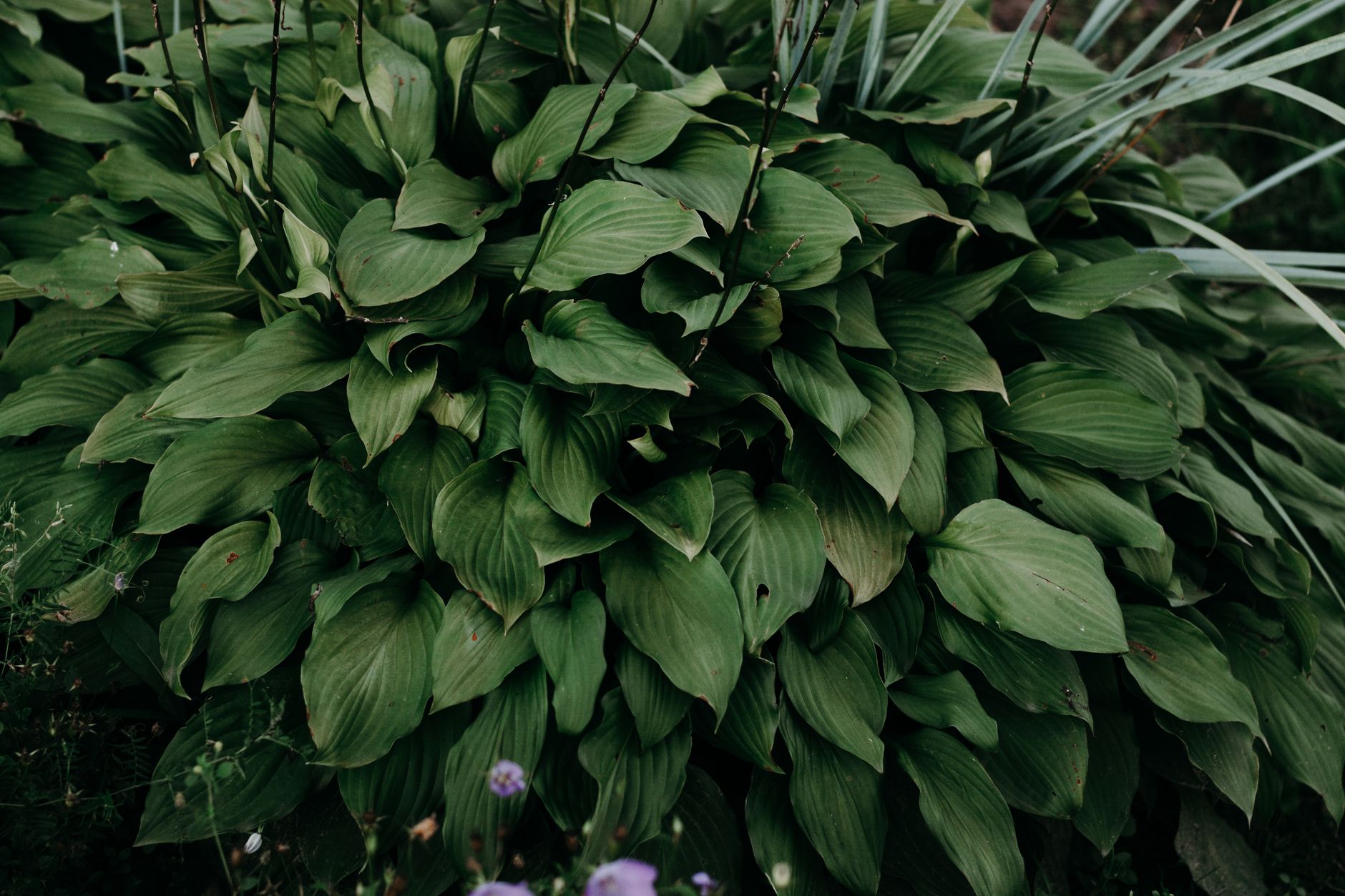
Strategic Pruning Techniques: Restoring Balance with the Right Cut
Right, this is where the magic happens, and trust me, it's not as scary as it sounds. I know the thought of taking secateurs to a beloved plant can feel a bit like performing surgery, but once you understand the "why" behind the "how," you'll feel much more confident. When you snip off a growing tip, the plant doesn't just give up. It sends signals (hormones like auxins) to dormant buds further down the stem, telling them to sprout. This is how we encourage bushiness and balance.
I've learned this the hard way with many plants in my UK garden. My old IT boss used to say, 'Measure twice, cut once.' It applies to gardening too, but sometimes you just gotta go for it! The key is to be strategic, especially with our unpredictable British weather. Pruning too late in autumn, for example, can encourage soft new growth that gets zapped by winter frosts, so timing is crucial here in the Midlands.
Here are the main techniques I use, adapted for our UK conditions:
Pinching: For Encouraging Bushiness in Young Plants
This is the gentlest form of pruning, and it's fantastic for young plants that you want to encourage to branch out rather than just grow tall and leggy. For my little Gaura 'Whirling Butterflies' seedlings, or even my young Nepeta 'Walkers Low', I'll often just pinch out the very top of the main stem. It’s exactly what it sounds like – using your thumb and forefinger to remove the soft, growing tip.
Randy's Tip: I do this religiously on my greenhouse tomatoes too, but that's a whole different article! For perennials, it's best done in early spring (April-May), before they've put on too much growth or started to flower heavily. It makes a huge difference in creating a denser, more balanced plant from the get-go.
Heading Back / Tip Pruning: For Shaping and Rebalancing Established Plants
This is my go-to for more established perennials that are starting to show signs of lopsidedness. Think about those salvias or hardy geraniums that are leaning a bit too much towards the afternoon sun. Heading back involves cutting back stems by about a quarter to a third of their length, always just above a leaf node (where a leaf or side shoot emerges) or a dormant bud. Focus your efforts on the longer, leggier side of the plant to bring it back into proportion with the denser side.
Randy's Tip: Don't be shy on the leggy side; aim for symmetry. This technique is brilliant for encouraging a second flush of flowers on plants like my 'Rozanne' Geraniums or many varieties of Salvia, especially if done after the first flush of blooms in early summer (June-July). For purely corrective pruning to restore balance, late spring (May) is ideal, giving the plant plenty of time to recover and fill out before its main show.
Hard Pruning / Renovation: For Severely Lopsided or Overgrown Plants
This one feels brutal, I won't lie, but it’s a lifesaver for truly neglected or severely lopsided plants that have become woody and sparse at the base. I had a huge Sedum 'Autumn Joy' that was practically horizontal on one side after a particularly wet and windy summer a couple of years back. It looked awful. Hard pruning involves cutting stems back drastically, often to just 4-6 inches from the ground, or to a strong, healthy framework close to the base.
Randy's Tip: It's a leap of faith, but often worth it for old, woody plants. I did this to a struggling Lavender 'Hidcote' that was all stems and no flowers on one side, and it came back better than ever the following year. This is best done in late winter or very early spring (February-March in the UK), when the plant is dormant and before new growth really kicks in. This gives it the whole growing season to rejuvenate and grow back strong and balanced.
Here's a detailed comparison table to help you decide which technique is right for your lopsided perennials:
| Pruning Technique | When to Use (UK Context) | How to Do It | Expected Outcome | Randy's Tip/Experience |
|---|---|---|---|---|
| Pinching | Young plants, early spring (April-May) before significant flowering. | Use thumb and forefinger to remove the soft, growing tip (1/2 to 1 inch). | Increased branching, bushier plant, more flowers. | Great for young Nepeta, Gaura, or even basil. I do this religiously on my greenhouse tomatoes too, but that's a different story! |
| Heading Back / Tip Pruning | Established plants showing mild lopsidedness, late spring/early summer (May-July) for shaping. | Cut back stems by 1/4 to 1/3, just above a leaf node or side shoot. Focus on the leggy side. | Balanced shape, denser foliage, encourages rebloom on some plants. | My go-to for lopsided hardy Geraniums ('Rozanne' loves this) or Salvia after their first flush. Don't be shy on the leggy side; aim for symmetry. |
| Hard Pruning / Renovation | Severely lopsided, woody, or overgrown plants; late winter/early spring (Feb-March) when dormant. | Cut stems back drastically to 4-6 inches from the ground, or to a strong base. | Complete rejuvenation, strong new growth from the base, restores vigour. | I did this to a struggling Lavender 'Hidcote' and it came back better than ever. It's a leap of faith, especially with our unpredictable British weather, but often worth it for old, tired plants that are truly unbalanced and woody at the base. |
Supporting & Training: Guiding Stems for Future Symmetry
Pruning is your first line of defence, but sometimes, a plant needs a little helping hand – or rather, a sturdy support – to really get back on track and stay there. I learned this the hard way with a particularly ambitious 'Caradonna' Salvia in a sunny but windy spot in my Midlands garden. I'd pruned it beautifully, but a sudden gust of British summer wind, followed by a heavy downpour, had it leaning precariously again within days. That's when I really started to appreciate the art of subtle plant support.
It's not just about stopping heavy flower heads from flopping onto the path, though that's certainly a bonus! Strategic support is about training your plant to grow upright and symmetrically as it matures. For me, the key is gentle, early intervention. I don't wait for a plant to be fully grown and lopsided before I think about support. Often, I'll put supports in place when the plant is still fairly young, especially in areas of my 800 sq ft garden that are prone to wind or receive intense afternoon sun.
I use a few different types of supports in my UK garden, depending on the plant and its needs. For many of my clump-forming perennials like Echinaceas or even my taller Sedums, I swear by those green wire support rings – the ones that look like a series of hoops and legs. You just push the legs into the ground around the plant when it's still relatively small, and as it grows, the stems fill out the rings, holding everything neatly upright without looking too rigid. It's a natural-looking solution that works brilliantly for our unpredictable British weather, stopping plants from splaying out after a heavy rain shower.
For single, tall stems, like my greenhouse tomatoes (yes, I know, not a perennial, but the principle is the same!), or some of the more upright Delphiniums I've tried in sheltered spots, a simple cane or stake is best. I always make sure the stake is pushed deep into the soil for stability, and then I use soft plant ties or even old strips of fabric to gently secure the stem. The trick here is to tie loosely, allowing for stem expansion, and to check the ties regularly. I've definitely made the mistake of tying too tightly in the past, girdling a stem – a rookie error I quickly learned from! What works here in Britain is often about being prepared for a bit of everything: strong winds one day, torrential rain the next, then glorious sunshine. Good support just helps your plants weather the storm, literally.
Common Sun-Loving Perennials: Tailored Pruning & Training Advice
Every plant has its quirks, and what works for a bushy Salvia won't necessarily be the best approach for a tall, airy Gaura. Over my five years of intensive gardening here in the UK Midlands, I've experimented with countless sun-loving perennials, trying to crack the code for balanced growth. Here’s a little table of some of my favourites and what I've found works best for them in our British climate:
| Plant Name (UK Favourite) | Common Lopsided Growth Cause (UK Context) | Pruning Strategy (Randy's Method) | Training/Support (Randy's Method) | Randy's Tip/Experience (UK Specific) |
|---|---|---|---|---|
| Echinacea purpurea (e.g., 'Magnus') | Leaning towards sun, heavy rain on large blooms | Pinching/Chelsea Chop (early): Pinch out growing tips on young plants for bushiness. Deadhead spent blooms to encourage new flushes. | Wire support rings: Install early when plants are 15-20cm tall. As growth fills out, it provides internal support. | I've grown 'Magnus' for 4 years. Pinching in late May (here in the Midlands) before our summer really kicks in gives stockier plants that stand up better to our unpredictable downpours. |
| Salvia nemorosa (e.g., 'Caradonna') | Leaning towards sun, sprawling habit, wind damage | Chelsea Chop (mid-late May): Cut back by a third to half for a second, bushier flush. Post-flowering prune: Cut back hard after first flush for rebloom. | Subtle plant support rings/stakes: If in a very exposed spot, I'll use discreet ring supports around the clump. | My 'Caradonna' salvias are in a raised bed. The Chelsea chop is non-negotiable for me; it delays flowering slightly but gives a much denser, more floriferous plant that laughs at our British summer winds. |
| Phlox paniculata (e.g., 'Bright Eyes') | Powdery mildew (due to poor air circulation), flopping after rain | Thinning & Chelsea Chop: Remove weak inner stems for air circulation. Cut back outer stems by half in late May. | Pea sticks or wire cages: Surround clump with twiggy branches (pea sticks) when young, or use dedicated cages. | My biggest challenge with Phlox here in the UK is mildew. Thinning out the centre for better airflow (especially during damp spells) and the Chelsea chop means stronger, more upright stems and less disease. |
| Gaura lindheimeri (e.g., 'Whirling Butterflies') | Leggy, sprawling habit, leaning in wind | Regular pinching/light prune: Pinch back tips when young for bushiness. Cut back by a third if it gets too leggy mid-season. | Minimal support: Usually doesn't need much, but a few discreet stakes or woven support (like pea sticks) can help in windy spots. | I love Gaura for its airy feel, but it can get unruly. I've found light pruning here in my UK garden is better than a hard chop; it keeps the blooms coming and prevents it from becoming too sparse. |
| Delphinium (dwarf varieties for UK, e.g., 'Magic Fountains') | Tall, heavy flower spikes prone to snapping in wind/rain | Thinning & Staking: Allow only 3-5 strongest shoots. Stake early and individually. | Individual sturdy stakes: Push stakes deep into the ground before the flower spike gets too tall. Tie securely but loosely. | I've tried a few Delphiniums, and let me tell you, they are a battle against our British weather! Dwarf varieties are more manageable, but individual staking is essential, especially in my windy Midlands patch. I use bamboo canes. |
Preventative Measures & Ongoing Care for Uniform Growth
Honestly, the best way to deal with lopsided growth is to try and prevent it from happening in the first place! It’s all about getting ahead of the curve, observing your plants, and understanding the unique microclimates in your own UK garden. This is where my obsession with learning and experimenting really comes into its own.
First off, site selection is paramount. When I'm planning a new bed or placing a new perennial, I spend a good bit of time just watching the sun. Where exactly does the morning sun hit? How much afternoon sun does that spot get? Does that fence cast a shadow at certain times of day? My 800 sq ft garden, despite its size, has a surprising number of variations in light. What might be full sun at 10 am could be partially shaded by my greenhouse by 2 pm. Knowing this helps me place sun-loving plants where they'll get consistent light, reducing their tendency to lean.
For any perennials I grow in pots – and believe me, in a small space like mine, there are always some – regular rotation is key. Every week or so, I'll give the pot a quarter turn. This ensures all sides of the plant get their fair share of sunlight, promoting even growth. It's such a simple habit, but it makes a massive difference, especially for something like a potted lavender or a perennial basil that just wants to stretch towards the brightest light.
Regular observation is probably my most important preventative measure. I'm out in my garden nearly every day, cuppa in hand, just looking. I check for pests, yes, but I also look at how my plants are growing. Is a stem starting to lean? Are the leaves on one side looking a bit pale? Catching these issues early means I can often correct them with a quick pinch or a repositioning of a support, long before it becomes a major lopsided problem. One mistake I made when I first started gardening five years ago was thinking I needed to wait for a plant to be 'established' before interfering. Now, I know early intervention is always best.
Finally, soil health and consistent care play a huge role. A healthy plant with a strong root system is much better equipped to grow uniformly and withstand the stresses of our British weather. I’m a big believer in good compost – I make my own in big bins in my backyard – and I use liquid feeds like comfrey tea or a balanced organic fertiliser throughout the growing season. Consistent watering, especially during dry spells (which, yes, we do get here in the UK!), also helps prevent stress that can lead to uneven development. A plant that's struggling for water or nutrients will often prioritise growth in one direction, usually towards perceived resources or light.
It's all about creating the best possible environment for your plants to thrive, and then being proactive and responsive to their needs. Our British climate can throw some curveballs, from surprise frosts in May to scorching July heatwaves and then weeks of relentless rain. But with careful planning, regular checks, and a willingness to adapt, you can keep your sun-loving perennials looking their absolute best.
Conclusion: Embracing Balance in Your British Garden
There you have it, folks – my comprehensive guide to tackling lopsided growth in your beloved sun-loving perennials. It's a journey I've been on myself for the past five years in my UK Midlands garden, full of learning, a few mistakes, and many rewarding successes.
We've covered a fair bit, haven't we? From early detection – getting out there and really looking at your plants – to strategic pruning techniques that empower you to sculpt and balance. We’ve explored the crucial role of supporting and training stems, ensuring your plants stand tall and proud, even against our infamous British winds and sudden downpours. And we’ve taken a closer look at tailored advice for specific sun-loving perennials, because a Salvia is not an Echinacea, and what works for one won't work for all. Finally, we've delved into preventative measures and ongoing care, stressing that a proactive gardener is a happy gardener.
What I've learned most profoundly from my own patch, packed with raised beds and a greenhouse, is that gardening is an ongoing conversation with nature. Your plants are always communicating, and lopsided growth is often their way of telling you something about their environment. By understanding these signals and applying these techniques, you're not just correcting a problem; you're becoming a more skilled, intuitive, and ultimately, more successful gardener.
Don't be afraid to get your secateurs out and experiment. Start small, observe the results, and remember that every 'mistake' is just a lesson learned. I've certainly made my share! Our UK climate throws its challenges, but with a bit of knowledge and a lot of passion, you can cultivate a truly balanced, bushy, and beautiful perennial display that will bring you joy all season long.
So, go on, get out there! Have a good look at your sun-loving perennials. Are they leaning a bit? Are they reaching for the light? Now you've got the tools and the confidence to guide them towards glorious, symmetrical growth. Happy pruning, my friends, and may your British garden flourish!
