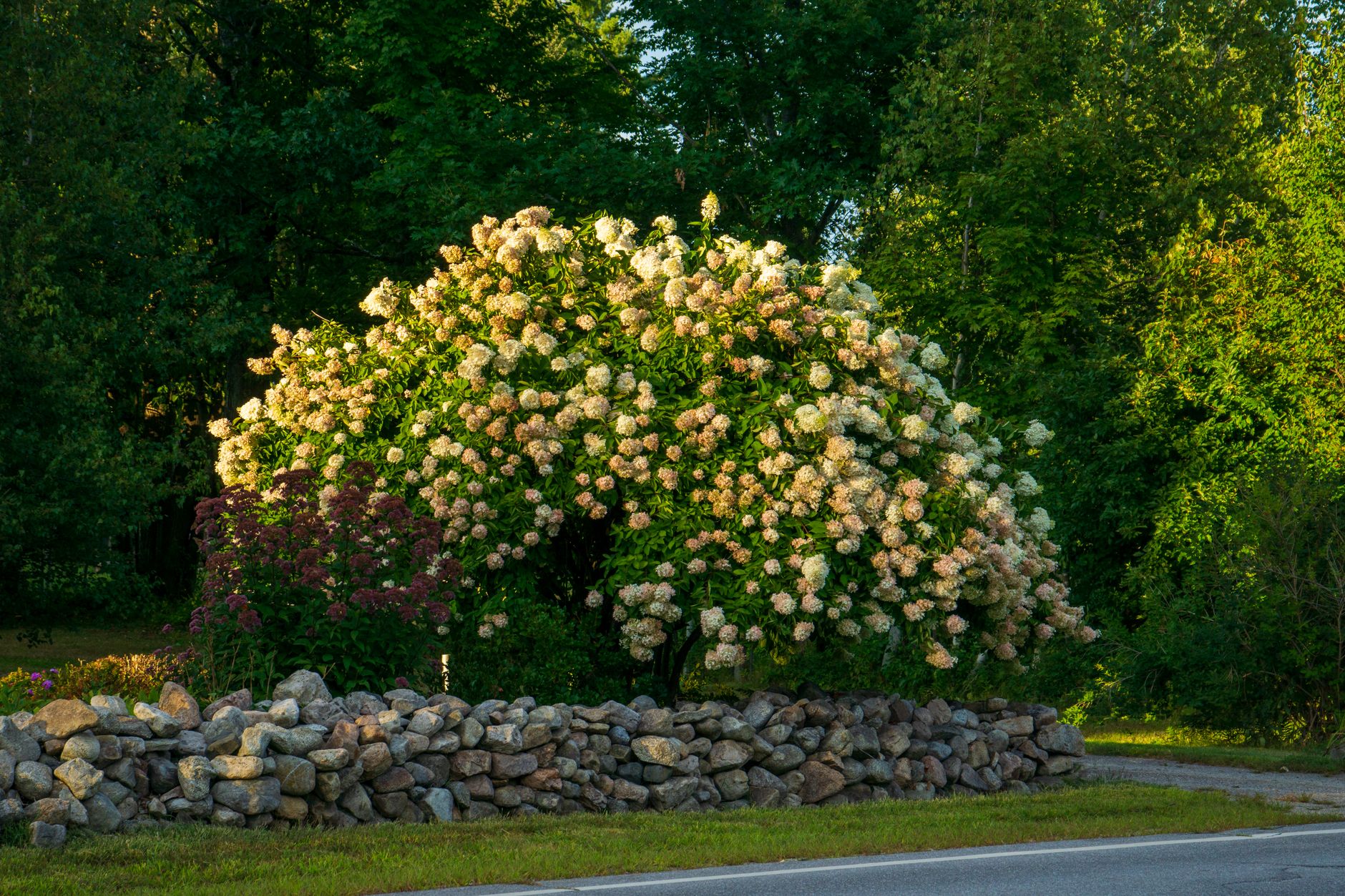
Elevate Your Garden Design: The Art of Tree-Form Shrubs
Alright, fellow green-fingered enthusiasts! Randy here from my little patch of gardening heaven in the UK Midlands. You know, when I first swapped my IT keyboard for a trowel five years ago, I never imagined the sheer joy and endless possibilities a small 800 sq ft backyard could hold. I've crammed it with raised beds bursting with heirloom tomatoes (my greenhouse is legendary, if I do say so myself!), herbs, and all sorts of veg. But lately, I've been utterly obsessed with something that truly elevates a garden's design, no matter its size: the glorious tree-form shrub, also known as a standard.
I remember seeing my first tree-form hydrangea in a neighbour's front garden a few years back, standing proudly like a botanical lollipop, and I was instantly captivated. It looked so elegant, so purposeful, like a living sculpture. I thought, "Right, Randy, you're getting one of those!" And true to form, I didn't just buy one; I decided to learn how to create them myself. The idea of taking a common shrub and transforming it into something so architectural and refined, perfect for adding a touch of formal flair or maximising vertical interest in a tight spot, really got my gardening gears turning. It's been a journey of trial and error, a few snapped stems (thanks, unpredictable British winds!), but the results have been utterly worth it. If you're looking to add that "wow" factor to your garden, whether it’s a sprawling estate or a tiny urban courtyard, getting stuck into standardising shrubs is a game-changer.
Transforming Your Space: Why Tree-Form Shrubs Are Perfect for UK Gardens
Living here in the UK, especially with our often compact garden spaces, we're always looking for clever ways to make every square inch count. That's precisely where tree-form shrubs shine, and why I'm such a huge advocate for them in British gardens. In my own Midlands patch, where every raised bed and path is carefully considered, these standards have become invaluable.
First off, they're absolute masters of vertical impact. Instead of a sprawling bush taking up precious ground space, a standard lifts its foliage and flowers up, creating a canopy that allows you to plant smaller, shade-loving plants underneath. This is a lifesaver in my 800 sq ft garden, letting me layer my planting and get more bang for my buck visually. I've got a fantastic 'Annabelle' Hydrangea standard that I trained myself, standing guard over a small bed of hostas and ferns, and it just brings so much structure and elegance to that corner.
Then there's the undeniable formal appeal. There’s something inherently sophisticated about a neatly trained standard. They instantly bring a sense of order and classic beauty, even to the most cottagey of gardens. I’ve found they’re brilliant for framing pathways, marking an entrance, or creating a focal point in a border. They draw the eye upwards and add a sense of grandeur without requiring vast amounts of room – perfect for replicating that grand garden feel on a smaller scale.
And let's not forget their versatility. Many tree-form shrubs are perfectly suited for container growing, which is a massive plus for us UK gardeners. This means you can move them around your patio to chase the sun (or shelter them from a sudden downpour, let's be honest!), or even bring more tender varieties into a greenhouse or conservatory over winter. My Bay Laurel standards, for instance, spend the summer outside looking very smart by the back door, but come the first hard frost here in the Midlands, they get a cosy spot in the greenhouse next to my tomatoes. It’s a practical solution for our sometimes-fickle British weather.
Choosing Your Star: Top Shrubs for Creating Stunning Standards in the UK
Now, this is where the fun really begins! Selecting the right shrub is crucial for success, especially considering our unique UK climate. I’ve experimented with quite a few in my time, some with great triumphs, others... well, let's just say they taught me valuable lessons. Here are my top picks, tried and tested in my own Midlands garden, along with a bit of Randy's honest advice:
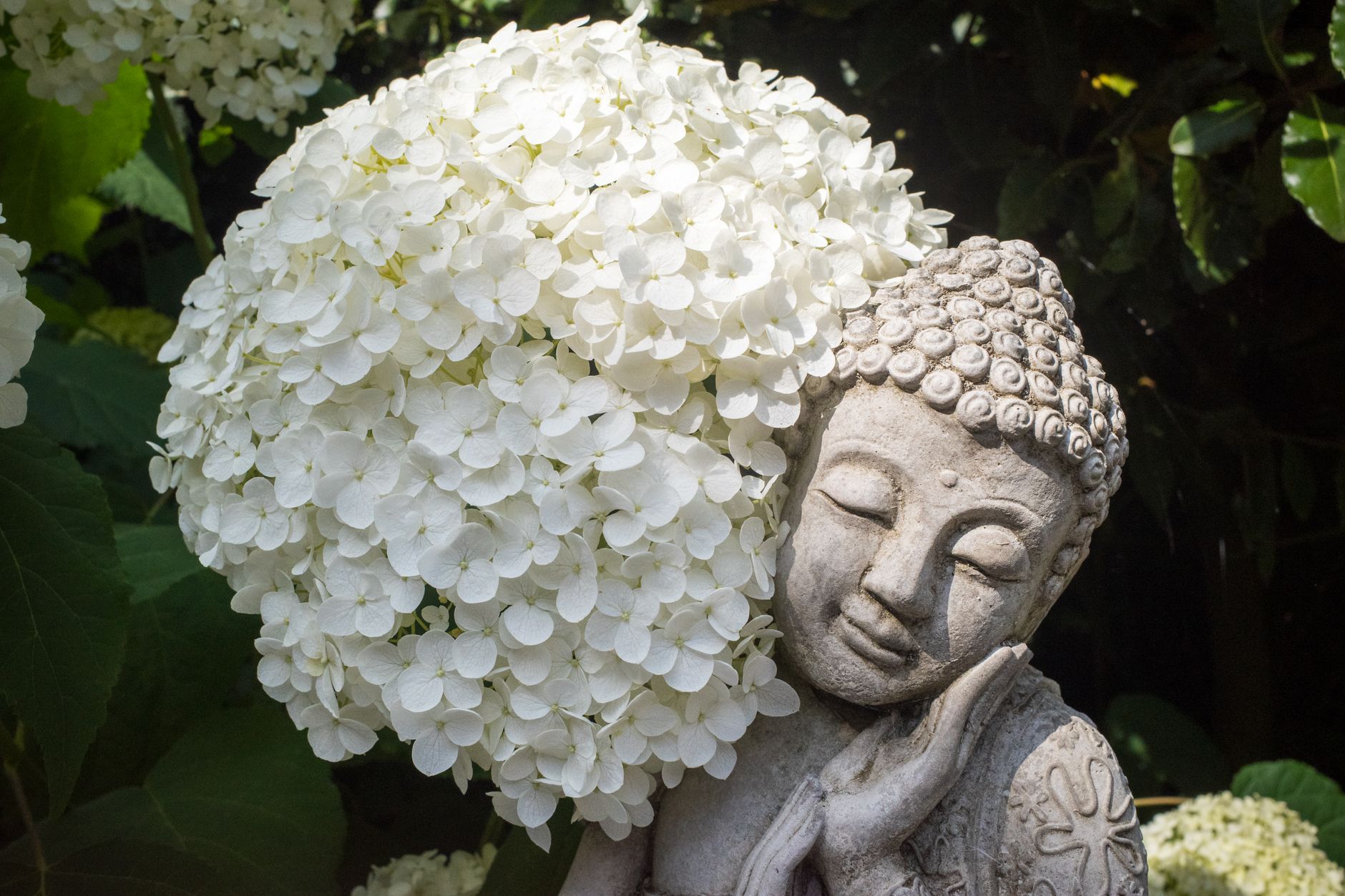
- Hydrangeas (e.g., Hydrangea arborescens 'Annabelle', Hydrangea paniculata 'Limelight'): These are fantastic for beginners, and honestly, they're my absolute favourite for creating standards. Their large, showy blooms are a real spectacle, and they're incredibly hardy across most of the UK. My 'Annabelle' standard, which I’ve been nurturing for three years, produces huge, snowball-like white flowers that are just breathtaking. 'Limelight' is another superb choice, offering lime-green blooms that age to pink.
- Randy's UK Tip: They love moisture, so be prepared to water regularly, especially during dry spells in summer. A good mulch helps retain moisture and keeps their feet cool. They can be a bit floppy after heavy rain, so strong staking is non-negotiable!
- Roses (e.g., Patio Roses, Floribundas): The classic choice for a reason! A standard rose weeping with blooms is a picture of romance and elegance. Opt for smaller, more compact varieties or floribundas that produce clusters of flowers.
- Randy's UK Tip: Roses demand attention! Our damp UK climate can make them prone to black spot and mildew, so good air circulation and preventative spraying are key. They're also hungry feeders, especially if grown in pots, so a regular feed through the growing season is essential. And don't forget winter protection in exposed areas here in Britain – a bit of horticultural fleece around the graft point can save your precious plant.
- Hardy Fuchsias (e.g., Fuchsia magellanica varieties): If you want a continuous show of vibrant colour from summer right through to the first frosts, hardy fuchsias are brilliant. Their delicate, dancing flowers are enchanting.
- Randy's UK Tip: While many are hardy, a sheltered spot is best here in the Midlands, especially for the first few winters. They respond well to regular feeding and deadheading to keep those flowers coming. Watch out for fuchsia gall mite; I had a nightmare with it one year, so keep an eye on any distorted growth.
- Lavender (e.g., Lavandula angustifolia 'Hidcote', 'Munstead'): For scent and structure, you can't beat a lavender standard. The bees will thank you, and the fragrant blooms are wonderfully calming.
- Randy's UK Tip: Lavender absolutely needs sharp drainage – they hate sitting in wet soil, which can be a challenge with our UK rains. If growing in a pot, use a really gritty compost mix. Prune them hard after flowering to maintain their shape and encourage bushiness.
- Bay Laurel (Laurus nobilis): A truly classic, evergreen standard that brings a touch of Mediterranean sophistication to any UK garden. Plus, you get fresh bay leaves for your cooking!
- Randy's UK Tip: While generally hardy, young Bay Laurels can suffer in very harsh UK winters, especially if exposed. If you're in a colder part of the Midlands like me, or if they're in pots, consider wrapping the pot and crown in fleece during severe cold snaps. Keep an eye out for bay sucker pest, it can disfigure leaves.
Here’s a quick comparison of some top choices:
| Shrub Type | UK Hardiness (RHS) | Growth Habit | Best Features | Randy's UK Tip |
|---|---|---|---|---|
| Hydrangea | H5 (-15 to -10°C) | Bushy, large flowers | Spectacular blooms, relatively easy to train | Provide consistent moisture, especially in summer. Crucial for robust staking to prevent wind damage. 'Annabelle' is a personal favourite for its huge flowers, but 'Limelight' offers lovely colour changes. |
| Rose | H5 (-15 to -10°C) | Various (Patio, Floribunda) | Classic elegance, fragrant, continuous blooms | High maintenance for disease prevention (black spot is common in damp UK weather). Feed regularly, especially in pots. Protect graft in winter in colder UK regions. My 'Sweet Child of Mine' patio rose standard gives me joy, but it needs consistent care. |
| Hardy Fuchsia | H4 (-10 to -5°C) | Bushy, arching | Long flowering season, vibrant, delicate flowers | Good drainage is key. Protect from harsh winter winds, especially when young. Regular deadheading and feeding will encourage more blooms. I've had success with 'Riccartonii' in a sheltered spot, but always keep an eye on winter protection. |
| Lavender | H5 (-15 to -10°C) | Compact, aromatic | Fragrance, attracts pollinators, evergreen | Absolutely requires well-drained soil; wet feet are a killer in our climate. Prune hard after flowering to maintain shape and prevent woodiness. 'Hidcote' is a reliable choice for its compact habit and deep purple flowers. |
| Bay Laurel | H4 (-10 to -5°C) | Evergreen, upright | Formal structure, culinary use, year-round interest | Can be susceptible to frost damage in very cold UK winters if exposed or in pots; move to a sheltered spot or wrap. Watch for bay sucker which causes leaf distortion – it got one of my younger bays a couple of years back here in the Midlands, so I learned to check regularly! |
Gather Your Gear: Essential Tools and Supplies for Standardising Shrubs
Right, before we get our hands dirty (which, let's be honest, is half the fun!), we need to make sure we've got the right kit. I learned this the hard way when I first started out, trying to make do with flimsy ties and blunt secateurs. Take it from me, Randy Thompson, investing in good quality tools isn't just about making the job easier; it's about making clean cuts that heal well, preventing damage to your plants, and frankly, avoiding frustration!
Here’s what I always have on hand for creating and maintaining my tree-form shrubs:
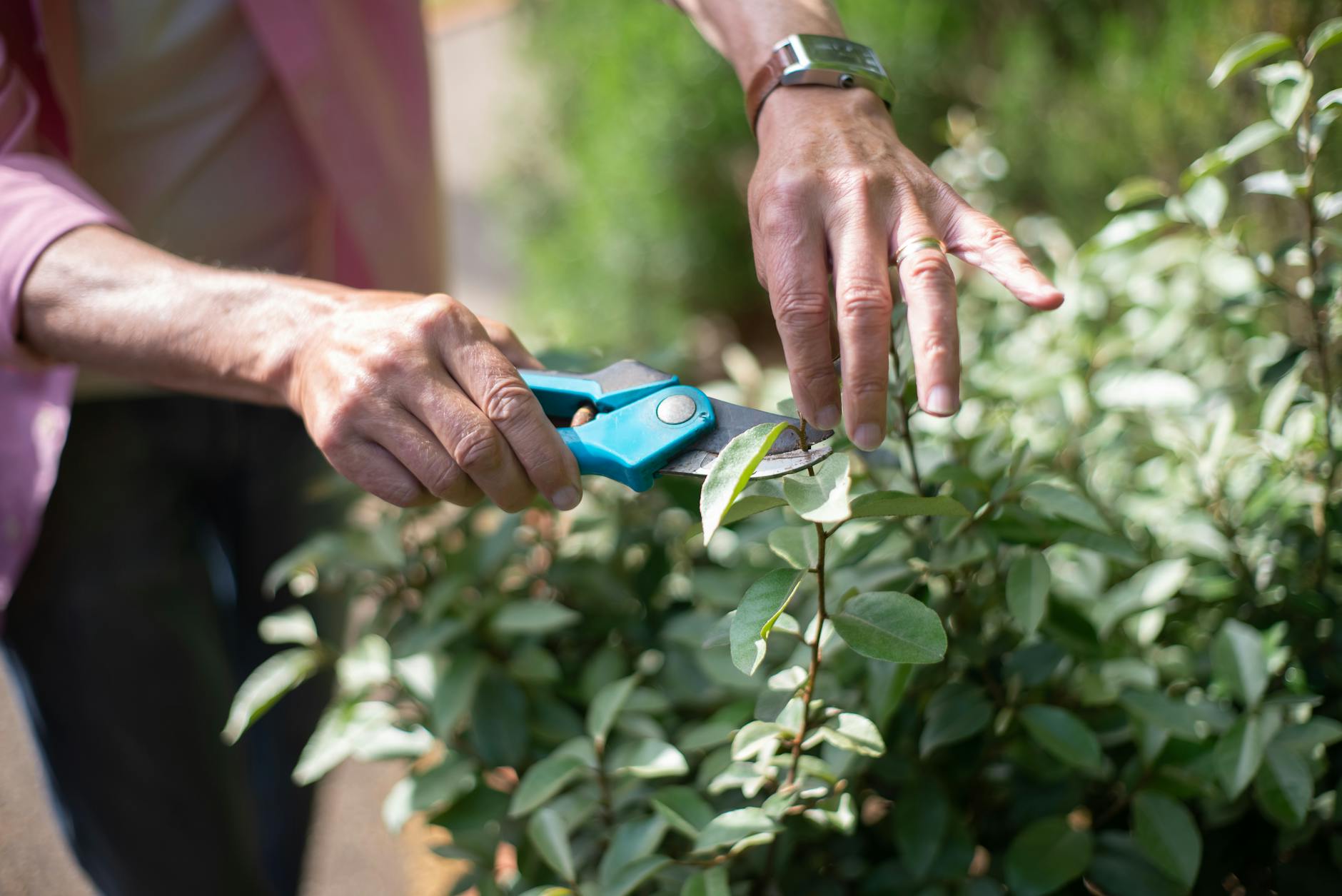
- Sharp Bypass Secateurs: This is non-negotiable. A clean cut is vital for the plant's health, preventing disease and encouraging quick healing. I use a pair of bypass secateurs (where the blades bypass each other like scissors) because they give the cleanest cut on live wood. I keep mine sharpened and cleaned after every use – a little TLC goes a long way.
- Loppers: For any thicker, older stems that your secateurs can't handle. Again, sharp blades are key. I typically only need these for the initial shaping of a more mature shrub.
- Sturdy Stakes: This is absolutely critical, especially here in the UK with our often breezy and sometimes downright windy weather. A young standard is incredibly vulnerable to snapping if not properly supported. I usually start with a strong bamboo cane, but for a more permanent solution, a thicker, treated wooden stake or a metal stake is far better. It needs to be strong enough to support the future head of the plant and tall enough to extend into the canopy.
- Soft Plant Ties: Please, for the love of gardening, do not use string or wire! These will cut into the bark as the plant grows and moves, causing irreparable damage. I prefer wide, soft fabric ties or adjustable Velcro plant ties. They allow for movement without rubbing and can be loosened as the stem thickens. I had a young rose standard get badly girdled by a cheap plastic tie one blustery spring here in the Midlands – never again!
- Gardening Gloves: Essential, especially if you're working with thorny roses or plants that might cause skin irritation. My hands are tough, but even I appreciate a good pair of gloves when tackling a spiky rose.
- Good Quality Potting Mix (if container growing): If your standard is destined for a pot (and many of mine are!), don't skimp on the compost. A high-quality, free-draining mix will give your plant the best start. I often add a bit of perlite or grit for extra drainage, especially for things like lavender that hate wet feet.
- Appropriate Sized Pots: Start with a pot that's a good size for the root ball of your initial shrub, then be prepared to pot up gradually as it grows. A pot that's too big can lead to waterlogging.
- Slow-Release Fertiliser or Liquid Feed: Plants in pots, especially, will quickly exhaust the nutrients in the compost. A slow-release granular fertiliser mixed into the potting medium, or a regular liquid feed during the growing season, will keep your standard healthy and blooming.
- Watering Can/Hose: Obvious, perhaps, but consistent watering is vital for establishing new plants and for those in containers, particularly during our often-dry UK summers.

Your Step-by-Step Guide: Crafting a Beautiful Tree-Form Shrub
Right, now for the nitty-gritty! This is where the magic happens, and believe me, it’s incredibly rewarding to watch a humble shrub transform under your care. I remember the first time I tried this with a Hydrangea paniculata ‘Limelight’ in my Midlands garden – it felt like a proper horticultural experiment, and it paid off beautifully. Here’s how I go about it:
Step 1: Selecting Your Shrub & Initial Pruning
Start with a young, healthy shrub, ideally one that’s 1-2 years old and has a strong central stem. When I pick mine from the nursery here in the UK, I’m looking for a plant that isn’t too bushy at the base, as it saves me a job later.
- Clear the Base: Gently remove any lower leaves or small side shoots from the bottom third of the strongest central stem. You want to expose a clear section of what will become your trunk. Use sharp, clean secateurs for a neat cut. Don't go too crazy, we're just tidying up to identify our main leader.
Step 2: Choosing Your Support Stake
This is absolutely crucial, especially with the unpredictable winds we get here in Britain. A good stake will provide the structural support your shrub needs to grow straight and strong.
- Material: I typically use a sturdy bamboo cane (at least 1.5-2cm thick) or, for taller standards, a metal rebar stake. Make sure it's tall enough to reach just below where you want your canopy (the 'head') to form. For a 1-metre standard, I’d use a 1.2-1.5 metre stake.
- Placement: Drive the stake firmly into the ground right next to your chosen central stem. Push it deep enough so it’s stable and won't wobble. I usually hammer mine in about 30-40cm into the soil.
Step 3: Tying for Support
This needs to be done carefully to avoid damaging the stem. I've learned the hard way that tight ties can girdle a plant, so gentle vigilance is key.
- Method: Use soft ties – I prefer specialist plant ties or even old strips of fabric. The key is the 'figure-eight' method: wrap the tie once around the stake, then cross it over between the stake and the stem, and then wrap it around the stem before securing. This prevents rubbing.
- Frequency: Add ties every 15-20cm up the stem. Check them regularly as the stem thickens; loosen them if they start to constrict growth. I make a habit of checking all my standard ties every couple of weeks during the growing season.
Step 4: Developing the 'Trunk'
Now we focus on encouraging that central stem to grow upwards, forming a clear trunk.
- Remove Side Shoots: As your chosen central stem grows, small side shoots will inevitably try to sprout from its length. Pinch or snip these off as soon as you see them. This directs all the plant's energy into vertical growth and developing a strong, woody trunk. I usually do this weekly during the main growing season.
- Patience: This stage can take 1-3 years depending on the shrub and its growth rate. Don't rush it! My standard rose, 'The Generous Gardener', took a good two years before I felt its trunk was solid enough.
Step 5: Forming the 'Head' (Canopy)
Once your trunk has reached the desired height (usually 60-120cm for most standards), it's time to encourage the bushy top.
- Pinch or Prune the Leader: Snip off the very tip of your main central stem (the leader). This signals the plant to stop growing upwards and instead put its energy into branching out sideways from the top.
- Encourage Bushiness: Allow the top 3-5 side shoots to grow, and pinch their tips back when they’re about 15-20cm long. This further encourages more branching, creating a dense, rounded canopy.
Step 6: Ongoing Maintenance & Pruning
Your new tree-form shrub will need regular attention to maintain its shape and vigour.
- Remove Suckers: Keep an eye out for any shoots sprouting from the base of the plant or below the graft union (if you’re working with a grafted plant like many standard roses). These are suckers and should be removed immediately.
- Shape the Canopy: Prune the head annually (usually in late winter/early spring for most shrubs, or after flowering for others) to maintain its desired size and shape. Aim for an open, airy structure to encourage good light penetration and air circulation, which is vital in our often-damp UK climate to prevent fungal issues.
 (https://example.com/gardener-pruning-tree-form-shrub-uk.jpg)
Long-Term Beauty: Caring for Your Tree-Form Shrub Year-Round
Once you’ve got that lovely tree-form established, the ongoing care is what truly makes it shine. This isn't a "plant it and forget it" kind of project, but the rewards are absolutely worth the effort. My little 'Pinky Winky' hydrangea standard, nestled in a pot on my patio, brings me so much joy from spring right through to autumn here in the Midlands.
Watering Wisdom
Tree-form shrubs, especially those in pots, tend to dry out quicker than their ground-dwelling counterparts.
- Pots: In my experience, a potted standard often needs daily watering during hot, dry spells, which we do get occasionally here in the UK, even if they don't last long! Check the soil moisture by sticking your finger in. If it feels dry an inch or two down, it's time to water.
- In-Ground: Even standards in the ground will benefit from deep watering during prolonged dry periods. The root system isn't as extensive as a full-sized shrub, so they're more vulnerable.
Feeding for Flourish
A hungry plant won’t perform its best.
- Spring Boost: I give all my standards a balanced, slow-release granular feed in early spring (March/April in the UK Midlands) as they start to wake up.
- Flowering Plants: For hungry flowering plants like roses and hydrangeas, I’ll follow up with a high-potash liquid feed every 2-4 weeks during the flowering season to encourage abundant blooms. My greenhouse tomatoes get the same treatment!
Pruning for Performance
Regular pruning is essential for maintaining shape, promoting flowering, and keeping the plant healthy.
- Deadheading: Snip off spent flowers to encourage more blooms and keep the plant looking tidy.
- Maintenance Pruning: Annually, usually in late winter or early spring (February/March in my UK garden), I prune the canopy. Remove any dead, diseased, or crossing branches. Aim to create an open structure. For roses, this is a more formal prune; for hydrangeas, it’s about shaping and removing old wood.
- Sucker Patrol: Keep a constant lookout for suckers from the base or below the graft. These need to be removed immediately and cleanly.
Pest and Disease Patrol
Our British weather, especially the humidity, can sometimes be a breeding ground for pests and diseases.
- Vigilance: I check my plants regularly for any signs of trouble. Early detection is key.
- Common Culprits: Aphids are a perennial favourite on roses, and powdery mildew can affect hydrangeas in humid summers.
- My Approach: I mostly use organic methods. A strong jet of water can dislodge aphids, and I find a homemade garlic spray can deter some pests. Ensuring good air circulation through proper pruning helps prevent fungal diseases.
Winter Wonders: Protection
This is crucial for standards, especially in pots, as their root systems are more exposed to frost.
- Potted Standards: If you’re in a colder part of the UK or have a more tender variety, consider moving potted standards into an unheated greenhouse (like mine!) or a sheltered spot against a house wall. You can also wrap the pot in bubble wrap or hessian to insulate the roots. I lost a beautiful standard fuchsia one winter because I didn't protect the pot enough, a mistake I won't repeat!
- In-Ground Standards: A good mulch around the base will help insulate the roots. For grafted standards (like roses), mounding up soil around the graft union can offer extra protection from sharp frosts.
Here's a quick comparison of year-round care for some common tree-form shrubs in a UK garden:
| Aspect | Tree-Form Rose (e.g., 'Queen Elizabeth') | Tree-Form Hydrangea (e.g., 'Annabelle') | Tree-Form Lavender (e.g., 'Hidcote') |
|---|---|---|---|
| Watering | Consistent, deep watering, especially in dry UK spells. Potted ones dry fast. | Very thirsty! Needs regular, ample water, particularly in summer. | Drought-tolerant once established, but water well in pots or extreme dry spells. |
| Feeding | Balanced feed in spring, high-potash liquid feed every 2-4 weeks during flowering. | Balanced feed in spring. May benefit from a liquid feed for extra blooms. | Generally low feeders. A light balanced feed in spring is enough. |
| Pruning (Canopy) | Hard prune in late winter/early spring (Feb/March). Deadhead regularly. | Prune in late winter/early spring. Cut back to strong framework, remove old flower heads. | Prune after first flush of flowers (late summer) to maintain shape. Light trim in spring. |
| Winter Protection | Hardy, but mulch around graft union. Potted ones: insulate pots, shelter. | Hardy. Mulch around base. Potted ones: move to shelter or wrap pots. | Very hardy in UK. Potted ones: ensure good drainage; may need shelter in very harsh winters. |
| Pest/Disease | Aphids, black spot common. Good air circulation. | Powdery mildew in humid conditions. Ensure good airflow. | Generally pest-free. Watch for root rot in waterlogged soil. |
| Randy's Midlands Tip | "I find 'Queen Elizabeth' needs monthly feeding for those amazing blooms!" | "My 'Annabelle' in a pot needs daily summer watering, no kidding!" | "Prune 'Hidcote' after flowering to keep it neat and encourage a second flush." |
Mastering Your Standard: Common Problems and Pro Tips for UK Gardeners
Even with the best intentions, gardening always throws up a challenge or two, and standardising shrubs is no different! I’ve certainly had my share of learning curves with these beauties.
Common Problems (and My Lessons Learned!)
- Weak Trunk: This happened to my first attempt at a standard rose. I didn't use a strong enough stake, and our British gales nearly snapped it. Always use a sturdy stake and keep it tied securely but loosely. Don't remove too many side shoots too quickly at the base; let the stem thicken a little before clearing it completely.
- Lopsided Head: My 'Limelight' hydrangea standard developed a bit of a lean to one side because I pruned it unevenly. Make sure you're stepping back and looking at your plant from all angles when pruning the canopy. Rotate potted standards regularly to ensure even light exposure.
- Pests and Diseases: As mentioned, aphids love roses. One year, my 'Iceberg' standard was covered! Now, I regularly inspect the undersides of leaves and use a blast of water or an organic spray at the first sign. Good air circulation through proper pruning is your best friend against fungal issues in our damp UK climate.
- Winter Damage: I genuinely thought my standard fuchsia would be fine in its pot through a mild Midlands winter – wrong! A sudden cold snap froze its roots solid. Now, all my potted standards get wrapped in bubble wrap and moved to a sheltered spot, or into my greenhouse if they're more tender. Don't underestimate British winter!
- Lack of Patience: This isn't really a 'problem' but a common pitfall. You won't get a perfect tree-form shrub overnight. It's a journey, and rushing the process (like trying to form the head too early) can lead to a weak, straggly plant. I've learned that gardening teaches you patience, more than any other hobby.
Randy's Pro Tips for UK Gardeners
- Stake it Strong, Tie it Right: Seriously, don't skimp on the stake. And use soft ties, checked and loosened regularly. Our UK winds are no joke!
- Observe, Observe, Observe: Walk around your garden daily. Notice changes. Is a leaf yellowing? Is there a tiny bug? Early detection saves a lot of headaches. This is particularly true for pests and diseases.
- Don't Fear the Secateurs: Pruning might seem daunting, but it's essential. A well-pruned plant is a healthier, more beautiful plant. If you're unsure, watch some videos, read up, and then just go for it! You'll learn what works best for your plants here in Britain.
- Right Plant, Right Place: This is crucial for success, especially with tree-form shrubs. Choose varieties known to thrive in our UK climate and suit your garden's aspect (sun/shade). A sun-loving standard lavender won't be happy in a shady, damp spot.
- Embrace the Journey: Gardening is about experimentation, learning, and enjoying the process. Not every attempt will be perfect, and that's absolutely fine. Each 'failure' is a lesson learned, often about our specific UK conditions.
The Final Word: Elevate Your Garden, One Standard at a Time!
Creating a tree-form shrub is more than just a gardening technique; it's an art form that brings structure, elegance, and a touch of the extraordinary to any garden, no matter its size. From a small patio in my 800 sq ft Midlands backyard to a grand formal border, these standards elevate the design and capture attention.
I truly believe that with a bit of patience, the right tools, and an understanding of our unique UK climate, any home gardener can transform a humble shrub into a stunning focal point. It’s incredibly satisfying to look out at my garden and see the hydrangeas and roses I've painstakingly trained, standing tall and proud.
So, why not give it a go? Pick a suitable shrub, grab your stake, and embark on this rewarding journey. You’ll be amazed at what you can achieve. And when you do, I’d absolutely love to hear about your successes – share your tree-form shrub stories and photos with me! Happy standardising, fellow UK gardeners!
 (https://example.com/finished-tree-form-shrub-uk-garden.jpg)