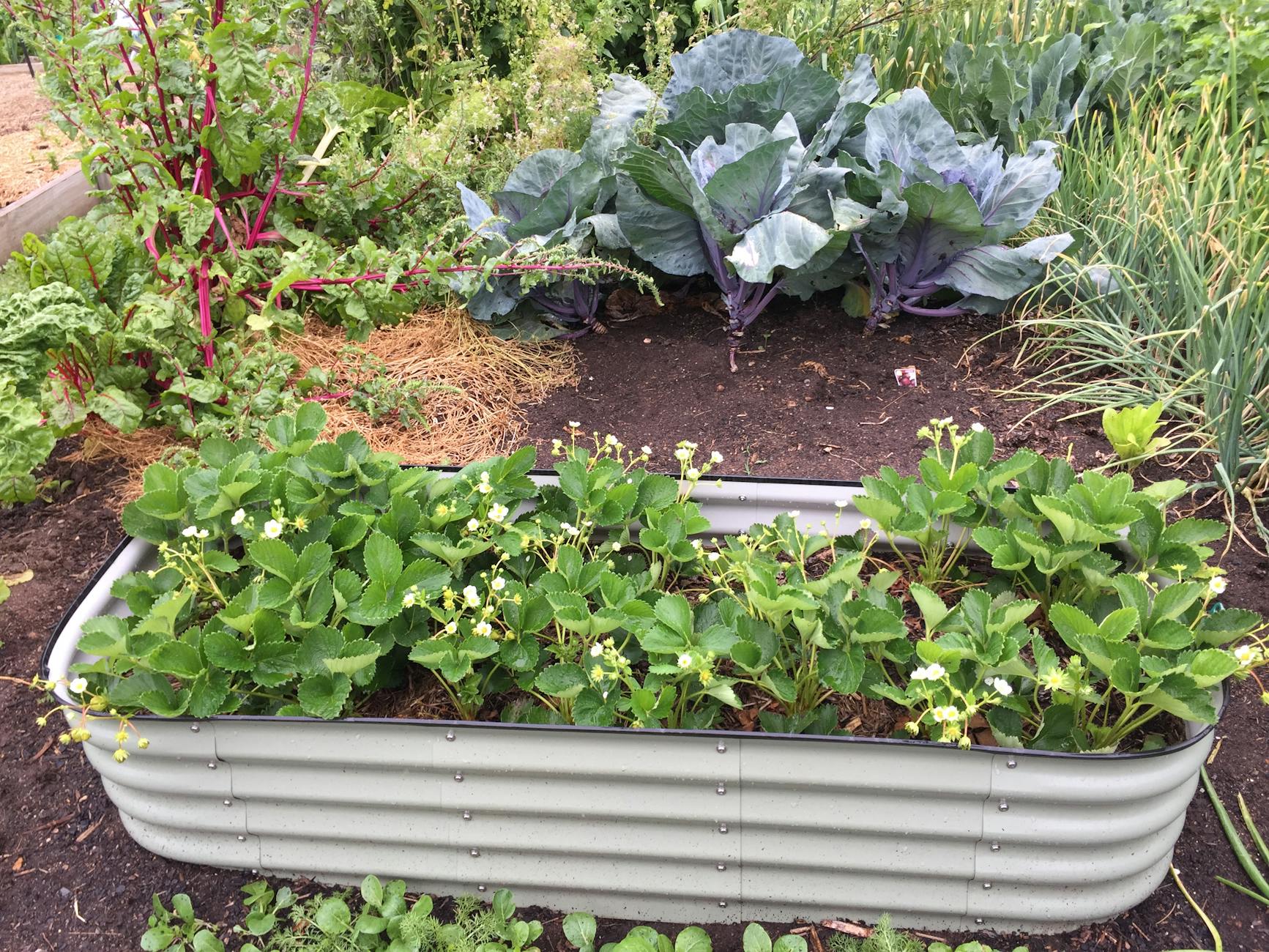
Unlock Your Raised Bed's Potential: Master Mini-Microclimates for Extended UK Harvests
Alright, fellow UK gardeners! Randy here, coming to you from my 800 sq ft patch of green in the heart of the Midlands. If you're anything like me, you've probably spent countless hours gazing at your raised beds, dreaming of longer harvests, bigger yields, and crops that just thrive no matter what the unpredictable British weather throws at us. For years, I chased that dream, trying every trick in the book, and let me tell you, I've had my fair share of soggy failures and sun-scorched disappointments.
But through all that trial and error – and trust me, there's been a lot of it in my five-plus years of intensive UK gardening – I've stumbled upon a game-changer: mastering mini-microclimates within my raised beds. It sounds a bit fancy, maybe even a touch scientific (my old IT brain loves that part!), but it’s actually incredibly practical. It's about strategically grouping your plants and using simple, accessible techniques to create tiny pockets of ideal growing conditions right where you need them most.
I remember my first summer trying to grow cool-season lettuce past June here in the Midlands. It bolted faster than a startled rabbit! And don't even get me started on the struggle to get my 'San Marzano' tomatoes to properly ripen outside the greenhouse. What I learned the hard way is that our UK climate, with its often mild springs, sometimes scorching summers, and always unpredictable spells, demands a more nuanced approach than just sticking plants in the ground and hoping for the best. By understanding and manipulating the sun, shade, and wind patterns in my raised beds, I've managed to keep 'All Year Round' lettuce going well into August, and even coaxed respectable harvests of 'Marmande' tomatoes outdoors. This isn't just about extending the season; it's about making every square inch of your raised bed work harder for you, allowing cool-season greens to last longer and heat-lovers to finally feel at home, even on a cloudy British day.
Mapping Your Raised Bed: Identifying Sun Paths, Shade Zones, and Wind Corridors
Before you even think about putting a spade in the soil, the absolute first step to creating effective mini-microclimates is to get to know your raised bed intimately. I mean, really know it. When I first started out, I just plonked my beds down where I thought they’d look good, which was a classic newbie mistake. I quickly learned that aesthetics take a backseat to sun exposure, prevailing winds, and the subtle dance of shadows across the day.
This isn't just about knowing if your bed is "full sun" or "part shade." It's about understanding the nuances. Spend a few days, or even a week, observing your raised beds at different times of the day, from sunrise to sunset. I keep a little notebook – a habit from my IT days, I suppose – and jot down what's happening. Where does the morning sun hit first? Which corner gets blasted by the afternoon sun, and which falls into the shade of the fence by lunchtime?
Pay close attention to any surrounding features: your house, a shed, a tall fence, even other larger plants. These all cast shadows that shift throughout the day and with the seasons. Here in the Midlands, our sun angle changes quite dramatically between spring, summer, and autumn, so what's full sun in May might be partly shaded in July. Also, don't forget the wind. We get some proper blustery days, and a constant breeze can dry out soil and stress plants, especially tender seedlings. I once lost a whole row of 'Early Purple Sprouting' broccoli seedlings because they were in a direct wind corridor, drying out before their roots could establish. Learning from that, I now identify these wind corridors and plan for windbreaks.

Strategic Shading: Keeping Cool-Season Greens Productive Through Summer Heat
One of my biggest frustrations when I started out was the bolting of my cool-season crops. Lettuce, spinach, coriander – they'd all shoot to seed the moment a proper British summer day (or even just a warm week!) arrived. It felt like a constant race against the clock. But by strategically creating shaded pockets, I’ve managed to keep these crops producing for much longer, sometimes even through the whole summer.
The key here is understanding why they bolt: it's not just heat, but also extended periods of intense light. By providing some respite from the midday sun, you trick these plants into thinking it's still spring or autumn. I've experimented with various methods, from simply planting taller crops to the south of my greens, to using actual shade structures. What works best for me depends on the scale and the specific crop.
A really effective technique I've found is using 'nurse plants'. These are taller, more heat-tolerant plants that cast a beneficial shadow. For example, I often plant a row of 'Alderman' peas or some French beans to the south of my 'Salad Bowl' lettuce. As the peas grow, they provide just enough dappled shade to keep the lettuce happy and prevent it from bolting. It's a fantastic use of space and a natural solution. Another simple trick is to use shade cloth. I’ve got some 30% shade cloth that I drape over hoops on my raised beds when a heatwave is forecast. It makes a huge difference, especially for delicate herbs like coriander and dill that absolutely hate intense sun.
Here’s a comparison of some strategic shading techniques I've used in my UK garden:
| Shading Technique | Best For (UK Conditions) | Pros (Randy's Experience) |
|---|
Windbreaks and Moisture Management: Protecting Delicate Plants and Conserving Water
Now that we've talked about harnessing and deflecting the sun, let's turn our attention to another powerful force in the UK garden: the wind. Here in the Midlands, we get our fair share of blustery days, and I've learned the hard way how devastating wind can be, especially to tender young plants or those delicate cool-season greens trying to hang on in a warm spell. Wind doesn't just physically damage plants; it also rapidly dehydrates them, stripping moisture from leaves and soil. It's like a silent killer for your carefully crafted microclimates!
One season, I had a beautiful row of 'Winter Density' lettuce, thriving until a sudden week of strong easterly winds absolutely battered them. They looked like they'd been through a tumble dryer, and despite my best efforts with watering, they just never recovered properly. That was a big lesson for me. Now, managing wind is just as critical as managing light and temperature in my raised beds.
Creating Effective Windbreaks in Your Raised Beds
The good news is, you don't need a huge hedge to create an effective windbreak. For raised beds, we're looking for localised protection.
Taller Companion Plants: This is one of my favourite, most natural methods. Planting a row of taller, sturdier plants like broad beans or even some of the more robust brassicas (like kale 'Nero di Toscana') on the prevailing wind side of your delicate crops can make a huge difference. They act as a living screen, slowing the wind rather than blocking it entirely, which is ideal to prevent turbulence. I often use a line of sunflowers or even sweet peas on a trellis on the windward side of my summer lettuce or my more exposed herbs.

Purpose-Built Barriers: For a more immediate or temporary solution, you can use physical barriers. I've experimented with everything from repurposed wooden pallets to bamboo screens. A simple piece of horticultural fleece draped over hoops and secured can offer fantastic temporary protection from both wind and harsh sun for young seedlings or leafy greens. You can also use woven windbreak netting, which I've found incredibly useful for my more exposed raised beds, particularly in early spring or late autumn when the winds are fiercest.
![IMAGE_PLACEER_2: windbreak netting on raised bed]Strategic Bed Placement: If you're designing new raised beds, consider their orientation. Placing a bed perpendicular to the prevailing wind direction can help reduce its impact on the plants within. I've got one bed tucked behind my garden shed, and it's always the first place I plant my more tender crops.
Conserving Moisture: A Dual Benefit
Effective windbreaks naturally lead to better moisture retention. By reducing wind speed across the soil surface and plant leaves, you're significantly cutting down on evaporation. But we can do even more.
- Mulching, Mulching, Mulching! This is non-negotiable in my UK garden, especially in raised beds which tend to dry out faster. A good 5-10cm layer of organic mulch – compost, straw, wood chip (avoiding fresh wood chip near edibles as it can rob nitrogen initially) – does wonders. It suppresses weeds, slowly adds nutrients as it breaks down, and most importantly, acts as a blanket for your soil, keeping it cooler in summer and warmer in winter, and dramatically reducing moisture loss. I've found that mulched beds need watering far less frequently, which is a blessing during our dryer spells, and keeps the soil biology happy.

By combining smart wind management with consistent mulching, you'll find your plants are less stressed, healthier, and your watering can gets a well-deserved break!
Beyond Shade: Companion Planting for Enhanced Growth and Pest Control in Your Microclimates
We've talked about the physical aspects of creating microclimates, but there's a living, breathing, interactive layer we can add: companion planting. This ancient practice takes on a new dimension when you think about it in terms of microclimates. It's not just about what grows well next to what; it's about how plants can physically support each other, provide additional microclimatic benefits, and create a more resilient ecosystem in your raised beds.
I'm a huge believer in companion planting. It's a bit like building a miniature community in each bed, where everyone helps each other out. After years of trial and error in my 800 sq ft Midlands patch, I've seen firsthand how a well-chosen companion can deter pests, attract beneficial insects, improve soil health, and even provide that all-important bit of localised shade or wind protection we've been discussing.
Strategic Companion Planting in Your Microclimates
Think about how plants can interact:
- Physical Protection: Taller, sturdier plants can shade or act as windbreaks for more delicate neighbours.
- Pest Deterrence: Aromatic herbs can confuse or repel pests looking for specific crops.
- Beneficial Attraction: Flowers can draw in pollinators and predatory insects that feast on garden pests.
- Soil Improvement: Some plants fix nitrogen, others break up compacted soil.
Here's a table of some of my favourite companion planting combinations that I use in my UK raised beds, specifically considering their microclimatic benefits and pest control aspects:
| Main Crop | Companion Plant | Benefits (Microclimate & Pest Control) | Randy's UK Experience |
|---|---|---|---|
| Tomatoes | Basil, Marigolds (French) | Basil is said to improve tomato flavour and repel flies/mosquitoes. Marigolds deter nematodes and other soil pests. Basil can also provide slight ground cover, keeping soil a touch cooler. | I always interplant 'Marmande' and 'Sungold' tomatoes in my greenhouse beds with basil ('Sweet Genovese' is my favourite) and French marigolds. The basil really thrives in the slightly shaded, more humid microclimate under the tomato leaves, and I genuinely notice fewer whiteflies. The marigolds are great for general soil health, which is crucial for my heirloom tomatoes. |
| Brassicas | Dill, Chamomile, Mint | Dill and chamomile attract beneficial insects like hoverflies and parasitic wasps, which prey on aphids and cabbage worms. Mint (in pots!) can deter flea beetles and cabbage moths. | Cabbage white butterflies are a menace here in the UK! I've found planting dill and chamomile around my kale ('Nero di Toscana') and purple sprouting broccoli really helps. I grow mint in separate pots sunk into the raised bed to stop it spreading, as it's a bit of a thug, but its strong scent seems to confuse pests. |
| Lettuce/Spinach | Taller Greens (e.g., Loose-leaf Mustard), Radishes | Taller, leafy greens can provide beneficial dappled shade to keep lettuce from bolting in summer. Radishes loosen soil and are quick to mature, making space. | When I'm pushing for summer lettuce harvests, I often plant a row of 'Red Giant' mustard greens on the south-facing side of my 'Winter Marvel' spinach or 'All Year Round' lettuce. The mustard grows taller faster, providing that essential afternoon shade. The radishes are just a general good neighbour, breaking up the soil for the shallow-rooted greens. |
| Carrots | Rosemary, Onion/Leeks | Rosemary's strong scent can deter carrot root fly. Onions/leeks confuse pests with their pungent aroma. | Carrot root fly is a common problem in British gardens. I've had good success planting a low hedge of rosemary ('Miss Jessup's Upright') along the edge of my carrot beds. I also interplant with spring onions. It's not 100% foolproof, but it definitely reduces damage compared to unprotected rows. |
| Squash/Pumpkins | Comfrey, Borage, Corn | Com Comfrey is a dynamic accumulator, drawing nutrients from deep in the soil and providing mulch material. Borage attracts bees for pollination. Corn can provide natural trellising for climbing squash. | |
| This is a complex topic that needs to be approached from different angles, but I can offer some general points to consider. |
Understanding the Climate: The first step is to recognize the significant differences in climate between the UK and Australia. The UK has a temperate climate with distinct seasons, while Australia, being a vast continent, has a wide range of climates from tropical in the north to temperate in the south. This means that plants that thrive in one region of Australia might struggle in another, and vice versa.
Growing Seasons: The growing seasons are also reversed. When it's summer in the UK, it's winter in Australia, and vice versa. This impacts the timing of planting, harvesting, and overall garden management.
Soil Types: While both countries have a variety of soil types, there might be regional differences in nutrient content, pH levels, and drainage capabilities. Understanding your local soil is crucial for successful gardening.
Water Availability: Water conservation is a major concern in Australia due to its dry climate and frequent droughts. UK gardeners might not face the same level of water scarcity, but it's still a good practice to use water efficiently.
Pests and Diseases: Both countries have their unique set of pests and diseases. Researching common issues in your specific region and learning how to manage them organically is essential.
Plant Selection: This is where the biggest differences lie.
- UK Focus: UK gardeners often grow a wide range of temperate vegetables like brassicas (cabbage, broccoli, kale), root vegetables (carrots, potatoes, parsnips), leafy greens (lettuce, spinach), and soft fruits (strawberries, raspberries). Many traditional English garden flowers are also popular.
- Australian Focus: Australian gardeners have a wider range of options depending on their climate zone. Tropical and subtropical regions can grow crops like mangoes, avocados, bananas, and a variety of Asian vegetables. Temperate regions might focus on Mediterranean herbs, citrus, stone fruits, and heat-tolerant vegetables. Native Australian plants are also very popular for their drought tolerance and adaptability.
Gardening Techniques:
- UK: Often involves techniques for extending the growing season due to shorter summers, such as using cloches, cold frames, and greenhouses. Protecting plants from frost is also a key consideration.
- Australia: Techniques for dealing with heat and drought are more common, such as shade cloth, mulching heavily, water-wise gardening, and selecting heat-tolerant varieties.
Resources and Community: Both countries have thriving gardening communities, nurseries, and online resources. Connecting with local gardeners and joining gardening groups can provide invaluable advice and support tailored to your specific region.
In summary, while the fundamental principles of gardening (soil health,