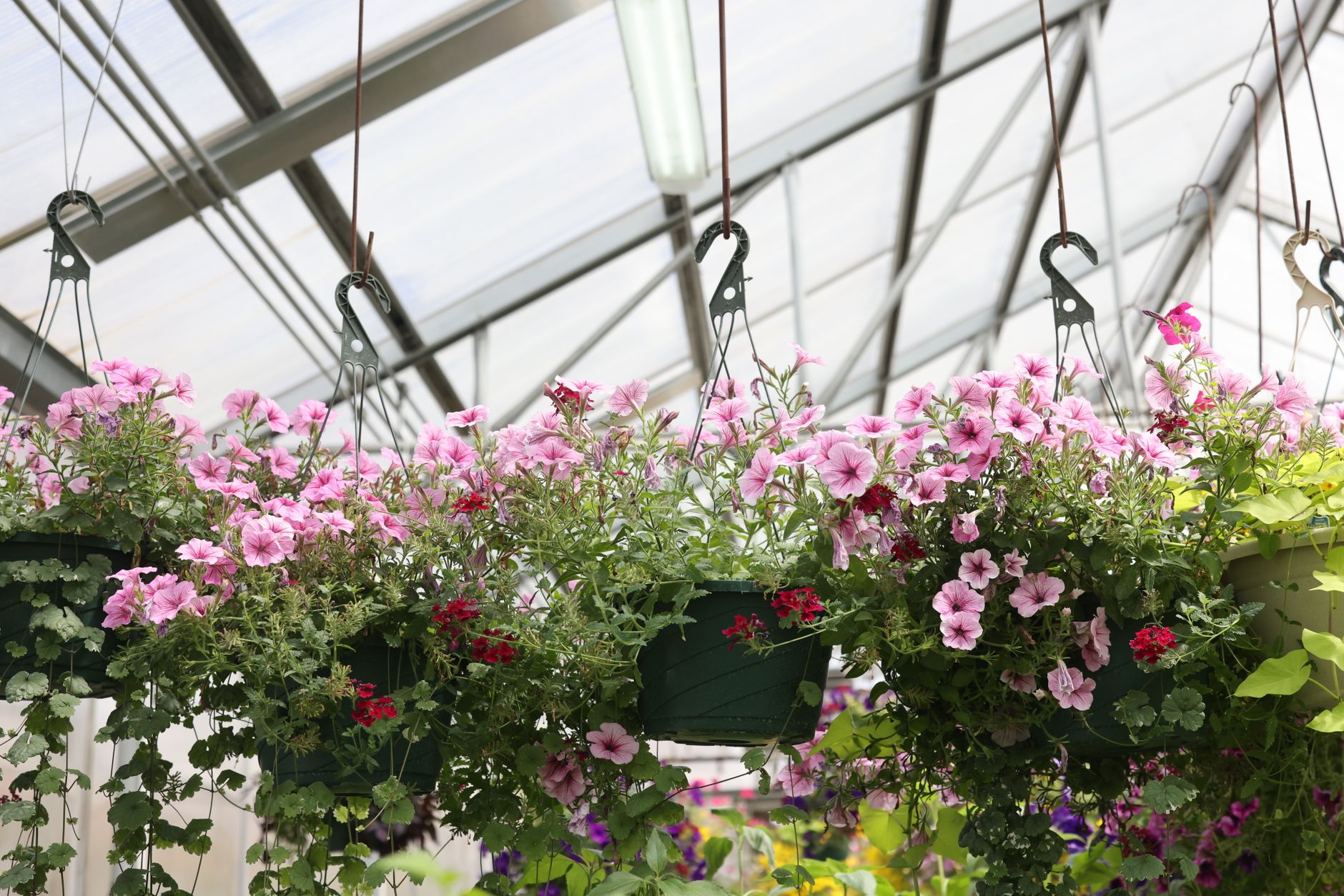
Unlock the Secret to Stunning UK Hanging Baskets: The Power of Strategic Pinching
Let's be honest, we all want those show-stopping hanging baskets, don't we? The ones that spill over with a riot of colour, a continuous cascade of blooms from late spring right through our often-damp British summer and into autumn. For years, when I first swapped my IT screen for a trowel five years ago here in the UK, my baskets were… well, they were fine. They bloomed, yes, but often they'd be a bit leggy, with flowers concentrated at the ends, leaving the centre sparse and gangly. I’d look at the garden centre displays, then back at my own, and wonder what magic I was missing.
I grow a lot in my 800 sq ft Midlands garden – from heirloom tomatoes in the greenhouse to a packed array of raised beds – but hanging baskets always felt like a particular challenge. The British weather, bless its unpredictable heart, never helps. One year it’s a baking heatwave, the next it’s non-stop drizzle, and both can make your plants either bolt or sulk. I experimented with different feeds, watering schedules, even talking to my plants (don't judge, we all do it!). But the real game-changer, the secret weapon I discovered through countless trials and a few spectacular failures in my own garden, was strategic pinching.
It sounds simple, almost too simple, doesn't it? Just snipping off a bit of your plant. But trust me, this isn't just a casual trim; it's a calculated, deliberate act of horticultural wizardry that coaxes your Petunias, Fuchsias, and Impatiens into becoming the lush, full, bloom-laden beauties you dream of. I've learned this the hard way, through over five seasons of growing hundreds of plants from tiny seedlings right here in the variable UK climate. This article isn't just theory; it's born from the mud-under-the-fingernails experience of a fellow UK gardener who’s obsessed with finding what truly works. Let's dive into how you can cultivate those envy-inducing hanging baskets, packed with continuous central blooms, right here in Britain.
The Science of Bushiness: Understanding Apical Dominance and Why Pinching Works
Alright, before we start snipping away, let’s quickly talk a bit of plant science. Don't worry, it's not as dry as my old IT manuals! Understanding why pinching works makes you a much more effective gardener, rather than just blindly following instructions. It all comes down to something called apical dominance.
Think of your plant's main stem, the very top growing point. This is called the 'apical meristem', and it's the boss. It produces a hormone called auxin, which basically tells all the side shoots further down the stem to 'chill out' and not grow too much. This is why, if left to their own devices, many plants – especially the ones we love for hanging baskets like petunias – will shoot upwards or outwards in a long, single stem, putting all their energy into that one dominant leader. You get leggy growth, and fewer flowers because the plant isn't branching out efficiently.
When you pinch that apical meristem – that top growing tip – you’re essentially removing the 'boss'. With the source of that growth-inhibiting hormone gone, the side buds (known as 'lateral buds') below the pinch point suddenly get the signal to spring into action. They start to grow, developing into new stems. Instead of one long stem, you now have two, three, or even more new branches. More branches mean more potential sites for flowers, and a much bushier, fuller plant.
I've seen this play out time and time again in my own greenhouse. I remember one season I was so busy with a particularly tricky batch of 'Shirley' tomatoes that I neglected to pinch a tray of 'Surfinia Purple Wave' petunias. The difference between those and the ones I did pinch was astounding. The unpinched ones were tall and spindly with sparse blooms, while the pinched ones were dense, rounded mounds of purple. It's a clear, observable effect, and once you understand the science, you can apply it strategically to get the best out of your plants, even when our British weather tries to throw a spanner in the works.
First Pinch Fundamentals: Guiding Your Seedlings and Young Plants to Fuller Growth
The very first pinch is arguably the most important, as it sets the stage for your plant's entire growth habit. It's about guiding your young plants from a youthful, often leggy, start towards a future of lush, branched glory. I’ve learned through trial and error in my own UK garden that timing and technique are crucial here.
When I start my petunias and impatiens from seed in the greenhouse, usually around March, they'll often grow quite quickly, stretching for the light. For fuchsias, I often buy young plants, but the principle remains the same. The goal for this initial pinch is to encourage branching early, building a strong, bushy foundation before the plant wastes too much energy on vertical growth that we'll just have to cut back later.
I usually look for young plants that have developed at least 3-4 sets of true leaves (not the tiny 'seed leaves' or cotyledons). They should look sturdy, not flimsy. For me, here in the Midlands, this is typically late April to early May, just before they're ready to really put on growth and head towards their final hanging basket homes.
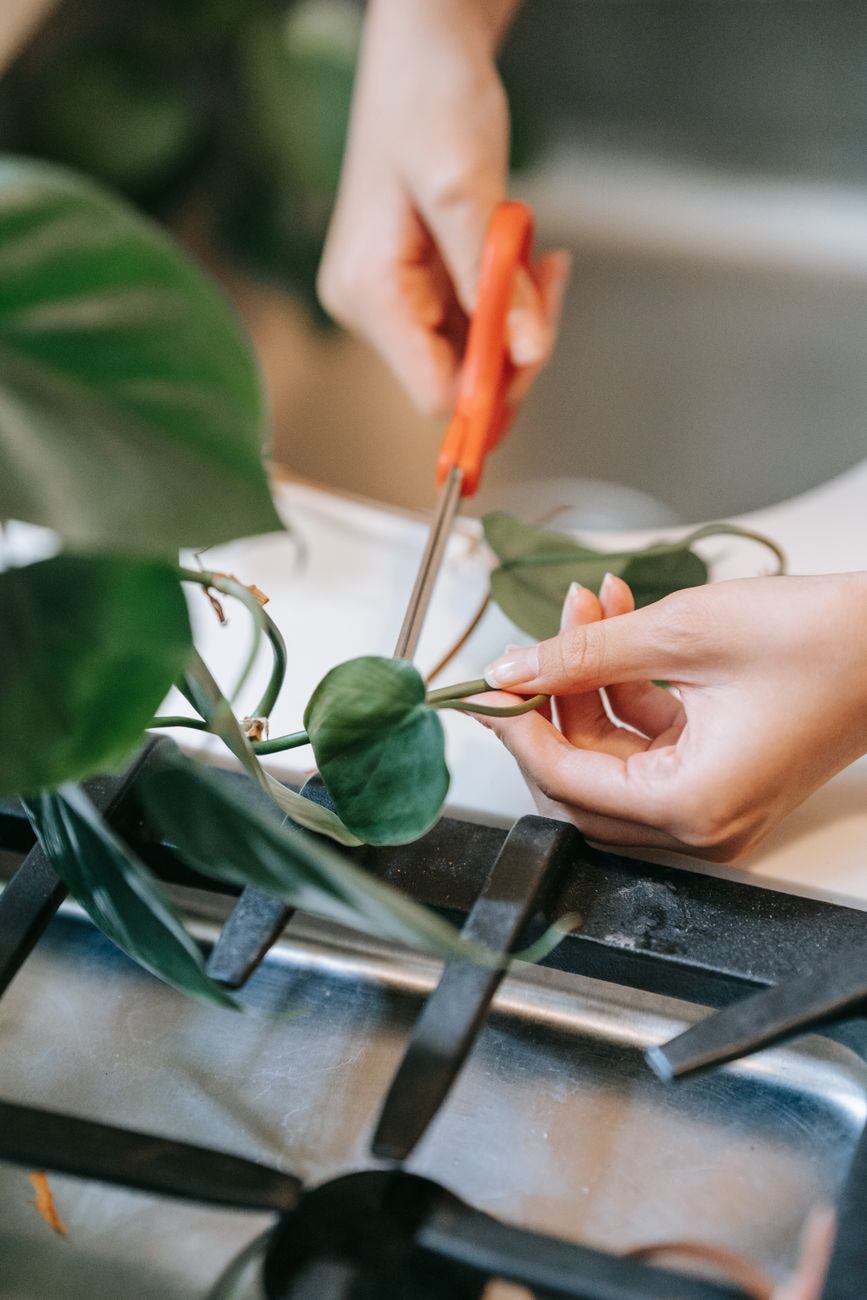
To perform the first pinch, simply use your thumb and forefinger, or a clean, sharp pair of snips (I keep a small pair of sterilised snips handy for this), to carefully remove the very tip of the main stem. You're aiming to take off about 1-2cm, just above a set of leaves or a leaf node. Don't be shy! It feels a bit brutal at first, like you're hurting your precious plant, but trust me, it's for their own good. I used to be too timid, just taking off the very tip of the tip, and honestly, the results weren't as dramatic. A slightly more decisive pinch yields far better branching.
The plant will pause its upward growth for a few days, channelling its energy into those lateral buds. Within a week or two, you'll start to see those side shoots developing, and your plant will visibly begin to bush out. This is a critical step, especially with our often-short UK summers; we want maximum bushiness and bloom potential from the get-go.
Here's a quick comparison of what you can expect with and without this initial pinch:
| Feature | Plant Pinched Early (Randy's Method) | Plant Not Pinched |
|---|---|---|
| Initial Growth Habit | Develops multiple strong side branches quickly. | Tends to grow one dominant main stem, often leggy. |
| Plant Shape | Bushy, compact, well-rounded, excellent for central blooms. | Tall, spindly, open centre, often top-heavy. |
| Flower Production | More numerous flowers distributed evenly across the plant; continuous bloom potential. | Fewer flowers, primarily at the end of long stems; 'gappy' appearance. |
| Wind Resistance (UK) | Stronger, more stable structure, less prone to snapping in British gusts. | Weaker, more vulnerable to wind damage, especially when heavy with rain. |
| Overall Vigor | Healthier, more robust plant with better light penetration to inner leaves. | Can become stressed trying to support long stems; lower light to lower leaves. |
| Time to First Bloom | May be delayed by a week or two, but subsequent flowering is much heavier and sustained. | May bloom slightly earlier, but quickly becomes straggly, with fewer overall blooms through the season. |
Plant-Specific Precision: Pinching Techniques for Petunias, Fuchsias, and Impatiens
While the general principle of pinching remains the same, each plant has its own growth habit and therefore responds best to slightly nuanced techniques. I've spent seasons observing how 'Surfinia' petunias react differently to a snip than, say, a trailing 'Swingtime' fuchsia in my Midlands garden, and here's what I've learned about getting the best out of these popular hanging basket stars under British skies.
Petunias (e.g., 'Surfinia', 'Tumbelina', 'Cascadias')
Petunias are incredibly vigorous growers, and they absolutely thrive on regular pinching. After that initial pinch when they're young, I continue to pinch them regularly, usually every 2-3 weeks, especially for those incredibly fast-growing trailing varieties.
- How I Pinch: I look for any stem that's starting to get too long, or where the flowers are concentrated only at the very tip. I follow that stem back to a leaf node or a branch junction and snip it just above that point. I aim to remove about 1/3 to 1/2 of the stem's length, or simply any leggy growth. Don't be afraid to take off some flowers if needed; it's a short-term sacrifice for long-term gain.
- When to Pinch: Beyond the initial pinch, I make it part of my regular basket maintenance. Every time I deadhead, I'll also look for stems that need pinching. If we have a particularly wet or dull spell, petunias can get especially leggy, so I'll be more aggressive with pinching to keep them compact and encourage continuous blooming once the sun reappears.
- Randy's Tip: For a mid-summer refresh (usually around late July here), if my petunias are looking tired and sparse in the middle, I'll give them a hard 'haircut', cutting back about half of their growth. It feels drastic, but combined with a good liquid feed, they'll bounce back with renewed vigour for a stunning autumn display.
Fuchsias (e.g., 'Swingtime', 'Dark Eyes', 'Pink Martini')
Fuchsias have a more woody stem structure than petunias and impatiens, and their growth habit can be a bit more upright before they start trailing. They need a slightly gentler, more considered approach.
- How I Pinch: For young fuchsia plants, I'll remove the tip of any main stem when it reaches about 10-15cm (4-6 inches) in length, just above a set of leaves. For established plants, I'm looking for stems that are growing too long or crossing others. I pinch back to an outward-facing bud or a leaf node to encourage an open, airy structure that trails beautifully and allows good air circulation – crucial in our damp UK climate to prevent fungal issues.
- When to Pinch: I start pinching fuchsias when they're young, usually around late April/early May, and continue until about 6-8 weeks before I want them to be in full bloom. This allows the new branches time to develop and set flowers. After that, I'll mostly just deadhead and remove any spent flowers, unless a stem is getting truly unruly.
- Randy's Tip: When pinching fuchsias, always look for an outward-facing leaf node. This ensures the new growth will grow outwards, contributing to that lovely trailing basket effect, rather than inwards and getting crowded.
Impatiens (e.g., New Guinea Impatiens, 'Beacon' series)
Impatiens are generally quite bushy plants by nature, but they still benefit significantly from early pinching to maximise their bloom potential and prevent them from getting too leggy later in the season.
- How I Pinch: Similar to petunias, I pinch the very tip of the main stem and any emerging side shoots once the plant has developed 3-4 sets of true leaves. I take off about 1-2cm, just above a leaf node. For established plants, I focus on any stems that appear to be stretching or becoming too dominant.
- When to Pinch: The initial pinch is most important for impatiens. After that, they usually do a good job of branching on their own. I'll continue to do light pinching every 3-4 weeks if I notice any stems getting too long or if the plant starts to look a bit sparse in the middle. They respond well to this gentle encouragement.
- Randy's Tip: Impatiens are quite sensitive to cold, so make sure they are well past any risk of frost before you start stressing them with pinching. Here in the Midlands, I usually wait until mid-May, even if they've been in the greenhouse, before I consider any major outdoor work on them.
Here's a detailed comparison of these three basket favourites:
| Feature | Petunias (e.g., 'Surfinia') | Fuchsias (e.g., 'Swingtime') | Impatiens (e.g., New Guinea) |
|---|---|---|---|
| Initial Pinch (Timing) | When young plants have 3-4 true leaf sets (late April/early May). | When main stems reach 10-15cm (4-6 inches) (late April/early May). | When young plants have 3-4 true leaf sets (mid-May, post-frost). |
| Initial Pinch (Method) | Remove 1-2cm of main stem tip, above a node. | Remove 1-2cm of main stem tip, above an outward-facing node. | Remove 1-2cm of main stem tip, above a node. |
| Ongoing Pinching Freq. | Every 2-3 weeks, especially for leggy growth. | Until 6-8 weeks before desired bloom time; then mostly deadhead. | Every 3-4 weeks if leggy, but generally less frequent. |
| Ongoing Pinching (Method) | Snip back leggy stems by 1/3 to 1/2 to a leaf node. | Pinch back to an outward-facing leaf node or branch junction. | Snip back any stretching stems to a leaf node. |
| Purpose of Pinching | Maximize bloom count, prevent legginess, encourage bushiness. | Encourage trailing habit, bushiness, open structure, air flow. | Promote denser foliage, more flowers, prevent sparse centres. |
| Mid-Season Rejuvenation | Benefit from a hard 'haircut' in late July for an autumn flush. | Less aggressive, focus on removing spent flowers and light shaping. | Generally don't need a hard cut; consistent light pinching suffices. |
| Randy's UK Note | Fast growers, so regular attention is key, especially after rain. | Can be susceptible to botrytis in damp conditions; open structure helps. | Frost sensitive, ensure warmth before pinching or planting out. |
Maintaining the Bloom: Mid-Season Pinching for Continuous Flowers and Compact Shape
Alright, so you've done the foundational work, you've guided your seedlings, and your baskets are starting to fill out beautifully. But the job isn't done! Here in my 800 sq ft Midlands garden, I've learned that truly stunning hanging baskets, the kind that keep going strong right through to the first frosts, require ongoing attention. This is where mid-season pinching comes in – it’s about maintaining that lush, central bloom and compact shape, rather than letting your plants get leggy and tired.
The principle is the same as the initial pinching, but the timing and focus shift a bit. Once your Petunias, Fuchsias, and Impatiens are actively flowering and have started to trail, you’ll notice certain stems pushing out further than others, or areas where the blooms are starting to thin out. This is your cue. For Petunias, particularly the vigorous trailing types like 'Surfinia' or 'Tumbelina', I find myself doing a light trim every 2-3 weeks during peak summer. I’m looking for any stems that have outgrown the general shape of the basket, or those that have gone to seed, which usually means a small green seed pod forming behind the faded flower. Snip these stems back to a healthy leaf node, roughly a third of the way down the stem. This redirects the plant's energy from seed production back into producing more flowers and side shoots. I remember one sweltering August a few years back – rare for us Brits, I know! – my 'Crazytunia Mandeville' basket started looking a bit sparse in the middle. A good mid-season pinch and a heavy feed revived it beautifully for a second flush.
For Fuchsias, especially the trailing varieties like 'Swingtime' or 'Annabel', it’s often about deadheading and a gentle pinch. As the flowers fade, carefully remove them. But if you see a stem getting too long and spindly, with fewer flower buds, don't hesitate to pinch it back to encourage branching. I usually do this with my greenhouse fuchsias too, making sure they stay bushy for a longer display. Impatiens, particularly the New Guinea types, are generally quite good at self-cleaning, but if a stem looks weak or has stopped flowering, a quick pinch will encourage a bushier habit. I find this less frequent for Impatiens, perhaps every 3-4 weeks, but it's still worth checking. The goal is to keep that dense, rounded shape and ensure the central growth remains vibrant, preventing all the action from happening only at the very ends of the trails.
Beyond the Snip: Complementary Care for Thriving Baskets (Watering, Feeding & UK Weather)
Pinching is only half the battle, trust me! You can snip and shape all you like, but if your baskets aren't getting the right supporting act, they'll never reach their full potential. I learned this the hard way when I first transitioned from growing primarily veg in my raised beds to trying my hand at ornamental displays. I thought "a plant's a plant," but hanging baskets have unique demands, especially with our wonderfully unpredictable British weather.
Watering: The Daily Dance with the Drizzle
Hanging baskets dry out incredibly quickly, much faster than plants in the ground or even in larger pots. They’re exposed to wind on all sides, and many of our classic basket plants are real thirst-quenchers. In my experience here in the Midlands, during a warm, dry spell (yes, they do happen occasionally!), a hanging basket can need watering twice a day. I usually check them first thing in the morning and then again in the early evening.
How do I know if they need water? I usually lift the basket slightly – if it feels light, it's time for a drink. Or, I stick a finger deep into the compost; if it feels dry an inch or two down, get the watering can out. One mistake I made early on was just giving them a quick splash from the top. The water would run right off the dry surface or through the gaps. Now, I make sure to water slowly and thoroughly until water drips from the drainage holes. If I’m feeling particularly diligent, I’ll even stand them in a bucket of water for 15-20 minutes once a week to ensure the compost is fully rehydrated – crucial during a dry spell. During cooler, wetter periods, I obviously ease off, checking daily but only watering when truly needed to prevent waterlogging and root rot. That happened to a gorgeous 'Trailing Queen' Fuchsia one particularly soggy June!
Feeding: Fueling the Flower Factory
All that continuous blooming takes a tremendous amount of energy, and the limited amount of compost in a hanging basket won’t provide enough nutrients for an entire season. This is where regular feeding comes in. I always use a good quality slow-release fertiliser mixed into the compost when planting, but that only lasts so long. For continuous feeding, I opt for a high-potash (high 'K' number) liquid feed, which promotes flowering rather than leafy growth.
I typically start feeding about 3-4 weeks after planting, once the slow-release has started to dwinden and the plants are actively growing. For my Petunias, Fuchsias, and Impatiens, I feed them every 7-10 days with a half-strength solution. Overfeeding can be just as detrimental as underfeeding, leading to scorched roots or excessive leafy growth with fewer flowers. I learned this when I got a bit enthusiastic with some tomato feed (also high potash) on my petunias one year – they looked a bit yellow and sad for a while! It’s all about consistency and moderation.
UK Weather Woes: Battling the Elements
Our British weather is a proper mixed bag, isn't it? One day it's glorious sunshine, the next it's a blustery downpour. Hanging baskets are particularly vulnerable to strong winds, which can snap delicate stems and dry out compost in a flash. If I know high winds are coming, I'll often take my baskets down and place them in a sheltered spot, close to the house or in my greenhouse, until the worst has passed. Heavy rain can also flatten delicate blooms, especially petunias, so a sheltered spot under an overhang can be a lifesaver.
Temperature fluctuations are also a thing. While these plants love warmth, a sudden cold snap, even in late spring or early autumn, can check their growth. I always keep an eye on the forecast and if it's looking chilly overnight, I'll move them to my greenhouse or a covered patio. It’s a bit of extra faff, but it saves them from a shock.
Here’s a quick comparison of essential care points I follow in my UK garden:
| Care Aspect | Petunias (e.g., 'Surfinia', 'Tumbelina') | Fuchsias (e.g., 'Swingtime', 'Annabel') | Impatiens (e.g., New Guinea, Busy Lizzie) | Randy's UK Garden Tip |
|---|---|---|---|---|
| Watering | High demand. Daily, sometimes twice in dry/hot UK weather. Avoid overhead watering. | Moderate to high demand. Daily in summer, less in cool, damp periods. Keep moist. | High demand. Daily, particularly in warmer spells. Dislike drying out completely. | Always check compost weight/finger test. During a proper heatwave, soak in a bucket! |
| Feeding | High-potash liquid feed every 7-10 days. | High-potash liquid feed every 10-14 days. | Balanced or high-potash liquid feed every 7-10 days. | Start 3-4 weeks after planting. Half-strength solution is often best to avoid burn. |
| Pinching | Aggressive initial pinch, then mid-season deadhead & trim leggy stems. | Initial pinch, deadhead spent flowers, pinch spindly stems mid-season. | Initial pinch, less frequent mid-season unless leggy/sparse. | Don't be shy! A good snip encourages bushiness and more flowers, even if it feels harsh. |
| UK Weather | Shelter from heavy rain & wind. Can recover from light showers. | Protect from strong winds. Can be sensitive to cold snaps (move indoors if needed). | Shelter from strong wind and direct, intense sun (especially Busy Lizzies). | Always check the forecast! Move baskets to a sheltered spot or greenhouse if storms are brewing. |
| Sunlight | Full sun (6+ hours). | Partial shade to full sun (avoid scorching midday sun). | Partial shade to full shade (New Guinea tolerates more sun). | Petunias thrive in full sun here, but Impatiens can get scorched if not protected. |
![IMAGE_PLACEER_2: Randy's thriving hanging baskets in his UK Midlands garden]
Enjoy Your Bountiful Baskets: A Season of Continuous Central Blooms
And there you have it, folks! The secret recipe for cultivating those truly lush, full hanging baskets that don't just trail from the edges but burst with continuous blooms right from their heart. It’s a journey, not a sprint, and it's one I've absolutely loved exploring in my own UK garden over the past five years. From those first tentative snips on a tiny Petunia seedling to the satisfying ritual of mid-season deadheading, every step plays a crucial role.
I still remember the first season I really committed to strategic pinching. My 'Million Bells' Calibrachoa basket, which usually petered out by late August, just kept going and going, an explosion of vibrant orange and yellow right into October. It was a revelation, showing me just how much control we have over our plants' performance with a bit of understanding and a keen eye.
What I've learned, through countless experiments and a few glorious failures (like that year I overfed my Fuchsias and got all leaf, no flower!), is that gardening, especially here with our unique British climate, is all about observing, adapting, and being proactive. Don't be afraid to get your hands dirty, to make that first snip, or to experiment with different feeding schedules. Your plants will tell you what they need, you just need to learn to listen.
By embracing strategic pinching, coupled with attentive watering and feeding, you're not just growing plants; you're nurturing a continuous display of central blooms that will be the envy of your street. So, go on, get out there, grab your snips, and transform those baskets from leggy stragglers into magnificent floral spectacles. I can’t wait to see your results! Happy gardening!