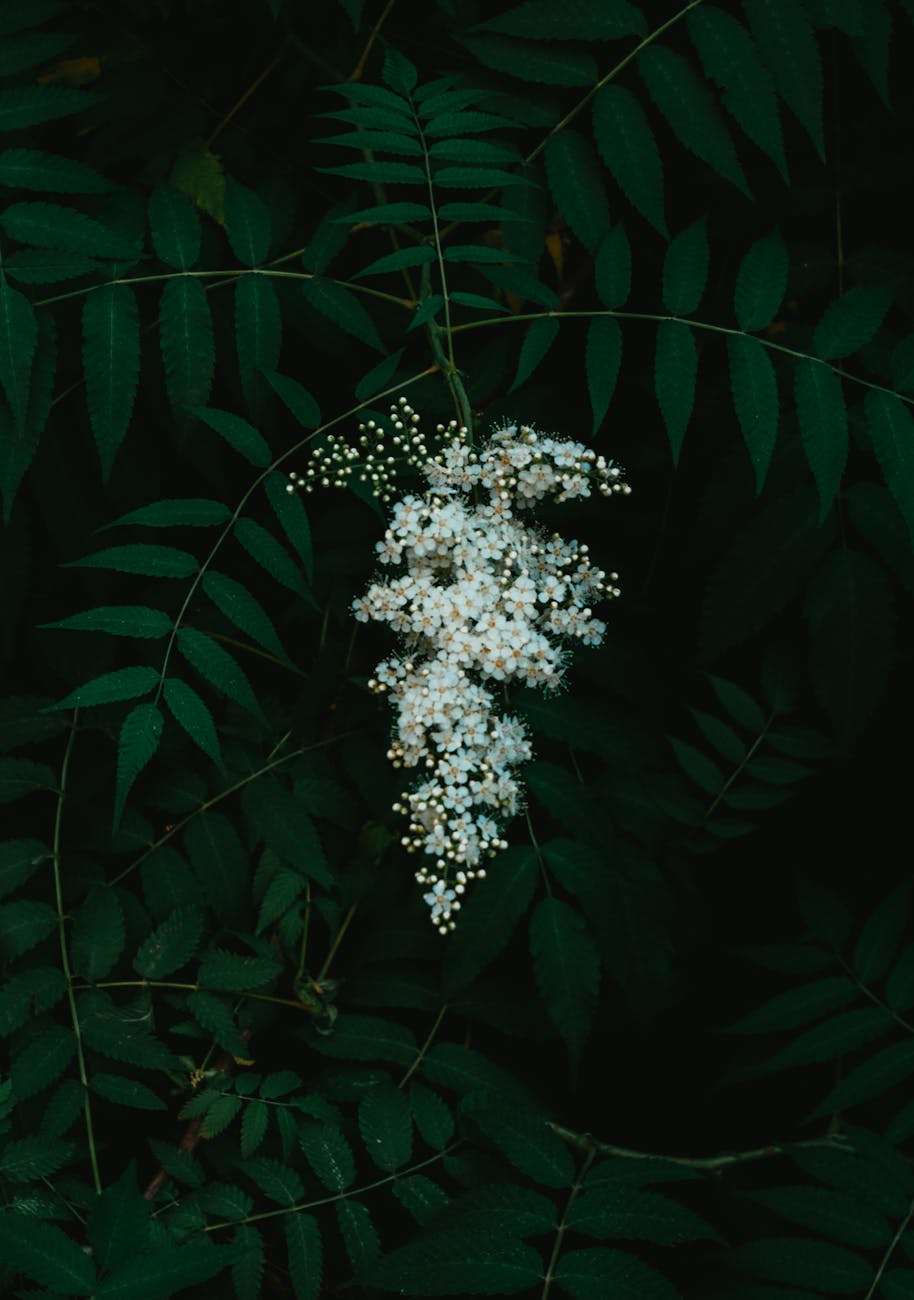
Unlock Continuous Blooms: Why Deadheading is Essential for Your UK Garden
When I first traded my IT screen for a trowel five years ago, diving headfirst into the glorious mess of gardening, I was obsessed with getting as much as possible from my plants here in the UK Midlands. I mean, who isn't? We wait through those long, often grey British winters, dreaming of colour and bounty. And then, when summer finally arrives – sometimes in a glorious burst, sometimes in a series of drizzly lukewarm days – we want it to last! That's where deadheading comes in, and trust me, it’s far more than just tidying up. It's a game-changer for non-stop blooms.
I used to think deadheading was just for aesthetics, a way to keep things looking neat. My first year, I diligently snipped off the spent heads of my 'Gertrude Jekyll' roses, but I wasn't really understanding the 'why'. Then, I noticed how some plants, like my calendula in the raised beds, would suddenly stop flowering altogether if I let them go to seed. That was my lightbulb moment. Deadheading, at its heart, is about tricking your plant. A plant's primary goal is to reproduce, to set seed. By removing those spent flowers before they can form seeds, you're essentially telling the plant, "Nope, not done yet! Keep making more flowers!" This redirection of energy, from seed production back into flowering, is what gives us those incredible, extended displays right through our often-too-short UK growing season. It's also vital for preventing fungal diseases, like botrytis, that can take hold in damp, spent blooms, especially with our unpredictable British weather.
Essential Tools & Hygiene: Preparing for Successful Deadheading
As a former IT worker, I've always appreciated the right tool for the job – and keeping it clean! Gardening is no different. You wouldn't try to debug code with a hammer, and you shouldn't deadhead with blunt, dirty tools. It's not just about making the job easier; it's about protecting your plants from disease, a real concern in our often-damp UK climate.
For most of my deadheading tasks in my 800 sq ft Midlands garden, I rely on a trusty pair of bypass secateurs. Bypass blades make a clean, scissor-like cut, which is crucial for living plant tissue. Anvil secateurs, while great for woody stems, can crush softer stems, leaving an open wound that's an invitation for pests and diseases. I've found that a good quality pair, kept sharp, makes all the difference. I also keep a pair of sharp snips for more delicate flowers or for getting into tight spots.

Now, for the hygiene bit: this is non-negotiable. I sterilise my tools regularly. Why? Imagine you're pruning a rose with a touch of black spot, then you move onto a healthy dahlia. Without sterilising, you've just given that disease a free ride! I learned this the hard way one particularly wet summer when a fungal issue spread through my greenhouse tomatoes faster than I could type. A quick wipe down with rubbing alcohol between plants, or at least between different plant types, is a simple step that can save you a world of heartache. You can also use a diluted bleach solution (1 part bleach to 9 parts water), but always rinse thoroughly afterwards. A kneeling pad and some decent gloves (especially for those thorny roses!) are also invaluable additions to my deadheading kit.
Precision Snips: Deadheading Single-Stem Flowers for Maximum Impact (e.g., Roses, Peonies, Dahlias)
For flowers that produce individual blooms on distinct stems, precision is key. We're not just lopping off the spent head; we're making a strategic cut to encourage the plant to produce a new stem, and therefore, a new flower. This is where my IT background loves to kick in – it's all about logical steps and predictable outcomes!
Roses: My 'Gertrude Jekyll' and 'Abraham Darby' roses from David Austin are stars in my UK garden, and deadheading is essential to keep them flushing. Once a bloom fades and the petals start to drop, forming a small hip, I trace the stem down to the first outward-facing leaf that has five leaflets (not the smaller three-leaflet leaves near the bloom). I then make a clean cut just above this leaf node, at a 45-degree angle. This encourages a strong new stem to grow outwards, improving air circulation – which is vital for preventing fungal issues like black spot in our damp British climate – and leads to more beautiful blooms. My first year, I was timid and just snipped the heads, and the subsequent flushes were weak. The second year, with this precise method, the difference was astounding, even with our often-grey Midlands summers.
Peonies: These magnificent blooms are often short-lived, especially if a sudden downpour hits them at their peak, which, let's face it, is a common occurrence here in the UK. Once the petals of my 'Sarah Bernhardt' peonies have fallen and the seed pod starts to form, I cut the stem down to a strong, healthy leaf. If the plant is finished flowering for the season, I'll cut the stem lower down to redirect all energy back into the roots for an even more spectacular display next year. This also tidies the plant and helps prevent fungal diseases from setting in on decaying plant material.
Dahlias: Oh, my beloved dahlias! These are the absolute showstoppers in my raised beds from mid-summer right up until the first frosts here in the Midlands. Deadheading is a daily ritual for me. The trick with dahlias like my 'Café au Lait' or 'Karma Naomi' is distinguishing between a spent bloom and a developing bud. Spent dahlia flowers usually look pointed or conical at the back, feel soft, and the petals are fading or falling. New buds, however, are typically rounder and firmer. Once I've identified a spent bloom, I follow its stem down to a side shoot or a main stem junction and make my cut there. This constant removal of spent flowers ensures my dahlias keep pumping out those incredible blooms, often well into October if we get a mild autumn, truly maximising their impact.
Here’s a quick guide for these single-stem beauties:
| Flower Type | Identify Spent Bloom | Where to Cut | Why This Method Works (UK Context) to Ensure Non-Stop Blooms", let's make sure the introduction grabs them immediately. It needs to feel personal, relatable, and instantly connect with the British gardening experience.
Unlock Continuous Blooms: Why Deadheading is Essential for Your UK Garden
Right, let's be honest. As UK gardeners, we put in the graft. We battle the slugs, we curse the sudden downpours, and we celebrate those rare, glorious bursts of sunshine. After all that effort, when our plants finally decide to show off, we want that spectacle to last, don't we? We don't want a fleeting moment of beauty, we want a season-long carnival! That's precisely why deadheading isn't just some fussy chore; it's an absolute non-negotiable for ensuring non-stop blooms in your British garden.
When I first traded my IT screen for a trowel five years ago, diving headfirst into the glorious mess of gardening here in the Midlands, I was obsessed with getting as much as possible from my plants. I'd heard whispers about "deadheading" but, if I’m honest, I thought it was mostly about making things look tidy. My first year, I diligently snipped off the spent heads of my 'Gertrude Jekyll' roses, but I wasn't really understanding the 'why'. Then, I noticed something crucial: some plants, like my calendula in the raised beds, would suddenly stop flowering altogether if I just let them go to seed. And my sweet peas? They’d put on a magnificent show, then peter out. That was my lightbulb moment.
Deadheading, at its heart, is about tricking your plant. A plant's primary goal in life is to reproduce, to set seed and ensure the next generation. By carefully removing those spent flowers before they have a chance to form seeds, you're essentially sending a message: "Nope, not done yet! Keep making more flowers!" This redirection of energy, from seed production back into producing more glorious blooms, is what gives us those incredible, extended displays right through our often-too-short UK growing season. It's also absolutely vital for maintaining plant health, especially here in Britain. Spent, decaying flowers can become soggy breeding grounds for fungal diseases like botrytis, which can spread quickly in our damp, humid conditions. So, deadheading isn't just about more flowers; it's about a healthier, happier, and much more vibrant garden.
Essential Tools & Hygiene: Preparing for Successful Deadheading
As a former IT worker, I’ve always appreciated the right tool for the job – and keeping it impeccably clean! Gardening is no different. You wouldn’t try to debug complex code with a blunt instrument, and you certainly shouldn't deadhead your precious plants with dull, dirty tools. It's not just about making the job easier on your hands; it's about protecting your plants from disease, a very real and constant concern in our often-damp UK climate.
For the vast majority of my deadheading tasks across my 800 sq ft Midlands garden, I rely on a trusty pair of bypass secateurs. These are my go-to because their scissor-like action makes a clean, precise cut through living plant tissue. Anvil secateurs, while fantastic for woody, dead stems, tend to crush softer green stems, leaving an open, ragged wound that's an invitation for pests and diseases to take hold. I've found that investing in a good quality pair, and making sure I keep them razor-sharp, makes all the difference to both the plant's recovery and my own efficiency. I also keep a pair of smaller, sharp snips for more delicate flowers or for getting into really tight, congested spots.
Now, for the hygiene bit: this is non-negotiable. I make sure to sterilise my tools regularly. Why is this so crucial? Imagine you're pruning a rose that's showing early signs of black spot – a common adversary in UK rose gardens – and then you move directly to a perfectly healthy dahlia. Without sterilising, you've just given that disease a free ride to a new host! I learned this the hard way one particularly wet summer when a fungal issue spread through my greenhouse tomatoes faster than I could type an error message. A quick wipe down with rubbing alcohol or a weak bleach solution (1 part bleach to 9 parts water, always rinse afterwards!) between plants, or at the very least between different plant types, is a simple step that can save you a world of heartache and protect your entire garden. A comfortable kneeling pad and some decent, thorn-proof gloves (especially when wrestling with those beautiful but prickly roses!) are also invaluable additions to my deadheading kit, making the whole process much more enjoyable.
Precision Snips: Deadheading Single-Stem Flowers for Maximum Impact (e.g., Roses, Peonies, Dahlias)
When it comes to flowers that produce individual, distinct blooms on their own stems, precision is absolutely paramount. We're not just mindlessly lopping off the spent head; we're making a calculated, strategic cut designed to encourage the plant to produce a brand-new stem, and with it, another glorious flower. This is where my former IT brain loves to kick in – it’s all about logical steps and aiming for predictable, bountiful outcomes!
Roses: My 'Gertrude Jekyll' and 'Abraham Darby' roses from David Austin are absolute stars in my UK garden, and precise deadheading is utterly essential to keep them flushing with those incredible, fragrant blooms. Once a flower has faded, its petals are dropping, and you can see the beginnings of a small, green hip forming (the future seed pod), I carefully trace that stem downwards. My aim is to find the first strong, outward-facing leaf that has five leaflets – not the smaller, often three-leaflet leaves you might see closer to the bloom. I then make a clean, sharp cut just above this chosen leaf node, ensuring it's at a 45-degree angle. This seemingly small detail is powerful: it encourages a robust new stem to grow outwards from that node, which not only gives you more flowers but also improves crucial air circulation within the plant. Better air circulation is vital for preventing common fungal issues like black spot, especially in our frequently damp British climate. In my first year of gardening, I was far too timid, just snipping off the heads, and the subsequent flushes were weak and disappointing. The second year, armed with this precise method, the difference was astounding – even with our notoriously unpredictable Midlands summers, I got so many more magnificent blooms.
Peonies: These magnificent, blousy blooms are often tragically short-lived, especially if a sudden, heavy downpour decides to hit them just as they reach their peak – a scenario all too familiar here in the UK. Once the luxurious petals of my 'Sarah Bernhardt' peonies have fallen and you see the characteristic seed pod starting to form, I make my move. I cut the entire flower stem down to a strong, healthy leaf. If the plant is truly finished flowering for the entire season (which often happens quickly for peonies), I might even cut the stem lower down, closer to the ground. This strategy ensures the plant redirects all its precious energy back into developing its roots and building strength for an even more spectacular display the following year. It also does wonders for tidying up the plant, preventing any unsightly, decaying flower heads from becoming a breeding ground for fungal diseases, which can thrive in wet, still conditions.
Dahlias: Oh, my beloved dahlias! These are the undisputed showstoppers in my raised beds, providing an incredible burst of colour from mid-summer right up until the first hard frosts here in the Midlands. Deadheading them is an almost daily ritual for me, and it’s critical for keeping that flower factory going. The real trick with dahlias, particularly varieties like my 'Café au Lait' or 'Karma Naomi', is learning to distinguish between a spent bloom and a developing bud. A spent dahlia flower will typically look pointed or conical at the back, feel soft and papery, and its petals will be faded or falling. New buds, in contrast, are usually much rounder, firmer to the touch, and often have a more vibrant, healthy colour. Once I've confidently identified a spent bloom, I follow its stem down to where it meets a side shoot or a main stem junction, and I make my clean cut there. This consistent, almost aggressive removal of spent flowers is what forces my dahlias to keep pumping out those incredible, vibrant blooms, often well into October if we're lucky enough to get a mild autumn, truly maximising their impact and giving me a fantastic, long season of colour.
Here’s a quick, handy guide for these single-stem beauties:
| Flower Type | Identify Spent Bloom | Where to Cut | Why This Method Works (UK Context)
5. Pinch & Prune: Keeping Bushy Annuals Thriving All Summer Long
Now, let's talk about the real workhorses of the summer garden – those glorious, bushy annuals that just keep giving. I'm thinking of the riotous colours of petunias spilling from my hanging baskets, the cheerful faces of marigolds lining my raised veg beds, and the vibrant impatiens brightening up those shadier spots. These plants, unlike our more structured single-stem or clustered beauties, thrive on a slightly different approach: the good old pinch and prune.
When I first started gardening five years ago, I used to let my petunias do their own thing. By mid-July, after a few good British downpours and some scorching sun, they'd invariably become leggy, sparse, and a bit sad-looking, with most of the blooms only at the very ends. I'd wonder why my neighbours' baskets looked so much fuller. That's when I learned the magic of pinching.
Pinching back bushy annuals isn't just about removing spent flowers; it's about shaping the plant and encouraging it to produce more branches and, crucially, more blooms. It’s a bit like giving them a haircut to encourage a fuller, bushier style.
Here's how I tackle it in my 800 sq ft Midlands garden:
- The Technique: Instead of just snipping off individual spent flowers, you're looking to remove the entire growing tip of a stem. I usually use my thumb and forefinger to pinch off the soft new growth right above a leaf node, or a small, clean pair of snips if the stem is a bit tougher. This removes the 'apical bud,' which is the main growing point.
- Why It Works: By removing that dominant growing tip, you're telling the plant to stop growing tall and instead put its energy into producing side shoots from the leaf nodes below. More side shoots mean more potential flower buds, resulting in a much bushier, more compact plant that's absolutely smothered in flowers.
- When to Do It: For annuals like Petunias (especially the trailing Surfinia varieties I adore), Marigolds ('Bonanza' is a favourite for its robust nature), and Impatiens, I start pinching them back even before they've properly started flowering, when they're still young plants. This sets them up for success. After that, I make it part of my regular watering routine – every week or two, I'll give them a quick once-over, pinching off any spent flowers and any leggy stems that are starting to stretch out.
- Petunias: These are the classic example. Many modern varieties are 'self-cleaning' to some extent, meaning their spent flowers shrivel away. But even these benefit immensely from a good pinch. I look for any long, straggly stems that have flowered out. I trace them back to a healthy leaf node lower down and pinch just above that. This keeps the plant dense and prevents that dreaded 'bald patch' in the middle of your hanging basket.
- Marigolds: For the smaller French marigolds, I’ll often just run my fingers over them, pinching off the spent heads and any lanky growth. With the larger African marigolds, a more deliberate snip can encourage fantastic branching.
- Impatiens: These can get quite leggy if left unchecked, especially in shadier, humid spots. A regular pinch keeps them compact and vibrant.
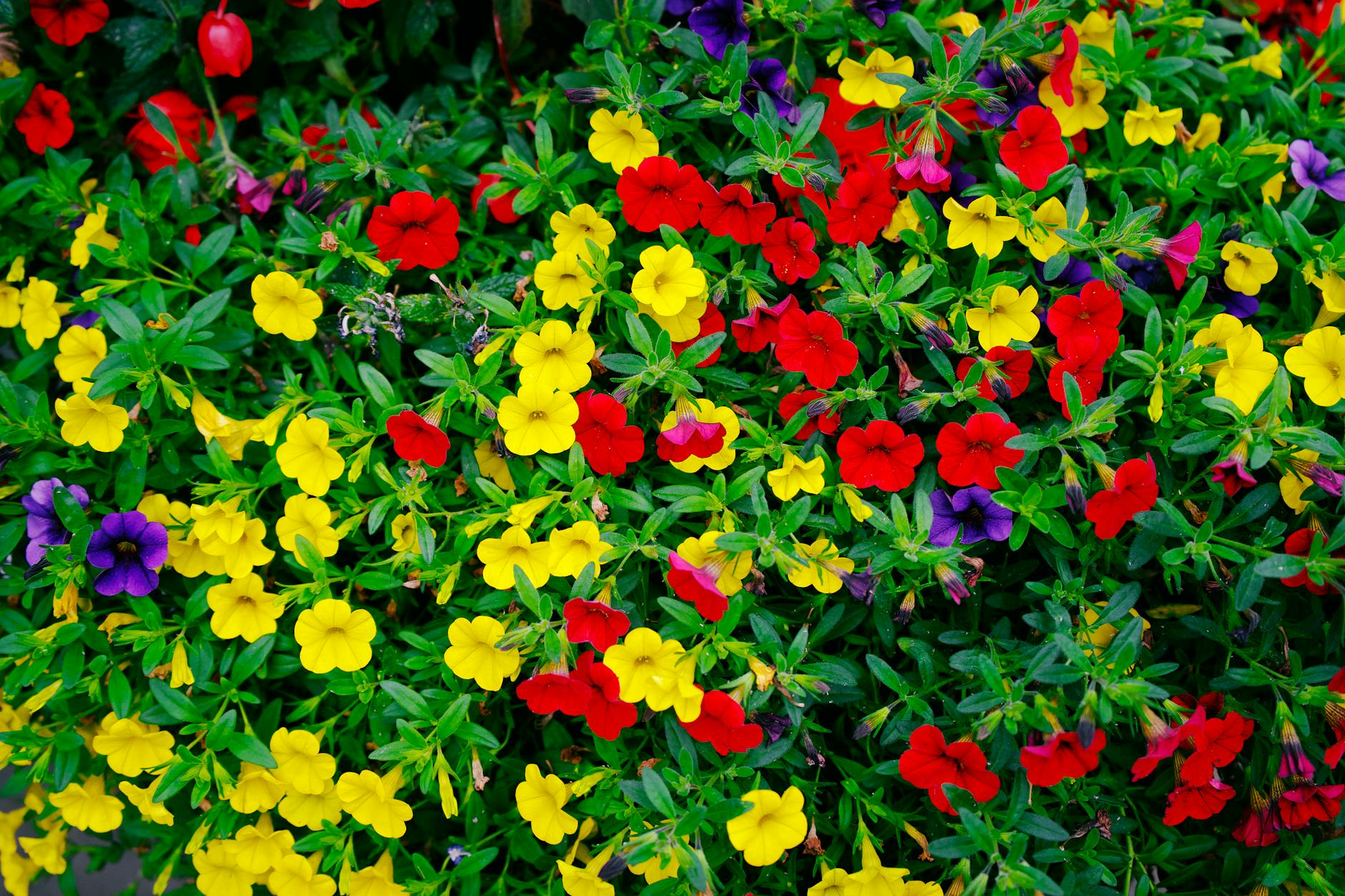
This simple act of pinching not only encourages more blooms but also helps the plant maintain a tidier, more attractive shape, which is especially important for container displays that are on show all summer long in my small garden. I've learned that consistency is key here; a little bit often is far better than one big chop late in the season.
6. Avoid the Pitfalls: When Not to Deadhead and Advanced Bloom Boosters for UK Climates
While deadheading is a fantastic tool in our gardening arsenal, it's not a one-size-fits-all solution. There are definitely times when I put my snips down, and knowing when to hold back is just as important as knowing when to prune. I've made mistakes here myself, getting a bit too snip-happy in my early days!
When Not to Deadhead:
- For Ornamental Seed Heads or Hips: Some plants are grown specifically for their beautiful seed heads or hips, which provide fantastic winter interest and food for wildlife. My Rosa rugosa 'Fru Dagmar Hastrup' is a perfect example; I let it go to seed every year to produce those glorious red hips that the birds absolutely adore, and they look stunning against a frosty backdrop. Similarly, I leave plants like Teasels or Love-in-a-Mist (Nigella) to develop their architectural seed pods.
- If You Want to Collect Seeds: If you're like me and enjoy the thrill of seed saving – maybe from a particularly stunning Calendula 'Indian Prince' or a unique Cosmos that performed brilliantly – then you absolutely need to let some flowers go to seed. I always designate a few of the best blooms on my chosen plants and let them mature fully. Just remember to mark them so you don't accidentally deadhead!
- Plants That Don't Re-bloom: Some plants are single-flush bloomers. Many spring bulbs, for example, once their flowers fade, won't produce any more that season, and deadheading them is purely for tidiness. The same goes for some specific varieties of Irises or certain ornamental grasses. Deadheading them won't magically conjure up more flowers, so it's often more effort than it's worth.
- Self-Seeding for Next Year: If you want certain annuals to self-seed and pop up naturally next spring – a wonderfully lazy way to garden, I might add – then leave a few flower heads on. I often do this with my Calendula, Poppies, and Forget-Me-Nots. It's a joy to see them appear year after year without any effort on my part.
Advanced Bloom Boosters for UK Climates:
Beyond deadheading, there are several other strategies I employ to keep my UK garden blooming vigorously, especially considering our often-unpredictable British weather.
- Strategic Feeding: Deadheading encourages plants to make more flowers, and making flowers takes energy! I've found that a regular feeding regime with a high-potash liquid feed (like a good tomato food) is crucial for heavy bloomers. For my greenhouse heirloom tomatoes and my patio containers packed with Dahlias and Petunias, I give them a diluted feed weekly, especially once they start flowering. This replaces nutrients washed away by our frequent summer rain and fuels continuous production.
- Consistent Watering, Mindful of UK Damp: While my raised beds generally hold moisture well, my containers can dry out incredibly fast, even in a cooler spell. Consistent watering is vital for flower production – a thirsty plant puts energy into survival, not blooming. However, with our humid UK summers, I'm always mindful not to overwater, especially for plants prone to fungal issues like powdery mildew. Good drainage is non-negotiable in my pots.
- Optimising Sunlight: Even in the UK, sunlight is gold. I've learned that placing plants in their ideal sun exposure can make a massive difference to bloom quantity. My sun-loving Dahlias and Rudbeckias are in the brightest, south-facing spots, while my Impatiens and Fuchsias enjoy the dappled shade of the fence line. Don't underestimate how much a few extra hours of direct sun (when we get it!) can boost flower power here in the Midlands.
- Soil Health is Bloom Health: This is fundamental. My raised beds are packed with homemade compost and well-rotted manure, providing a slow-release feast for my plants. Healthy soil full of organic matter improves drainage, retains moisture, and provides essential nutrients, all of which contribute to strong, floriferous plants. A good mulch also helps regulate soil temperature and moisture.
- Pest and Disease Vigilance: A plant under attack by aphids or battling powdery mildew isn't going to be putting its best energy into blooming. Regular inspection and early intervention are key. I use organic sprays or just good old soapy water for pests, and ensure good air circulation to minimise fungal problems, which are common in our damp climate. A healthy plant is a happy, productive plant.
By combining meticulous deadheading with these advanced boosters, I've seen my 800 sq ft garden burst with colour from late spring right through to the first frosts, even when the British weather throws its worst at us.
7. Your UK Garden, Blooming Non-Stop: A Summary of Deadheading Success
So there we have it, fellow gardeners! We've journeyed through the wonderful world of deadheading, demystifying the techniques that can truly transform your UK garden into a non-stop floral display. From the delicate precision needed for single-stemmed beauties like my beloved Roses and Dahlias, ensuring their majestic blooms keep coming, to the strategic shearing that rejuvenates the clustered glory of Hydrangeas and Lavender, prompting flush after glorious flush. And let's not forget the crucial pinching and pruning of our bushy annuals like Petunias and Marigolds, turning them from leggy stragglers into vibrant, overflowing fountains of colour.
When I first started gardening here in the UK five years ago, deadheading felt like just another chore on the seemingly endless list. But I've learned, through trial and error in my 800 sq ft Midlands garden, that it's far more than that. It's a conversation with your plants, a gentle nudge that encourages them to fulfil their full potential, regardless of whether we're having a glorious summer or a typical damp British one.
By understanding why we deadhead – to prevent seed production, to redirect energy, and to maintain plant vigour – we empower ourselves to extend the blooming season, improve plant health, and create a truly stunning visual feast. I've seen first-hand how a little regular attention with my snips can mean weeks, sometimes months, of extra flowers, transforming my raised beds and greenhouse from pretty to absolutely spectacular.
Remember, it's not about perfection; it's about observation and action. Get out there, examine your plants, and see what they need. Don't be afraid to make a snip – I've certainly made a few wrong cuts over the years, but plants are surprisingly forgiving! What works here in Britain, with our unique climate challenges, is often a blend of tried-and-tested techniques and a willingness to adapt.
So, grab your favourite snips, put on your gardening gloves, and step into your garden with confidence. You now have the knowledge and the practical techniques to ensure your plants are blooming non-stop, bringing joy and beauty to your outdoor space all summer long. Here's to a vibrant, flourishing UK garden filled with continuous colour and life!
What are your favourite plants to deadhead? Have you discovered any unique tips that work brilliantly in your British garden? Share your experiences in the comments below – I'd love to hear them!