When I first swapped my keyboard for a spade five years ago, diving headfirst into the wonderful world of UK gardening, I remember standing in the garden centre aisle, utterly baffled. Bags and bottles of fertiliser, each emblazoned with a mysterious trio of numbers like 5-10-5 or 20-20-20, looked like some ancient code. My brain, accustomed to debugging software, found itself utterly stumped by these seemingly simple labels. What did they even mean? And more importantly, which one was right for my fledgling 'Moneymaker' tomatoes or my struggling 'Little Gem' lettuces here in my 800 sq ft Midlands patch?
Trust me, I've been there. The desire to give your plants the best, to coax incredible yields from our often-temperamental British climate, is strong. But blindly grabbing any old feed can do more harm than good. I've learned this the hard way through countless experiments, some glorious successes, and a fair few humbling failures in my own raised beds and greenhouse. It’s not just about throwing some feed at your plants; it’s about giving them exactly what they need, precisely when they need it, especially when you're battling everything from late frosts to torrential summer downpours.
This article is for every UK home gardener who's felt that same confusion. We're going to decode those intimidating fertilizer labels together. We'll break down the essential NPK numbers, explore the pros and cons of organic versus synthetic feeds, and even look at different release types. My goal is to equip you with the knowledge I've painstakingly gathered over the years, so you can confidently choose the right nutrition for your specific plants and truly unlock their potential, no matter what our British weather throws at us. Let's dig in!
Decoding NPK: Nitrogen, Phosphorus, and Potassium's Role in Plant Health
Those three numbers you see on every fertilizer label – the NPK ratio – represent the percentage by weight of Nitrogen (N), Phosphorus (P), and Potassium (K) in the product. These aren't just arbitrary figures; they're the three macronutrients plants need in the largest quantities to thrive. Think of them as the fundamental building blocks, each playing a crucial, distinct role in plant growth and health. Understanding these roles has been one of the biggest breakthroughs in my own gardening journey, transforming guesswork into informed decisions.
Nitrogen (N): The Green Growth Engine
Nitrogen is all about lush, leafy growth. It’s a key component of chlorophyll, the pigment responsible for photosynthesis, and essential for forming proteins. If you're looking for vibrant green foliage, strong stems, and rapid vegetative growth, nitrogen is your best friend. In my UK garden, my 'Cavolo Nero' kale absolutely thrives on a good nitrogen boost early on, producing those deep green, crinkly leaves I love. The same goes for my 'Salad Bowl' lettuces and 'Brussels Sprout' plants in the raised beds; a decent hit of nitrogen gets them off to a flying start after a sometimes-chilly British spring.
However, I've learned that too much of a good thing can be detrimental. One year, I got a bit overzealous with a high-nitrogen feed for my greenhouse 'Sungold' tomatoes. They grew into enormous, leafy monsters, but produced very few fruits. It's a classic mistake: excessive nitrogen can lead to soft, sappy growth that's more susceptible to pests and diseases, and it can inhibit flowering and fruiting. Finding that balance is key, especially here in the Midlands where we want every plant to perform optimally during our often-short growing season.
Phosphorus (P): The Root and Bloom Booster
Phosphorus is the unsung hero for strong root development, healthy flowering, and robust fruiting. It's vital for energy transfer within the plant, helping with cell division and the overall maturation process. For my root crops, like the 'Autumn King 2' carrots I sow directly into my deep raised beds, phosphorus is non-negotiable for developing strong, deep roots. It's also crucial for my heirloom tomatoes like 'Costoluto Fiorentino' and 'Black Krim' in the greenhouse, ensuring good flower formation and fruit set.
A deficiency in phosphorus can manifest as stunted growth, purplish leaves (especially on the undersides), and poor flowering or fruiting. I've seen this in my 'Charlotte' potatoes grown in large potato sacks when I didn't amend the compost properly – weak plants and very few tubers. Getting that phosphorus into the soil, particularly in our cooler UK springs, gives plants the foundational strength they need to power through the season.
Potassium (K): The All-Round Plant Health Champion
Potassium, often referred to as potash, is like the plant's immune system and general manager. It plays a role in almost every aspect of plant health, from water regulation and nutrient transport to strengthening cell walls and enhancing disease resistance. For my greenhouse tomatoes, like the 'Brandywine' variety I adore, sufficient potassium helps them cope with our often-damp British summers, making them more resilient to fungal issues and improving the flavour and shelf life of the fruit. My runner beans ('Scarlet Emperor') also benefit immensely from potassium, helping them produce abundant, healthy pods and stand up to sudden changes in weather.
Plants with adequate potassium are generally hardier, better able to withstand stress from drought, frost, and pests. A lack of potassium can show up as yellowing or browning along the leaf margins, weak stems, and poor fruit development. I learned this when my 'Swift' sweetcorn plants looked a bit lacklustre one year after a particularly wet spell, making them less robust against the strong Midlands winds. A good potassium boost made a noticeable difference to their resilience and cob development.

Choosing the Right NPK Ratio for Leafy Greens, Flowers, Fruits, and Roots
This is where understanding NPK really starts to pay dividends in a UK garden. Just as a growing child needs different nutrients than a teenager, your plants have varying requirements depending on their growth stage and what you want them to produce. I've learned that a 'one-size-fits-all' approach just doesn't cut it, especially when you're trying to get the best out of your 'Sungold' tomatoes after a dodgy spring or encourage plump 'Charlotte' potatoes.
For Leafy Greens and Young Plants: High Nitrogen
When you want lush foliage, whether it's for your 'Spinach Matador', 'Pak Choi', or hungry brassicas like 'Romanesco' cauliflower, a fertilizer with a higher nitrogen ratio is ideal. This is especially true in the early stages of growth when plants are busy developing their green architecture. For my raised beds full of 'Salad Bowl' lettuce or newly transplanted 'Brussels Sprout' plants, I lean towards something like a 3-1-1 or even a 2-1-1 NPK. This gives them the kick they need to establish quickly and put on vigorous leaf growth. I'll often use a general-purpose balanced feed for young seedlings, but once they're established and I know I'm aiming for leaves, I'll switch to a higher N feed.
For Flowering and Fruiting Plants: Balanced to Higher P and K
Once your plants start to set flowers and develop fruit, their nutritional needs shift dramatically. They still need some nitrogen, but the demand for phosphorus and potassium skyrockets. This is particularly crucial for my greenhouse tomatoes, chillies, and peppers here in the Midlands, where we want to maximise fruit production during our relatively short growing season. For varieties like my 'Marmande' tomatoes or 'Hungarian Hot Wax' chillies, once they start setting fruit, I switch to a feed with much higher P and K, something like a 1-2-2 or even a 1-3-2. This encourages strong flower development, better fruit set, and enhances flavour and quality. The same applies to my runner beans and strawberries; a potassium-rich feed helps them produce abundantly.
For Root Crops: Balanced to Higher P and K
Much like fruiting plants, root crops such as carrots, parsnips, radishes, and potatoes benefit greatly from higher phosphorus and potassium levels. Phosphorus supports the development of robust root systems, while potassium contributes to overall root health, size, and flavour. For my 'Charlotte' potatoes, which I grow in large potato sacks, getting that phosphorus into the soil is critical for tuber development. I find a balanced feed like a 1-1-1 or a slightly P/K-heavy one like a 1-2-2 works wonders for achieving those satisfying harvests of root vegetables in my UK garden.
Here’s a quick guide based on my own experience in the UK:
| Plant Type | Primary Need | Ideal NPK Range (General) | Randy's UK Garden Example | Randy's Tip for UK Conditions |
|---|---|---|---|---|
| Leafy Greens | Lush foliage, rapid growth | High N (e.g., 2-1-1, 3-1-1) | Lettuce, Kale, Spinach, Cabbage, Chard | Apply early in the season, especially after a cold spring. Don't overdo it on brassicas. |
| Flowers | Abundant blooms, vibrancy | Balanced or higher P/K (e.g., 1-2-1, 1-3-2) | Ornamentals, Sweet Peas, Nasturtiums (for flowers) | Start feeding as buds form. Crucial for getting good displays in our often-wet summers. |
| Fruits | Flower set, fruit development, flavour | Higher P/K (e.g., 1-2-2, 1-3-2) | Tomatoes, Chillies, Courgettes, Beans, Strawberries | Switch from high N once flowers appear. Essential for maximising yields in our short season. |
| Roots | Tuber/root development, flavour | Balanced or higher P/K (e.g., 1-1-2, 1-2-2) | Carrots, Potatoes, Parsnips, Radishes | Work into the soil before planting. P is vital for early root establishment. |
Organic vs. Synthetic: Which Fertilizer is Best for Your Garden and the Environment?
This is a question I get asked a lot by fellow gardeners here in the UK, and it's one I've grappled with quite a bit over my five years in the garden. When I first started, coming from an IT background, I just wanted efficiency and results. Synthetic fertilizers seemed like the obvious choice. But as I learned more about soil health and the delicate ecosystem of my 800 sq ft patch, my perspective began to shift. There's no single "best" answer; it really depends on your goals, your specific plants, and your personal gardening philosophy.
Organic Fertilizers: Nurturing Soil Life
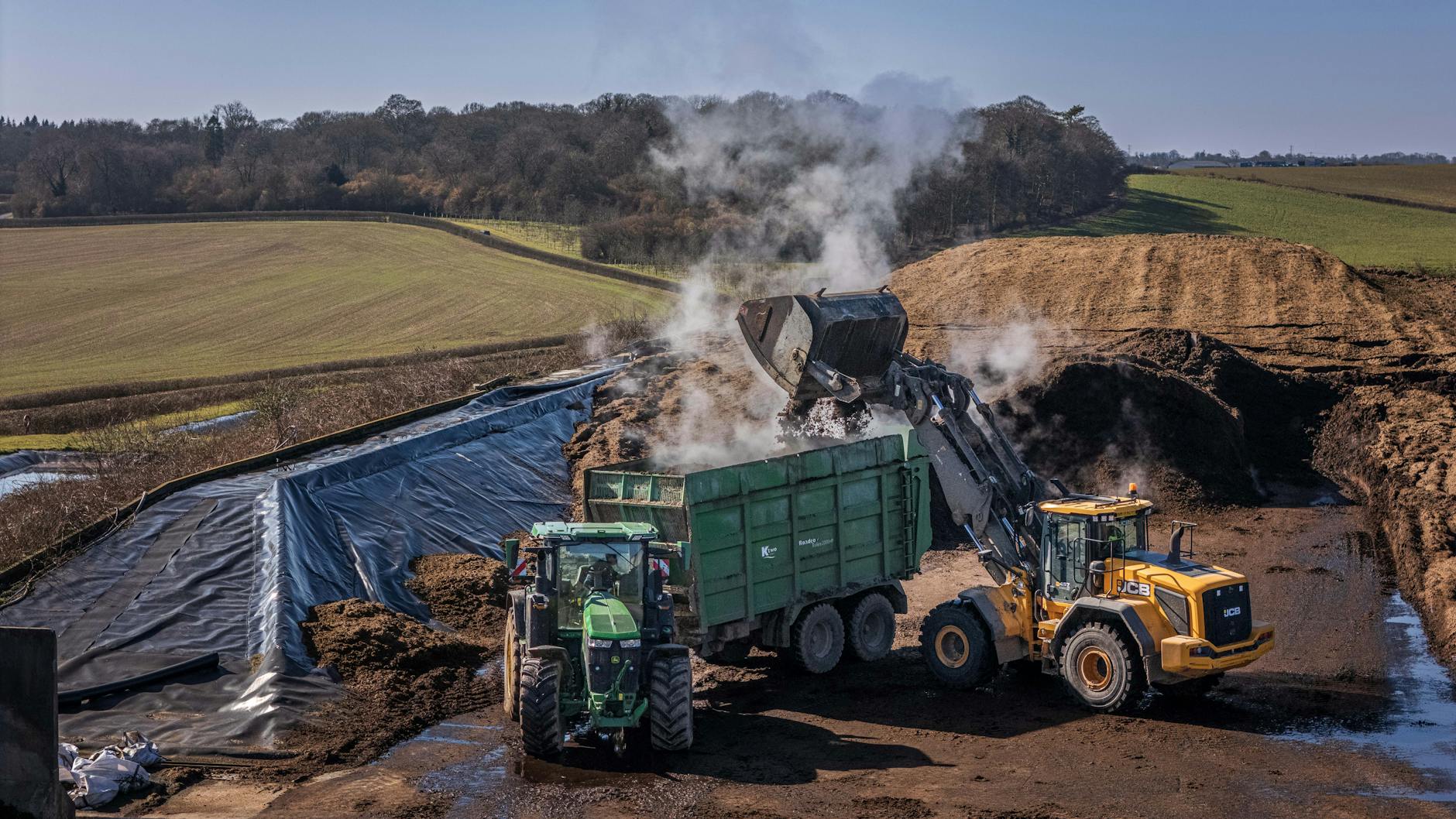
Organic fertilizers are derived from naturally occurring materials – think compost, well-rotted animal manures, bone meal, blood meal, seaweed, or worm castings. What I love about them, and what has become a cornerstone of my gardening practice, is that they don't just feed the plant; they feed the soil. Here in the Midlands, with our diverse soil types, building healthy, living soil has been key to my success. When you add organic matter, you're encouraging a thriving population of beneficial microbes, fungi, and earthworms, which in turn break down nutrients into forms plants can readily absorb.
I'm a big advocate for building healthy soil, and that's where organic fertilisers really shine in my UK garden. For my raised beds, I layer in plenty of well-rotted horse manure from a local farmer every autumn, along with my homemade compost. This slow-release approach means the nutrients become available gradually, reducing the risk of over-fertilization and creating a more stable growing environment. I've seen the difference firsthand in my soil structure and the resilience of my plants against our variable British weather. My 'Cherokee Purple' tomatoes in the greenhouse, for example, absolutely flourish in soil enriched with organic matter, producing fruits with incredible flavour and disease resistance.
The downside? They're often slower-acting, can have lower NPK ratios (so you might need more volume), and some, like fish emulsion, can be a bit... aromatic. They can also be more expensive upfront, though I see it as an investment in long-term soil health.
Synthetic Fertilizers: Quick Fixes and Precision
Synthetic, or chemical, fertilizers are manufactured using refined ingredients to create specific nutrient ratios. Their main advantage is their immediate availability to plants and their precise NPK ratios. If a plant is showing a quick deficiency, or if I need a rapid boost for my greenhouse tomatoes early in the season to get them going after a particularly cold spring, a dilute synthetic feed can be incredibly effective. They're easy to measure, readily available, and often more concentrated, meaning you need less product.
However, I've also learned about their drawbacks the hard way. One year, I definitely overdid it with a synthetic feed on my courgettes, leading to 'burnt' leaves after a sudden downpour washed the concentrated nutrients directly into the roots. Synthetic fertilizers don't contribute to soil structure or feed beneficial microbes. In fact, overuse can harm these vital soil organisms, leading to a dependency on constant chemical inputs. They're also prone to leaching, meaning nutrients can wash away with rain, potentially impacting waterways – something I'm very conscious of here in the UK.
For my 'Early Purple Sprouting Broccoli', which sometimes looks a bit yellow after a really wet spring, a quick dilute synthetic feed can give it the immediate kick it needs to recover. It's a tool in the toolbox, but one I use with caution and consideration for its impact.
Ultimately, it's about finding what works best for your patch of Britain. I tend to use a hybrid approach: building my soil with organic matter for long-term health, and occasionally supplementing with targeted synthetic feeds for specific deficiencies or quick boosts when needed.
Here’s a comparison table based on my UK gardening experience:
| Feature | Organic Fertilizers | Synthetic Fertilizers | Randy's UK Garden Takeaway |
|---|---|---|---|
| Source | Natural materials (manure, compost, bone meal, etc.) | Manufactured chemical compounds | I prioritise organic sources for my raised beds and general soil health, often using local horse manure for my 'Charlotte' potatoes. |
| Release Rate | Slow-release, gradual nutrient availability | Fast-acting, immediate nutrient availability | Organics are great for sustained growth, especially through our sometimes-long, damp UK summers. Synthetics are good for a quick boost to my 'Sungold' tomatoes if they look pale after a cold spell. |
| Soil Health | Improves soil structure, feeds microbes, enhances tilth | No direct benefit to soil structure or microbial life | Organic matter is non-negotiable for my 800 sq ft Midlands garden. It builds resilience against our unpredictable British weather and is vital for my 'Cherokee Purple' tomatoes. |
| Environmental | Generally eco-friendly, sustainable | Potential for leaching, environmental impact | I prefer the sustainable aspect of organics. If I use synthetics, I'm very careful with application rates to minimise runoff, especially with our frequent rain. |
| NPK Precision | Variable, harder to get exact ratios | Precise, easy to control exact ratios | Organics are more forgiving. Synthetics offer precise control for specific deficiencies, like a quick nitrogen hit for my 'Cavolo Nero' kale. |
| Cost | Can be more expensive per unit of NPK, but often DIY (compost) | Generally cheaper per unit of NPK, readily available | My homemade compost and free local manure save money long-term. Purchased organic feeds can be pricier, but I see it as an investment. Synthetics are good for a budget-friendly quick fix if I need it for my 'Marmande' tomatoes. |
| Application | Can be bulky, sometimes smelly, requires decomposition | Easy to apply, clean, readily soluble | I'm used to the bulk and smell of organics now! Synthetics are convenient for liquid feeds, especially in the greenhouse for my 'Hungarian Hot Wax' chillies. |
5. Quick Boost vs. Slow & Steady: Choosing the Right Fertilizer Release Type
Right then, we’ve talked NPK ratios and whether you're team organic or synthetic. But there’s another crucial layer to consider: how quickly does that lovely plant food get to your plants? We’re talking about fertilizer release types – a quick boost or a slow, steady drip-feed. This really matters in a UK garden, where our weather can be as predictable as a toddler with a paint pot.
Fast-Release Fertilizers: The Sprinters of the Garden
These are your liquid feeds, soluble powders, or quick-dissolving granules. They’re designed to deliver nutrients almost immediately, which can be a real lifesaver. I use fast-release feeds for a few key situations in my Midlands garden. For instance, my greenhouse tomatoes, especially my beloved 'Black Krim' and 'Cherokee Purple' heirlooms, get a weekly liquid tomato feed (usually a high potassium NPK like 2-2-4) once they start setting fruit. It’s like giving them an energy drink to push those big, juicy fruits along. I also reach for a liquid seaweed extract as a quick pick-me-up for any plant looking a bit sorry for itself – maybe a brassica struggling after a late spring cold snap, or newly transplanted seedlings needing a gentle nudge. The downside? These nutrients can leach out quickly, especially if we get one of our infamous British downpours shortly after you’ve applied it, meaning you need to apply more frequently.
Slow-Release Fertilizers: The Marathon Runners
On the flip side, we have slow-release fertilizers. These are often granular and might be coated in a resin, or they’re naturally slow-breaking-down organic materials like bone meal, blood meal, or pelleted chicken manure. They break down over weeks or even months, gradually releasing nutrients into the soil. I absolutely swear by these for my raised beds. When I'm setting up a bed for heavy feeders like potatoes ('Charlotte' is a favourite) or my hungry brassicas, I'll mix in a generous amount of pelleted chicken manure or a general-purpose slow-release granular feed before planting. It gives the plants a steady diet without me having to remember to feed them every week – perfect for when life gets busy, or when I'm just enjoying a cuppa! For container plants, especially things like my patio chillies or potted herbs that I want to thrive all season, I'll often incorporate a slow-release granular feed into the potting mix. This minimises the risk of nutrient burn from over-feeding and helps maintain consistent growth, which is brilliant for our often-unpredictable British summers.
The choice really comes down to your plant's immediate needs and your gardening style. A blend of both often works best – a good base of slow-release at planting, with fast-release boosts for specific growth stages or struggling plants.
6. Practical Tips for Applying Fertilizers Safely and Effectively in Your UK Garden
So, you’ve picked your perfect fertilizer. Now what? Applying it correctly is just as important as choosing the right one. Trust me, I’ve made my fair share of mistakes over the years here in the Midlands – from scorching seedlings to washing away expensive feed with an over-enthusiastic watering can. Here are my hard-won tips for getting it right:
- Read the Label, Every Time: This might sound obvious, but it’s the most critical step. Every fertilizer is different. The label tells you the NPK, the application rate (how much), the frequency (how often), and any specific warnings. I once thought "a bit extra can't hurt" with a new tomato feed and nearly crisped a young 'Sungold' plant. Lesson learned: labels are your garden’s instruction manual!
- Dilution is Key for Liquids: If you’re using a concentrated liquid feed, always dilute it according to the manufacturer’s instructions. Using it neat or too strong is a surefire way to cause nutrient burn, where the salts in the fertilizer draw water out of the plant's roots. I use an old milk bottle with a marked measuring line for my regular liquid feeds – makes it super easy to get the dilution right for my greenhouse tomatoes.
- Water Before, Water After (Granular Feeds): When applying granular or powdered fertilizers, make sure the soil is already moist. This helps prevent root burn and allows the nutrients to start dissolving and becoming available to the plant. Always water thoroughly immediately after applying granular feeds. This washes the fertilizer off the leaves and into the soil where it can do its job. I learned this the hard way when some granular feed sat on my lettuce leaves and caused unsightly brown spots after a hot spell.
- Timing Matters for UK Conditions: Don't feed a dormant plant; they can't use the nutrients. Fertilize when plants are actively growing, usually from spring through late summer here in the UK. For my brassicas, I’ll give them a top-dressing of nitrogen-rich feed a few weeks after planting and again when they're bulking up. Tomatoes get their high-potassium feed once flowers appear. Knowing your plant's growth cycle and our British seasons is vital.
- Don’t Overdo It: More fertilizer does not equal bigger plants. It often leads to unhealthy, leggy growth, susceptibility to pests and diseases, and environmental pollution from runoff. It's far better to under-fertilize slightly than to over-fertilize. If in doubt, start with a weaker solution or a smaller amount.
- Soil Testing Can Be Your Friend: While not strictly an application tip, knowing what your soil already has can prevent you from adding unnecessary nutrients. I finally sent off a soil sample a couple of years ago, and it really helped me fine-tune my feeding regime, especially for my new herb bed where the soil was surprisingly rich.
- Safety First: Always wear gloves when handling fertilizers, especially synthetic ones. Wash your hands thoroughly afterwards. Store fertilizers in their original containers, out of reach of children and pets, in a cool, dry place. My shed has a dedicated, locked cupboard for all my gardening chemicals and feeds.
By following these simple guidelines, you'll ensure your plants get exactly what they need, when they need it, without causing any harm – giving you a thriving, productive UK garden.
7. Empowering Your Garden: Key Takeaways for Smart Fertilizer Choices
Phew! We've covered a fair bit, haven't we? From the mysterious NPK numbers to the great organic vs. synthetic debate, and whether your plants need a sprint or a marathon of nutrients. Decoding fertilizer labels might have seemed daunting at first, but I hope you now feel a bit more confident, a bit more empowered, to make the right choices for your specific plants and your unique UK garden.
Here’s the absolute crux of it all, the main bits I want you to take away from our chat:
- Know Your NPK, Know Your Plant's Stage: Remember that N is for leafy growth, P for roots and flowers, and K for overall vigour and fruit production. Match the NPK ratio to what your plant is doing – high N for leafy greens, balanced for general growth, high K for fruiting plants like my beloved greenhouse tomatoes or my outdoor courgettes.
- Organic vs. Synthetic: A Personal Choice with Impact: Both have their place. Organic feeds nourish your soil and the microbes within it, leading to long-term health, which I'm a huge advocate for. Synthetics offer precise, fast-acting nutrition. Consider your gardening philosophy and environmental concerns, and remember you can absolutely use a combination – I certainly do!
- Release Type for Timely Nutrition: Fast-release for quick boosts and emergencies, slow-release for consistent feeding over longer periods, especially useful for our often-unpredictable British weather. Tailor your choice to the plant’s immediate needs and your feeding schedule.
- Your Soil is the Foundation: Fertilizer is a supplement, not a miracle cure. Focus on building healthy, living soil with plenty of organic matter first. Compost, mulches, and good soil structure will do more for your plants than any bag of feed ever could.
- Observe, Experiment, Learn: Gardening, especially here in the UK with our funny climate, is a continuous learning journey. What works perfectly for my 'Costoluto Genovese' tomatoes in my greenhouse might need tweaking for your outdoor 'Moneymaker' down the road. Pay attention to your plants. Do they look vibrant? Are they producing well? If not, adjust your approach. Don't be afraid to try different things – that's how I've learned most of my best tricks over the past five years!
Ultimately, smart fertilizer choices are about understanding your plants, understanding your soil, and understanding the labels. It's about being an observant gardener and knowing when to give your green friends that extra bit of TLC. So, go forth, armed with this knowledge, and make your UK garden the most vibrant, productive, and joyous space it can be. Happy growing, everyone!