Introduction: Unravelling the Green & Grey Mysteries on Your Trees
Walking through my 800 sq ft Midlands garden, especially after a good spell of British rain, I often find myself pausing to admire the intricate patterns of green and grey growth clinging to the trunks of my older fruit trees and the woody stems of my blackcurrant bushes. It’s a common sight here in the UK, isn't it? These fuzzy green carpets and crusty grey patches, mosses and lichens, are a staple of our damp, mild climate. For years, particularly when I first swapped my IT screen for a trowel five years ago, I used to worry about them. Were they harming my precious 'Reine Claude' plum or my vigorous 'Victoria' rhubarb? Were they a sign I was doing something wrong?
I've learned a lot since then, often through plenty of trial and error in my own backyard. What I've discovered is that these growths are rarely the villains we sometimes imagine them to be. More often than not, they're just harmless, even beneficial, houseguests. However, like any good garden detective, I’ve also come to realise that sometimes, a sudden explosion of moss or lichen can be a subtle whisper from your tree, hinting that it might be feeling a bit under the weather. My goal today is to share what I've learned from my own UK gardening journey – when these growths are perfectly natural, when they might be a signal to dig a little deeper, and whether you should even think about intervening with them organically. So, grab a cuppa, and let's decode these green and grey mysteries together!
Meet Your Garden's Tiny Tenants: Mosses vs. Lichens Explained
When I first started out, I lumped anything green and fuzzy on a tree trunk into one big category: "moss." I remember trying to identify a particularly vibrant green patch on the old 'Bramley' apple tree in my garden and getting totally confused when it didn't quite look like the moss I was used to seeing on the lawn. That's when I properly dug into the difference between mosses and lichens, and it was a real 'aha!' moment. Understanding these two distinct organisms is the first step to knowing what they're telling you about your garden here in Britain.
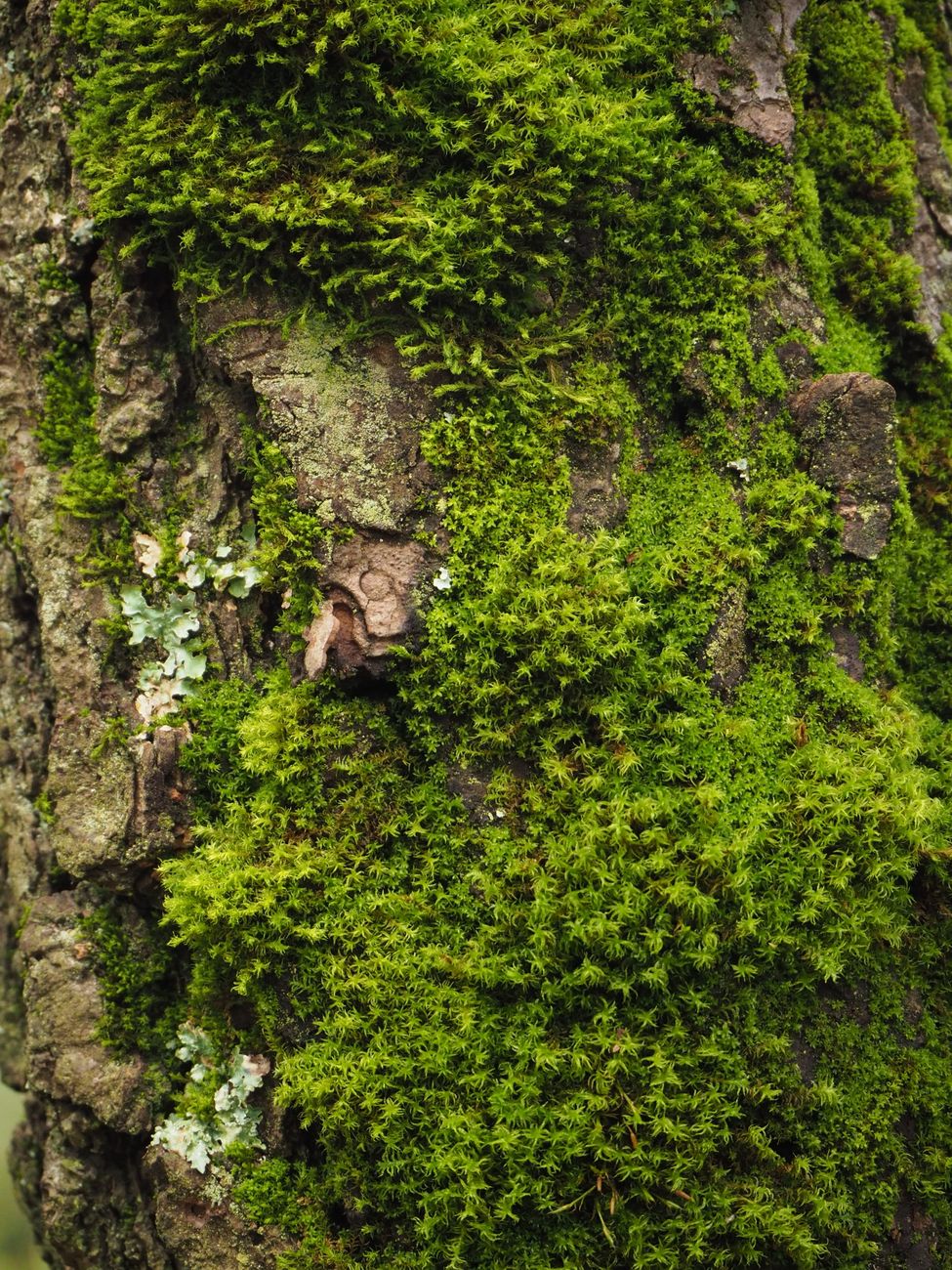
Mosses are fascinating, simple green plants. They don't have true roots, stems, or flowers like your tomatoes or herbs. Instead, they absorb water and nutrients directly through their leaves, which is why you'll always find them thriving in damp, shady spots. Here in the Midlands, with our generous rainfall and often overcast skies, moss absolutely loves it. You'll see them as soft, velvety green carpets, often quite lush and vibrant after a good shower. They stick to surfaces, but they don't actually penetrate the bark of your trees.
Lichens, on the other hand, are a whole different beast. They're not a single plant at all, but a symbiotic partnership between a fungus and an alga (or sometimes a cyanobacterium). The fungus provides the structure and protection, while the alga performs photosynthesis, producing food for both. This incredible teamwork makes lichens incredibly tough and able to grow in places where neither organism could survive alone. You'll spot them in all sorts of colours and forms – crusty patches that look painted onto the bark, leafy structures that peel up at the edges, or even tiny, shrubby growths. Their presence is often a good indicator of clean air, which is something I always appreciate seeing in my small urban plot.
Here’s a quick rundown of their key differences, based on what I’ve observed in my UK garden:
| Feature | Mosses | Lichens |
|---|---|---|
| Appearance | Soft, velvety green carpets, often dense. | Crusty, leafy, or shrubby growths; wide range of colours (grey, green, yellow, orange, black). |
| Structure | Simple plants; tiny stems and leaves, no true roots. | Fungus and alga living together; no true roots, stems, or leaves. |
| Growth Habit | Clings to surface, forms dense cushions. | Attaches firmly, often looks 'painted on' or 'glued'. |
| Habitat | Prefers damp, shady, humid conditions. | Tolerant of wider conditions; often found in sunny, exposed spots too, indicating clean air. |
| Moisture Needs | High, absorbs water directly. | Can survive long periods of dryness, rehydrates quickly. |
| Impact on Tree | Surface-level, non-parasitic. | Surface-level, non-parasitic. |
When Moss & Lichen Are Just Harmless Houseguests (and Even Beneficial!)
In my early days of gardening, I used to see moss and lichen on my trees and immediately think, "Oh no, disease! I must remove it!" I even tried scrubbing some off an old 'Discovery' apple tree once, which, looking back, was a bit silly and totally unnecessary. What I’ve learned over the last five years, observing the cycles of growth in my 800 sq ft garden here in the Midlands, is that for the vast majority of cases, these growths are utterly harmless. In fact, they can even be quite beneficial!
Mosses and lichens don't have roots that penetrate the bark of your trees or woody shrubs. They simply sit on the surface, drawing moisture and nutrients from the air and rain, not from the tree itself. Think of them as harmless epiphyllophytes – they use the tree for support, not for sustenance. I've got a fantastic old hawthorn that lines one side of my garden, absolutely covered in various lichens and mosses, and it's one of the most vigorous, healthy trees I have. Its branches are strong, it flowers beautifully every spring, and the berries are a feast for the birds. It’s a perfect example of how these growths coexist peacefully.
Here in the UK, especially with our often damp and mild winters, mosses thrive. They love the moisture that lingers on bark, particularly on the north-facing sides of trees or in shadier parts of the garden. Lichens, too, flourish in our climate, and their presence is often seen as a sign of good air quality, which is always reassuring in a bustling area like the Midlands.
Beyond being benign, these growths offer some subtle benefits to your garden ecosystem. Moss, with its dense, cushiony structure, can help to retain moisture on the bark surface, providing a mini-habitat for tiny beneficial insects like lacewings or ladybirds, and even overwintering sites for other beneficial creatures. Lichens are also miniature ecosystems, providing shelter and food for micro-invertebrates, which in turn support larger wildlife like birds. My robin, who I’ve named Rusty, loves to forage amongst the lichen on my old cherry tree. So, when you see them, don't fret! More often than not, they're just a natural, beautiful, and sometimes helpful part of a healthy UK garden.
Is Your Tree Trying to Tell You Something? When Abundant Growths Signal Stress
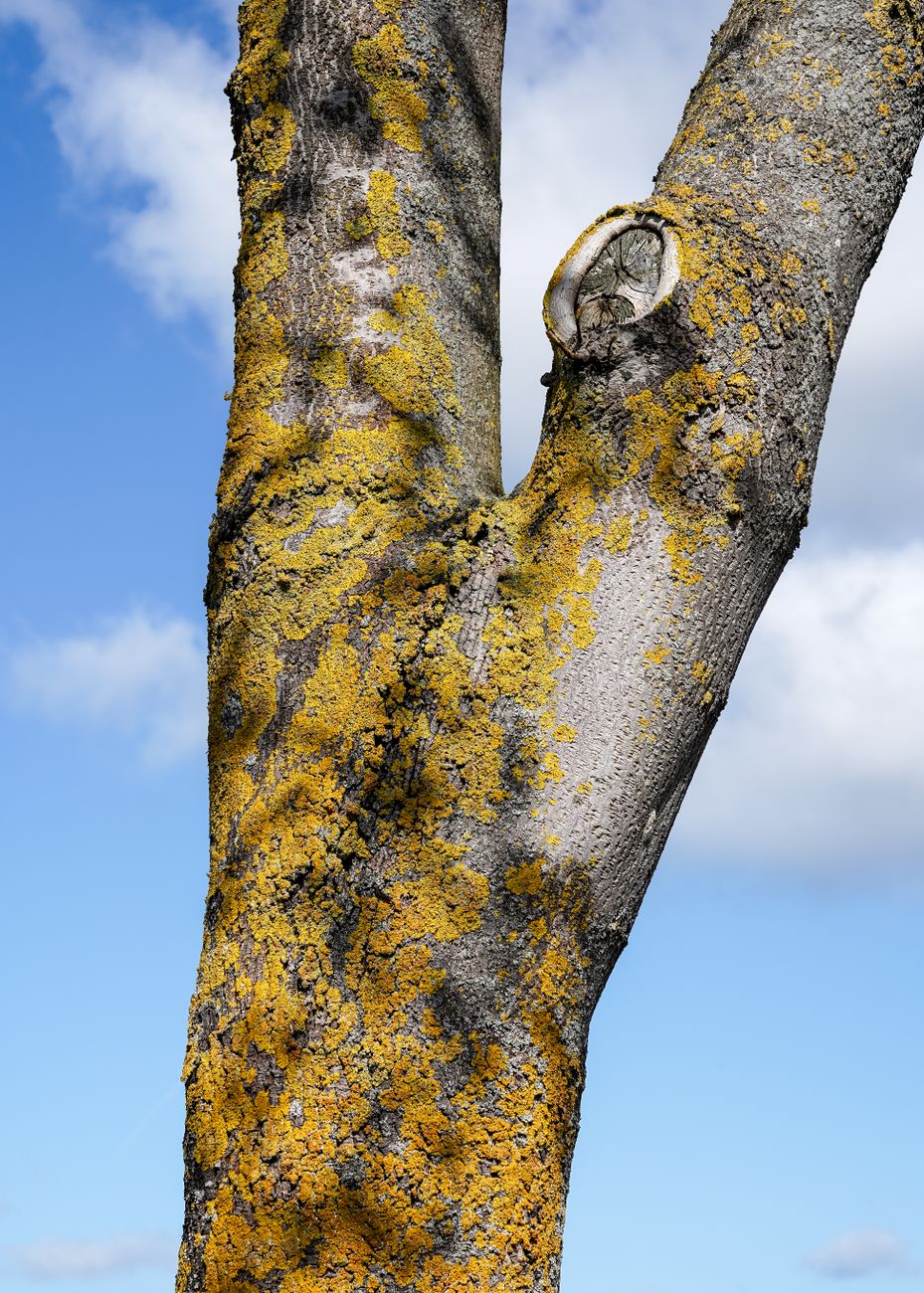
While moss and lichen are generally harmless houseguests, I've also learned through my gardening journey that sometimes, their sudden proliferation or unusually dense growth can be a subtle indicator that your tree or shrub might be under stress. It's not that the moss or lichen causes the stress; rather, they're taking advantage of conditions created by a struggling plant. This was a hard lesson for me to grasp initially, as I always wanted a simple "cause and effect." But gardening, especially here in the unpredictable British climate, is rarely that straightforward.
One season, I noticed my Kwanzan cherry, a beautiful ornamental I planted near the greenhouse, was looking a bit sparse in its canopy. At the same time, the moss and lichen on its trunk and branches seemed to explode, particularly on the lower limbs. I initially thought the growths were suffocating it. But after some observation and a chat with a seasoned local gardener, I realised the real issue was that the tree wasn't growing as vigorously as it should. A healthy, fast-growing tree sheds its bark more regularly and produces a dense canopy that shades its trunk and branches, making it less hospitable for moss and lichen to truly take hold. A stressed tree, however, grows slower, its bark remains undisturbed for longer, and its canopy thins, allowing more light and moisture to reach the bark. This creates the perfect, undisturbed environment for these growths to flourish.
Here in the UK, common stressors can include prolonged waterlogging (especially with our heavy clay soils in parts of the Midlands), nutrient deficiencies, soil compaction, drought during an unexpected dry spell (yes, even in Britain!), or even root damage. Last summer, despite a generally wet season, we had a couple of weeks of intense heat, and I noticed my younger 'Cox's Orange Pippin' apple tree, which hadn't established its roots deeply enough, started looking a bit sorry for itself. Its bark retained moisture for longer, and new moss growth became quite apparent. I realised I needed to check its watering routine and perhaps give it a good organic feed.
So, while a bit of moss and lichen is totally normal, especially on older, established trees, keep an eye out for these signals. If you see a sudden, dramatic increase in growth, or if an otherwise young, vigorous tree becomes heavily blanketed, it's a good prompt to assess the tree's overall health.
Here’s a comparison that I use in my own garden to help me decide if I need to investigate further:
| Indicator | Healthy Tree with Normal Growth | Stressed Tree with Abundant Growth |
|---|---|---|
| Tree Vigour | Strong annual growth, dense foliage, healthy colour. | Slowed growth, sparse or discoloured leaves, twig dieback. |
| Canopy Density | Full, provides good shade to trunk/branches. | Thin, open, allows more light and moisture to reach bark. |
| Bark Health | Smooth or naturally exfoliating bark, clean. | Bark might be rougher, less shedding, or show signs of cracking/disease. |
| Moss/Lichen | Present, but not overwhelming; patchy, stable. | Spreading rapidly, very dense, especially on younger trees or previously clear areas. |
| Overall Context | Tree has been healthy for years, no other issues. | Other signs of decline present (e.g., pest damage, poor fruiting, visible cankers). |
The key takeaway for me is that moss and lichen are often just witnesses, not perpetrators. They're telling a story about the conditions on your tree, and sometimes, that story is worth listening to.
Should You Intervene? Organic Approaches to Managing Moss & Lichen
So, we’ve covered when moss and lichen are just part of the furniture and when they might be nudging you to pay closer attention. The big question now is: should you intervene, and if so, how? In my 800 sq ft Midlands garden, my approach is always organic first. I believe in working with nature, not against it, and that means avoiding harsh chemicals that can do more harm than good to your beloved trees and the wider garden ecosystem.
Most of the time, for those harmless, sparse growths, the best intervention is simply appreciation. Seriously! They’re doing their thing, adding character, and often providing a microhabitat for beneficial insects. However, if you've identified that the growth is excessive and potentially a symptom of underlying stress, or if it's genuinely smothering new buds or causing a problem on a young, tender tree, then a gentle, organic approach is warranted.
One mistake I made early on was being a bit too zealous. I had a young 'Discovery' apple tree that was looking a bit sorry for itself after a particularly wet winter, and it developed a thick coat of moss on its trunk. I, in my eagerness, tried to scrub it off with a stiff brush. Not only was it a massive faff, but I also ended up damaging some of the delicate bark. I learned the hard way that rough physical removal can cause wounds, inviting pests and diseases. My focus since then has shifted to improving the tree's health and creating conditions where moss and lichen don't thrive excessively.
Here’s a comparison of the organic methods I've found effective and safe here in the UK:
| Organic Intervention Method | When to Use (UK Context) | Pros (for UK Garden) | Cons (for UK Garden) | Randy's Personal Take |
|---|---|---|---|---|
| Gentle Manual Removal | Sparse, easily accessible patches on strong, mature bark; to clear new buds on young trees. | Immediate visual improvement; satisfying. | Can damage bark if too aggressive; very time-consuming for large areas. | Best for small areas or very young trees. Use a soft brush or gloved hand, never metal! I've done this for fruit tree grafts to ensure they establish well. |
| Pruning for Air Circulation & Light | Whenever growth is dense due to shade or overcrowding, especially in damp UK conditions. | Addresses the root cause (lack of light/airflow); improves overall tree health. | Requires horticultural knowledge; incorrect pruning can harm the tree; takes time for results. | My go-to method. Crucial for fruit trees like my 'Conference' pear to prevent scab and encourage fruit. Always prune in the correct season for the tree type. |
| Improving Soil Drainage & Health | If trees are waterlogged, showing signs of stress, or in heavy clay soils common in the Midlands. | Boosts tree vigour; long-term solution; supports beneficial soil life. | Takes time to implement and show results; requires understanding of soil science. | Absolutely fundamental. I add lots of homemade compost and grit to my heavy clay. A healthy tree naturally resists excessive epiphyte growth. |
| Low-Pressure Water Spray | For very light, loose moss on robust bark, or to gently dislodge after heavy rain. | Non-invasive; quick for superficial removal. | Can spread spores; ineffective for well-attached growths; uses water. | I've only used this once or twice on robust, older trees. Be very careful not to overwater the surrounding soil or damage bark. |
My Organic Guiding Principle: Listen to Your Tree
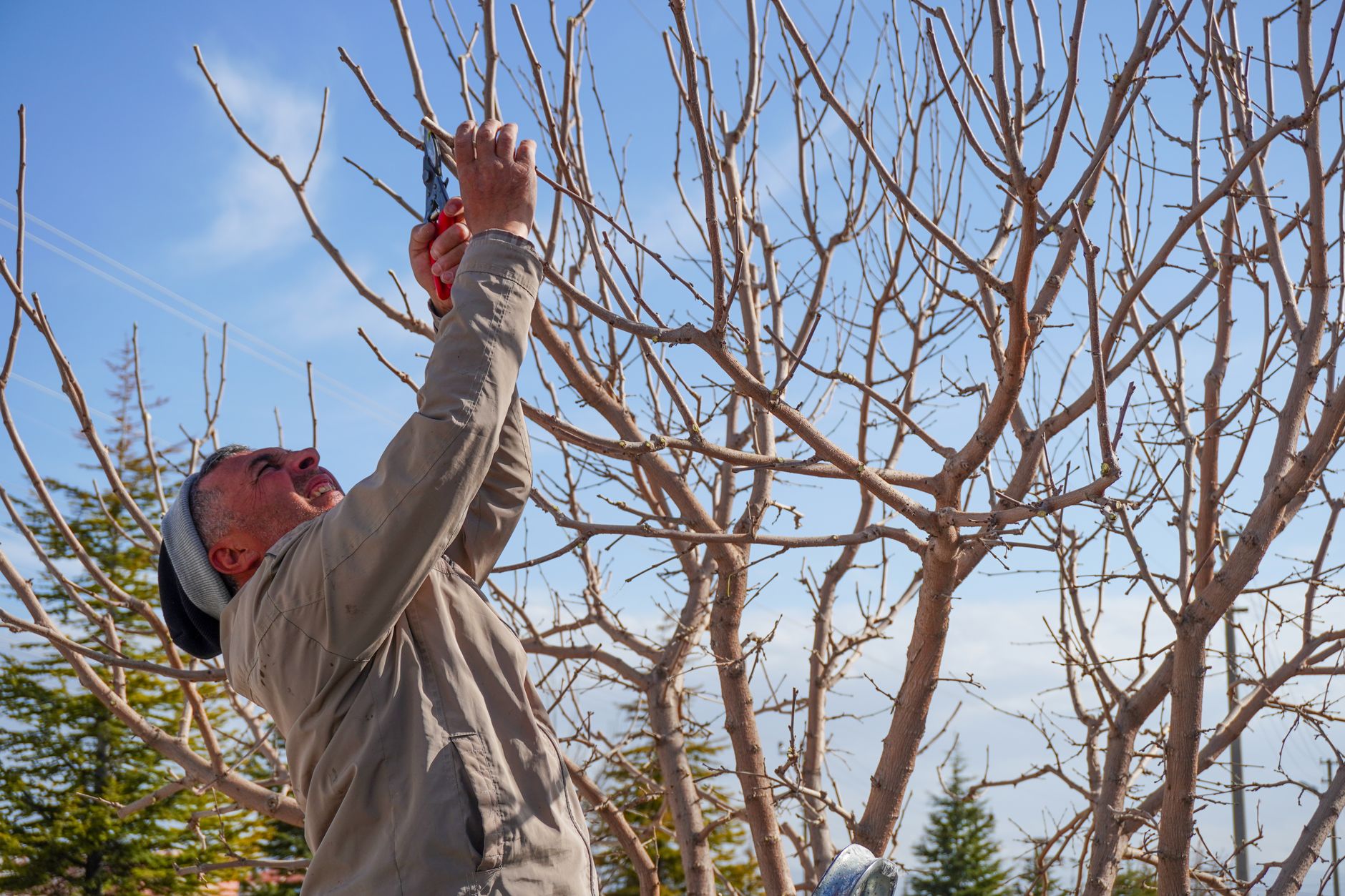
Ultimately, if you do decide to intervene, remember that the aim isn't to sterilise your tree trunk. It's about ensuring your tree is healthy and happy. If a tree is strong and vigorous, it will naturally manage its epiphytic guests. Any intervention should be gentle, targeted, and focused on improving the tree's overall well-being. Don't be tempted by chemical solutions – they rarely solve the underlying issue and can harm the very ecosystem you're trying to protect.
Prevention is Key: Nurturing Healthy Trees & Shrubs to Manage Growth
This is where my former IT brain kicks in – prevention is always better than a cure, right? Just like keeping your computer well-maintained, nurturing healthy trees and shrubs from the get-go is the absolute best way to manage moss and lichen growth. A strong, thriving tree in my UK garden is far less likely to become a haven for excessive, stress-indicating growths.
Here in the Midlands, with our often damp and mild climate, promoting good air circulation and light penetration is paramount. My 800 sq ft garden, though small, is packed, so strategic planting and regular maintenance are non-negotiable.
The Cornerstones of Tree & Shrub Health: My UK Garden Experience
Right Plant, Right Place: This might sound obvious, but it's where many of us (myself included!) make mistakes. When I first started, I tried to squeeze a 'Cox's Orange Pippin' apple tree into a shadier spot than it liked, thinking I could get away with it. It always struggled, and sure enough, it was one of the first trees to get heavily cloaked in moss, a clear sign of its unhappiness. Now, I always consider the mature size of the plant, its light requirements, and how it will cope with our British weather, especially the amount of rain we get.
![IMAGE_PLACEER: small garden with healthy fruit tree UK]Proper Planting: Good drainage is absolutely crucial, particularly in my heavy Midlands clay. When planting, I always dig a wide hole, incorporate plenty of well-rotted homemade compost and grit to improve the soil structure, and ensure the tree isn't planted too deeply. A tree sitting in waterlogged soil is a stressed tree, and stress is an open invitation for opportunistic growths.
Strategic Pruning: This is probably my biggest tool against excessive moss and lichen. Regular, appropriate pruning improves air circulation through the canopy and allows more sunlight to reach the trunk and inner branches. For my fruit trees, like my 'Victoria' plum and 'Discovery' apple, I prune annually in the dormant season (for apples/pears) or summer (for plums/cherries) to maintain an open structure. This helps dry out the bark faster after our frequent rain showers, making it less hospitable for moss. I've learned that even a small reduction in density can make a huge difference.
Balanced Nutrition & Watering: A well-fed tree is a resilient tree. I swear by a generous mulch of my homemade compost around the base of my trees and shrubs every autumn. It slowly releases nutrients, improves soil structure, and helps retain moisture in dry spells while preventing waterlogging in wet ones. While our British climate often provides plenty of rain, don't forget to water young trees during prolonged dry periods, especially in their first few years. Conversely, don't overwater established trees; soggy roots lead to stress.
Pest & Disease Management: A tree fighting off an infestation or disease is already under stress. Regularly inspect your trees and shrubs for any signs of trouble. Early intervention, using organic methods like companion planting or specific biological controls, keeps your plants vigorous. I've found that my greenhouse tomatoes ('Sungold' and 'Cherokee Purple' are my favourites!) are a great indicator of how quickly stress can manifest in growths if not addressed promptly.
By focusing on these preventative measures, you're not just managing moss and lichen; you're cultivating a healthier, more resilient garden ecosystem. It’s a holistic approach that I've found incredibly rewarding in my UK garden, leading to stronger plants and, coincidentally, less need to 'intervene' with moss and lichen.
Conclusion: Embracing Nature While Nurturing Your Garden
So, what have we learned from our little tour of the tree bark here in my Midlands garden? The biggest takeaway for me, and one I hope you embrace, is that moss and lichen are rarely the villains we sometimes imagine them to be. More often than not, they are harmless, fascinating parts of our garden's biodiversity, adding texture and life, and quietly going about their business.
Remember that distinction: are they just gentle houseguests, or are they signalling that your tree or shrub is feeling a bit under the weather? Taking the time to observe – to really look at your plants – is one of the most valuable skills any gardener can develop. It’s all about tuning into what your garden is telling you, especially here in the UK where our changeable climate often presents unique challenges and opportunities.
If you do spot an abundance of growth that suggests underlying stress, your best course of action is to focus on the overall health of your plant. Improve air circulation, ensure good light, provide proper nutrition, and make sure the soil is well-drained. These organic, preventative measures are not just about managing moss and lichen; they're about fostering a robust, vibrant garden that can withstand the vagaries of our British weather and thrive for years to come.
My journey from an IT desk to a greenhouse packed with heirloom tomatoes has taught me patience, observation, and the immense satisfaction of working with nature. Don’t fear the green and grey patches on your trees; learn from them, appreciate them, and let them guide you towards a healthier, more harmonious garden. Keep those trowels dirty and your eyes peeled, fellow UK gardeners! Happy growing!