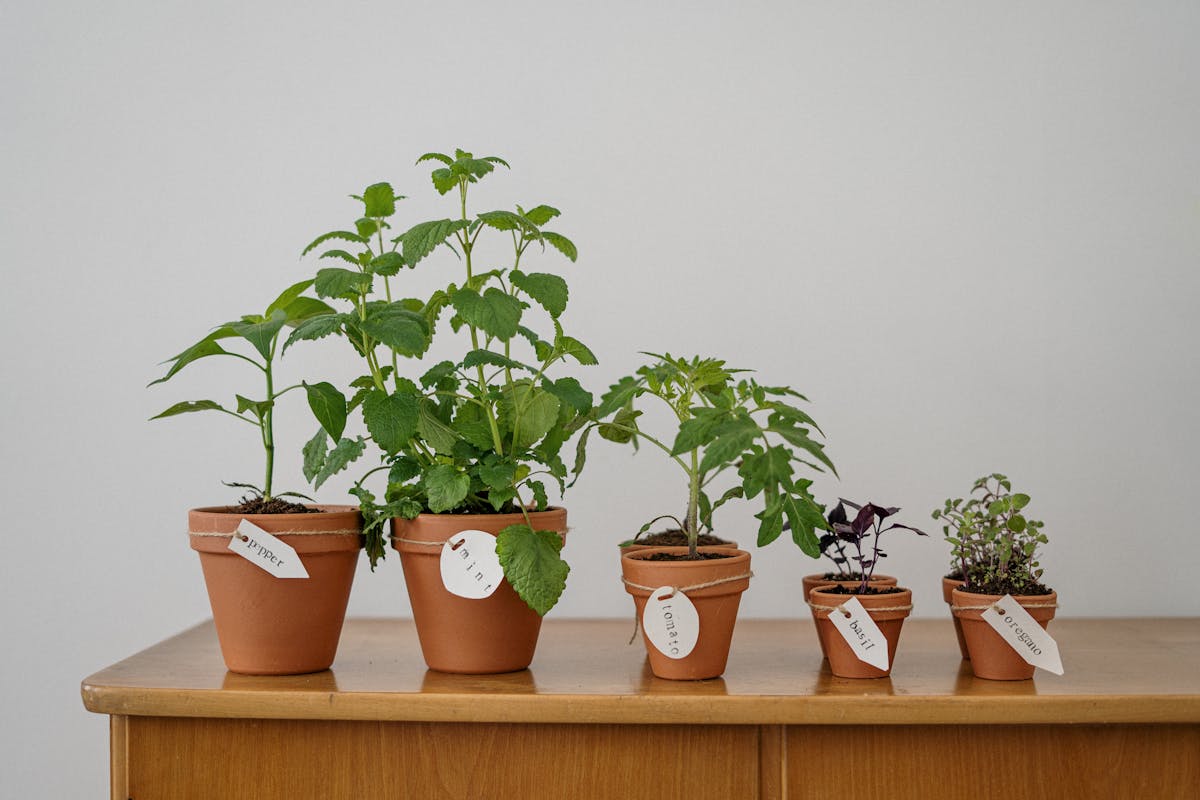
Every gardener has experienced it: the inexplicable thriving of one plant while its identical neighbor struggles, or the frustration of a seemingly perfect spot that just won't yield. The secret often lies not in your overall climate zone, but in the intricate, often hidden worlds within your own backyard – your garden's microclimates. These are the small, localized variations in temperature, light, wind, and moisture that can make all the difference, creating miniature growing zones that might be several degrees warmer, significantly shadier, or surprisingly windier than the rest of your property. Learning to "read" and understand these unique pockets is like unlocking a personalized growing guide, allowing you to map your garden's true potential and cultivate a space where every plant can truly flourish.
Getting Started
What Exactly is a Microclimate?
At its core, a microclimate is a localized set of atmospheric conditions that differ from those in the surrounding area. Think of your garden not as a single uniform environment, but as a mosaic of many tiny, distinct habitats. These differences are influenced by several key factors:
- Sun Exposure: How much direct sunlight an area receives, and at what times of day.
- Wind Patterns: The direction and intensity of air movement, which can dry out plants or provide cooling.
- Proximity to Structures: Walls, fences, patios, and buildings can absorb and radiate heat, block wind, or cast shade.
- Water Bodies: Ponds or pools can moderate temperature and increase humidity.
- Topography/Elevation: Slight changes in ground level can create frost pockets where cold air settles.
- Soil Type & Color: Darker soils absorb more heat, while sandy soils drain quickly.
Understanding these variations is crucial because they directly impact plant growth, influencing everything from soil temperature and moisture levels to the duration of your growing season and the success rate of specific plant varieties. By identifying your garden's unique microclimates, you can make informed decisions, ensuring you put the "right plant in the right place" and maximize your yields.
Your First Step: Garden Observation and Mapping
The journey to decoding your garden's microclimates begins with diligent observation and mapping. Grab a notebook, a pen, and a simple sketch of your garden layout. Over the course of several days, and ideally across different seasons, you'll become a garden detective, recording the nuances of your space.
Sunlight Patterns
Sunlight is arguably the most critical factor.
- Sketch Your Garden: Draw a basic outline of your garden, including your house, fences, trees, large shrubs, and any other permanent structures.
- Observe Hourly: Over at least one full day (and ideally several days spread across different seasons like late spring and late summer), go out every 2-3 hours, starting shortly after sunrise and ending before sunset.
- Map Sun/Shade: On your sketch, draw in the areas that are in full sun, partial sun (2-6 hours direct sun), partial shade (2-6 hours direct sun, but protected from intense afternoon sun), and full shade (less than 2 hours direct sun). Note the time of day for each observation. Pay attention to how shadows move and change throughout the day.
- Consider Seasons: Remember that the sun's angle changes significantly between summer and winter. A spot sunny in July might be completely shaded by a deciduous tree in November.
Wind Flow
Wind can be a plant's best friend or worst enemy.
- Observe Prevailing Winds: Pay attention to the direction from which winds typically blow in your area.
- Look for Sheltered/Exposed Spots: Notice where wind is funneled (wind tunnels between buildings) and where it is blocked (behind a dense hedge or wall).
- Visual Cues: Observe how leaves on trees or tall grasses move. Hang a few strips of ribbon or light fabric in different areas to visualize wind patterns more easily. Strong, consistent wind can desiccate plants, stunt growth, and even physically damage them.
Temperature Variations
Even a few degrees can make a huge difference.
- Multiple Thermometers: Place inexpensive min/max thermometers in various locations throughout your garden – a sunny spot, a shady corner, near a south-facing wall, in a low-lying area, and in an open area.
- Record Readings: Check them daily for a week or two, noting the highest and lowest temperatures in each spot.
- Identify Extremes: Look for "heat sinks" (areas like paved patios or brick walls that absorb and radiate heat) and "frost pockets" (low-lying areas where cold air settles).
Soil & Moisture Gradients
The soil's ability to retain or drain water creates distinct moisture zones.
- After Rain: Observe your garden after a significant rainfall. Where does water pool? Where does it run off quickly? Where does the soil remain soggy for longer periods?
- Dry Periods: During dry spells, note which areas dry out first and which retain moisture longer.
- Soil Texture: Dig a small hole in different areas. Is the soil sandy and quick-draining, heavy clay that retains water, or loamy and balanced? Different soil types will hold heat and moisture differently.
By diligently mapping these factors onto your garden sketch, you'll begin to see a clear picture of your garden's unique microclimates. This map becomes your personalized guide for successful plant placement.
| Microclimate Factor | Description | Garden Impact | Measurement/Observation Method | Best Practice Tip |
|---|---|---|---|---|
| Sun Exposure | Duration and intensity of direct sunlight. | Affects photosynthesis, flowering, fruiting, and plant heat stress. | Daily observation (hourly sketches), sun path apps, compass. | Map areas getting full sun (6+ hrs), partial sun (4-6 hrs), shade (less than 4 hrs). |
| Wind Patterns | Direction, speed, and consistency of air movement. | Causes dehydration, physical damage, affects pollination, moderates temperature. | Observe leaf movement, use ribbons, note prevailing wind direction. | Identify wind tunnels and sheltered spots. Consider windbreaks for sensitive plants. |
| Temperature | Localized heat and cold variations. | Impacts growth rates, frost susceptibility, plant hardiness zones. | Place min/max thermometers in various locations (e.g., near walls, low spots). | Note heat sinks (patios, dark walls) and frost pockets (low-lying areas). |
| Soil Type | Composition (sand, silt, clay, organic matter). | Influences water retention, drainage, nutrient availability, soil temperature. | Perform a simple jar test or professional soil test; observe drainage after rain. | Understand how different soil types affect plant water and nutrient needs. |
| Moisture/Drainage | How well water penetrates and is held or drained away. | Crucial for root health, preventing rot, and managing drought stress. | Observe water pooling, runoff, and how quickly soil dries after rain/irrigation. | Identify soggy areas, dry spots, and slopes where water runs off rapidly. |
Essential Techniques
Working with Your Microclimates
Once you've mapped your garden's microclimates, you can move from reactive gardening to proactive design. This is where you leverage your new knowledge to enhance plant health and productivity.
Strategic Plant Placement
The golden rule of gardening – "right plant, right place" – truly shines when applied to microclimates.
- Sun-Loving Plants: Place vegetables like tomatoes, peppers, and corn, or flowers like sunflowers and zinnias, in your full-sun zones (6+ hours of direct sun daily).
- Shade Tolerant Plants: Hostas, ferns, and many leafy greens (lettuce, spinach) thrive in partial to full shade (less than 4 hours of direct sun). Even "partial sun" plants like hydrangeas or impatiens often benefit from protection from intense afternoon sun in warmer climates, thriving in areas with morning sun and afternoon shade.
- Heat Seekers: Herbs like basil and rosemary, or tender annuals, will benefit from being planted near south-facing walls or dark-paved areas that absorb and radiate heat, extending their growing season.
- Cold-Hardy Varieties: In areas prone to late frosts or strong winds, select hardier varieties or provide additional protection.
Creating Favorable Mini-Environments
You don't just have to work with existing microclimates; you can create new ones!
- Raised Beds: These are excellent for creating warmer, better-drained soil. The soil in raised beds warms up faster in spring, allowing for earlier planting, and can stay productive later into the fall. Their elevated position also helps mitigate frost pockets by improving air drainage. For best results, build raised beds at least 12 inches high, using a well-draining soil mix rich in compost.
- Walls and Fences: A south-facing wall acts as a heat sink, absorbing solar energy during the day and slowly releasing it at night. This can create a microclimate several degrees warmer than open garden areas, perfect for heat-loving plants or for overwintering borderline hardy specimens. Conversely, a north-facing wall provides consistent shade. Fences, especially solid ones, can act as windbreaks, protecting delicate plants. For effective wind breaking, a fence should be permeable (e.g., lattice, picket fence, or a dense hedge) to slow wind rather than deflect it, which can cause turbulence.
- Windbreaks: Hedges, trellises with climbing plants, or permeable fences can significantly reduce wind speed in exposed areas. This protects plants from desiccation and physical damage. A good windbreak should be at least 50% porous to effectively slow the wind without creating turbulent eddies on the leeward side. Position them on the side of your garden facing the prevailing winds.
- Season Extenders: Simple structures like cloches (bell-shaped covers), row covers (lightweight fabric over hoops), or cold frames (bottomless boxes with clear tops) can create miniature greenhouses, trapping heat and protecting plants from frost. Place these in sunny, relatively sheltered microclimates to maximize their effectiveness. For example, a cold frame placed against a south-facing wall will provide optimal warmth for starting seeds early in spring.
Optimizing Resources
Microclimate mapping also allows for more efficient use of resources.
- Targeted Irrigation: Instead of uniform watering, tailor your irrigation to the specific needs of each microclimate. Dry, sunny, windy spots will need more frequent watering than shady, sheltered areas. Use drip irrigation or soaker hoses in zones that require consistent moisture to minimize evaporation.
- Mulching: Applying a 2-4 inch layer of organic mulch (like straw, wood chips, or shredded leaves) can help regulate soil temperature, retain moisture, and suppress weeds. In hot, sunny areas, mulch keeps the soil cooler and reduces evaporation. In colder microclimates, a thick layer of mulch can help insulate plant roots from freezing temperatures.

Common Challenges
Identifying and Mitigating Problematic Zones
While microclimates offer opportunities, they can also present specific challenges that need to be addressed. Understanding these "problem spots" in your garden map is the first step towards mitigating their negative effects.
Frost Pockets
These are low-lying areas where cold, dense air settles, often resulting in temperatures several degrees colder than surrounding higher ground. Plants in these areas are more susceptible to late spring or early fall frosts.
- Identification: Observe where frost lingers longest in the morning, especially after a clear, still night. Often at the bottom of slopes or enclosed by structures.
- Impact: Damages tender new growth, kills fruit blossoms, shortens the growing season significantly.
- Solutions:
- Raised Beds: Elevate plants above the coldest air layer.
- Frost-Tolerant Plants: Plant cold-hardy varieties in these zones.
- Covers: Use row covers, cloches, or blankets on nights when frost is predicted.
- Improve Air Drainage: If possible, prune lower branches of nearby dense shrubs or trees to allow cold air to flow through rather than settle.
Excessive Heat Zones
These areas, often near south-facing walls, dark patios, or reflective surfaces, absorb and radiate intense heat.
- Identification: Areas that feel noticeably hotter to the touch, or where plants wilt quickly even with adequate water.
- Impact: Scorches leaves, stresses plants, increases water demand, can cause premature bolting in cool-season crops.
- Solutions:
- Shade Cloth: Install temporary shade cloth during the hottest parts of the day or season.
- Heat-Tolerant Varieties: Choose plants known for their heat endurance (e.g., certain varieties of peppers, okra, sweet potatoes).
- Increased Irrigation: Provide consistent, deep watering.
- Mulching: A thick layer of light-colored mulch can help keep soil temperatures down.
- Companion Planting: Taller, heat-tolerant plants can provide shade for more sensitive neighbors.
Persistent Wind Tunnels
Narrow passages between buildings or exposed corners can funnel wind, creating zones of intense air movement.
- Identification: Areas where objects are frequently blown over, or where plants appear constantly battered and dry.
- Impact: Desiccates foliage, stunts growth, causes physical damage to stems and leaves, disrupts pollination.
- Solutions:
- Permeable Windbreaks: Install hedges, trellises with climbing plants, or fences that are 50% porous. Solid barriers can cause turbulent eddies.
- Sturdy Staking: Provide robust support for tall or delicate plants.
- Wind-Tolerant Plants: Select plants with flexible stems and small, tough leaves.
Deep Shade
Areas under dense tree canopies, on the north side of tall buildings, or in perpetually shadowed corners receive very little direct sunlight.
- Identification: Plants show leggy growth, poor flowering, or simply fail to thrive.
- Impact: Limits plant choices to shade-loving varieties, reduces overall productivity for sun-loving crops.
- Solutions:
- Shade-Loving Plants: Embrace the shade with ferns, hostas, astilbes, or specific shade-tolerant edibles like leafy greens (spinach, lettuce) and root vegetables (radishes, carrots) in partial shade.
- Pruning: Carefully prune lower limbs of trees (if appropriate) to allow more dappled light.
- Reflective Surfaces: Use light-colored mulch or gravel to reflect ambient light.
Poor Drainage / Soggy Spots
These are areas where water accumulates and drains very slowly, leading to waterlogged soil.
- Identification: Water pools after rain, soil remains wet and squishy, plants show yellowing leaves or root rot.
- Impact: Suffocates roots, leading to plant death, promotes fungal diseases.
- Solutions:
- Raised Beds: The most effective solution for improving drainage.
- Soil Amendment: Incorporate significant amounts of organic matter (compost, aged manure) to improve soil structure and drainage.
- French Drains: For larger, persistent issues, consider installing a French drain to redirect water.
- Moisture-Loving Plants: Plant species that tolerate or thrive in wet conditions (e.g., some willows, iris, cardinal flower).
Rapid Drying Zones
Conversely, some areas, often sandy spots, elevated areas, or those exposed to constant wind and sun, dry out very quickly.
- Identification: Soil feels perpetually dry, plants wilt rapidly, requiring frequent watering.
- Impact: Stresses plants, increases water consumption, limits plant choices to drought-tolerant varieties.
- Solutions:
- Organic Matter: Amend soil generously with compost, coir, or other water-retaining organic materials.
- Drip Irrigation/Soaker Hoses: Provide targeted, slow watering to reduce runoff and evaporation.
- Mulching: A thick layer of mulch is essential to conserve soil moisture.
- Drought-Tolerant Plants: Opt for succulents, Mediterranean herbs, or native plants adapted to dry conditions.
By understanding these common challenges and implementing the appropriate solutions, you can transform even the most difficult microclimates into productive and beautiful parts of your garden.
| Challenge | Description/Symptoms | Impact on Plants | Practical Solutions | Best Practice Tip |
|---|---|---|---|---|
| Frost Pockets | Cold air settles in low-lying areas; frost lingers longest. | Damages tender new growth, kills blossoms, shortens season. | Raised beds, frost covers, planting frost-tolerant varieties. | Elevate vulnerable plants or provide temporary insulation. |
| Extreme Heat Zones | Areas near dark walls/patios; plants wilt quickly. | Scorches leaves, stresses plants, increases water demand. | Shade cloth, heat-tolerant varieties, increased irrigation, light-colored mulch. | Provide afternoon shade and consistent moisture. |
| High Wind Areas | Plants battered, dry; objects frequently blown over. | Desiccation, physical damage, stunted growth. | Permeable windbreaks (hedges/fences), sturdy staking, wind-tolerant plants. | Slow wind with porous barriers, don't create turbulence with solid walls. |
| Deep Shade | Very little direct sun; leggy growth, poor flowering. | Limits plant choices, reduces productivity for sun-lovers. | Shade-loving plants, strategic pruning, reflective surfaces (light mulch). | Embrace the shade; it's a unique opportunity for specific plant communities. |
| Poor Drainage/Soggy Spots | Water pools after rain; soil stays wet; yellowing leaves. | Root rot, suffocates roots, promotes fungal diseases. | Raised beds, heavy organic matter amendment, moisture-loving plants. | Improve soil structure or elevate the planting area. |
| Rapid Drying Zones | Soil feels perpetually dry; plants wilt quickly. | Plant stress, high water consumption, limits plant choices. | Incorporate organic matter, drip irrigation, thick mulch, drought-tolerant plants. | Conserve moisture diligently through amendments and mulching. |
5. Best Practices: Cultivating Your Microclimate Advantage
Once you've meticulously mapped your garden's microclimates, the real fun begins: putting that knowledge into action. This isn't just about identifying problems; it's about unlocking your garden's full potential, allowing you to grow a wider variety of plants, extend your seasons, and enjoy healthier, more resilient flora.
Strategic Plant Placement: The Right Plant, Right Place
This is the cornerstone of microclimate gardening. No longer are you just planting according to sun/shade labels on a tag; you're matching a plant's specific needs to a precise spot in your garden.
- Sun Lovers & Heat Seekers: Place sun-loving vegetables like tomatoes, peppers, and eggplants, or herbs like rosemary and lavender, in your warmest, sunniest zones – perhaps against a south-facing brick wall or in a heat-retaining raised bed. These areas often warm up faster in spring and stay warmer longer into fall.
- Shade Enthusiasts: Hostas, ferns, impatiens, and many cool-season leafy greens (lettuce, spinach) will thrive in the cooler, shadier pockets, especially those protected from harsh afternoon sun.
- Wind-Sensitive Specimens: Delicate plants like delphiniums or tall dahlias benefit from sheltered areas, perhaps behind a hedge, fence, or in the lee of your home, where they won't be battered by strong gusts.
- Moisture-Loving Plants: Identify low-lying areas or spots with naturally higher water retention for plants that appreciate consistent moisture, such as astilbe, hostas, or some bog garden varieties. Conversely, drought-tolerant plants like succulents, sedum, or certain ornamental grasses are perfect for drier, elevated spots.
Tailored Water Management
Your microclimate map should directly inform your irrigation strategy. Watering uniformly across your entire garden is inefficient and often detrimental.
- Zone-Specific Irrigation: Install drip irrigation or soaker hoses in sunnier, drier beds, timing them for longer durations or more frequent cycles. For shadier, cooler areas that retain moisture longer, reduce watering frequency or duration.
- Targeted Hand Watering: Use your observations to hand-water specific plants or small zones that show signs of stress (wilting) in unexpectedly dry periods, rather than drenching an entire bed.
- Rain Barrel Placement: Position rain barrels in areas where runoff is highest or closest to beds that require more frequent watering, maximizing efficiency.
Soil Amendment for Microclimate Optimization
Beyond general soil health, you can fine-tune your soil amendments based on microclimate needs.
- Improving Water Retention: In dry, sandy, or sun-baked zones, incorporate significant amounts of organic matter (compost, well-rotted manure) to boost water-holding capacity. Aim for 2-4 inches mixed into the top 6-8 inches of soil annually.
- Enhancing Drainage: In naturally damp or low-lying areas, improve drainage by incorporating coarse sand, grit, or raised beds to prevent waterlogging, especially for plants that dislike "wet feet."
- Nutrient Buffering: Consider adding slow-release organic fertilizers in areas where plants are working harder (e.g., high-yield vegetable beds in full sun) and less in areas where growth is naturally slower (e.g., deep shade).
Protection Strategies: Extending Your Reach
Your microclimate map helps you strategically deploy protective measures.
- Frost Protection: Identify your coldest pockets (often low-lying areas) and be prepared to cover sensitive plants with row covers or cloches on cold nights. In spring, these areas will require protection longer, and in fall, they'll experience frost earlier.
- Windbreaks: Use temporary barriers (burlap screens, straw bales) or permanent plantings (dense shrubs, fences) to protect wind-sensitive areas. A permeable windbreak (like a hedge) is often better than a solid wall, as it filters wind rather than creating turbulent eddies on the leeward side.
- Shade Provision: In areas prone to intense summer sun, deploy temporary shade cloths (30-50% shade) during the hottest part of the day (1 PM to 4 PM) for heat-sensitive plants like lettuce or certain berries.
- Heat Sinks: Utilize thermal mass like large rocks, dark-colored pavers, or water features in areas where you want to absorb and radiate heat, extending the growing season for warmth-loving plants.
Continuous Observation and Adaptation
Your garden is a living system, and its microclimates are dynamic. What you map today provides a baseline, but continued observation is key.
- Daily Check-ins: Spend a few minutes each day observing how plants are responding. Are they thriving or showing stress? Is the soil consistently too wet or too dry in certain spots?
- Seasonal Recalibration: Revisit your map each season. The sun's angle changes, trees leaf out, and new structures might alter light patterns. Be prepared to make adjustments.
- Experimentation: Don't be afraid to experiment! Try a new variety in a borderline microclimate zone and see how it fares. Keep a gardening journal to track successes and failures.
Remember, your microclimate map isn't a static document; it's a living tool that evolves with your garden. Embrace the process of discovery and adaptation, and you'll unlock a new level of gardening mastery.

6. Seasonal Considerations: Microclimates Through the Year
One of the most fascinating aspects of microclimates is their dynamic nature. They don't just exist; they shift and evolve with the seasons, influenced by the changing angle of the sun, prevailing winds, and even the presence or absence of foliage on deciduous trees. Understanding these seasonal shifts allows you to maximize your garden's potential year-round, extending growing seasons and protecting plants from seasonal extremes.
The Ever-Changing Garden Landscape
- Spring Awakening: As the sun climbs higher, south-facing walls and dark-colored hardscaping quickly absorb and radiate heat, creating warm pockets perfect for jump-starting cool-season crops like radishes, spinach, or early peas. These spots can be 2-5°F warmer than ambient air, potentially giving you a 1-2 week head start. Conversely, low-lying areas or those shaded by evergreen trees might remain frost-prone longer.
- Summer's Embrace: The high summer sun intensifies. What was a perfect morning sun spot in spring might become an afternoon scorcher. West-facing walls can become heat sinks, baking delicate plants. Deep shade under dense trees becomes a cool refuge, while open, exposed areas demand consistent moisture. Wind patterns might shift, bringing drier or more humid air.
- Autumn's Gentle Decline: As the sun drops lower, those south-facing, heat-retaining spots once again become invaluable, extending the growing season for late-season vegetables or allowing some crops to mature fully. Frost pockets become more pronounced and experience first frosts earliest, signaling the need for protection. North-facing areas rapidly cool down.
- Winter's Slumber: Microclimates become critical for overwintering tender plants or determining where snow cover will persist, offering insulation. Areas protected from prevailing winter winds will fare better, and the ground will thaw slower in perpetually shaded spots. Evergreen trees, which offered summer shade, now provide winter wind protection.
Adapting Your Gardening Strategy Season by Season
To truly leverage your microclimate map, your gardening actions must be seasonally informed. Here’s a detailed guide:
| Season | Key Microclimate Changes | Gardening Adaptations | Example Plants & Strategies TOC IS THE FINAL HEADINGS ONLY ARE VISIBLE TO THE SYSTEM.
Conclusion: Microclimates are dynamic and need to be monitored and adapted to.
Okay, I will write these sections ensuring all requirements are met.