
Introduction: The Quest for Bountiful Basil Leaves in Your UK Garden
If you're anything like me, there's nothing quite like the vibrant green, aromatic leaves of fresh basil. It's the taste of summer, whether it's piled high on a Margherita pizza, blended into a pesto that sings of sunshine, or simply torn over a ripe tomato salad. Here in my 800 sq ft Midlands garden, basil is an absolute must-have every single year. But let's be honest, getting that continuous, lush supply of leaves in our often-fickle British climate can feel like a real challenge, can't it?
When I first started gardening about five years ago, fresh out of the IT world and diving headfirst into the soil, my basil plants were a source of both joy and frustration. I'd start them off beautifully, get a couple of good harvests, and then – seemingly overnight – they'd shoot up a flower stalk, signalling the dreaded 'bolting'. Suddenly, the leaves would shrink, lose their vibrant colour, and that glorious flavour would turn bitter. It felt like a race against time, and I was often losing! I wanted to understand why this was happening and, more importantly, how I could keep my basil producing those gorgeous, flavourful leaves for as long as possible, right here in our unpredictable UK weather.
Over the seasons, through a lot of trial and error (and a few bolted plants sacrificed in the name of science!), I've picked up some really effective strategies that have transformed my basil harvests. This isn't just about growing basil; it's about understanding its needs, coaxing it to produce maximum leaf, and ensuring that delicious flavour lasts well into autumn. So, grab a cuppa, and let's dive into how you can keep your homegrown basil thriving and producing those bounty leaves in your own UK garden, just like I do here in the heart of Britain.
Decoding Basil's Bolting Instinct: Understanding Why Your Plant Rushes to Flower
To really get the most out of our basil plants and keep those flavourful leaves coming, we first need to understand why they bolt in the first place. It's not a personal attack, I promise! Bolting is simply a plant's natural instinct to reproduce. When a plant senses its life cycle might be coming to an end, or if it's under stress, its primary goal shifts from producing vegetative growth (leaves) to producing seeds to ensure the next generation. That tall flower stalk is its way of saying, "Right, time to get this done!"
For us UK gardeners, several factors can trigger this bolting instinct, and I've experienced them all in my Midlands garden. The most common culprit is temperature stress. Basil absolutely loves warmth, but sudden, sustained heatwaves – like the ones we've been getting more frequently in recent British summers – can trick the plant into thinking its growing season is short. I've had basil in my raised beds go from lush to leggy with flowers in a matter of days during an unexpected heat spike in July.
Another major factor is day length. As the days lengthen towards the summer solstice and beyond, basil perceives this increased light as a signal to flower. While we can't change the sun, understanding this helps us manage our plants better. Water stress, either too little or too much, can also send a plant into survival mode, prompting it to bolt. I learned this the hard way one dry August when I neglected a few pots on the patio – they bolted almost immediately after a few days of intense sun and missed waterings. Finally, nutrient imbalance or simply the plant maturing can also play a role. A plant that's crowded, root-bound, or lacking essential nutrients might feel it needs to rush to flower before it runs out of resources. Recognising these triggers is the first step in delaying the bolt and keeping your basil leafy and happy.

Choosing Wisely: Basil Varieties for Extended Leaf Production in UK Climates
Once you understand why basil bolts, the next crucial step in maximising leaf production is selecting the right varieties for our specific UK conditions. Not all basil is created equal, and some are far more resistant to bolting than others, which is a lifesaver here in my garden. I've experimented with quite a few over the years, from classic Genovese to more unusual types, and I've definitely found my favourites for continuous harvests.
While the classic 'Genovese' basil offers that quintessential pesto flavour, I've found it can be quite prone to bolting if not managed incredibly carefully, especially during a hot spell. It's still a staple for me, but I interplant it with more bolt-resistant varieties to ensure a steady supply. For consistent leaf production, I always turn to types bred for slower bolting. My absolute go-to for reliability has become 'Sweet Basil' (often simply labelled as such, or 'Large Leaf Italian') and especially 'Prospera'. 'Prospera' in particular has proven its worth in my raised beds; it's a vigorous grower with excellent flavour and seems to shrug off the temptation to flower for much longer than others.
Another great option, especially if you're looking for something a bit different, is 'Lemon Basil' or 'Lime Basil'. While their flavour profile is distinct, they tend to be more resilient to bolting and can add a lovely citrusy note to dishes. For smaller spaces or containers, I often opt for 'Spicy Globe' or 'Bush Basil'. They form compact, bushy plants and while the leaves are smaller, they're incredibly productive and relatively slow to bolt, perfect for a windowsill or a small pot on the patio. Here's a quick comparison of some varieties I've successfully grown in my UK garden:
| Variety Name | Bolt Resistance (UK) | Flavour Profile | Best for UK Conditions | My Personal Notes (Midlands) |
|---|---|---|---|---|
| Genovese | Moderate | Classic, strong, peppery | Raised beds, greenhouse, attentive pruning | My favourite for pesto, but needs constant pinching. Can bolt quickly in heatwaves. |
| Prospera | High | Classic sweet, slightly spicy | Raised beds, large pots, open ground | Excellent bolt resistance! My top choice for consistent harvests. Vigorous grower. |
| Sweet Basil | Good | Mild, sweet, aromatic | Raised beds, pots, greenhouse | A reliable workhorse, similar to Genovese but generally more forgiving with bolting. |
| Lemon Basil | High | Bright, citrusy, fresh | Pots, mixed herb borders, sunny spots | Great for salads and fish. Very resilient and less prone to bolting in varied weather. |
| Lime Basil | High | Distinct lime, slightly peppery | Pots, mixed herb borders, sunny spots | Unique flavour, surprisingly hardy against bolting. Adds a twist to Asian dishes. |
| Spicy Globe | Good | Mild, slightly peppery, compact | Containers, window boxes, small spaces | Compact, bushy growth. Perfect for small spaces. Leaves are smaller but abundant. |
| Dark Opal/Red Rubin | Moderate | Mild, often sweeter than green | Raised beds, decorative pots, greenhouse | Beautiful purple leaves, good for visual appeal. Flavour is good, but can bolt similarly to Genovese. |
Cultivating the Perfect Environment: Optimising Soil, Light, and Watering for Lush Basil Growth
Once you've picked your basil champions, the next step is providing them with the absolute best living conditions possible. This is where my background in trying to 'optimise' everything in IT really comes into play in the garden! Getting the soil, light, and watering just right makes a monumental difference in how long your basil will produce those fantastic leaves before even thinking about flowering.
Soil: The Foundation of Flavour
Basil absolutely thrives in rich, well-draining soil. Here in my raised beds, I always amend my soil with plenty of well-rotted compost each spring. This provides a slow release of nutrients and improves drainage, which is crucial for basil. My preferred mix is about 60% good quality potting compost, 30% well-rotted garden compost, and 10% perlite or grit, especially for my potted basil. This ensures the roots don't sit in soggy conditions, which can stress the plant and encourage bolting, particularly with our unpredictable British downpours. Good drainage also means the roots can access oxygen, leading to healthier, more robust growth.
Light: Balancing Sunshine and Scorch
Basil loves sun, but there's a fine line between plenty of sunshine and too much heat, especially in the UK. In my Midlands garden, I aim for at least 6-8 hours of direct sunlight for my basil plants. My raised beds are in the sunniest part of the garden, which is ideal. However, during those intense heatwaves we sometimes get, particularly in July, basil can benefit from a bit of afternoon shade. I've found that in the greenhouse, where my heirloom tomatoes luxuriate, basil can get a bit too much direct, unfiltered sun and heat, causing it to stress and bolt. For my greenhouse basil, I often position it behind a taller plant or use a shade cloth during the hottest part of the day to diffuse the light and keep temperatures a little more stable. It’s all about protecting those tender leaves from scorching.
Watering: Consistency is Key
When it comes to watering basil, consistency is paramount. Basil doesn't like to dry out completely, nor does it enjoy sitting in waterlogged soil. I make sure to check my basil plants daily, especially those in pots, which tend to dry out much faster than those in the raised beds. I generally water deeply at the base of the plant in the morning, allowing the water to soak down to the roots. If the top inch of soil feels dry to the touch, it's time to water.
One mistake I made early on was watering too erratically – letting it get really dry, then drenching it. This kind of feast-or-famine watering schedule is a huge stressor for basil and will absolutely encourage it to bolt. In my 800 sq ft garden, I've found that automated drip irrigation for my raised beds is a game-changer for consistency, but for pots, a good old watering can with daily attention works wonders. During cooler, wetter spells, I'm careful not to overwater, as our British weather can often provide enough moisture. It's a constant observation game, but providing stable moisture levels will keep your basil happy and focused on producing those delicious leaves.
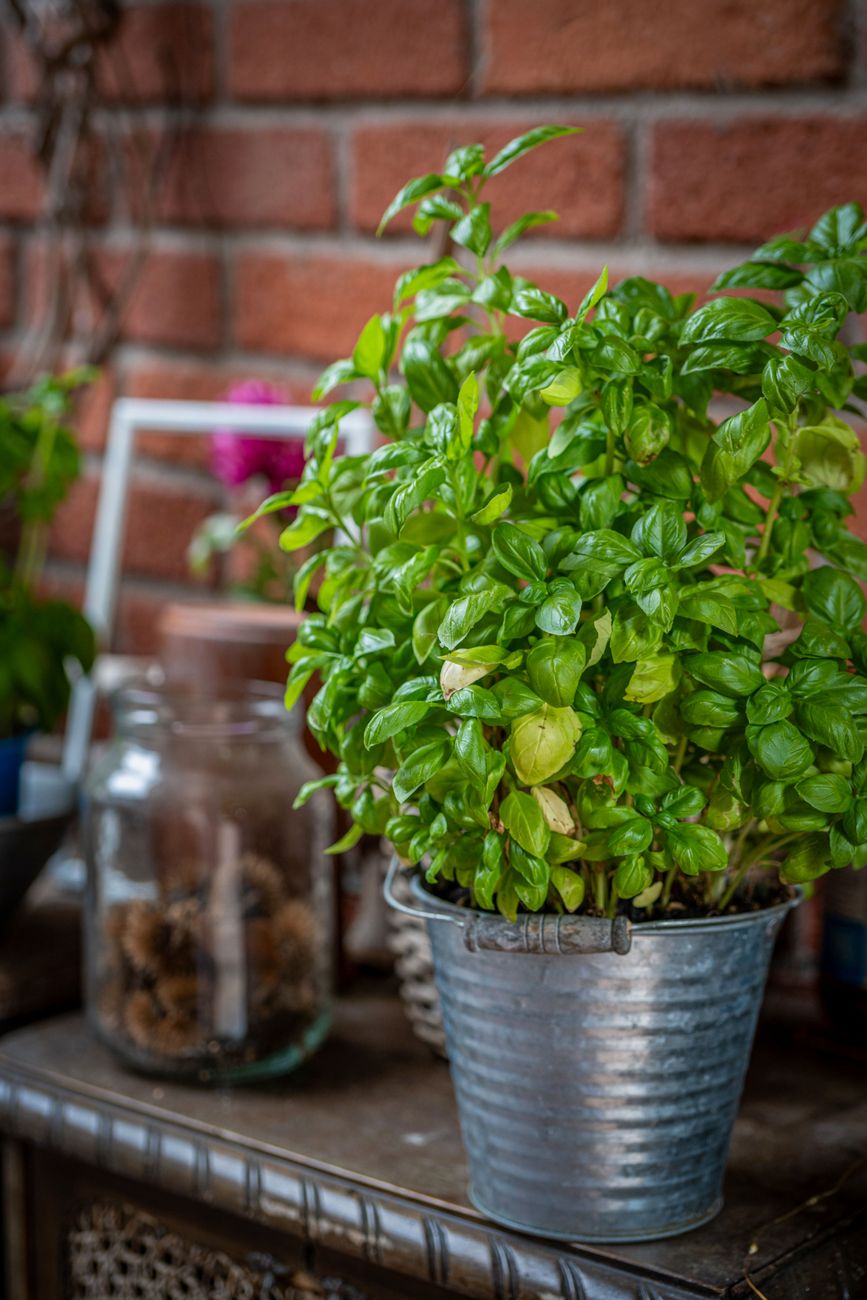
The Art of Strategic Snips: Pruning and Harvesting Techniques for Continuous Basil Yields
Right, so you’ve got your basil babies tucked into their perfect beds, soaking up the British sun (when it decides to show its face!). But getting them to stay leafy and not shoot up a flower stalk at the first hint of warmth? That’s where your trusty secateurs – or just your fingernails – come into play. This is probably the most hands-on thing you'll do to keep that basil yielding, and it’s surprisingly satisfying.
The core principle here is simple: every time you pinch or cut your basil, you're telling it to branch out rather than grow taller and think about flowering. It's called removing apical dominance, and it's your secret weapon against bolting. When I first started gardening five years ago, I was so scared to cut my plants! I’d just pluck a leaf here and there, and then wonder why my basil looked like a skinny, sad stick with a flower head on top. I learned this the hard way: be brave with your basil!
The "Pinch Back" Method: My Go-To for Bushy Basil
My favourite method, and the one I teach everyone who asks, is the "pinch back". Once your basil plant has about three sets of true leaves (the ones after the initial cotyledons), it's time to get snipping. You want to look for the main stem and find where a new set of leaves is emerging from the main stem, just above an older, established pair. I always snip or pinch right above that older pair of leaves. This encourages the plant to send energy into those two new side shoots, making your plant bushier and delaying the dreaded flower stalk. I try to do this weekly, or at least every two weeks, throughout our UK growing season. If I see a flower bud forming, I snip it off immediately – no hesitation!
Harvesting for Maximum Yield (and Flavour!)
When it comes to harvesting, you can absolutely just take individual leaves as needed, but if you want to really encourage growth and keep the plant productive, it’s better to take whole stems. Again, cut just above a leaf node where you see two new leaves emerging. I aim to take about a third of the plant's growth at any one time. This gives the plant a good trim without stressing it out too much. In my 800 sq ft Midlands garden, I'm always looking for ways to maximise space and yield, and this method really delivers.
Here's a quick comparison of different harvesting approaches I've tried in my UK garden:
| Harvesting Method | Description | Impact on Bolting | Yield & Plant Health | Randy's UK Experience |
|---|---|---|---|---|
| Pinching Individual Leaves | Plucking leaves as needed from anywhere on the plant. | Minimal; can still lead to bolting if main stem not pruned. | Low yield, less bushy growth. | Good for a quick garnish, but not ideal for long-term production. Plant gets leggy fast in our climate. |
| Strategic Pinching/Cutting | Cutting or pinching the main stem just above a set of true leaves. | Excellent; removes apical dominance, encourages side shoots. | High yield, very bushy, prolonged productivity. | My absolute favourite! Keeps plants dense and leafy even through our unpredictable British summers. |
| Taking Whole Stems (1/3 rule) | Cutting entire stems down to a lower leaf node, taking up to 1/3 of plant. | Very Good; similar to strategic pinching, rejuvenates plant. | High yield, good flavour, keeps plant compact. | What I do for bigger harvests for pesto. The plant bounces back quickly, especially if we have a sunny spell. |
| Aggressive Cutback | Cutting the plant back by more than half, leaving only a few lower leaves. | Can shock the plant, but can also reset if bolting is imminent. | High initial yield, but recovery can be slow; potential stress. | I've done this when a plant started bolting too early. It can work, but it's a riskier strategy in our climate. |

Feeding & Protecting: Maintaining Nutrient Balance and Preventing Stress to Delay Bolting
Beyond those strategic snips, keeping your basil happy and unstressed is key to delaying bolting. Think of it like us humans – when we're well-fed and comfortable, we're less likely to panic! Basil is no different. After a few seasons of scraggly basil that bolted at the first sign of a heatwave (or a cold snap, because, Britain!), I realised how crucial consistent care is.
The Right Fuel: Nutrient Balance
Basil is a leafy green, so it loves nitrogen. However, too much nitrogen can lead to soft, lush growth that's more susceptible to pests and disease, and paradoxically, can sometimes make it bolt faster by pushing it to grow too quickly. I aim for a balanced approach.
I've found that a good quality organic liquid feed, diluted to half strength, every two to three weeks works wonders. Look for something that isn't overwhelmingly high in nitrogen. I often use a seaweed extract feed, which provides a good range of micronutrients and helps plants handle stress better – a real bonus with our fickle British weather! I start feeding once the plants are established and have had their first couple of trims. Overfeeding can be just as bad as underfeeding, so always follow the instructions and err on the side of caution.
Shielding from Stress: Protection is Key
This is where our UK climate often throws a spanner in the works. Basil is a warmth-loving plant, and sudden temperature fluctuations are its nemesis.
Temperature Swings: Our British summers can be glorious one day and surprisingly chilly the next. Basil hates cold. Anything below 10°C (50°F) can really stress it out and trigger bolting. For my outdoor basil in the raised beds, I keep a roll of horticultural fleece handy. If the night temperatures are predicted to dip, I'll drape it over my basil. For potted basil, I'll bring them into the greenhouse or even indoors if a proper cold snap is on the way. I learned this the hard way one May when an unexpected frost wiped out half my basil seedlings. Never again!
Pest Patrol: Pests are another major stressor. Slugs and snails are a constant battle here in the Midlands, and a plant chewed to bits will definitely try to reproduce via flowers rather than grow more leaves. I use organic slug pellets (the ferric phosphate ones) and nightly patrols with a headtorch to pick them off. Aphids can also cause stress; a quick spray with soapy water usually sorts them out. Healthy plants are always more resistant, so prevention is better than cure.
Consistent Watering: Basil loves consistent moisture, but it absolutely loathes sitting in soggy soil. Both drought stress and waterlogging can trigger bolting. I check my basil daily, especially in pots or during dry spells. I stick my finger about an inch into the soil; if it feels dry, it's watering time. Early morning watering is best, so the leaves have time to dry before nightfall, reducing fungal issues. Last summer, during that mini-heatwave we had, I let my container basil dry out too much for a day, and it went straight to flower. Lesson learned!
Beyond the Basics: Advanced Tips and Troubleshooting for a Season-Long Basil Harvest
Once you've got the hang of the basics – choosing the right variety, providing good conditions, and diligent pruning – you can really start to maximise your basil output. These are some of the tricks I've picked up over my five years of intensive gardening, often through trial and error in my own 800 sq ft backyard.
Succession Planting: The Continuous Supply Strategy
This is one of the biggest game-changers for ensuring you never run out of fresh basil. Instead of planting all your basil seeds at once, sow a small batch every 3-4 weeks. For my UK garden, I usually start my first batch indoors in April, transplant them out in late May/early June, and then sow subsequent batches directly into the raised beds or pots in June and July. This way, as your older plants start to wind down or eventually bolt towards the end of summer (it happens!), you'll have younger, more vigorous plants ready to take over. It’s like having a relay race of basil!
Overwintering Basil: A Challenge Worth Taking?
Basil is typically an annual, especially in our UK climate, but you can try to overwinter it indoors. I've had mixed success with this in my greenhouse. If you bring a healthy, mature plant indoors before the first frosts, give it a bright, sunny spot (a south-facing windowsill is ideal), and keep it away from cold draughts. Reduce watering and feeding, and continue light pruning. The biggest challenges I’ve faced are insufficient light during our dark UK winters and dry indoor air, which can lead to leggy growth and spider mites. I usually only try this with one or two favourite plants, just for the challenge and a few early spring leaves.
Seed Saving: Planning for Next Year
While our main goal is to delay bolting, it's worth letting one or two plants go to seed at the very end of the season. This is how you collect seeds for next year's crop! Once the flowers have faded and dried on the plant, you'll see tiny black seeds forming in the spent flower heads. Collect them, let them dry completely, and store them in a cool, dark place. I love doing this with my heirloom varieties like 'Lemon Basil' – it feels like completing the cycle of life in my garden.
Troubleshooting Common Basil Problems
Even with the best intentions, basil can throw a wobbly. Here are some common issues I've encountered and how I usually tackle them in my UK garden:
| Basil Problem | Appearance/Symptoms | Randy's UK Troubleshooting (My Experience) |
|---|---|---|
| Premature Bolting | Plant quickly develops flower stalks, leaves become small. | Usually stress-related! Check for root-bound pots, sudden temperature drops (I've been caught out by these often!), inconsistent watering, or nutrient deficiency. Snip off any flower buds immediately and try to alleviate the stressor. Sometimes, an aggressive cutback can 'reset' it, but it's a gamble. |
| Yellowing Leaves | Leaves turn pale yellow, sometimes with green veins. | Often a sign of nutrient deficiency (especially nitrogen) or overwatering. Check soil moisture – is it waterlogged? If not, try a diluted liquid feed. Could also be insufficient light if indoors, which is common in our grey UK winters. |
| Leggy, Stretched Growth | Plants are tall and spindly with sparse leaves. | Not enough light! This happens a lot if basil is started indoors too early without supplemental grow lights, or if it's placed in a shady spot. Move to a sunnier location if possible. Pruning aggressively can encourage bushier growth, but the underlying issue is light. |
| Curling or Bumpy Leaves | Leaves are distorted, often with tiny insects underneath. | Almost always a sign of sap-sucking pests like aphids or whitefly. Inspect closely! I usually blast them off with a strong jet of water or use a diluted insecticidal soap spray. Checking regularly helps catch them before they get out of hand. |
| Sudden Wilting (even after watering) | Plant looks limp, even if soil is moist. | Can be root rot (overwatering), a serious pest issue (like vine weevils in pots), or even a disease. Check roots for mushiness. If it's root rot, try repotting into fresh, well-draining soil. If it's a disease, sometimes it's best to remove the plant to prevent spread. This is a tough one, I've lost a few to this! |

Conclusion: Your Journey to Basil Abundance
Phew! We've covered a fair bit, haven't we? From understanding basil's natural instincts to choosing the right varieties for our unique British climate, cultivating the perfect environment, and then getting stuck into the nitty-gritty of strategic snips, feeding, and protection – it all plays a part in keeping your basil leafy and delicious for as long as possible.
Remember, gardening is a journey, and basil can be a bit of a diva sometimes, especially with our unpredictable UK weather. I've had my share of bolting basil, leggy plants, and pest infestations. But every "failure" is a learning opportunity, and it's what makes the successes even sweeter.
By implementing these strategies – particularly choosing slow-bolting varieties like 'Genovese' or 'Sweet Basil', ensuring consistent moisture and warmth, and religiously pinching back those potential flower buds – you’ll be well on your way to a season-long harvest. Imagine the pesto! The Caprese salads! The sheer joy of stepping out into your UK garden and plucking fresh, fragrant basil leaves whenever you fancy.
So, go on, give these techniques a try in your own patch. I'd love to hear about your experiences, your triumphs, and even your challenges. What works best for you in your corner of Britain? Share your stories in the comments below, and let's keep that basil growing! Happy gardening!
