Transform Your Garden Work: Why a Custom Potting Bench is a Game-Changer
When I first started seriously gardening five years ago, here in my 800 sq ft Midlands backyard, my 'potting bench' was essentially an old, wobbly camping table shoved against the shed. It was a chaotic affair, often covered in a mix of muddy tools, half-empty compost bags, and the occasional forgotten mug of cold tea. Every time I needed to prick out my 'Sungold' tomato seedlings or pot up a batch of 'Cosmic Purple' carrots, it was a major production involving bending awkwardly, balancing trays, and inevitably, spilling compost everywhere. I'm sure many of you fellow UK gardeners can relate to that delightful brand of garden-related disarray!
Honestly, for too long, I saw a potting bench as a luxury, a 'nice to have' if you had endless space and time. But after one particularly blustery British spring, where I wrestled with delicate seedlings on my makeshift setup, I finally decided enough was enough. I was tired of the constant bending, the lost tools, and the sheer inefficiency of it all. As a former IT worker, I'm all about optimising workflows, and my garden, despite its organic nature, was crying out for some serious optimisation.
Building my first proper potting bench wasn't just about tidying up; it was a complete game-changer for my gardening efficiency and enjoyment. It transformed those fiddly, often messy tasks into something genuinely pleasant and productive. Suddenly, transplanting my precious heirloom tomatoes in the greenhouse felt less like a chore and more like a focused, almost meditative process. What works here in Britain, with our often unpredictable weather and compact garden spaces, isn't always a sprawling, American-style setup. I needed something robust, functional, and tailored to the specific needs of my UK climate vegetable garden. Trust me, if you're serious about your plants, from delicate herb cuttings to robust brassicas, a well-designed potting bench is an investment you won't regret. It's truly revolutionised how I approach almost every hands-on task in my garden.
Beyond Tidiness: The Practical Benefits of an Organised Potting Bench
Now, I know what some of you might be thinking: "Randy, it's just a place to make a mess, isn't it?" And yes, it absolutely will get messy – that's part of its charm! But an organised potting bench, one that's designed with purpose, offers so much more than just a dedicated space for potting. It's about streamlining your entire gardening process, making you more efficient, more comfortable, and ultimately, a more successful gardener. I've learned this through countless hours spent at my own bench, sowing seeds, mixing feeds, and potting on hundreds of plants for my raised beds and greenhouse.
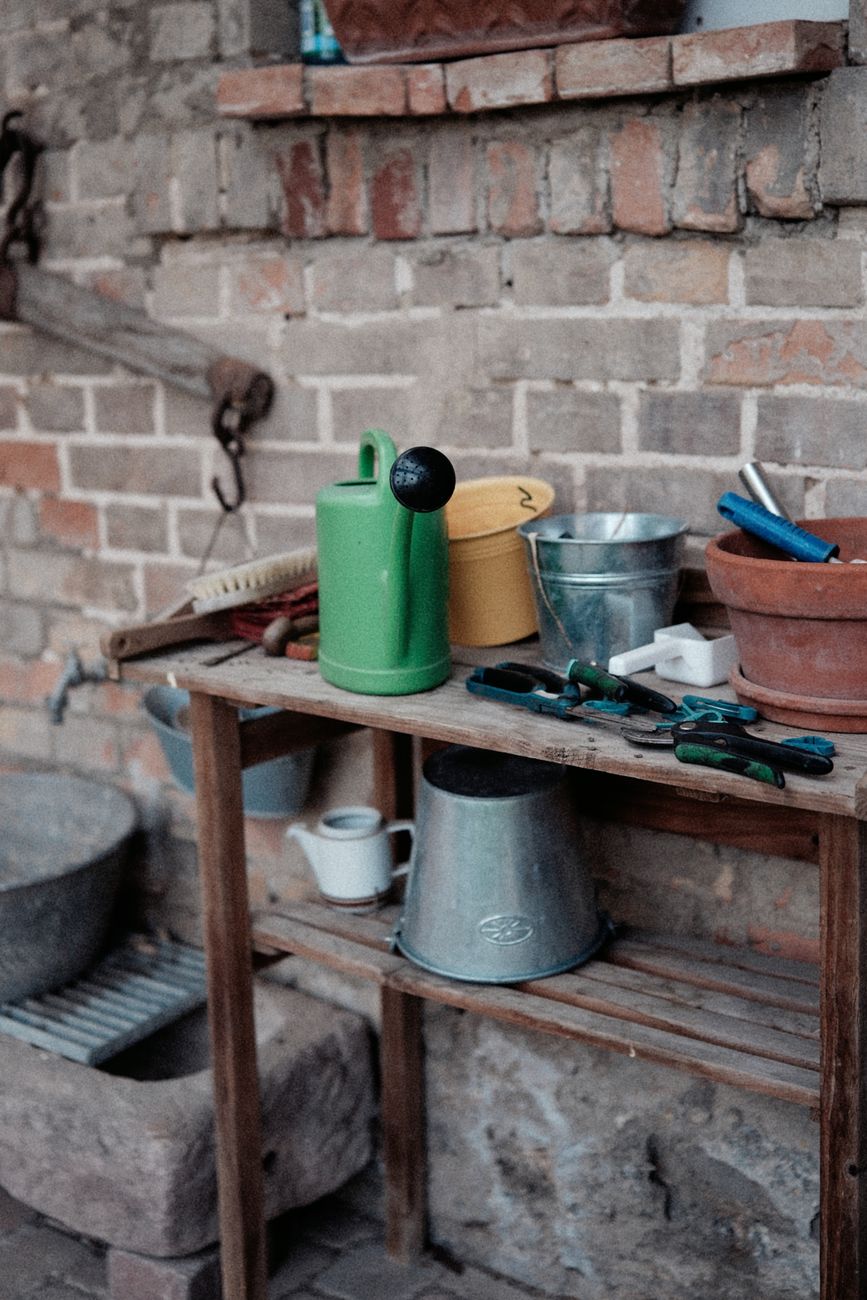
First off, there's the sheer efficiency. In my UK garden, especially with our relatively short growing season for many vegetables, every minute counts. Having all my essential tools – trowels, dibbers, labels, snips, seed trays, and different compost mixes – right at my fingertips makes a monumental difference. No more dashing back to the shed or rifling through cluttered corners of the greenhouse. I can pot up a whole tray of 'Moneymaker' tomato seedlings for my greenhouse in a fraction of the time it used to take, simply because everything is to hand. This is particularly crucial during the intense spring sowing period when I'm juggling hundreds of delicate seedlings.
Then there's the ergonomic benefit. Before my custom bench, I spent far too much time hunched over low tables or kneeling on damp ground, leading to a rather sore back after a long session. My current bench is built to a comfortable working height for me, around 90cm, which means I can stand upright and work without strain. This might seem like a small detail, but it makes a huge difference to my enjoyment and ability to spend longer, productive sessions with my plants. It's not just about comfort; it's about making gardening sustainable for my body in the long run.
An organised bench also contributes to better plant health. A dedicated, clean workspace helps prevent the spread of pests and diseases. I always have a bucket of sterilising solution for my tools nearby, and I can easily sweep away old compost and debris, reducing hiding spots for slugs or fungal spores. This is especially important when I'm dealing with sensitive seedlings or propagating cuttings, where a clean environment is paramount for success. I’ve found that my young 'Purple Sprouting Broccoli' plants get a much better start when they're handled on a clean surface.
Finally, the versatility of a good potting bench is often underestimated. It’s not just for potting! I use mine for mixing my own custom seed compost, especially for my heirloom tomatoes that love a specific blend. It's where I prepare my homemade organic feeds, store my dried herbs, and even occasionally use it for harvesting and preparing vegetables straight from the garden before they head indoors. For a small-space gardener like me, every piece of equipment needs to earn its keep, and my potting bench certainly does. It’s truly a multi-functional hub in my intensive 800 sq ft patch.
Designing for Durability & Space: Key Considerations for UK Potting Benches
When it comes to designing your own potting bench, especially here in the often damp and variable British climate, durability and how it fits into your garden space are paramount. I've learned this the hard way. My first attempt, a rather naive construction of untreated pallet wood, looked great for about six months before the damp started to take its toll, turning it a rather unsightly shade of green and making it a bit wobbly. What works here in Britain needs to withstand our unpredictable rain, occasional frosts, and generally higher humidity compared to drier climates.
Materials: Built to Last in British Weather
Choosing the right material is crucial for longevity. You need something that can stand up to the elements if your bench is outdoors, or at least resist moisture and rot if it’s in a damp greenhouse.
- Treated Timber: This is a fantastic option for outdoor benches. Look for pressure-treated softwood, often labelled 'tanalised'. It's designed to resist rot and insect attack, making it ideal for our damp UK conditions. It will still need a periodic coat of wood preservative or exterior paint to keep it looking good and prolong its life, especially the cut ends. My current outdoor bench is made from treated timber, and after three years, it's still rock solid, despite standing up to countless Midlands downpours.
- Recycled/Reclaimed Wood: If you're going for a rustic look or are on a budget, reclaimed wood (like old floorboards, scaffolding planks, or even sturdy pallets) can be brilliant. However, always treat it thoroughly with an exterior wood preservative, especially if it's going to be exposed to the elements. Remember my green pallet bench? Don't make my mistake!
- Composite Materials: These are increasingly popular and offer excellent durability with minimal maintenance. Made from a blend of wood fibres and recycled plastic, they resist rot, insects, and don't splinter. They can be a bit pricier upfront, but their longevity in our climate makes them a good investment.
- Metal (Galvanised Steel or Aluminium): For a truly indestructible and low-maintenance option, metal frames are excellent. They won't rot or warp. You'd typically combine a metal frame with a sturdy worktop of timber, composite, or even an old kitchen worktop. Just be mindful that metal can get very cold in winter and hot in summer, which might affect delicate plants left on the surface.
Size and Location: Fitting Your UK Garden
My 800 sq ft garden, while productive, isn't massive, so every inch of space is precious. I have a potting bench inside my 8x6ft greenhouse for seed starting and propagation, and a smaller, more robust one just outside the shed for general potting on and messy tasks.
- Footprint: Before you even think about design, measure your available space. Will it be in a sheltered spot, against a wall, or free-standing? Consider clearance for wheelbarrows or pathways. For my greenhouse bench, I made sure it wasn't so deep that it blocked the main aisle.
- Height: As I mentioned, an ergonomic height is key. For most adults, a worktop height of around 85-95 cm (33-37 inches) is comfortable for standing. If you prefer to sit, you might need a lower bench or an adjustable stool.
- Worktop Area: How much space do you need for your typical tasks? I found I needed enough room for a seed tray, a bag of compost, and my tools simultaneously. A worktop roughly 120-150cm (4-5 feet) wide and 60-70cm (24-28 inches) deep works well for most home gardeners, including my intensive planting style.
- Location:
- Greenhouse: Ideal for seed starting, pricking out, and protecting delicate plants from the unpredictable British weather. It keeps everything clean and warm.
- Outdoors (Sheltered): Perfect for messy tasks like potting on larger plants, mixing compost, or cleaning tools. A spot under an overhang or against a south-facing wall can offer some protection.
- Shed/Garage: If you have the space, this offers ultimate protection from the elements, but might mean more trips back and forth from the garden.
Worktop Surface: Cleanliness and Drainage
The actual work surface needs to be practical. I prefer something easy to clean and that won't absorb moisture.
- Solid Wood: Needs sealing to prevent staining and rot.
- Composite Decking Boards: Excellent, durable, and easy to wipe clean.
- Old Kitchen Worktop: If you can source one, these are fantastic – highly durable, waterproof, and easy to sanitise.
- Slatted Surface: Some benches have slatted tops which allow excess soil and water to fall through. This can be great for drainage but means you'll need a tray underneath to catch the mess. I personally prefer a solid surface with a small lip to keep compost contained.
Storage: Keeping it Tidy (Mostly)
This is where the organisation magic happens!
- Shelves: Essential for storing compost, pots, trays, and other bulky items. I have two shelves below my main worktop: one for large bags of compost and another for empty pots.
- Hooks: Perfect for hanging hand tools, gloves, and watering cans.
- Drawers/Bins: Great for smaller items like labels, markers, twine, and seed packets. I keep my seed packets in an old biscuit tin on a shelf, organised by planting month – a system that works well for our UK seasonal planting.
- Backboard: A solid backboard with added hooks or small shelves can be incredibly useful for keeping frequently used items off the work surface.
Here’s a quick comparison of common materials for your UK potting bench:
| Feature | Pressure-Treated Timber | Reclaimed/Pallet Wood | Composite Decking/Lumber | Galvanised Steel Frame |
|---|---|---|---|---|
| Initial Cost | Moderate | Low (if free/cheaply sourced) | High | High |
| Durability (UK Climate) | Good (Excellent with regular treatment) | Poor (Excellent with proper treatment) | Excellent | Excellent |
| Maintenance | Periodic treatment (paint/preservative) | Extensive initial treatment, periodic | Very Low (just clean) | Very Low (just clean) |
| Rot/Pest Resistance | High | Low (without treatment), High (with) | Very High | N/A (frame only) |
| Aesthetics | Natural, can be painted | Rustic, DIY charm | Modern, consistent colour | Industrial, clean |
| Ease of Working With | Easy to cut, screw, join | Varies (can be warped, nail holes) | Easy (similar to wood), but heavier | Requires specific tools (welding/bolting) |
| Weight | Moderate | Varies | Heavy | Moderate (frame), heavy with solid top |
| Randy's Take | My current choice; robust, good value. | Great for budget, but don't skip treatment! | Next level for low maintenance, but pricey. | Ultimate durability, but often needs a separate worktop. |
Optimising Efficiency: Must-Have Features and Clever Storage Ideas
Right, so we’ve talked about the bones of your potting bench – the size, the materials – but now let's get into the juicy bits: the features that genuinely transform it from a simple table into a gardening powerhouse. I've learned this through years of trying to make do with less, only to realise that a few clever additions can save you hours of faffing about in my 800 sq ft Midlands patch.
First up, a dedicated work surface is non-negotiable. I like mine around 90-95cm high, which is just about perfect for me (I'm 5'10") to work comfortably without bending too much. What's crucial for me here in the UK, especially with our often-damp weather, is a surface that's easy to clean. I've used treated timber planks, which I give a good scrub down after a messy potting session. I even have a designated 'dirty' section for mixing compost and a cleaner area for seed sowing – it makes a real difference when you're dealing with delicate seedlings.
For me, a built-in sieve is a revelation. When I'm starting my heirloom tomatoes in the greenhouse, I need really fine, lump-free compost for those tiny seeds. Having a removable sieve section, usually just a piece of mesh fitted into a cutout in the bench, means I can sift my homemade compost or even just break down store-bought stuff right where I'm working. The finer material falls into a bucket below, ready for my seed trays, and any lumps can go straight back to the compost heap. It saves mess and time, especially during those busy spring sowing weeks.
A water source nearby is absolutely essential, and a small sink or basin is a game-changer. I don't have mains water directly at my potting bench, but I've rigged up a simple system with a large water butt nearby and a hand pump for a tap. Even a sturdy bucket that slots into a cutout works wonders for washing tools, rinsing pots, or giving thirsty seedlings a quick drink without trekking across the garden. Believe me, trying to carry dripping watering cans back and forth across a muddy lawn is an exercise in frustration!
Now, for storage, this is where my former IT brain kicks in for organisation.
- Shelving above the workbench is brilliant for keeping smaller pots, seed packets, labels, and my favourite secateurs within easy reach. I typically have two or three shelves, making sure the lowest one is high enough not to impede my work.
- Hooks along the back or sides are perfect for hanging trowels, hand forks, and even my watering can. It keeps them off the bench and stops them from getting buried under a pile of compost.
- Under-bench storage is invaluable for bulkier items. I've built sturdy shelves down there where I keep my bags of peat-free compost, grit, perlite, and a stack of clean, empty pots. I even have a dedicated bin for my used module trays, ready for their next life. One mistake I made early on was leaving compost bags on the ground – they always seemed to get wet and messy here in the Midlands, so getting them off the floor was a huge win. Having everything organised like this makes those intense potting-up days feel far less chaotic and much more enjoyable.
Your DIY Potting Bench: Choosing the Right Plan for Your Skill Level
Building your own potting bench is incredibly rewarding, but it’s important to be honest with yourself about your DIY skills. I started my gardening journey with very basic carpentry skills, having spent most of my working life behind a screen! My first attempt was admittedly a bit wobbly, but it taught me loads. The beauty is there’s a plan out there for everyone, from absolute beginners to seasoned woodworkers. What works here in Britain often depends on the materials you can easily source and the tools you have to hand.
I've put together a little comparison table based on what I've seen work well and what I've tried myself. This should help you pick a plan that feels achievable for you, ensuring you end up with a functional bench rather than a pile of half-cut timber.
| Skill Level | Plan Type & Materials | Tools Required | Estimated Time | Key Features | Pros | Cons |
|---|---|---|---|---|---|---|
| Beginner | Pallet Wood Basic Bench: Uses repurposed pallets. Simple cuts, minimal joinery. | Hand saw, drill, hammer, measuring tape, screws/nails. | 1-2 days | Flat work surface, 1-2 basic shelves. | Very low cost, environmentally friendly, quick to build, excellent first project. | Less durable (unless treated), limited features, rustic aesthetic might not suit all. |
| Intermediate | Treated Timber Standard Bench: New or reclaimed treated timber. Simple frame with added features. | Circular saw, drill/driver, sander, measuring tape, spirit level, screws. | 2-3 days | Sturdy work surface, multiple shelves, hooks, basic under-bench storage. | Good durability (especially with treated wood), more customisable, robust for UK weather. | Higher material cost than pallets, requires some power tools, slightly more complex cuts. |
| Advanced | Integrated Feature Bench: Treated timber/plywood. Complex joinery, custom cutouts. | All intermediate tools + jigsaw, router, possibly a pocket hole jig. | 3-5 days | Sink cutout, built-in sieve, dedicated drawers, enclosed storage, more complex ergonomics. | Highly functional, tailored to specific needs, professional finish, maximises efficiency. | Higher material and tool cost, significant time investment, requires precision and experience. |
When I built my current potting bench for the greenhouse, I actually started with an Intermediate-level plan and then adapted it with some Advanced features like the sieve cutout. I found that investing in a decent circular saw and a good drill/driver made all the difference. My first bench was a pallet wood affair, which served me well for a couple of years, but eventually, the untreated wood really suffered with our damp British climate, even under a tarp. That's why I always recommend treated timber if your bench is going to be outdoors or even in an unheated greenhouse like mine. It's an investment that pays off in longevity. Don't be afraid to start simple and then iterate; that's how I learned.
Making It Yours: Personalising Your Potting Bench for Maximum Enjoyment
So, you've designed and built your functional potting bench – well done! But don't stop there. This isn't just a utilitarian workstation; it's your space, a hub for your gardening passion. Making it truly yours is what turns it into a place you genuinely look forward to spending time at, even when the British weather is doing its usual unpredictable thing.
For me, it’s about creating an atmosphere. My potting bench in the greenhouse isn't just for work; it's my little sanctuary. I've got a small, weather-resistant radio perched on a shelf, tuned to BBC Radio 2, providing a pleasant soundtrack to my potting sessions. I also have a couple of hardy houseplants – a spider plant and a small succulent – sitting on a top shelf. They add a touch of green and life, even on a grey November day when the outdoor garden is slumbering.
Consider the aesthetics. You could paint your bench a colour that complements your shed or greenhouse, or even a bright shade that brings a pop of joy to your garden. I opted for a dark green wood stain on mine, which blends beautifully with the natural colours of my garden and protects the wood from the inevitable splashes and spills. A few decorative touches, like an old enamel jug holding my wooden labels or a quirky garden sign, can really make it feel like home.
Comfort is also key. While I do a lot of standing, I've got a sturdy, adjustable stool nearby for those longer tasks, like pricking out hundreds of tiny brassica seedlings. An anti-fatigue mat might sound excessive, but trust me, your back and feet will thank you after a long day of potting, especially if you're like me and tend to lose track of time when you're in the zone.
Finally, think about those little specialised touches that make your gardening easier. For my heirloom tomatoes, I have a dedicated section for my grafting clips and a small pot of perlite for propagating cuttings. For my herbs, I have a set of miniature tools. Having these specific items neatly organised means less searching and more doing. It's those small details, honed from years of tinkering in my 800 sq ft Midlands garden, that elevate the experience.
Conclusion: Your Potting Bench – The Heart of Your UK Garden
So there you have it. Designing and building a functional potting bench isn't just about tidiness; it’s about transforming your entire gardening experience. From those early days of fumbling with bags of compost on the patio, to having a dedicated, organised workspace, I can honestly say it's one of the best DIY projects I've undertaken for my UK garden.
We've covered everything from the crucial considerations for durability and space – so vital for our sometimes-harsh British climate – to the must-have features like a built-in sieve and clever storage solutions that will keep your tools safe and your compost dry. We’ve even looked at choosing a plan that suits your skill level, ensuring that your journey to a custom potting bench is as rewarding as the harvests it will help you achieve.
Ultimately, your potting bench will become the heart of your gardening operations, a place where seeds are sown, seedlings are nurtured, and where the messy, wonderful magic of gardening truly happens. It’s where you’ll prepare your raised beds for the next season, pot up those cherished heirloom tomato plants for the greenhouse, and even just take a moment to enjoy the fruits of your labour.
Don't be afraid to get stuck in. Start with a simple plan, learn as you go, and let your passion for gardening guide you. I promise you, the satisfaction of working at a bench you've built yourself, perfectly tailored to your needs and your little patch of Britain, is immense. So grab your tools, get planning, and let's make this growing season your most efficient and enjoyable one yet! I'd love to see what you create – share your potting bench designs and experiences with me in the comments below!
