Unlocking the Potential of Mixed Container Gardens: Beauty, Bounty, and Beyond
Alright, fellow green thumbs, gather 'round! Randy here from my slightly chaotic but always thriving 800 sq ft backyard here in the UK Midlands. If you've been following my gardening adventures for a while, you'll know I'm utterly obsessed with getting the most out of every single inch of space. And when it comes to packing a punch of beauty and bounty, nothing quite beats a well-designed mixed container garden.
When I first traded my IT desk for a trowel five years ago, my vision for containers was pretty basic: one plant, one pot. Oh, how naive I was! I quickly learned that our British weather, especially here in the Midlands with its unpredictable swings, meant I needed to be smarter. Single-plant pots often looked a bit sad after a strong downpour or a sudden heatwave. It was through a lot of trial and error – and a few dozen drowned petunias, I'll admit – that I discovered the magic of combining different plants in one pot. It's not just about pretty aesthetics; it’s about creating a mini ecosystem that helps plants thrive, offers continuous harvests, and stands up to whatever our lovely British climate throws at it.
For me, mixed containers are a cornerstone of my small-space gardening strategy. They let me grow a diverse range of annuals, herbs, and compact edibles right outside my back door, even when my raised beds are overflowing with heirloom tomatoes (my greenhouse is practically a tomato hotel, by the way!). They're incredibly flexible; I can move them around to chase the sun, tuck them into a sheltered spot during a cold snap, or even bring certain herbs closer to the kitchen when I'm cooking. This flexibility is a real game-changer in our climate, allowing me to extend growing seasons and protect more tender varieties. I've found that with strategic plant pairing and a bit of ongoing care, these containers don't just look good; they're constantly giving back, whether it's a sprinkle of fresh basil for dinner or a splash of vibrant colour to brighten a grey day.
Harmonious Duos & Trios: Strategic Plant Pairing for UK Container Success
The secret to a truly thriving mixed container garden, especially here in the UK, lies in smart plant pairing. It’s not just about what looks good together; it's about what grows well together. I've learned this the hard way. Early on, I'd chuck anything that caught my eye into a pot, only to find one plant dominating, or another wilting because its neighbour was a water hog. What works here in Britain, with our often cooler summers and damp conditions, is choosing companions that share similar needs for sunlight, water, and nutrients, but also complement each other in terms of growth habit.
For example, last summer, I experimented with pairing some of my favourite compact cherry tomatoes – 'Tiny Tim' is a fantastic performer in a pot, by the way – with basil and marigolds. The basil thrived in the slightly shaded lower canopy provided by the tomato, and the marigolds, well, they just added a cheerful pop of colour and were said to deter some pests (though I can't scientifically prove that one, it certainly didn't hurt!). This combination worked because the tomato and basil both enjoy consistent moisture and a good sunny spot, and the marigolds are pretty easy-going too.
Another success story from my own garden involved pairing upright rosemary with trailing nasturtiums. The rosemary, being a Mediterranean herb, prefers slightly drier conditions once established, and the nasturtiums, while they appreciate moisture, are pretty forgiving. The nasturtiums spilled beautifully over the edge, adding colour and edible flowers, while the rosemary provided structure and a fantastic scent. This kind of thoughtful combination means less stress for me, and happier, healthier plants for you.
Here's a little table of some tried-and-tested UK-friendly pairings I've had success with:
| Primary Plant (Upright/Central) | Companion Plant 1 (Filler/Bushy) | Companion Plant 2 (Spiller/Trailing) | Ideal UK Conditions | Why it Works | My Experience (Midlands, UK) |
|---|---|---|---|---|---|
| Compact Cherry Tomato | Basil (e.g., 'Genovese') | Marigold (e.g., 'French Tagetes') | Full Sun, Consistent Moisture | Shared sun/water needs; basil enjoys dappled shade from tomato; marigolds add cheer. | 'Tiny Tim' tomatoes with basil and 'Disco Mix' marigolds thrived in my south-facing patio pots, producing well into September despite a few wet weeks. |
| Rosemary | Thyme (e.g., 'Common Thyme') | Nasturtium (e.g., 'Empress of India') | Full Sun, Well-Draining Soil | Rosemary and thyme love sun and don't mind drying out slightly. Nasturtiums provide lush spill. | My large terracotta pot with upright rosemary and creeping thyme, with nasturtiums tumbling, looked fantastic all summer and needed minimal watering. |
| Dwarf Bell Pepper | Parsley (e.g., 'Moss Curled') | Sweet Alyssum | Full Sun, Moderate Moisture | Similar moisture needs; alyssum attracts pollinators and covers soil. | 'Mohawk' peppers grew well with parsley and white alyssum in a large tub; the alyssum helped suppress weeds and looked beautiful. |
| Kale (Dwarf) | Pansies/Violas | Chives | Part Sun, Consistent Moisture | Pansies tolerate cooler temps well; chives are robust and provide height. | I’ve had success with 'Redbor' kale and violas in cooler spring/autumn containers, with chives for continuous harvests. |
| Lavender (Compact) | Sedum (Low-growing) | Trailing Lobelia | Full Sun, Dry-ish Soil | All prefer good drainage; lavender provides fragrance, sedum texture, lobelia vibrant spill. | A sunny spot near my greenhouse has a container with 'Hidcote' lavender, a small sedum, and blue lobelia – bees love it, and it smells amazing. |
The Thriller, Filler, Spiller Formula: Creating Visually Stunning Layers
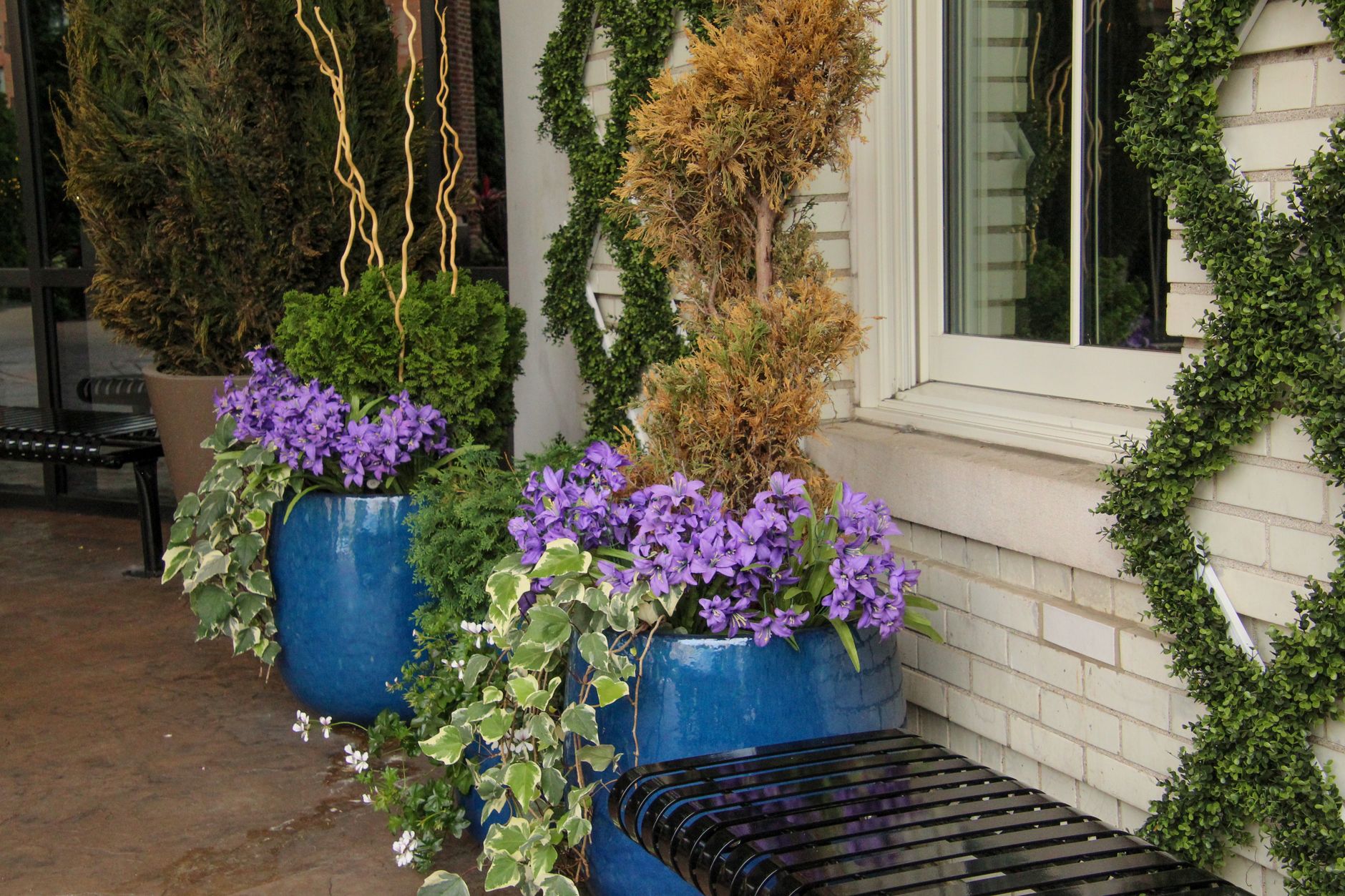
Now, let's talk about making your containers look absolutely fantastic. This is where the 'Thriller, Filler, Spiller' formula comes in, and it's a design principle I swear by for creating dynamic, layered containers that really pop. It’s simple, effective, and helps you create a balanced, visually appealing display every time, which is particularly satisfying when you're dealing with our often grey British skies!
A Thriller is your star plant. It’s typically tall, upright, and provides a dramatic focal point. Think bold foliage, striking flowers, or even a compact edible that draws the eye upwards. In my UK garden, I often use things like a dwarf ornamental grass, a vibrant fuchsia, or even a 'Patio Princess' tomato plant for this role. It gives the whole arrangement structure.
The Filler plants are next. These are typically bushier, mounding plants that fill out the middle ground of your container, adding volume and a softer texture around your thriller. They bridge the gap between the upright thriller and the trailing spillers. I love using things like bushy herbs – a 'Greek Columnar' basil works wonderfully – or vibrant annuals like geraniums, petunias, or even compact kale varieties in this spot. They provide that lush, full look.
Finally, the Spiller plants are those that gracefully cascade over the edge of your container. They soften the edges of the pot, add movement, and complete the overall design. For spillers, I often turn to trusty nasturtiums with their edible flowers, trailing lobelia for a burst of colour, or even sweet potato vine for its incredible foliage. These really tie the whole look together and make the container feel abundant.
Here’s a classic example I’ve put together in my own garden: I used a compact red dahlia as my thriller, surrounded it with bushy osteospermum and a few calendula as fillers, and then had vibrant purple lobelia tumbling over the sides. The dahlia provided height and a punch of colour, the osteospermum filled in beautifully, and the lobelia added that continuous flow. It looked brilliant on my patio, drawing compliments from everyone who visited.
Top UK Plant Picks: Annuals, Herbs & Compact Edibles for Continuous Appeal
Choosing the right plants is absolutely crucial for ensuring your mixed containers deliver continuous blooms or harvests throughout the British growing season. I've spent years experimenting in my Midlands garden, often battling late frosts or prolonged wet spells, to figure out which varieties truly earn their spot in a container. The key is selecting plants known for their long flowering periods, repeat harvests, or robust nature in our UK climate.
For annuals, I look for varieties that are prolific bloomers and don't mind a bit of deadheading to encourage more flowers. Herbs are fantastic because most are naturally compact, wonderfully fragrant, and you can snip them for cooking all season long. And compact edibles? Well, they're the ultimate multitaskers, giving you fresh produce while looking attractive.
One mistake I made early on was planting annuals that just gave one big flush of flowers and then faded, leaving a gap. Now, I actively seek out varieties that are bred for continuous flowering. Similarly, with edibles, I choose things like cut-and-come-again lettuces or bush beans that produce over an extended period rather than all at once. This strategy ensures my containers are always contributing something, whether it's beauty or bounty.
Here are some of my top picks, tried and tested in my UK garden:
| Plant Type | Specific UK Cultivar Recommendation | Growth Habit | Key Benefits for UK Containers | My Experience (Midlands, UK) |
|---|---|---|---|---|
| Annual (Thriller) | Fuchsia 'Delta's Sarah' | Upright, Bushy | Long-blooming, tolerates part shade, vibrant flowers. | A fantastic thriller in shadier spots on my patio, flowering from early summer until the first hard frost. |
| Annual (Filler) | Geranium 'Calliope Large Red' | Mounding, Bushy | Heat tolerant, prolific bloomer, doesn't mind a bit of rain. | Absolutely reliable filler, provides continuous, bold colour even during our unpredictable summer downpours. |
| Annual (Spiller) | Lobelia 'Trailing Sapphire' | Trailing, Cascading | Masses of small blue flowers, long flowering period, great for softening edges. | My go-to for vibrant blue spill, forms a dense carpet over the pot edge and keeps blooming. |
| Herb (Thriller/Filler) | Basil 'Greek Columnar' | Upright, Compact | Upright growth, strong flavour, less prone to bolting in cooler temps. | Perfect for adding height and fresh leaves to my edible containers; I pinch it regularly for bushy growth. |
| Herb (Filler/Spiller) | Thyme 'Creeping Red' | Low-growing, Trailing | Drought tolerant once established, fragrant, pretty flowers. | Great for filling gaps and spilling slightly, tolerates my occasional forgetfulness with watering. |
| Herb (Filler) | Chives 'Polyvert' | Upright, Clumping | Perennial, easy to grow, continuous harvest, pretty purple flowers. | A staple in nearly all my herb containers; I snip them weekly for cooking, and they just keep coming back. |
| Edible (Thriller) | Tomato 'Tiny Tim' | Bush, Compact | Excellent for pots, early producer, good yield of cherry tomatoes. | Consistently produces a great crop of sweet cherry tomatoes in a sunny spot, needs minimal support. |
| Edible (Filler) | Lettuce 'Tom Thumb' | Compact, Mounding | Small, butterhead lettuce, perfect for cut-and-come-again harvests. | I tuck these into the gaps; I can harvest outer leaves for weeks, and they don't take up much space. |
| Edible (Spiller) | Nasturtium 'Alaska Mix' | Trailing, Vining | Edible leaves and flowers, adds colour and interest, easy to grow. | My favourite edible spiller; the peppery leaves and vibrant flowers are great in salads, and they’re so easy to grow. |
Nurturing Your Containers: Watering, Feeding, Deadheading & Pruning for Longevity
Right, so you’ve got your beautiful mixed containers all planted up – thrillers thrilling, fillers filling, and spillers spilling. But the work isn't over! This is where the real magic happens, the consistent care that keeps them vibrant and productive all season long. I've learned the hard way that a day or two of neglect, especially during a scorching British summer, can turn a lush display into a sad, crispy mess.
Watering: The Daily Dance with the Drizzle (or Lack Thereof)
Watering containers is probably the most crucial job, especially here in the UK where our weather can swing from torrential rain to unexpected heatwaves in a blink. Unlike plants in the ground, containers dry out much faster. In my Midlands garden, during peak summer, I often find myself watering my most sun-exposed pots twice a day. Sounds like a lot, right? But it’s essential.
I always check the soil moisture with my finger, sticking it about an inch or two deep. If it feels dry, it's watering time. I water until I see it draining out the bottom – this ensures the entire root ball gets a good soak. Don't just give them a sip! One mistake I made early on was only surface watering, which encouraged shallow roots and weaker plants. If your pots are drying out super fast, consider adding some water-retaining gel to the compost next season, or even better, invest in larger containers. Bigger pots hold more moisture and offer more insulation for the roots. For my thirsty tomato pots in the greenhouse, I even use self-watering inserts to give them a constant supply, which has been a total game-changer for reducing my daily chores.
Feeding: Fueling the Flourish and the Harvest
With all that watering, nutrients leach out of the compost pretty quickly. Your plants are working hard to produce those continuous blooms and harvests, so they need regular feeding. I treat my container plants like athletes – they need consistent fuel!
I usually start with a good quality slow-release granular feed mixed into the compost at planting time. This gives them a steady supply for the first 6-8 weeks. After that, especially for my hungry edibles like 'Patio Baby' aubergines or my 'Sungold' tomatoes, I switch to a liquid feed every week or two. I use a balanced feed for general growth, but once my edibles start flowering and fruiting, I switch to something higher in potassium (like a tomato feed) to really encourage that bounty. For my herbs, they're generally less demanding; a good compost and maybe a half-strength general feed once a month is usually plenty. Overfeeding herbs can sometimes reduce their aromatic oils, so go easy on them.
Deadheading & Pruning: The Secret to Endless Blooms and Bigger Harvests
This is where you earn your keep and truly extend the life of your containers. Deadheading – removing spent flowers – signals to the plant to produce more blooms instead of putting energy into making seeds. For annuals like petunias, marigolds, and cosmos, I'm out there every few days, snipping off faded flowers. It makes a huge difference to the continuous display.
Pruning isn’t just for shrubs; it's vital for container plants too. Pinching back leggy annuals encourages bushier growth and more flowers. For my herbs, especially basil and mint, I'm constantly harvesting the top leaves. This isn't just for cooking; it's a form of pruning that prevents them from flowering too early and becoming woody. If a plant gets too tall or starts to overshadow its neighbours, I don't hesitate to give it a trim. Last summer, one of my 'Lemon Gem' marigolds went a bit wild and started to smother my trailing thyme. A quick snip and it was all back in balance, and the marigold put out even more flowers! Don't be afraid to be a bit ruthless; your plants will thank you for it with renewed vigour.
Preventing Problems: Troubleshooting Tips & Organic Pest Control for UK Gardeners
Even with the best intentions, problems can crop up. Our unpredictable British weather and the sheer density of container planting can sometimes invite issues. But don't despair! Most things are fixable, and I’m all about organic solutions here in my UK garden.
Common Container Conundrums & Quick Fixes
- Yellowing Leaves: Often a sign of nutrient deficiency (time to feed!), overwatering (check drainage), or underwatering (check soil moisture). My 'Chocolate Mint' often gets yellow lower leaves if it's been too wet.
- Wilting Plants (Even After Watering): This can be tricky. It could be severe underwatering where the compost has become hydrophobic (repels water). Try giving the pot a good soak in a bucket of water for 30 minutes. Or, ironically, it could be overwatering leading to root rot. Feel the soil. If it's soggy and smelly, you've got root rot. It’s hard to recover from, but try letting it dry out completely and hope for the best.
- Leggy Growth: Usually a lack of light or a need for pinching back. Move your pot to a sunnier spot if possible, and don't be shy with those pruning shears!
- Flowering but No Fruit on Edibles: For tomatoes and peppers, sometimes it's poor pollination, especially in a sheltered spot or greenhouse. Gently tap the flowers or give them a little shake to help release pollen. It could also be nutrient imbalance – too much nitrogen encourages leafy growth over fruit.
Organic Pest Control for UK Gardeners: My Tried and Tested Methods
Pests are an inevitable part of gardening, especially when you're growing a buffet of delicious edibles. Here's what I've found works well here in the British climate without resorting to harsh chemicals:
- Aphids: The bane of many a gardener's existence! For small infestations, I simply blast them off with a strong jet of water from the hose. For larger outbreaks, especially on my greenhouse tomatoes, I mix a few drops of washing-up liquid with water in a spray bottle and spray the affected plants. It smothers them. I also encourage ladybirds by planting things like dill and calendula nearby – they are aphid predators!
- Slugs & Snails: These slimy characters love munching on tender seedlings and leaves. In containers, it's easier to manage. I use copper tape around the rims of my more vulnerable pots; they hate crossing it. I also hand-pick them during my evening rounds and relocate them far away (or dispose of them responsibly). Beer traps work a treat too – a shallow dish of beer sunk into the soil attracts and drowns them.
- Whitefly: These are common in my greenhouse, especially on my 'Moneymaker' tomatoes. Yellow sticky traps are brilliant for monitoring and catching them. For a persistent problem, I use a neem oil spray (diluted according to instructions) which disrupts their lifecycle.
- Cabbage White Caterpillars: If you're growing brassicas like 'Toscano' kale in your containers, these can be a real nuisance. The best defence is a physical barrier – fine mesh netting over your container. I've learned this the hard way after losing a whole pot of kale to them one year. Regularly checking under leaves for eggs and squishing them is also effective.
The key is vigilance. Regular checks – every morning when I'm watering or having my cuppa – mean I catch problems early before they get out of hand. A healthy plant is often more resistant to pests and diseases anyway, so good watering and feeding practices are your first line of defence.
Your Thriving Container Oasis Awaits: Enjoy the Beauty and Bounty!
So there you have it – my full rundown on designing, planting, and maintaining thriving mixed container gardens here in the UK. This isn't just about creating pretty pots; it's about crafting miniature ecosystems that give back in so many ways. From the vibrant colours of my petunias and nasturtiums, to the aromatic scent of basil and rosemary, right through to the sweet burst of a freshly picked 'Sweet Million' cherry tomato or the peppery bite of a 'Tom Thumb' lettuce, my containers bring me so much joy.
I've shared everything I've learned over my five-plus years of intensive UK gardening, from the initial planning and strategic plant pairing, right down to the daily watering dance and battling the occasional aphid invasion. I've made my fair share of mistakes along the way, believe me – like planting a sun-loving herb in a shady spot, or letting a container dry out completely during an unexpected heatwave. But every slip-up has been a valuable lesson, often teaching me more than my successes. That's the beauty of gardening, isn't it? It's a constant journey of learning and adapting, especially with our wonderfully unpredictable British weather.
I really encourage you to get out there, experiment, and make these ideas your own. Don't be afraid to try new combinations, even if they seem a bit unconventional. What works best in my 800 sq ft Midlands garden might need a slight tweak for your specific microclimate or container size. Observe your plants, listen to what they're telling you, and most importantly, enjoy the process. There's nothing quite like stepping out into your own garden, cup of tea in hand, to admire the living art you've created, and perhaps snip a few fresh herbs for dinner. Your thriving container oasis is within reach, promising continuous blooms, delicious harvests, and endless satisfaction. Happy growing, fellow UK gardeners!