It's one of the most disheartening sights for any gardener, isn't it? You’ve put in the effort, carefully chosen your new tree or shrub, dug the perfect hole, and given it what you think is the best start in life. It might even perk up for a week or two, showing a glimmer of hope. But then, weeks turn into months, and it just… sits there. No new growth, perhaps a few yellowing leaves, maybe even some twiggy dieback. It’s not dead, but it’s certainly not thriving.
I’ve been there, more times than I care to admit! When I first swapped my IT screen for garden soil five years ago, here in the UK Midlands, I thought I'd mastered the basics. I knew about transplant shock – that initial wilting from the stress of moving. But then came the mystery of the 'stalled' plant, the one that just refused to grow beyond that initial settling-in period. It felt like a personal challenge, especially when I’d invested time, money, and dreams into a new 'Discovery' apple tree or a beautiful 'Summer Snowflake' viburnum.
This isn't about that initial, fleeting wilt; that’s normal. This is about when your new plant has been in the ground for weeks, maybe even a season, and it's still looking lacklustre, refusing to put on any significant new growth. It’s a common frustration in UK gardens, particularly with our sometimes-unpredictable weather – a damp spring followed by a sudden dry spell can really throw things off. But don't despair! Through plenty of trial and error (and a few lost plants, I confess), I’ve learned to diagnose these stubborn cases. Let's dig into why your new tree or shrub isn't thriving and what we can do to get it flourishing.
Beyond Initial Shock: Why Your New Tree or Shrub Isn't Thriving
We've all heard of transplant shock, right? That brief period of wilting or leaf drop immediately after planting. It’s a plant's way of saying, "Whoa, that was a bit much!" Usually, with a bit of TLC – consistent watering and shelter from harsh elements – they bounce back within a couple of weeks. But what happens when weeks turn into months, and your carefully chosen specimen, whether it's a 'Kaiser' pear or a 'Blueberry Patriot' bush, just seems to be stuck in neutral? That's what we're talking about today.
In my 800 sq ft backyard garden here in the Midlands, I’ve had my fair share of these 'stunted' plants. I remember planting a lovely 'Pink Perfection' camellia, convinced it would be a showstopper. For months, it barely put out a new leaf. I'd check the soil, fret over it, even talk to it (don't judge!). It wasn't dying, but it certainly wasn't growing. It taught me that sometimes the biggest problems are hidden beneath the surface, or in the subtle details of our care routines, especially with the quirks of our British climate. We're looking beyond the obvious, into the persistent issues that prevent healthy establishment and robust growth.
Spotting the Signs: Differentiating Stunted Growth from Normal Establishment
Learning to tell the difference between a plant that’s just taking its sweet time to settle in and one that’s genuinely struggling is a skill I’ve honed over my five years of intensive gardening. I remember staring at a newly planted 'Conference' pear tree, wondering if its slow progress was normal. It’s easy to get anxious when you’re eager to see growth!
Normal Establishment:
When a tree or shrub is establishing well, it might not put on a massive amount of top growth in its first season. This is perfectly normal. The plant is prioritising root development, creating the strong foundation it needs for future vigour. You’ll usually see:
- A few new leaves emerging, though they might be slightly smaller initially.
- A subtle, steady green colour in the foliage.
- No significant leaf drop or yellowing after the initial transplant shock.
- The plant generally looks "happy" and healthy, just not spectacularly large.
Signs of Stunted Growth (Beyond Normal Establishment):
This is where things get concerning. If your plant exhibits these signs for an extended period (say, a month or more after planting, or throughout an entire growing season), it's time to investigate:
- Lack of New Growth: This is the most obvious sign. Your plant simply isn't producing new shoots, leaves, or extending its branches. It looks exactly the same as the day you planted it, or perhaps even smaller.
- Small, Pale, or Yellowish Leaves (Chlorosis): New leaves might be tiny, light green, or even yellow, often with green veins (a classic sign of iron deficiency, often pH related). My 'Blueberry Patriot' once showed this, and it was a clear sign something was off with the soil pH.
- Premature Leaf Drop: Leaves might turn brown or yellow and fall off well before autumn, even in the middle of summer.
- Short Internodes: The spaces between where leaves or branches emerge are very short, giving the plant a dense, cramped, or 'bonsai-like' appearance.
- Dieback: Twigs or small branches might start to turn brown and die off from the tips inwards. This is a serious red flag.
- Failure to Flower/Fruit: If it's a flowering or fruiting variety and it's well past the typical bloom time, this indicates stress.
Last summer, I planted a 'Stella' cherry tree, hoping for some early fruit. It got through the initial shock, but then just sat there. The leaves were a sickly pale green, and no new shoots appeared. I kept telling myself it was just "settling in," but deep down, I knew it wasn't right. It was definitely stunted. Learning to spot these persistent signs early can save you a lot of heartache and gives you a chance to intervene before it's too late.

Unearthing the Problem: Common Causes of Post-Transplant Stunting
It took me a while, and a few lost plants, to realise that what often looks like one problem – "it's not growing" – is actually a symptom of something else entirely. As an ex-IT guy, I learned that debugging a garden is a lot like debugging code: you have to methodically check each potential cause. Here in my UK garden, I've seen these issues pop up time and again.
My 'Blue Arrow' juniper, which I planted two years ago, barely grew an inch for the entire first season. When I finally decided to (gently) dig it up and inspect the roots, I found a dense, matted spiral – a classic case of it being severely pot-bound before planting. The roots just couldn't break free and establish themselves. Rookie mistake! That taught me the hard way to always, always check the roots of new plants.
Then there was the 'Cox's Orange Pippin' apple tree I planted one wet spring. I thought I was being diligent with watering, but with the constant British drizzle, I was essentially drowning it. The signs were subtle initially – just a general lack of vigour and slightly yellowing leaves, not the dramatic wilting you'd expect from under-watering. It highlighted how tricky watering can be in our unpredictable UK climate.
Here's a breakdown of the common culprits I've encountered:
| Problem | Common Signs (Beyond Initial Shock) | Randy's UK Experience/Tips | Quick Fix/Action | Root Problems
5. Beyond the Basics: Addressing Nutrient Deficiencies, Pests, and Diseases
Right, so we've got the watering and soil fundamentals dialled in – that's often half the battle here in the UK, especially with our notoriously variable rainfall and sometimes heavy clay soils. But what if your plant is still looking a bit sad, even after you've perfected its hydration and given it a good start in life? This is where we need to put on our detective hats and dig a little deeper into nutrients, uninvited guests, and those sneaky plant illnesses.
Nutrient Deficiencies: When Your Soil's Lacking That Little Something
Just like us, plants need a balanced diet. Our UK soils, particularly if they haven't been regularly amended, can sometimes be a bit deficient in key micronutrients. I learned this the hard way with a young 'Conference' pear tree I planted a few years back. It was growing, but the leaves were a pale, sickly yellow between the veins – a classic sign of iron deficiency, common in alkaline soils, which we have patches of in my Midlands garden.
The best first step is a soil test, which I now do every couple of years for different beds. But short of that, you can often spot the signs:
- Yellowing leaves (chlorosis): Often points to iron or magnesium deficiency, or sometimes nitrogen if the whole leaf is pale. If it's just the older leaves, it might be magnesium; if it's the new growth, iron is a strong suspect.
- Purplish leaves/stems: Can indicate a phosphorus deficiency, which is less common but can happen in very cold, wet spring conditions when roots can't take up nutrients efficiently.
- Stunted growth despite good watering: Could be a general lack of nitrogen or other macronutrients.
I've found that a good liquid seaweed feed, applied as a foliar spray or root drench, can work wonders for a quick boost. It's packed with trace elements and growth hormones. For iron issues, I use sequestered iron chelates, which are readily available to the plant even in alkaline conditions. For a long-term fix, incorporating plenty of well-rotted garden compost and manure into the soil helps build a rich, balanced ecosystem.
Pests and Diseases: Uninvited Guests and Unwelcome Ills
Oh, the bane of every UK gardener's existence! Pests and diseases can absolutely decimate a young, vulnerable plant. It’s not just about eating the leaves; many pests can also stunt growth by feeding on sap, transmitting viruses, or damaging roots.
Pests:
In my 800 sq ft backyard, I've battled my share. For newly planted trees and shrubs, watch out for:
- Aphids: These little green or black sapsuckers love tender new growth. I had a young rose bush, 'Gertrude Jekyll', that looked promising until a massive aphid invasion stunted its first flush of growth. My go-to is often just blasting them off with a strong jet of water or, for more persistent attacks, a homemade garlic spray.
- Slugs and Snails: While usually more of a problem for herbaceous plants, they can nibble on the bark of very young woody stems or even the tender tips of new growth. I'm a big fan of regular evening patrols and hand-picking here in the Midlands – saves the plant and gives me a bit of exercise!
- Vine Weevils: These are the silent assassins. The adults notch leaves, but it's the grubs in the soil that munch on roots, often causing sudden collapse. I lost a young Viburnum to them once. Biological controls like nematodes (specific to vine weevils) are fantastic and something I've used with great success in my raised beds and greenhouse.
Diseases:
Young plants are often less susceptible to major diseases than established ones, but they're not immune.
- Powdery Mildew: A white, powdery coating on leaves. It thrives in humid conditions with poor air circulation, something we can get plenty of during a British summer! I find ensuring good airflow and, if necessary, a milk spray (1 part milk to 9 parts water) can help.
- Root Rot: Often caused by overwatering or poorly draining soil, leading to mushy, smelly roots and sudden wilting. This circles back to getting your soil and watering right – prevention is key here. I learned this when I first started and overwatered a young Hydrangea 'Annabelle' in a heavy clay spot.
Here's a quick comparison table of common issues and my go-to UK garden fixes:
| Issue Type | Common Symptoms (UK Plants) | Likely Causes (UK Specific) | Randy's UK Garden Fixes |
|---|---|---|---|
| Nutrient Def. | Pale green/yellow leaves (chlorosis), stunted growth | Leaching in wet weather, alkaline soil locking up nutrients, poor soil organic matter | Liquid seaweed feed, sequestered iron (for chlorosis), well-rotted compost/manure |
| Pests | Chewed leaves, sticky residue, distorted growth, wilting | Aphids, slugs, vine weevil grubs, caterpillars (e.g., Cabbage White) | Water blast for aphids, hand-picking slugs, nematodes for vine weevil, biological controls |
| Diseases | White powdery coating, leaf spots, wilting, stem dieback | Powdery mildew (humidity), root rot (overwatering/poor drainage), rust (damp conditions) | Improve airflow, milk spray (mildew), correct watering, improve drainage (root rot) |


6. Strategic Pruning and Support: Helping Your Plant Bounce Back
Sometimes, a bit of tough love in the form of strategic pruning is exactly what a struggling plant needs. And with our often windy British weather, proper support can be the difference between a thriving young tree and a broken one.
The Art of Corrective Pruning for Stunted Plants
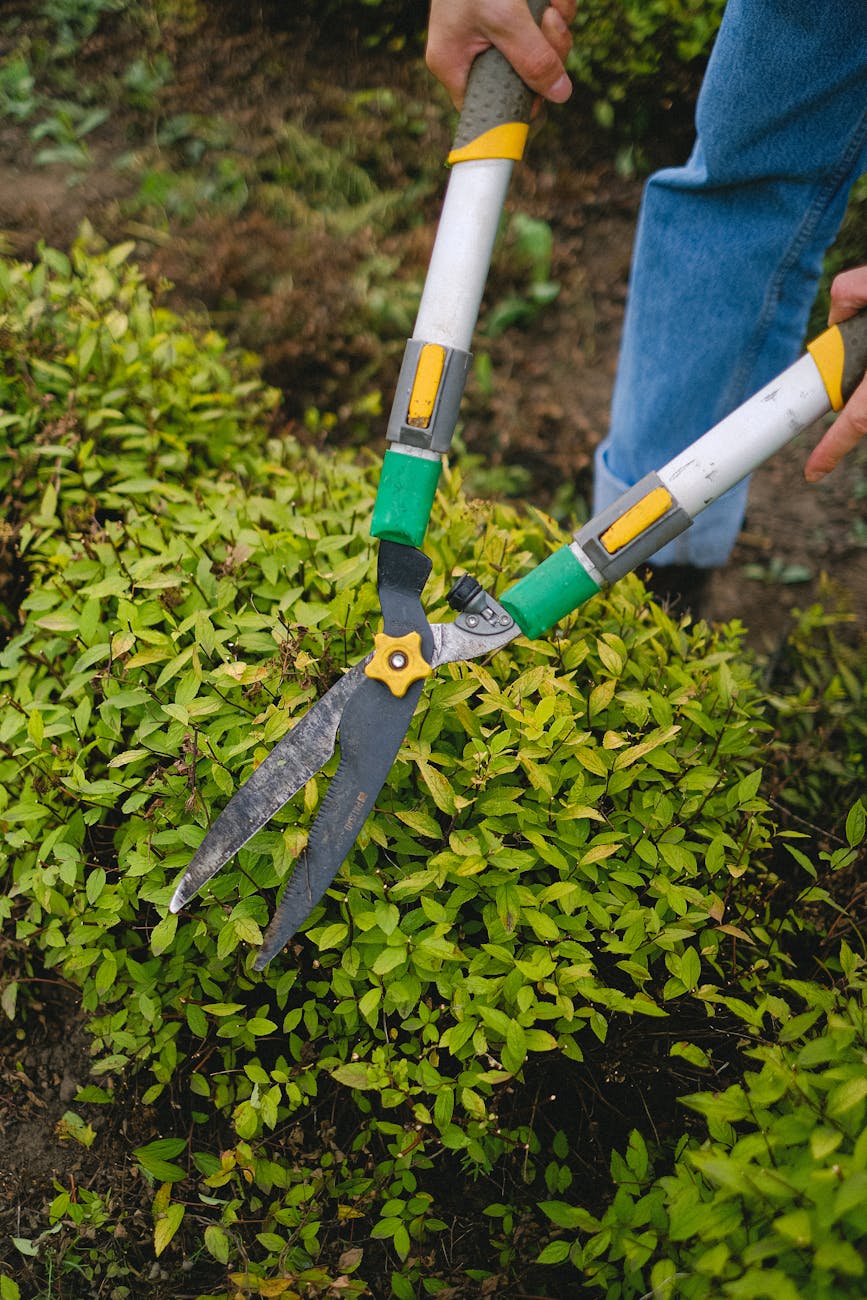
When a young tree or shrub is stunted, it might be putting all its energy into trying to sustain damaged or weak growth, or it might be trying to fight off disease. Pruning, when done correctly, can redirect that energy. I've had to do this with a few plants in my time. One year, after a particularly harsh winter here in the Midlands, a young 'Black Lace' elderberry I’d planted looked very sorry for itself, with lots of dead tips.
Here’s my approach:
- Remove Dead, Damaged, or Diseased Wood: This is always the first step. Any wood that's clearly dead (snaps easily, no green underneath the bark) or shows signs of disease (cankers, strange growths) needs to go. Cut back to healthy wood, making sure to sterilise your tools with rubbing alcohol between cuts, especially if you suspect disease. This prevents the spread of pathogens.
- Address Crossing or Rubbing Branches: These create wounds and restrict airflow, which can be an entry point for disease. Choose the strongest, best-placed branch and remove the weaker or less ideally positioned one.
- Encourage New Growth: For a truly stunted plant that's otherwise healthy, a light 'tip prune' can sometimes stimulate dormant buds. This means snipping off the very tips of branches. For deciduous trees and shrubs, I generally prefer to do this during their dormant season (late autumn to early spring) as it causes less stress. However, if it's a matter of removing dead growth, do it as soon as you spot it. I did this with my elderberry, cutting back to healthy buds, and it responded with a flush of strong new growth the following spring.
- Avoid Over-Pruning: This is crucial! Never remove more than about 20-25% of the plant's total canopy in a single season, especially for a struggling plant. Its leaves are its energy factories. Over-pruning can set it back even further. I once got a bit overzealous with a young cotoneaster that was looking leggy and removed too much – it sulked for a whole year!
Always use sharp, clean secateurs or loppers. A clean cut heals faster than a ragged one.
Providing the Right Support: Staking for Stability
Our British weather can be, shall we say, enthusiastic at times. Strong winds are a common feature, especially in exposed gardens like mine. Newly planted trees and taller shrubs are particularly vulnerable to 'wind rock', where the wind repeatedly rocks the plant, preventing the roots from establishing properly and even creating a 'collar' of soil around the base where water can collect.
My advice for staking:
- Don't automatically stake: Many smaller, bushier shrubs don't need staking. Only stake if the plant is tall, in an exposed position, or has a clear lean. The goal is to allow some movement, which encourages the tree to develop a stronger trunk and root system.
- Use a single, sturdy stake: For most young trees, a single stake driven firmly into the ground before planting (or very carefully after, to avoid root damage) is usually sufficient. Place it on the prevailing wind side if possible.
- Tie correctly: Use a flexible tree tie (not wire!) that won't chafe the bark. Form a figure-eight around the stake and the trunk, allowing a little give. I always check my ties every few months, especially as the trunk thickens, to ensure they aren't digging in. I've seen countless young trees girdled by neglected ties – a mistake I almost made with a young apple tree in my first year.
- Remove when established: Generally, stakes should be removed after 1-2 years once the plant has established a strong root system and can stand on its own. Leaving stakes in for too long can make the plant lazy and dependent.

7. Cultivating Resilience: Long-Term Care and Prevention Strategies
Getting a stunted plant back on track is incredibly rewarding, but the real victory lies in preventing future issues. My journey from an IT desk to an 800 sq ft gardening obsession here in the Midlands has taught me that gardening is all about learning, adapting, and building a resilient ecosystem.
Ongoing Care for Thriving Trees and Shrubs
Once your tree or shrub has bounced back, don't just leave it to fend for itself! Long-term care is crucial, especially with our often unpredictable British weather patterns.
- Soil Health is Paramount: This is my mantra. Continuously feed your soil, not just your plants. Each autumn, I layer a good 2-3 inches of homemade compost and well-rotted leaf mould around the base of all my trees and shrubs, keeping it away from the trunk itself. This slow-releases nutrients, improves soil structure, and encourages beneficial soil life. Healthy soil equals healthy roots, which equals a resilient plant.
- Consistent Watering (When Needed): Even established trees and shrubs can suffer during prolonged dry spells, which are becoming more common in our UK summers. I always keep an eye on the weather forecast and check the soil moisture regularly, especially for plants under the canopy of larger trees or near walls. A deep, infrequent watering is always better than frequent, shallow sprinkles.
- Integrated Pest Management (IPM): My approach now is proactive, not reactive. I encourage beneficial insects (ladybirds, hoverflies) by planting companion plants like marigolds and dill. I regularly inspect my plants for early signs of trouble. It's about creating a balanced garden where nature does most of the work, reducing the need for intervention.
- Annual Health Checks: Just like you'd get a MOT for your car, give your plants an annual check-up. Look for unusual growths, discolouration, or signs of pests. Early detection is key to preventing small issues from becoming big problems.
Prevention is Always Better Than Cure
My five years of intensive gardening have been a masterclass in learning from mistakes. Here are my top prevention strategies to ensure your newly planted trees and shrubs thrive from day one:
- Right Plant, Right Place: This is probably the most crucial lesson I've learned. Don't try to force a plant that loves acidic soil into heavy clay, or a sun-lover into deep shade. Research the specific needs of your chosen plant and match it to your garden's microclimate and soil conditions. Consider its mature size! I once crammed a 'Little Lime' hydrangea into a spot that was too small, and it never truly thrived. Now I always check hardiness zones for UK compatibility and soil preferences before I buy.
- Proper Planting Technique: I've covered this in previous sections, but it bears repeating. Dig a wide hole, not too deep. Loosen circling roots. Ensure the root flare is visible at soil level. Water well immediately after planting. These initial steps are fundamental to long-term success.
- Mulch, Mulch, Mulch: A good layer of organic mulch (wood chips, bark, compost) around the base of your plants does so much good. It suppresses weeds (reducing competition for water and nutrients), conserves soil moisture (a godsend during dry spells), moderates soil temperature, and slowly adds organic matter. I make sure to re-apply a fresh layer every spring in my raised beds and around my fruit trees.
- Buy Healthy Stock: Always inspect plants thoroughly at the nursery. Avoid anything with yellowing leaves, obvious pest damage, or roots growing out of the bottom of the pot. A healthy start makes all the difference.
The Takeaway: Patience, Observation, and a Cuppa
Diagnosing and fixing stunted growth can feel like a puzzle, but that's part of the joy of gardening for me. It’s a chance to really connect with your plants, to observe, to learn, and to apply what you’ve discovered. I’ve made countless mistakes in my 800 sq ft UK garden – from misidentifying a deficiency to over-pruning a favourite shrub – but each one has been a valuable lesson.
Remember, newly planted trees and shrubs need time. They’re getting used to a whole new world. Be patient, be observant, and don’t be afraid to get your hands dirty and experiment. Every gardener, no matter how experienced, is still learning. The satisfaction of seeing a once-struggling plant burst back into vibrant life is one of the most rewarding feelings there is. It's why I swapped my IT job for a life amongst the soil and the seasons here in the Midlands.
So, go forth, armed with your new knowledge, and give those precious plants the best chance possible. And if you've got your own stories of bringing a stunted plant back from the brink, or a clever UK-specific trick, I'd absolutely love to hear them in the comments below! Happy gardening!