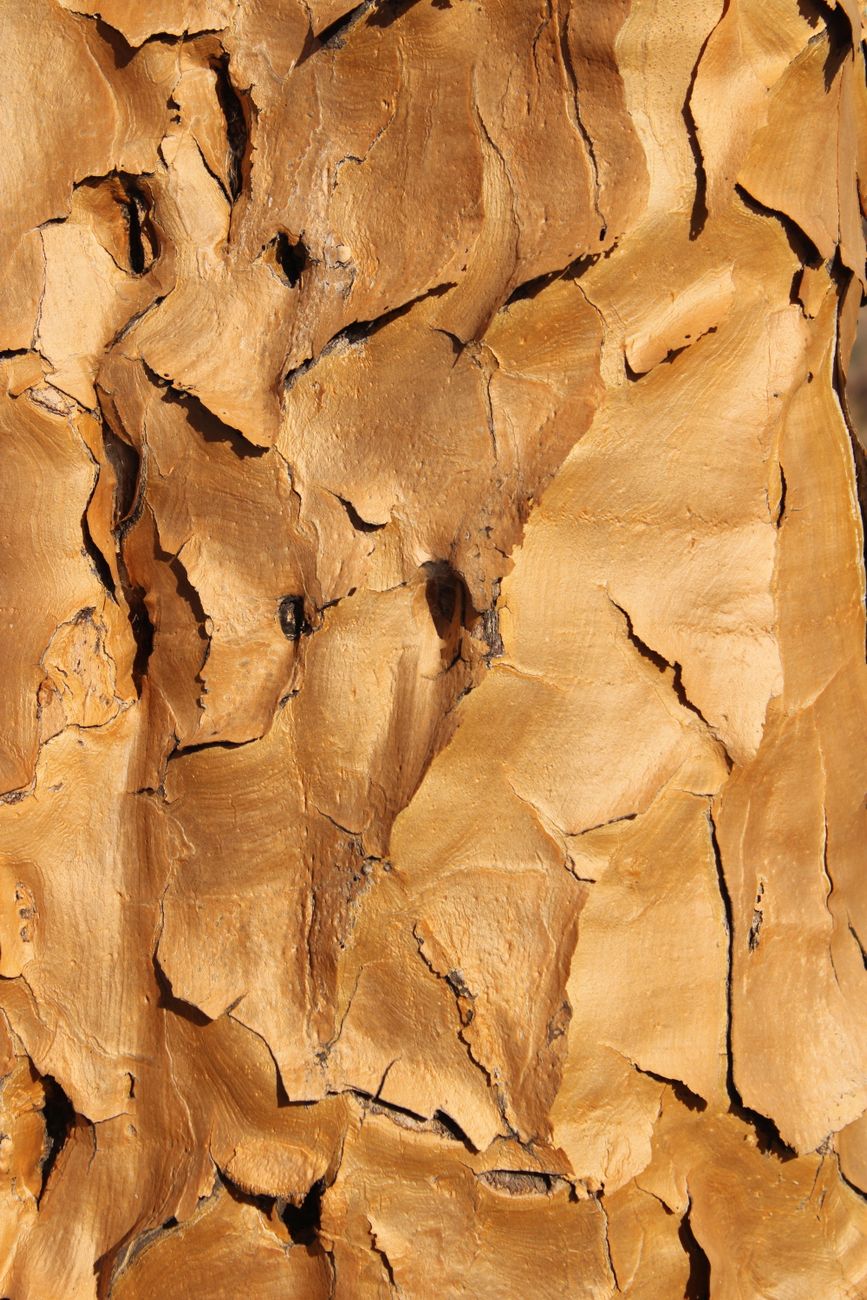
Hello fellow green-fingered friends! Randy here, coming to you from my bustling 800 sq ft patch in the heart of the UK Midlands. If you're anything like me, you spend a fair bit of time out in the garden, mug of tea in hand, inspecting every leaf, every bud, every inch of your precious plants. It's that quiet observation that often catches the early signs of trouble, isn't it? Recently, I've had a few questions pop up in my own mind, and from conversations with other UK gardeners, about bark on our young shrubs and small fruit trees. That moment when you spot a crack, or notice a bit of peeling, and your heart does that little lurch – is it normal? Is it a sign of stress? Or worse, a disease?
I've been there, staring at my young 'Victoria' plum tree, wondering if that tiny fissure was the beginning of the end. With five years of intensive UK gardening under my belt, often learning the hard way (thanks, unpredictable British weather!), I've grown quite a few young woody plants, from gooseberries to lilacs. I've seen healthy bark develop, and I've also seen the tell-tale signs of trouble. In this article, I want to share my practical experiences and observations from my own UK garden to help you confidently diagnose what's happening with your plants' bark. We'll explore what’s normal for our British climate, what signs spell stress, and what might point to a pest or disease issue, all based on what I’ve learned right here in the Midlands.
Understanding Bark Cracks & Peeling in Your UK Garden
Bark – it's more than just a woody skin, isn't it? For our young shrubs and small fruit trees, it's their first line of defence against everything our glorious (and sometimes gruesome!) British weather throws at them. Here in the UK Midlands, I've seen it all, from scorching summer days to frosty winter mornings, often within the same week! The bark protects the vital cambium layer beneath, which is responsible for transporting water and nutrients, essentially the plant's lifeblood. So, when you see cracks or peeling, it's natural to be concerned.
I remember my first year growing a young 'Morello' cherry bush in a large pot – I was so proud of it. Then, I noticed fine vertical cracks appearing. My immediate thought was 'panic!' I'd spent so much time nurturing it from a bare-root whip. But after a bit of research and observing other established trees in my neighbourhood, I realised that sometimes, it's just a part of growing up. However, not all cracks are equal, and that's the crucial bit. The context, the type of crack, and the overall health of the plant all play a role in deciphering the message its bark is sending. We need to learn to 'read' our plants, and their bark is a powerful indicator of their well-being, especially with the unique challenges of our UK climate.
Is it Normal? Distinguishing Healthy Bark Development from Early Warning Signs
This is often the trickiest part, isn't it? Deciding if what you're seeing is just your plant doing its thing, or if it's a subtle cry for help. I've made the mistake of overreacting to perfectly normal bark changes, and conversely, I've probably dismissed early warning signs as 'just growing pains' on occasion. Live and learn, right? In my 800 sq ft Midlands garden, with everything from young apple cordons to blackcurrant bushes, I've had ample opportunity to observe healthy bark development.
For many young trees and shrubs, particularly those growing vigorously, bark naturally stretches and sometimes peels as the trunk and branches expand. Think of it like a snake shedding its skin – a sign of growth! For instance, my 'Crimson Crisp' apple tree, which is now three years old, has developed beautiful, slightly flaky bark as it matured from its smooth, juvenile state. Many species, like some maples or even my elderflower bush, naturally have exfoliating bark that peels off in thin strips or plates. This is usually a uniform process, occurring over the entire trunk and main branches
Practical Prevention Strategies: Nurturing Strong Bark from the Start
Right, so we've talked about what bark cracks and peeling can mean, from the perfectly normal to the seriously concerning. Now, let's get proactive. In my 800 sq ft Midlands garden, I've learned that prevention is always better than cure, especially when you're dealing with young trees and shrubs that are still finding their feet in our sometimes-fickle British climate. Nurturing strong bark from the very beginning gives your plants the best chance at a long, healthy life.
Choosing Wisely and Planting Right
It all starts before the spade even hits the soil. One of the biggest lessons I’ve learned in my five years of intensive UK gardening is the importance of the "right plant, right place" mantra. I used to get carried away by pretty pictures in catalogues, but now I always research varieties that are known to thrive in our specific UK climate and soil conditions. For instance, I adore heritage apples, but I make sure to pick ones resistant to common British diseases like canker, or at least varieties known to be reasonably tolerant. My 'Discovery' apple is generally quite robust, but my 'Cox's Orange Pippin' needs a bit more TLC.
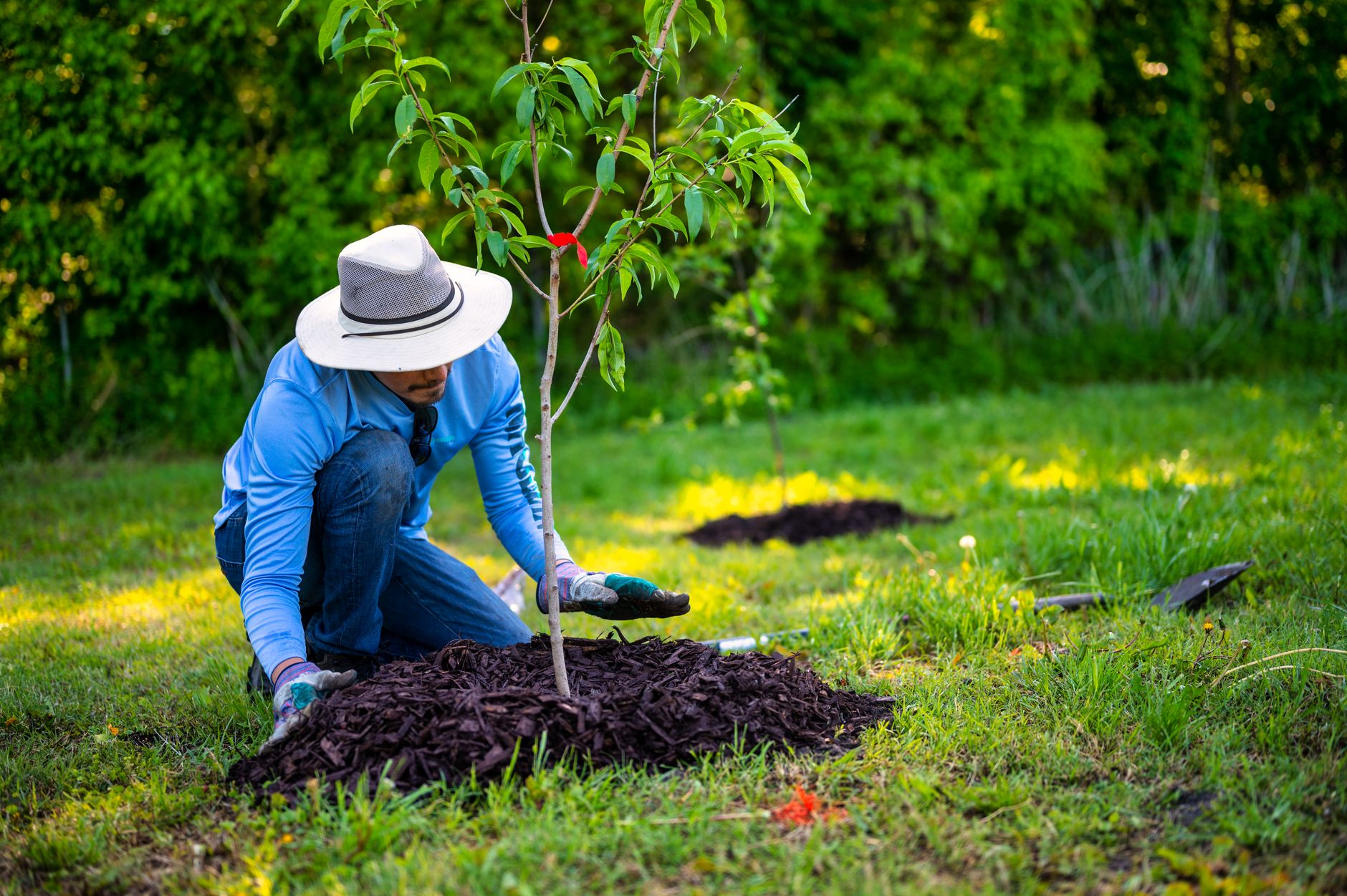
When it comes to planting, proper technique is non-negotiable. I always ensure the root collar (that's where the roots meet the stem) is at or slightly above ground level. One mistake I made early on, with a young 'Conference' pear, was planting it a bit too deep in my heavy clay soil. It struggled for a couple of seasons before I realised and gently raised it. That poor pear's bark was constantly looking stressed until I corrected it. Good drainage is key, especially here in the Midlands where we often get plenty of rain. I always amend my planting holes with plenty of well-rotted compost – often my own homemade stuff from the compost bins – to improve soil structure and ensure no waterlogging.
Consistent Care: Water, Feed, and Protect
Consistent watering is crucial, particularly for young plants during their first few years, and especially during those surprisingly dry spells our British summers can sometimes throw at us. I remember one exceptionally dry August a couple of years back; I thought my newly planted 'Victoria' plum was a goner because I hadn't watered deeply enough. Now, I use a moisture meter for my young trees and shrubs and aim for deep, infrequent watering rather than little and often. This encourages roots to grow down, seeking water, making the plant more resilient.
Balanced nutrition is also vital. I tend to rely on slow-release organic feeds rather than chemical blasts. Over-fertilising, especially with too much nitrogen, can encourage lush, soft growth that's more susceptible to damage and disease. I typically apply a good mulch of compost around the base of my fruit trees and berry bushes in spring, which slowly releases nutrients and helps suppress weeds.
Finally, protection from mechanical damage and environmental extremes has saved me a lot of heartache. I've seen my fair share of bark scrapes from enthusiastic strimmer use (not by me, thankfully, but by a well-meaning relative once!). Now, I always place tree guards around the base of young trees, or at least a wide circle of mulch, to keep mowers and strimmers at bay. For new trees, I also use soft ties and sturdy stakes for the first year or two to prevent wind rock, which can chafe bark at the base. Here in the UK, especially with our unpredictable winters, I also consider wrapping the trunks of particularly tender young fruit trees with hessian or tree wrap during harsh cold snaps to prevent frost cracks. It's an extra step, but I've found it's worth it for varieties like my more delicate 'Greengage' plum that can be a bit more sensitive to sudden temperature drops.
Action Plan: Effective Management and Treatment for Bark Issues
Okay, so you've done all you can, but an issue has still cropped up. Don't panic! The key, as I've found in my own UK garden, is prompt and appropriate action. Ignoring a problem usually only makes it worse.
First, take a deep breath and re-assess the situation. Is it just superficial peeling, perhaps a bit of sunscald on the south-facing side of a young tree, or something more sinister like deep cracks with oozing sap? Go back to the diagnostic steps we discussed earlier.
What I've Done in My Garden
If it's just minor, normal bark peeling on a young shrub like my dogwoods, I usually just leave it be. It's part of their natural development. If it's a bit of superficial sunscald on my 'Red Falstaff' apple, I'll often paint the affected area (or even the whole south-facing trunk) with a diluted white emulsion paint. This reflects the sun and can prevent further damage. I learned this trick after a particularly hot summer where I saw some scorching on a young 'Discovery' apple.
For frost cracks, which can be common here in the Midlands after a sudden temperature drop, I tend to leave them to heal naturally if they're not too severe. The plant usually forms a callus. However, if they're deep and gape open, they can be an entry point for disease. In those cases, some gardeners will gently trim away loose bark and seal with a breathable tree wound paint, though I've personally found that good plant vigour and keeping it healthy helps it heal faster than any paint.
Pest damage, like a localised woolly aphid infestation on my 'Greengage' plum last summer, I often tackle manually first. A strong jet of water can dislodge them, or a soft brush. For more persistent issues, I've used organic horticultural oils, applied on a calm, mild day, making sure to cover all the crevices where they hide.
Disease, now that's where I get a bit more serious. If I spot canker on my 'Victoria' plum, I immediately prune out affected branches, cutting well back into healthy wood. I always sterilise my secateurs with rubbing alcohol between cuts to avoid spreading it further. For issues like silver leaf disease, unfortunately, often the only course of action is removal to prevent spread, which is heartbreaking but necessary. I learned this the hard way with an old cherry tree that was beyond saving.
Here’s a quick comparison table based on my experiences in my UK garden:
| Issue Type | Symptoms (What I Look For) | Management/Treatment (My Approach in UK Garden) | Randy's Experience/Notes |
|---|---|---|---|
| Normal Bark Shedding | Flaking, peeling, smooth new bark underneath, no sap, healthy plant. | No action needed. Observe. | My dogwoods do this every year. Initially, I worried, but quickly learned it's just them growing. Perfectly normal. |
| Sunscald | Flattened, discoloured bark (south/west side), can crack later. | Paint trunk with diluted white emulsion (50:50 water). Provide shade if possible. | Lost a young 'Discovery' apple to this after a scorching summer. Now, all new trunks get a paint job if they're exposed. |
| Frost Cracks | Vertical cracks, often deep, sometimes with lifted bark edges. | Generally leave to heal naturally. Ensure good overall plant health. Prune away loose bark if deep, avoid sealing unless specifically recommended for species. | Seen these on my 'Conference' pear after a harsh Midlands winter. Most heal fine. Focus on strengthening the tree for next winter with good care. |
| Mechanical Damage | Scrapes, gouges, cuts from tools, animals. | Trim ragged edges with a sharp, sterilised knife to encourage clean callus formation. Protect from further damage. | My own accidental strimmer incident (before guards!) on a young elderflower. Cleaned it up, it healed, but left a scar. Lesson learned! |
| Pest Damage (e.g., Woolly Aphid) | White, fluffy colonies on cracks, sticky honeydew, sooty mould. | Strong water jet, manual removal. Horticultural oil/insecticidal soap (organic, UK-approved) on calm, mild days. | Battled these on my 'Greengage' plum. Early detection and regular spraying with organic soap was key. Keep an eye on them; they can cause real damage. |
| Canker (Fungal) | Sunken, discoloured patches, often with target-like rings, oozing sap. | Prune affected branches immediately well into healthy wood. Sterilise tools between cuts. Some copper-based sprays (check UK regulations) for prevention. | The bane of my 'Victoria' plum and 'Cox's Orange Pippin'! Pruning quickly is essential. I aim to prune in dry weather to reduce spore spread. |
| Bacterial Wetwood/Slime Flux | Dark, foul-smelling liquid oozing from cracks/wounds. | Improve drainage, reduce stress. Clean off slime. Often just manage symptoms, as it's hard to cure. | Had a minor case on an older cherry tree. Ensured good drainage and it eventually subsided. Focus on overall tree health. |
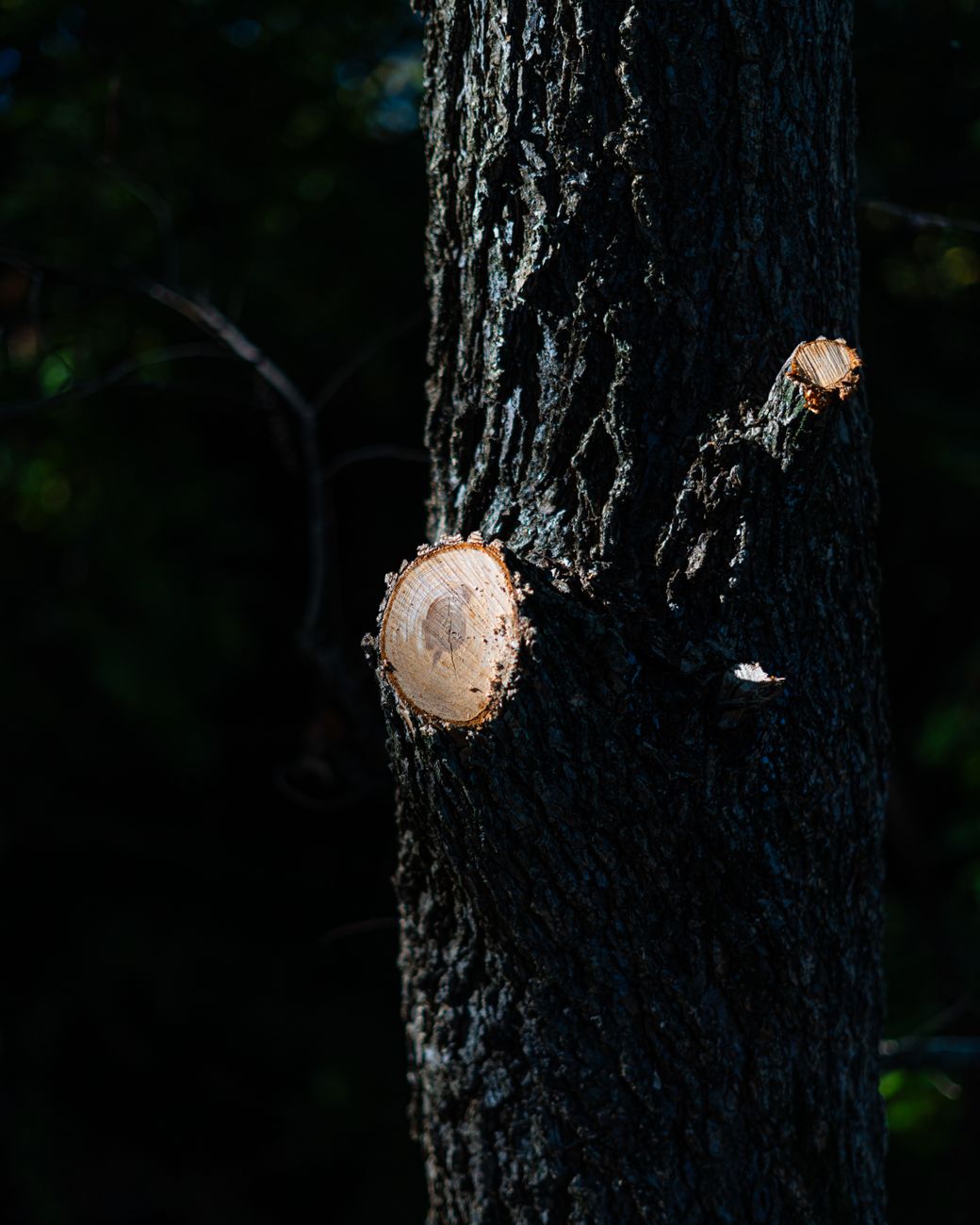
Keeping Your Young Trees & Shrubs Thriving in the UK Garden
So, there you have it, a journey through the fascinating (and sometimes frustrating!) world of bark cracks and peeling in our young trees and shrubs here in the UK. What I've learned in my five years of getting my hands dirty in my 800 sq ft Midlands garden is that bark tells a story – you just need to learn how to read it.
We've covered how to tell the difference between the perfectly normal signs of growth and development and those early warning signals that scream "help me!". We've delved into the stress factors that our British weather, soil, and even our own care routines can impose, and we've explored the tell-tale signs of pests and diseases that can target bark.
But perhaps most importantly, we've armed ourselves with practical prevention strategies. From choosing the right varieties that are robust enough for our UK climate, like my trusty 'Conference' pear, to nailing proper planting techniques and providing consistent, thoughtful care – these are the foundations of strong, healthy bark. And when issues do arise, we've got an action plan to manage and treat them effectively, drawing on my own trial-and-error experiences with everything from sunscald on my 'Discovery' apple to canker on my beloved 'Victoria' plum.
Gardening, for me, isn't about achieving perfection. It's about constant learning, observing, experimenting, and yes, sometimes making mistakes (I've made plenty, believe me!). It’s about building a relationship with your plants, understanding their needs, and responding with care. My journey from an IT desk to a greenhouse packed with heirloom tomatoes like 'Cherokee Purple' has shown me the immense satisfaction of nurturing life.
So, next time you're out in your garden, take a moment to really look at the bark of your young trees and shrubs. Feel it, observe it, and listen to what it's telling you. With a little knowledge and a lot of love, you can ensure your young plants don't just survive, but truly thrive, adding beauty and bounty to your UK garden for years to come.
What bark issues have you faced in your UK garden, and what did you do about them? I'd love to hear your stories and learn from your experiences too! Happy gardening!