
The Evolving Challenge of 'Full Sun' in UK Gardens
When I first started getting serious about gardening five years ago, swapping my IT desk for a trowel and the fresh air of my 800 sq ft Midlands garden, 'full sun' was almost a holy grail. Every plant label seemed to crave it, and I spent hours optimising my raised beds and borders to capture every precious ray of British sunshine. I envisioned a garden bursting with sun-worshipping beauties, thriving under what I thought was our mild, often overcast, climate.
Oh, how quickly things can change! What I've learned in the last few summers, especially those increasingly brutal July and August heatwaves we've been experiencing here in the UK, is that 'full sun' isn't always the benevolent friend it once was. For my established sun-loving perennials and shrubs – the ones I carefully placed because they supposedly needed all that light – the intense afternoon heat can now be a real ordeal, pushing them past their limits. I've seen vibrant foliage turn crispy and flowers wilt into sad, brown husks, and it's heartbreaking after all the effort.
This isn't just about planting shade-lovers; it's about protecting the tough, sun-loving stalwarts that we've always relied on to bask happily. My garden, packed with everything from heirloom tomatoes in the greenhouse to a riot of herbs and flowering shrubs, has become my living laboratory for tackling this very British problem. This article is all about sharing what I've discovered through trial, error, and a fair few plant casualties, so you can protect your established beauties from what I'm calling 'full sun' overload. Let's dig in.
Recognising the Signs: Diagnosing Sun Scorch & Heat Stress on Established Plants
One of the trickiest things I've found in my UK garden is figuring out what's actually wrong when a plant starts looking poorly. Is it thirst? Pests? Or is it simply getting too much of a good thing? I've made my fair share of mistakes, mistaking severe heat stress for a watering issue and drowning a struggling plant, or conversely, not reacting quickly enough when my established Lavender 'Hidcote' started to look distinctly unhappy during a prolonged dry spell coupled with intense sun.
It's crucial to distinguish between general heat stress and actual sun scorch, especially when dealing with plants that are meant to love the sun. Heat stress often comes first, a plant's way of saying "I'm not coping," while sun scorch is the visible, often irreversible, damage from direct, intense sunlight. My Rudbeckia 'Goldsturm', for instance, is usually a sun champion, but last summer, the leaves on the most exposed side began to curl and bleach, a clear sign of sun scorch, even though the rest of the plant was just showing signs of general heat fatigue.
Here's a comparison table I've put together based on my observations here in the Midlands, which I hope helps you spot the difference in your own garden:
| Symptom | Sun Scorch (Direct Damage) | Heat Stress (Systemic Response) |
|---|---|---|
| Appearance | Crispy, bleached, brown, or black patches on leaves/petals. | Drooping, wilting, duller colour, sometimes yellowing. |
| Location | Most prominent on leaves/flowers directly facing afternoon sun. | Affects entire plant or larger sections, not just sun-exposed. |
| Texture | Dry, brittle, papery to the touch. | Limp, soft, sometimes slightly leathery. |
| Timing | Appears rapidly after intense, prolonged sun exposure. | Develops more gradually, often over hours or days of heat. |
| Recovery | Damaged parts are unlikely to recover; new growth may be fine. | Plant often perks up quickly with cooler temps or shade. |
| Examples I've seen | Brown tips on Salvia 'Caradonna', bleached patches on Phlox. | Limp Hydrangea leaves, drooping Rosemary branches. |
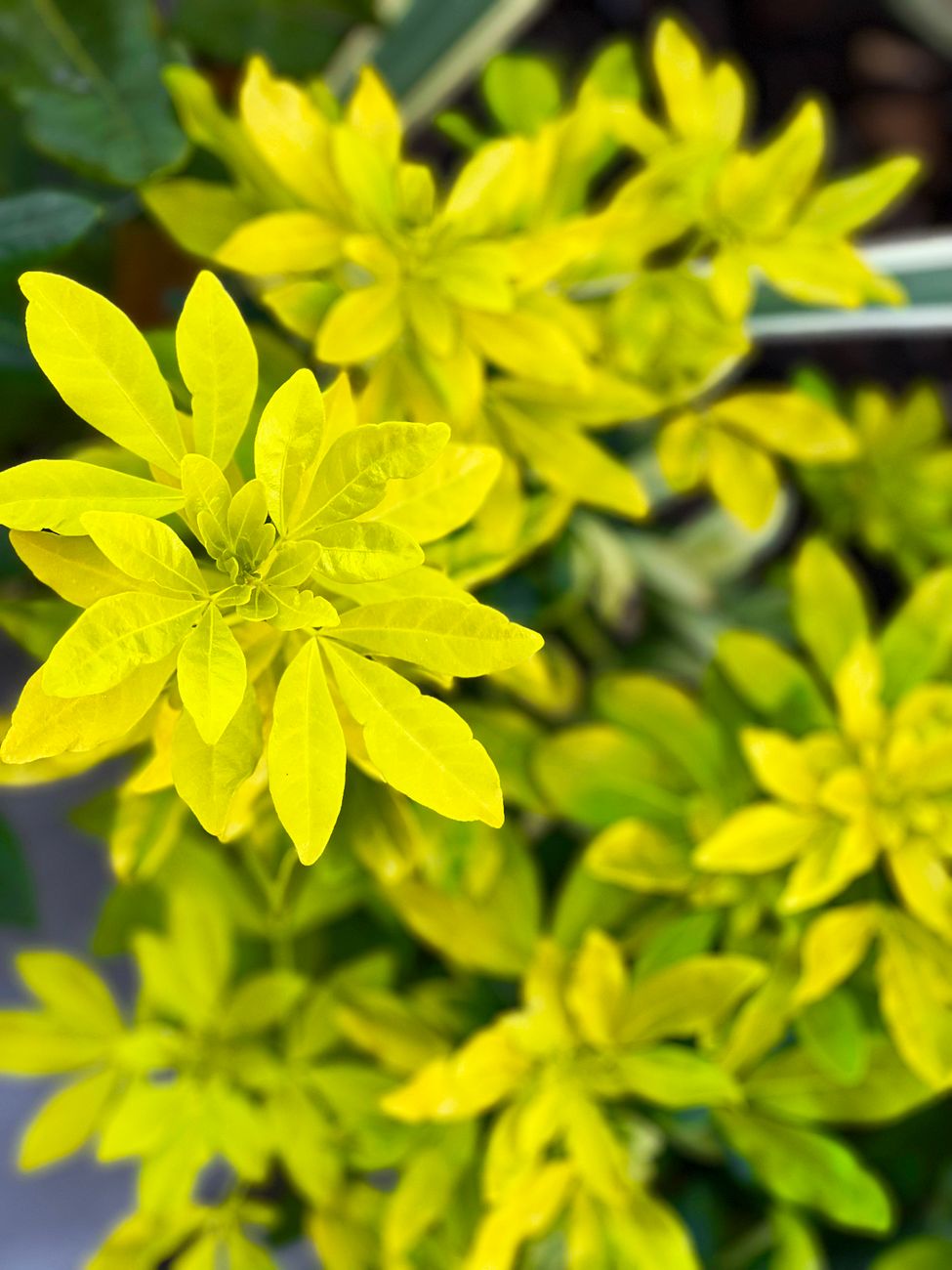
Understanding these distinct signs is your first line of defence. For me, catching heat stress early on my favourite Achillea 'Paprika' means I can take preventative action before the beautiful blooms start to shrivel. Sun scorch, on the other hand, often means accepting some cosmetic damage and focusing on preventing it from getting worse. It’s all about tuning into what your plants are trying to tell you amidst our increasingly extreme British weather.
Why 'Full Sun' Isn't Always Full Sun Anymore: Understanding Climate Shifts in the UK
When I swapped my life in IT for digging in the dirt, I thought I was leaving behind complex systems and unpredictable variables. Turns out, gardening, especially here in the UK, is just as full of data and ever-changing conditions! Over my five years of intensive gardening, I’ve seen a noticeable shift in what 'full sun' actually means for my Midlands garden. The old gardening books and labels often define it as 6-8 hours of direct sunlight, which, for much of my early gardening journey, felt achievable and beneficial.
However, the last few summers have thrown a real spanner in the works. We're experiencing longer, more intense heatwaves that just weren't as common when I was growing up. I'm talking about consecutive days where temperatures in my garden hit well over 30°C, something that used to be a rare event. This isn't just about the number of hours of sun; it's about the intensity of that sun, especially the blistering afternoon rays from 1 pm to 5 pm. What was once a gentle warmth is now often a fierce, dehydrating blast.
My analytical background from IT helps me look at this less emotionally and more scientifically. It's not just "hotter"; it’s a change in the solar radiation and the duration of peak intensity. This isn't just theory; I've observed it firsthand. My south-facing wall, which once brought my 'Cherokee Purple' tomatoes to glory in the greenhouse, now requires much more careful ventilation and shading to prevent scorch. Outdoors, plants like my established Delphiniums, which need sun for strong stems and abundant flowers, are now struggling with the sheer power of the afternoon sun, even with consistent watering.
It feels like the definition of 'full sun' needs an update for our evolving British climate. We're not in the Mediterranean, but we're certainly not experiencing the perpetually mild, drizzly summers many of us remember. This means we, as gardeners, need to adapt our strategies, moving beyond the traditional wisdom and understanding that even our most sun-loving plants might need a bit of a helping hand when the UK summer truly turns up the heat. It’s a challenge, but one that makes gardening all the more interesting, I reckon.
Immediate Interventions: Quick Fixes for Heat-Stressed Perennials & Shrubs
Right, so you’ve spotted the tell-tale signs: flagging leaves, crispy edges, or even that slightly bleached look on your favourite perennials. Don't panic! It’s happened to me more times than I care to admit, especially during those sudden heat spikes we seem to get here in the UK Midlands. The good news is, for established plants, a bit of quick thinking can often bring them back from the brink.
My first port of call is always temporary shade. I keep a roll of lightweight shade netting – usually 30-50% shade factor – in my shed specifically for these emergencies. It’s cheap, easy to cut, and you can drape it over canes, attach it to existing structures, or even just prop it up with some spare timber. Last summer, my prize 'Black Knight' delphiniums were looking seriously unhappy in the afternoon sun; twenty minutes with some netting and a couple of bamboo canes, and they were visibly less stressed by the evening. Even an old sheet or a patio umbrella can work in a pinch. The key is to break up that direct, intense afternoon sun.

Next, think about a good drink. But – and this is crucial – don't just blast them with the hosepipe. If the soil is bone dry and compacted, water will just run off. I usually give the area around the plant a slow, deep soak, letting the water really penetrate. If it’s a potted plant, I’ll stand the pot in a bucket of water for 20-30 minutes so it can absorb moisture from the bottom up. For plants that are really wilting, a light misting of the foliage can provide immediate, albeit temporary, relief. I've found this particularly helpful for my greenhouse herbs like basil and coriander when the temperatures soar inside. Just make sure to do it early morning or late evening to avoid magnifying the sun's rays and causing more damage.
Finally, consider reducing stress. If a plant is heavily laden with flowers or fruit, it's putting a lot of energy into those. Sometimes, a difficult decision to sacrifice a few blooms or developing fruits can divert energy back into foliage and root recovery. I had to do this with some struggling 'Sungold' tomatoes one year when a heatwave hit early – pruned off some of the smaller trusses to help the main plant cope. It felt harsh, but they bounced back stronger.
Long-Term Strategies: Adapting Your Garden for Resilient Growth
While quick fixes are essential, the real game-changer for me here in my 800 sq ft UK garden has been adapting for the long haul. Our British climate might be notoriously unpredictable, but those intense heat pockets are becoming more common. It’s about building resilience into your planting plan.
One of the biggest lessons I’ve learned is the power of strategic planting. Before I started gardening, I just plonked things where I thought they looked nice. Now, I spend ages planning. I use taller, more robust plants like my espaliered fruit trees or even my beefy 'Gigante' sunflowers to provide dappled shade for more sensitive plants positioned to their south or west. My hostas, which used to scorch regularly, now thrive under the gentle canopy of a well-placed Japanese maple. It’s all about creating microclimates.
Another strategy is the deliberate choice of plants. I’m still experimenting with new varieties all the time, but I'm now actively seeking out plants known for their drought and heat tolerance, even if they’re traditionally thought of as "full sun" plants. Think about cultivars that have deeper root systems or slightly tougher, waxy leaves. I've had great success with certain salvias, sedums, and even some of the tougher varieties of phlox that seem to shrug off the heat better than others. It's not about giving up on your favourites, but about finding the right ones for the right spot in our evolving climate.
Here’s a look at some of the long-term strategies I’ve implemented or considered for my Midlands patch:
| Strategy | Description | Pros for UK Conditions | Cons for UK Conditions
