
There’s nothing quite like stepping out into your UK garden, mug of tea in hand, ready to admire your hard work. The dew is still clinging to the leaves, a robin might be chirping from the fence, and everything just feels right. But then, your eye catches it – a dull, sooty black film spreading across the vibrant green leaves of your favourite runner beans, or worse, your prize 'Moneymaker' tomatoes in the greenhouse. Your heart sinks a little, doesn't it? I know that feeling all too well.
When I first started gardening five years ago here in the Midlands, I thought this black stuff was some kind of weird, aggressive fungal disease. I’d frantically scrub at the leaves, only for it to reappear. It took me a while, and a fair few ruined harvests, to realise that this "sooty mold" wasn't the primary problem. It was a big, glaring, black sign pointing to a much smaller, often hidden culprit: sap-sucking pests feasting on my plants.
Here in my 800 sq ft backyard, packed with raised beds and my beloved greenhouse, I’ve learned that dealing with sooty mold is less about scrubbing and more about playing detective. It's about understanding the intricate dance between pests, plants, and our sometimes-damp British climate. If you're seeing that unwelcome black veil, don't despair! I'm going to walk you through exactly how I've learned to pinpoint the real troublemakers and get my plants back to their clean, healthy selves, using methods that are kind to our garden ecosystem.
The Black Veil: Understanding Sooty Mold and Its Impact on Your UK Garden
That unsightly black film you're seeing? That's sooty mold, and it's essentially a superficial fungus that grows on something called "honeydew." Think of honeydew as a sugary, sticky excretion left behind by certain sap-sucking insects. It's not pretty, and while the mold itself doesn't directly infect your plant tissue, it's a huge red flag that you've got unwelcome guests making a buffet out of your prized veg.
In my UK garden, especially in the humid greenhouse where my heirloom tomatoes like 'Brandywine' and 'Black Krim' thrive, I've found that sooty mold can spread surprisingly quickly once honeydew is present. The mold essentially acts like a living, breathing sunblock for your plants. It coats the leaves, blocking sunlight from reaching the chlorophyll – the green stuff that allows plants to convert light into energy through photosynthesis. Less photosynthesis means less energy, which leads to stunted growth, reduced yields, and generally unhappy, stressed plants. I learned this the hard way one particularly damp summer when a patch of my 'Sungold' tomatoes in the greenhouse started looking decidedly lacklustre, all because of a hidden whitefly infestation causing a sooty mold outbreak. The fruit just wouldn't ripen properly.
It's not just about aesthetics either; a heavy coating can even interfere with the plant's ability to "breathe" through its stomata (tiny pores on the leaves). In our often-damp British climate, especially after a good rain or a humid spell, sooty mold can really take off if left unchecked, creating the perfect conditions for that fungal growth. It’s a clear sign that you need to act, not just for the look of your garden, but for the fundamental health and productivity of your plants.
Spotting the Signs: How to Confirm Sooty Mold on Your Plants
Confirming sooty mold is usually pretty straightforward once you know what you're looking for, but it's crucial to differentiate it from other black spots or diseases. The key characteristic is its appearance: it looks like a layer of charcoal dust, or indeed, soot, that's been sprinkled over your plant's leaves, stems, and sometimes even the developing fruit. It’s distinctly black, often powdery or crusty, and it doesn't wash off easily with just plain water.
I’ve seen it pop up on all sorts of plants in my 800 sq ft Midlands garden. One year, it absolutely covered my outdoor 'Borlotto' beans, making the pods look completely unappetising. Another time, it was all over the leaves of my 'Crimson Flowered' broad beans, coating them in a thick black layer. You’ll typically find it on the upper surfaces of leaves, but it can also be present on stems and even the fruit itself. If you rub it gently with your finger, it often smudges, and you might even feel a stickiness underneath – that's the honeydew.
That stickiness is your biggest clue. Before the sooty mold even appears, you might notice a shiny, sticky residue on the leaves or even on the ground beneath the plant. This is pure honeydew, and it’s a sure sign that sap-sucking pests are already at work. If you feel this stickiness, or see ants crawling over the plant (they love honeydew!), then sooty mold is likely to follow, if it hasn't already. It’s like a warning beacon in the garden!
Finding the Source: Identifying Honeydew-Producing Pests in Your Garden
Right, so you've confirmed the black veil of sooty mold and maybe even felt that tell-tale stickiness. Now comes the detective work: finding the actual culprits. Remember, the sooty mold itself isn't the enemy; it's just a symptom. The real problem is the tiny sap-sucking pests feasting on your plants and excreting that sugary honeydew. In our UK gardens, there are a few usual suspects you’ll want to look for.
I've had my fair share of battles with these little nuisances. One year, my 'Costoluto Fiorentino' tomatoes in the greenhouse were looking fabulous, then suddenly, the upper leaves started getting sticky. I peered underneath, and there they were: tiny green aphids multiplying like crazy. Another time, it was my outdoor 'Red Russian' kale, completely covered in what looked like white fluff – mealybugs doing their worst. Learning to identify them quickly is half the battle won.
Here are the most common honeydew producers I’ve encountered in my UK garden:
- Aphids (Greenfly/Blackfly): These are probably the most infamous. Small, pear-shaped insects, often green, black, yellow, or pink. They tend to cluster on new growth, leaf undersides, and flower buds. They pierce plant tissue and suck out the sap, excreting honeydew. I've found them on everything from my broad beans and roses to the tips of my greenhouse peppers.
- Whiteflies: Tiny, white, moth-like insects that typically hang out on the undersides of leaves. If you gently shake an infested plant, a cloud of them will fly up briefly. They are a real menace in my greenhouse, particularly on my tomatoes and aubergines. Their honeydew can be incredibly sticky.
- Mealybugs: These look like tiny, white, cottony masses. They're often found in leaf axils (where leaves meet stems) or sheltered spots on stems and undersides of leaves. They're slower movers but can cause significant damage and produce a lot of honeydew. I’ve battled these on my indoor herbs and sometimes on brassicas in sheltered spots.
- Scale Insects: These are trickier to spot as they often look like small, oval, motionless bumps on stems or leaf undersides. They have a hard, protective shell. Once settled, they stay put, sucking sap and producing honeydew. I've mostly encountered these on woody herbs or some fruit bushes in my garden, though they're less common on annual veg for me.
To help you distinguish between them and know where to look, I’ve put together a quick guide based on my own observations here in the Midlands:
| Pest Name | Appearance | Common UK Plants Affected (Randy's Experience) | Honeydew Output | Randy's Top Tip for UK Spotting |
|---|---|---|---|---|
| Aphids | Tiny, pear-shaped (green, black, yellow) | Broad beans, roses, tomatoes, peppers, brassicas | High | Check new growth & leaf undersides; often surrounded by ants. |
| Whiteflies | Tiny, white, moth-like, fly when disturbed | Greenhouse tomatoes, aubergines, cucumbers | High | Gently shake plant; look for clouds of tiny white insects flying up. |
| Mealybugs | White, cottony masses, segmented bodies | Indoor herbs, brassicas, sheltered plant parts | Moderate | Look in leaf axils & sheltered crevices; they look like fluff. |
| Scale Insects | Small, immobile, oval 'bumps' (brown, grey) | Fruit bushes, woody herbs, occasional ornamentals | Moderate | Scrape gently; if it comes off, it's likely scale. Check stems. |
Eco-Friendly Combat: Organic Solutions for Eradicating Pests
Once you've identified your unwelcome guests, it's time to show them the door – but in a way that’s kind to the rest of your garden and the environment. As a former IT worker who swapped screens for soil, I’m all about finding effective, organic solutions that work with nature, not against it. I’ve tried countless methods in my Midlands garden over the years, and I’ve definitely learned what works best for our British climate and common pests.
My approach always starts with the least invasive methods and escalates only if absolutely necessary. Patience and persistence are key here! One mistake I made early on was reaching straight for a strong spray, only to realise I’d also harmed beneficial insects. Now, I try to encourage those good guys first.
Here are the organic pest control methods I swear by, along with my personal insights:
- Manual Removal & Hosing: This is often my first line of defence, especially for aphids. A strong jet of water from the hosepipe can dislodge many pests. For larger pests like mealybugs, or if the infestation is small, I'll put on gloves and physically wipe them off. I do this regularly on my greenhouse tomatoes and peppers during peak season. It's surprisingly effective for smaller outbreaks and helps remove some of that sticky honeydew too!
- Insecticidal Soap (DIY or Commercial): This is fantastic for soft-bodied pests like aphids, whiteflies, and mealybugs. It works by smothering them and breaking down their protective outer layer. You can buy commercial organic insecticidal soaps, or make your own with a mild liquid soap (avoid detergents) and water. I use about 1 tablespoon of unscented liquid soap per litre of water. Spray thoroughly, ensuring you get the undersides of leaves. I've had great success with this on my 'Black Spanish' radishes when aphids attacked them.
- Neem Oil: This is a brilliant natural pesticide that disrupts the feeding and breeding cycles of many pests. It's particularly good for a broad range of sap-suckers including aphids, whiteflies, and mealybugs. You need to mix it with water and a little bit of mild soap (an emulsifier). I use a cold-pressed neem oil (available online or from good garden centres in the UK) and follow the instructions carefully, usually applying it in the evening to avoid harming pollinators and direct sun exposure. It's been a saviour for my greenhouse 'San Marzano' tomatoes against persistent whitefly.
- Beneficial Insects: My favourite long-term solution! Encouraging natural predators is the cornerstone of organic pest control. Ladybirds love feasting on aphids, lacewing larvae are voracious eaters, and parasitic wasps can tackle whiteflies. I always try to plant companion flowers like marigolds and nasturtiums to attract these good guys. For persistent greenhouse problems, I’ve even purchased specific beneficial insects from UK suppliers, like Encarsia formosa for whitefly control, which works brilliantly in the enclosed environment.
- Cultural Practices: Keeping your plants healthy and stress-free is half the battle. Regular watering, good air circulation (especially in the greenhouse!), and appropriate feeding make plants more resilient. I also prune out heavily infested leaves or stems to reduce pest numbers quickly. What works here in Britain is ensuring good airflow around dense plants, especially after our frequent rain showers, to discourage both pests and mold.
Here’s a comparison table summarizing these organic solutions:
| Solution | How it Works | Best for Which Pests (UK) | Randy's Experience/Tips | Pros for UK Garden | Cons for UK Garden |
|---|---|---|---|---|---|
| Manual Removal & Hosing | Physically dislodges pests & washes honeydew | Aphids, small whitefly outbreaks, mealybugs | Use a strong jet; check undersides; repeat every few days. | Immediate impact; no chemicals; good for small areas | Can be labour-intensive; might not get all pests. |
| Insecticidal Soap | Smothers soft-bodied pests; breaks down cuticle | Aphids, Whiteflies, Mealybugs | Apply thoroughly, especially undersides; use mild soap. | Organic, effective, safe for most plants/wildlife | Requires direct contact; may need repeat applications. |
| Neem Oil | Disrupts feeding/breeding; acts as repellent | Aphids, Whiteflies, Mealybugs, some Scale | Apply in evening to avoid sun/pollinators; mix with emulsifier. | Broad-spectrum, systemic effect; natural & safe | Can be slow-acting; needs careful application; scent. |
| Beneficial Insects | Natural predators control pest populations | Aphids (ladybirds), Whiteflies (wasps) | Attract with companion planting; purchase for specific issues. | Long-term, sustainable control; boosts biodiversity | Takes time to establish; might need specific climate. |
| Cultural Practices | Promotes plant health, discourages pest spread | All pests (preventative) | Good airflow, proper watering, avoid over-fertilising. | Prevents issues; creates resilient garden ecosystem | Not an immediate "cure" for existing infestations. |
Washing Away the Grime: Safe Methods for Cleaning Sooty Mold
Right, so you’ve pinpointed the culprits, you've waged your eco-friendly war against the sap-suckers, and now you’re left with those unsightly black smudges. The good news is, once the pests are gone, the sooty mold is just a superficial layer. It won't stick around forever, but frankly, who wants to wait? Plus, a good clean helps the leaves get back to photosynthesising properly – essential for strong, healthy plants, especially here in our often-cloudy British climate.
My approach here in the Midlands is always to be as gentle as possible. You’re trying to remove soot, not scrub off the plant's protective layers! I learned that the hard way once, trying to be a bit too vigorous with some 'Hungarian Wax' pepper leaves, and ended up with more damage than good. Stick to mild solutions and a soft touch.
Gentle Cleaning Solutions for Your UK Garden
Here are the methods I’ve found most effective in my 800 sq ft backyard:
- Plain Water Power: For light sooty mold, or after a good downpour, sometimes all you need is a gentle spray with water. My pressure sprayer, set to a fine mist, is perfect for this. I'll often give my greenhouse tomatoes, like my beloved 'Cherokee Purple', a good rinse-down after I've dealt with any whitefly outbreaks. Just make sure to do it in the morning on a sunny day (if we're lucky enough to get one here in the UK!) so the leaves have time to dry, reducing the risk of fungal issues.
- Mild Soapy Water: This is my go-to for more stubborn patches. I'm talking about a tiny squirt of a gentle, biodegradable washing-up liquid (the kind you’d use for baby bottles, not the industrial stuff!) in a litre of water. The key is mild – too much soap can strip the plant's natural oils. I’ve used this successfully on everything from my outdoor kale to my greenhouse cucumbers.
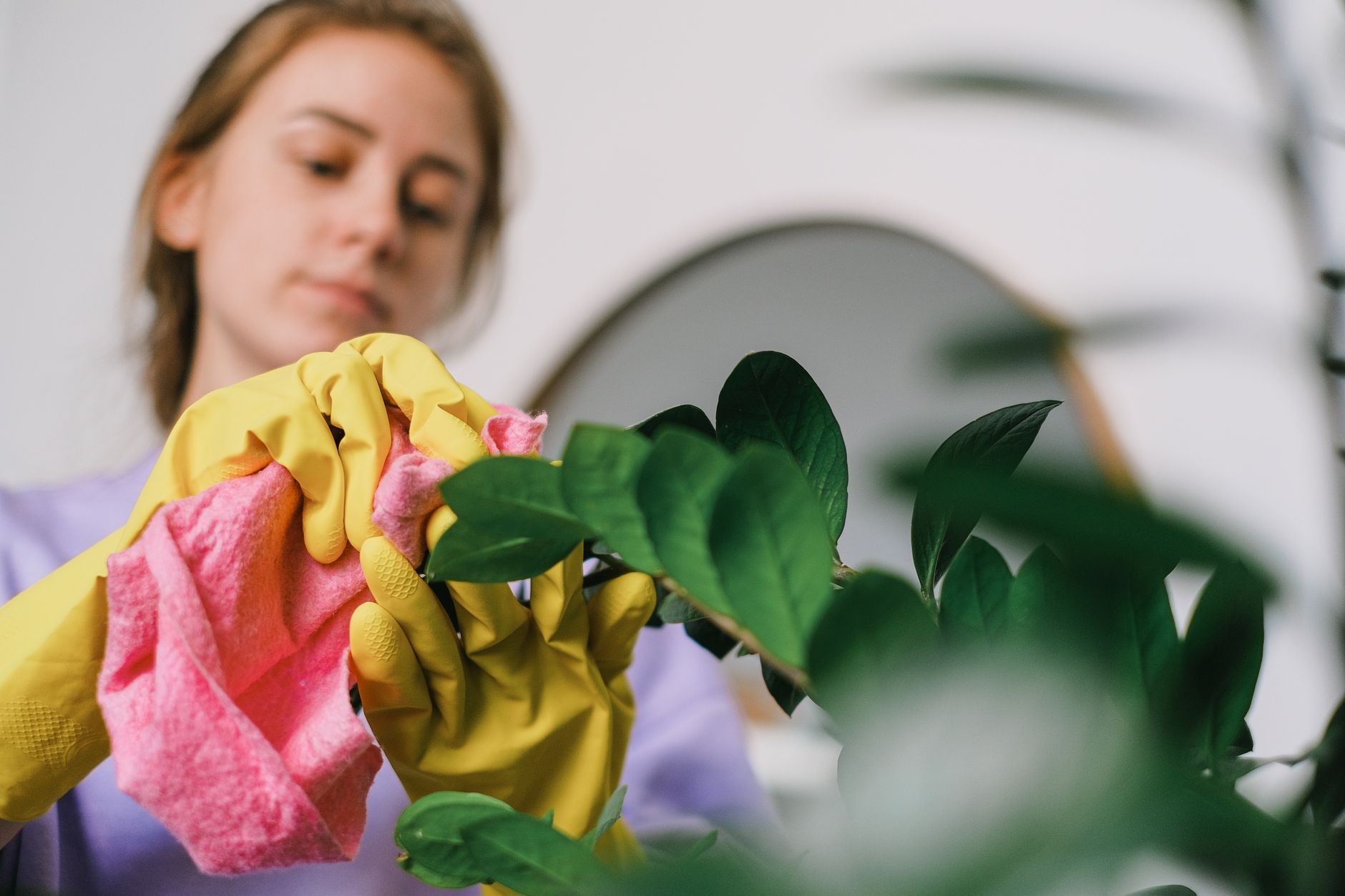
- Application: I either use a soft cloth or sponge, gently wiping the affected leaves. For plants with lots of small leaves, like my herb bed’s thyme or rosemary, I'll dip them into a bucket of the solution, giving them a gentle swish, then rinse.
- Rinsing is Crucial: Always, always rinse your plants thoroughly with clean water afterwards. You don't want soap residue building up on the leaves, especially if you're growing edibles. I aim for a good rinse within 15-20 minutes of applying the soapy water.
- Horticultural Soap (Leftovers from Pest Control): If you've already used horticultural soap for pest control, you can often use a slightly diluted solution of that to clean the mold too. It's designed to be plant-safe. Just follow the instructions for dilution and remember to rinse afterwards. I find this particularly effective on my fruit bushes, like the blackcurrants, which can get hit by aphids early in the season.
Randy's Top Tips for Cleaning
- Test Patch: If you’re unsure, always test your cleaning solution on a small, inconspicuous leaf first, especially with more delicate plants or if you're using a new product. Wait 24 hours to check for any adverse reactions.
- Timing: Early morning or late afternoon is best, avoiding the hottest part of the day. This reduces stress on the plant and gives leaves time to dry.
- Be Thorough, But Gentle: Pay attention to the undersides of leaves and leaf axils where pests love to hide and where mold can accumulate. Support the leaves with one hand while you gently wipe with the other.
- Remove Severely Affected Leaves: Sometimes, a leaf is just too far gone. If it's heavily coated and not showing signs of recovery, it’s often better to prune it off. This helps redirect the plant's energy to healthy growth. I've done this many times with older brassica leaves that have seen better days.
Future-Proofing Your Plants: Preventing Sooty Mold Recurrence
So, you’ve battled the pests, you’ve cleaned the grime, and your plants are looking much happier. But the job isn't truly done until you've put measures in place to stop the whole cycle from starting again. As a former IT worker, I'm all about prevention and maintenance, and it's no different in my 800 sq ft UK garden! It’s about building resilience and creating an environment where pests struggle to thrive.
Here’s what I've learned over my five years of intensive UK gardening experience to keep sooty mold – and its underlying causes – at bay:
Proactive Strategies for a Pest-Free UK Garden
Vigilant and Regular Inspection: This is, hands down, the most important step. Every single day, or at least every other day, take a few minutes to walk around your garden. I do this with my morning cuppa, especially during warmer spells when pests are most active.
- What to Look For: Check the undersides of leaves, new growth, and around flower buds. Look for tiny insects, sticky honeydew, or the very first signs of sooty mold. Catching an aphid infestation when it’s just a few individuals is infinitely easier than dealing with a colony.
- My Experience: I missed a tiny cluster of aphids on a new 'Moneymaker' tomato plant in the greenhouse once, thinking it was just dust. A week later, half the plant was covered in honeydew and black mold. Never again! Now, I'm practically forensic in my inspections.
Encourage Beneficial Insects: Nature provides its own pest control! Hoverflies, ladybirds, lacewings, and parasitic wasps are absolute heroes in the garden, voraciously munching on aphids and other soft-bodied pests.
- How I Do It: I've dedicated small patches in my raised beds to plants that attract these good guys. Dill, coriander, calendula, nasturtiums, and even simple dandelions (if you can tolerate them!) are fantastic. I also have a small bug hotel near my greenhouse.
- UK Climate Specifics: Our British weather can be a bit hit-and-miss for some beneficials, but providing shelter and a continuous food source helps them establish themselves.
Maintain Excellent Plant Health: Strong, healthy plants are much more resistant to pest attacks. It's like a healthy immune system!
- Soil Health: I focus heavily on building rich, organic soil with plenty of homemade compost. Healthy soil leads to healthy roots, which lead to healthy plants.
- Proper Watering & Feeding: Avoid over or under-watering. Feed plants appropriately – too much nitrogen can lead to lush, soft growth that pests love. I use a balanced organic feed for my vegetables.
- My Heirloom Tomatoes: My 'Gardener's Delight' cherry tomatoes, when properly fed and watered in the greenhouse, rarely succumb to major pest issues, even when their neighbours might be struggling.
Good Air Circulation & Pruning: This is particularly vital in a greenhouse or for dense outdoor plants. Stagnant, humid air is an invitation for both pests and fungal issues.
- In My Greenhouse: I ensure good ventilation, opening doors and vents whenever the UK weather allows. I also regularly prune my tomatoes and cucumbers, removing lower leaves and suckers to improve airflow.
- Outdoor Plants: For bushy plants like my runner beans or courgettes, I'll thin them out if they get too dense. It helps dry out leaves faster after rain, too.
Companion Planting (with a caveat): While not a silver bullet, some companion planting can help.
- Sacrificial Crops: I often plant nasturtiums near my brassicas. Aphids seem to prefer them, acting as a 'trap crop'. I then just deal with the nasturtiums, leaving my cabbages alone.
- Repellents: Marigolds, garlic, and chives are often cited as pest deterrents. I’ve found mixed results here in my garden, but they certainly don’t hurt and add to the biodiversity!
Quarantine New Plants: Before introducing any new plant to your garden or greenhouse, especially if bought from a garden centre, inspect it thoroughly. I learned this the hard way when I brought home a beautiful, but secretly infested, lavender plant that nearly spread scale to my entire herb bed. Now, everything gets a few days in isolation and a good once-over.
By implementing these preventative measures, you're not just reacting to problems; you're building a resilient, thriving UK garden that can largely look after itself. It's a bit more work upfront, but the long-term rewards of clean, healthy plants are absolutely worth it.
Embrace a Cleaner Garden: A Summary for Sooty Mold-Free Plants
Right, we've been on quite a journey together, haven't we? From the first unsettling sight of that black, sooty film on your precious plants to understanding its intricate connection with those pesky sap-sucking insects. My aim with this article, drawing from my five-plus years of intense, hands-on UK gardening experience here in the Midlands, was to demystify sooty mold and empower you to tackle it head-on.
Let's quickly recap the key takeaways, the bits I really want you to carry with you out into your own patch:
- Sooty mold is a symptom, not the disease itself. It’s the calling card of honeydew-producing pests like aphids, scale, whitefly, and mealybugs. Until you deal with the underlying pest, the mold will keep coming back. I learned that quickly when I first started, scrubbing leaves only to find them black again a week later!
- Identification is your first line of defence. Knowing which pest you’re dealing with makes all the difference in choosing the right organic battle plan. Get up close, use a magnifying glass if you need to, and understand their habits here in our British climate.
- Organic solutions are powerful and effective. From simple jets of water to horticultural soaps and neem oil, there are plenty of eco-friendly ways to manage pest populations without resorting to harsh chemicals that harm beneficial insects and your garden's ecosystem. I’ve had fantastic success with these methods, even on my notoriously aphid-prone broad beans.
- Gentle cleaning restores your plants. Once the pests are under control, a mild soapy water solution and a soft touch can safely wash away the sooty grime, allowing your leaves to breathe and photosynthesize properly again. Remember to always rinse thoroughly!
- Prevention is the ultimate goal. Regular inspection, fostering beneficial insects, maintaining plant health, ensuring good air circulation, and smart companion planting are your long-term allies in keeping sooty mold and its causes out of your UK garden. It’s all part of the continuous, rewarding cycle of gardening.
I can tell you, there's a real sense of satisfaction that comes from seeing your plants rebound, their leaves shining green again after a bout of sooty mold. It’s a testament to your patience, your understanding, and your commitment to working with nature, not against it. Gardening, especially here in our unpredictable UK climate, is a constant learning curve, full of experiments and the occasional setback, but that's what makes it so utterly compelling.
So, don't be discouraged if you spot that black veil again. You've got the knowledge now. You know how to diagnose, how to treat, and most importantly, how to prevent. Embrace the challenge, keep observing, keep learning, and enjoy the journey towards a cleaner, healthier, and more vibrant garden. It’s what makes us gardeners, isn't it? Happy growing!
