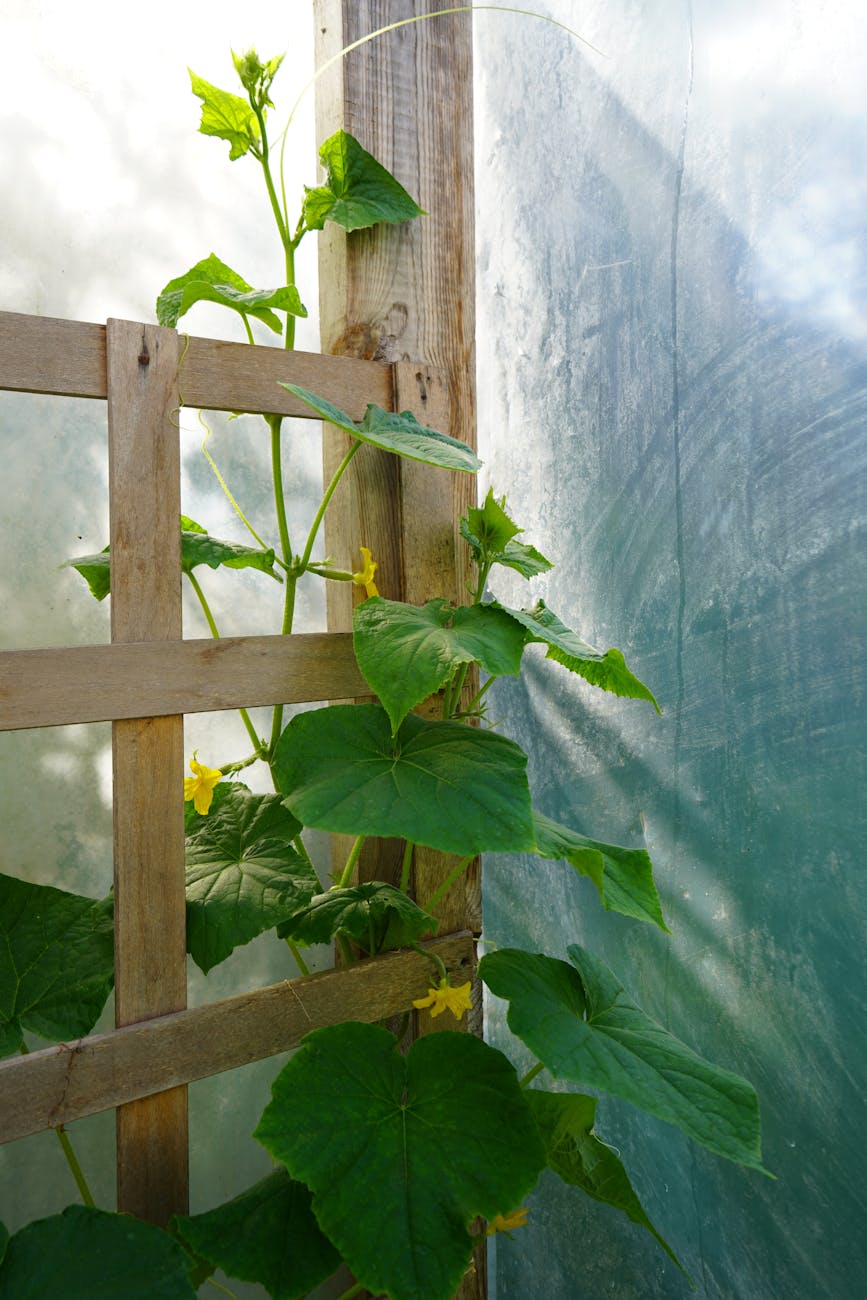
Alright, fellow green thumbs, pull up a chair and let's talk about getting the absolute most out of our precious garden spaces here in the UK. If you're anything like me, you've got big dreams for your harvest but perhaps a rather modest patch of land – my 800 sq ft backyard in the Midlands feels both huge and tiny depending on what I'm trying to squeeze in! After five intense years of transforming my plot from a neglected lawn into a productive haven, I've learned that one of the most game-changing techniques for any small UK gardener is going vertical.
I still remember my first season, trying to grow everything flat on the ground. My 'Kent Blue' runner beans sprawled everywhere, tripping me up and getting lost in a tangle, while my 'Sugar Snap' peas succumbed to mildew because they couldn't get enough airflow. It was a messy, frustrating affair, and my yields were definitely suffering. That's when the IT-worker-turned-gardener in me kicked in, and I started meticulously researching and experimenting with DIY trellis and support systems. What I discovered wasn't just a neat trick; it was a fundamental shift that utterly transformed my small-space gardening, especially for hungry climbers like beans, peas, and cucumbers.
This isn't just about making your garden look tidy, though that's a nice bonus! It's about clever design, understanding your plants, and getting those yields to absolutely skyrocket, even when our British weather throws its usual curveballs. So, grab a cuppa, and let's dive into how you can build simple, effective support systems that will make your climbing vegetables thrive, no matter how small your plot is here in the UK.
Maximising Your Harvest: Why DIY Trellises Are Essential for Small UK Gardens
When I first traded my keyboard for a spade five years ago, I thought gardening was all about planting in rows. Boy, was I wrong, especially with our often-unpredictable UK climate and my relatively small plot. I quickly realised that horizontal space is a premium, and if I wanted to grow the impressive array of vegetables I craved – from 'Cobra' French beans to my beloved 'Marketmore 76' cucumbers – I had to start thinking upwards. That's where DIY trellises come in, and for us UK small-space gardeners, they're not just an option; they're an absolute necessity.
The biggest win, hands down, is the sheer amount of growing power you unlock. In my 800 sq ft Midlands garden, every square inch counts. By getting my climbing plants off the ground and up a trellis, I can effectively grow three or four times more produce in the same footprint. Imagine swapping out one courgette plant (which, let's be honest, can take over half a raised bed!) for several cucumber or bean plants, all happily climbing upwards and leaving valuable ground space for leafy greens or root vegetables. This vertical strategy has allowed me to pack so much more variety into my beds, ensuring a continuous harvest throughout our typically shorter British growing season.
I've learned that a well-designed trellis acts like a multi-storey car park for your vegetables. It means I can grow a succession of peas in early spring, then quickly swap them out for climbing beans or mini-cucumbers as the weather warms up, all using the same vertical structure. This kind of intensive planting is crucial for maximising yields in our climate, where every sunny day needs to be put to good use. Plus, building them myself means I can tailor them exactly to the dimensions of my raised beds and the specific needs of the plants I'm growing that season, which is something off-the-shelf options rarely offer for a UK backyard.
Beyond Aesthetics: The Practical Advantages of Vertical Gardening in Small Spaces
While a well-trellised bed certainly looks tidy and impressive, the benefits of vertical gardening extend far beyond just pleasing the eye. In my UK garden, I've found that supporting my climbing vegetables properly makes a massive difference to their overall health, the ease of harvesting, and even our ongoing battle with pests and diseases. This isn't just theory; it's lessons learned through countless soggy British summers and glorious dry spells.
One of the most immediate advantages I noticed was improved airflow. When my peas and beans were sprawling on the ground, they were much more susceptible to fungal diseases like powdery mildew, especially during damp periods here in the Midlands. Lifting them onto a trellis allows air to circulate freely around the foliage, keeping it drier and significantly reducing the risk of these common issues. This means healthier plants, less stress for me, and ultimately, a more robust harvest. I used to battle mildew on my 'Oregon Sugar Pod' peas every year, but since trellising them properly, it's become a rare occurrence.
Harvesting, too, becomes a joy rather than a back-breaking chore. No more bending double or rummaging through a dense, damp jungle of leaves to find a hidden cucumber. With vertical growth, your produce is displayed neatly at eye level, making it incredibly easy to spot and pick. This not only saves your back but also ensures you don't miss any ripe vegetables, which means less waste and more delicious meals. I've found this particularly true for my 'Delikates' cucumbers; they grow straighter and are so much easier to pick when climbing, rather than curling up on the ground.
Finally, vertical gardening helps with pest management. Slugs and snails, those notorious enemies of the UK gardener, find it much harder to reach delicious young pods and fruits when they're elevated off the ground. While it won't eliminate them entirely, it certainly reduces the pressure, giving your plants a better fighting chance. Plus, it makes it easier to spot and deal with any other pests, as the plant structure is open and accessible.

Choosing Your Build: A Guide to Trellis Materials for UK Climbers
So, you're convinced that going vertical is the way forward for your UK garden, just like I was! Now comes the exciting part: deciding what to build your trellises from. Over my five years of intensive gardening, I've experimented with almost everything you can imagine – from repurposed materials to purpose-bought timber – and I've learned what truly stands up to our British weather and what simply isn't worth the effort or cost. The best material for you will depend on your budget, the look you're going for, and the lifespan you expect.
Here in the Midlands, I've found that durability is key, especially with our sometimes harsh winds and persistent rain. You don't want your hard work (or your precious plants!) collapsing halfway through the growing season. Let's look at some of the most common materials and how they perform in a typical UK garden setting.
Material Comparison for DIY Trellises in a UK Garden
| Material | Pros
5. Heavy Duty Solutions: Building Robust Supports for Cucumbers and Squashes
Right, so we’ve covered the nimble climbers like peas and most beans, but what about the heavyweights? Cucumbers, squashes, and even some smaller pumpkins can be fantastic vertical growers, but they demand a serious support system. I learned this the hard way in my Midlands garden when I tried to use a flimsy netting for my 'Marketmore 76' cucumbers – let's just say it ended in a tangled, collapsing mess and a lot of bruised gherkins! These plants, especially when laden with fruit, get incredibly heavy, and our unpredictable British weather, particularly those sudden summer gales, can make quick work of anything less than robust.
For these champions, you need something that can truly bear the load. I’ve experimented with a few options, and the key is always stability and strength. For my outdoor cucumbers like 'Crystal Apple', which I love for their crispness, and even some 'Uchiki Kuri' squashes that I train vertically, I lean towards something akin to a cattle panel or a very sturdy timber frame.
Here’s a comparison of some heavy-duty options I’ve found work well here in the UK:
| Trellis Type | Pros (UK Context) (mostly for heavy duty, though some might cross-over with earlier sections)
- Rugged Durability: Stands up to strong winds, heavy rains, and the weight of fruiting vines. I can't tell you how many times a summer storm has ruined a less-sturdy setup.
- Weight Bearing: Crucial for large cucumbers like 'Burpless F1' or 'Tromboncino' squash, which get surprisingly heavy. I've even grown 'Jack Be Little' pumpkins vertically with strong support.
- Longevity: Built to last several seasons, saving you time and money on replacements. I often reuse my robust supports year after year.
- Airflow: Good design promotes airflow, which is especially important for preventing fungal diseases in our humid UK summers.
My Go-To for Cucumbers: The Rebar and Cattle Panel Combo
In my 800 sq ft Midlands garden, space is always at a premium, so a strong, space-efficient trellis for my cucumbers is non-negotiable. I've had fantastic success using sections of cattle panel (sometimes called hog panel) anchored with rebar.
Here's how I set it up:
- I get a 1.2m x 2.4m (approx 4ft x 8ft) section of cattle panel. The grid size is usually about 15cm x 15cm (6x6 inches), which is perfect for cucumber tendrils to grip.
- I cut it in half or thirds depending on where it's going. For a single row in a raised bed, a 1.2m x 1.2m section works a treat.
- I hammer two pieces of 1.5m (5ft) rebar a good 30-45cm (12-18 inches) into the soil at each end of where the panel will sit.
- Then, I simply lean the cattle panel against the rebar and secure it with heavy-duty zip ties or garden wire. The rebar acts as a super-strong anchor. I might even use a third rebar in the middle if it's a longer section and I'm worried about a strong gust catching it.

This system is incredibly sturdy. Last summer, despite some truly wild weather, my 'Marketmore 76' cucumbers thrived on it, producing bucketloads of fruit without any hint of collapse. It’s also surprisingly easy to harvest from, as the fruit hangs freely.
6. From Setup to Harvest: Training Your Plants for Optimal Growth
Having a robust trellis is only half the battle; you need to train your plants to use it effectively. This isn't just about aesthetics; proper training maximises light exposure, improves airflow, and makes harvesting significantly easier, all contributing to those bumper yields we gardeners dream of.
Getting Them Started
The key is to start early. As soon as your young plants develop their first tendrils or start to 'reach', gently guide them towards the trellis.
- Peas and Bush Beans: These are often the easiest. Varieties like 'Kelvedon Wonder' peas or 'Tendergreen' bush beans have natural tendrils and will usually find their way. My role is simply to ensure they don't wander off course or get tangled on themselves at the base. A little nudge or a gentle tuck behind a trellis wire is usually all it takes. For runner beans like 'Scarlet Emperor', they're incredibly vigorous and will quickly grasp whatever's near. I just make sure they start climbing the support and not their neighbours!
- Cucumbers: These require a bit more hands-on attention. Their tendrils are strong, but sometimes they need guidance to find the trellis. I usually start guiding them when they are about 30cm (12 inches) tall. Gently wrap a tendril around a trellis support or use soft garden ties (I swear by the foam-covered wire ties) to loosely secure the main stem every 30-45cm (12-18 inches) as it grows. My 'Burpless F1' in the greenhouse needs weekly training to keep it in check and prevent it from becoming an impenetrable jungle.
- Squashes (Vertical Varieties): For squashes like 'Tromboncino' or even smaller pumpkins, you'll definitely be tying. Their stems are thicker and less flexible than cucumbers, so gentle but firm tying is essential. As the fruit develops, especially if it's a larger variety, you might need to create a 'hammock' or sling for it using old tights, mesh bags, or fabric scraps. I remember one season I tried to grow 'Honey Bear' acorn squash vertically and forgot the slings – the weight of the fruit snapped a branch right off! Lesson learned.
Pinching and Pruning for Productivity
This is where you really take control and encourage your plants to put energy into fruit, not just foliage.
- Cucumbers: This is crucial for outdoor and greenhouse cucumbers here in the UK. Many varieties produce male and female flowers on the same plant. The fruit develops from the female flowers. To encourage more female flowers and prevent a sprawling, unproductive plant, I pinch out the side shoots (laterals) after the first female flower or after one or two leaves. For my greenhouse 'Diva' cucumbers, I usually let the main stem grow and only allow laterals to produce one or two fruits before pinching them back. This keeps the plant manageable, improves air circulation (vital to avoid powdery mildew in our damp summers), and directs energy into fruit production. It sounds brutal, but trust me, it works!
- Tomatoes: While not the focus of this article, if you're trellising indeterminate tomatoes, regularly pinching out the 'suckers' (shoots that grow in the crotch between the main stem and a leaf branch) is vital for directing energy into fruit and maintaining an open plant structure. I religiously pinch out suckers on my 'Cherokee Purple' and 'Gardener's Delight' tomatoes in the greenhouse every week.
Consistency is key. A quick check and adjustment every few days, especially during periods of rapid growth, will make all the difference. You'll be amazed at how much tidier, healthier, and more productive your climbing vegetables become.
7. Troubleshooting & Extending Your Trellis Life: Tips for UK Gardeners
Even with the best intentions and the sturdiest DIY trellis, gardening in the UK comes with its own set of challenges. I’ve certainly had my share of "oh dear" moments in my Midlands garden over the past five years. Here’s what I’ve learned about troubleshooting common issues and making your trellises last.
Common Trellis Headaches (and how I tackle them)
- Wind Damage: Our British weather is famously fickle. A perfectly sunny day can turn into a blustery nightmare overnight. I once had a beautiful runner bean wigwam completely flattened by an unexpected August gust, taking out a couple of tomato plants with it! My solution?
- Secure anchoring: For anything tall, ensure posts are driven deep (at least 30-45cm / 12-18 inches) and are well-braced.
- Choose sheltered spots: If possible, place taller trellises on the lee side of a shed or fence, even if it's just a little protection.
- Sturdy materials: As discussed, for heavy plants, don't skimp on strength. Metal rebar or thick timber posts are your friends.
- Plant Sagging/Falling: Sometimes, even a sturdy trellis isn't enough if the plants aren't properly trained or tied.
- Regular tying: As mentioned, consistent tying for cucumbers and squashes is crucial. Don't let them get too heavy before securing them.
- Support for fruit: For large cucumbers or squashes, slings are a must. I use old onion nets or even repurposed t-shirt strips.
- Pests and Diseases Hiding: A dense, untamed trellis can become a perfect hideout for slugs and snails, or a breeding ground for powdery mildew due to poor airflow.
- Pruning for airflow: Keep plants tidy, especially cucumbers, by removing excess leaves and pinching out laterals. This makes it harder for pests to hide and improves air circulation.
- Regular inspection: My morning garden walk always includes a quick check for slugs at the base of my trellises.
- Trellis Collapse (General): This usually boils down to material failure or poor construction.
- Material choice: Make sure your chosen material is appropriate for the plant's weight and the local weather.
- Construction quality: Double-check all joints and anchors. My mantra is: if it feels wobbly, it is wobbly.
Extending Your Trellis Life: A UK Perspective
Given our damp climate, particularly in the Midlands where I am, rot and rust are real enemies of outdoor structures.
- Winter Storage: This is probably the biggest factor in longevity. Any trellis that can be easily dismantled and stored in a dry shed or garage will last significantly longer. My pea netting frames get cleaned and tucked away every autumn.
- Treating Wood: If you're using timber, consider using pressure-treated wood suitable for ground contact, or apply a non-toxic wood preservative suitable for garden use. I've found that even then, checking for rot at ground level each year is important. I learned this when a seemingly solid timber post for my runner beans suddenly gave way one wet spring.
- Metal Care: Galvanised steel (like cattle panels) will resist rust for many years. For other metal components, a quick clean and a coat of rust-inhibiting paint can extend their life.