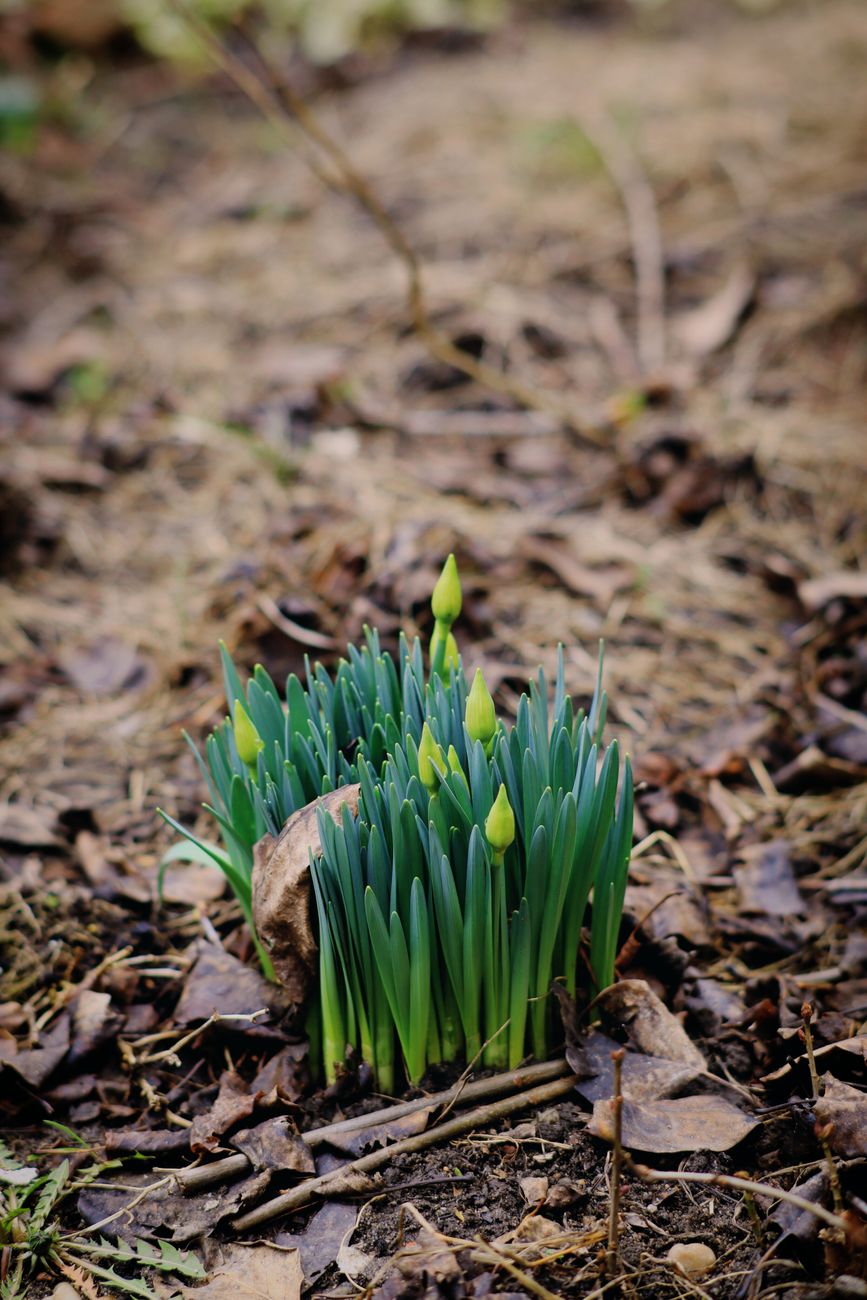
The early spring garden is a place of immense hope and, let's be honest, a fair bit of head-scratching. After months of grey skies and damp soil here in the UK Midlands, seeing those first green shoots emerge is pure magic. My 800 sq ft backyard, packed with raised beds and my beloved greenhouse, starts to hum with life. But this initial burst of verdant promise often comes with a rather tricky game of "spot the difference." Is that tiny, hopeful sprout going to be a vibrant perennial that will bring joy all summer, or is it just another aggressive weed, ready to take over before I've even had my first cuppa?
The Great Early Spring Mix-Up: Perennial Gems or Pesky Weeds?
Every year, as the days start to lengthen and the soil grudgingly warms up after our typical British winter, I find myself out in the garden, trowel in hand, peering intently at every new bit of green. It's a bittersweet moment. On one hand, the anticipation of my favourite ‘Cherokee Purple’ tomatoes in the greenhouse, the scent of fresh herbs, and the vibrant colours of my perennial borders is intoxicating. On the other, there's the creeping dread of misidentification. I’ve been gardening intensively for over five years now, transforming my former IT-worker self into a full-blown soil-and-seed enthusiast, and I can tell you, this early spring mix-up is a universal challenge for us UK gardeners.
I vividly remember one particularly soggy spring about three years ago. I was so excited to see anything green after a brutal cold snap that I almost decimated a patch of emerging aquilegia, convinced they were just another wave of creeping buttercups. Luckily, I paused, compared them to a photo, and saved them just in time! It’s this kind of real-world, muddy-hands experience that's taught me the absolute importance of knowing your sprouts. Our unpredictable British weather often means things emerge a bit sporadically, adding to the confusion. What looks like a delicate flower one day can be a rampant invader the next if you're not careful.
Why Early Identification is Your Garden's Best Friend (and Saves Your Back!)
Trust me on this one: early identification isn't just about being a meticulous gardener; it's about saving yourself a whole lot of grief, time, and, crucially, backache later in the season. I've learned this the hard way more times than I care to admit in my Midlands garden. When I first started out, I’d often let things grow "just to be sure." That was a rookie mistake I quickly rectified!
Here’s why getting to grips with your early sprouts is so vital for us UK gardeners:
- Saves Effort (and Your Back!): A tiny weed seedling, no bigger than a fingernail, is a breeze to pull out. It has shallow roots, comes out cleanly, and takes minimal effort. That same weed, left to mature for a few weeks, especially in our rich, damp British soil, can develop a taproot worthy of a small tree. Trying to dig out established dock or dandelions from my raised beds without disturbing the prize-winning carrots next door? That's a battle I’d rather avoid. My 800 sq ft is packed, so space is at a premium, and I can't afford to let weeds hog the nutrients.
- Protects Your Desirable Plants: This is the big one. How many times have I heard fellow UK gardeners lament pulling out a precious perennial or a self-seeded heirloom tomato sprout, thinking it was a weed? I've done it myself! One spring, I accidentally pulled out a whole cluster of young calendula, mistaking them for groundsel. They had self-seeded beautifully, and I was gutted. By knowing what your desired plants look like in their infancy, you avoid these heartbreaking gardening accidents.
- Prevents Weed Seed Spread: One year, I was a bit lax with the hairy bittercress that sprang up everywhere after a mild winter. That single oversight led to hundreds of new plants the following season, as each tiny seed pod exploded, scattering seeds across my meticulously planned beds. Catching weeds when they're small means you're almost certainly catching them before they have a chance to flower and set seed, breaking the cycle of infestation in your UK garden. This is especially important with our often wet springs that encourage rapid growth.
- Better Plant Health: Weeds are champions at resource competition. They'll steal water, nutrients, and precious sunlight from your carefully chosen perennials and vegetables. By removing them early, you give your desirable plants the best possible start, allowing them to establish strong root systems and healthy foliage without undue stress. This is particularly important for my greenhouse tomatoes, which need every ounce of nutrient they can get to produce those bountiful harvests of 'Gardener's Delight' and 'Black Krim'.
Decoding the Clues: General Tips for Sprout Identification
Over my five years of intensive gardening, moving from a bewildered beginner to someone who can (mostly!) tell a baby bindweed from a budding bean, I've developed a bit of a system. It's all about becoming a keen observer, almost like a detective in your own patch. Here in my 800 sq ft Midlands garden, where every inch is accounted for, I’ve found that a few key clues can make all the difference.
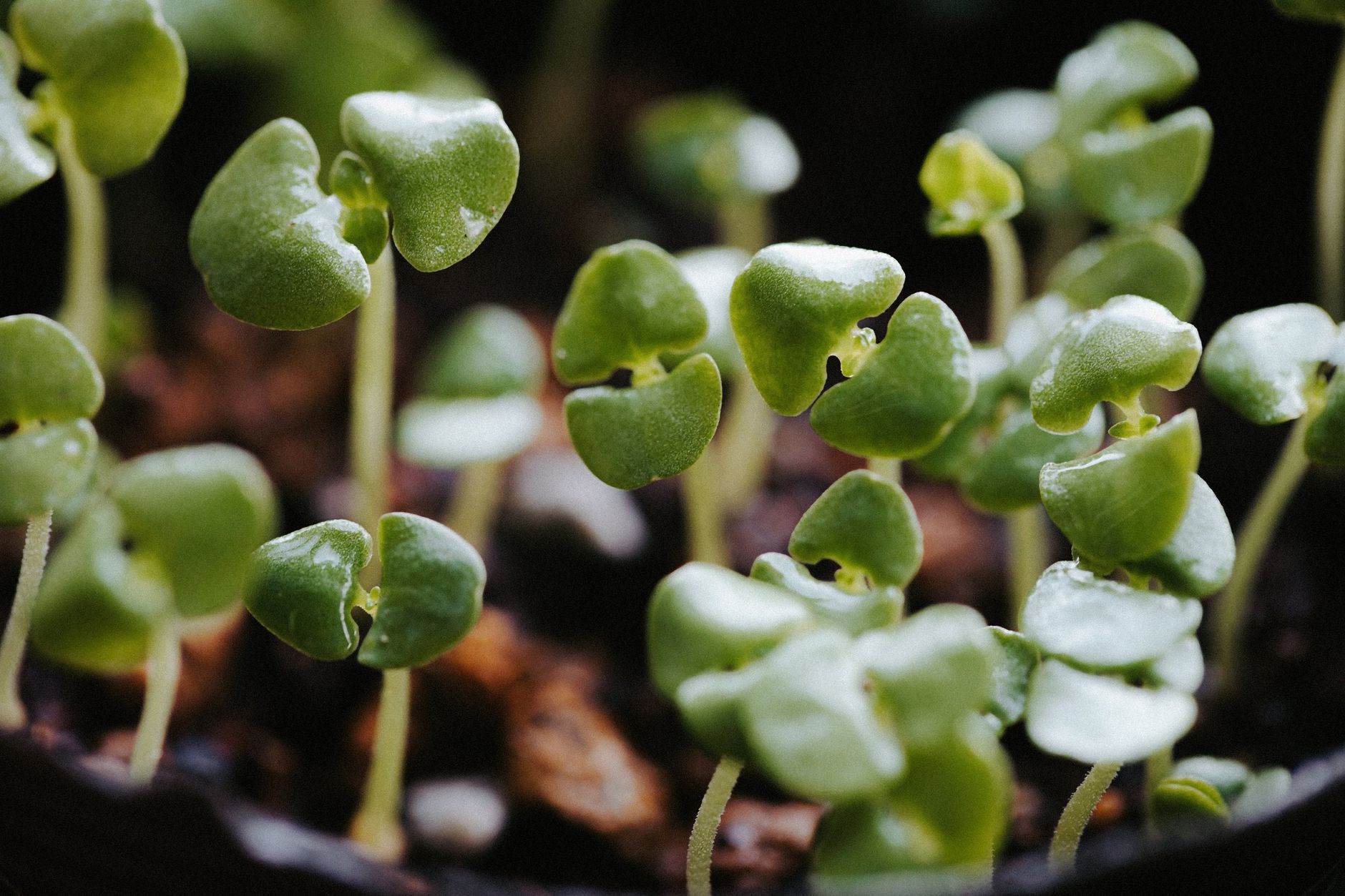
Here are my top tips for decoding those mysterious green shoots:
- Know What You Planted (and Where!): This might sound obvious, but it’s foundational. I keep a detailed garden journal, including a rough map of my raised beds and perennial borders. I note down where I sowed seeds and where I planted bare-root perennials. If you know you planted 'Blue Lace' campanula in a particular spot, any sprout that emerges there has a higher chance of being it. Anything popping up randomly in a path or where you know you didn't plant anything is highly suspicious.
- Cotyledons vs. True Leaves: The First Big Hint: When a seed germinates, the first leaves it produces are called cotyledons (seed leaves). These often look very different from the plant's true leaves that follow. Weeds often have very generic-looking cotyledons, whereas many desirable plants have distinct true leaves that emerge shortly after. Always wait for the true leaves to appear for a more accurate identification. For example, a young sunflower's cotyledons look completely different from its iconic true leaves.
- Growth Habit & Arrangement: How does the plant grow? Does it emerge as a single shoot, or in a tight cluster? Does it spread aggressively outwards, or grow more upright? Many weeds, like creeping buttercup or ground elder, have a very distinct spreading habit even when small, whereas many perennials will emerge as a neat clump. Observe if it's in a tidy row (if you sowed seeds) or haphazardly scattered.
- Location, Location, Location: As mentioned with point 1, context is everything. A sprout in the middle of your perfectly mulched path is almost certainly a weed. A sprout emerging precisely where you planted your 'Gigante di Napoli' parsley seeds is a much better candidate for being your desirable herb. This is where my garden map comes in handy, especially after a winter that might have shifted markers.
- Smell and Texture: Don't be afraid to gently rub a leaf and give it a sniff! Many herbs and some perennials have distinctive aromas even when young. For instance, the peppery smell of a young nasturtium is unmistakable, and a young mint shoot will always smell like mint. Similarly, feel the leaves. Are they fuzzy, smooth, waxy, or spiky? A young thistle is spiky even at a tiny size, while a borage leaf is distinctly hairy.
Desirable Perennials vs. Common Weed Imposters: A UK Gardener's Guide
Right, let’s get down to some specific examples from my own UK gardening experience. This is where the rubber meets the road, or rather, where the seedling meets the trowel! I've put together a table based on common perennial sprouts I'm always looking out for in my borders and raised beds, alongside the usual suspects that try to trick me. These are all common in British gardens, so hopefully, this will save you some of the headaches I've endured.
| Desirable Perennial (Early Sprout) | Common Weed Imposter (Early Sprout) | Randy's UK Garden Tip / Experience |
|---|---|---|
| Delphinium: Often emerges as a cluster of deeply lobed, often reddish-tinged leaves. Stems can be slightly hairy. | Groundsel: Irregularly lobed or toothed leaves, often purplish underneath, single stem, can be slightly succulent. | I once pulled a whole row of young 'Pacific Giant' delphiniums thinking they were groundsel after a wet spring! Look for the distinct, almost fern-like lobing of the delphinium; groundsel is less symmetrical and often "dirtier" looking. |
| Lupine: Distinctive palmate leaves (like a hand with several leaflets), often grey-green and slightly fuzzy. | Broadleaf Plantain: Oval, ribbed leaves, often lies flat to the ground in a rosette. | Lupine leaves are very unique once they unfurl a bit; plantain is a ground-hugger with prominent veins. The fuzzy texture of lupine is a giveaway. |
| Hosta: Tightly rolled, spear-like emerging leaves, often with a glossy sheen, pushing up from the ground. | Dock: Broader, often reddish stems, leaves crinkled or wavy, emerges more upright. | Hosta leaves are beautifully glossy and tightly furled like a scroll; dock is often duller, more open, and can have a reddish stem. I've pulled many a dock thinking it was a late-emerging Hosta! |
| Aquilegia (Columbine): Small, rounded, lobed leaves, often a delicate blue-green hue, almost clover-like but daintier. | Creeping Buttercup: Shiny, three-lobed leaves, often darker green, spreads quickly via runners. | Aquilegia leaves are dainty and delicate, like tiny fans. Buttercup is more robust, very glossy, and often shows signs of its creeping habit even when small. |
| Echinacea (Coneflower): Lance-shaped to oval leaves, slightly hairy, forming a rosette. Can have a reddish tint at the base. | Thistle (Young): Rosette, noticeably spiny edges even when tiny, often paler green, very tough to pull. | Thistles are notoriously spiky even when minuscule; Echinacea leaves are softer to the touch and more rounded at the tips. Always wear gloves when dealing with suspected thistle! |
| Peony: Thick, reddish-purple shoots pushing through the soil, quickly unfurling into reddish-green, deeply lobed leaves. | Nettle (Young): Distinctive serrated, heart-shaped leaves, opposite each other on the stem, often reddish-purple. | Peonies are much thicker and more robust than young nettles, which have that unmistakable serrated edge and often grow in dense patches. Don't mistake that fiery peony red for a stinging invader! |
| Foxglove (Digitalis): Rosette of oval, slightly downy leaves, often with visible veins. | Lamb's Quarters (Fat Hen): Green, diamond-shaped leaves, often covered in a fine, white, powdery coating, especially underneath. | Foxglove leaves are softer and more distinctly veined; lamb's quarters has that powdery "dusting" which is a dead giveaway. |
Aggressive UK Weeds: Spot Them and Stop Them Early!
Right, so we've talked about the good guys and some common imposters. But what about the truly aggressive weeds? These are the ones that, if left unchecked for even a few weeks, can take over your beds, choke out your prize perennials, and send their roots deep, deep down. Believe me, I've learned this the hard way more times than I care to admit in my 800 sq ft Midlands garden. The trick is spotting them when they're just tiny, innocent-looking sprouts – that's when they're at their most vulnerable.
My nemesis for years was Ground Elder (Aegopodium podagraria). When I first started out, I mistook its crinkly, somewhat attractive leaves for some kind of shade-loving herb, only to realise my mistake when it had engulfed half a hosta! Now, I'm always on the lookout for its distinctive three-part leaf structure, often with slightly serrated edges, emerging from the soil. It often has a slightly purplish tint to the stems when young, which is a key giveaway.
Another absolute terror here in the UK is Bindweed (Convolvulus arvensis and Calystegia sepium). Oh, the hours I've spent trying to eradicate it from my raised beds, especially near my greenhouse where it tries to climb everything! Its initial sprouts are often small, heart-shaped leaves, sometimes with a slightly arrow-like base. They can look surprisingly delicate, almost like a tiny vine, but don't be fooled – those roots go down for miles, and they'll quickly start twining around anything in sight.
Then there's Horsetail (Equisetum arvense), a prehistoric relic that laughs in the face of most weed killers and has roots that could probably reach Australia. Its early shoots are often quite distinctive, looking like small, brown, asparagus-like spears pushing through the soil. These fertile shoots will later give way to the more familiar, feathery green sterile shoots. If you see those brown spears, get them out!
Here’s a quick guide to some of the worst offenders I've battled in my UK garden:
| Aggressive UK Weed | Early Sprout Appearance | Key ID Features (UK Context) | My Experience in the Midlands Garden |
|---|---|---|---|
| is why I've learned to be extremely vigilant, especially in early spring here in my British garden. |
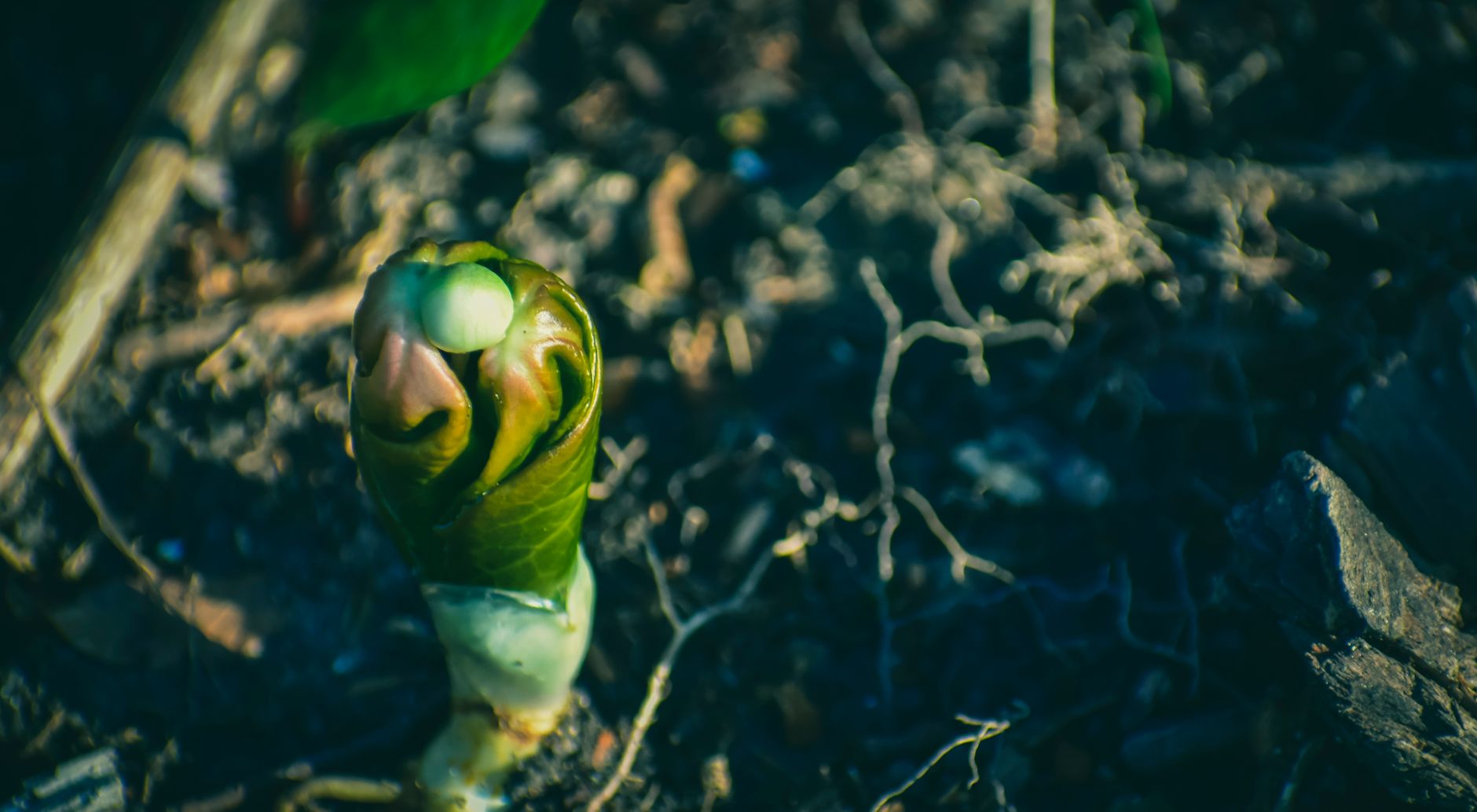
Ground Elder (Aegopodium podagraria)
Early Sprout Appearance: Small, often purplish-green leaves, emerging in groups of three from a central point. The leaves are typically compound, with three main leaflets, each often further divided into three (hence the name 'goutweed' - resembling a goat's foot). The edges are serrated, and the overall plant looks a bit delicate when young.
Key ID Features: The stem is distinctive: if you cut it, it's roughly triangular in cross-section. It forms dense patches quickly.
My Experience: This one is a perennial nightmare in our UK climate. It thrives in damp, shady spots but will happily colonise sunny areas too. I initially thought it looked like some sort of wild parsley and let it get a foothold. Big mistake. Now, if I see those purplish stems and crinkly, three-lobed leaves, I get the hand fork out immediately. The roots are shallow but incredibly brittle, and any tiny piece left behind will regrow. Persistent hand weeding is the only way I’ve had any success in my raised beds.
Field Bindweed (Convolvulus arvensis)
Early Sprout Appearance: Small, delicate heart-shaped or arrow-shaped leaves, often with a slightly pointed tip and sometimes a reddish tinge on the stem. They emerge on slender, trailing stems.
Key ID Features: The leaves are smooth-edged, and the stems quickly begin to twine around anything they touch. The roots are incredibly deep and extensive.
My Experience: This one loves to pop up in disturbed soil, so my freshly dug beds are prime targets. I’ve seen it grow 6 feet in a season, choking out my sweet peas and even my taller tomato plants in the greenhouse. Early on, I pull them carefully, trying to get as much of the root as possible. If it's already twining, I unwind it gently before pulling. It’s a marathon, not a sprint, with bindweed.
Horsetail (Equisetum arvense)
Early Sprout Appearance: Distinctive brown, asparagus-like fertile shoots pushing up from the soil. They have segmented stems and a cone-like structure at the top. These are followed by the more familiar green, feathery, sterile shoots.
Key ID Features: The segmented stems, the distinctive cones on the fertile shoots, and the lack of true leaves. It feels quite rough to the touch.
My Experience: Horsetail is a sign of poor drainage or compacted soil, which can be an issue in parts of my heavy Midlands clay. It’s notoriously hard to get rid of. The best approach I've found is to snap off every single shoot you see, every day if possible. This depletes the massive underground root system over time. Don't compost it unless you're absolutely sure your compost gets hot enough to kill it off!
Gentle Removal & Smart Management Techniques for New Sprouts
So, you've spotted a sprout and confirmed it's an unwelcome guest. Now what? The key here, especially in early spring, is gentle but thorough action. This isn't the time for aggressive digging that might disturb your sleeping perennials or delicate emerging seedlings. What works here in Britain, especially with our often damp spring soil, is a careful, considered approach.
The Hand Weeding Advantage
My go-to method for new sprouts is always hand weeding. Why? Because it gives me the most control and the best chance of getting the whole root out without disturbing surrounding plants.
- Moist Soil is Your Friend: This is crucial. After a good spring shower (which we get plenty of here in the UK!), or after I've watered my beds, the soil is much softer. This makes pulling weeds significantly easier and reduces the chance of the root snapping off and leaving a piece behind to regrow. Trying to pull weeds from dry, compacted soil is a recipe for frustration and backache.
- Tools of the Trade: For tiny sprouts, often just my fingers are enough. For anything a bit more established, a good quality hand fork or a Japanese hori hori knife is invaluable. Last spring, I finally invested in a decent hori hori, and it’s been a game-changer for getting those pesky taproots (like dandelions or dock) out without disturbing my nearby lettuce seedlings.
- Twist and Pull: Instead of just yanking straight up, I've learned that a gentle twist as you pull can help dislodge the entire root system from the soil. This is particularly effective for weeds with a central taproot. The aim is to remove the entire plant, crown and root, to prevent regrowth.
- Minimise Disturbance: Be mindful of what's around your weed. If it's nestled amongst delicate perennial shoots, try to isolate the weed with your hand fork or knife, carefully loosening the soil around its base before pulling. The goal is to leave the surrounding soil and desirable plants as undisturbed as possible. This is vital for allowing your perennials to establish themselves without competition.
Smart Management for the Long Haul
Removing new sprouts is just one part of the battle. For long-term success, especially against those aggressive perennial weeds, you need a strategy.
- Mulch, Mulch, Mulch: Once your desirable plants are up and visible, a good layer of mulch (I use about 2-3 inches of well-rotted compost or wood chippings) is a fantastic weed suppressant. It smothers germinating weed seeds by blocking light and makes it much harder for perennial weeds to push through. Plus, it helps retain moisture, which is a bonus during our drier spells here in the Midlands.
- Regular Patrols: Make a habit of doing a quick "weed patrol" every couple of days. Five minutes of weeding a day is far less daunting and far more effective than an hour once a week when weeds have already established themselves. This is particularly important after a spell of warm, wet British weather, which brings everything, good and bad, springing to life.
- Don't Let Them Seed: This is non-negotiable for annual weeds, but also important for perennial weeds that can spread by seed (like Ground Elder). If you miss a sprout and it starts to flower, cut off the flower head immediately before it sets seed. One mistake I made in my first year was letting a patch of hairy bittercress go to seed – it literally exploded its seeds everywhere, and I was battling it for the rest of the season!
Still Unsure? When in Doubt, Don't Pull It Out!
Okay, let's be honest. Even after five years of intense gardening here in the UK, I still have moments where I stare at a tiny sprout, scratching my head, completely unsure if it's a cherished perennial or an invasive menace. It happens to everyone! Our British climate means we get all sorts of things popping up, and sometimes the early growth of different plants can look incredibly similar.
My rule of thumb in my Midlands garden is simple: if I'm not 100% sure, I leave it.
The "Wait and See" Approach
It sounds counter-intuitive when we've just spent all this time talking about early identification, doesn't it? But trust me, the cost of accidentally pulling out a desirable perennial is far greater than letting a weed grow a tiny bit bigger.
- Mark It: If you're unsure about a specific sprout, gently place a small marker stick or a brightly coloured label next to it. This reminds you not to pull it inadvertently and helps you keep an eye on its progress.
- Observe Closely: Check on it daily or every other day. Often, within a few more days, more characteristic leaves will emerge, or the growth habit will become clearer. For instance, a desirable perennial might show a more organised, robust growth, while a weed might be leggy or spread aggressively. One year, I almost pulled up what turned out to be a self-seeded borage plant, thinking it was a nettle! A few days later, the distinctive borage leaves emerged, and I was so glad I waited.
- Compare and Contrast: Refer back to photos of your known plants at different growth stages. I keep a small garden journal with photos of my perennials in early spring, which has been incredibly helpful. There are also fantastic online resources and books specific to UK gardening.
Leverage Technology & Community
We're lucky to live in an age where help is just a click away!
- Gardening Apps: There are several plant identification apps available that use your phone's camera. While they're not always perfect, especially with tiny sprouts, they can often give you a good starting point. I've used PictureThis and PlantNet on occasion when I'm truly stumped.
- Online Forums & Social Media: The UK gardening community is incredibly active and supportive. Take a clear photo of your mystery sprout from a few angles (and maybe a wider shot of its surroundings for context), and post it on a UK gardening forum or a local Facebook group. You'll often get an answer within minutes from experienced gardeners who've encountered the same plant in their British gardens. I often learn new tips and tricks from fellow gardeners in these groups.
Remember, gardening is a continuous learning process. Even the most seasoned gardeners make mistakes. Be patient with yourself and with your plants. A little bit of caution now can save you a lot of regret later!
Conclusion: Your Early Spring Garden, Thriving and Weed-Free (Mostly!)
Phew! We've covered a fair bit, haven't we? From decoding those first mysterious green shoots to battling the notorious Ground Elder and Bindweed that plague our British gardens, the journey of early spring identification is both challenging and incredibly rewarding.
The core message I want you to take away from my experiences in my 800 sq ft Midlands garden is this: early identification is your superpower. It's the difference between a few minutes of gentle weeding and hours of back-breaking work later in the season. It saves your cherished perennials from being outcompeted, and it ensures your raised beds and greenhouse are ready for the bounty of the growing season.
I've learned this the hard way over my five years of intensive gardening – pulling up a beloved self-seeded calendula because I mistook it for chickweed, or letting a patch of horsetail get out of control because I didn't recognise its early spears. But these mistakes, especially those related to our unpredictable British weather and the specific weeds that thrive here, have taught me invaluable lessons. They've made me a better, more observant gardener.
So, as you step out into your garden this spring, armed with your hand fork and a keen eye, remember to:
- Observe closely: Pay attention to leaf shape, stem structure, and growth habit.
- Know your desirable plants: Understand what your perennials look like when they first emerge.
- Identify aggressive weeds early: Catch those persistent invaders before they take hold.
- Don't be afraid to wait: If in doubt, let it grow a little more or ask for help.
Gardening is about connection – with nature, with the seasons, and with each other. There's immense joy in seeing your garden come alive, knowing that you've given your desirable plants the best possible start. This early vigilance sets the stage for a thriving, productive season, full of delicious vegetables, fragrant herbs, and beautiful blooms.
What are your trickiest early spring ID challenges here in the UK? Have you got any go-to tips or funny stories about mistaking a weed for a gem (or vice versa)? Share them in the comments below – we're all learning together, and your experiences are invaluable! Happy gardening, everyone!