Protecting Your Harvest: Why Humane Bird Deterrence Matters for UK Gardens
There's nothing quite like the satisfaction of heading out into your garden, basket in hand, ready to pick a bounty of sun-ripened berries or the first juicy fruit from your trees. It’s a moment I live for here in my 800 sq ft Midlands garden, especially after all the effort I pour into growing. But then you spot it – that tell-tale peck mark, a half-eaten strawberry, or worse, an entire branch of gooseberries stripped bare. The culprits? Our feathered friends, of course!
For years, I've battled with blackbirds, starlings, and even cheeky robins eyeing up my 'Malling Promise' raspberries and 'Stella' cherry tree. When I first started gardening five years ago, I lost nearly half my strawberry crop one particularly sunny May, and my early currants were decimated before I even got a look-in. It was heartbreaking, honestly, to see all that hard work go to waste. But as a keen gardener, I also appreciate the wildlife that shares my space. I don’t want to harm them; I just want to protect my harvest. That’s why humane bird deterrence isn't just a nice-to-have, it's essential for any UK home gardener who wants to enjoy their fruits without resorting to drastic measures. It’s about finding that balance, working with nature, not against it, so we can both thrive.
The Gold Standard: Humane Netting Solutions for Berry Patches and Fruit Trees
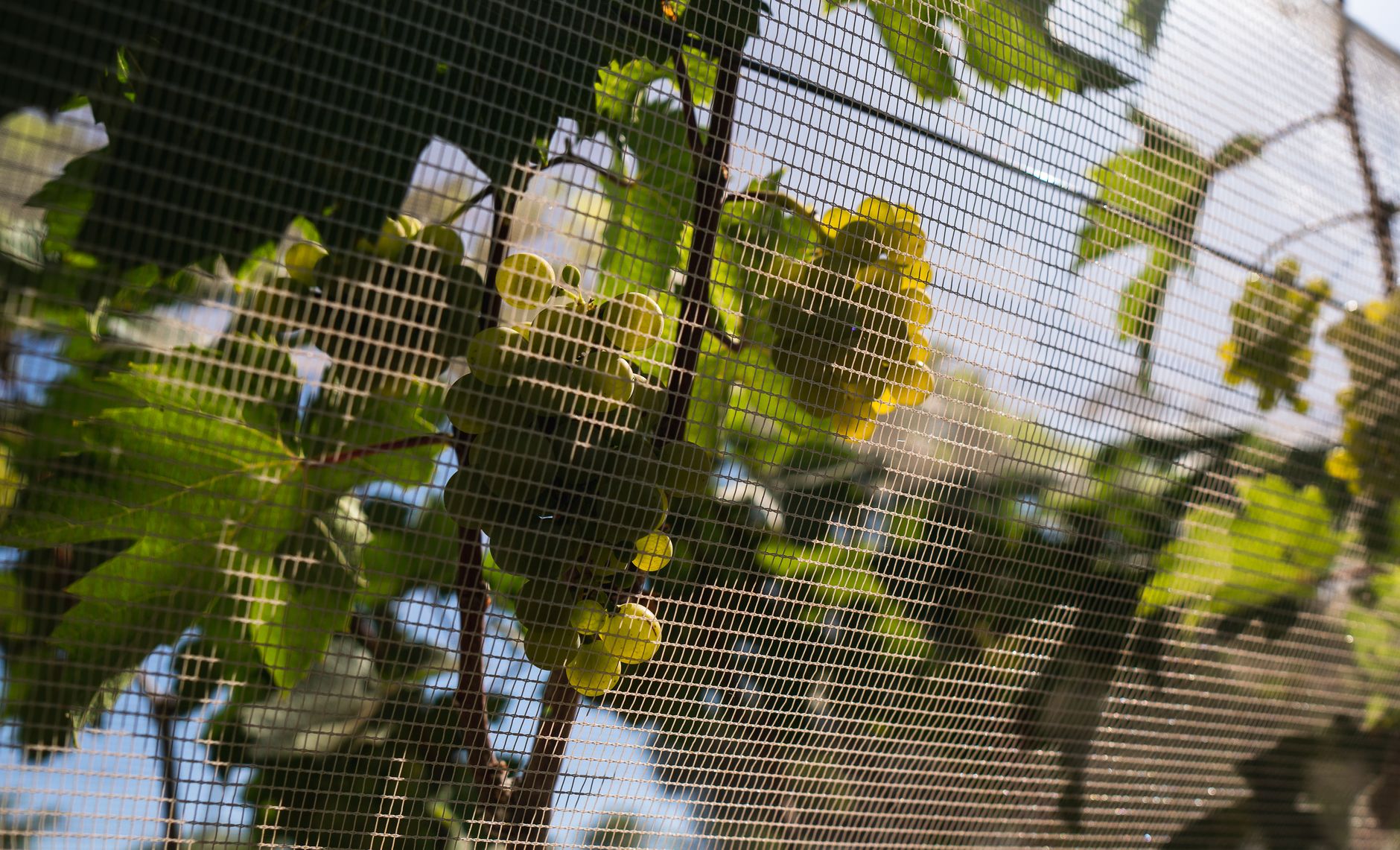
If there's one piece of advice I'd give any UK gardener struggling with birds, it's this: netting is your best friend. I've experimented with almost every method under the sun in my garden, but for sheer effectiveness and peace of mind, nothing beats a well-installed netting system. It creates a physical barrier, keeping those hungry beaks away from your precious produce without causing them any harm.
My journey with netting wasn't without its challenges, mind you. One mistake I made early on was buying cheap, flimsy netting. It ripped in the first stiff British breeze, and I even had a poor blackbird get tangled in the weak mesh, which was distressing for both of us. After that, I learned the importance of investing in good quality, appropriate netting and installing it correctly. For my 'Joan J' raspberries and 'Ben Hope' blackcurrants, I now use a sturdy, fine-mesh netting draped over a simple fruit cage frame I built from old plumbing pipes. For my small cordon apple trees, I'll often drape a finer mesh over them as the fruit ripens, securing it tightly around the trunk. The trick is to ensure there are no gaps for smaller birds to squeeze through and that the mesh is taut enough not to sag and trap them.
Here in the Midlands, with our often unpredictable weather – from sudden downpours to gusty winds – the durability of the netting is paramount. I've found that woven polyethylene or extruded plastic nets hold up best against the elements and are less likely to snag or tear. The mesh size is also crucial; anything over 20mm can still allow smaller birds to get through, or worse, get their heads stuck. I aim for 7-10mm mesh for most soft fruits, and slightly larger for fruit trees where the fruit size itself provides a barrier.
| Netting Type | Mesh Size (mm) | Material | Pros (UK context) | Cons (UK context) | Best For (UK fruits) |
|---|---|---|---|---|---|
| Extruded Plastic Net | 7-15 | Polyethylene | Durable, UV-stabilised, good airflow, reusable | Can be stiff to handle, may need strong support | Strawberries, Raspberries, Blueberries, Currants, Gooseberries |
| Woven Fine Mesh Net | 5-10 | Knitted Poly | Very soft & flexible, won't damage plants, less tangling | Can be more expensive, less rigid, may sag with rain | Cherries, Small plum trees, Grapevines, delicate soft fruits |
| Rigid Plastic Net | 15-20 | Heavy Duty Poly | Very strong, long-lasting, ideal for permanent cages | Bulky to store, can be visible, harder to cut/shape | Larger fruit trees, permanent walk-in fruit cages |
| Butterfly Netting | 7 | Fine Polypropylene | Prevents birds & butterflies, very lightweight | Less durable against strong winds, can tear easily | Brassicas (in addition to fruit), very delicate berries |
Bright & Shiny: Reflective Devices and Visual Scares to Deter Birds
While netting is my top choice, sometimes you need a multi-pronged approach, or perhaps you're looking for a supplementary deterrent. That's where reflective devices and visual scares come in. I’ve dabbled with these over the years, mostly out of curiosity and a desire to see what really works here in our British climate.
The principle behind these gadgets is simple: birds are startled by sudden flashes of light, perceived movement, or unfamiliar shapes. They work on the idea of creating an environment that feels unsafe or confusing. I've strung up old CDs from my 'Conference' pear tree, used reflective holographic tape along my greenhouse eaves, and even tried those shiny, metallic bird-scare balloons. For a short while, they seem to work! The glint of light, especially on a sunny summer's day, can certainly make a blackbird think twice before landing.
However, and this is a big "however" in my experience, birds are smart. They quickly habituate to static scares. That hawk-shaped balloon that once kept them away from my 'Cambridge Favourite' strawberries will eventually just become part of the scenery. I’ve watched a starling perch quite happily next to a dangling CD, eyeing up my ripening 'Reine Claude de Bavay' plums. So, while these devices can offer a temporary reprieve or might be useful in combination with other methods, don't rely solely on them for a bumper harvest, especially not here in the UK where we get so many keen berry-eating birds. They’re best deployed in a dynamic way, perhaps moved every few days, to maintain their effectiveness.
| Device | How it Works | Pros (UK context) | Cons (UK context) | Effectiveness |
|---|---|---|---|---|
| Reflective Tape/Ribbon | Shines & flaps in wind, creating light flashes | Inexpensive, easy to install, some movement in wind | Birds habituate quickly, can tangle in high winds | Low to Medium (short-term only) |
| Old CDs/DVDs | Reflects sunlight, creates flashing lights | Free, readily available, DIY-friendly | Limited movement, birds quickly get used to them | Low (very short-term) |
| Holographic Discs | Multi-directional light reflection, movement | More reflective than CDs, designed for bird scare | Still prone to habituation, can be pricey | Medium (better than CDs, but still temporary) |
| Reflective Balloons | Large, shiny, often with eye patterns | Highly visible, can be moved around, some movement | Can deflate, easily damaged in high winds, birds adapt | Medium (requires frequent repositioning) |
Tricking the Birds: Decoys, Kites, and Auditory Deterrents Explained
Beyond the physical barriers and visual flashes, there's another fascinating category of bird deterrence: trickery! This is where we try to fool birds into thinking a predator is nearby or that the area is simply too noisy for comfort. I’ve experimented with a few of these in my 800 sq ft garden, sometimes with amusing results, and they can be a fun addition to your arsenal, especially for those who enjoy a bit of innovation.
My first foray into this was a very realistic plastic owl decoy, placed strategically near my 'Stella' cherry tree. I was so hopeful! For about two days, it seemed to work, and the blackbirds gave it a wide berth. Then, I watched a robin land right on its head. The problem, I learned the hard way, is that static decoys quickly become part of the furniture. Birds are incredibly observant, and if that owl never moves, never blinks, never flies, they figure it out pretty quickly. To be effective, decoys need to be moved frequently – daily if possible – or have some form of movement, like a bobble head or wind-activated wings.
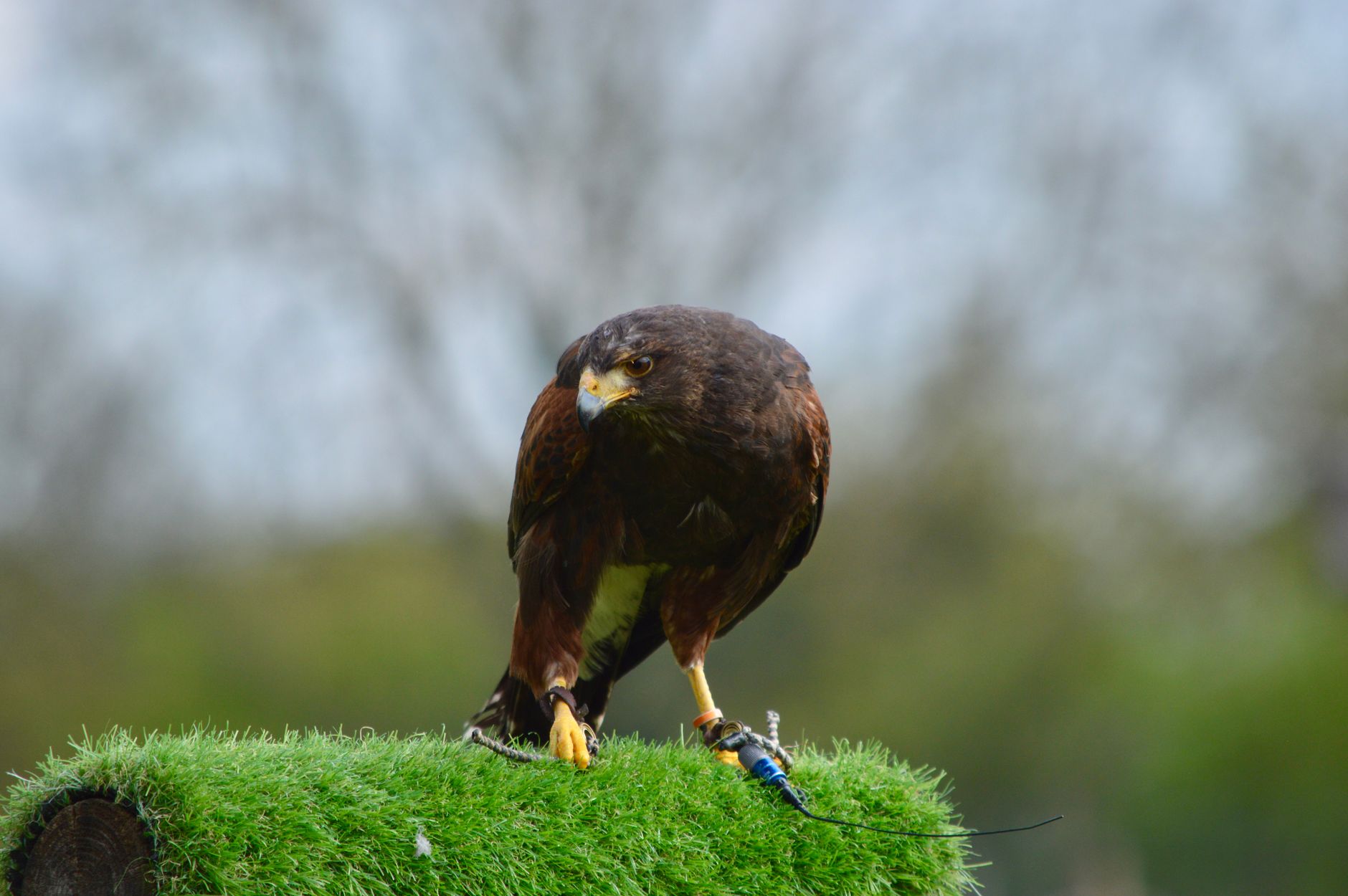
Bird scare kites, especially those designed to look like hawks or falcons, are another step up. These are often flown on poles, catching the wind to mimic a predator soaring overhead. I've seen neighbours here in the Midlands use these, and they can be quite effective, especially on a breezy day, as the erratic movement is much more convincing than a static decoy. The constant perceived threat can keep birds away from larger areas, like a small orchard.
Auditory deterrents are another option, ranging from ultrasonic devices (which are often ineffective as sound waves don't travel well in open air) to sonic devices that broadcast distress calls or predator sounds. I've personally steered clear of most sonic devices for the home garden, as they can be quite annoying for humans and pets, and again, birds can become accustomed to them. However, for a short-term, targeted problem, they might offer a solution. What works best in my experience is often a combination of these methods, rotated and moved to keep the birds guessing.
Layering Your Defences: Combining Strategies for Superior Protection
Now, here's where the real magic happens, in my experience here in the UK Midlands. While each of the methods we've discussed – netting, reflective devices, decoys, and even the odd auditory scare – can work wonders on their own, the truly impenetrable defence comes from layering them up. Think of it like a robust cybersecurity system (a nod to my old IT days!) – you wouldn't rely on just one firewall, would you? Our clever feathered friends are quick learners, especially the bolder ones like pigeons and cheeky blackbirds. What scares them off one day might just become a convenient perch the next!
I learned this lesson the hard way in my 800 sq ft garden. Early on, I thought a few shiny CDs and a plastic owl would be enough for my nascent gooseberry bush. For a week, it was glorious! Then, one sunny afternoon, I caught a pigeon perched right on the owl's head, calmly eyeing up the ripening berries. It was a proper "aha!" moment. Since then, I’ve become a firm believer in a multi-pronged approach.
My go-to strategy usually starts with physical barriers. Netting is always my primary defence for anything truly precious like my greenhouse-grown 'Sungold' tomatoes (yes, I push my luck with them outside sometimes!) or my strawberry patches. But then I'll add a layer of visual deterrence. For instance, I'll string reflective tape around the netted area or hang a few glittery pinwheels just outside it. This combination means birds are hit with a visual scare even before they get close enough to try and find a weakness in the net. It's like having a flashing warning sign before the security fence.
For my fruit trees – my 'Cox's Orange Pippin' apple and 'Victoria' plum – where netting can be a bit more cumbersome, I rely heavily on a combination of reflective devices and strategically placed decoys. I'll hang strips of reflective tape and old CDs from the branches, ensuring they flutter in the breeze and catch the sunlight. Then, I'll position my hawk kite nearby, letting it soar above. I've found that moving the kite's anchor point every few days is crucial to stop the birds from getting complacent. It really makes them think twice about landing!
Here's a quick rundown of how I like to combine strategies in my UK garden:
| Deterrent Type | Primary Benefit | Best Used With... | UK Weather Impact | Randy's Personal Tip (UK Focus) |
|---|---|---|---|---|
| Humane Netting | Physical barrier, ultimate protection | Reflective tape/pinwheels, auditory devices | High winds can tear; heavy rain can weigh down | Choose fine mesh, secure all edges. Check for squirrel holes daily! |
| Reflective Devices | Visual scare, disorienting | Netting (as a pre-deterrent), decoys, auditory | Less effective on overcast days; high winds can tangle/lose | Use multiple types (tape, pinwheels, CDs) & move regularly. |
| Decoys (Hawks, Owls) | Predator illusion, initial scare | Netting (to protect specific areas), reflective devices | Can get blown over/tangled in high winds | Move position every 2-3 days. Pigeons will perch on a static owl! |
| Auditory Deterrents | Startle effect, unpleasant sound | Netting (for extra defence), reflective devices | Batteries drain quickly in cold; rain can damage | Use sparingly & vary sounds to prevent habituation. Not my first choice. |
Seasonal Considerations and Ongoing Maintenance for Effective Deterrence
Effective bird deterrence isn't a "set it and forget it" job, especially here with our wonderfully unpredictable British weather! It's an ongoing commitment, a bit like tending to your prize 'Moneymaker' tomatoes – constant vigilance and timely intervention are key. Over my five years of intensive gardening, I’ve learned that timing and maintenance are just as important as the deterrents themselves.
Spring: The Pre-emptive Strike
This is when I start my planning. As soon as I see the first blossoms on my apple tree or my strawberries start to set, I'm thinking about bird protection. The biggest mistake I made early on was waiting until I saw birds pecking before acting. By then, they've already had a taste, and they'll be back with reinforcements!
- Netting: Get your netting ready before the fruit ripens. For my raised beds of 'Cambridge Favourite' strawberries, I have a custom-built frame that I drape the netting over as soon as the flowers drop and tiny green fruits appear. This gives the birds no chance to get a foothold. I learned this the hard way one particularly warm May when a flock of starlings decimated my early crop overnight!
- Decoys/Reflectives: Start placing reflective devices and decoys around your fruit trees and bushes a few weeks before ripening. This establishes a "no-go" zone early on.
Summer: Vigilance is Key
This is peak season for delicious fruits and peak season for bird activity. This is when your ongoing maintenance routine really kicks in.
- Netting Checks: I check my netting daily, sometimes twice a day. Strong winds, curious foxes, or even just heavy rain can cause tears or create gaps. Last summer, a persistent blackbird found a gap the size of a 5p coin under my raspberry netting – they're incredibly clever, those chaps! A small tear can become a major entry point surprisingly quickly. Repair any damage immediately with zip ties or garden twine.
- Moving Decoys: Remember what I said about birds getting used to things? My plastic hawk decoy gets moved every couple of days. Sometimes just a few feet, sometimes to a different side of the garden. The aim is to keep them guessing.
- Reflective Clean-Up: Reflective tape and CDs can get covered in dust or splashed with mud, reducing their shine. A quick wipe with a damp cloth can restore their effectiveness. High winds can also tangle them up or even blow them off branches, so a quick re-hang might be needed.
- Auditory Devices: If you're using them, check batteries regularly, especially if we've had a cold snap.
Autumn/Winter: Storage and Planning
Once the harvest is over, the work isn't quite done. Proper storage of your deterrents will extend their life and save you money in the long run.
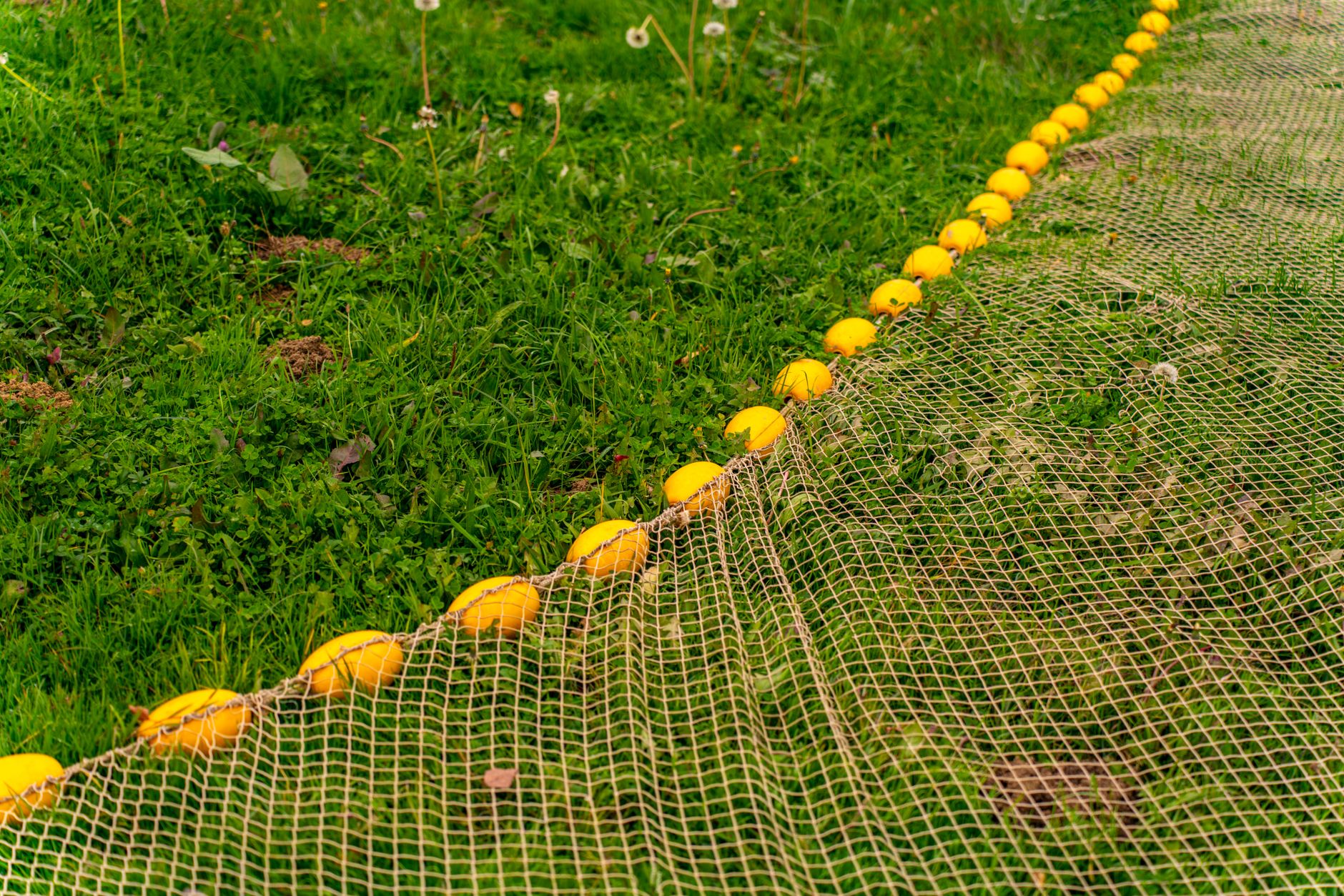
- Netting: I meticulously fold and store my netting in a dry, dark place. This protects it from UV damage and prevents it from becoming brittle. My good quality netting lasts for years this way. I learned that leaving it out all winter means it becomes flimsy and tears easily the next season – a false economy!
- Decoys & Reflectives: Bring in plastic decoys and reflective devices. Clean them off and store them away from direct sunlight. This preserves their colour and reflectivity.
Remember, the goal is to create an environment that birds find consistently unwelcoming, without causing them any harm. It's a dance, a constant adaptation to their habits and our ever-changing British weather.

Enjoy Your Bounty: Harvesting Fruits and Berries Bird-Free (Conclusion)
There's truly nothing quite like stepping out into your UK garden, basket in hand, and harvesting a bounty of perfectly ripe, unblemished fruits and berries that you've grown. The sweet burst of a 'Malling Promise' raspberry, the juicy tang of a 'Invicta' gooseberry, or the pure sunshine flavour of a greenhouse-ripened 'Gardener's Delight' cherry tomato – these are the moments we gardeners live for. And honestly, after all the effort, sharing that harvest with the birds instead of your family can be soul-destroying!
I've learned a lot over my five-plus years in this Midlands garden, often through trial and error (and more than a few ruined crops!). What started as a simple desire to keep my strawberries intact has evolved into a real understanding of how to coexist with our garden wildlife, ensuring a fair share for everyone – with the emphasis firmly on me when it comes to the berries!
By embracing humane netting, strategically deploying reflective devices, using clever decoys, and crucially, layering these defences, you can significantly reduce bird damage. It’s about being proactive, staying vigilant, and understanding that what works today might need a tweak tomorrow. Our British climate and the cleverness of our local bird populations mean we always need to be thinking a step ahead.
So, if you've been battling the birds for your precious produce, I really encourage you to give these strategies a try. Experiment in your own garden, see what combinations work best for your specific challenges and local bird life. Don't be afraid to make mistakes – I certainly have! It's all part of the learning journey that makes gardening such a rewarding passion.
Here's to a summer of abundant, bird-free harvests in your UK garden! Happy growing, my friends.