Introduction: Responding to Unexpected Garden Trauma
Right, hands up if you've ever walked into your garden after a particularly blustery night or a sudden downpour, only to find one of your beloved plants looking like it's been in a wrestling match? Yeah, I know that feeling all too well. Here in the UK Midlands, our weather can be, shall we say, characterful. One minute it's glorious sunshine, the next a rogue gust of wind or a torrential shower has decided to rearrange your carefully nurtured plants. It's truly gutting, isn't it?
I still remember the first time it happened to one of my prized 'Moneymaker' tomato plants in the greenhouse. I'd spent weeks coddling it, watching those first green fruits swell, and then a freak gust got under a vent I'd left ajar. I walked in to find a main stem, heavy with trusses, snapped clean at the base. My heart sank. I just stood there, staring, feeling completely helpless. Back then, five years ago when I first traded my IT screen for a trowel, I thought that was it – game over for that plant. But over the seasons, through a fair bit of trial and error (and a few more mishaps than I care to admit!), I've learned that a snapped branch or a broken stem isn't always a death sentence. In fact, with a bit of quick thinking and the right "first aid," many of our garden favourites – from sturdy shrubs to delicate fruiting vines and even those resilient perennials – can make a remarkable recovery, often coming back stronger.
This isn't about magic, it's about understanding how plants heal and giving them the best possible chance. I've had my share of failures, believe me, especially with those unpredictable British spring frosts catching me out, but I've also celebrated some incredible recoveries right here in my 800 sq ft garden. So, grab a cuppa, and let's talk about how to mend those garden wounds and get your plants thriving again, even after a bit of unexpected trauma.
Assessing the Damage: A Quick Garden Triage for UK Plants
When you discover a damaged plant, it’s easy to panic. My first instinct used to be to either rip it out in frustration or fuss over it blindly. Now, after five seasons of intense gardening here in the Midlands, I've learned to take a deep breath and treat it like a garden emergency room. This is where a bit of quick "triage" comes in, helping you decide if your plant has a fighting chance and what immediate steps to take.
First, I always look at the severity and type of break. Is it a clean snap, or a jagged tear? A clean break, especially on a relatively young, still-flexible stem, often has a better prognosis than a stem that's been completely shredded or twisted. I'm always more optimistic if the break is high up on a branch rather than right at the plant's base, where it can compromise the whole root system. For my greenhouse tomatoes, a snapped side shoot is usually no big deal, but a main stem supporting multiple fruit trusses is a much bigger concern. Similarly, if it's one of my 'Raspberry Autumn Bliss' canes, a snapped cane means losing this year's fruit on that particular stem, but the plant itself usually recovers just fine from the base next year.
Next, I consider the location of the break and how much of the stem's vascular tissue (the "plumbing" that moves water and nutrients) is still intact. Even a partially attached stem might be salvable if enough of the cambium layer – that crucial green layer just under the bark – is still connected. If the stem is hanging by a thread and looks completely desiccated, the chances diminish significantly. I also check the overall health of the plant before the damage. Was it robust and thriving, or already struggling with pests, disease, or nutrient deficiencies? A strong, healthy plant has much more resilience and energy to put into healing.
Finally, and this is crucial for us UK gardeners, I always factor in the current and upcoming weather. Is more rain or wind forecast? Will temperatures drop, causing further stress? A damaged plant is vulnerable to infection, especially in our often damp British climate. If a stem is broken in autumn, for example, and we're heading into a cold, wet winter, the plant might struggle more to heal before the conditions worsen. I learned this the hard way with a young 'Blackcurrant Ben Sarek' bush that got battered by an early November gale; I patched it up, but the subsequent cold snap meant the wound didn't heal properly and it succumbed to fungal issues. Now, I'm much quicker to make a clean prune if the weather isn't looking cooperative for natural healing.
Immediate First Aid: Stabilising Your Injured Plants & Essential Tools
Once you’ve assessed the damage, it’s time for immediate action. Think of it like stabilising a patient before surgery. The goal here is to prevent further damage, support the injured part, and protect the wound from infection. In my garden, especially after a storm, I usually have a specific 'emergency kit' that I grab for these situations. It’s evolved over the years from a jumble of string and sellotape (don't judge, we all start somewhere!) to a proper set of tools that really make a difference.
The very first thing I do is gently clean up the wound. If there are any ragged edges or dangling bits of bark, I use my sharpest, sterilised secateurs to make a clean cut. This minimises the surface area for pathogens to enter and helps the plant form a clean callus. I always keep a small bottle of rubbing alcohol (isopropyl alcohol) or some anti-bacterial wipes in my shed specifically for sterilising tools before and after each cut. It’s a simple step, but it’s prevented so many infections in my plants, especially in our damp British climate where fungal spores are always lurking.
Next, I focus on support. If the stem is still partially attached, getting it back into its original position and providing immediate support is critical. This is where my collection of garden stakes, soft ties, and grafting tape comes into play. You want to hold the broken parts firmly together but without constricting the stem, which can cause more damage. For my greenhouse tomatoes, I often use a bamboo cane pushed into the soil next to the main stem, securing it with soft plant ties or even old strips of fabric. For a larger shrub like my 'Hydrangea paniculata' that once took a beating, I used a sturdy wooden stake and wider tree ties to offer broader support to the injured branch.
Here’s a quick rundown of the essential tools I keep on hand for these garden emergencies, and why they’re so indispensable in my UK garden:
| Tool/Material | Description & Randy's Use | Why it's Essential for UK Gardening |
|---|---|---|
| Sharp Secateurs | My absolute go-to for making clean cuts. I prefer bypass pruners for their precise action. Essential for tidying up ragged breaks or making a clean cut if the damage is too severe to save. | Clean cuts heal faster and reduce entry points for fungal diseases common in our damp climate. Blunt tools just bruise and shred, making things worse. |
| Rubbing Alcohol | Used for sterilising my secateurs before and after each use, especially when dealing with open wounds. I just wipe the blades down thoroughly. | Prevents the spread of diseases from plant to plant, which is vital when open wounds are present and conditions are often humid. |
| Garden Stakes | Bamboo canes, wooden stakes, or even metal rods. I use them to provide rigid support to re-positioned broken stems or branches. Different sizes for different plants – a small cane for a perennial, a sturdy stake for a young fruit tree. | Our often windy conditions mean plants need robust support to prevent further movement during healing. Essential for stabilising re-joined sections. |
| Soft Plant Ties | Made from various materials like soft rubber, fabric strips, or even old tights. Crucial for securing stems to stakes without digging in or causing new damage. I avoid wire ties at all costs. | Prevents girdling as the stem grows and swells, which can happen quickly in a healthy plant. Soft ties minimise abrasion in windy conditions. |
| Grafting Tape/Parafilm | A flexible, self-sealing tape that stretches as the plant grows. It provides a waterproof, breathable seal around re-joined stems, holding them firmly and protecting the wound. I've had great success with this on my greenhouse tomatoes. | Creates an ideal, sterile, and humid environment for callus formation, crucial for healing. Protects the wound from rain and airborne pathogens, very important here. |
| Waterproof Pen/Label | For marking the date of the injury and repair. It helps me track the healing process and learn what works (or doesn't) for different plants. | Record-keeping helps you learn from experience, especially useful for understanding plant recovery rates in specific UK seasons and conditions. |
Repair Techniques: When to Prune, Splint, or Consider Grafting
Once your plant is stabilised and you’ve cleaned up the wound, it’s time to decide on the best long-term repair strategy. Over the years, I've found there are three main approaches: a strategic prune, a careful splint, or, in more advanced cases, a form of grafting. Choosing the right one depends heavily on the type of plant, the severity of the damage, and its potential for recovery in our UK climate.
Pruning: The Clean Break Solution
Sometimes, the best "repair" is a clean, decisive prune. This might seem counter-intuitive when you're trying to save a plant, but if a branch or stem is too severely damaged – say, completely severed, extensively shredded, or showing signs of disease entry – removing it entirely is often the kindest and most effective option. A clean cut allows the plant to focus its energy on healing a single, neat wound rather than trying to salvage a dying or compromised section.
- When I use it: I'll prune if the stem is less than 25% attached, if the broken section is clearly wilting within hours, or if the break is jagged and impossible to clean up properly. For my 'Tayberry' canes, if a main fruiting cane snaps, I'll prune it back to a healthy side shoot or to the ground if it's beyond saving, knowing new canes will emerge. For an ornamental shrub like my 'Spiraea japonica', if a branch is completely snapped off, I'll prune it back to the nearest healthy main stem or bud to encourage new growth from below. I also lean towards pruning if the weather is particularly damp and cold, as it reduces the risk of fungal infection on a lingering, struggling wound.
- My experience: I once tried to save a heavily damaged branch on a young apple tree ('Discovery') after a late spring gale. I should have just pruned it clean. The branch struggled, never properly healed, and became an entry point for canker. Lesson learned: sometimes, a quick, clean cut is tougher love, but it saves the whole plant.
Splinting: The Go-To for Partial Breaks
Splinting is my most frequently used repair technique for partially broken stems or branches. This is where you physically rejoin the broken parts, hold them securely in place, and allow the plant's natural healing processes to take over. It's often successful because plants have an incredible ability to form callus tissue, effectively knitting themselves back together.
- How I do it: After cleaning the wound (as described in the "Immediate First Aid" section), I gently bring the broken parts back into alignment, making sure the cambium layers (the green inner bark) are touching as much as possible. Then, I secure the union firmly with grafting tape or parafilm, wrapping it tightly but not so much that it crushes the stem. I'll often add an external support, like a bamboo cane or a small stick, tied loosely to the stem above and below the break, to act as a rigid splint. This prevents any movement while the plant heals. I leave the splint on for several weeks, or even months, depending on the plant and the severity of the break.
- My experience: I’ve successfully splinted numerous heirloom tomato stems in my greenhouse, especially varieties like 'Cherokee Purple' which get very heavy with fruit. A broken main stem can be catastrophic for the season's yield, but a good splint, reinforced with a sturdy stake, often sees them through to harvest. I also managed to save a crucial leader on my young 'Conference' pear tree that snapped in a particularly fierce winter wind by splinting it. It took nearly a year to fully heal, but it's now thriving.
Grafting: The Advanced Rescue (and a Bit of Fun)
While less common for accidental breaks, understanding grafting principles can sometimes offer a lifeline, or even an opportunity for experimentation. Grafting is essentially joining two plant parts so they grow as one. In the context of a broken stem, you might use a technique called "bridge grafting" to bypass a severely damaged section, or even "approach grafting" if you have another stem nearby.
- When I consider it: This is definitely more advanced and usually reserved for valuable plants, fruit trees, or when a critical part of the plant (like a main trunk) is severely damaged beyond simple splinting. For example, if a young fruit tree's trunk was significantly damaged but not completely severed, I might try to bridge graft a healthy shoot from below the damage to a healthy point above it. It's a bit of a faff, I won't lie, but incredibly rewarding if it works. I've also tinkered with approach grafting to join two struggling stems on a single cucumber plant that had a weird break, just to see if I could get it to produce more.
- My experience: I haven't done extensive bridge grafting for emergency repairs, but I did experiment with it on a greenhouse pepper plant that had a main stem nearly severed. I used a healthy side shoot from the same plant as a "bridge." It was a painstaking process, wrapping it tightly with grafting tape, but it did eventually take, and that pepper plant went on to produce a decent crop. It taught me a lot about the plant's resilience!
Here’s a comparative look at these repair techniques:
| Repair Technique | Best For | Randy's Application/Example (UK) | Pros | Cons |
|---|---|---|---|---|
| Pruning | Severely damaged, mostly detached, or diseased stems/branches. | A completely snapped 'Tayberry' cane after a storm, a branch on 'Hydrangea paniculata' that's shredded, or a tomato side shoot that's beyond repair. | Prevents disease spread; redirects plant energy to healthy growth; clean wound heals faster. | Loss of the damaged part; potential reduction in immediate yield (e.g., fruit); can alter plant shape. |
| Splinting | Partially attached stems/branches with a clean or relatively clean break. | A main stem of an 'Ailsa Craig' tomato in the greenhouse that's bent but not severed, a partially snapped branch on a young 'Conference' pear tree, or a sturdy perennial stem. | Saves the original plant part; preserves existing growth/yield; relatively simple with basic tools. | Requires careful alignment and consistent support; not always successful; risk of infection if not sterilised properly. |
| Grafting | Very valuable plants with significant trunk/main stem damage (e.g., fruit trees), or advanced experimental rescue. | Bridge grafting to bypass a damaged trunk section on a young fruit tree, or approach grafting two stems on a valuable greenhouse plant that has a critical break where other methods aren't viable. | Can save critical plant structures; allows bypassing severe localised damage; a fascinating challenge. | Requires specific skills and tools; lower success rate for beginners; time-consuming; not practical for all situations. |
Post-Repair Care: Nurturing Your Plant Back to Full Health
So, you've done the immediate first aid – you've pruned, you've splinted, you've given your plant its best shot at recovery. Now comes the arguably more crucial, and certainly more patient, phase: post-repair care. Think of it like a human recovering from an injury; the immediate emergency is over, but the rehabilitation is just beginning. In my 800 sq ft Midlands garden, I've learned that consistent, gentle care in this stage is what truly makes the difference between a plant limping along and one bouncing back with vigour.
Gentle Hydration and Nutrition
Immediately after a physical injury, your plant is in shock. Its ability to absorb nutrients and water might be compromised, or it might be working overtime to heal. My first rule is to ensure consistent, but not excessive, moisture in the soil. You don't want waterlogging, especially in our often-damp British climate, as weakened plants are more susceptible to root rot. I tend to give a good, deep watering immediately after the repair, then monitor the soil moisture daily, only watering again when the top inch or two feels dry.
When it comes to feeding, I usually hold off on strong fertilisers for a week or two. The plant needs to focus its energy on mending, not on pushing out new, tender growth that could stress it further. Once I see signs of recovery, like new leaf buds or a general perking up, I'll introduce a very dilute feed. My go-to here in the UK is a liquid seaweed extract, like Maxicrop Original. It's fantastic for stress recovery, promoting root health and resilience without overloading the plant with nitrogen. I've found a half-strength dose applied every couple of weeks for a month or so works wonders, especially for my greenhouse tomatoes like 'Moneymaker' if they've suffered a snap.
Monitoring for Recovery and Setbacks
This stage requires vigilance. I become a bit obsessive, checking my recovering plants multiple times a day. What am I looking for?
- New Growth: The most obvious sign of recovery. Look for tiny, vibrant green shoots emerging near the wound or elsewhere on the plant.
- Leaf Turgidity: Are the leaves firm and upright, or are they wilting, drooping, or turning yellow? Wilting can indicate ongoing stress or inadequate water uptake.
- Wound Healing: For splinted branches, you might see a callus forming around the repair site. This is like a plant's scar tissue, slowly sealing the wound.
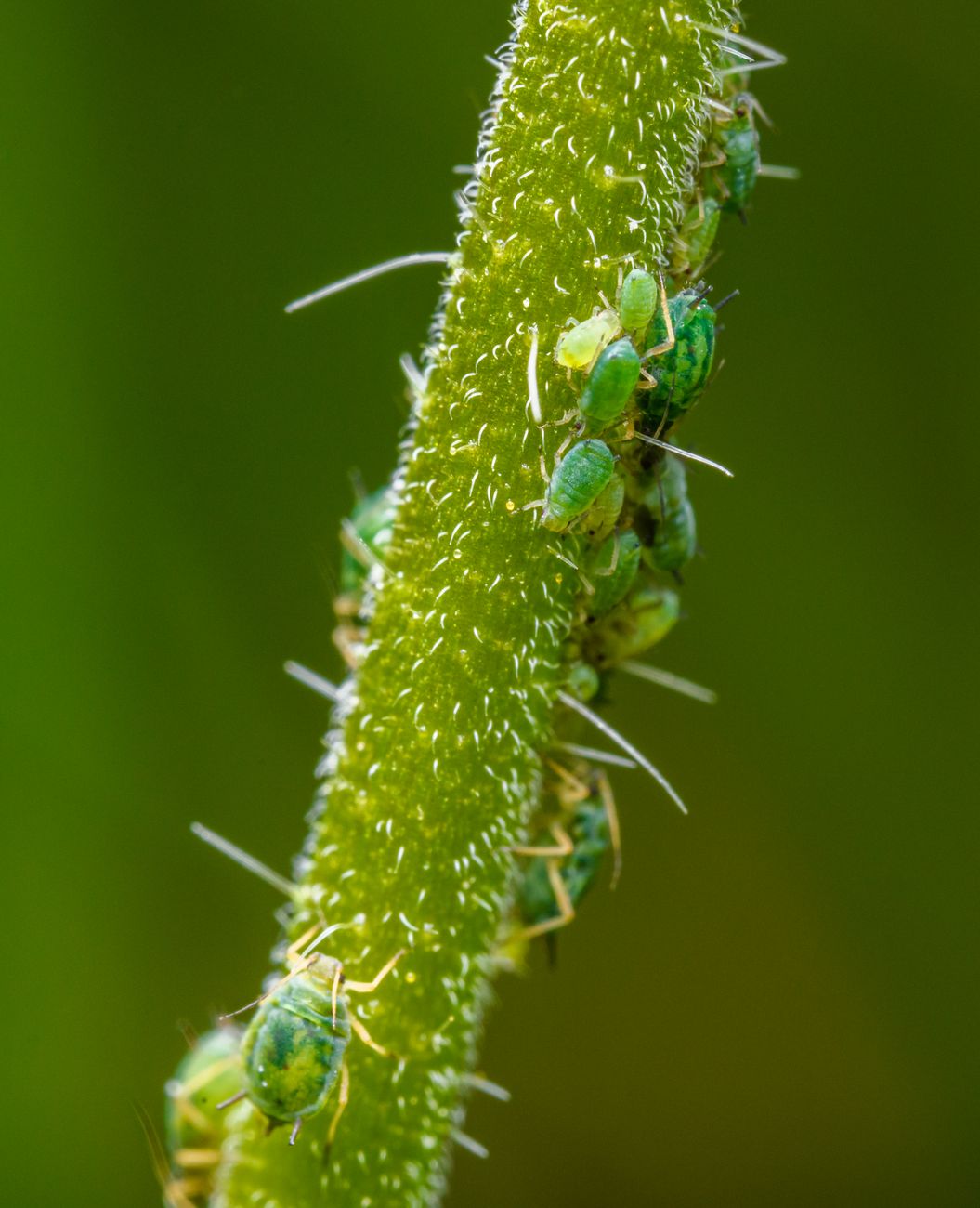
- Pest and Disease Watch: Injured plants are like magnets for pests and diseases. The broken tissues release scents that can attract sap-sucking insects, and open wounds are entry points for fungal spores. I keep a keen eye out for aphids, slugs, and any unusual spots or discolouration on leaves, ready to act quickly. One year, a snapped cucumber stem in my greenhouse was almost immediately pounced on by spider mites. Lesson learned: check, check, check!
Ongoing Support and Splint Removal
If you've splinted a branch, don't rush to remove it. I typically leave splints in place for at least 4-6 weeks, sometimes longer for thicker, woody stems on shrubs or fruiting vines like my 'Tayberry' canes. The goal is to allow sufficient time for the plant to form a strong callus and fuse the tissues back together. When you do remove it, do so gently. Cut the ties carefully and slowly unwind them. Give the branch a gentle wobble – if it feels sturdy and can support its own weight, then it's ready. If it still feels wobbly, you might need to re-splint it for another couple of weeks, or provide a more permanent stake for ongoing support.
I remember once getting impatient with a splinted branch on my young 'Conference' pear tree after a windy spring day. I took the splint off too early, and a few days later, another gust snapped it again, this time irreparably. It was a frustrating setback, but it taught me a valuable lesson about patience in the UK garden – the weather is always ready to test your resolve!
Preventing Future Damage: Building Resilience in Your UK Garden
While we can't control the British weather – a fact I've come to accept (mostly!) after years of gardening here in the Midlands – we can certainly take steps to make our plants more resilient to its unpredictable nature. Prevention really is better than cure, especially when it comes to snapping branches and broken stems.
Understanding Our UK Weather
Our climate here in Britain presents specific challenges. We get strong, gusty winds, often without warning, even in summer. Heavy, persistent rain can weigh down foliage and fruit, making branches vulnerable. And, of course, the occasional late spring or early autumn frost can weaken tissues, making them brittle. I've learned that anticipating these conditions is key.
Structural Support: A Gardener's Best Friend
This is probably my most crucial preventative measure. Almost every tall or heavy-fruiting plant in my 800 sq ft garden gets some form of support.
- Staking Tomatoes: Even in my greenhouse, my heirloom tomatoes like 'Cherokee Purple' and 'Gardener's Delight' are always staked, often with strong bamboo canes or sturdy spiral stakes. Outdoors, my 'Crimson Crush' variety gets even beefier support because our Midlands winds can be brutal. I tie them loosely but firmly as they grow, checking regularly to ensure the ties aren't cutting into the stems.
- Caging and Trellising: My fruiting vines like my 'Tayberry' and 'Loganberry' canes are always trellised. Without it, their heavy fruit loads combined with wind would guarantee snapped stems. Similarly, my climbing beans and peas get robust netting or cane structures.
- Permanent Supports: For young trees or larger shrubs, investing in a sturdy stake for the first few years can protect them from wind rock, allowing their root systems to establish firmly.
Strategic Planting and Windbreaks
Where you plant makes a huge difference. I always try to site more delicate plants, or those prone to snapping, in the most sheltered spots in my garden. My greenhouse provides a fantastic windbreak for my tender crops. Outdoors, I utilise taller, hardier shrubs or even a sturdy fence as a natural buffer against prevailing winds.
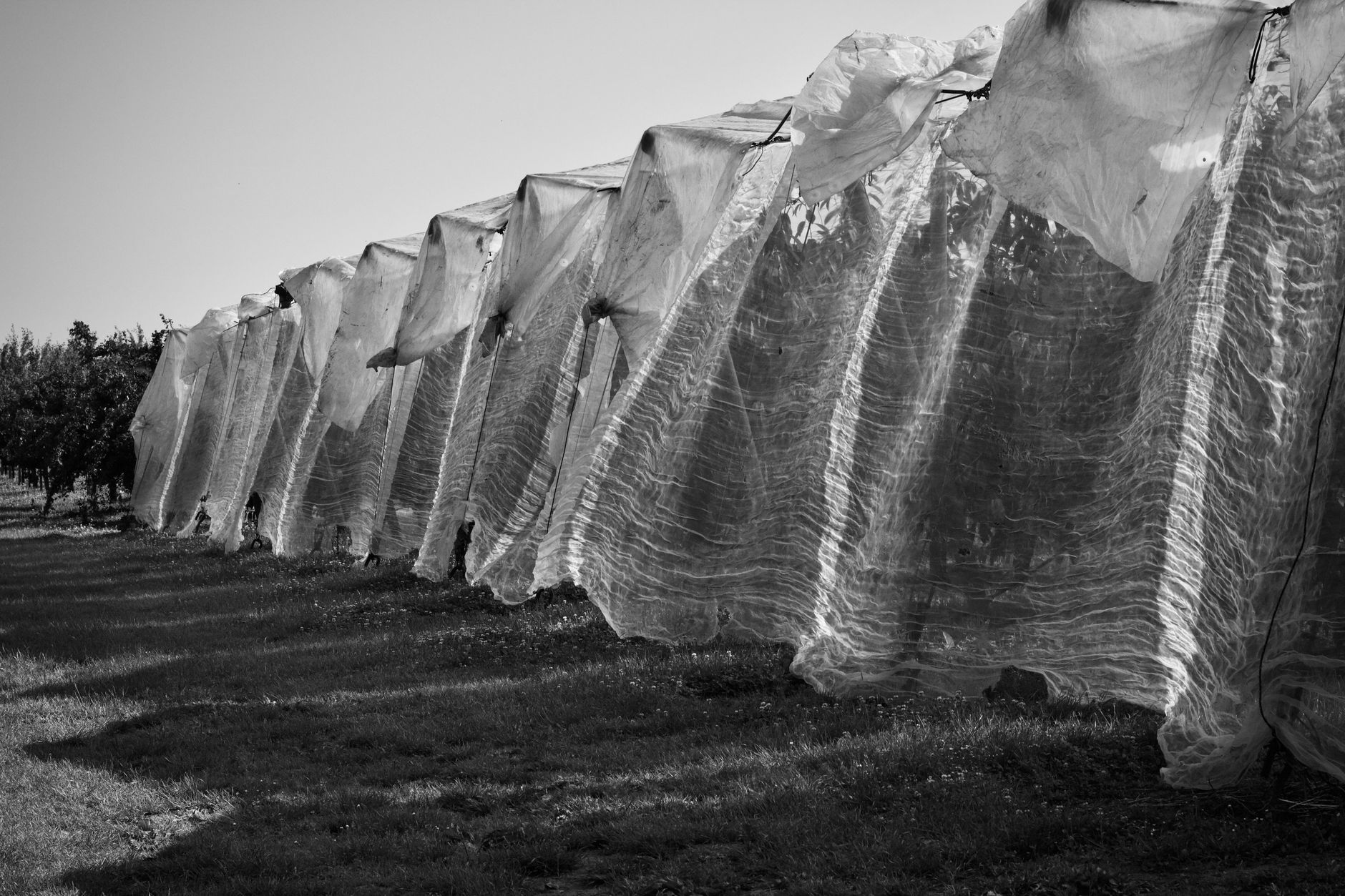
I've also started experimenting with "living windbreaks" – planting rows of taller, tough plants like sunflowers or even some sturdy ornamental grasses on the windward side of my raised beds. They might not completely stop gale-force winds, but they can significantly reduce the impact on more vulnerable plants behind them.
Pruning for Strength and Airflow
Proper pruning isn't just about shaping or increasing yields; it's about building a strong, resilient plant structure.
- Removing Weak Growth: Before the weather gets rough, I always prune out any weak, spindly, or crossing branches. These are the first to snap in high winds.
- Encouraging Strong Frameworks: For fruiting trees and shrubs, I prune to encourage a strong, open framework that can withstand weight and wind. For example, with my apple espaliers, I ensure good branch spacing for airflow, which also helps prevent fungal diseases.
- Reducing Overall Load: Sometimes, strategically thinning out some fruit or excessive foliage can reduce the overall weight and wind resistance, making the plant less prone to snapping. I learned this the hard way with a particularly heavy crop of 'Victoria' plums one year – a whole branch snapped before I could thin them!
Healthy Soil, Strong Roots
It sounds simple, but a plant with a robust root system is far less likely to be uprooted or severely damaged by wind rock. I constantly work on improving my heavy Midlands clay soil with plenty of organic matter – homemade compost, well-rotted manure, leaf mould. This improves drainage (crucial for our wet climate) and encourages a deep, extensive root network, anchoring the plant firmly.
Hardening Off Young Plants
This is particularly important for plants like my greenhouse-grown heirloom tomatoes and peppers before they go outside. The transition from a sheltered greenhouse to the unpredictable British outdoors can be a shock. Hardening off gradually exposes them to cooler temperatures, wind, and direct sunlight, toughening their stems and leaves. I usually do this over 7-10 days, bringing them out for a few hours each day, gradually increasing the time. It's an essential step I never skip, especially with our notoriously changeable spring weather here in the UK.
Conclusion: Patience and Persistence for a Thriving Garden
Well, there you have it – my tried-and-tested approach to dealing with snapped branches and broken stems here in my UK garden. From the initial triage to the ongoing nurturing and, crucially, the preventative measures, it's all about understanding your plants, listening to your garden, and adapting to the challenges our wonderful British climate throws at us.
When I first transitioned from the structured world of IT to the wonderfully chaotic world of gardening five years ago, I thought it would be all sunshine and harvests. Boy, was I wrong! I've had more than my fair share of gardening mishaps – branches snapped by unexpected gusts, stems broken by clumsy hands (usually mine!), and plants flattened by torrential downpours. Each one felt like a mini-disaster at the time.
But what I've learned, through countless experiments in my 800 sq ft Midlands patch, is that our plants are incredibly resilient. With a bit of knowledge, a few simple tools, and a good dose of patience, most can recover and go on to thrive. It’s about being observant, acting quickly, and then providing the gentle, consistent care they need to heal. And perhaps most importantly, it’s about learning from every broken stem and using that experience to build a stronger, more robust garden for the future.
Gardening, for me, is a constant cycle of learning, doing, failing, and succeeding. Don't be disheartened by a snapped branch; see it as an opportunity to intervene, to learn, and to deepen your connection with your plants. So, go forth, fellow UK gardeners, armed with your secateurs and your determination. Your garden, and your resilient plants, will thank you for it. Happy gardening!