
Unlock Continuous Beauty: The Joy of Delphinium Second Flushes
There’s something truly magical about delphiniums, isn't there? Those towering spires of blue, purple, pink, and white – they just scream classic British garden. For me, growing them here in my 800 sq ft Midlands backyard, they’re one of the absolute showstoppers, a real testament to what you can achieve even in a relatively small space. When I first started this gardening journey five years ago, after swapping my IT desk for a trowel, I was utterly captivated by them. But if I’m honest, my initial attempts were a bit… well, let’s just say challenging. I'd get that glorious first flush, and then, just as quickly as they appeared, they’d be gone, leaving behind a rather sad, leggy plant.
It took a couple of seasons, and more than a few frustrated sighs after a sudden summer downpour flattened my beautiful 'Pacific Giant' delphiniums, to truly understand their needs. My biggest breakthrough came when I realised the secret wasn't just about growing them, but about encouraging them to keep growing, to give me a glorious second, and sometimes even a third, flush of blooms. That’s right, continuous beauty throughout our often-too-short British summer! It’s not just wishful thinking; with a bit of strategic effort in staking, pruning, and feeding, you can significantly extend their display. I've learned this the hard way through plenty of trial and error in my own raised beds, battling our unpredictable UK weather and trying out every trick in the book. My goal now is always to get that impressive encore, keeping the colour going right through to late summer, and I'm going to share exactly what works here in my UK garden to achieve it.
Proactive Support: Strategic Staking Before the First Bloom
Oh, the heartbreak of a flopped delphinium! I vividly remember one particularly blustery June morning here in the Midlands. I'd been so proud of my 'King Arthur' delphiniums, just on the cusp of bursting open, their majestic blue spikes reaching for the sky. Then, an unexpected gale-force gust, typical of our British summers, swept through overnight. By morning, they were a tangled, broken mess, their heavy flower heads lying sadly on the soil. It was a tough lesson, but one that cemented my belief: proactive staking isn't just an option; it's absolutely essential for delphiniums in the UK climate. You simply cannot wait until those beautiful blooms are fully formed; by then, it's often too late.
In my experience, the key is to get your supports in place when the plants are still relatively small – around 30-45cm (12-18 inches) tall. At this stage, they're easy to work around, and you won't damage any emerging flower spikes. Staking early means the plant grows into the support, rather than being awkwardly tied to it later, which can restrict growth or look untidy. I've experimented with almost every type of support imaginable in my 800 sq ft garden, from simple bamboo canes in my raised beds to more elaborate grow-through rings. Each has its pros and cons, especially when considering our specific UK conditions like sudden heavy rain or strong winds. What works best often depends on the variety of delphinium you're growing and the aesthetic you prefer.
Here’s a comparison of the methods I’ve personally tried and what I’ve found works best in a typical UK home garden like mine:
| Staking Method | Pros (for UK Conditions) | Cons (for UK Conditions) | Randy's UK Verdict |
|---|---|---|---|
| Individual Bamboo Canes | - Cheap and widely available. - Good for individual, very tall spikes (e.g., 'Black Knight'). - Offers strong, targeted support against wind and rain. | - Can look a bit 'messy' with many canes. - Requires tying each stem, which is time-consuming. - Ties can cut into stems if not checked. | - My go-to for my greenhouse tomatoes, but for delphiniums, I find it too fiddly. Okay for just a couple of plants, but not a whole border. Best if you have just one or two prize specimens that need very specific support. |
| Pea Netting / Mesh | - Creates a 'fence' for multiple plants. - Relatively discreet if green. - Allows stems to grow through naturally, offering broad support. | - Can be tricky to install neatly. - Less effective for extremely heavy flower heads without additional internal support. - Can restrict access for weeding/deadheading. | - I've used this for sweet peas, but for delphiniums, it's a bit of a compromise. It works well for shorter, bushier varieties, creating a general support structure. Best for informal borders where aesthetics aren't paramount. |
| Link Stakes / Grow-Through Hoops | - Very sturdy and discreet (especially green ones). - Easy to install and adjust as plants grow. - Provides excellent all-round support, preventing flopping from all directions. - Reusable for many seasons. | - More expensive upfront investment. - Can be tricky to manoeuvre once plants are very large. | - My absolute favourite for delphiniums in my raised beds. I use these religiously. They provide fantastic support against our strong winds and torrential rain, and the plants just grow right through them. Worth every penny for peace of mind and perfect posture. |
| Cage Supports (e.g., tomato cages) | - Offers comprehensive support from all sides. - Easy to place over young plants. - Very sturdy. | - Can look very industrial in a flower border. - Often not tall enough for the tallest delphinium varieties (many only reach 1.2m/4ft). - May restrict light to inner stems. | - I keep these for my determinate tomatoes in the greenhouse. For delphiniums, they're just not tall enough for the magnificent spires I'm aiming for, and they really detract from the natural beauty of the plant in an ornamental border. |
My recommendation, based on years of battling the British elements, is to invest in good quality link stakes or purpose-built grow-through hoops. Place them around your emerging delphinium plants when they are knee-high (around 45-60cm / 18-24 inches). As the plant grows, gently guide the stems through the supports. This way, your delphiniums will stand tall and proud, ready to face whatever our unpredictable UK summer throws at them, and you'll be setting them up perfectly for that glorious second flush.
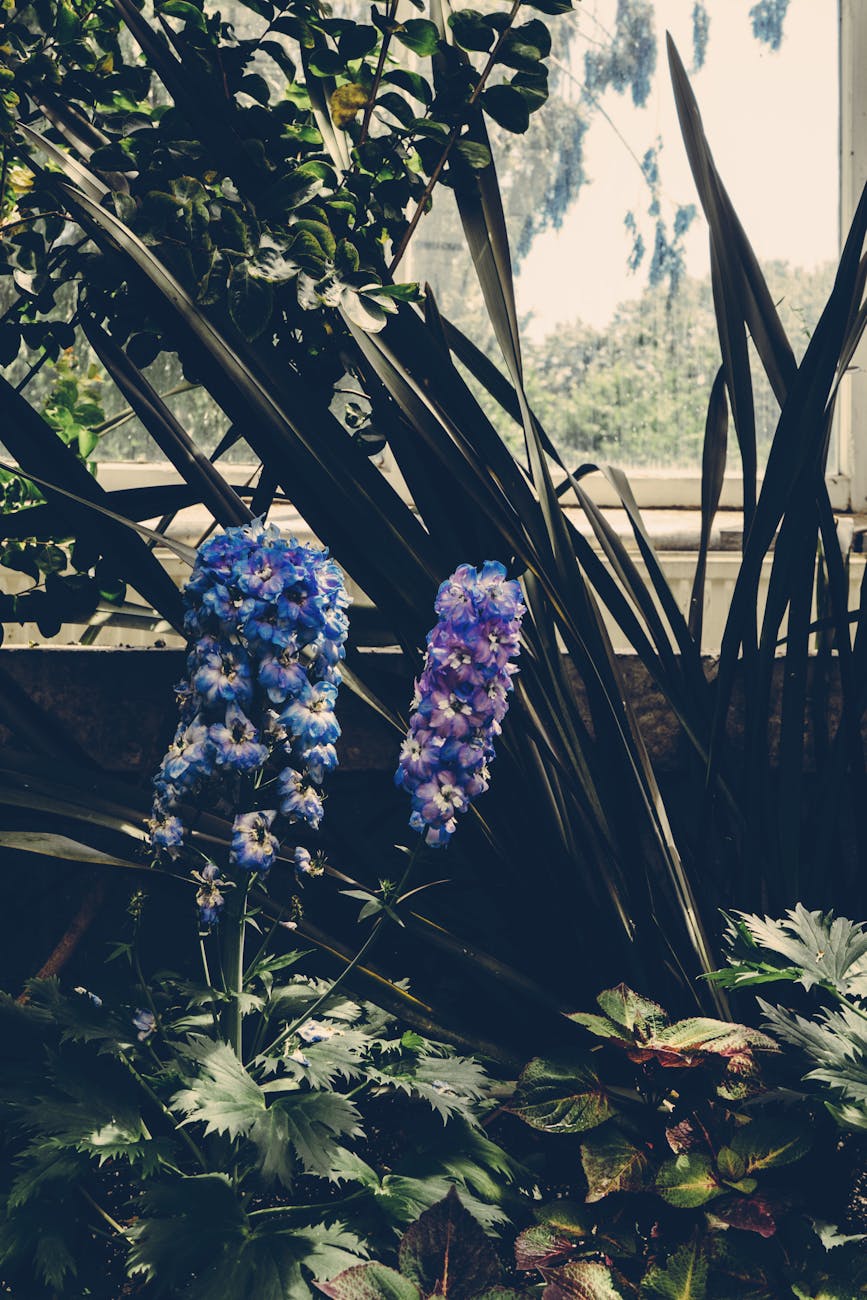
Mastering the Chop: Pruning Techniques for a Robust Second Flush
When I first started gardening, the idea of cutting back a perfectly good flower, especially one as magnificent as a delphinium, felt almost sacrilegious. I’d gingerly snip off just the spent florets, hoping it would magically encourage more blooms. Of course, it didn't. My delphiniums would give me their one glorious show, then politely retire for the season. One summer, I was chatting to an experienced gardener at a local plant fair here in Warwickshire, complaining about my delphiniums' one-and-done performance. She just smiled and said, "You need to be ruthless, Randy. Show them who's boss!" That simple advice, combined with some reading and a fair bit of brave experimentation in my own 800 sq ft garden, completely changed my approach.
The secret to a robust second flush lies in mastering the chop – a technique that goes far beyond simple deadheading. Once your first magnificent spires have faded, and the individual florets start to drop, it's time to get strategic. This isn't just about tidiness; it’s about redirecting the plant's energy. If you leave the spent flower stalks on, the plant will naturally put all its energy into forming seeds, thinking its job is done. By removing them, you trick the plant into believing it still needs to reproduce, encouraging it to produce new flower stems.
Here’s my step-by-step guide for pruning for that glorious rebloom, adapted for what works best in our British climate:
- Spotting the Right Time: As soon as the main flower spike has finished its display and the last of the individual flowers have dropped, you’ll see that classic 'candle' look has gone. Don't wait for the stem to turn completely brown, as this wastes valuable plant energy.
- The Main Chop: Follow the spent central flower stalk down to where it meets a healthy side shoot or a cluster of strong, green leaves. I usually aim to cut about 15-20cm (6-8 inches) above the ground, making sure there are at least 2-3 strong, healthy leaves left on the stem. Make a clean cut with sharp secateurs, just above a leaf node or a developing side shoot. This is where the plant will put out new growth.
- Encouraging Side Shoots: If your plant has already started to develop smaller side shoots from the base or along the main stem below your cut, even better! These are your future second flush blooms. By removing the dominant central spike, you're telling the plant to focus all its energy on these secondary growths.
- Thinning for Quality: After a couple of weeks, you might see several new shoots emerging from the base. If too many appear, I sometimes thin them out, leaving 3-5 of the strongest shoots per plant. This ensures that the remaining shoots get enough light and nutrients to produce good-quality flowers, rather than many small, weaker ones. This is especially important in my often-overcast Midlands garden, where every bit of light helps.
- Post-Chop Feeding: This is crucial for success. Producing a second flush takes a lot of energy. After I've done the main chop, I give my delphiniums a good drink of a high-potash liquid feed. The same one I use for my greenhouse tomatoes, something like Tomorite, works perfectly. This gives them the boost they need to produce more flowers rather than just foliage.
- Watering: Keep them well-watered, especially if we hit a dry spell, which even in the UK can happen between our summer downpours! Consistent moisture helps them recover and encourages new growth.
By being brave with your secateurs and providing a little extra nourishment, you'll be rewarded with a spectacular second display of delphinium blooms, often in late August or early September, extending the beauty of these quintessential British garden favourites well into autumn.
4. Nourish to Flourish: Feeding Regimes for Sustained Delphinium Blooms
Right, so we've got our delphiniums staked up like proud sentinels and pruned them back for a second act. But even the best actors need good sustenance, don't they? This is where feeding comes in, and believe me, it's not a one-size-fits-all job throughout the season, especially with our notoriously changeable British weather.
In my 800 sq ft Midlands patch, I've learned that delphiniums are hungry plants, but they need the right kind of hunger satisfaction at the right time. When they’re busy pushing out that first spectacular flush, they need a good balanced feed to support all that growth – stems, leaves, and those incredible flower spikes. I usually give them a decent granular feed, like a good quality 'Blood, Fish & Bone', worked into the soil around the base in early spring, just as they're really starting to get going. It's a slow-release natural feed that our UK soils generally respond well to, helping to build strong foundations.
However, once that first flush is done and dusted, and I’ve made my strategic cuts, the nutritional needs shift. To encourage those new flower spikes for a second flush, we need to nudge them towards producing blooms rather than just more leafy growth. That means a feed higher in potassium (potash). I've found that a liquid tomato feed, readily available in any UK garden centre, works an absolute treat here. It's designed to promote flowering and fruiting, which is exactly what we want. I usually start applying this every 2-3 weeks after the initial pruning, following the directions on the bottle, of course.
One mistake I made in my early days was just sticking to an all-purpose feed throughout. I'd get a decent first flush, but the second one would be noticeably weaker, sometimes even a bit lacklustre in colour. I realised I wasn't giving them the specific boost they needed for that second round of magnificent blooms. It’s all about targeted nutrition, just like we need different meals for different activities!
Delphinium Feeding Regimes: A Randy's Guide for UK Gardens
| Feed Type | NPK Ratio (Approx.) | Timing in UK Garden | Benefits | Randy's Notes & Experience (UK) |
|---|---|---|---|---|
| Balanced Granular | 5-5-5 or similar | Early Spring (March/April) | Strong initial growth, healthy foliage, robust stems. | I use 'Blood, Fish & Bone' or general granular. Work into soil around base. Crucial for first flush! |
| High Potash Liquid | 2-3-5 or similar | After first flush pruning (June/July onwards) | Encourages flower production, vibrant colours, stronger secondary stems. | My go-to is liquid tomato feed. Apply every 2-3 weeks. Essential for a good second flush here. |
| Compost/Mulch | Varies (low) | Annually, Spring or Autumn | Improves soil structure, slow nutrient release, moisture retention. | I top-dress my raised beds every autumn with homemade compost. Fantastic for long-term soil health. |
| Avoid High Nitrogen | High N, low P/K | Throughout flowering season | Promotes leafy growth at expense of flowers. | Learned this the hard way! Avoid lawn feeds near delphiniums when they're trying to bloom. |
5. Vigilant Care: Maintaining Peak Performance Throughout the Season
Encouraging repeat flushes isn't just about the big events of staking and pruning; it's also about consistent, thoughtful care throughout the season. Here in the Midlands, our weather can throw everything at us, from scorching dry spells to torrential downpours and everything in between. This means being vigilant is absolutely key to keeping your delphiniums looking their best and producing those continuous blooms.
Watering Wisdom for British Summers
Delphiniums are thirsty plants, especially when they're in active growth and flowering. During dry spells in summer, even after a good spring rain, they'll need consistent watering. I always aim for deep watering rather than frequent, shallow sprinkles. This encourages their roots to grow deeper, making them more resilient. I usually give them a good soak once or twice a week if there's no significant rain, especially for those in my raised beds which tend to dry out quicker. One year, we had an unusually hot, dry June, and I learned quickly that inconsistent watering led to droopy spikes and smaller flowers – not what we want!
Battling Beasts and Blights: Pests and Diseases
Ah, the joys of UK gardening – sharing our plants with nature's less desirable elements! Slugs and snails are the perennial arch-nemesis of young delphiniums in my garden. They absolutely love the tender new growth. I've tried everything from crushed eggshells (which sometimes work on dry nights) to copper tape, but frankly, for the initial push of growth, I often resort to organic slug pellets around newly emerging plants. Once they're taller and tougher, the slugs generally leave them alone.
Powdery mildew can also be an issue, especially in humid UK summers or if air circulation is poor. You'll spot it as a white, powdery coating on the leaves. To prevent this, ensure good spacing between your plants and try to water at the base rather than overhead. If I do see it, I usually remove affected leaves immediately and sometimes use an organic fungicide spray, especially if it's a particularly damp summer.
The Art of Ongoing Deadheading
Even after that main prune for the second flush, don't just walk away! Keep an eye on the developing secondary spikes. As individual flowers on these spikes fade, snip them off. This isn't just for neatness; it prevents the plant from putting energy into developing seeds, redirecting it back into producing more flowers. It’s a bit like tidying up after a party – keeps things looking fresh and encourages the next one!
6. Selecting Superstars: Delphinium Varieties Known for Repeat Flushes
Choosing the right variety can make a huge difference in your success with repeat delphinium blooms. While many delphiniums can be encouraged to re-bloom, some varieties are simply better at it than others. Over my years of intensive gardening here in the UK, I've experimented with a fair few, and some have truly stood out for their willingness to put on a second, or even a third, show.
When I'm looking for a delphinium, especially for my small-space garden, I'm not just thinking about colour and height; I'm actively looking for those described as "reblooming" or "repeat flowering." The 'New Millennium' series, bred in New Zealand but absolutely thriving in our British climate, has been a revelation for me. Their sturdy stems and vibrant colours are matched by their fantastic reblooming potential, often giving me a solid second flush right into late summer. I grew 'New Millennium 'Sweethearts'' last year, and its vibrant pink spikes were truly spectacular, with a decent rebloom in August despite our typically unpredictable August weather.
Another good option, especially if you're after something a bit more compact for smaller beds or even large pots (which I've done in my raised beds), are the 'Magic Fountains' series. They don't reach the towering heights of some of the larger varieties, but their more manageable size makes them less prone to wind damage (a real consideration in the Midlands!) and they’re well-known for producing multiple flushes if cared for correctly.
It's important to remember that even with the best reblooming varieties, the second flush will often be slightly shorter and have smaller flowers than the first. But trust me, a slightly smaller, equally vibrant spike in late summer is still a magnificent sight when most other perennials are starting to fade. It extends the season of that classic cottage garden charm beautifully.
Delphinium Varieties for Repeat Flushes: Randy's UK Picks
| Variety Name | Typical Height (UK) | Key Features & Colours | Rebloom Potential | Randy's Notes & Experience (UK) |
|---|---|---|---|---|
| New Millennium Series | 1.5 - 2m | Strong, sturdy stems; wide range of vibrant colours (blue, pink, purple, white). | Excellent | My top pick! 'Sweethearts' (pink) has performed brilliantly for me in my Midlands garden. Very robust. |
| Magic Fountains Series | 0.9 - 1.2m | More compact, strong stems; classic delphinium colours (blue, purple, white). | Very Good | Great for smaller spaces or containers. Less prone to flopping in our wind. Reliable second flush. |
| Pacific Giant Series | 1.5 - 2.5m | Classic, tall spikes; rich blues, purples, whites. Impressive first flush. | Good | A classic, but sometimes less vigorous with rebloom than newer varieties in my experience. Still stunning. |
| Highlander Series | 0.9 - 1.5m | Unique, ruffled, double flowers; compact and strong. Good range of colours. | Good | I've tried 'Cha Cha' (lavender) and it gave a decent second wave. Very showy blooms. |
Conclusion: Unlock the Delphinium's Endless Charm in Your UK Garden
So there you have it, fellow gardeners! Delphiniums don't have to be a one-and-done wonder in your UK garden. With a bit of strategic staking, a bold pruning hand, targeted feeding, and vigilant care, you can unlock the secret to continuous delphinium blooms that stretch the season right into late summer.
I've learned these lessons through trial and error in my own 800 sq ft patch here in the Midlands, wrestling with everything our unpredictable British weather can throw at us. From battling slugs to perfecting the timing of my potash feeds, every season brings new insights. And trust me, seeing those second, sometimes even third, majestic spikes emerge when other plants are thinking about packing up for autumn? That's a truly rewarding feeling.
Don't be afraid to experiment! Try a new variety, adjust your feeding schedule, or be braver with that initial cut. These magnificent plants are incredibly resilient, and the joy they bring with their towering, vibrant spires is absolutely worth the effort. Go on, give it a go – I guarantee you'll be amazed at the prolonged beauty you can achieve in your own little slice of British paradise. Happy delphinium growing!
