
Introduction: Unmasking Potato Scab and Our Organic Mission
There’s nothing quite like the thrill of digging up your first homegrown potatoes of the season, is there? That moment of anticipation, brushing away the soil to reveal those perfectly formed tubers. For me, it’s one of the absolute joys of gardening here in my 800 sq ft Midlands plot. But let’s be honest, that joy can quickly turn to a sigh of disappointment when you discover those tell-tale rough, corky patches or deep pits scarring your otherwise pristine spuds. Yes, I'm talking about potato scab.
I’ve been growing potatoes in my raised beds for five years now, ever since I swapped my IT desk for a trowel, and I’ve seen my fair share of scab. In my early days, I’d just shrug and peel them deeper, but that felt like admitting defeat. I knew there had to be a better way, an organic way, to ensure those smooth, blemish-free skins we all dream of. I’ve experimented, I’ve failed, and I've certainly learned a lot through trial and error in our often-unpredictable British climate.
This isn't just about aesthetics; severe scab can affect storage quality and even taste. So, if you’re like me and want to elevate your potato game, join me on a journey to understand and conquer potato scab, purely through organic strategies. We're going to dive deep into targeted soil management and smart variety selection, all based on what I’ve found truly works in my UK garden, and hopefully, in yours too. My mission, and yours, is clear: smooth-skinned potatoes, every single time.
Identifying the Enemy: What is Potato Scab and Why Does it Appear?
So, what exactly is this menace that plagues our potato harvests? Potato scab isn't a fungus or a virus, as many initially assume. It’s caused by a group of soil-dwelling bacteria, primarily Streptomyces scabies, which are incredibly common in many British soils. These bacteria thrive in certain conditions, and when they come into contact with developing potato tubers, they cause the cells on the skin to swell and form those characteristic lesions.
I remember one particularly disheartening season, about three years ago, when I’d planted a bed of 'Desiree' potatoes. The foliage looked fantastic, the weather was mostly cooperating (for the UK, at least!), and I was expecting a bumper crop. But when I dug them up, nearly every single potato was covered in corky patches. It was a proper wake-up call. I realised I needed to understand why it was happening, not just that it was happening.
The key thing I learned is that these bacteria are always present in most soils, but they only become problematic when conditions are favourable for them. Their preferred environment is warm, dry, and alkaline soil. The critical window for infection is during the early stages of tuber formation and development, typically within the first 2-6 weeks after the tubers begin to set. If your soil is dry and has a high pH during this crucial period, you’re essentially rolling out the red carpet for scab. Understanding this "why" is half the battle won, allowing us to then implement preventative strategies rather than just reacting to the problem.
Mastering Soil pH: Your First Line of Defence Against Scab
If there's one thing my former IT brain loves, it's understanding systems and finding the control points. When it comes to potato scab, soil pH is arguably the most critical control point an organic gardener has. I learned this the hard way. When I first started gardening, I just assumed my soil was "fine." It wasn't until I invested in a decent soil testing kit (the kind you send off to a lab for comprehensive results, which I highly recommend every few years) that I realised my main potato bed was sitting around pH 7.2 – perfectly neutral, but far too high for scab-sensitive potatoes.
The Streptomyces scabies bacteria absolutely thrive in alkaline conditions (pH above 6.0). To keep them at bay, we want our potato soil to be slightly acidic, ideally in the range of pH 5.0 to 5.2 for optimal scab suppression, though anywhere between 5.5 and 6.0 is generally acceptable for healthy potato growth while still deterring scab. Going too low can lead to other nutrient deficiencies, so it's a careful balance.
Here in my Midlands garden, my initial soil was a fairly heavy clay loam, which tends to lean towards neutral or slightly alkaline if not regularly amended. Over the years, I've worked tirelessly to bring the pH down in my potato beds. My go-to organic amendments include adding plenty of well-rotted compost (which is generally slightly acidic), peat moss (responsibly sourced, of course), and occasionally, elemental sulphur. I apply sulphur in the autumn before planting potatoes the following spring, as it takes time for soil microbes to convert it into sulphuric acid and lower the pH. Never use lime or wood ash on potato beds, as these will raise the pH and exacerbate the problem!
Here's a quick guide to understanding soil pH and its impact on potato scab:
| Soil pH Range | Scab Risk | Impact on Potato Growth | Organic Strategy |
|---|---|---|---|
| Below 5.0 | Very Low | Can inhibit nutrient uptake; watch for deficiencies | Avoid further acidification; add balanced compost |
| 5.0 - 5.2 | Extremely Low | Ideal for scab suppression; good growth if nutrients balanced | Maintain with acidic compost; monitor closely |
| 5.3 - 5.8 | Low | Excellent for potato growth; good scab control | Add well-rotted compost, peat moss, or elemental sulphur (autumn) |
| 5.9 - 6.5 | Moderate | Good for potato growth; increased scab risk | Actively work to lower pH with amendments; avoid lime |
| Above 6.5 | High | Good potato growth; very high scab risk | Essential to lower pH significantly; consider rotating crops |
Regular soil testing (every 2-3 years) is non-negotiable for me now. It's the only way to truly know what's going on beneath the surface and to fine-tune my soil management, ensuring those 'Charlotte' and 'Sarpo Mira' potatoes emerge with their beautiful, smooth skins intact.
Strategic Watering: The Key to Inhibiting Scab in Early Development
Beyond soil pH, there's another crucial factor that I've found makes a massive difference in preventing potato scab: consistent, strategic watering, especially during a specific window. This is where our unpredictable British weather can really throw a spanner in the works if you're not vigilant.
The Streptomyces scabies bacteria absolutely hate consistently moist soil. They thrive when conditions are dry and warm. This means that keeping your potato beds evenly moist during the critical period of tuber initiation and early development is paramount. What exactly is this critical period? It’s generally the first 2 to 6 weeks after your potato plants have started to form their tiny tubers underground. For me, here in the Midlands, depending on when I plant, this usually falls somewhere between late May and early July.
I learned this the hard way during a particularly dry spell in June a couple of years back. I had just planted some 'Pink Fir Apple' potatoes, and thinking our typical UK summer would bring enough rain, I wasn't as diligent with supplemental watering as I should have been. The result? A harvest of knobbly, scab-ridden tubers that were a real pain to clean. It was a clear lesson that even in Britain, we can't always rely on the sky for consistent moisture.
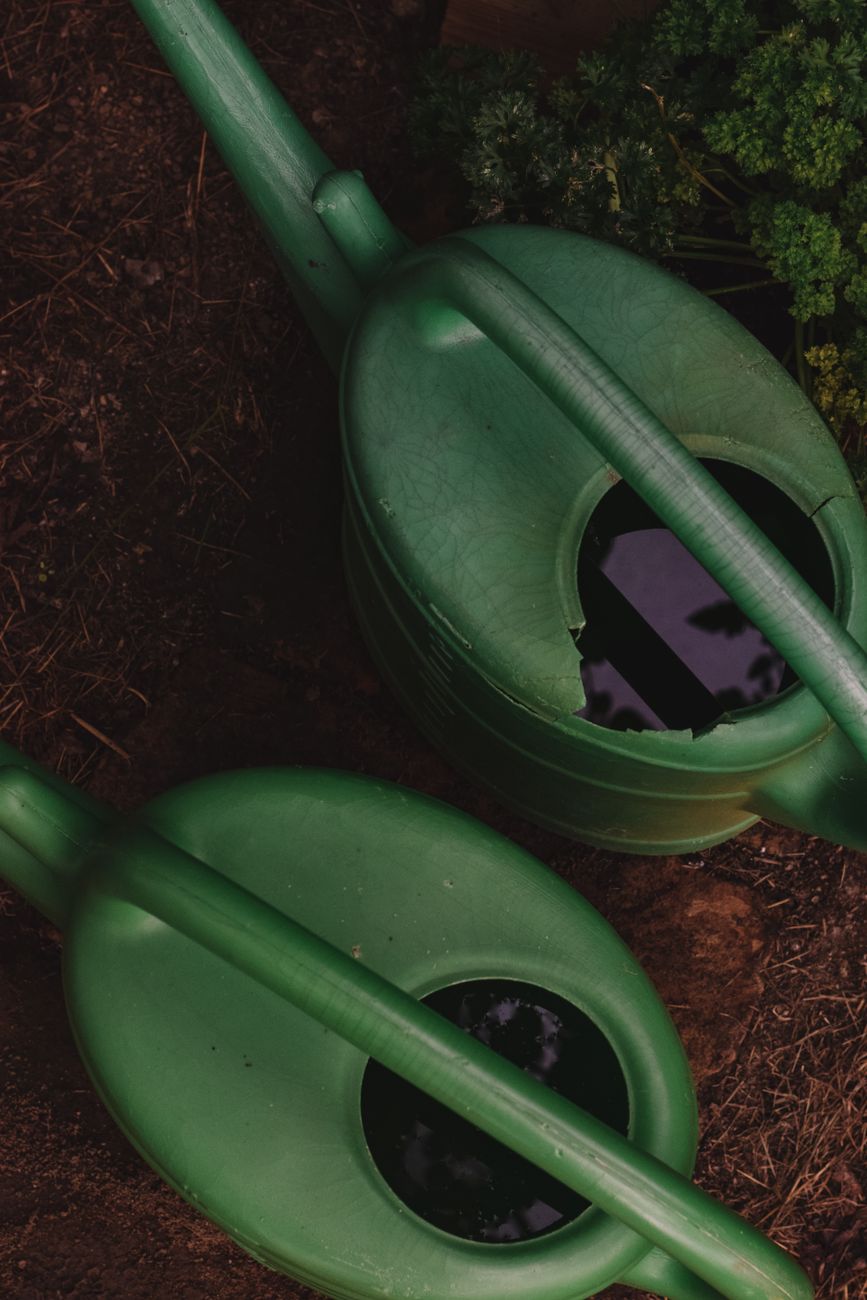
To combat this, I now aim for about an inch of water per week, either from rain or irrigation, during that critical tuber-setting phase. This doesn't mean a light sprinkle every day; that just encourages shallow root growth. Instead, I go for deep, thorough watering sessions using soaker hoses in my raised beds. This delivers water directly to the root zone without wetting the foliage (reducing blight risk!) and ensures the soil remains consistently moist several inches down. You can check this by sticking your finger into the soil – it should feel damp, not waterlogged, but definitely not dry and crumbly.
Once the tubers are well-established and growing, the risk of new scab lesions significantly decreases, and you can ease off slightly, though consistent moisture is always beneficial for good yield. This targeted watering approach, combined with good soil pH management, has drastically reduced scab in my UK garden, giving me the smooth, healthy potatoes I work so hard for.
Enriching Your Soil: The Power of Organic Matter and Crop Rotation
Alright, so we’ve talked about getting your soil pH right and mastering your watering – two absolute game-changers in the fight against potato scab. But in my 800 sq ft Midlands garden, I've learned that you can’t stop there. For consistently smooth-skinned spuds, you need to think long-term about your soil’s health and how you manage your growing space. This is where the magic of organic matter and a well-thought-out crop rotation truly shine.
The Organic Matter Advantage
Think of organic matter as the lifeblood of your soil. When I first started gardening five years ago, I thought "soil is soil," but I quickly realised that's a rookie mistake! Adding plenty of well-rotted organic matter – whether it's homemade compost, leaf mould, or aged manure – does so much more than just provide nutrients. Crucially for scab prevention, it vastly improves soil structure, helping it retain moisture more evenly, which is vital during those early tuber development stages we discussed.
More than that, a soil rich in organic matter is teeming with beneficial microorganisms. These good guys actually compete with the Streptomyces scabies bacteria that cause scab. They create a healthy, balanced soil ecosystem where the scab-causing pathogen struggles to dominate. I aim to incorporate a good 2-3 inch layer of my own compost into my raised beds every autumn or early spring before planting. Last season, in one bed I didn't get round to adding as much compost, and lo and behold, that particular potato patch had a noticeable increase in scabby spuds compared to the others. It was a stark reminder of its importance here in our British climate.
The Art of Crop Rotation
Crop rotation is another non-negotiable strategy for me, especially in a smaller garden like mine where space is at a premium. Planting potatoes in the same spot year after year is like rolling out the welcome mat for scab and other potato diseases. The pathogens build up in the soil, and you're just making it easier for them to infect your next crop.
I follow a simple four-year rotation system across my main raised beds. Potatoes (and other members of the Solanaceae family like tomatoes and peppers) go into one bed, followed by brassicas (cabbage, broccoli), then legumes and root crops (peas, beans, carrots), and finally alliums and leafy greens (onions, lettuce). This break between potato crops starves out the scab bacteria, as they don't have their preferred host plant to feed on. It also helps with general soil fertility and pest management, which is a huge bonus! It takes a bit of planning, especially when you’re juggling different plants in a smaller space, but the pay-off in healthier, cleaner harvests is absolutely worth the effort.
Here’s a quick look at how these two crucial strategies work hand-in-hand:
| Strategy | Key Benefits for Scab Prevention | Randy's Experience in the UK Midlands |
|---|---|---|
| Organic Matter | - Improves soil structure & water retention | - Essential for even moisture (critical in unpredictable British summers) |
| - Boosts beneficial microbial activity (outcompetes scab) | - Noticeable reduction in scab when 2-3 inches of compost added annually to my raised beds | |
| - Provides slow-release nutrients | - Healthier plants better able to resist stress | |
| Crop Rotation | - Breaks disease cycles for soil-borne pathogens like scab | - My 4-year rotation has significantly reduced scab recurrence in specific beds |
| - Prevents pathogen build-up in the soil | - A must for small gardens where pathogen pressure can build up quickly | |
| - Maintains soil fertility & reduces pest issues | - Helps manage other issues like wireworm and blight spores without chemical intervention |

Selecting Scab-Resistant Varieties: Your Best Bet for Smooth Harvests
Even with perfect soil pH, diligent watering, and a robust organic matter and rotation strategy, you're still giving yourself a massive advantage by choosing the right potato varieties. This is where a bit of upfront research can save you a lot of heartache (and scrubbing!) come harvest time. I learned this the hard way during my second year of gardening. I was so excited about a particular heritage variety known for its amazing flavour, but it turned out to be incredibly susceptible to scab. Despite all my efforts, a good 70% of the harvest was heavily marked. It was a tough lesson, but it taught me that variety selection is a powerful tool in our organic arsenal.
Here in the UK, we're lucky to have access to some fantastic seed potato suppliers who list common diseases and resistance levels. When I'm looking for new varieties for my 800 sq ft garden, I always check for "good" or "high" resistance to common scab. While no potato is 100% immune, some varieties are significantly less prone to it, especially under typical British growing conditions.
My Go-To Scab-Resistant Varieties for the UK
I've experimented with quite a few over the years, and a few stand out for their reliability in my Midlands garden:
- 'Sarpo Mira': This is my absolute favourite for maincrop. It's renowned for its incredible blight resistance, but it also has excellent common scab resistance. The tubers are large, floury, and make fantastic roasties and chips. I've grown 'Sarpo Mira' for three years now, and it consistently produces clean, healthy potatoes, even in challenging, wetter summers. It’s a real workhorse.
- 'Valor': Another great maincrop option with good resistance to common scab. 'Valor' produces large, oval, white-skinned tubers that are versatile for boiling, mashing, and roasting. I find it's a very reliable performer, even in heavier clay soils once they’ve been improved with organic matter.
- 'Rooster': A very popular second early/maincrop variety here in the UK, and for good reason! It has good scab resistance and produces lovely red-skinned, yellow-fleshed tubers. Excellent for all culinary uses. I usually squeeze in a row of these every year.
- 'Desiree': While not as highly resistant as 'Sarpo Mira', 'Desiree' is often listed as having moderate resistance, and in my experience, with good soil management, it performs well. It's a beautiful red-skinned maincrop potato with creamy yellow flesh, perfect for baking and mashing.
Remember, "resistance" doesn't mean "immunity," but it significantly stacks the odds in your favour. Combining these resistant varieties with all the soil and watering strategies we've discussed is the most effective organic approach.
Here's a quick comparison of some reliable scab-resistant varieties I've grown here in the UK:
| Variety Name | Type | Scab Resistance Level | Key Characteristics for UK Gardeners | Randy's Personal Notes |
|---|---|---|---|---|
| Sarpo Mira | Maincrop | Excellent | High blight resistance, large floury tubers, great for roasting/chips. | My top choice for reliable, clean maincrop potatoes. Consistently performs well in the Midlands. |
| Valor | Maincrop | Good | Large, oval, white-skinned tubers. Versatile for cooking. | A very dependable option, good yields, handles varied soil conditions with organic matter. |
| Rooster | 2nd Early/Maincrop | Good | Red skin, yellow flesh. All-rounder for cooking, very popular. | Great flavour and texture, always a crowd-pleaser. Good choice if you want red-skinned spuds. |
| Desiree | Maincrop | Moderate | Red skin, creamy yellow flesh. Good for baking, mashing. | Beautiful potato, but needs consistently good soil management for best scab-free results in my experience. |
| Kestrel | 2nd Early | Good | Oval, white skin with purple splashes. Waxy texture, good for salads. | I've tried this a couple of times; excellent for early harvests, good resistance for its type. |

Integrated Organic Strategies & Final Tips for a Bumper, Blemish-Free Harvest
So, we've covered a lot of ground, haven't we? From understanding scab to tweaking your soil pH, mastering your watering, enriching your soil with organic matter, embracing crop rotation, and finally, selecting the right scab-resistant varieties. It might seem like a lot, but trust me, it’s not about doing one thing perfectly. It’s about weaving all these strategies together into a holistic approach that works with nature, not against it.
In my UK garden, I've found that this integrated approach is key. It's like a finely tuned orchestra in my raised beds. I start by getting my soil pH right in autumn, adding a generous layer of compost, and planning my rotation. Come spring, I plant my chosen resistant varieties, ensuring they get consistent moisture during those critical early weeks. This combination significantly reduces the chances of scab appearing on my harvest.
Final Tips for Success
Beyond the core strategies, here are a few more nuggets of wisdom I’ve picked up over my five years of intensive UK gardening:
- Earthing Up: This isn't just about preventing green potatoes. As the potato plants grow, I earth them up regularly, drawing soil around the stems. This encourages more tubers to form higher up and also provides a deeper layer of protection for the developing tubers, helping to shield them from sun and potential scab infection if the soil surface dries out too much.
- Timely Harvesting: Don't leave your potatoes in the ground longer than necessary, especially if the soil is wet. While some varieties can "store" in the ground, prolonged exposure to wet conditions can encourage scab and other issues. I usually wait for the foliage to die back naturally, then pick a dry day to lift my crop.
- Curing and Storage: Once harvested, cure your potatoes for a week or two in a cool, dark, well-ventilated spot. This helps toughen their skins and heal any minor scrapes, which can prevent storage diseases. Then store them in hessian sacks or breathable containers in a cool, dark, frost-free place. I use old onion sacks in my shed – works a treat!
- Observe and Learn: This is probably the most underrated skill for any gardener, especially here in Britain with our notoriously unpredictable weather. Pay attention to your plants, your soil, and the conditions. Did you get more scab in a particular bed? Was it a particularly dry spring followed by a wet summer? Keep a simple garden journal. This helps you understand what works (and what doesn't) in your specific microclimate. I note down variety performance, watering schedules, and any issues I face each year. It’s invaluable.
The Organic Gardener's Promise: A Bumper, Blemish-Free Harvest
Gardening is a journey of continuous learning, and potatoes can certainly throw some curveballs. I know I’ve made my share of mistakes – from planting too early and losing precious chitted tubers to frost, to battling slugs after a particularly damp spell. But the satisfaction of digging up a bucket full of smooth, clean, homegrown potatoes is truly unbeatable. It makes all the effort, all the experimentation, and all the muddy hands completely worthwhile.
By embracing these organic strategies, focusing on soil health, and making informed choices about varieties, you're not just preventing scab; you're building a more resilient, productive, and sustainable garden. It's about working with your soil, understanding your climate here in the UK, and enjoying the incredible rewards.
So, go forth, fellow UK gardeners! Get that soil healthy, water wisely, rotate diligently, and choose those resistant spuds. You’ve got this. Your smooth-skinned, delicious potato harvest awaits! Happy digging!
