Right, gather 'round, folks, and pull up a chair. If you're anything like me, you spend half your life out in the garden, battling slugs and coaxing a decent crop from our often-damp British soil. But even when the rain's lashing down outside, our indoor plant obsession doesn't stop, does it? My greenhouse might be my sanctuary for heirloom tomatoes, but inside the house, my jungle of houseplants – from the towering Monstera in the living room to the delicate Prayer Plant on the kitchen windowsill – brings me just as much joy.
However, there's a sneaky, persistent enemy that plagues many of us UK indoor gardeners: hard water stains. You know the ones – those chalky white marks that dull glossy leaves and crust up terracotta pots, making even the healthiest plant look a bit unloved. I've been there, staring at my otherwise thriving Calathea, wondering why its beautiful patterned leaves looked like they'd been dusted with a fine layer of concrete. For years, I just put up with it, thinking it was an inevitable part of indoor gardening, especially here in the Midlands where our tap water can be notoriously hard.
But as a former IT bloke who found my true calling digging in the dirt, I'm not one to accept a problem without trying to hack a solution. Over my five years of intensive gardening, both outside in my 800 sq ft backyard and inside with my ever-growing collection, I've experimented with more cleaning methods than I care to admit. Some worked a treat, others were a disaster (lesson learned: never use abrasive cleaners on delicate leaves!). My goal, as always, is to find safe, effective ways to keep our plants not just alive, but absolutely pristine. And today, I want to share what I've learned about banishing that white scourge from our indoor oases for good.
Unveiling the White Scourge: Why Hard Water Stains Plague UK Indoor Plants
That dull, chalky film covering your prized houseplants' leaves or crusting up the rims of your terracotta pots isn't just an aesthetic nuisance – though, let's be honest, it really does take the shine off a perfectly healthy plant, doesn't it? This "white scourge," as I affectionately (or perhaps not so affectionately) call it, is a clear sign of mineral deposits left behind by hard water.
In my UK garden, I'm constantly battling the elements, but indoors, it's a different kind of fight. I've found that these stains don't just make my plants look neglected; they can actually hinder their health. That white film on leaves can block stomata, the tiny pores plants use to 'breathe' and conduct photosynthesis. Think of it like trying to run a marathon with a hand clamped over your mouth and nose – not ideal, is it? Reduced light absorption and impaired gas exchange can slow down growth and make your plants less vibrant. I noticed this particularly on my broader-leaved plants like the Philodendron 'Birkin' I keep in the conservatory; they just didn't have that vibrant, healthy sheen. It was like they were perpetually dusty, even after I'd given them a wipe down with plain tap water – which, ironically, only made the problem worse! And on terracotta, those crusty white rings aren't just ugly; they can indicate a build-up of salts that could eventually affect soil pH, though this is a longer-term concern.
Identifying Hard Water's Signature: What Stains Look Like on Leaves and Pots
So, how do you know if you're dealing with hard water stains and not something more sinister, like powdery mildew or a pest residue? Well, once you know what to look for, it's pretty distinctive. I've seen enough of it on my own plants to spot it a mile off.
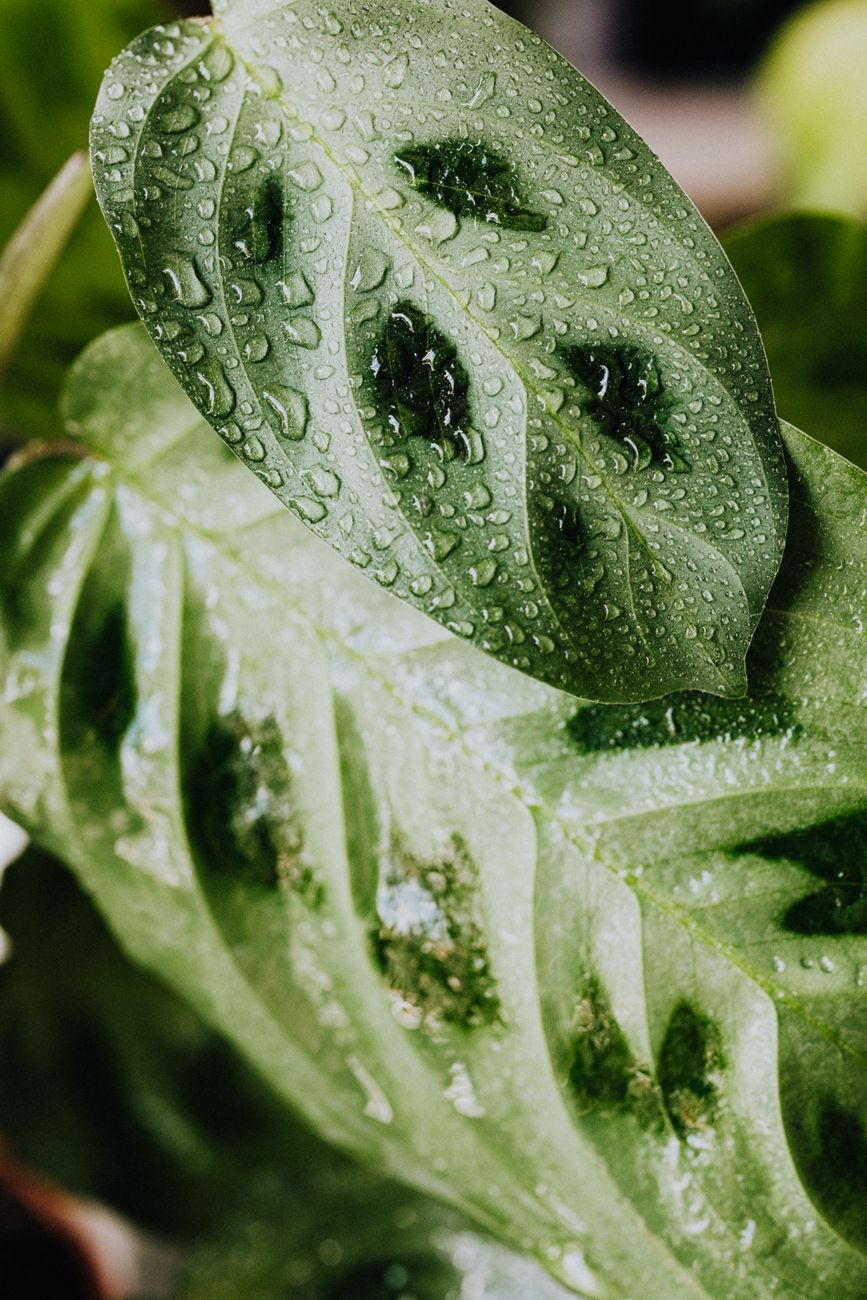
On leaves, hard water stains typically appear as a dull, whitish, or off-white film. It's often most noticeable on the upper surface of the leaves, especially after the water has evaporated. You might see it as irregular spots, streaks, or a general haze that covers a large portion of the leaf. Unlike powdery mildew, which often has a fuzzy, almost cottony texture and can be rubbed off, hard water stains are smooth and chalky to the touch. They don't usually wipe away easily with just a dry cloth, and often feel somewhat gritty. I remember one time I mistook some particularly fine hard water residue on my Ficus lyrata for some kind of fungal issue, panicking for a bit before realising it was just our incredibly hard Midlands water doing its thing!
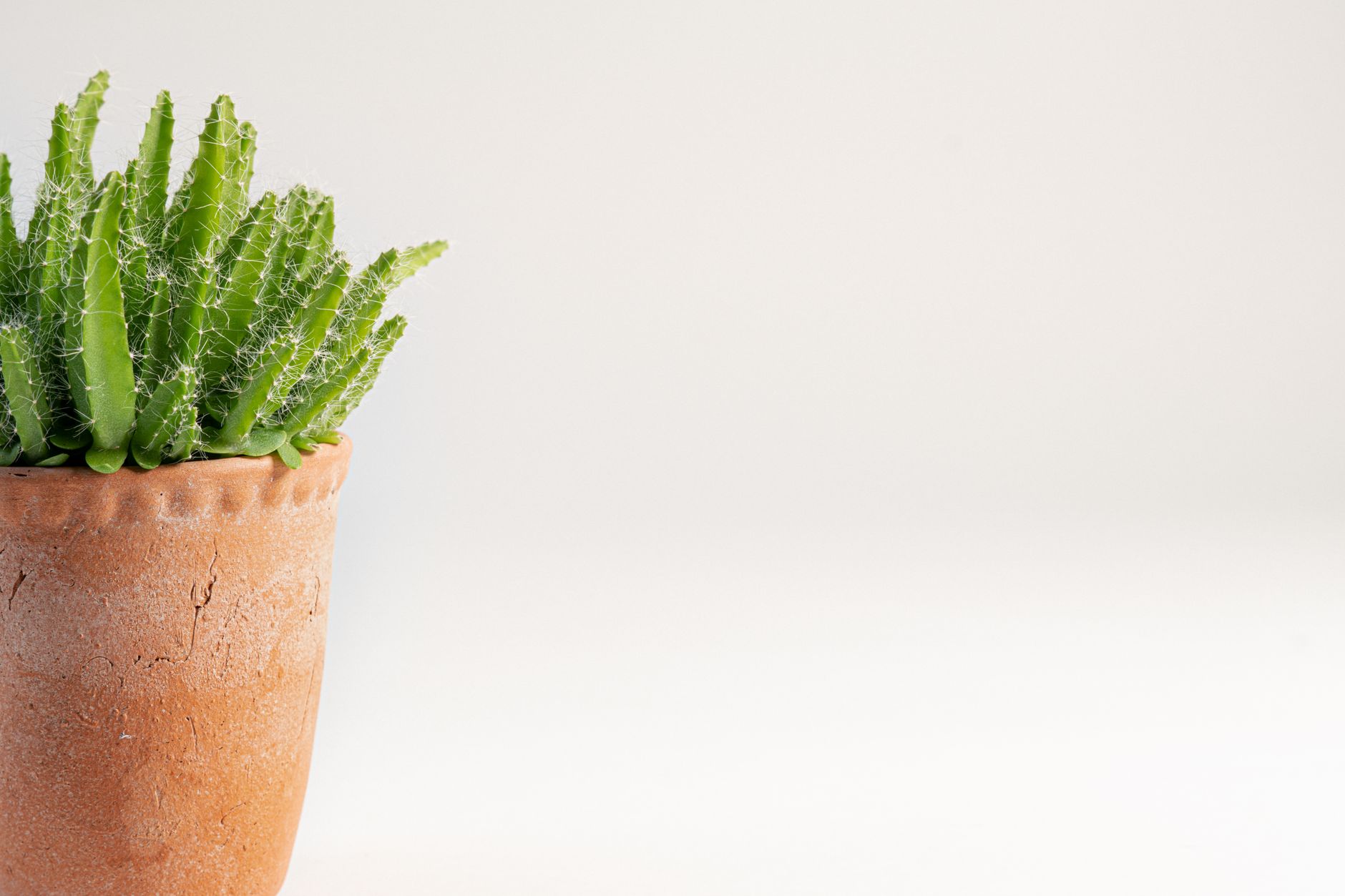
On terracotta pots, the signature is even more pronounced. You'll usually see a distinct white or off-white crust forming around the rim of the pot and sometimes streaking down the sides. This happens as water evaporates through the porous clay, leaving behind the dissolved minerals. It's particularly common on older pots or those that have been watered consistently with hard tap water. My herb pots, especially the ones near the kitchen window, always show this. While some gardeners actually like the 'aged' look it gives, for me, it just screams "mineral build-up!" It's a clear indicator that the water you're using is mineral-rich.
Decoding Hard Water in the UK: Why Your Tap Water is the Culprit
Now, let's get to the root of the problem, literally. Why do we gardeners here in the UK, especially those of us in certain regions, battle with hard water stains more than others? It all comes down to what's in our tap water.
Hard water is simply water that has a high mineral content, specifically calcium and magnesium. As rainwater falls and percolates through the ground, it picks up these minerals from rocks like chalk and limestone. A significant portion of the UK, particularly the south-east, London, and indeed, large swathes of the Midlands where my garden sits, is underlain by these types of rocks. So, our tap water often comes directly from these sources, bringing those dissolved minerals right into our watering cans.
I remember when I first moved to this house five years ago, swapping my IT desk for a life amongst plants. I noticed the kettle scaled up ridiculously fast, and then, shortly after, my houseplants started to develop that tell-tale white film. It was an 'aha!' moment – the same minerals making my kettle struggle were coating my plants. What works in a country with naturally soft water, like parts of Scotland or the west of England, just won't cut it for us here in the harder water regions. When you water your plants, the water eventually evaporates, but those dissolved calcium and magnesium particles are left behind, forming those unsightly white deposits on leaves and pots. Understanding this 'why' is crucial, because it helps us figure out the 'how' for prevention and cleaning.
Gentle Yet Effective: Safe Cleaning Solutions for Houseplant Leaves
Alright, so we've identified the enemy, understood its origins, and now it's time to fight back! When it comes to cleaning those hard water stains off houseplant leaves, the key is 'gentle yet effective'. We're dealing with living organisms here, not just dirty windows, so harsh chemicals or abrasive cloths are an absolute no-go. I've certainly had my share of learning experiences – one time I tried a slightly too-strong vinegar solution on a delicate fern, and let's just say that plant didn't look too happy for a while! My approach now is always low-impact and plant-friendly.
Here are a few methods I've personally tried and tested in my UK indoor garden, along with their pros and cons. I always recommend testing any new solution on a small, inconspicuous part of the leaf first, just to be safe.
Method Comparison Table: Safe Leaf Cleaning Solutions
| Method | Ingredients & Application |
|---|
Restoring Terracotta's Beauty: Deep Cleaning Methods for Stained Pots
Now, let's talk about those gorgeous, earthy terracotta pots. I absolutely adore terracotta for my indoor plants – they breathe so well, which is brilliant for preventing root rot, especially for plants like my herbs that don't like soggy feet. But, and it's a big but, that very porosity that makes them so good for roots also makes them magnets for hard water stains. Those chalky white rings and streaks aren't just unsightly; over time, they can actually build up and affect the pot's ability to aerate the soil properly. I've had terracotta pots in my greenhouse, particularly those housing smaller basil plants or chilli seedlings, that have turned almost entirely white from the hard water here in the Midlands. It was a real wake-up call to tackle the problem head-on!
The good news is that terracotta is incredibly durable and can withstand some serious cleaning. Here are a couple of methods I’ve tried and tested in my own UK garden shed for bringing those pots back to life.
Soaking & Scrubbing: My Go-To for Terracotta
My preferred method usually involves a good soak. For pots that are empty (perhaps between seasons or when repotting), this is the easiest.
- The Vinegar Bath: Fill a large bucket or sink with a solution of one part white vinegar to four parts water. Submerge your terracotta pots completely. I usually let them soak for a good few hours, sometimes even overnight if the stains are really stubborn. For heavily stained pots from my greenhouse, I might even use a 1:2 ratio. The vinegar's acidity works wonders to dissolve those mineral deposits.
- Baking Soda Scrub: After their bath, pull the pots out and give them a good scrub. I use a stiff-bristled brush – an old washing-up brush or even a dedicated scrubbing brush works perfectly. For particularly tenacious spots, I make a paste with baking soda and a little water and apply it directly, scrubbing vigorously. The abrasive nature of the baking soda, combined with any remaining vinegar, really lifts the grime.
- Rinse and Dry: Rinse the pots thoroughly with clean water to remove all traces of vinegar and baking soda. Allow them to air dry completely before reusing. This is especially important if you're repotting sensitive plants, as you don't want any residual cleaning agents affecting the soil pH.
If you have pots with plants still in them, it's trickier. I generally avoid soaking these as it can stress the plant. Instead, I try to gently scrape off the worst with a plastic scraper (like an old credit card) and then carefully wipe down the outside with a cloth dampened with a diluted vinegar solution (1 part vinegar to 10 parts water), making sure not to let the solution seep into the soil. It's not as effective as a full soak, but it helps maintain appearances until the plant needs repotting.
Here’s a quick comparison of the common methods I’ve used for terracotta:
| Method | Effectiveness on Hard Water Stains | Time/Effort | Pros | Cons |
|---|---|---|---|---|
| White Vinegar Soak | High | Moderate (active) | Dissolves minerals, readily available, natural, safe for terracotta. | Requires soaking time, can smell strongly during process. |
| Baking Soda Paste | Moderate to High | Moderate (active) | Abrasive action helps lift surface stains, good for spot treatment. | Requires scrubbing effort, less effective on deeply absorbed stains. |
| Lemon Juice Soak | Moderate | Moderate (active) | Milder acid, pleasant smell, natural. | Less potent than vinegar for very heavy stains, more expensive. |
| Bleach Solution | High (for general grime) | Moderate | Excellent for sterilising, removes algae and mould effectively. | Not recommended for hard water stains, harsh chemicals, requires thorough rinsing. |
Important Note on Bleach: While bleach is great for sterilising pots, especially if you're reusing them after a plant has died from disease, it's not the best choice for hard water stains. It won't dissolve the mineral deposits. Plus, you need to be incredibly thorough with rinsing to ensure no bleach residue remains, which could harm your next plant. I steer clear of it for purely aesthetic hard water issues.
Proactive Protection: Stopping Hard Water Stains Before They Start
Prevention, as they say, is better than cure, and nowhere is this truer than with hard water stains. Cleaning is one thing, but if you can stop them from forming in the first place, you'll save yourself a lot of time and effort. Believe me, I've learned this the hard way – repeatedly scrubbing pots and leaves gets old quickly, especially when you'd rather be out in the greenhouse tending to your 'Moneymaker' tomatoes!
Here in the UK, especially in many parts of the Midlands where I am, hard water is just a fact of life. So, for my indoor plants, I've had to get creative with my watering habits.
Filtering Your Water: A UK Home Essential
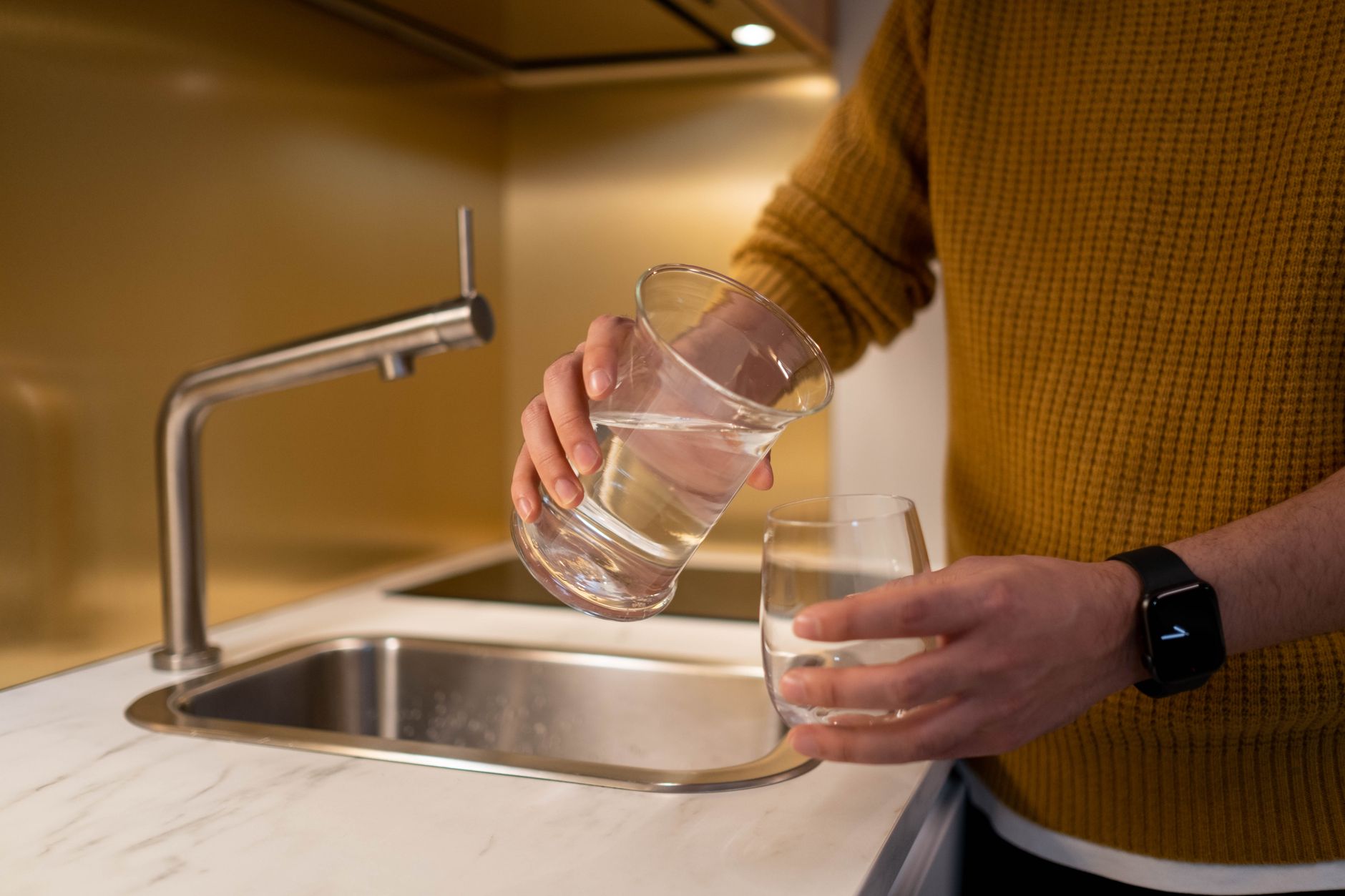
The most effective method I've found for preventing hard water stains is simply to use filtered water. I'm not suggesting you install a whole-house water softener just for your houseplants, though if you have one, brilliant! For me, a simple water filter pitcher, like a Brita, does the job perfectly.
I keep a filtered water pitcher specifically for my houseplants. I fill it up the night before or in the morning, let the water filter through, and then let it sit for a few hours. This not only filters out some of the minerals but also allows the water to come to room temperature, which is much better for plants than shocking them with cold tap water. This is a small investment that makes a huge difference to the appearance of your plants and pots, and I've seen a noticeable reduction in white residue since adopting this practice.
Rainwater Collection: A Gardener's Gold (with UK caveats)
For my outdoor plants and even for some of my greenhouse inhabitants, rainwater is liquid gold. It's naturally soft and full of beneficial compounds. If you have the means, collecting rainwater in a water butt is fantastic for your garden. However, for indoor plants, collecting enough rainwater can be a challenge, especially if you live in a flat or don't have easy access to outdoor collection. Plus, our British weather, while often wet, can be unpredictable, meaning consistent supply isn't always guaranteed.
I do sometimes collect rainwater in a bucket when we have a particularly good downpour, and I'll use that for my more sensitive houseplants like ferns or calatheas. Just make sure your collection method is clean to avoid introducing pathogens to your indoor plants.
Other Proactive Steps:
- Wipe Leaves Regularly: Even with filtered water, a tiny amount of residue can build up. A quick wipe with a soft, damp cloth every few weeks, as part of your regular plant care routine, will catch any nascent stains before they become noticeable.
- Bottom Watering: For many of my houseplants, I prefer bottom watering. This means placing the pot in a tray of water and letting the plant wick up what it needs. This reduces water splashing onto the leaves or the rim of the pot, significantly cutting down on stain formation on the foliage and upper terracotta.
- Monitor Your Plants: Regular observation is key to everything in gardening. If you see early signs of hard water buildup, address them immediately before they become a bigger problem.
Beyond Cleaning: Cultivating a Continuously Pristine Indoor Oasis
Cleaning hard water stains is a necessary chore, but it's just one part of creating a truly thriving and pristine indoor garden. For me, gardening, whether indoors or out in my 800 sq ft Midlands patch, is all about creating an environment where plants don't just survive, but absolutely flourish. And a big part of that thriving environment is clean, healthy foliage and pots.
Think of it this way: clean leaves aren't just aesthetically pleasing; they're essential for your plant's health. Those pores we talked about earlier, the stomata, need to be clear for your plant to photosynthesise efficiently, breathe, and regulate its moisture. When they're clogged with mineral deposits, your plant is effectively suffocating and struggling to produce the energy it needs. My prize greenhouse heirloom tomatoes, like my 'Black Krim' or 'Cherokee Purple', wouldn't stand a chance if their leaves were constantly coated in residue.
Holistic Plant Care for Lasting Brilliance:
- Consistent Watering Habits: Whether you choose filtered water, rainwater, or simply let your tap water sit, be consistent. Overwatering can lead to other problems, but underwatering can also stress plants, making them more susceptible to issues. I always check the soil moisture with my finger before watering; it's a simple habit that prevents a multitude of problems.
- Appropriate Humidity: While humidity itself isn't a direct cause of hard water stains, it contributes to overall plant health. Many houseplants, especially tropical varieties, appreciate higher humidity. However, if you're misting with hard water, you're just adding to your stain problem! Use filtered or distilled water for misting, or opt for pebble trays.
- Regular Dusting & Inspection: Beyond hard water stains, dust is another leaf-clogger. Make it a habit to gently wipe down your plant leaves every few weeks. This is also a perfect opportunity to inspect for pests or other signs of distress, catching problems early before they escalate. It's like my weekly walk-through of the greenhouse, checking every plant for aphids or blight – vigilance is a gardener's best friend.
- The Right Light & Nutrients: Healthy, robust plants are better equipped to fend off all sorts of issues. Ensure your plants are getting the right amount of light for their species and a balanced feeding schedule. A plant that's stressed from poor light or nutrient deficiency will show it, and hard water stains will only exacerbate its struggles.
Cultivating a pristine indoor oasis is an ongoing journey, not a destination. It’s about creating good habits, observing your plants, and responding to their needs. It’s a joy to walk into a room and see your houseplants glistening, vibrant, and free from unsightly marks.
Conclusion: Embrace the Gleam, Enjoy the Green!
Well, there you have it, fellow green thumbs! We've journeyed through the pesky problem of hard water stains, from understanding why they appear on our cherished houseplants and terracotta pots here in the UK, to getting them gleaming again, and most importantly, preventing them from ever returning.
I've learned so much in my five-plus years of intensive gardening, both out in my 800 sq ft Midlands garden and indoors, and one of the biggest lessons is that attention to detail really pays off. Those white, chalky marks might seem minor, but they can detract from the beauty of your indoor garden and even hinder your plant's health.
Remember, the key takeaways are:
- Identify the culprit: It's almost certainly your hard UK tap water.
- Clean gently: Use diluted vinegar or lemon juice for leaves, and consider a more robust vinegar or baking soda soak for terracotta pots.
- Prevent proactively: Filter your water! It’s the single most effective step you can take. Rainwater is fantastic too, if you can collect it.
- Cultivate holistically: Integrate cleaning into a broader routine of good plant care – regular dusting, proper watering, and general vigilance.
Don't let hard water deter you from the immense pleasure of indoor gardening. With these simple methods and a little bit of consistent effort, you can ensure your houseplants remain as vibrant and pristine as the day you brought them home. Go on, give your plants the care they deserve, and let their healthy, shiny leaves bring joy to your home. Happy gardening, everyone!