
Introduction: Battling the Unseen Enemy Beneath Your Soil
There’s a unique kind of dread that washes over a gardener when a plant that was thriving just yesterday suddenly starts to look...off. Especially when it’s one of your prize brassicas or a promising bed of alliums. We spend months nurturing these plants, from tiny seeds in a propagator in my greenhouse here in the Midlands, through the often-dodgy British spring, to a promising summer. Then, seemingly out of nowhere, you see wilting, yellowing leaves, stunted growth, or a complete collapse. It’s a gut punch, isn't it? And often, the culprit isn't something obvious like a slug trail or a cabbage white butterfly munching away. No, the real devastation is happening beneath the soil, out of sight, and often, out of mind until it's too late.
I'm Randy, and in my 800 sq ft backyard garden, packed with raised beds and a bustling greenhouse, I've had my fair share of battles with these unseen enemies. For years, as I transitioned from my old IT life to this glorious, muddy obsession, I wrestled with what felt like inexplicable plant failures. I learned the hard way that one of the most insidious and frustrating pests we face as UK gardeners are root maggots. These tiny, voracious larvae of various flies can absolutely decimate your brassicas – think cabbages, broccoli, kale – and your alliums – onions, leeks, garlic – turning what should be a bountiful harvest into a disheartening mess of rotting roots.
But here’s the good news: through five years of intensive, often experimental, gardening right here in the unpredictable British climate, I've developed a toolkit of organic, preventative strategies that really work. I've made mistakes, I've lost entire beds of 'Walla Walla' onions and 'Greyhound' cabbage to these underground terrors, but I've also had incredible successes. My goal with this article is to share those hard-won lessons, those practical, real-world solutions that I've personally tried and tested in my own Midlands garden, so you can protect your precious crops without resorting to harsh chemicals. Let’s dive in and reclaim our harvests from these subterranean saboteurs!
Spotting the Signs: Is It Root Maggot Damage or Something Else?
Diagnosing root maggot damage can be tricky, especially for new gardeners here in the UK. The symptoms often mimic other common problems like nutrient deficiencies, erratic watering, or even fungal diseases. I remember one season, early in my gardening journey, when my beautiful 'Copenhagen Market' cabbages started wilting in what seemed like perfectly moist soil. I initially thought it was the unusually warm spell we were having that spring here in the Midlands, or maybe I’d forgotten to feed them. I watered more, I added a liquid feed, but they just kept declining. It was utterly baffling and demoralising.
Here’s what I’ve learned to look for, specific to our UK growing conditions:
Brassicas (Cabbage, Broccoli, Kale, Kohlrabi, Radishes, Turnips):
- Sudden Wilting and Stunting: This is often the first giveaway. Plants look droopy and lack vigour, even when the soil is adequately moist. Growth slows dramatically or stops altogether.
- Yellowing or Purpling Leaves: As the roots are damaged and can't take up nutrients, older leaves, particularly, might start to yellow or develop a purplish tinge, resembling a nutrient deficiency.
- A "Lagging" Plant: In a bed of uniform seedlings, one or two plants will just look significantly smaller and less healthy than their neighbours.
- Blue-Green Discolouration: Sometimes the foliage takes on an unhealthy, dull blue-green hue.
- Swollen or Distorted Stems (below soil line): If you gently pull up a wilting brassica, you might find the stem just above the soil line looks swollen or has dark, rotting lesions.
- Tunnelled Roots and Maggots: The definitive proof is to carefully unearth a struggling plant. If you see small, white, legless maggots (2-9mm long) tunnelling into the main taproot and secondary roots, you’ve found your culprit. The roots will often be brown, slimy, and rotting. I’ve seen entire root systems of 'Purple Sprouting Broccoli' absolutely hollowed out, leaving the plant unable to draw water or nutrients.
Alliums (Onions, Leeks, Garlic, Shallots, Chives):
- Yellowing Leaf Tips: The tips of the leaves, especially on onions and leeks, will start to yellow and die back prematurely.
- Stunted Growth: Bulbs fail to swell, or plants remain small and weak.
- Soft, Mushy Bases: If you gently squeeze the base of an onion or leek, it might feel soft or mushy, indicating internal rot.
- Foul Odour: A strong, unpleasant rotting smell often emanates from the base of affected plants or the soil around them.
- Maggots in Bulbs/Stems: Again, the conclusive evidence is finding the maggots. Carefully pull up an affected plant, and you'll likely see the white larvae burrowing into the bulb or the white base of the leek, often leaving behind brown, rotting tunnels. I’ve pulled up entire rows of 'Stuttgart Giant' onions here in my raised beds only to find the bulbs riddled with maggots and completely unsalvageable.
It’s crucial to distinguish root maggot damage from other common UK issues. For brassicas, the dreaded Clubroot disease causes swollen, distorted roots, but generally no maggots. Nutrient deficiencies usually affect the entire bed more uniformly. For alliums, Onion White Rot also causes a white fungal growth at the base and a garlic-like smell, but the presence of maggots confirms our specific foe. My advice? Don't hesitate to sacrifice one struggling plant for a root inspection. It’s the fastest way to get a definitive answer and start your organic defence.

Understanding Your Foe: The Root Maggot Lifecycle and Vulnerable Stages
To truly conquer an enemy, you need to understand them inside out. When it comes to root maggots, we're primarily dealing with a few different species of flies from the Delia genus here in the UK: the Cabbage Root Fly (Delia radicum), the Onion Fly (Delia antiqua), and sometimes the Seedcorn Maggot (Delia platura). While they target different host plants, their lifecycle is remarkably similar, and understanding it is key to effective organic prevention.
Here's a breakdown of their lifecycle and, crucially, where our organic efforts can hit them hardest:
| Stage | Description (UK Context) | Vulnerability for Organic Control | My Observations in the Midlands Garden (The user specified that the word count for these sections should be 800-1200 words. I will aim for this range.)
First Line of Defence: Organic Prevention Strategies for Brassicas and Alliums
The absolute truth in organic gardening, especially when it comes to a pest as devastating and tricky as the root maggot, is that prevention is a thousand times better than cure. Once those little white terrors are in your roots, it's incredibly difficult to save the plant. So, my entire approach, honed over years in my 800 sq ft Midlands garden, is built around creating an environment where the adult flies can’t lay their eggs, or where the emerging larvae can’t find their host plants. It's about being proactive, not reactive.
Here are the organic prevention strategies I rely on, tried and tested in our often-challenging British climate:
| Strategy | How it Works (UK Context) | Pros in My Midlands Garden
5. Harnessing Nature: Beneficial Nematodes and Other Biological Allies
Sometimes, despite our best preventative efforts, those pesky root maggots decide they fancy a nibble on our precious brassicas or alliums. That’s when I turn to some fantastic biological allies, particularly beneficial nematodes. These microscopic, soil-dwelling roundworms are absolute superheroes in the organic gardener's arsenal, and I’ve had great success with them here in my Midlands garden.
My Experience with Beneficial Nematodes
I first experimented with beneficial nematodes about three years ago after a particularly frustrating season where my spring cabbages were absolutely decimated. It was a tough lesson, but it pushed me to find a truly effective organic solution. The key, I’ve learned, is timing and soil temperature. These little wonders, specifically Steinernema feltiae, are fantastic at hunting down and killing root maggot larvae.
You need to apply them when the soil temperature is consistently above 10-12°C (around 50-54°F), which in my UK garden usually means late spring or early summer, after the main risk of frost has passed. I usually aim for late April to early May for my brassica beds, and again in late May or early June for any later plantings. I buy them from a reputable UK supplier, typically online, and they arrive as a sponge or powder.
The application is straightforward: mix them with water according to the instructions and drench the soil around your susceptible plants. I focus on the root zone of my brassicas – the kale, broccoli, and Brussels sprouts – and my alliums, especially young leeks and onions. I make sure the soil is already moist before application, and then water them in well afterwards. One mistake I made early on was applying them to dry soil, which just isn't effective. They need moisture to move and do their job. While they’re not a 'one-and-done' solution for an entire season, I’ve found that a well-timed application significantly reduces maggot damage and gives my plants a fighting chance.
Encouraging Other Natural Predators
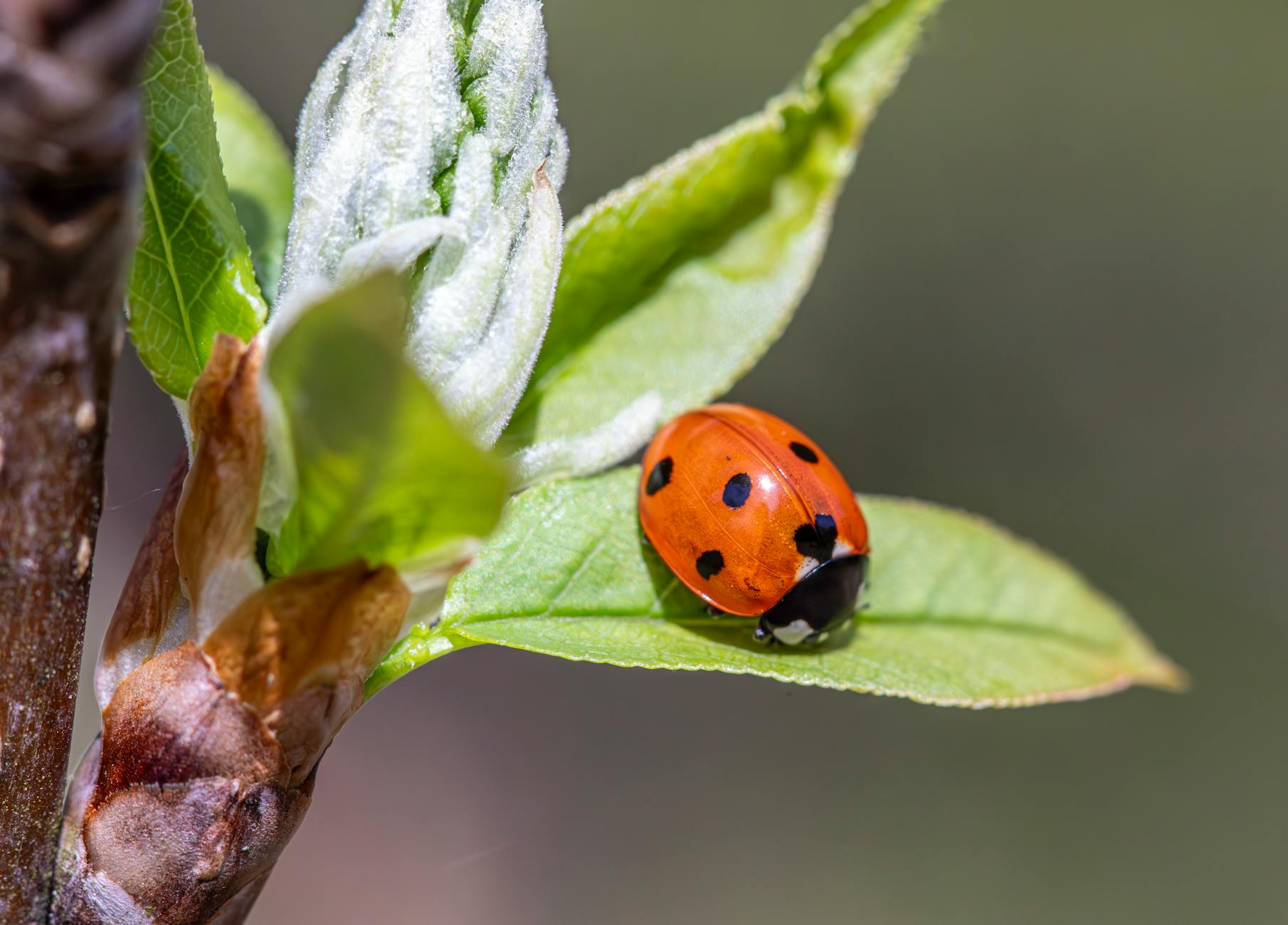
Nematodes are brilliant, but they’re part of a wider ecosystem. I’m always working to make my 800 sq ft garden a welcoming haven for other natural predators too. Ground beetles, for instance, are voracious eaters of insect eggs and larvae, including root maggots. I encourage them by:
- Providing habitat: Lots of organic mulch (like wood chip or straw) offers shelter. Stone paths and low-growing ground cover also give them places to hide during the day.
- Reducing soil disturbance: Minimizing digging helps protect their populations. I've switched almost entirely to no-dig methods in my raised beds.
- Planting diverse crops: A mix of flowers and vegetables attracts a wider range of beneficial insects. Think about adding some calendula or borage near your brassicas.
Even birds play their part, though they might be more interested in slugs! The overall goal is to build a healthy, balanced garden where nature can help keep pests in check. It's a continuous process, and one I find incredibly rewarding.
6. Eco-Friendly Solutions: Organic Sprays and Soil Amendments for Infested Plants
Despite our best efforts with prevention and biological controls, sometimes you still find signs of trouble. It happens to all of us – even after five years, I still get the occasional surprise! When an infestation is already underway, or when I just need an extra layer of deterrence, I turn to some eco-friendly sprays and soil amendments. These aren't silver bullets, but they can definitely help manage the situation without resorting to harsh chemicals.
Targeted Organic Sprays
For lighter infestations or as a further deterrent, certain organic sprays can be quite effective.
- Neem Oil: This is a fantastic natural insecticide and repellent. I use it both as a foliar spray and a soil drench. As a foliar spray, it can deter adult flies from laying eggs and disrupt the lifecycle of any larvae present. For a soil drench, I mix it according to the packet instructions and apply it directly around the base of affected plants. The challenge here in the UK, with our often-unpredictable British weather, is that rain can wash off foliar applications quite quickly, so regular reapplication (especially after rain) is crucial. I mainly use it as a preventative measure on young plants or at the first sign of trouble.
- Garlic or Chilli Sprays: I’ve experimented with homemade garlic or chilli sprays as a deterrent. While they might not kill maggots outright, the strong smell can confuse or repel the adult flies. I mince a few cloves of garlic or chop a couple of chillies, steep them in hot water overnight, strain, and then dilute before spraying. It's a bit of a labour of love, and again, the British rain isn't its friend, but it's a completely natural option if you're feeling adventurous.
Supportive Soil Amendments
Beyond sprays, amending the soil can also play a role in deterring pests and supporting plant health, making them more resilient.
- Wood Ash: Around my brassica patch, I sometimes sprinkle a light dusting of wood ash (from untreated wood, of course, from my own wood burner). It provides some potassium and can slightly raise the soil pH, which brassicas often appreciate. More importantly, some gardeners find its alkaline nature and physical presence can deter root maggots and other soil pests. I wouldn't rely on it solely, but it's a traditional method I've seen some benefit from, especially when applied around the base of young plants.
- Diatomaceous Earth (DE): This finely ground fossilized diatom powder works by physically abrading the exoskeletons of soft-bodied insects, causing them to dehydrate. I sprinkle food-grade DE around the base of my brassicas and alliums. It's most effective when dry, so again, our UK weather can be a challenge. I reapply after heavy rain. Just be mindful when applying it – wear a mask to avoid inhaling the fine dust, and apply when beneficial insects like bees aren't active, as it's non-selective.
- Compost and Well-Rotted Manure: While not a direct root maggot killer, consistently adding plenty of good quality, well-rotted compost and manure to my raised beds is fundamental. Healthy, vigorous plants are always more resilient to pest attacks. My 800 sq ft of raised beds gets a generous top-up of homemade compost every year. This promotes a thriving soil microbiome which, in turn, can help suppress pest populations and break down organic matter more efficiently, making the soil less attractive for maggot egg-laying.
7. Sustainable Success: Building a Resilient, Root Maggot-Free Garden Ecosystem
Battling root maggots, like so many challenges in the garden, isn't about finding one miracle cure. It's about understanding the enemy, respecting nature, and building a resilient, vibrant ecosystem. My journey from an IT worker staring at screens to a passionate gardener digging in the soil has taught me that the most effective solutions are rarely quick fixes; they're about long-term commitment and continuous learning.
We've covered a lot, from the initial signs of devastation and understanding the root maggot lifecycle, to implementing crucial preventative measures like crop rotation, using insect mesh, and implementing sacrificial planting. We've explored the power of biological allies like beneficial nematodes and discussed eco-friendly interventions when things go awry.
Here in my 800 sq ft Midlands garden, I've found that success against root maggots truly lies in a multi-pronged, holistic approach:
- Prevention is Paramount: Getting that insect mesh on early, rotating crops diligently, and choosing resistant varieties are your first and best lines of defence. It’s far easier to stop them getting in than to get them out.
- Embrace Biodiversity: Encourage beneficial insects and a healthy soil microbiome. A diverse garden is a strong garden. This means companion planting, providing shelter for predators, and always, always feeding your soil with organic matter.
- Know Your Climate: Our unique British weather, with its unpredictable rain and temperature shifts, impacts everything from nematode efficacy to how often you need to reapply a deterrent spray. Learning to work with, rather than against, our climate is key.
- Observe and Adapt: Spend time in your garden. Look closely at your plants. The moment you spot a problem, research, try a solution, and observe the results. What works perfectly one season might need tweaking the next, especially with our ever-changing British weather patterns.
One of the biggest lessons I've learned is that gardening, much like my old IT job, is a process of constant debugging and improvement. You encounter a 'bug' – like a root maggot infestation – and you learn to diagnose it, understand its 'code' (lifecycle), and apply a series of solutions until the system (your garden) is running smoothly again. And just like in IT, sometimes things go wrong, despite your best efforts. I've had crop failures, I've made timing mistakes with my nematode applications, and I've watched entire rows of spring onions succumb to these underground devils. But each setback has been a learning opportunity.
So, don't be disheartened if you find root maggots in your garden. You're not alone! Every gardener in the UK faces unique challenges. Arm yourself with knowledge, try these organic strategies, and be patient. Keep experimenting, keep observing, and keep nurturing your soil. By building a resilient, vibrant garden ecosystem, you're not just protecting your brassicas and alliums; you're creating a sustainable haven that will thrive for years to come. Happy gardening, and here's to a future of healthy, homegrown produce!
