Protecting Your Harvest: An Organic Guide to Wireworm Control
Right then, let's talk about something that can truly break a gardener's heart: discovering that your hard-earned harvest has been ruined by an unseen enemy. I'm Randy, and here in my 800 sq ft patch of green in the UK Midlands, I've spent the last five years pouring my heart and soul into growing everything from 'Moneymaker' tomatoes in my greenhouse to 'Charlotte' potatoes in my raised beds. I used to be an IT bloke, staring at screens all day, but now my screens are the vibrant colours of my garden, and my 'bugs' are the real, wriggly kind. And trust me, few bugs cause as much dismay as the wireworm.
I've learned this the hard way. There's nothing quite like pulling up a promising potato plant, brushing away the soil, and finding what should be a perfect spud riddled with tiny tunnels and unsightly holes. Or harvesting a beautiful, crisp carrot only to discover it's been turned into a miniature sieve. That sinking feeling? I know it well. For a long time, I felt like I was battling a ghost, something invisible that just kept showing up to spoil my best efforts. But what I've learned through countless hours of observation, experimentation, and yes, a few ruined harvests, is that we can fight back, and we can do it organically.
My journey into organic gardening here in Britain has been all about understanding the ecosystem, not just slapping on a quick fix. And when it comes to wireworms, that means getting to know our foe, understanding its habits, and implementing proactive, natural strategies that work with our unpredictable UK climate. This isn't about harsh chemicals; it's about creating a balanced environment where your potatoes, carrots, and even your sweetcorn can thrive, safe from underground damage. So, grab a cuppa, and let me share what I’ve found works in my UK garden to keep these subterranean pests at bay.
Understanding the Enemy: Wireworm Identification and Life Cycle
When I first encountered wireworm damage, I didn't even know what I was looking for. I just saw holes and assumed it was slugs or something else obvious. It took a bit of digging (literally) and some research to properly identify the culprit. The key to tackling any pest organically is understanding them, and wireworms are fascinating, if frustrating, creatures.
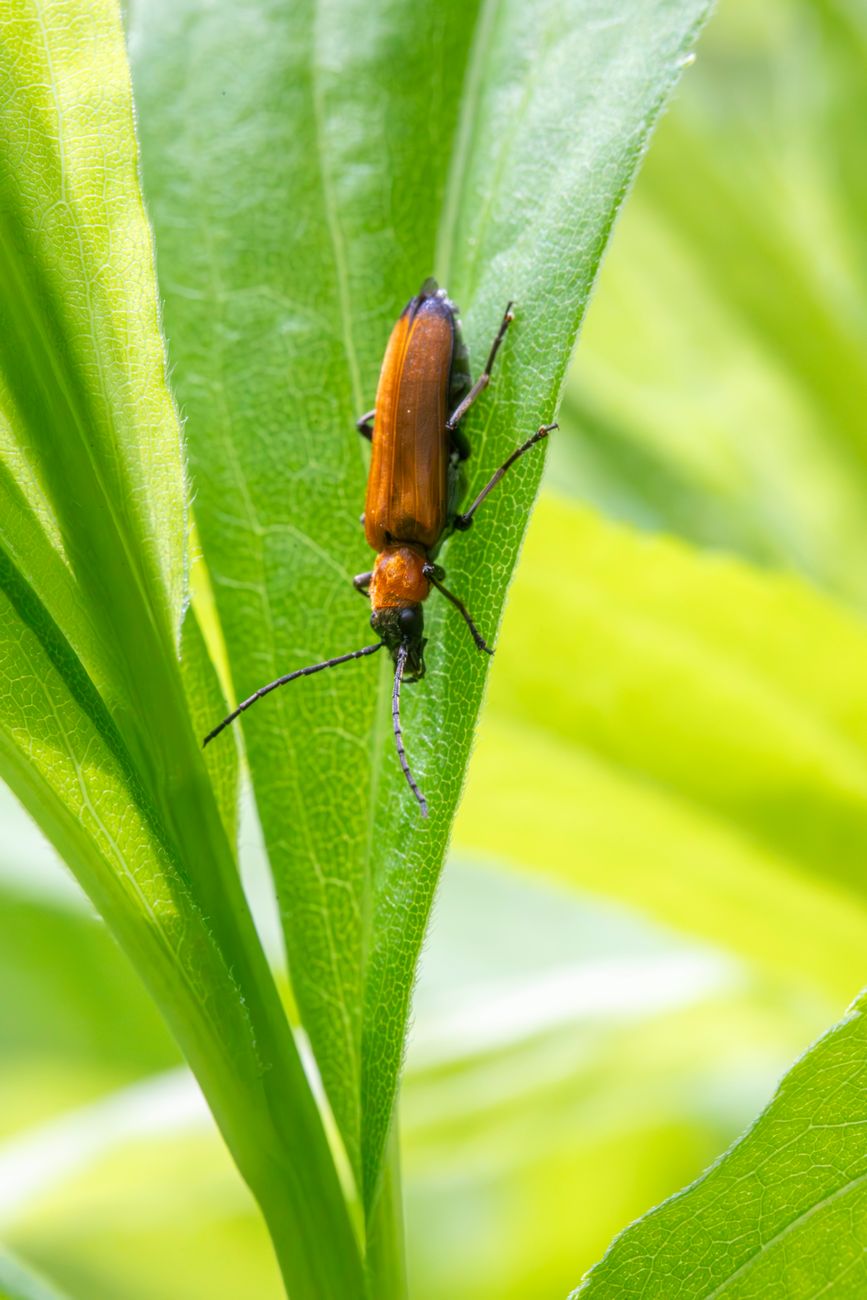
Wireworms are actually the larval stage of click beetles. The larvae themselves are distinct – imagine a small, slender, segmented worm, typically between 1 to 4 cm long, with a tough, shiny, yellowish-brown to reddish-brown exoskeleton. They're quite rigid; if you pick one up, you'll feel how firm they are. They have three pairs of short legs just behind their head, which makes them look a bit like miniature centipedes, but they're not. In my Midlands garden, I usually spot them when I’m digging over a bed or harvesting root crops, especially in soil that's been undisturbed for a while or was previously grassland.
The adult click beetles, on the other hand, are pretty harmless to your crops. They're typically dark brown or black, slender, and about 1-2 cm long. Their most distinctive feature, and how they get their name, is their ability to 'click' and flip themselves upright if they land on their backs. You'll often see them around the garden in late spring and early summer, especially after a good British rain shower. They lay their eggs in the soil, usually near grass or weeds, and that's where the trouble begins. These eggs hatch into the wireworm larvae, which then spend a staggering 2 to 5 years (sometimes even longer!) underground, munching on plant roots and tubers before pupating and emerging as adult click beetles. This long life cycle is why they can be such a persistent problem; you're not just dealing with one generation in a season. I've learned that patience and consistent, long-term strategies are absolutely vital here in the UK when dealing with such a slow-moving pest.
Spotting the Signs: How to Identify Wireworm Damage in Your Crops
I can't tell you the number of times I've been fooled by pest damage in my early gardening days. What I thought was slug damage on a potato turned out to be wireworm, or vice versa. Learning to accurately identify wireworm damage is crucial for effective organic control. It's heartbreaking to put in all that effort, battling our typical British weather, only to find your harvest compromised by these underground mischief-makers.
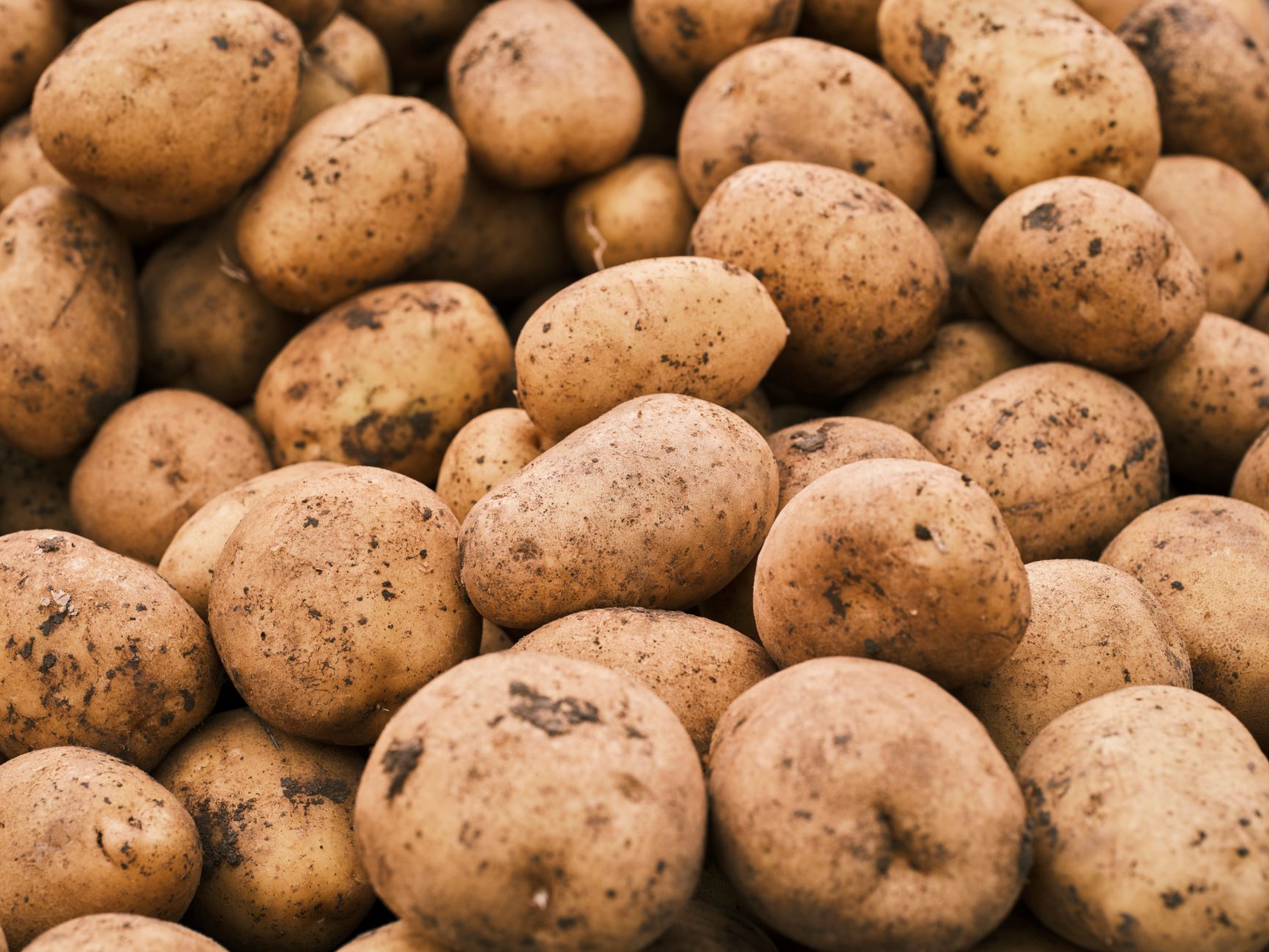
The most obvious sign of wireworm activity is the damage itself, particularly on root vegetables. For potatoes, you'll see small, round holes on the surface of the tubers that often lead into tunnels running through the flesh. These tunnels can be quite extensive, making the potato inedible or at least very unappealing. I've pulled up 'Desiree' potatoes from my raised beds that looked perfect from the outside, only to slice them open and find them completely riddled.
Carrots show similar signs, but often with more pitting and surface damage. You might see small, irregular holes or channels bored into the sides of the carrot, sometimes causing them to fork or become distorted. My 'Autumn King 2' carrots, which I usually grow so successfully, suffered badly one year when I didn't adequately prepare a new bed.
With corn, especially young seedlings, wireworms can cause significant issues. They'll chew on germinating seeds or tunnel into the base of young stalks, leading to stunted growth, wilting, or even the death of the plant. This damage can often be mistaken for birds or other soil-borne diseases, so it's worth a careful inspection if your corn isn't thriving. I learned this when I tried a new corn variety, 'Swift', and lost about a third of my early sowings. Now, I always check.
Here's a quick comparison table to help you spot the differences:
| Crop Type | Wireworm Damage | Other Common Damage (for comparison) |
|---|---|---|
| Potatoes | Small, neat, round entry holes; tunnels running deep into the tuber; brown discoloration around tunnels. | Slugs: Large, irregular, shallow gouges on the surface; often slimy trails. Scab: Rough, corky patches on the skin, not deep holes. |
| Carrots | Small, irregular holes or channels on the surface and into the flesh; often causes forking or distortion. | Carrot Fly: Tunnels just under the surface, often rusty-coloured; causes wilting and stunted growth. Slugs: Similar to potatoes, larger irregular bites. |
| Corn | Chewed or hollowed-out seeds; tunnels into the base of young stalks; stunted growth, wilting, seedling death. | Birds: Seeds pulled entirely from the ground, or young leaves pecked. Cutworms: Seedlings cut off at soil level overnight. |

Proactive Defence: Organic Prevention Strategies for Wireworm-Free Beds
My philosophy for a thriving garden, especially here in the UK with our ever-changing weather, is always prevention over cure. It's so much easier, and less disheartening, to stop problems before they start. When it comes to wireworms, this means creating an environment in your garden that they simply don't find appealing or can't survive in. I've tried many things over the years in my Midlands garden, and here are the organic strategies that have truly made a difference for me.
One of the cornerstones of my wireworm prevention strategy is crop rotation. Since wireworms have such a long life cycle, planting susceptible crops like potatoes, carrots, or corn in the same spot year after year is like rolling out the red carpet for them. I strictly rotate my crops, ensuring that root vegetables don't follow each other in the same bed for at least three, ideally four, years. For example, after my potatoes come out, I might plant a brassica like 'Caledonian' kale or a legume like 'Mangetout Dwarf' peas. These plants are less attractive to wireworms, helping to break their life cycle in that particular bed. This is especially important in my raised beds where space is at a premium and every inch counts.
Next up is soil health and preparation. Wireworms thrive in undisturbed, grassy areas, and compacted, poorly drained soil. When I converted my lawn into garden beds five years ago, I knew I'd have a wireworm challenge. Now, before planting any susceptible crop, I thoroughly dig over the beds, usually in late autumn or early spring, here in the UK. This exposes the wireworm larvae to birds and other predators, and also to the drying effects of our British winds, which they hate. I also heavily incorporate well-rotted compost and other organic matter into my soil. Healthy, loose, and well-drained soil creates an environment that is less hospitable to wireworms and more welcoming to beneficial organisms like nematodes. Last year, I even experimented with introducing beneficial nematodes (specifically Steinernema carpocapsae and Heterorhabditis bacteriophora) in a particularly problematic bed in late summer. While they're a bit pricey, I did notice a significant reduction in wireworm damage on my autumn-sown 'Express' spinach, suggesting they had an impact on the previous generation.
Another technique I've found surprisingly effective is trap cropping. Wireworms are attracted to starchy foods. So, a week or two before I plan to plant my potatoes or carrots, I'll bury pieces of potato or carrot on skewers about 10-15 cm deep in the beds. I mark their spots, and every few days, I pull them up and check for wireworms. It's a bit gross, but it works! You can then collect and dispose of the wireworms (I usually feed them to the chickens, if you have them, or drown them in soapy water). This helps to draw a significant number of them away from your main crop, especially during that critical early planting stage here in the UK spring when they're particularly hungry.
Finally, vigilance and good garden hygiene play a huge role. Keeping your beds weed-free, especially of grassy weeds, reduces potential egg-laying sites for click beetles. When I'm weeding, I'm always on the lookout for wireworms, especially in areas that previously had turf. And if you have a particularly bad infestation, consider leaving the bed fallow for a season and regularly tilling it or planting a green manure crop that isn't a wireworm favourite, like buckwheat or mustard. While I don't typically deep-till my established raised beds, a light fork-over in early spring can disrupt any overwintering pests, which is crucial given our often mild UK winters can keep them active. It's all about creating an unwelcoming environment for these persistent little grubs.
Active Combat: Effective Organic Control Methods for Wireworms
Right, so you've done all the preventative bits, but what if you've still got the little blighters causing havoc? Don't despair! I've been there, staring at a lovely carrot only to find a wireworm hole right through it. It's soul-crushing, I know. But over my five years in this Midlands garden, I've learned a few tricks for active combat that don't involve nasty chemicals. My philosophy is always 'work with nature,' even when nature's being a pain.
One of the first things I tried, and honestly, it's quite effective for monitoring as much as controlling, is bait trapping. I remember the first time I set these up – it felt a bit like a covert operation! You basically lure the wireworms away from your precious crops using something they can't resist. My go-to is often a half-potato or a slice of carrot, impaled on a stick so I can find it again, buried a few inches deep near the affected plants. I mark them with a bamboo cane. I usually leave them for 2-3 days, then dig them up. You won't believe how many I've found clinging to those spuds! It's satisfying, in a weird way, to dispatch them. I did this quite intensively around my corn patch last year when I noticed some early damage. It definitely reduced the numbers, but it's labour-intensive.
Another method I've had some success with, particularly in my raised beds, are beneficial nematodes. Specifically, Steinernema feltiae or Heterorhabditis bacteriophora are the ones you want. I applied these to a bed where I was planning to plant my maincrop potatoes after a particularly bad wireworm year. The key here in the UK is timing – the soil needs to be warm enough (above 12-14°C, usually late spring to early autumn here in the Midlands) and consistently moist. I remember trying to apply them too early one spring, thinking I'd get ahead of the game, and the soil was just too cold. They need those conditions to thrive and hunt down the wireworms. It's an investment, but I definitely saw a reduction in damage to my 'Desiree' potatoes that year. You apply them as a drench, following the packet instructions, usually in the evening when UV light is lower.
And then there's targeted cultivation. This isn't about tilling your whole garden to oblivion, which can actually disturb beneficial soil life. Instead, if I suspect a particular patch is rife with wireworms, especially before planting susceptible crops like carrots, I'll fork it over thoroughly a few weeks before planting. My 800 sq ft garden doesn't allow for heavy machinery, so it's all hand-forking. The idea is to expose the wireworms to the surface, where birds (my garden robins love this!) and other predators can feast on them, or they simply dry out. I found this particularly useful in a bed where I'd grown grass previously – a known wireworm hotspot. I did this in late autumn and again in early spring before planting my 'Autumn King 2' carrots. It's tough work, but it helps.
Here’s a quick comparison of my go-to active combat methods:
| Organic Control Method | Randy's Experience & UK Context | Pros (from Randy's perspective) | Cons (from Randy's perspective) |
|---|---|---|---|
| Bait Trapping | Used with potatoes/carrots. Bury half-spuds/carrots for 2-3 days. | Simple, cheap, effective for monitoring & reduction. Satisfyingly hands-on. | Labour-intensive, needs consistent checking. |
| Beneficial Nematodes | Applied Steinernema to potato beds. Key: soil temp >12-14°C & moisture (late spring/early autumn in Midlands). | Biologically targeted, chemical-free. Effective if conditions are right. | Can be pricey, highly sensitive to soil temp/moisture, precise timing needed. |
| Targeted Cultivation | Hand-forking specific problem areas before planting (e.g., old grass patches). Autumn/early spring. | Exposes wireworms to predators/desiccation. Free, good exercise! | Disrupts soil structure if overdone. Only effective if predators are present. |
Targeted Protection: Crop-Specific Organic Solutions for Potatoes, Carrots & Corn
Now, while the general strategies are great, I've learned that wireworms have their favourites, and protecting those crops sometimes needs a bit of a tailored approach. In my UK garden, these are my top three wireworm magnets: potatoes, carrots, and surprisingly, corn sometimes gets a look-in too.
Potatoes: The Wireworm's Main Course
Potatoes are, without a doubt, the crop I've had the most wireworm trouble with. There's nothing worse than digging up a beautiful 'Charlotte' or 'Sarpo Mira' potato only to find it riddled with holes. It's heartbreaking! My main strategy here is a combination of early harvesting and good bed preparation. I try to plant early varieties like 'First Earlies' – 'Swift' or 'Rocket' are my go-to choices for early crops – so they mature before the wireworm population really gets going in late summer. For my maincrop potatoes, which stay in the ground longer, I'm very diligent with the bait trapping I mentioned earlier, especially in the weeks leading up to tuber formation.
One mistake I made early on was leaving maincrop potatoes in the ground too long, trying to 'cure' them naturally. That's just an open invitation for wireworms to do their worst. Now, once the foliage starts to die back, I harvest promptly. I've also found that hilling my potatoes really well helps. While it doesn't directly deter wireworms, it encourages tubers to form higher up, which I feel gives them a little more protection from deep-dwelling pests, though that might just be my wishful thinking after a particularly challenging season!
Carrots: The Sweet Target
Carrots are another big one. Those long, sweet roots are irresistible to wireworms, and a single tunnel can ruin a whole crop. For my 'Autumn King 2' and 'Nantes' carrots, my strategy starts with the bed. I make sure the soil is really well-drained and relatively loose, as wireworms prefer compacted soil. I also incorporate a good amount of well-rotted compost, which not only improves soil structure but also encourages beneficial microbial life that can deter pests.
I've experimented with companion planting around my carrots. Marigolds and calendula are often touted as deterrents, and while I can't say definitively they eliminate wireworms, I do find they attract beneficial insects that might prey on other pests, indirectly contributing to a healthier ecosystem. What I have found effective is making sure my seedbeds are clean and wireworm-free before sowing. That targeted cultivation I spoke about in Section 5 is crucial here. I also try to get my carrots in early, as soon as the soil is workable in spring, so they establish quickly.
Corn: An Occasional Victim
Corn, or maize as some of us Brits call it, isn't usually my primary wireworm concern, but I have had seasons, especially when planting into a newly cleared grassy area, where wireworms have attacked the germinating seeds or young roots. This can lead to stunted growth or even death of the seedlings. For my 'Swift' F1 sweetcorn, which I grow in a block in my main raised bed, my best defence is ensuring the soil is really healthy and well-prepared before planting. I also try to get the seedlings a good head start by growing them in pots in my greenhouse for a few weeks before transplanting them out after the last frost here in the Midlands – usually late May. Strong, established seedlings are much more resilient to early wireworm attacks than tender young sprouts.
Cultivating Resilience: Long-Term Soil Health and Garden Practices to Deter Wireworms
Ultimately, dealing with wireworms, like so many other garden challenges, isn't about quick fixes. It's about building a resilient, healthy ecosystem in your garden. For me, that's what truly makes a difference in the long run. After five years of intensive gardening in my 800 sq ft Midlands plot, I've come to realise that a healthy soil is your best defence against almost anything Mother Nature throws at you – including those pesky wireworms.
The Power of Compost and Organic Matter
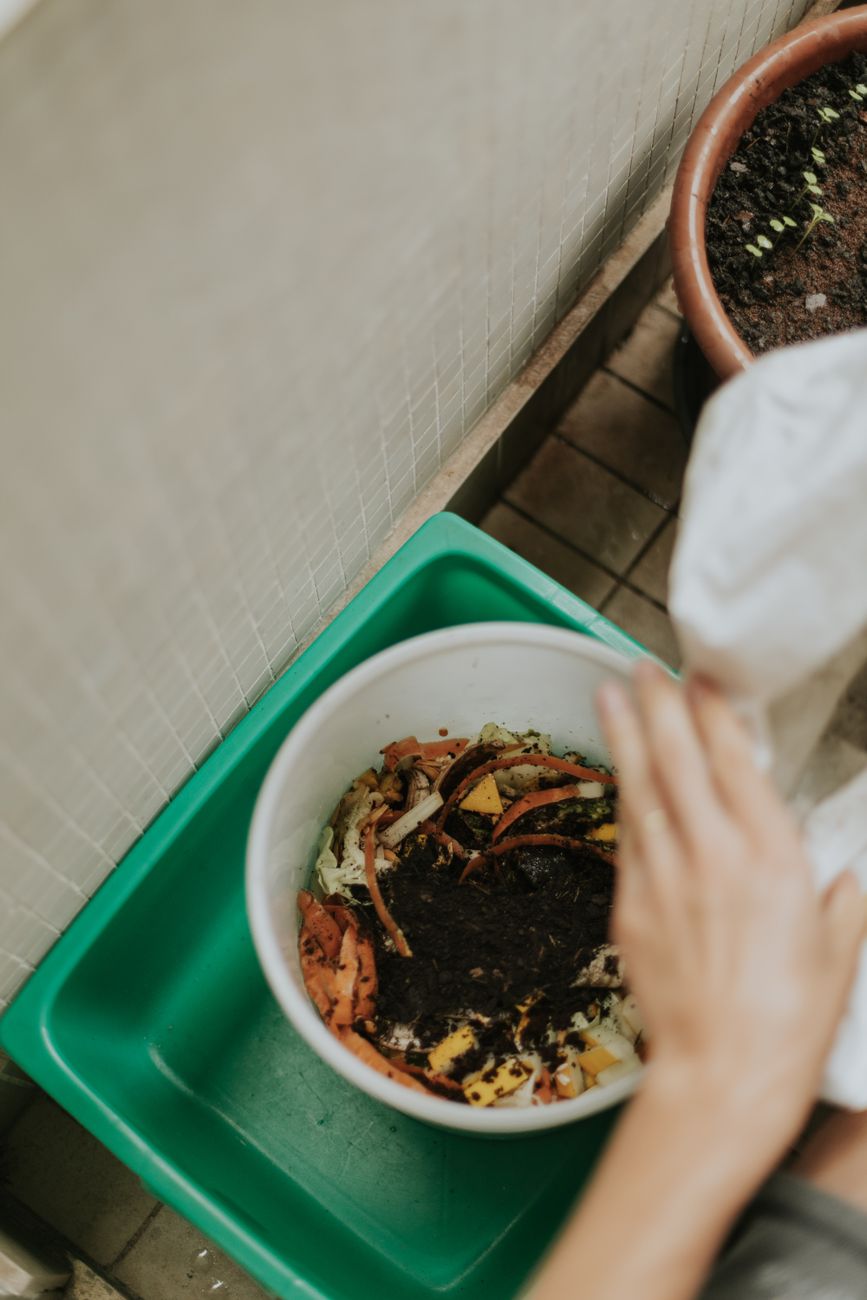
My entire garden, especially my raised beds, is built on a foundation of homemade compost. I'm utterly obsessed with it! I have three compost bins going at any one time – one cooking, one maturing, and one for active additions. Incorporating plenty of well-rotted organic matter into your soil annually is probably the single most important thing you can do. It improves drainage, aeration, and fertility, creating an environment that's less appealing to wireworms, who prefer poor, compacted soils. Plus, it fosters a huge diversity of beneficial microbes and fungi, which can outcompete or even prey on pest larvae. I usually fork in a good 2-3 inches of my own 'black gold' into each bed every autumn or early spring.
Strategic Crop Rotation
I've mentioned it before, but crop rotation is absolutely fundamental. Wireworms have a long lifecycle, sometimes several years, so growing the same susceptible crop in the same spot year after year is just asking for trouble. In my relatively small garden, I have to be quite strategic. I draw out a plan every winter, ensuring that potatoes don't follow potatoes, and carrots move around. I aim for at least a three-year rotation cycle, ideally four. It takes a bit of planning, especially with a packed 800 sq ft, but it's worth it for breaking those pest cycles.
Encouraging Beneficial Wildlife
My garden isn't just for me and my veg; it's a haven for wildlife. I've got a small pond, a wild corner, and plenty of flowers to attract pollinators and predatory insects. Birds, especially robins and blackbirds, are fantastic at hoovering up exposed wireworms when I'm digging or cultivating. Hedgehogs, if you're lucky enough to have them, are also brilliant slug and insect predators. Even ground beetles can help. By creating a diverse and welcoming environment, you're essentially recruiting an army of natural pest controllers. I've seen a noticeable difference in overall pest pressure since I started actively encouraging wildlife, and that includes fewer wireworm issues.
Cover Cropping (My Latest Experiment!)
This is one I've been experimenting with more seriously in the last couple of seasons. Planting cover crops (also known as green manures) like mustard or phacelia in beds that would otherwise lie fallow over winter can be a game-changer. Some cover crops, like mustard, are thought to have biofumigant properties that can deter soil pests. Others simply improve soil structure and add organic matter when dug in, which, as I said, makes the soil less appealing to wireworms. Last autumn, I sowed a mix of crimson clover and vetch in a bed that had been heavily cropped with potatoes, and I'm keen to see the long-term impact on wireworm populations. It's an ongoing learning curve, but one I'm really enjoying.
Conclusion
So there you have it – my tried-and-tested, sometimes-failed-but-always-learned, organic approach to tackling wireworms in my UK garden. It’s a challenge, absolutely, and our British weather can always throw a spanner in the works. But by understanding these persistent pests, being proactive with prevention, using smart organic control methods, and most importantly, nurturing your soil and garden ecosystem, you can protect your precious potatoes, carrots, and corn.
Remember, gardening is a journey, not a destination. You'll have successes, you'll have failures – I certainly have my fair share every season! But every hole in a potato or tunneled carrot is a learning opportunity. Keep observing, keep experimenting, and keep sharing your experiences. What works for you in your patch of Britain might be exactly what another gardener needs to hear.
Don't let wireworms get you down. With a bit of patience, some elbow grease, and a whole lot of love for your soil, you can absolutely enjoy a bountiful, wireworm-free harvest. Happy gardening, my friends!