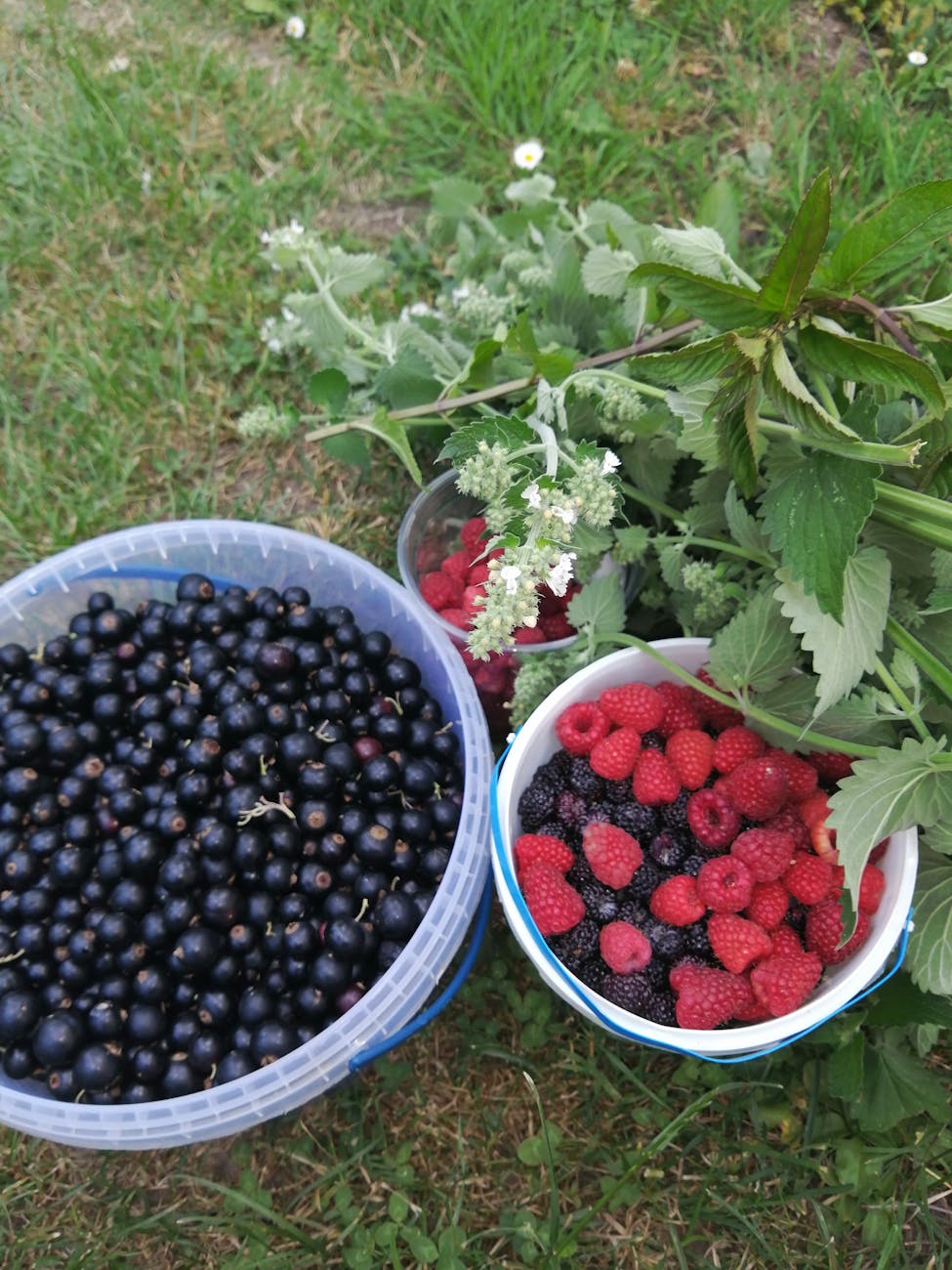
Introduction: The Quest for Longer-Lasting Berries in Your UK Garden
Right, let's be honest. Is there anything quite as satisfying as stepping out into your UK garden, basket in hand, and plucking sun-warmed, juicy berries straight from the bush? For me, a 32-year-old former IT drone who traded spreadsheets for soil here in the Midlands five years ago, it's one of the absolute joys of my 800 sq ft patch. I've got raised beds overflowing with 'Polka' raspberries, sprawling 'Mara des Bois' strawberries, and even a couple of 'Bluecrop' blueberries thriving in their acidic corners.
But here’s the rub, isn't it? You spend months nurturing those plants, battling the slugs (oh, the slugs!), praying for a decent spell of British sunshine, and then… you pick them, bring them inside, and sometimes, it feels like they’ve decided to start wilting before they even hit the kitchen counter. It’s enough to make a chap sigh, especially after all that effort!
I remember my first proper season growing strawberries. I was so proud of my haul, but within a day, half of them were looking sad and fuzzy. It was a proper head-scratcher. Why were these homegrown beauties, picked with love, seemingly more fragile than the supermarket lot? That frustration kicked off a bit of an obsession for me. I wanted to understand not just how to grow them, but how to make them last. How to savour that taste of summer for as long as possible, especially with our notoriously fickle British weather doing its best to surprise us.
Over the past five years, through countless experiments in my own garden, some triumphs and plenty of "oh, bother!" moments, I've learned that extending the life of your homegrown berries isn't just about what you do after you pick them. It starts much, much earlier. It’s a holistic approach, from the moment the plant goes in the ground to the way you look after that precious harvest. So, grab a cuppa, and let's dive into the practical, real-world strategies I've tried and tested right here in my UK garden to keep those berries fresh for longer.
Pre-Harvest Foundations: Cultivating Robust Berries for Shelf Life
You might think berry freshness begins at the point of picking, but trust me, from my years of hands-on experience in my Midlands garden, it's actually rooted much deeper – quite literally! A healthy, resilient plant will produce healthy, resilient fruit. Neglect this foundational stage, and you're already fighting an uphill battle against spoilage.
Soil Health: The Bedrock of Berry Vigor
Everything starts with the soil. For my raised beds, which are packed with various berry bushes, I spend a good chunk of late winter and early spring ensuring the soil is absolutely tip-top. I always amend my beds generously with homemade compost, well-rotted horse manure (a fantastic find from a local farmer!), and a sprinkle of organic granular feed. This isn't just about feeding the plant; it's about building a robust soil structure.
Good drainage is paramount, especially here in the UK where we can get some truly epic downpours. One mistake I made early on was planting strawberries in a patch that became waterlogged after heavy rain. The plants looked sickly, the berries were soft and prone to rot. Now, I always ensure my raised beds have excellent drainage, and for my blueberries, which demand acidic soil, I grow them in large pots with a specific ericaceous compost mix to keep them happy and prevent root rot. Our UK soils can be quite varied, but for most berries, I aim for a slightly acidic to neutral pH (around 6.0-6.5), which I check annually with a simple soil test kit.
Variety Selection: Choosing Winners for the British Climate
This is a big one. Not all berry varieties are created equal when it comes to disease resistance and vigour in our British climate. I've learned through trial and error that picking the right cultivar can dramatically impact how well your fruit performs and, crucially, how long it lasts.
For raspberries, I swear by 'Polka'. It's an autumn-fruiting variety that produces a fantastic crop even after a soggy summer, and the fruit holds up well. For strawberries, 'Mara des Bois' is a personal favourite. It's an everbearer, so I get a continuous supply, and the berries are wonderfully flavourful and reasonably firm. I tried a few of the older, softer varieties when I started, and while delicious, they were practically melting before I got them indoors! Opting for varieties known for good disease resistance, particularly against common UK fungal issues like Botrytis (grey mould), is your first line of defence against spoilage. A healthy plant is a resilient plant, period.
Watering & Feeding: A Delicate UK Balance
Consistent moisture is vital, especially when the berries are forming and swelling. Too much, too little – it's a constant dance with the British weather! I use my rain barrels religiously here in the Midlands to ensure my plants get soft, unchlorinated water. During dry spells (yes, we do get them!), I make sure to deep water my berries every few days, focusing on the root zone. Inconsistent watering can lead to stressed plants and, consequently, softer, less firm fruit that won't store well.
As for feeding, I lean towards organic options. I give my berries a balanced organic granular feed in spring, and then a liquid seaweed feed every couple of weeks once flowering begins and through fruiting. This provides essential micronutrients and helps the plant produce strong cell walls in the fruit, which directly contributes to firmness and shelf life. One season, my blueberry bushes looked a bit yellow and sad; turns out, it was a magnesium deficiency. A quick dose of Epsom salts sorted it, and the next flush of berries was much healthier.
Pruning & Airflow: Your Mould-Fighting Arsenal
Good airflow around your berry plants is non-negotiable, especially with our often-humid UK summers. Dense, overgrown foliage creates a damp, still environment – a perfect breeding ground for fungal diseases like Botrytis, the bane of many a UK berry gardener.
For my autumn-fruiting raspberries like 'Polka', I cut all canes to the ground in late winter. This ensures vigorous new growth and prevents disease carry-over. For summer-fruiting varieties (which I also dabbled with before settling on 'Polka' for simplicity), I prune out the fruited canes immediately after harvest. With strawberries, I thin out older leaves and runners, especially after the main flush of fruit. This not only encourages new growth but also improves air circulation, allowing the leaves and fruit to dry out quicker after rain or heavy dew, significantly reducing the risk of mould.

The Art of Strategic Picking: Timing and Technique for Peak Freshness
So, you’ve done all the hard work, and your berry bushes are laden with fruit. Now comes the moment of truth: picking. This isn't just a casual stroll; it's an art, and getting it right can mean the difference between berries lasting a day or a week. I’ve learned this the hard way through squashed berries and mouldy punnets!
Optimal Ripeness: The Sweet Spot for Storage
It's a fine line, isn't it? You want flavour, but you also want them to last beyond tea-time. For immediate eating, I'll pick my berries at their absolute peak of luscious ripeness. But for berries I intend to store for a few days, I'll often pick them just a fraction earlier than I would for immediate eating. They should be fully coloured, but still firm, not soft or mushy.
For strawberries, this means vibrant red all over, but with a slight resistance when you gently squeeze. Raspberries should detach with the slightest tug, revealing their full, rich colour. Blueberries will be completely blue, often with a slight 'bloom' (that powdery white coating), but still firm to the touch. Picking them slightly under-ripe allows them to continue ripening off the plant very slightly, extending their usable life.
Timing of Day: Cooler is Always Better
My golden rule for picking here in the Midlands is first thing in the morning, after the dew has dried but before the sun gets too strong. Why? Warm berries are a recipe for quick spoilage in our often-humid UK climate. When you pick fruit that's already warmed by the sun, its respiration rate is higher, meaning it's "breathing" faster and deteriorating more rapidly.
Cooler temperatures mean the fruit is less stressed, less prone to bruising, and holds its structure better. If morning isn't possible, late evening after the heat of the day has subsided is your next best bet. Avoid picking in the middle of a hot, sunny day if you can help it.
Gentle Handling: Treat Them Like Precious Jewels
Berries are delicate, so treat them like tiny, precious jewels. I use shallow containers – old berry punnets are perfect – or wide, shallow bowls. This prevents the lower layers of fruit from getting crushed by the weight of the ones on top. When picking, I try to handle the fruit as little as possible. For strawberries, gently twist them off the stem. For raspberries, a gentle tug usually suffices. For blueberries, roll them off the branch with your thumb.
Crucially, resist the urge to wash your berries until you're absolutely ready to eat them. That's a big one – washing them before storage introduces moisture, and moisture equals mould, especially with British humidity.
Here's a quick comparison of my preferred picking strategies for different berries in my UK garden:
| Berry Type | Optimal Picking Ripeness (for storage) | Best Time of Day (UK) | Technique | Randy's Tip for UK Gardeners |
|---|---|---|---|---|
| Strawberry | Fully coloured, firm, no green patches | Early morning (after dew) | Gently twist from the stem | Check undersides for slugs! Don't pull the cap off. |
| Raspberry | Detaches easily, vibrant colour, firm | Early morning | Gentle tug, handle by the calyx if possible | Avoid picking if wet from rain; they'll get mushy fast. |
| Blueberry | Full blue, slightly soft with 'bloom' | Any time (cooler is better) | Roll off the branch with thumb | Don't overfill containers; natural 'bloom' protects them. |
| Red/Blackcurrant | Full colour, firm clusters | Any time (cooler preferred) | Snip whole trusses from the bush | Store on stems for longer life; pick when dry. |
Immediate Post-Harvest Care: Preventing Spoilage from the Get-Go
You've picked your berries beautifully, following all the best practices. Now, the clock is ticking. What you do in the immediate aftermath of harvesting is absolutely critical for maximising their shelf life. This is where many home gardeners, myself included when I first started, fall short.
No Washing (Yet!): Embrace the Natural Protection
I cannot stress this enough: do not wash your berries before storing them. This is probably the most common mistake I see, and one I certainly made when I first started out five years ago. Introducing any extra moisture creates the perfect environment for mould and bacteria to thrive.
Many berries, especially blueberries, have a natural protective 'bloom' – that dusty white coating. This is actually a natural wax that helps protect the fruit from moisture loss and microbial attack. Washing it off removes this natural defence. Keep them dry, and only wash them just before you're about to eat or use them.
Quick Cooling: Hit the Pause Button on Spoilage
Once picked, I get my berries into the fridge as quickly as possible. Every minute counts, especially after a warm day in the Midlands sun. Why? Rapid cooling slows down the fruit's respiration rate and inhibits the growth of spoilage-causing microorganisms. Think of it like hitting the pause button on the spoilage process. The sooner they’re chilled, the longer they’ll last.
If you have a particularly large harvest, spreading them out on a baking tray in a single layer in the fridge for an hour or so before transferring them to their final storage containers can help them cool down even faster.
Proper Storage Containers: Airflow is Key
I've experimented with all sorts, but those breathable containers with good ventilation really make a difference. Airflow is crucial to prevent moisture build-up around the fruit. I often reuse my plastic berry punnets from the supermarket, making sure they’re clean and dry. If they don't have enough ventilation holes, I'll carefully add a few more with a small drill bit or a hot skewer.
For an extra layer of protection, I always line the bottom of my chosen container with a clean, dry paper towel. This helps absorb any excess moisture that might be released by the fruit – a lifesaver in our often-damp UK climate. Try to store berries in a single layer if possible, or in very shallow layers, to prevent crushing and allow air to circulate.
Inspection and Culling: One Bad Apple...
This might sound tedious, but it's a game-changer for extending the life of your entire batch. Before you put your berries into their final storage containers, give them a thorough inspection. Remove any berries that are bruised, damaged, squishy, overripe, or showing even the slightest hint of mould.
I learned this the hard way after losing a whole punnet of precious 'Mara des Bois' strawberries to one rogue, squishy culprit that quickly spread its mouldy tendrils. One mouldy berry can ruin the whole lot incredibly quickly, especially in the enclosed environment of a fridge. Be ruthless! These "rejects" aren't wasted; they're perfect for immediate eating, making jam, smoothies, or freezing for later processing. No waste in Randy's garden!
5. Short-Term Storage Solutions: Maximising Freshness in the Fridge
So, you’ve picked your berries perfectly, handled them with care, and kept them dry. Now, how do we keep that peak freshness going for a few more days in the fridge? This is where I've spent a lot of time experimenting in my 800 sq ft Midlands kitchen, trying to eke out every last moment of deliciousness.
My biggest discovery, and I can’t stress this enough, is keep them dry and give them space. Those supermarket plastic punnets are actually pretty good for air circulation, as long as they aren't squashed. When I bring my harvest in from the raised beds, the first thing I do is a quick visual check for any bruised or overripe berries – these get eaten immediately or go into a smoothie. One rotten apple, or in this case, one mouldy berry, really can spoil the whole bunch!
I've tried washing them straight away, and honestly, unless you're going to eat them within the hour, it’s a recipe for disaster here in our often-damp UK climate. Any residual moisture just encourages mould and softness. What I do now is layer them gently in shallow containers, often lined with a clean paper towel to absorb any condensation. This little trick has massively extended the fridge life of my raspberries and strawberries, sometimes by an extra 2-3 days compared to just dumping them in a bowl.
Here's a quick comparison of the methods I've tried for short-term fridge storage:
| Method | Pros | Cons | Randy's Verdict (UK Gardener) |
|---|---|---|---|
| Original Punnets | Good air circulation, convenient. | Berries can get squashed if overfilled, not always lined. | Decent for very short term (1-2 days). I usually add a paper towel and don't re-use if they've been wet. |
| Shallow Container, Paper Towel | Excellent moisture absorption, good air flow if not airtight. | Requires gentle layering, takes up more fridge space. | My go-to for most berries (especially raspberries, strawberries). Extends freshness by 2-3 days easily. |
| Airtight Container | Prevents drying out, protects from fridge odours. | Traps moisture, can speed up mould growth if berries aren't perfectly dry. | Only for blueberries or tougher berries that are bone dry. Use with extreme caution for delicate ones, especially after a damp British day. |
| Washing Before Storage | Convenient for immediate use. | Introduces moisture, drastically reduces shelf life (mould alert!). | Never for storage! Only wash right before eating. I learned this the hard way with a whole punnet of 'Cambridge Favourite' strawberries. |
| Single Layer on Tray (uncovered) | Maximum air circulation. | Berries can dry out, pick up fridge odours, susceptible to accidental knocks. | Okay for 12-24 hours if fridge is clean and dry, but not ideal for longer. |
6. Long-Term Preservation Methods: Enjoying Your Harvest All Year Round
Even with the best fridge storage, homegrown berries are a fleeting pleasure. But that doesn't mean the joy has to end with autumn! For me, one of the most satisfying parts of gardening is knowing I can enjoy the fruits (literally!) of my labour throughout the grey, cold UK winter. Over the years, I've dabbled in a few methods, but for sheer ease and preserving that fresh berry taste, freezing reigns supreme in my kitchen.
Freezing: My Go-To for Berry Abundance
When I have a glut of 'Malling Jewel' raspberries from my raised beds or a massive haul of 'Bluecrop' blueberries from the bushes, freezing is the answer. It’s incredibly simple and keeps the flavour and nutrition locked in beautifully.
My method is pretty straightforward:
- Don't Wash (Yet!): Again, moisture is the enemy. I only freeze perfectly dry, unwashed berries. If they're a bit dusty from the garden path, a quick gentle brush with a soft cloth is all they get.
- Flash Freeze: This is the game-changer. I spread the berries out in a single layer on a baking tray lined with parchment paper. This prevents them from clumping together. Then, the tray goes into my kitchen freezer for a few hours until the berries are solid. This way, when I eventually scoop them into bags, they remain individual and easy to pour out just what I need.
- Store Smartly: Once frozen solid, I transfer them into freezer-safe bags or, my preference, old jam jars or plastic tubs. I always label them with the date and the variety – you'd be surprised how hard it is to tell a frozen 'Polka' raspberry from a 'Malling Jewel' when they're all lumped together months later! I've had frozen berries last perfectly well for 8-12 months this way, ready for smoothies, crumbles, or a cheeky winter jam.
Other Preservation Methods I've Explored
While freezing is my staple, I have experimented with other options too:
- Dehydrating: This works wonderfully for strawberries and blueberries, creating intense, chewy snacks. I use a small dehydrator in my greenhouse (when it's not full of heirloom tomatoes!) on sunny days. It takes a while, but the result is fantastic, especially for adding to granola.
- Jam & Compotes: Of course, traditional jams and compotes are brilliant. I usually make a few batches of raspberry jam every year, especially with any berries that are a bit too soft for freezing. It’s a great way to use up the less-than-perfect ones and fill the pantry with a taste of summer.

7. Common Pitfalls and Pro Tips for Berry Longevity
Even with five years of intensive gardening under my belt, I still learn new things and occasionally make silly mistakes! Extending berry freshness is a bit of an art, and here are some of the pitfalls I've either fallen into myself or seen others struggle with, along with my hard-won pro tips for us UK gardeners.
Common Pitfalls:
- Picking Wet Berries: This is probably the biggest culprit for rapid spoilage, especially with our unpredictable British weather. I've been guilty of rushing out to pick before an evening downpour, only for the rain to arrive early. Wet berries almost guarantee mould growth in storage.
- Over-washing: As I've mentioned, washing berries before storage is a no-go. The excess moisture trapped in the nooks and crannies is an invitation for mould.
- Overcrowding Storage Containers: Stuffing too many berries into one container, especially in the fridge, reduces air circulation and increases the chance of bruising and mould spreading. Give them room to breathe!
- Ignoring Bruised or Damaged Berries: That one soft, bruised berry can quickly spoil the entire batch. Be ruthless during your post-harvest inspection.
- Storing Berries in the Warmest Part of the Fridge: Even a few degrees warmer can accelerate ripening and spoilage. I always aim for the coldest section, usually the bottom shelf.
Randy's Pro Tips for Berry Longevity:
- Know Your Weather Forecast: This has become essential. I always check the forecast before a big picking day. If rain is due, I try to pick earlier in the morning after the dew has dried, or I delay picking until after the rain has completely passed and the berries have had a chance to dry out. This is a game-changer for us here in the Midlands with our often-changeable skies.
- The Vinegar Rinse (Just Before Eating): If you're really worried about surface mould spores, a quick, diluted vinegar bath (1 part white vinegar to 3 parts water) for about 30 seconds, just before you're about to eat them, can help. But remember, they still need to be thoroughly dried immediately afterwards. I mainly use this for berries I know I'll be consuming within the next hour or two.
- Rotate Your Stock: Just like in a shop, use the oldest berries first. I keep a mental note (or sometimes a physical one!) of which container was picked when.
- Invest in Good Tools: A comfortable picking basket or shallow container that allows air flow, rather than a deep bucket, makes a huge difference in preventing bruising during harvest.
- Learn Your Varieties: Some varieties are naturally tougher and store better than others. For instance, 'Duke' blueberries seem to hold up exceptionally well in the fridge compared to some of the softer raspberry varieties like 'Autumn Bliss' (which are delicious, but need eating quickly!). I've learned through trial and error in my UK garden which ones are keepers and which are for immediate gratification.
Conclusion: Savoring Every Homegrown Berry Moment
There's nothing quite like plucking a sun-warmed berry from your own plant here in the UK. That burst of flavour, the sweetness that supermarket berries can only dream of – it's one of the purest joys of gardening. And while our British summers can sometimes be short-lived, with a bit of care and strategic thinking, we don't have to let that fleeting freshness slip away.
From the foundational care in your raised beds and choosing the right varieties for our climate, through to the gentle art of picking at the perfect moment, and then the crucial post-harvest handling, every step plays a part. I've learned over my five years in the garden, often through soggy mistakes and mouldy punnets, that a little bit of effort upfront can significantly extend the life of your precious harvest.
Whether you're enjoying them fresh for a few extra days from the fridge, or pulling out a jar of your own homegrown frozen raspberries in the depths of winter, these techniques empower you to make the most of every single berry. So, embrace the challenge, experiment in your own UK garden, and truly savour the incredible taste of your hard work. Happy picking, and here's to a longer-lasting berry season!