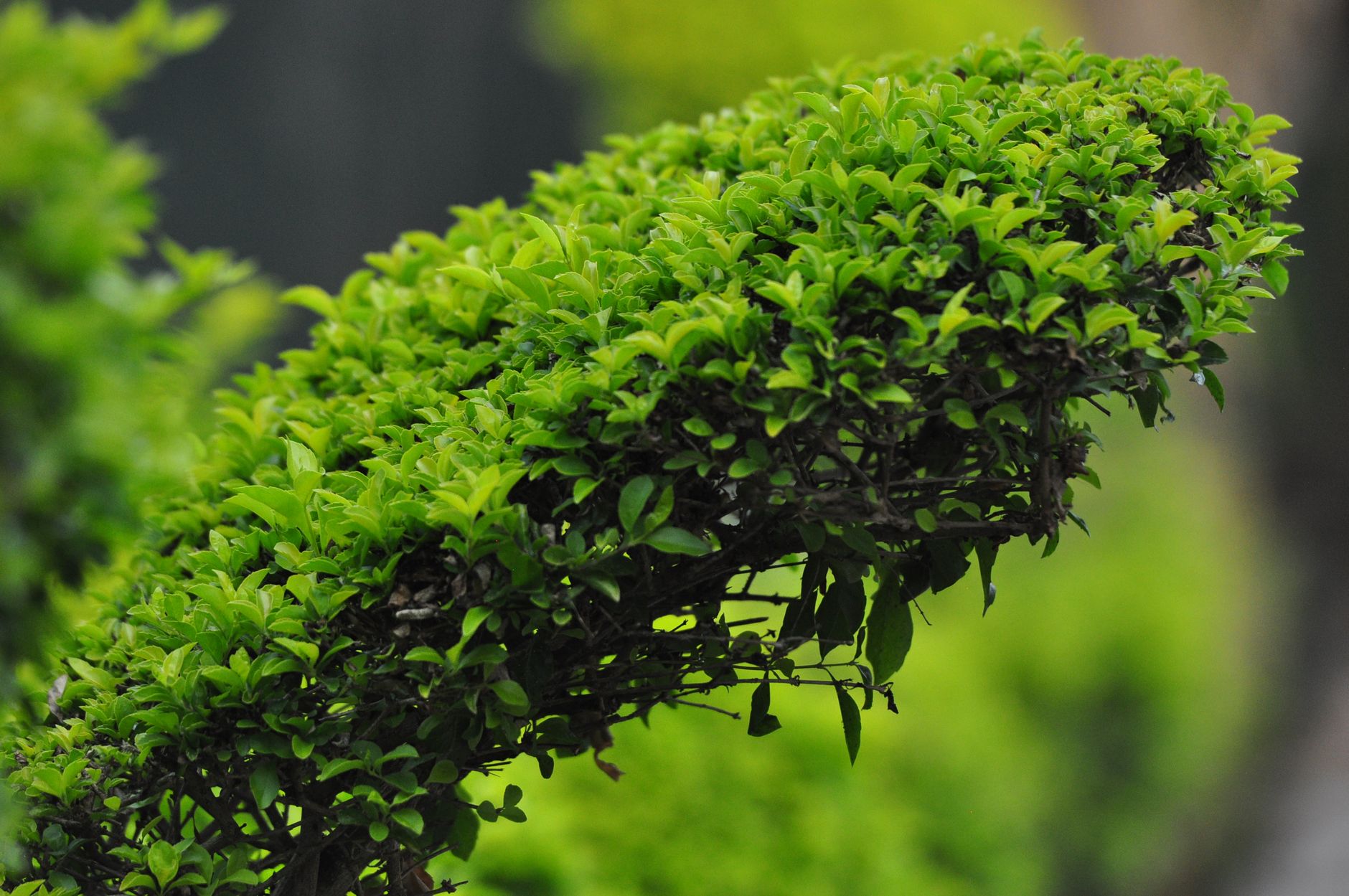
Reclaiming Your Garden's Fullness: Understanding Leggy Shrubs
You know that feeling, don't you? That moment when you step out into your garden, cup of tea in hand, admiring your hard work, and then your eyes land on that shrub. The one that used to be a glorious, leafy mound, but now looks like it's trying to do a high-kick with bare, woody legs. Its lower foliage is sparse, the growth is spindly at the top, and it just looks… leggy. It creates an awkward gap in your planting scheme, doesn't it? Especially here in my 800 sq ft Midlands garden, where every square inch counts, a leggy shrub isn't just an eyesore; it's wasted potential.
I've been there, staring at a once-proud Forsythia that had become a tangled mess of woody stems, or a Viburnum tinus that was all top and no bottom. For five years now, ever since I swapped my IT desk for a trowel, I've been on a mission to understand and rejuvenate these tired, leggy shrubs. I've spent countless hours, and yes, made my fair share of blunders, trying to figure out what truly works here in our often-unpredictable British weather. This isn't about replacing; it's about restoring. It's about giving those established beauties a new lease on life, filling those unsightly gaps with vibrant, dense foliage from the ground up. In this article, I'm going to share the practical, hands-on strategies I've perfected in my own UK garden – from strategic pruning to clever layering and even understanding light microclimates – to get your shrubs looking their best again.
Why Shrubs Go Leggy: Root Causes & Assessing Your Plant's Potential
So, why do our beloved shrubs decide to show off their knobbly knees? It's a question I've pondered many a time while surveying my own plants. Understanding the "why" is the first crucial step to figuring out the "how" to fix it. From my experience here in the UK, it usually boils down to a few key factors:
Insufficient Light: The Silent Culprit
This is, by far, the most common reason I've encountered for legginess. Shrubs need light to produce foliage, especially at their base. If the lower leaves aren't getting enough sun, the plant prioritises growth higher up, reaching for the light, and those lower branches simply give up and drop their leaves. In my garden here in the Midlands, with our often-grey skies and the way our sun tracks lower in winter, I've learned that even a slight shift in light can make a huge difference. I made the classic mistake of planting a vigorous climbing rose, 'Gertrude Jekyll', too close to a young Skimmia japonica. Within a couple of seasons, the Skimmia's lower branches were completely overshadowed, leading to bare stems and a very sad-looking plant.
Improper Pruning (or Lack Thereof): The Timid Approach
Ah, pruning. My former IT brain loves the logic of it, but getting it wrong can be disastrous. For years, I was too timid with my secateurs, just nibbling at the edges. I'd prune the top to keep it tidy, but never cut back hard enough to stimulate new growth from the base. This encourages the shrub to grow only from its existing upper framework, leaving the bottom sparse and woody. Many shrubs, especially those that flower on new wood, actually thrive on harder pruning. I learned this the hard way with a Buddleja 'Black Knight' that I babied for too long, ending up with a tall, leggy monster instead of a dense, floriferous bush.
Age and Natural Habit: Sometimes It's Just Life
Some shrubs, bless 'em, just get a bit long in the tooth. As they mature, many naturally become woody at the base. Think about an old Lilac bush or a well-established Cotoneaster. Their growth habit means that over time, the energy goes into maintaining the upper structure, and the lower leaves just don't get the same attention or resources. While less common as a primary cause for legginess here in our generally damp UK climate, prolonged stress from lack of water during a dry spell (remember that heatwave we had a few years back?) or nutrient deficiencies can certainly exacerbate the issue.
Assessing Your Plant's Potential
Before you grab your secateurs, take a good look at your leggy shrub. Is it generally healthy? Are there any small, dormant buds on the lower stems? This quick assessment will help you decide if rejuvenation is a viable option or if it's time to consider a new plant. I had this old Cotoneaster in a corner that looked utterly hopeless – completely bare for the bottom two feet. But when I scratched the bark lightly, I found slivers of green, a sign of life! That gave me the confidence to try.
Here's a quick guide to help you assess your plant:
| Leggy Shrub Type/Cause | Common UK Examples | Recovery Potential | Randy's Notes/Likely Approach (UK Context) |
|---|
Harnessing Layering: Filling Gaps with New Growth Directly from the Parent Plant
Right, so we've talked pruning, which is often the first line of attack. But what if you've got a really stubborn bare patch at the base, or you want to encourage a whole new branch to fill a specific void without waiting for a bud to miraculously appear? That's where layering comes in, and honestly, it feels like a bit of gardening magic when it works! I've found it incredibly useful in my packed 800 sq ft Midlands garden where every inch of green counts.
Layering is essentially encouraging a branch to root while it's still attached to the parent plant. This means it gets all the life support it needs until it's strong enough to stand on its own. It's a fantastic, low-stress method, especially here in the UK where sometimes our unpredictable weather can make propagating cuttings a bit of a gamble. I've successfully used ground layering on a leggy 'Miss Kim' Lilac that was looking a bit sorry for itself at the bottom, and also on a 'Black Lace' Elder (Sambucus nigra) that had a particularly gappy side.
How to Ground Layer for Basal Bushiness
- Choose Your Branch: Look for a flexible, healthy, lower branch that's close enough to the ground to bend without snapping. It wants to be at least a year old, so it's got some decent woody growth.
- Prepare the Spot: Clear away any weeds or debris from the soil directly beneath where you want the branch to root. Loosen the soil and enrich it with some good quality compost – I always chuck in a spadeful of my homemade stuff.
- Wound the Branch: About 12-18 inches from the tip of the branch, make a small wound. You can either scrape away about an inch of bark on the underside or make a small upward cut (a "tongue") about half an inch deep. This exposes the cambium layer, which is where the new roots will form. A dab of rooting hormone powder here (I use a general purpose one) can really speed things up, especially if you're dealing with a more reluctant rooter.
- Pin it Down: Gently bend the wounded part of the branch down into the prepared soil. Use a U-shaped peg (you can make these from wire, or use old tent pegs like I do!) to firmly hold it in contact with the soil. Make sure the tip of the branch is pointing upwards – you can support it with a stake if needed.
- Cover and Wait: Cover the pinned section with about 4-6 inches of soil, gently firming it down. Keep the soil consistently moist but not waterlogged. This is crucial, especially during dry spells we get in the UK, as those new roots need moisture to develop.
- Sever and Plant: Roots can take anywhere from a few months to a year to form, depending on the shrub and our British climate. Gently check for resistance by tugging on the branch after a few months. Once well-rooted, you can sever the new plant from the parent, leaving a couple of inches of the original stem attached to the new plant. Then, you can either leave it in situ to fill the gap or carefully transplant it to another spot in your garden. I’ve found leaving it where it rooted often gives the best results for filling that immediate gap.

Optimising Light Microclimates: Enhancing Lower Foliage with Reflectors and Thinning
Pruning and layering are hands-on, direct solutions, but sometimes the problem of leggy lower growth isn't just about what you cut or grow; it's about the environment around the plant. Here in the UK, especially with our often-grey skies and shorter growing seasons, every bit of light is precious. I've learned this the hard way trying to get good fruit set on my cordon redcurrants tucked away in a slightly shady corner of my 800 sq ft plot!
Leggy lower growth often happens because those leaves just aren't getting enough light to photosynthesise effectively. The plant prioritises growth higher up, where the light is better, leaving the bottom looking sparse.
Bringing Light to the Lower Levels
- Reflectors are Your Friends: This might sound a bit mad, but hear me out. If you have a particularly bare patch on a shrub that's up against a wall or fence, you can strategically place reflective surfaces to bounce more light onto the lower foliage. I've experimented with old white corrugated plastic sheets from a DIY store, even a bit of leftover Mylar film (from my greenhouse insulation experiments, don't ask!) behind a struggling 'Annabelle' Hydrangea. Even simply painting a dark fence or wall behind a shrub a lighter colour can make a noticeable difference. It's about thinking like a photographer and manipulating the light!
- Thinning the Upper Canopy: Sometimes, the problem isn't external shade, but internal. A dense upper canopy on your shrub can cast a significant shadow on its own lower branches. This is where selective thinning comes in. Beyond the rejuvenation pruning we talked about, a lighter touch can be used specifically to open up the canopy.
- How I do it: I'll step back and look for crossing branches, weak growth, or branches that are growing inwards and blocking light. I selectively remove these, aiming to create more airflow and allow sunlight to penetrate deeper into the shrub. It's not about hacking back; it's about thoughtful removal. I learned this trick when my gooseberry bushes started getting too dense, leading to powdery mildew and less fruit on the lower branches. Opening them up made a world of difference.
- Timing: For most deciduous shrubs, the best time for this kind of thinning is late winter or early spring, before new growth really kicks off. For evergreens, a light tidy-up in spring or after flowering is usually fine. Just be mindful not to overdo it, especially if we're heading into a heatwave (rare, but it happens here in the UK!). Over-thinning can expose sensitive bark to our sometimes harsh summer sun, leading to scorch.
By actively thinking about how light hits your shrubs, especially those lower areas, you can make a huge difference. It’s a subtle but powerful tool in our British gardening arsenal.
Ongoing Care & Long-Term Maintenance: Keeping Your Shrubs Bushy and Vibrant
Restoring a leggy shrub isn't a one-and-done job, trust me! It's an ongoing relationship, a bit like tending to your favourite heirloom tomatoes – they need consistent care to keep producing. In my 5+ years of intensive gardening here in the UK Midlands, I’ve learned that regular, thoughtful maintenance is what truly transforms a tired-looking plant into a vibrant, bushy specimen that brings joy year after year.
Once you’ve done the hard work of strategic pruning, layering, and light optimisation, you need to keep up the momentum. This involves a few key areas:
Consistent Care for Continued Vigour
- Regular, Light Pruning: Forget the drastic annual chop once your shrub is looking good. Instead, adopt a "little and often" approach. I usually do a light prune on my 'David Austin' roses every year after flowering, just to keep their shape and encourage new basal shoots. For many shrubs, this means snipping out weak, diseased, or crossing branches as they appear, and lightly shaping to maintain density. The goal is to encourage new growth from the base without letting it get too dense and shady.
- Feeding for Fuel: New growth, especially after rejuvenation pruning, is hungry work for a plant. I swear by a good balanced organic feed in spring, especially after a harsh Midlands winter. Something with a good NPK balance (like a general-purpose granular feed or well-rotted farmyard manure) provides the nutrients needed for strong stem and leaf development. I tend to avoid too much high-nitrogen feed later in the season, as it can encourage soft, sappy growth that's more susceptible to pests and diseases – not what you want when our British weather can turn on a sixpence!
- Watering Wisely: Even in the UK, we get dry spells, and new growth is particularly thirsty. Keep an eye on the soil moisture around your shrubs, especially during their active growing season (spring and summer). Deep, infrequent watering is better than shallow daily sprinkles, as it encourages roots to delve deeper, making the plant more resilient.
- Mulching Matters: My go-to is homemade compost or well-rotted manure applied in a thick layer (2-3 inches) around the base of the shrub in spring. This isn't just about aesthetics; it helps suppress weeds (reducing competition for water and nutrients), conserves soil moisture (a godsend during summer droughts!), and slowly releases nutrients back into the soil. It’s a win-win-win.
- Pest and Disease Watch: Healthy, vigorous plants are generally more resistant, but it's always worth keeping an eye out. Common UK issues like aphids on new shoots, or powdery mildew during humid spells, can set back your shrub's progress. Early detection and organic treatments (like a blast of soapy water for aphids) are always best.
Pruning Approaches for Leggy Shrubs: A UK Gardener's Guide
To help you keep track of the different pruning methods we’ve discussed, here’s a quick comparison based on my experience here in the UK:
| Pruning Approach | Best For | Timing (UK Conditions) | Key Benefits | Randy's Tips for UK Gardeners |
|---|---|---|---|---|
| Rejuvenation (Hard) Pruning | Severely leggy, neglected, or overgrown shrubs; good for multi-stemmed deciduous shrubs. | Late winter/early spring (Feb-March), before new growth. | Triggers strong new basal growth; completely resets the plant. | Only for shrubs that tolerate hard pruning (e.g., Dogwood, Forsythia). Avoid just before a late frost. |
| Selective Pruning | Moderately leggy shrubs, maintaining shape, encouraging specific new growth. | Late winter/early spring for deciduous; after flowering for evergreens. | More controlled growth; maintains plant structure; less shock than hard pruning. | Identify dead, weak, or crossing branches. Aim for gradual improvement over several seasons. |
| Maintenance Pruning | Ongoing care for established, healthy shrubs; light shaping. | Annually, after flowering or in dormant season, depending on shrub type. | Keeps plants vigorous, shapely, and prevents future legginess; promotes airflow. | "Little and often" is key. Remove spent flowers and any unruly growth throughout the season. |
| Thinning the Canopy | Shrubs with dense upper growth shading lower branches; improving light penetration. | Late winter/early spring, or after main flush of growth. | Increases light to lower foliage; improves air circulation; reduces disease risk. | Step back often to assess. Don't remove more than 20-30% of the canopy at once. Careful if a heatwave is predicted. |
Conclusion: Embrace the Journey to a Fuller Garden
Well, there you have it, fellow gardeners! Restoring dense lower foliage to those leggy, established ornamental shrubs in your garden might seem like a daunting task at first, but I hope I've shown you that with a bit of patience, observation, and the right strategic actions, it's totally achievable. It’s a journey, not a sprint, and one that I’ve found incredibly rewarding in my own UK garden.
We've covered quite a bit, from understanding why your shrubs go leggy – often a battle against our variable British weather or simply a lack of light – to the practical steps you can take. Remember, it all starts with understanding your specific plant and its potential. Then, it's about getting stuck in with strategic pruning, whether that's a bold rejuvenation cut or a more selective approach. Don't forget the subtle magic of layering, literally coaxing new growth directly from the parent plant, or the clever tricks of optimising light microclimates with reflectors and thinning. And finally, the ongoing love and care through consistent pruning, feeding, and watering will keep your shrubs looking their best for years to come.
I've made my fair share of mistakes along the way, believe me. I once thought a severe prune would fix everything, only to learn some shrubs just don't bounce back well from that kind of shock here in our climate. But those learning experiences are what make us better gardeners. What works here in Britain often requires a bit of adaptation, a bit of trial and error in our own backyards.
So, don't be disheartened if it doesn't work overnight. Gardening is about connection, patience, and the sheer joy of seeing something flourish under your care. Go on, get out there and give it a go! Your shrubs, and your garden, will thank you for it.
I'd love to hear about your own experiences! Have you had success with a particular shrub? Any layering triumphs or light-optimising hacks you swear by? Share your stories and questions in the comments below – we're all learning from each other in this wonderful UK gardening community!