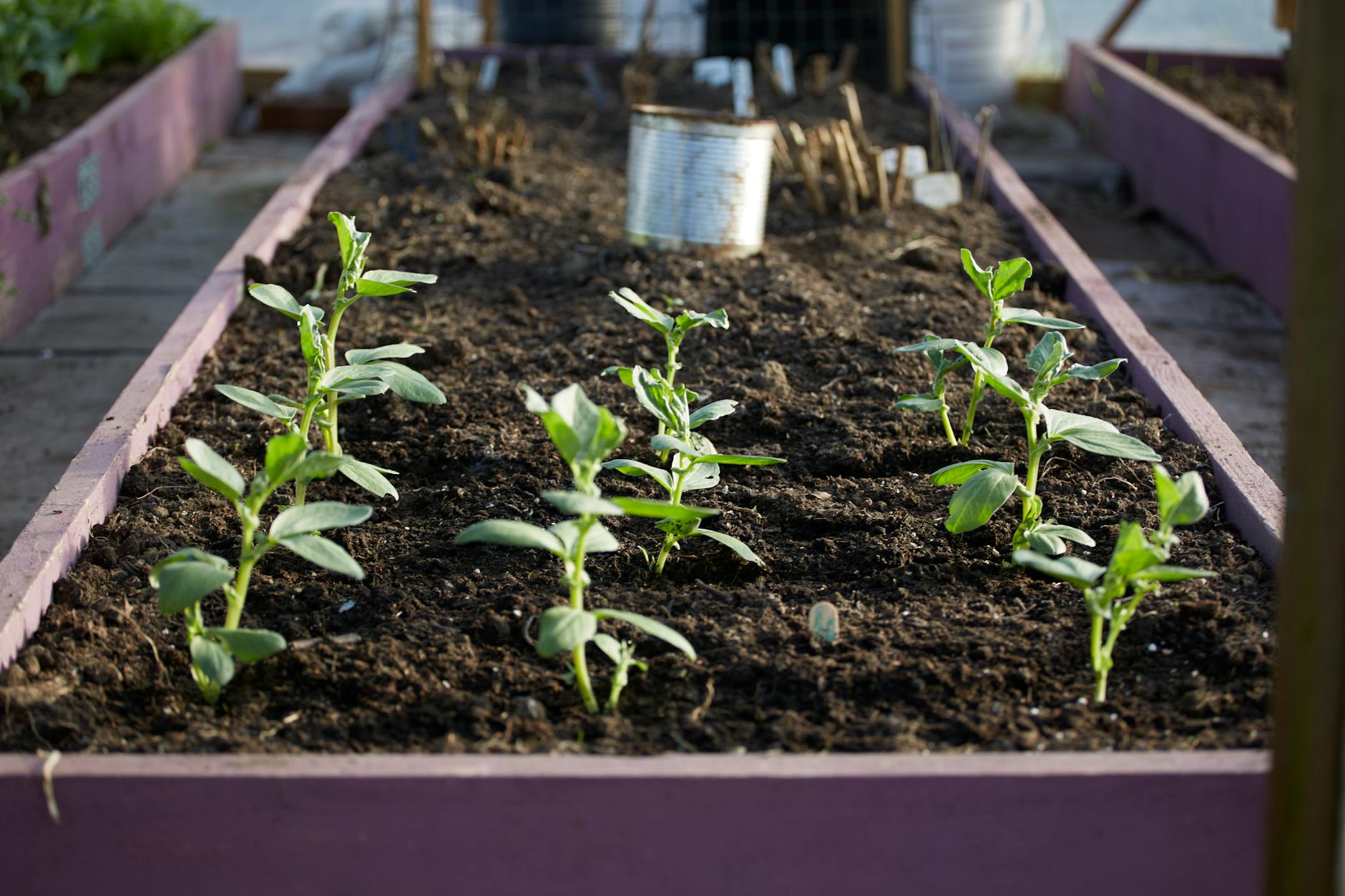
Introduction: Why Layering Your Raised Bed Saves Money and Boosts Soil Health
When I first started out on my gardening adventure five years ago, swapping my IT desk for a trowel here in the UK Midlands, I was absolutely buzzing to get my first raised beds up and running. I pictured rows of vibrant veg, juicy heirloom tomatoes ripening in my greenhouse, and fragrant herbs thriving. What I hadn't quite factored in was the sheer, eye-watering cost of filling those beauties! Bag after bag of shop-bought compost quickly added up, and my initial enthusiasm started to feel a bit… expensive.
That first year, I probably spent hundreds just on filling a couple of 1.2m x 2.4m raised beds. It was a proper rookie error, driven by impatience and a lack of knowledge. I learned quickly that buying enough bagged compost to fill an 800 sq ft garden packed with beds like mine just wasn't sustainable, either for my wallet or the environment.
That's when I stumbled upon the concept of 'lasagna gardening' – layering organic materials to build incredible, living soil from the ground up. It was a revelation! I've spent the last four seasons refining this technique in my own UK garden, experimenting with different materials, seeing what breaks down best in our unpredictable British weather, and trust me, it’s a game-changer. Not only does it drastically cut down on costs, but it also creates a rich, diverse, and incredibly healthy soil ecosystem that my plants absolutely adore. It’s about building soil, not just buying it.
Understanding the 'Lasagna Gardening' Method for Raised Beds
So, what exactly is lasagna gardening? Well, it's nothing to do with pasta, thankfully! It's simply a method of filling your raised beds by layering different organic materials, much like you'd layer ingredients in a lasagna. You're essentially building a slow-release compost pile right inside your bed, mimicking how nature builds soil on a forest floor.
In my UK garden, I've found this method to be incredibly effective. It works by creating a diverse environment for beneficial microbes, worms, and other soil life, who then break down the layers into nutrient-rich humus. This process naturally improves soil structure, drainage (crucial for those soggy British winters!), and water retention (a lifesaver during our unexpected summer dry spells). It's a living, breathing soil factory right in your backyard.
Instead of a lifeless block of bagged compost that can compact over time, you create a vibrant, aerated medium that encourages strong root growth. Plus, as the layers decompose, they slowly release nutrients, providing a steady food source for your plants throughout the growing season. I've noticed a distinct difference in the vigour and health of plants grown in my layered beds compared to those I filled purely with bought compost in my early days.

The Core Principle: Browns and Greens
The 'recipe' is simple: you alternate layers of 'brown' (carbon-rich) materials with 'green' (nitrogen-rich) materials. Think of the browns as the bulk and structure, and the greens as the activators and nutrient boosters. Getting the balance right is key, but honestly, it's quite forgiving. I've made mistakes over the years, sometimes adding too much woody material and watching it break down slower, or too many grass clippings which can get a bit slimy, but the soil always finds its equilibrium in the end. It's all part of the learning curve here in the Midlands!
Budget Base Layers: Carbon-Rich 'Browns' to Fill the Bulk
These are your foundation, the 'bulk' of your raised bed fill. Carbon-rich 'brown' materials break down slowly, provide excellent structure, improve drainage, and are usually the cheapest – or even free – to source. This is where you really save your money, especially when filling a deep raised bed. I've often used these layers to fill the bottom 30-50cm (12-20 inches) of my deepest beds, which makes a massive difference to the amount of precious topsoil or bought compost I need.
In my 800 sq ft garden, I'm constantly on the lookout for free brown materials. It’s amazing what you can gather if you keep an eye out! One mistake I made early on was being too fussy; now, if it’s organic and brown, I’ll find a place for it.
| Material | Pros (UK Focus) | Cons (UK Focus) | Randy's Tip
5. The All-Important Top Layer: Crafting Your Growing Medium
Right, you’ve got your bulk layers nicely tucked away, cooking down and creating that beautiful internal warmth. Now it’s time for the crown jewel – the top layer. This is where your precious seedlings and young plants will actually root, grow, and thrive. You can have the best base layers in the world, but if your top few inches aren't up to scratch, your plants will tell you about it!
In my 800 sq ft Midlands garden, I’ve experimented with countless mixes for this final layer. The goal is always the same: something free-draining yet moisture-retentive, full of accessible nutrients, and light enough for delicate roots to explore. Shop-bought 'topsoil' or 'raised bed compost' can be incredibly expensive, so crafting your own is where the real budget savings come in, and often, better results too.
My go-to recipe for the top 6-8 inches (15-20cm) of a raised bed is a blend I’ve refined over the years:
- 50% High-Quality Compost: This is the backbone. Ideally, it's homemade compost from your own bin – nothing beats it for nutrient diversity and microbial life. If you're buying, look for peat-free, organic multipurpose compost. I’ve found that even the cheaper brands benefit greatly from being mixed with other materials.
- 25% Well-Rotted Manure or Leaf Mould: This adds a slow-release nutrient boost and dramatically improves soil structure. Well-rotted horse manure (from a trusted source) is brilliant, as is leaf mould you've made yourself from last autumn's fallen leaves. It's gold for worms and soil life.
- 15% Garden Soil (Your Own or Loam): Incorporating some of your native garden soil, if it’s decent, helps integrate the new bed with your local ecosystem. It introduces local microbes and minerals, helping plants adapt. If your garden soil is heavy clay like mine, I'd go for less, maybe 10%, and ensure it's well broken down. If you're starting from scratch with no garden soil, a good quality loam is fine, but adds cost.
- 10% Perlite or Horticultural Grit: This is crucial for drainage and aeration, especially here in the UK with our often-damp conditions. It stops the soil compacting and getting waterlogged, which is a death knell for many vegetable roots. I've learned this the hard way with carrots – nothing worse than forked, stunted roots because the soil was too heavy!
Mix these components thoroughly before adding them to the bed. You're aiming for a dark, crumbly, lovely-smelling medium that feels light in your hands. This mix provides a fantastic environment for everything from my favourite 'Gardener's Delight' cherry tomatoes to 'Charlotte' potatoes and 'Paris Market' carrots.
6. Smart Sourcing: Where to Find Free and Low-Cost Materials in the UK
This is where the real fun begins and your inner scavenger comes out! One of the biggest lessons I've learned in my five years of intensive gardening here in the UK is that you don't need a massive budget to create incredible growing spaces. The key is knowing where to look for those precious free and low-cost materials. It takes a bit of legwork and networking, but the rewards are huge.
Here's my personal go-to list for sourcing materials for my raised beds here in the Midlands:
- Local Tree Surgeons: These guys are goldmines! They often have more wood chips, logs, and branches than they know what to do with. I’ve built relationships with a couple of local firms, and they'll often drop off a whole load of wood chips for free (or a very small fee) if they're working nearby. Just be clear about what you need and where to dump it. This is how I filled the base of my largest 10ft x 4ft raised bed.
- Council Green Waste & Composting Facilities: Many local councils across the UK operate green waste sites where you can often buy huge bags or even trailer-loads of compost or soil conditioner for a fraction of the price of garden centres. It's usually made from recycled garden waste, so it's a fantastic, sustainable option. I get my bulk compost for topping up from my local council facility.
- Coffee Shops & Cafes: Pop into your local independent coffee shop and ask if they give away spent coffee grounds. They're a brilliant nitrogen booster for your 'green' layers and compost heap. Most are more than happy to get rid of them.
- Stables & Farms: If you have any local stables or farms, ask about well-rotted horse or cow manure. Farmers are often keen for it to be taken away. Crucially, make sure it's well-rotted – fresh manure can burn plants. Also, ask if the animals have been treated with any persistent herbicides, as these can linger and cause problems in your beds. I learned this the hard way when a batch of fresh manure killed off my first attempt at 'Bloody Butcher' tomatoes in one bed!
- Cardboard Boxes & Newspapers: Keep saving those Amazon delivery boxes and old newspapers. They're perfect for weed suppression, adding carbon, and providing a home for worms. Ask friends and family to save theirs too.
- Friends, Neighbours & Allotment Holders: Spread the word! If you're building raised beds, people often have garden waste, leaves, or even old compost they're happy to share. My allotment neighbour once gave me a whole trailer full of comfrey leaves – a fantastic 'green' layer and liquid feed ingredient.
- Your Own Garden: Don't forget your own plot! Grass clippings, fallen leaves in autumn (my favourite for making leaf mould!), spent plants (if disease-free), prunings, and kitchen scraps (veg and fruit peels) are all free and fantastic materials.

A word of caution: always be mindful of where your materials are coming from. Avoid anything that looks diseased, has a lot of persistent weeds (like bindweed roots), or might be contaminated with chemicals. A quick chat with the source can save you a lot of heartache down the line.
7. Step-by-Step Assembly and Long-Term Raised Bed Care on a Budget
Okay, you've gathered your treasure trove of materials, and you're ready to build! This is where the magic happens. Don't rush it; enjoy the process – you're literally building the foundation for years of delicious harvests.
Step-by-Step Assembly:
- Prepare the Base: If your raised bed has an open bottom (most do, for good drainage and root access to the subsoil), I highly recommend laying down a good thick layer of cardboard at the very bottom. This acts as a brilliant weed barrier, suppresses grass, and slowly breaks down, adding carbon. Overlap the pieces generously.
- The 'Brown' Bulk Layer: Start with your largest, slowest-to-decompose 'brown' materials. This means logs, thicker branches, and coarse wood chips. Fill the bottom 12-18 inches (30-45cm) of your bed with these. Compact them lightly – you can even stand on them a bit. This creates air pockets and excellent long-term drainage.
- First 'Green' Layer: Next, add a layer of nitrogen-rich 'greens' directly on top of your browns. Think grass clippings, fresh leaves (not too thick, they can go slimy), kitchen scraps, or a thin layer of fresh manure. This helps kickstart decomposition.
- Alternating Layers: Continue to alternate layers of 'browns' (shredded cardboard, newspaper, finer wood chips, old straw) and 'greens' (more grass clippings, coffee grounds, compost, spent plants). Aim for roughly two parts brown to one part green for ideal decomposition.
- Water, Water, Water! As you add each layer, especially the thicker ones, give it a good soak with water. This is critical. Decomposition is a moist process, and water helps compact the materials and eliminates air pockets. I learned this when my first raised bed settled far more than I expected because I hadn't watered enough during assembly.
- The Top Growing Medium: Once you're about 6-8 inches (15-20cm) from the top of your bed, it's time for your carefully crafted top layer (as discussed in Section 5). Spread this evenly and gently moisten it.
- Settle and Wait (if you can!): Once filled, give the whole bed a really thorough watering until water drains from the bottom. Then, if you have the patience, let it sit for a week or two. The layers will settle, and the initial decomposition will begin. You’ll likely find you need to top it up with a bit more of your growing medium after this initial settling.
Long-Term Raised Bed Care on a Budget:
- Topping Up Annually: Your raised bed isn't a static entity. The materials inside will decompose and compact, meaning the level will drop. Each spring, I usually add another 2-4 inches (5-10cm) of my homemade compost mix or a good quality soil conditioner to my beds. This keeps the nutrients high and the level topped up.
- Mulching is Your Best Friend: Mulch, mulch, mulch! A 2-3 inch layer of organic mulch (straw, wood chips, shredded leaves, grass clippings – once dried slightly) around your plants does wonders. It suppresses weeds, conserves moisture (critical during our sometimes-dry British summers), regulates soil temperature, and slowly breaks down, adding continuous nutrients. This saves you water and time weeding!
- Compost Tea & Liquid Feeds: Instead of expensive bottled feeds, make your own! Compost tea (soaking compost in water for a few days) and comfrey tea (fermenting comfrey leaves in water) are fantastic, free, nutrient-rich liquid feeds for hungry plants like tomatoes, courgettes, and brassicas. I keep a bucket of comfrey tea brewing near my greenhouse most of the summer.
- Crop Rotation: Practice good crop rotation within your raised beds. This helps prevent disease build-up and ensures different plants draw different nutrients from the soil, maintaining balance.
- Continuous Organic Matter: Don't stop adding organic matter! When a plant finishes cropping, chop it up and dig it back into the soil (if it's healthy). Add fresh grass clippings (thin layers), leaf mould, or kitchen scraps directly to the surface throughout the season, allowing the worms to pull them down.
Conclusion: Your Budget-Friendly Raised Bed Adventure Starts Now!
Phew! We've covered a lot, haven't we? From understanding the magic of the Lasagna Gardening method to smart sourcing and long-term care, I hope I've shown you that creating a thriving raised bed doesn't have to cost the earth – quite literally!
My own journey from a bewildered IT worker to an obsessed UK gardener has taught me that the best gardening often comes from working with nature, being resourceful, and not being afraid to get your hands dirty. Filling your raised beds with layers of organic matter isn't just a budget-friendly trick; it's a fundamental principle of building healthy, living soil that will reward you with abundant harvests year after year.
Here in my 800 sq ft Midlands garden, these layering strategies have transformed my growing space. I've seen my 'Moneymaker' cucumbers flourish, my 'Giant Winter' spinach thrive even in dodgy British weather, and my 'Cherokee Purple' heirloom tomatoes (in the greenhouse, naturally!) produce fruit bursting with flavour, all thanks to the rich, healthy soil I've built from the ground up.
So, don't be daunted. Start small if you need to, gather your materials, and get layering. You'll be amazed at the difference it makes. Not only will you save money, but you'll also be creating a sustainable, vibrant ecosystem right there in your own garden. The satisfaction of pulling a perfect carrot from soil you've lovingly created is truly one of life's greatest pleasures.
Now, go forth, build those beds, and share your experiences! I'd love to hear what free materials you've managed to source and what wonderful things you're growing in your budget-friendly raised beds. Happy gardening!