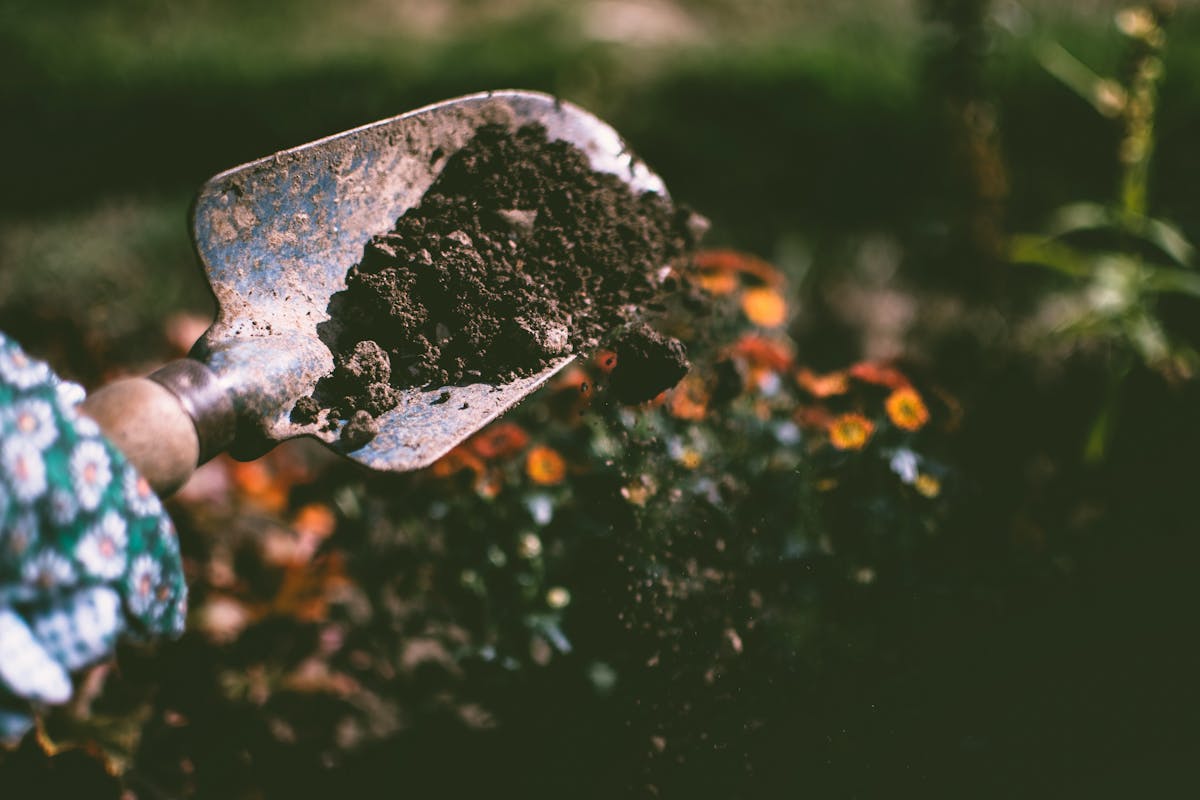
Container gardening is an excellent way to grow plants when you have limited space or want more control over your growing environment. Whether you live in an apartment with a small balcony or simply want to add greenery to your patio, container gardening offers flexibility and beauty.
Why Choose Container Gardening?
Container gardening provides numerous advantages for both novice and experienced gardeners:
- Space Efficiency: Perfect for balconies, patios, and small yards
- Mobility: Move plants to optimize sunlight or protect from weather
- Soil Control: Use the perfect soil mix for each plant type
- Pest Management: Easier to monitor and control pests
- Accessibility: Ideal for those with mobility challenges
Choosing the Right Containers
The container you choose significantly impacts plant health and growth. Here are key considerations:
Container Materials Comparison
| Material | Pros | Cons | Best For |
|---|---|---|---|
| Terracotta | Breathable, classic look, affordable | Heavy, can crack in frost | Herbs, succulents |
| Plastic | Lightweight, retains moisture, inexpensive | Less breathable, can degrade in sun | Vegetables, annuals |
| Ceramic | Beautiful, good insulation | Heavy, expensive, can crack | Ornamental plants |
| Wood | Natural look, good insulation | Can rot, needs treatment | Large plants, trees |
| Metal | Durable, modern aesthetic | Heats up quickly, can rust | Decorative use |
Size Matters
Container size directly affects plant health. Here's a quick reference guide:
| Plant Type | Minimum Container Size | Depth Required |
|---|---|---|
| Herbs (basil, parsley) | 6-8 inches diameter | 6-8 inches |
| Lettuce & Greens | 8-10 inches diameter | 6-8 inches |
| Tomatoes | 14-18 inches diameter | 12-18 inches |
| Peppers | 12-14 inches diameter | 10-12 inches |
| Root Vegetables | 12 inches diameter | 12-18 inches |
| Dwarf Fruit Trees | 20-24 inches diameter | 18-24 inches |
Essential Drainage
Proper drainage is critical for container success. Without it, roots can rot and plants will suffer. Every container must have drainage holes in the bottom. Add a layer of gravel or broken pottery pieces at the bottom to prevent soil from blocking drainage holes.
The Perfect Soil Mix
Never use garden soil in containers—it's too dense and can harbor diseases. Instead, create or purchase a quality potting mix:
Basic Container Mix Recipe:
- 60% peat moss or coconut coir
- 30% perlite or vermiculite
- 10% compost
This combination provides excellent drainage while retaining adequate moisture and nutrients.
Best Plants for Container Gardening
Vegetables
- Tomatoes: Cherry and determinate varieties work best
- Peppers: Both sweet and hot varieties thrive in pots
- Lettuce: Grows quickly and tolerates partial shade
- Radishes: Fast-growing and space-efficient
- Beans: Bush varieties are ideal for containers
Herbs
- Basil: Loves warmth and full sun
- Parsley: Tolerates partial shade
- Mint: Vigorous grower (keep contained!)
- Thyme: Drought-tolerant and compact
- Cilantro: Prefers cooler weather
Flowers
- Petunias: Colorful and low-maintenance
- Marigolds: Pest-deterrent and cheerful
- Geraniums: Classic container plant
- Pansies: Cool-season beauties
- Impatiens: Perfect for shade
Watering Guidelines
Container plants dry out faster than in-ground plants. Check soil moisture daily by inserting your finger 1-2 inches deep. Water when the top inch feels dry.
Watering Tips:
- Water thoroughly until it drains from the bottom
- Water in the morning to reduce disease risk
- Use room-temperature water when possible
- Consider self-watering containers for convenience
Fertilizing Container Plants
Container plants need regular feeding since nutrients wash out with watering. Use a balanced, water-soluble fertilizer every 2-3 weeks during the growing season, or incorporate slow-release fertilizer into the soil at planting time.
Common Mistakes to Avoid
- Overcrowding: Give plants room to grow
- Poor Drainage: Always ensure adequate drainage holes
- Wrong Soil: Use proper potting mix, not garden soil
- Inconsistent Watering: Establish a regular schedule
- Ignoring Sunlight Needs: Match plants to available light
Seasonal Maintenance
Spring: Refresh soil, start new plantings, increase watering
Summer: Water frequently, deadhead flowers, monitor for pests
Fall: Plant cool-season crops, reduce fertilizing
Winter: Protect containers from freezing, reduce watering
Container gardening opens up a world of possibilities regardless of your space limitations. Start small, learn as you grow, and enjoy the satisfaction of nurturing plants in your own creative containers.