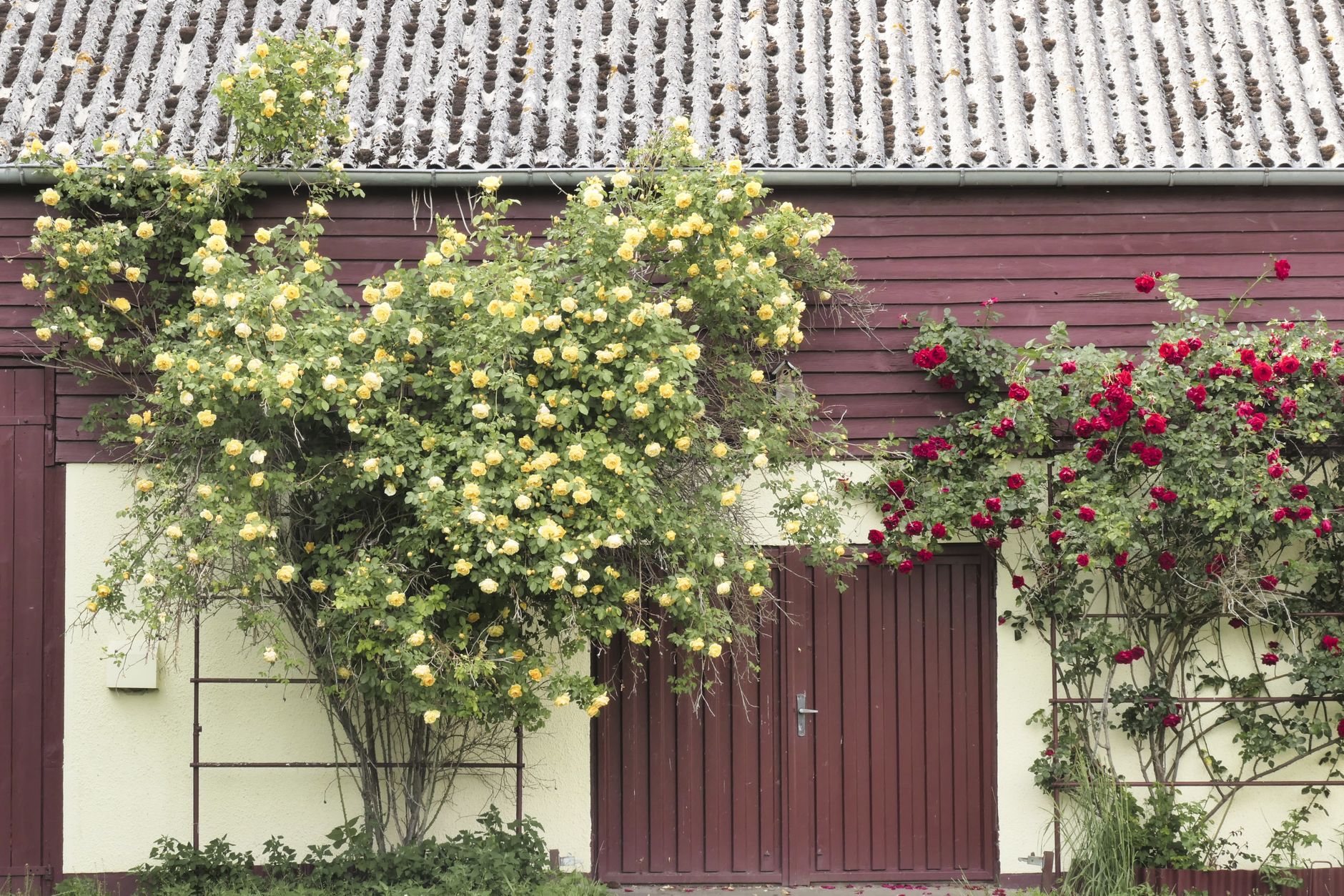
Introduction: Elevating Your Garden with Climbers on Established Trees
Right, let's talk about something I'm absolutely obsessed with these days: breathing new life into those stately, established trees in our gardens by letting climbing roses and clematis scramble up them. For years, my 800 sq ft backyard here in the UK Midlands has been a whirlwind of raised beds, heirloom tomatoes in the greenhouse, and herbs spilling out of pots. But I always looked at the mature apple tree in the corner, or the old oak just beyond the fence, and thought, "There's so much vertical space going begging!"
I’ve learned a fair bit since I left the IT world behind five years ago to get my hands properly dirty. One of my big realisations has been how much potential we often overlook in our gardens, especially when space is at a premium, like it often is for us British gardeners. Growing climbers up trees isn't just about saving ground space; it's about creating these incredible, living sculptures that change with the seasons. Imagine a bare winter silhouette suddenly bursting into bloom with a cascade of roses and clematis – it's pure magic, honestly.
Now, I'm not going to pretend it's as simple as just planting a rose at the base and walking away. Oh no, I've made my share of mistakes trying to rush things or not thinking through the practicalities, especially with our wonderfully unpredictable British weather throwing curveballs. The trick, I've found, is doing it safely – for both the climber and, crucially, for the tree. We need to prevent girdling, manage root competition, and ensure both plants can thrive without one choking the other out. That's exactly what I want to share with you today, based on my own trial and error right here in my UK garden. It’s a bit of an art, a bit of a science, and a whole lot of patience, but the results are absolutely worth it.
Selecting the Perfect Pair: Rose & Clematis Varieties for Tree Support
Choosing the right rose and clematis to grow up an established tree is probably the most crucial step, in my opinion. It's not just about what looks pretty; it's about finding varieties that will co-exist happily, won't overwhelm your tree too quickly, and most importantly, will actually thrive in our UK climate. I learned this the hard way when I tried to pair a particularly vigorous rambler with a slightly stressed tree – let's just say the rambler won, and the tree wasn't best pleased!
What works here in Britain, especially with our cooler summers and often damp conditions, are varieties known for good disease resistance and a manageable growth habit. You want a climbing rose that's vigorous enough to reach the tree's canopy but not so rampant it becomes a monster. For clematis, I usually lean towards Group 3 types (hard prune) because they're so forgiving with pruning and generally robust. Think about complementary bloom times too, if you can. I love having early clematis followed by the main rose flush, then a late clematis extending the show into autumn.
Here’s a look at some pairings I’ve had success with or highly recommend for UK gardens, keeping in mind they’re often best planted a little way from the tree base to avoid root competition straight away.
Recommended Climbing Rose & Clematis Pairings for UK Trees
| Feature | Climbing Rose: 'Paul's Himalayan Musk' | Climbing Rose: 'Adélaïde d'Orléans' | Climbing Rose: 'Kiftsgate' (use with caution!) | Clematis: 'Perle d'Azur' (Group 3) | Clematis: 'Etoile Violette' (Group 3) | Clematis: 'Ville de Lyon' (Group 3) |
|---|---|---|---|---|---|---|
| Growth Habit | Vigorous rambler, once-flowering | Vigorous rambler, once-flowering | Extremely vigorous rambler, once-flowering | Vigorous, large-flowered | Very vigorous, medium-flowered | Vigorous, large-flowered |
| Max Height (UK) | 8m+ (25ft+) | 6m (20ft) | 15m+ (50ft+) – needs a HUGE tree | 3-5m (10-16ft) | 3-4m (10-13ft) | 3-4m (10-13ft) |
| Flower Colour | Pale pink/white rosettes | Pinkish-white, semi-double | Creamy white, single blooms | Sky blue | Deep violet | Carmine red |
| Bloom Time (UK) | Early Summer (June) | Early Summer (June) | Early Summer (June) | Summer to Early Autumn (July-Sept) | Summer to Early Autumn (July-Sept) | Summer to Early Autumn (July-Sept) |
| Fragrance | Strong musk | Light apple scent | Moderate musky scent | None | None | None |
| Pruning Group | Group 1 (minimal) | Group 1 (minimal) | Group 1 (minimal) | Group 3 (hard prune late winter) | Group 3 (hard prune late winter) | Group 3 (hard prune late winter) |
| Disease Resist. | Excellent | Excellent | Excellent | Good | Excellent | Good |
| Best For | Large trees, cascading effect | Medium to large trees | Very large, mature trees only | Complementing most roses | Dense flowering, good contrast | Bright accent, good with pink roses |
| Randy's Tip | Plant away from trunk, train carefully | Great for smaller established trees | Seriously, be cautious! | Reliable & beautiful | My go-to for consistent colour | A classic for a reason |
Remember, these are just a few ideas. The key is to pick climbers that won't totally engulf your tree in a year or two. I generally avoid the most rampant ramblers unless I'm working with a truly enormous, ancient tree. For my own apple tree, I’ve gone with a slightly less vigorous rose and a couple of Group 3 clematis to keep things manageable and easy to prune.
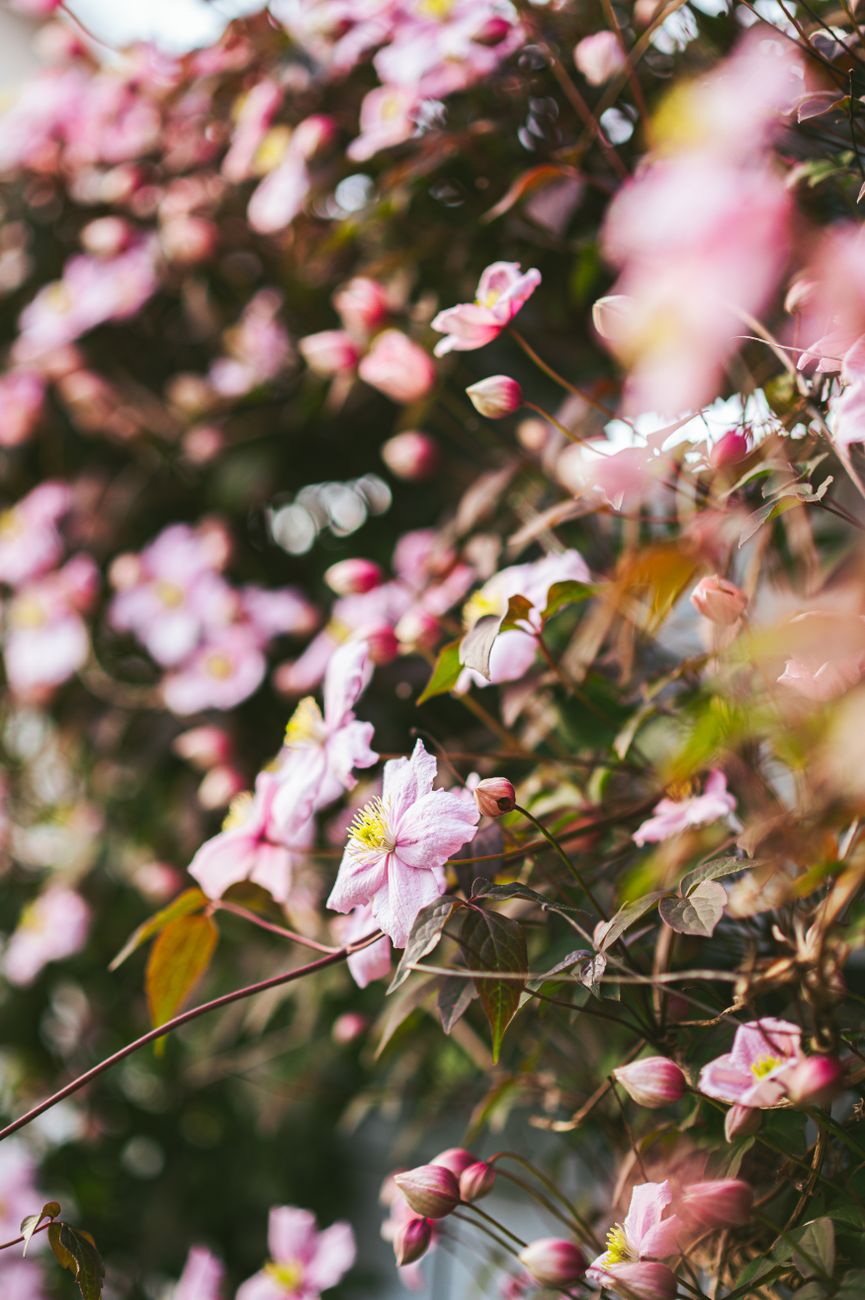
Assessing Your Tree's Suitability: Health, Species, and Structural Integrity
This is where the former IT worker in me kicks in with the 'risk assessment' – but for trees! Before you even think about planting, you absolutely must assess your host tree. This isn't just about the climber's success; it's about the long-term health and safety of your established tree. I once got a bit too excited about planting a beautiful 'Albertine' rose near a mature, but slightly declining, ash tree (before I knew better about ash dieback, mind you). Luckily, I pulled back, and it was a good job, because that tree is now showing signs of serious stress. Lesson learned: the tree comes first.
Tree Health: The Non-Negotiable Foundation
First things first: is your tree healthy? I'm talking robust, vigorous growth, healthy-looking bark, and a full canopy of leaves in summer. You're looking for signs of life and strength.
- What to look for: A strong leader, plenty of new growth each year, no significant dead branches (or very few), healthy foliage colour (not yellowing or sparse), and no obvious signs of disease or pests like cankers, fungal growths, or extensive insect damage. The bark should be intact and characteristic of the species.
- What to avoid: Any tree that looks stressed, struggling, or diseased. Young trees are also a no-go; they need all their energy to establish their own root system and canopy without competing with a vigorous climber. Avoid trees with significant rot at the base or major structural issues. If in doubt, consult a local arborist – a few quid spent now could save you a lot of heartache (and potentially a fallen tree!) later.
Tree Species: Choosing the Right Host
Not all trees are created equal when it comes to hosting climbers. Some are far more suitable than others. Here in the UK, we have a good range of native and established non-native trees that can work well.
- Good host trees: Look for strong, deep-rooted trees with sturdy trunks and branches. Trees with relatively open canopies are ideal as they allow light to reach the climber, and their bark isn't usually too delicate. Good examples include mature oaks (though they can be very competitive with roots), older apple or pear trees (my apple tree works a treat!), hawthorn, sturdy limes, and well-established sycamores. Trees with flaking bark, like some pines, can also work as they provide good grip for aerial roots.
- Trees to approach with caution (or avoid):
- Shallow-rooted trees: Birches, willows, and some maples can be easily stressed by root competition.
- Trees with dense canopies: Horse chestnuts or beeches can cast too much shade, making it hard for climbers to thrive.
- Trees with easily damaged or thin bark: Some younger trees or species like cherries can be prone to damage from the climber or its ties.
- Trees prone to specific diseases: As I mentioned with ash, if a tree species is under threat (like ash dieback), it’s not fair to add extra stress.
- Suckering trees: Trees that produce lots of suckers from their base can make management a nightmare.
Structural Integrity: Can it Take the Weight?
Finally, you need to consider the physical strength of the tree. A mature climbing rose, especially a rambler, can become incredibly heavy, particularly when wet. A vigorous clematis also adds a significant load.
- Trunk diameter: You want a substantial trunk, at least 30-40cm (12-16 inches) in diameter, to safely support the weight. For truly massive climbers, you'll need an even larger trunk.
- Branch strength: The climber will eventually spread into the tree's branches. Ensure these branches are strong and well-attached. Avoid trees with weak, brittle wood.
- Overall stability: Is the tree well-anchored in the ground? Is it exposed to strong winds that could exacerbate the load? My apple tree, for instance, is fairly sheltered in a corner of the garden, which helps.
This isn't a decision to rush. Take your time, walk around your garden, and honestly assess your trees. A healthy, robust host tree is key to a beautiful and long-lasting partnership.
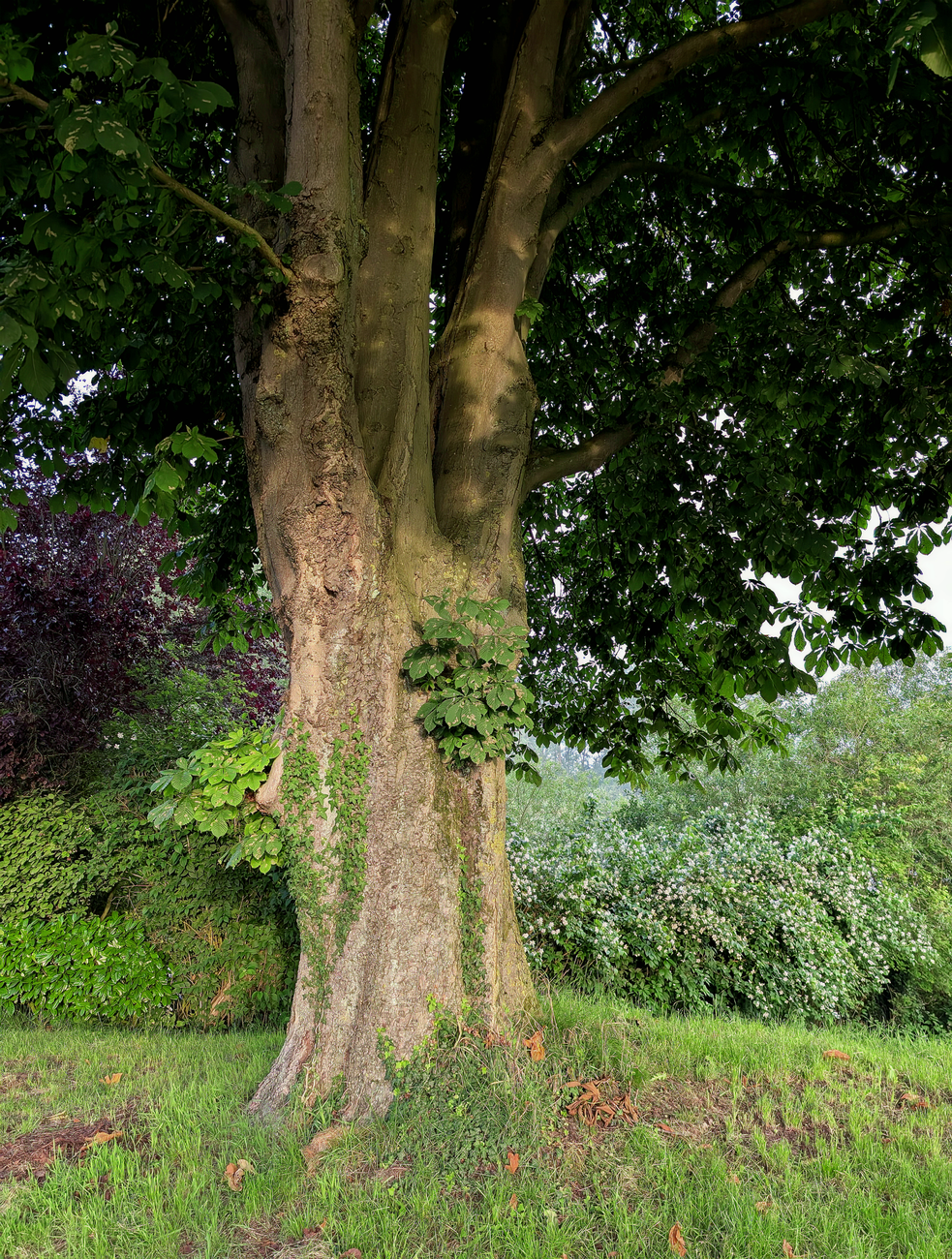
Safe Support Strategies: Attaching Climbers Without Harming Your Tree
Right, so you've picked your dream team of rose and clematis, and you've got a healthy tree ready to host them. Now comes the crucial bit: getting them up there safely. This isn't just about getting the plants to climb; it's about doing it in a way that doesn't strangle your tree in a few years' time. Believe me, I've seen it happen, and I've learned the hard way that a little thought now saves a lot of heartache (and potentially a damaged tree) later.
When I first started out, I was a bit too enthusiastic with the twine, tying things a bit too tightly, especially on a young 'Wedding Day' rambler I was training up an old apple tree in my Midlands garden. Luckily, I caught it before any real damage was done. The key is always to allow for growth – both the climber's stems and the tree's trunk and branches.
The best approach I've found is a multi-stage process. Start with temporary, gentle support for young plants, guiding them towards the tree's branches. As they grow, transition to more durable, but still flexible, attachments. I often use biodegradable jute twine for the initial stages, especially for delicate clematis stems, letting the rose grip with its thorns. Once they're a bit more established, I switch to something more robust but still gentle.
Comparing Support Materials for Climbers on Trees
Here's a quick rundown of what I've used and what I think works best here in the UK, especially considering our often windy conditions that can really whip young stems about.
| Support Material | Pros | Cons | Randy's Take (UK Context) |
|---|---|---|---|
| Jute Twine | Biodegradable, gentle on stems, easily adjustable. | Degrades quickly (needs regular replacement), can snap in high winds. | Great for initial training of young plants. I use it to get them started, but don't rely on it long-term, especially with our unpredictable British weather. Easy to snip if it gets too tight. |
| Soft Garden Ties | Flexible, reusable, gentle on stems, durable. | Can be expensive, some types aren't UV stable and degrade over time. | My go-to for more permanent support. I look for the wider, softer types (like rubberised ties or fabric strips). Always leave a good few inches of slack to accommodate tree and climber growth. Essential for preventing girdling. |
| Plastic-Coated Wire | Very durable, strong, long-lasting. | Can easily girdle if not monitored, less flexible for expansion. | Use with EXTREME caution and only for specific, stable anchors. If you use it, make sure it's thick, well-padded, and check it at least twice a year. I rarely use this directly on the tree, preferring it for anchoring to stakes near the tree. |
| Old Stockings/T-shirts | Free, soft, flexible, excellent re-use. | Not aesthetically pleasing to some, can absorb water and stay damp. | Brilliant for a frugal gardener like me! Cut into strips. They're surprisingly strong and gentle. Just make sure they're clean and free of chemicals. I use these a lot for temporary fixes or on less visible areas. |
The golden rule I live by is: always leave room for growth. When you tie a stem to a branch, make sure you can easily fit two fingers between the tie and the stem/branch. This prevents girdling as both the tree and the climber expand. I check all my ties every spring and autumn, and especially after any particularly strong gales we get here in the Midlands. It's a small job that saves a lot of headaches.
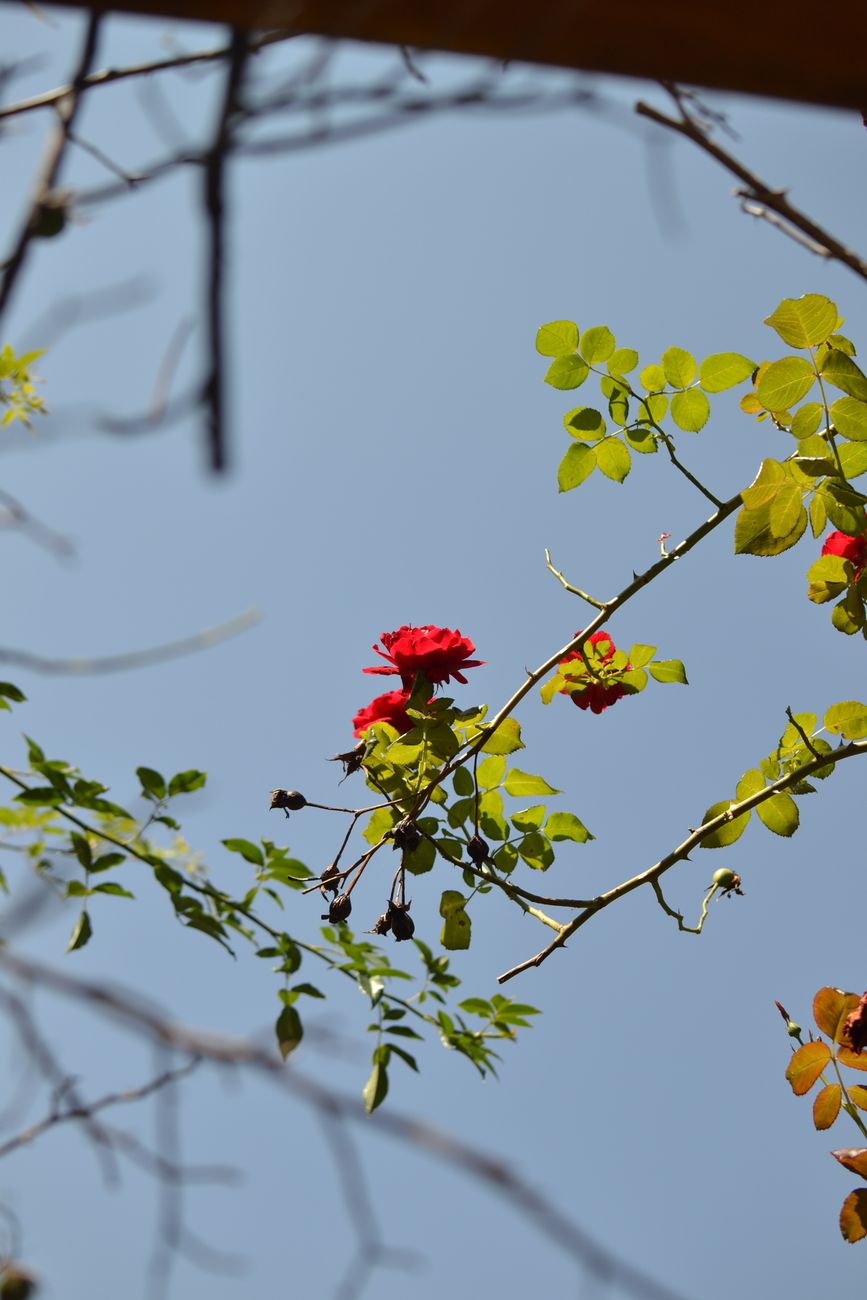
Pruning for Mutual Health: Managing Climber and Tree Growth
Pruning is where you really take charge and ensure both your beautiful climber and its host tree thrive together. It's not just about keeping things tidy; it's about airflow, light penetration, and preventing either plant from overwhelming the other. I've learned that a regular, thoughtful prune is far better than a reactive, drastic one.
Pruning Your Climbers
For roses, especially ramblers like my 'Wedding Day', the timing is key. I prune after flowering, usually late summer or early autumn here in the UK. This involves removing any dead, diseased, or damaged wood, and thinning out congested growth. Ramblers typically flower on wood from the previous year, so you're encouraging new, vigorous shoots that will bloom next season. For true climbers, which flower on older wood, I tend to prune in late winter/early spring, just before new growth starts, focusing on shaping and removing spent flowering shoots. The goal is to keep the rose from becoming a dense, impenetrable thicket that blocks out light and air from the tree.
Clematis pruning depends entirely on the group it belongs to. This is crucial, as pruning Group 1 (early flowering, like Clematis montana) at the wrong time means no flowers!
- Group 1 (Early Flowers): These need minimal pruning, usually just after flowering in late spring/early summer. I'll remove any dead or weak stems and lightly trim to manage size. My Clematis montana 'Mayleen' on the shed roof gets a tidy up then.
- Group 2 (Large-Flowered Hybrids): Prune these in late winter/early spring and again lightly after the first flush of flowers. I aim to remove dead wood and lightly cut back just above a strong pair of buds. This is where I've made mistakes, cutting too hard and losing flowers. Patience and observation are key.
- Group 3 (Late Flowers): These are the easiest! Varieties like 'Jackmanii Superba' can be cut back hard to about 30cm (1 foot) from the ground in late winter/early spring. They flower on new wood, so you're essentially encouraging a fresh start each year. I love these for their simplicity in my busy garden.
The aim with both is to guide them, not restrict them. Ensure their main stems are well-spaced, allowing light and air to pass through to the tree's foliage.
Managing the Tree's Growth
While your focus is on the climbers, don't forget the host tree. A healthy tree is a strong support. I usually give my apple tree its winter prune before the climbers are fully active, allowing me to assess its structure without the interference of rose canes. The main goals are:
- Air Circulation: Thin out any dense tree branches that are becoming too congested, especially where the climbers are growing. This helps prevent fungal diseases in both plants.
- Light Penetration: Ensure enough light can reach the tree's inner canopy and, importantly, the base of your climbers. Many roses and clematis need sun at their roots or lower stems to perform well.
- Preventing Rubbing: Check for any tree branches that are rubbing against the climber's stems or against other tree branches. This creates wounds and entry points for disease. I've had to remove a small apple tree branch that was constantly rubbing against a developing rose cane – tough decision, but necessary.
This might sound like a lot, but after a few seasons, you'll get a feel for what each plant needs. It becomes a rhythm, a dance between pruning shears and observation.
Root Zone Management: Watering, Feeding, and Preventing Competition
This is probably the trickiest part, especially here in my 800 sq ft Midlands garden where every inch of soil is precious. An established tree has a massive root system that's been there for years, soaking up water and nutrients. Introducing new plants, even climbers, means there's going to be competition. My job is to manage that competition so everyone gets what they need.
The Watering Challenge
Trees are thirsty giants. When we have our occasional dry spells here in the UK (which do happen, even if it feels rare sometimes!), your climbers at the base of a tree will be the first to suffer. The tree's roots are often closer to the surface and will grab all the available moisture.
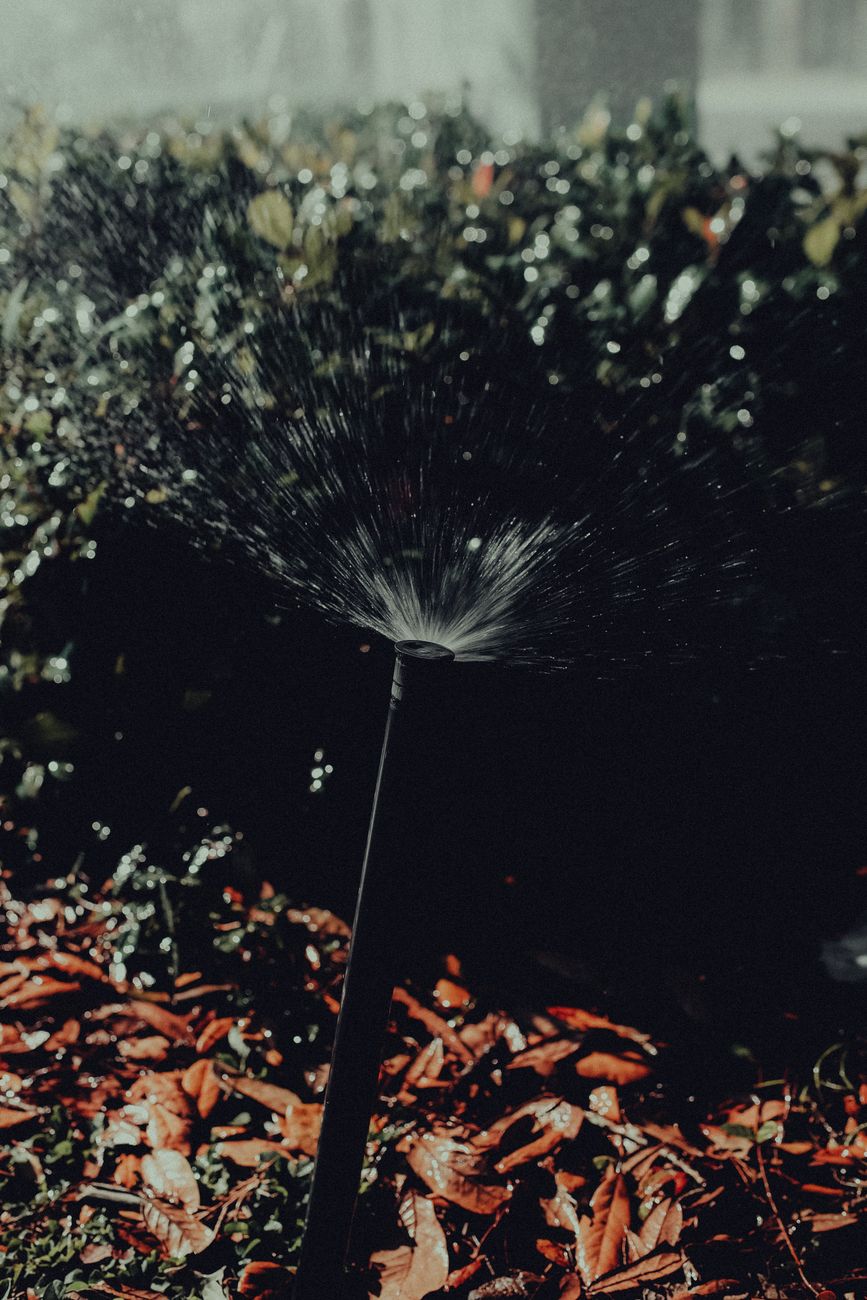
What I've learned is that surface watering often isn't enough. The water just gets intercepted by the tree's feeder roots. I've had success with a simple, low-tech solution: deep watering. I often bury a few old, bottomless plastic bottles or even a short length of drainpipe around the base of the climbers, a foot or so away from the trunk. When I water, I fill these, ensuring the water gets down past the tree's immediate root zone and directly to my rose and clematis. I aim for a good soak once or twice a week during dry periods, rather than daily dribbles. This is especially important for young plants that haven't developed extensive root systems yet.
Feeding Your Climbers
Just like water, nutrients are a battleground. Your tree is already well-established and has likely depleted a good amount of the soil's goodness. My climbers need a boost to get established and flower prolifically.
I usually feed my roses and clematis in early spring, just as they're waking up, and again after the first flush of flowers. I opt for a balanced granular feed like a good quality rose food, but for the clematis, I sometimes use a tomato feed (lower nitrogen, higher potash) once they're flowering, as it encourages blooms rather than just leafy growth. I've also found that a liquid feed of seaweed extract or homemade compost tea (from my greenhouse compost bin) every few weeks during the growing season gives them a gentle, consistent boost without overwhelming the soil.
Crucially, I apply these feeds directly around the base of the climbers, trying to avoid spreading it too widely where the tree's roots will just gobble it up.
Mulching is Your Friend
This is probably one of the easiest and most effective things you can do. A good, thick layer of organic mulch (like well-rotted garden compost or bark chips) around the base of your climbers does wonders:
- Moisture Retention: It significantly reduces evaporation, meaning less watering for you, which is a huge bonus, especially under a thirsty tree.
- Weed Suppression: Keeps those pesky weeds down, reducing competition for water and nutrients.
- Soil Improvement: As it breaks down, it slowly adds organic matter and nutrients to the soil, benefiting everyone.
I aim for a 5-10cm (2-4 inch) layer, making sure to keep it away from the tree's trunk to prevent rot. I usually top this up every autumn or spring. In my small garden, I generate a fair bit of my own compost, so it's a sustainable solution.
Conclusion: A Living Tapestry, Patiently Woven
So there you have it – the whole journey from selecting the perfect pair to nurturing them into a glorious display up your established tree. It’s a project that asks for a bit of thought, a bit of planning, and a good dose of patience, but I promise you, the rewards are immense.
For me, seeing that 'Wedding Day' rose clambering through the branches of my old apple tree, intertwined with a vibrant purple clematis, is one of the most satisfying sights in my 800 sq ft Midlands garden. It transforms a simple tree into a dynamic, living piece of art, adding a vertical dimension that’s often overlooked in smaller spaces.
We've covered a lot:
- Choosing wisely: Matching the right rose and clematis to your tree and climate.
- Assessing your tree: Ensuring it's healthy and strong enough to be a host.
- Safe support: Guiding your climbers without harming the tree, always remembering to allow for growth.
- Mindful pruning: Balancing the vigour of both plants for mutual health and stunning displays.
- Root zone care: Managing the competition for water and nutrients with targeted strategies like deep watering and mulching.
It's about creating a harmonious relationship, a partnership between plants. There will be challenges – a particularly windy spring might dislodge a stem, or a dry summer might test your watering routine. I've certainly had my share of learning curves here in my UK garden! But each challenge is an opportunity to learn and refine your approach.
Don't be afraid to give this a go. Start small, observe, and adjust. The beauty of gardening is that it's an ongoing experiment. Imagine that bare trunk or those unused branches suddenly bursting with colour and fragrance. It's truly magical. So, roll up your sleeves, grab your trusty secateurs, and let's get those climbers reaching for the sky!