Introduction: The Seed vs. Grafted Dilemma for UK Gardeners
When I first traded my IT keyboard for a trowel five years ago, diving headfirst into the wonderful world of gardening here in the UK, I thought growing fruit trees would be simple. Just pop a seed in the ground, right? Oh, how naive I was! In my 800 sq ft Midlands garden, which is now bursting at the seams with everything from heirloom tomatoes in the greenhouse to a chaotic herb patch, I've learned that the journey to homegrown fruit is a bit more nuanced, especially when it comes to the "seed vs. grafted" question. It’s a dilemma that many UK home gardeners, myself included, grapple with.
I've spent countless hours poring over horticultural books, experimenting in my own patch, and, yes, making my fair share of mistakes (like that one time I thought I could overwinter a fig tree outside without protection – our British winter had other plans!). The biggest question I often get asked is: "Can I just plant a seed from that delicious apple/plum/pear I just ate and grow my own tree?" And the answer, as with most things in UK gardening, is both a resounding "yes!" and a cautious "but…". This isn't just about saving a few quid on a sapling; it's about understanding the genetics, the time investment, and whether it truly suits our often-unpredictable British climate and our smaller garden spaces. I’m here to share my real-world experiences from my own garden – what I've tried, what worked, and what definitely didn't – to help you decide when growing from seed is a fulfilling project, and when it’s simply better to buy a well-established, grafted tree.
The Allure of Growing Fruit Trees From Seed: Why DIY?
I admit, when I first started gardening, the idea of growing an apple tree from a pip or a plum from a stone felt like pure magic. There’s something incredibly satisfying, almost primal, about nurturing a tiny seed into something that could one day bear fruit. For me, it scratches that experimental itch I have, a carryover from my IT days perhaps, but now applied to living things.
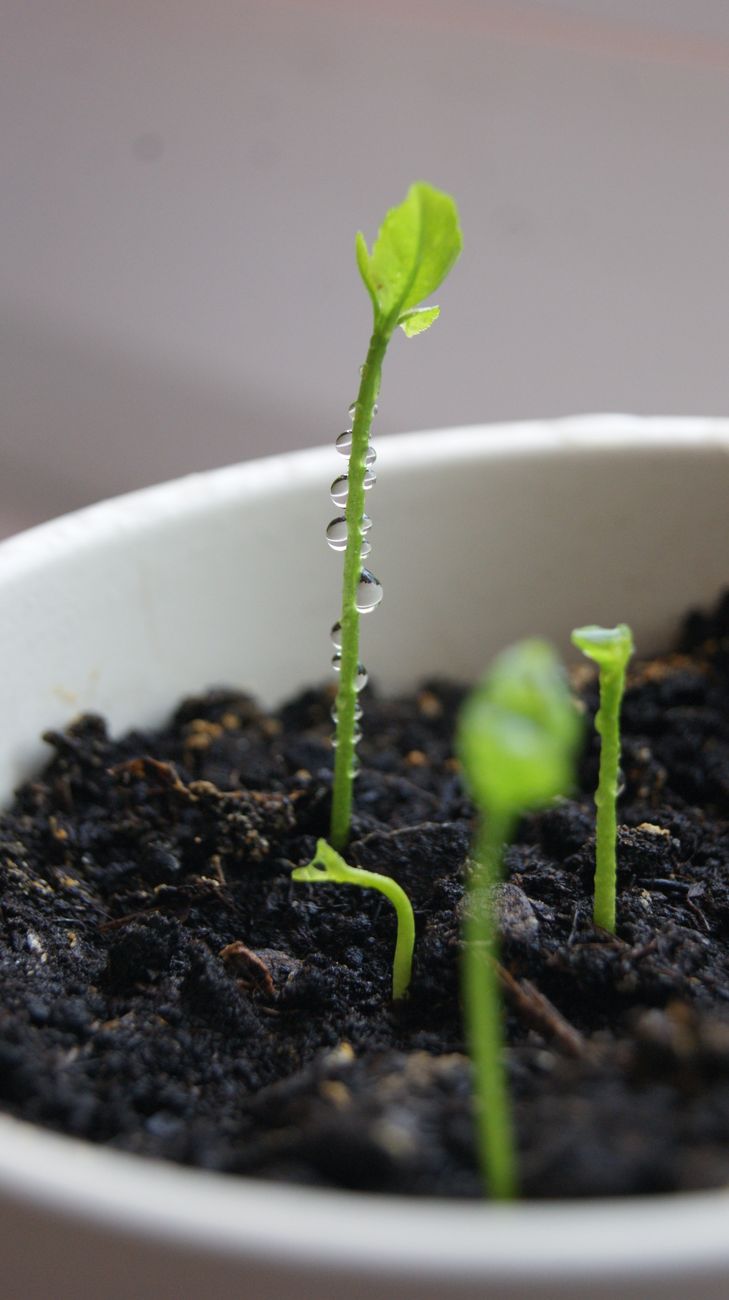
One of the biggest draws, of course, is the cost. A packet of seeds costs next to nothing, especially if you're just saving pips from your supermarket fruit. Compare that to a grafted fruit tree, which can set you back anywhere from £20 to £50 or more for a decent specimen. For a gardener like me, who's always trying to maximise every inch and every penny in my small Midlands plot, the financial aspect is certainly appealing. I once tried sprouting some 'Discovery' apple seeds from a particularly tasty apple I bought at a local market. The sheer excitement of seeing those first tiny cotyledons emerge, pushing through the soil, was a thrill that buying a ready-made tree just can't replicate. It's the ultimate DIY project, a true testament to patience and hope.
Beyond the cost, there's the sheer curiosity. What will it produce? Will it be like the parent fruit? Better? Worse? It’s a genetic lottery, and while that can be a drawback (which we’ll get to!), it’s also part of the adventure. For an experimental gardener like me, who loves trying new things and observing how plants react to our unique British weather, growing from seed offers a unique learning experience. It teaches you about stratification, germination rates, and the incredible resilience of nature. It’s a journey, not just a destination, and it’s one I’ve found incredibly rewarding, even if the end "fruit" isn’t always what I expected.
The Long Game: Realistic Expectations for Seed-Grown Fruit Trees
Now, let's get real for a moment. While the allure of growing from seed is strong, it's crucial to set realistic expectations, especially here in the UK. One of the biggest lessons I've learned in my UK garden is that patience isn't just a virtue; it's a necessity.
The first major hurdle is what we call the "genetic lottery." When you plant a seed, it's essentially a new individual, a genetic mix of its two parents. This means your seed-grown apple, for instance, won't necessarily be identical to the apple you saved the pip from. In fact, it's highly likely to be different – often smaller, less flavoursome, or even inedible, especially with modern commercial varieties which are often hybrids. I remember excitedly planting some 'Victoria' plum stones, hoping for juicy, sweet plums in a few years. While the trees grew vigorously, the fruit, when it finally arrived after about seven years, was tart and quite small – definitely not 'Victoria' quality!
Then there's the time factor. Grafted trees are typically propagated from mature wood, meaning they often bear fruit much sooner – sometimes within 2-3 years. A fruit tree grown from seed, however, can take significantly longer to reach maturity and start fruiting. We're talking anywhere from 5 to 15 years, depending on the species and variety. For a small garden like mine in the Midlands, waiting that long for a potentially mediocre fruit can be a big commitment of space and time. Our British climate, with its unpredictable springs and often damp summers, also means these trees need to be robust enough to handle the variations, and a seed-grown tree’s vigour can be a bit of a wildcard.
Here's a quick comparison to put things into perspective for UK gardeners:
| Feature | Seed-Grown Fruit Tree | Grafted Fruit Tree (Typical for UK Home Gardens) |
|---|---|---|
| Genetic Purity | Variable; unlikely to be true to parent | True to parent variety (scion) |
| Time to Fruiting | 5-15+ years (can be much longer) | 2-5 years (often sooner for dwarf/semi-dwarf rootstocks) |
| Fruit Quality | Unpredictable; can be inferior or different | Reliable; known quality of the chosen variety |
| Tree Size | Full-sized standard tree (unless pruned heavily) | Controlled by rootstock (dwarf, semi-dwarf, vigorous options) |
| Pest/Disease Resistance | Variable; often less resistant than selected cultivars | Often specifically bred or selected for resistance |
| Cost | Very low (cost of fruit/seed) | Moderate to High (£20-£50+ per sapling) |
| Space Needs | Requires significant space due to full size | Can be tailored to small spaces with dwarfing rootstocks |
| Effort/Patience | High; long-term commitment, uncertainty | Moderate; quicker results, known outcomes |
| UK Climate Suitability | Variable; unknown vigour/hardiness for UK conditions | Often specifically chosen for UK climate suitability |
When Growing From Seed Truly Pays Off (Niche Uses for UK Gardens)
So, after all that realism, are seed-grown trees ever worth it for the average UK home gardener? Absolutely, but for very specific, often niche, purposes. It’s not about replacing your main fruit crop, but about embracing the journey and the unique opportunities it presents.
In my own Midlands plot, I've found a few specific instances where growing from seed truly pays off. Firstly, for sheer experimentation and hobbyist breeding. This is where my inner nerd really comes out! If you're fascinated by genetics and don't mind the wait, planting seeds from unusual or heritage varieties can lead to completely unique trees. You might stumble upon a new variety perfectly suited to your microclimate, or just one that produces a fruit unlike any other. I've even dabbled a bit with apple seeds from some unusual heritage varieties I picked up at a garden show in the Cotswolds – it’s less about the fruit and more about the learning process and the potential 'eureka' moment, however slim the chances.
Another excellent use is for rootstock. While many home gardeners buy grafted trees, if you're keen on grafting yourself, growing your own rootstock from seed can be incredibly cost-effective. For example, growing crabapple or apple seeds can provide you with sturdy rootstocks onto which you can graft known varieties. This is a more advanced technique, but it’s immensely satisfying and gives you ultimate control over your tree's growth habit.
Finally, seed-grown trees are fantastic for wildlife gardens, hedgerows, or creating a mini-woodland. If your goal isn't specific fruit production but rather providing habitat, shelter, or a general green canopy, then seed-grown trees are perfect. They're robust, natural, and help increase biodiversity. Imagine a native plum or cherry seedling growing into a small tree, providing blossom for pollinators and fruit for birds – a wonderful addition to any UK garden that prioritises nature. It’s not about immediate fruit, it’s about the journey and the wider ecological benefits.
Understanding Grafted Fruit Trees: The 'Standard' for a Reason
Right, so we've talked about the romantic idea of growing from seed. Now, let's get down to the brass tacks of why most of us, especially here in the UK with our often-limited garden space and unpredictable weather, end up buying grafted fruit trees. They're the industry standard for a very good reason, folks, and I've certainly leaned on them heavily in my own 800 sq ft Midlands garden.
What exactly is a grafted fruit tree? In simple terms, it's two plants joined together to grow as one. You've got the top part, called the scion, which is a cutting from a known, desired fruit variety – say, a 'Discovery' apple or a 'Victoria' plum. This scion is expertly joined onto a separate root system, known as the rootstock. They fuse, and the rootstock provides the foundation, while the scion grows into the fruiting tree we all know and love.
The magic of grafting, particularly for us home gardeners, lies almost entirely in the rootstock. Here in Britain, rootstocks are carefully selected for a few critical traits:
- Size Control: This is a game-changer for small gardens like mine. Rootstocks come in various vigour levels, from super-dwarfing (like M27 for apples, which will keep a tree tiny, perfect for a pot or even a container on a patio) to semi-dwarfing (like M9 or MM106 for apples, giving you a manageable tree around 2-4 metres) right up to vigorous options for larger orchards. I opted for an MM106 for my 'Worcester Pearmain' apple in the ground, knowing it would give me a decent yield without becoming an unmanageable giant in my modest space.
- Faster Fruiting: Unlike their seed-grown cousins, grafted trees know their job from day one. Because the scion comes from a mature, fruiting tree, it often starts producing fruit much, much sooner – sometimes within 1-3 years. If you're anything like me, waiting 7-10 years for a seed-grown apple to even think about fruiting is a tough ask!
- Disease Resistance & Soil Adaptability: Rootstocks are often chosen for their inherent resistance to common diseases (like woolly aphid or specific root rots, which can be a real pain in our damp UK climate) or for their ability to thrive in particular soil types. This gives your tree a much better fighting chance right from the start.
- True-to-Type Fruit: With a grafted tree, you know exactly what you're getting. If you buy a 'Conference' pear, you'll get 'Conference' pears – every single time. There's no genetic lottery involved, which is essential if you have specific culinary or storage needs for your fruit.
I've found that for most of my fruit tree ambitions – wanting reliable crops of specific varieties within a reasonable timeframe – choosing a well-suited grafted tree is simply the most practical and rewarding path for my UK garden. It allows me to plan my space, predict my harvest, and avoid the heart-wrenching disappointment of waiting years for mediocre fruit that might never even arrive thanks to a dodgy British summer.
Seed vs. Grafted: A Practical Comparison for Your UK Garden
So, you're standing there, perhaps with a packet of apple pips or browsing the fruit tree section at the garden centre. Which path should you take for your precious UK garden space? Let's get down to a side-by-side comparison, drawing on what I've learned through my own trials and errors here in the Midlands. This isn't about one being "better" than the other in all cases; it's about what's right for you and your garden goals.
I've certainly made mistakes, like trying to grow 'Haden' mango from seed in my greenhouse – a lovely idea, but utterly impractical for our climate and space! Learning from those moments has really helped me focus on what works.
Here’s a table to help you weigh up the options:
| Feature | Growing from Seed (e.g., Apple Pip) | Buying Grafted Fruit Tree | Randy's UK Garden Experience & Notes |
|---|---|---|---|
| Time to Fruit | Very Long: 5-15+ years, often unpredictable. | Fast: 1-5 years, depending on tree type, rootstock, and variety. | This is HUGE. I don't have infinite space or patience in my 800 sq ft backyard. Waiting a decade for an apple is a commitment! My grafted plum gave fruit in its second year. |
| Fruit Consistency | Unpredictable: Likely different from parent, possibly inferior quality. Genetic lottery. | Reliable: True-to-type fruit, exactly what you expect. | I want my 'Concorde' pear to taste like a 'Concorde' pear! If I'm putting in the effort, especially with our shorter UK growing season, I need a reliable outcome for my preserving and eating. |
| Tree Size | Uncontrolled: Often vigorous, full-sized trees (standard) unless you graft later. Can be huge. | Controlled: Size determined by rootstock (dwarfing, semi-dwarfing, vigorous). | Crucial for my small space. I need a tree that won't overwhelm my raised beds or greenhouse. A semi-dwarfing rootstock allows me to manage my apple tree's canopy. |
| Disease/Pest Resistance | Variable: Dependent on genetics, could be susceptible or resistant. | Improved: Rootstocks often selected for resistance to common issues (e.g., woolly aphid). | Our damp UK climate can be a breeding ground for problems. Buying a grafted tree with a known resistant rootstock gives it a fighting chance against things like canker or specific root diseases, which I've battled with other plants. |
| Cost | Low Initial Cost: Just the fruit/seed. Potting mix, time. | Higher Initial Cost: Purchase price for a young tree (typically £20-£50+). | While a grafted tree costs more upfront, consider the time and effort saved, and the guaranteed result. I've spent more on failed experiments over the years than on a good grafted tree! |
| Availability | Limited to fruits you can get seeds from. | Wide Variety: Nurseries offer hundreds of tried-and-tested cultivars suitable for UK conditions. | If you want a specific, proven variety for eating or cooking, a grafted tree is your only real option. Good luck finding seeds for 'Cox's Orange Pippin'! |
| Skill Level | Intermediate/Advanced: Requires patience, understanding of germination, stratification, potentially grafting later. | Beginner-Friendly: Plant and grow. Less technical knowledge needed for establishment. | I started as a beginner, and planting a grafted tree was much less intimidating than trying to coax an apple pip into a viable sapling. It's a great entry point into fruit growing. |
| Space Suitability | Generally unsuitable for small spaces unless you plan to graft it yourself. | Excellent for small gardens, containers, espaliers, or intensive planting. | My 800 sq ft garden dictates controlled growth. I espaliered my pear tree against a south-facing wall, which wouldn't be feasible with an uncontrolled seedling. |
| UK Climate | Less adapted, often slower to establish and fruit in our cooler, shorter seasons. | Rootstocks often selected for hardiness and performance in British weather conditions. | This is critical. A tree that struggles to establish due to unsuitability for our climate will just be a drain on resources and disappointment. My grafted trees quickly acclimatise and thrive even when the British weather is doing its usual unpredictable thing. |
Making Your Choice: Key Questions to Ask Before Planting
Alright, you've got the lowdown on both sides of the fruit tree coin. Now, before you dig that first hole or stratify those seeds, let's go through some essential questions. I've asked myself these many times in my own UK garden, especially when pondering new additions to my ever-shrinking available space!
- How much space do you really have? Be honest! My 800 sq ft garden, while productive, isn't huge. A full-sized apple tree from seed can easily reach 30-40ft tall and wide, dominating your entire plot. Do you have room for that, or do you need a compact, grafted tree that can be trained as an espalier, cordon, or fan? Remember, even a small tree casts shade on your other precious veggies!
- How patient are you (and how long is your gardening journey likely to be)? This is perhaps the biggest differentiator. Are you prepared to wait a decade or more for fruit, knowing it might not even be good? Or do you want a tangible reward within a few years? For me, while I love experimenting, I also want to eat delicious fruit from my garden sooner rather than later.
- What are your primary goals for this fruit tree?
- Eating the fruit? If so, you'll want reliable, good-quality fruit – pointing strongly towards grafted.
- Experimentation/Curiosity? Seed growing is fantastic for this! You might discover something new, or at least learn a ton.
- Creating rootstock for grafting yourself? This is a very valid reason to grow from seed, as discussed earlier.
- Providing a wildlife habitat? A large, seed-grown tree can offer immense benefits, even if its fruit isn't top-tier.
- What's your budget and skill level? Grafted trees cost more upfront but often save you time and potential heartache. Growing from seed is cheaper initially but requires more advanced knowledge and time commitment. Are you comfortable with grafting techniques if you decide to go down that route later? I've dabbled in grafting herbs, but a fruit tree is a different beast!
- What kind of fruit are you hoping to grow? Some fruits, like peaches and nectarines, tend to produce more true-to-type from seed than others, although still with variability. Apples and pears are highly heterozygous, meaning their seeds are unlikely to produce fruit like the parent. For reliable apples and pears, grafted is almost always the way to go.
- What are the specific conditions in your UK garden? Is your soil heavy clay or light sandy loam? Is it exposed to harsh winds, or is it sheltered? Do you have issues with certain diseases in your area? Choosing a grafted tree with a rootstock selected for your specific conditions can make a massive difference to its long-term health and productivity here in Britain.
When I decided to plant my 'Victoria' plum tree, I knew I wanted reliable fruit quickly for my jams and crumbles, and I didn't want a massive tree taking over my greenhouse view. So, a grafted tree on a semi-dwarfing rootstock was the obvious, sensible choice for my garden. It's now a beloved part of my summer harvest!
Conclusion: Grafted Reliability or Seed-Grown Adventure – Your Garden, Your Choice!
Phew! We've covered a fair bit, haven't we? From the romantic notion of nurturing a tiny seed into a mighty fruit tree to the practical, reliable powerhouse that is a grafted specimen. As a passionate UK home gardener, I've had my hands in the soil trying both approaches, and I've learned that there's no single "right" answer – only the answer that's right for your goals, your space, and your appetite for adventure (or patience!).
If you're dreaming of a unique, resilient tree, perhaps to use as a future rootstock, or simply for the sheer joy of watching a plant grow from its very humble beginnings, then absolutely give growing a fruit tree from seed a go. It's a fantastic learning experience, teaches you immense patience, and you might just stumble upon a hidden gem! Just be realistic about the time investment and the potential variability of the fruit, especially here in our unpredictable British climate. I've got a few random seedling projects still chugging along in forgotten corners of my garden, and the journey itself is the reward.
However, for most of us home gardeners in the UK, especially those with limited space like my 800 sq ft Midlands plot, who want guaranteed harvests of specific, delicious fruit within a reasonable timeframe, a grafted fruit tree is undeniably the champion. It offers predictable size control, faster fruiting, known fruit quality, and often better disease resistance thanks to carefully selected rootstocks. It's the sensible, reliable choice that brings consistent joy to your harvest basket.
Ultimately, the best approach is the one that brings you the most satisfaction and delicious fruit. Don't be afraid to experiment, learn from your successes (and your inevitable failures – trust me, I've had plenty!), and most importantly, enjoy the incredible journey of growing your own food. Whether you choose the long, winding path of a seed or the well-trodden, reliable route of a grafted tree, the reward of plucking your own homegrown fruit from your British garden is absolutely priceless. Happy growing, fellow gardeners!