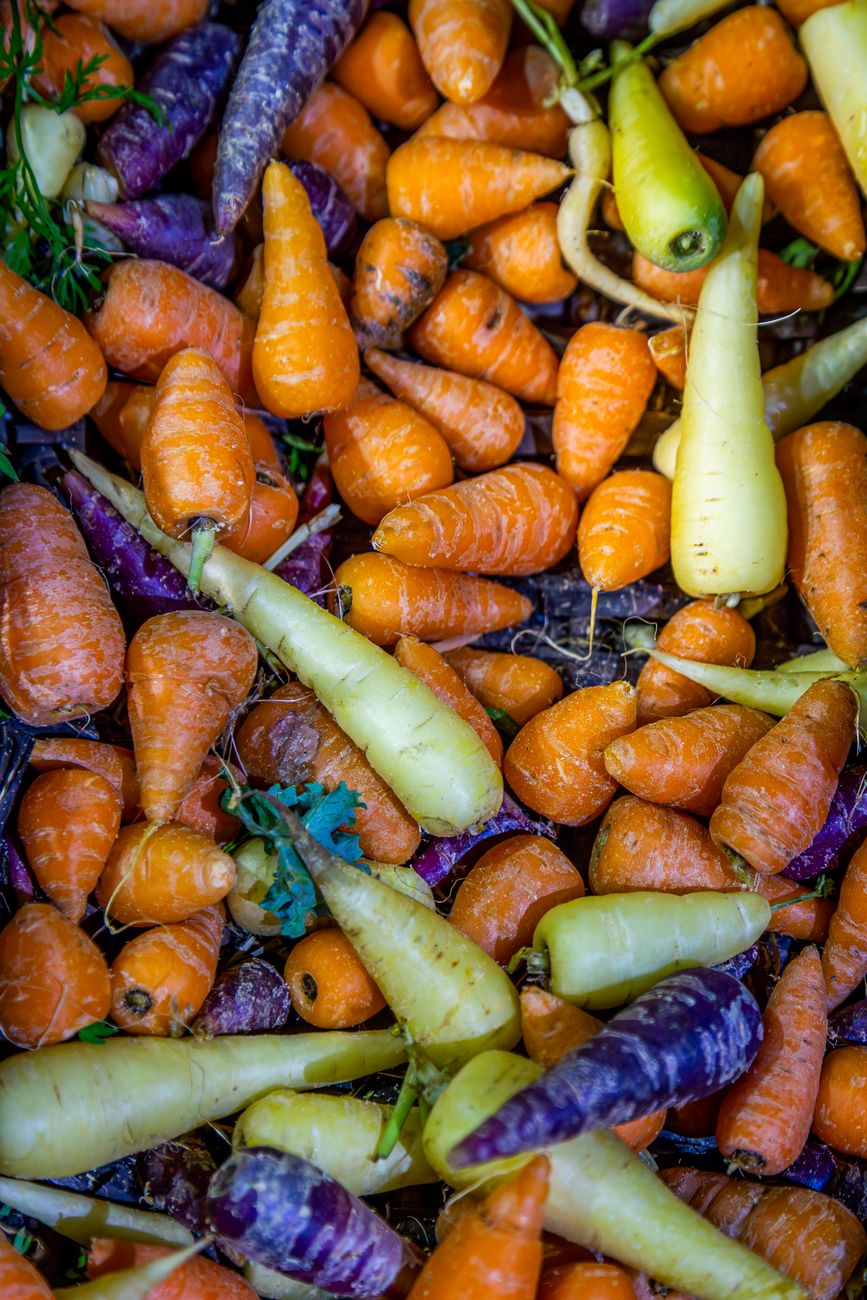
Introduction: Perfect Roots, No Deep Digging Required in UK Gardens
There’s nothing quite like pulling a perfectly formed, long, straight carrot or parsnip from the soil. That moment of triumph when you brush off the earth to reveal a flawless root, knowing it’s destined for a delicious Sunday roast or a vibrant salad. For years, though, that dream felt a bit out of reach for me here in my 800 sq ft Midlands garden. Like many UK home gardeners, I'm working with raised beds and containers – brilliant for managing soil, weeds, and accessibility, but often limited in depth.
When I first started out five years ago, fresh from my IT career and diving headfirst into the soil, I’d see all these amazing photos of foot-long carrots and think, "How on earth do they do that without digging down to Australia?" My early attempts at root veg in my relatively shallow beds (some only 15-20cm deep) often resulted in comical, stunted, forked little things that looked more like they’d tried to escape than grow downwards. It was frustrating, to say the least, especially with our sometimes-damp British weather compacting things even further!
But I’m a bit obsessed with experimenting, and I absolutely refuse to let a bit of depth stop me from growing my favourite root vegetables. Over the past few seasons, through plenty of trial and error (and yes, a few more funny-looking carrots!), I’ve developed a system that consistently gives me wonderfully long, straight, and healthy carrots, parsnips, and even daikon, all within the confines of my shallow raised beds and various containers. It turns out, you don't need a huge plot with bottomless soil to achieve gardening greatness. You just need to know a few tricks, adapt to our UK climate, and choose wisely.
So, if you’ve ever despaired over stubby carrots or forked parsnips in your raised beds or pots, you’re in the right place. I’m going to share everything I’ve learned from my own UK gardening journey – the successes, the missteps, and the specific methods that work here in Britain – to help you grow perfect roots, no deep digging required!
The Root of the Problem: Why Depth Matters (and How to Beat It in Shallow Beds)
When we talk about growing root vegetables like carrots, parsnips, and daikon, depth isn't just a suggestion; it's fundamental to their very nature. These plants are designed to push their main taproot downwards, seeking out moisture and nutrients deep in the soil. It's their primary storage organ, the part we eat, and its shape and size are directly influenced by the environment it's growing in.
In my early days, I learned this the hard way. I'd optimistically sow 'Autumn King 2' carrots, known for their decent length, into a raised bed that was barely 20cm deep, filled with what I thought was good, rich compost. Come harvest time, instead of those beautiful, tapering roots, I'd pull out chunky, conical carrots, often ending abruptly, or worse, forking off into multiple smaller roots. They looked like they’d hit a brick wall and decided to split rather than push through. It was a classic case of expectation versus reality in a new gardener's UK plot.
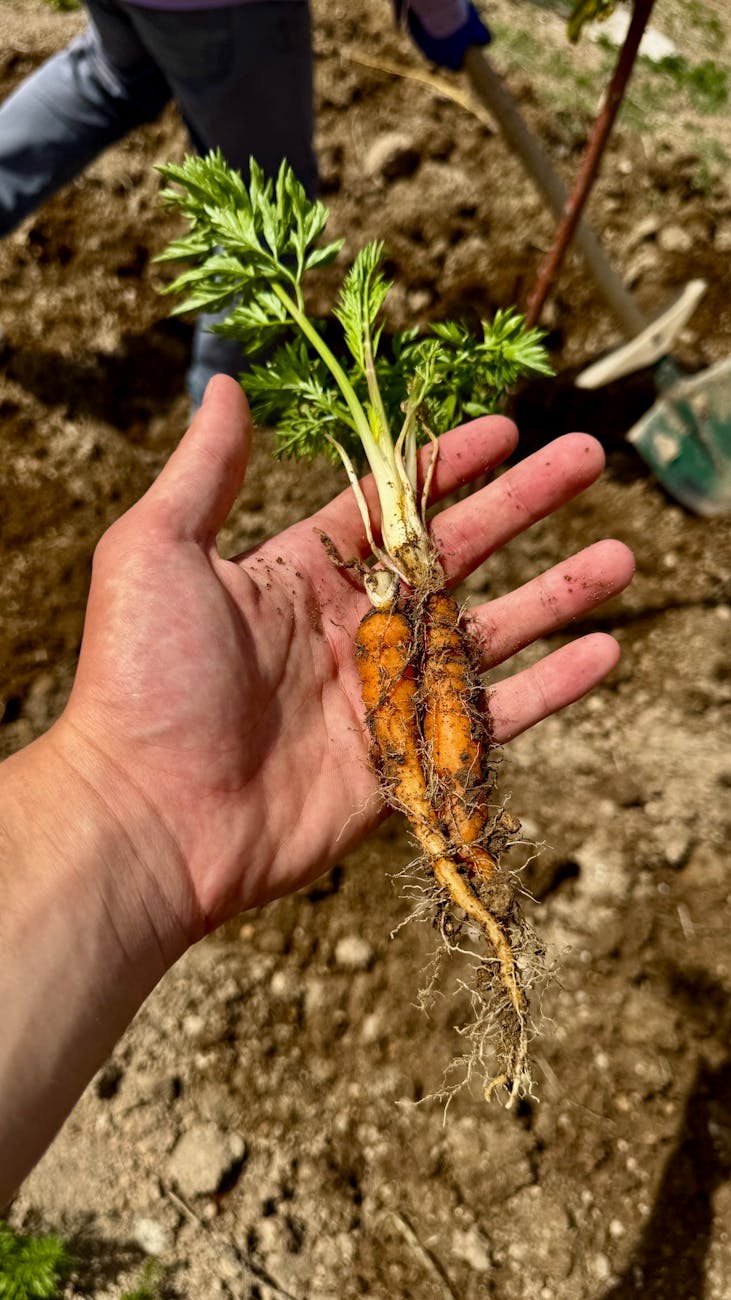
The problem boils down to a few key factors:
- Physical Obstruction: The most obvious issue. If the root hits the bottom of your container or a compacted layer of soil too soon, it simply can’t grow any longer. It either stops, bulks up, or tries to find an easier path sideways, leading to those frustrating forked shapes.
- Soil Compaction: This is a big one, especially in our often-wet British climate. In shallow beds and containers, soil can compact more easily, becoming dense and hard for delicate root tips to penetrate. If you’ve ever tried to push a stick into really heavy, wet clay, you'll understand the struggle a tiny carrot root faces!
- Drainage and Waterlogging: While roots need moisture, they absolutely hate sitting in waterlogged soil. Shallow beds, if not prepared correctly, can become waterlogged in heavy UK downpours, leading to rot or simply suffocating the roots, preventing them from growing downwards effectively. My first parsnip crop in a poorly drained bed was a total wash-out (pun intended!) due to this.
- Nutrient Availability: While less common than compaction, if the nutrients are only concentrated in the very top layer, it gives the root less incentive to grow deeper, encouraging it to stay shallow and bushy.
So, how do we beat this in our shallow UK gardening spaces? It’s not about magic, but about understanding these limitations and cleverly manipulating the growing environment. We need to create conditions that trick the roots into thinking they have endless depth, even when they don’t. We'll achieve this by focusing on soil structure, choosing the right varieties, and ensuring impeccable drainage – all tailored to what works here in Britain.
Selecting Short & Stout: Ideal Carrot, Parsnip & Daikon Varieties for Shallow Growing
This is where the real game-changer comes in for shallow beds and containers: variety selection. You can have the most perfectly prepared soil, but if you're trying to grow a 30cm long exhibition parsnip in a 20cm deep bed, you’re just setting yourself up for disappointment. I learned this early on when I stubbornly tried to grow 'New Red Intermediate' carrots, a great maincrop variety, in my shallower beds. While they tasted fine, their length was always compromised.
What works here in Britain, especially in my Midlands garden, are varieties that are naturally shorter, broader-shouldered, or mature quickly. These roots don't need a huge amount of depth to reach their full potential. They're designed to be more compact, making them perfect candidates for our raised beds and containers. I've spent a good few seasons experimenting, and I've found some absolute stars that consistently perform well.
For carrots, I look for "stump-rooted" or "early Nantes" types. They're often described as finger carrots or those suitable for heavy soils, which is a good indicator they don't demand extreme depth. Parsnips can be trickier, as many are bred for length, but there are a few excellent, shorter options. And daikon, while often very long, also has some fantastic round or shorter varieties that are brilliant for containers.
Here's a detailed comparison of some of my go-to varieties that have thrived in my shallow UK garden:
| Root Vegetable | Variety Name (UK Suitable) | Typical Root Length (cm) | Shallow Bed Suitability | Notes from My UK Garden |
|---|---|---|---|---|
| Carrot | 'Paris Market' | 5-7 | Excellent | My absolute favourite for super shallow pots (15cm deep). Produces adorable, round, bite-sized carrots. Quick maturing, great for successional sowing in spring/summer here in the Midlands. |
| Carrot | 'Amsterdam Forcing 3' | 10-15 | Excellent | A classic early Nantes type. Reliable for me in 20cm deep beds. Produces slender, cylindrical carrots. Good for early crops, even in a slightly sheltered spot in early spring. |
| Carrot | 'Nantes 2' | 15-18 | Very Good | A very popular, dependable maincrop for many UK gardeners. I've had good success in 25cm deep beds. Sweet and crisp, a staple in my garden. |
| Carrot | 'Danvers 126' | 15-20 | Good | While a bit longer, its conical shape means it often performs better than cylindrical types in slightly shallower beds if soil is light. A robust variety, copes well with varied British weather. |
| Parsnip | 'Albion' (F1) | 15-20 | Very Good | An excellent modern hybrid that doesn't demand extreme depth. Produces chunky, uniform roots. I’ve found its disease resistance useful during our damp winters. |
| Parsnip | 'White Gem' | 15-25 | Good | A traditional variety, but its broad shoulders and slightly shorter length compared to 'Tender and True' make it more forgiving in 25-30cm beds. Flavour is fantastic after a UK frost! |
| Daikon | 'Mino Early' | 15-20 | Very Good | A faster-maturing daikon. While it can grow longer, it performs well when harvested a bit earlier in a 25cm bed. Great for adding a peppery crunch to salads. |
| Daikon | 'Tokinashi' | 10-15 (when young) | Excellent | Can grow quite long, but I harvest these young in my containers for best results. They are incredibly versatile and grow quickly in our cooler UK spring and autumn. |
When you're choosing, always check the seed packet descriptions for phrases like "stump-rooted," "early," "container friendly," or "suitable for heavy soil." These are all clues that the variety is less demanding on depth. I’ve found that focusing on these types dramatically increases my success rate, allowing me to enjoy a bountiful harvest of perfect roots, even in my relatively modest UK growing space.
Crafting the Perfect Shallow Home: Soil Prep, Drainage & Container Choices for UK Climates
Alright, you’ve picked your perfectly "short & stout" varieties, now it's time to give them the best possible home. This isn't just about throwing some compost in a pot; it's about creating an environment that mimics deep, loose soil, even if your bed or container is only 20-30cm deep. This is where my experience of battling our unpredictable British weather and often heavy Midlands soil really comes into play.
The Magic Soil Mix: Structure is Everything
Forget just buying a bag of "multi-purpose compost" and calling it a day. For root vegetables in shallow beds, the structure of your growing medium is paramount. It needs to be incredibly loose, free-draining, and yet retain enough moisture and nutrients. After many experiments, including some frustrating seasons where my soil compacted like concrete after a few heavy downpours, I’ve settled on a mix that works wonders here in my UK garden:
- 50% Good Quality Peat-Free Compost: This forms the base, providing nutrients and organic matter. I always go for a reputable brand designed for vegetable growing.
- 30% Coarse Horticultural Grit/Perlite: This is crucial for drainage and preventing compaction. The grit creates air pockets and ensures water flows through freely, preventing waterlogging – a common killer of root crops in our damp climate. Perlite is lighter, but grit adds a bit of stability. I often use a mix of both.
- 20% Well-Rotted Leaf Mould or Fine Bark Chips: This adds long-term structure, improves aeration, and boosts microbial life. It also helps with moisture retention without becoming soggy. I make my own leaf mould, which is a fantastic free resource!
I mix this thoroughly until it's light, fluffy, and you can easily push your hand deep into it. This light texture is what tricks the roots into growing long and straight, as they encounter virtually no resistance as they push downwards.
Drainage: The Unsung Hero in UK Gardening
Given our British climate, drainage isn't just important; it's absolutely non-negotiable for root crops, especially in containers or shallow raised beds. Waterlogging will lead to rot, disease, and stunted growth faster than anything else.
In my raised beds (which range from 20cm to 40cm deep), I ensure there's a good layer of coarse material at the bottom. This isn't strictly necessary for deep beds, but in shallow ones, it provides that extra insurance against water build-up. I typically put:
- A layer of cardboard: To suppress weeds from below and slowly break down.
- 5-10cm of coarse gravel or broken terracotta pots: This creates a free-draining layer that prevents the main growing medium from becoming saturated from below.
- Then, my custom soil mix: Filling up the rest of the bed.
For containers, the principles are the same, but even more critical. Make sure your pots have ample drainage holes – and I mean plenty! If they only have one small hole, drill a few more. I often raise my containers slightly off the ground using pot feet or bricks to ensure water can freely exit and not sit in a saucer. This is especially vital during periods of prolonged British rain, which we're all too familiar with here!

Container & Bed Choices: Finding the Right Fit
You might think you need a massive, purpose-built carrot bed, but that’s not necessarily true. I grow excellent root crops in a variety of containers and beds around my 800 sq ft garden:
- Raised Beds: My 25cm deep raised beds are perfect for most of the 'Nantes' type carrots and shorter parsnips. For the 'Paris Market' carrots, even 15cm is ample.
- Large Troughs & Grow Bags: These are fantastic, especially the deeper fabric grow bags (around 30-40 litres). The fabric sides promote air pruning of roots, which can be beneficial, and they offer excellent drainage. I've had great success with 'Mino Early' daikon in large fabric bags.
- Half-Barrels & Large Pots: Any container that's at least 20cm deep and has a decent width will work. The key is volume – more soil means more stable moisture and nutrient levels. I’ve repurposed old plastic bins (with plenty of drilled holes!) for brilliant carrot harvests.
The critical takeaway here is that you're creating an optimal mini-environment for these specific root crops. By focusing on a light, free-draining soil mix and impeccable drainage, you're giving those roots every chance to grow long and straight, even if their home isn't acres deep. It's all about working smarter, not harder, especially when gardening in our unique UK conditions.
Precision Planting & Thinning: Mastering the Art for Unrestricted Root Growth
Once your beds are prepped and your varieties chosen, it’s time for the moment of truth: getting those seeds into the soil. This stage is absolutely critical, especially in shallow beds, because every single root needs its own clear path to grow long and straight. There's no room for error, or for roots to bump into each other and fork – a mistake I learned the hard way in my first couple of seasons trying to grow 'Nantes' carrots in a shallow bed. I just sowed too thickly, thinking "more is more," and ended up with a tangle of stunted, bent carrots. Never again!
For carrots and daikon, I almost always direct sow here in my Midlands garden. Parsnips, too, generally prefer direct sowing due to their taproot structure, but some gardeners swear by root trainers for a head start, though I've personally found it a bit fiddly for roots like parsnips that resent disturbance.
The real secret to success, though, lies in meticulous thinning. This is where most UK gardeners (myself included, initially) get a bit squeamish, but it's non-negotiable for straight roots. You’re essentially sacrificing some seedlings to ensure the strongest ones thrive. I usually do this in two stages: an initial thin when the seedlings are just an inch or two tall, and a final, more ruthless thin a few weeks later. The key is to snip the unwanted seedlings at soil level with small scissors, rather than pulling them. Pulling can disturb the delicate roots of their neighbours, leading to bent or forked roots – a disaster when you're aiming for perfection!
Here’s a breakdown of my approach for these specific roots in shallow beds:
| Root Type | Initial Sowing Spacing (UK) | Final Spacing (UK) | Thinning Timing | Randy's Top Tip for Shallow Beds |
|---|---|---|---|---|
| Carrots | 1-2 cm apart (in rows 15cm apart) | 5-8 cm apart | When seedlings are 2-3 cm tall | Thin in the evening to avoid carrot fly being attracted by the scent of bruised foliage. |
| Parsnips | 2-3 cm apart (in rows 20cm apart) | 10-15 cm apart | When seedlings are 5 cm tall | Be patient; parsnips are slow to germinate. Don't overwater after sowing to prevent rot. |
| Daikon | 3-4 cm apart (in rows 20cm apart) | 10-15 cm apart | When seedlings are 5-7 cm tall | They grow fast! Thin quickly to prevent competition. You can eat the thinnings in salads. |
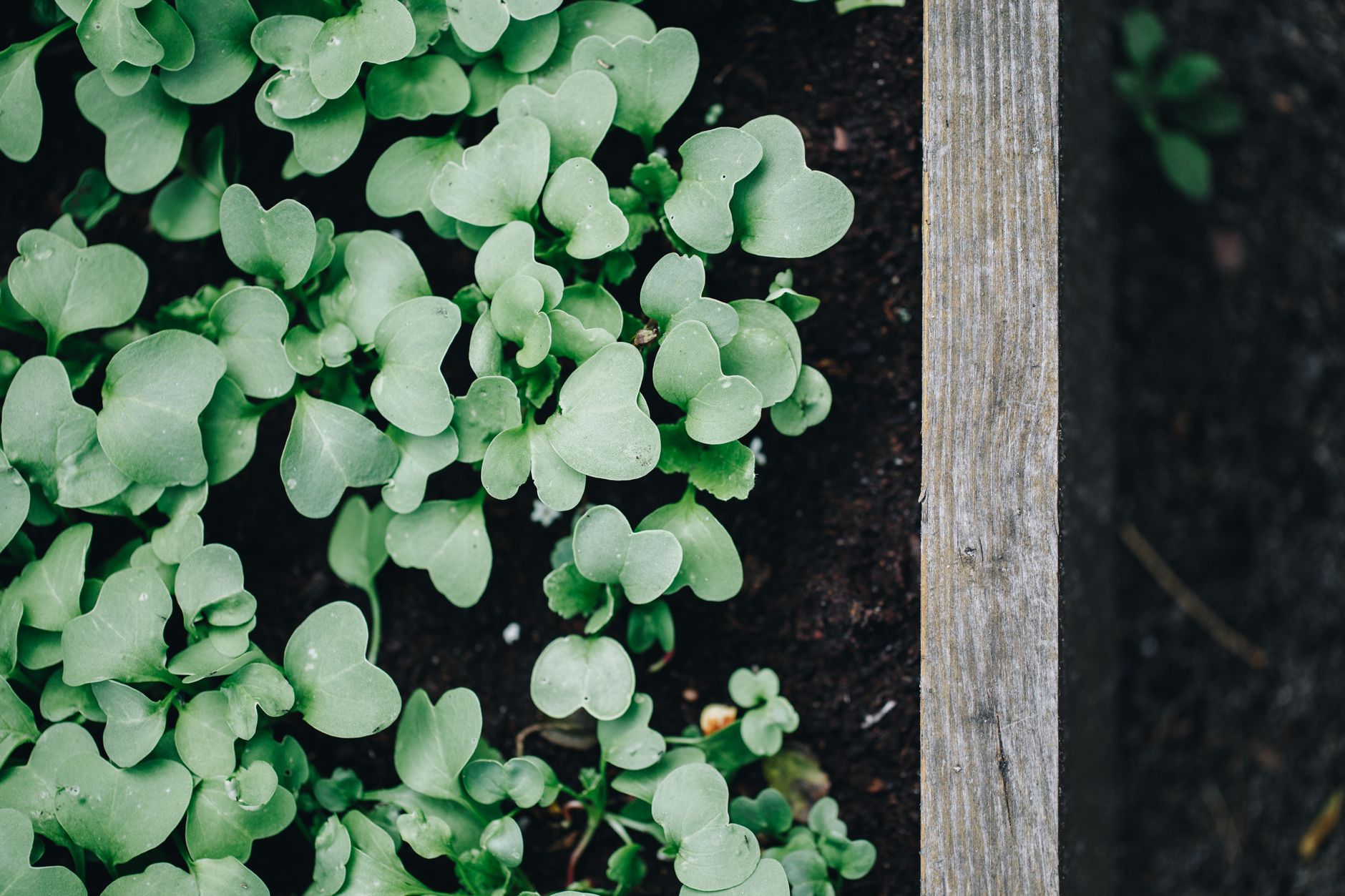
Remember, the final spacing is crucial for allowing those roots to plunge downwards without hitting a neighbour. It feels tough to snip away healthy seedlings, but trust me, the reward of those long, perfect roots makes it all worthwhile!
Nurturing Your Roots: Essential Watering, Feeding & Pest Management for Shallow Beds
Once your little seedlings are thinned and happily growing, the journey isn't over. In fact, nurturing them carefully is vital, especially when you're growing in shallow raised beds or containers here in the unpredictable UK climate. These setups dry out much faster than deep, in-ground beds, and that means your attention to watering and feeding needs to be spot-on.
Watering: The Golden Rule for Straight Roots
Consistent moisture is the absolute key to preventing forking and encouraging smooth, straight root development. Erratic watering – dry spells followed by sudden deluges – is a recipe for disaster. When the soil dries out, the delicate root tip can harden, and when water finally returns, the root might split or fork to find moisture, resulting in those gnarly, multi-pronged carrots we all dread.
In my 800 sq ft backyard, I've found that shallow beds, especially those less than 30cm deep, need watering almost daily during dry, warm spells in summer. Even with our notorious British weather, we do get those periods! I use the finger test: stick your finger about an inch or two into the soil. If it feels dry, it's time to water. I aim for a slow, deep soak rather than a quick sprinkle, ensuring the water penetrates all the way down to encourage the roots to follow.
One mistake I made early on was overwatering immediately after sowing, particularly with parsnips, which can lead to seed rot. Now, I just ensure the soil is thoroughly moist before sowing, and then keep it consistently damp, not soggy, until germination.
Feeding: Fueling Growth in Limited Space
With a finite amount of soil in shallow beds, the nutrients can get used up pretty quickly. While a well-prepared bed (as we discussed in section 4) should provide a good start, your growing roots will appreciate a little extra help. I'm a big fan of organic feeding.
About 4-6 weeks after germination, I usually give my carrots, parsnips, and daikon a boost. I typically use a balanced liquid feed, like a good organic seaweed extract or a comfrey tea I brew myself in the greenhouse. I dilute it according to the instructions and apply it every 2-3 weeks, especially for the faster-growing daikon and carrots. Be careful not to over-fertilise, especially with high-nitrogen feeds, as this can encourage leafy top growth at the expense of root development – not what we want for our prize-winning roots!
Pest Management: Battling British Bugs
Ah, pests! They’re an inevitable part of gardening here in the UK, and root crops have their specific adversaries.
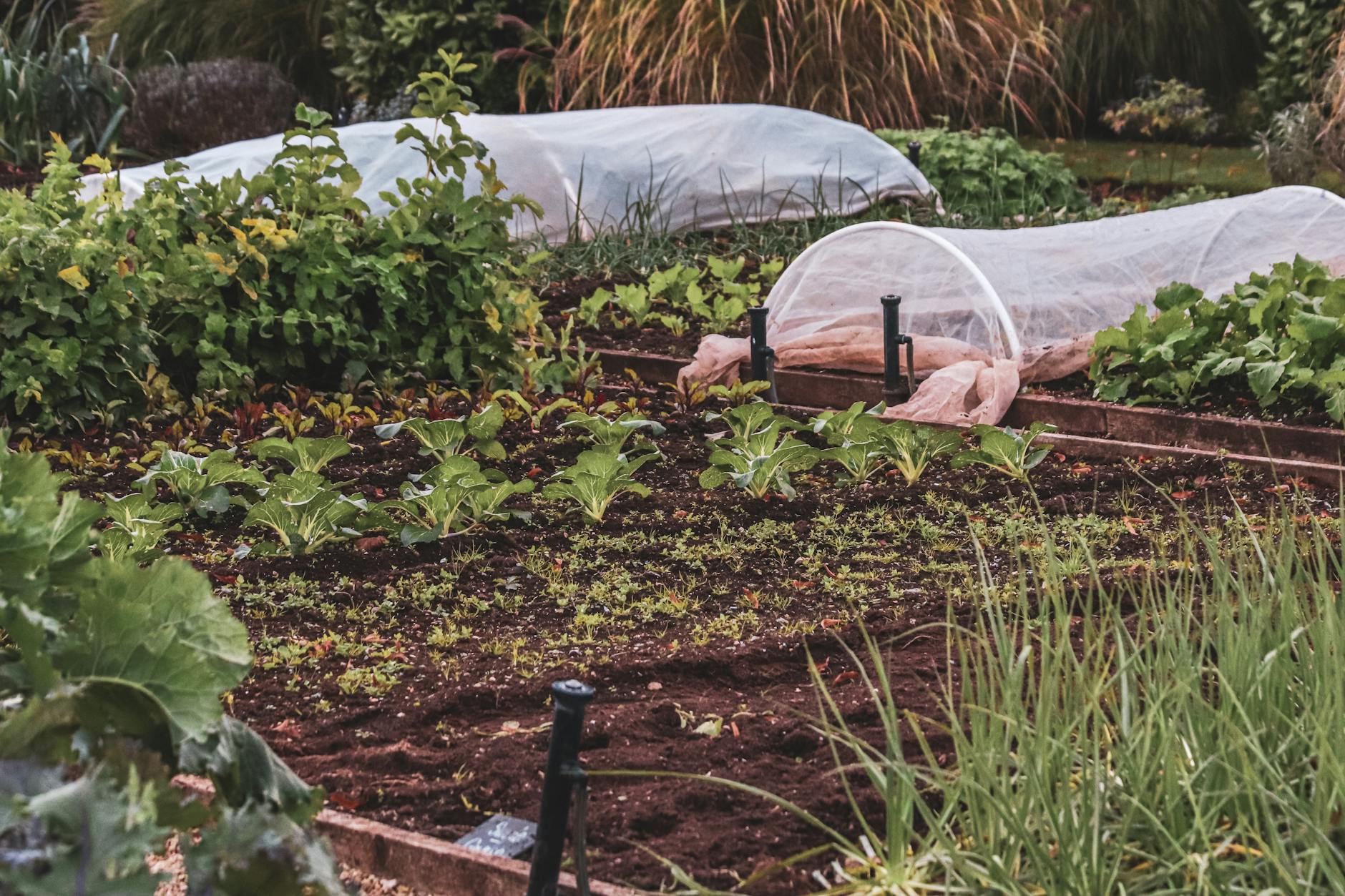
- Carrot Fly: This is the big one for carrots and parsnips. The female fly lays eggs near the base of the plants, and the larvae then tunnel into the roots. In my Midlands garden, I wage a constant war against them. My primary defence is physical barriers. I've had great success with fine-mesh insect netting (often called Enviromesh) draped over hoops, ensuring it's securely sealed at the edges to prevent the flies from getting underneath. Carrot flies are low fliers, usually no higher than 60cm, so a good barrier works wonders. I also try to thin in the evening when the flies are less active, and I always remove any thinnings from the bed straight away to reduce scent attraction.
- Slugs & Snails: These ubiquitous British garden pests love tender young seedlings. In shallow beds, they can hide under the edges. I patrol regularly, especially after rain, and use organic slug pellets (ferric phosphate-based ones) sparingly around vulnerable young plants.
- Flea Beetle: Sometimes a problem for daikon and young carrot seedlings, causing small holes in the leaves. Healthy, vigorous plants are less susceptible, so good watering and feeding helps. In severe cases, a very fine mesh covering can help, but I rarely find it a major issue for established plants.
Being vigilant and proactive is key. A quick inspection every morning or evening can save a lot of heartache down the line!
The Sweet Reward: When and How to Harvest Your Pristine, Straight Produce
After all that careful planning, precise planting, and dedicated nurturing, the moment finally arrives: harvest time! This is, without a doubt, one of the most satisfying parts of gardening, especially when you pull up a long, perfectly straight carrot, parsnip, or daikon from a shallow bed. It feels like a little triumph against the odds, a testament to overcoming depth limitations.
Knowing When They’re Ready
Judging the right time to harvest is a bit of an art.
- Carrots: Most varieties are ready in 70-80 days from sowing. I usually look for the 'shoulder' of the carrot to emerge slightly from the soil. You can gently brush away a little soil around the base of a plant to peek at its size. Don’t wait too long, especially with smaller varieties like 'Paris Market', as they can lose flavour or split if left in the ground. I usually harvest continuously, taking the largest ones as I need them.
- Parsnips: These are much slower, taking 120-180 days. They really benefit from a few frosts, which convert their starches into sugars, giving them that wonderfully sweet, earthy flavour. So, here in the UK, I usually leave them in the ground until late autumn or even early winter, often harvesting them as needed right through to February or March, provided the ground isn't frozen solid. Just like carrots, you can gently expose the shoulder to check their size.
- Daikon: These are super speedy! Many varieties are ready in just 40-60 days. They grow quite quickly and their shoulders will clearly emerge from the soil. It's best to harvest them when they reach a good size (check your specific variety's expected length) but before they get woody or split, which can happen if left too long. I generally pick them when they're about 25-30cm long for my 'Summer Cross No. 3'.
The Gentle Art of Harvesting
Harvesting correctly is crucial, especially in shallow beds where the soil might be a bit more compacted around the root.
- Water Before: If the soil is dry, give the bed a good watering a few hours before you plan to harvest. This will soften the soil and make extraction much easier, reducing the risk of snapping your precious roots.
- Loosen the Soil: Gently use a hand fork or trowel to loosen the soil around the root you intend to harvest. Don't go too deep or too close, as you risk damaging the root itself or its neighbours.
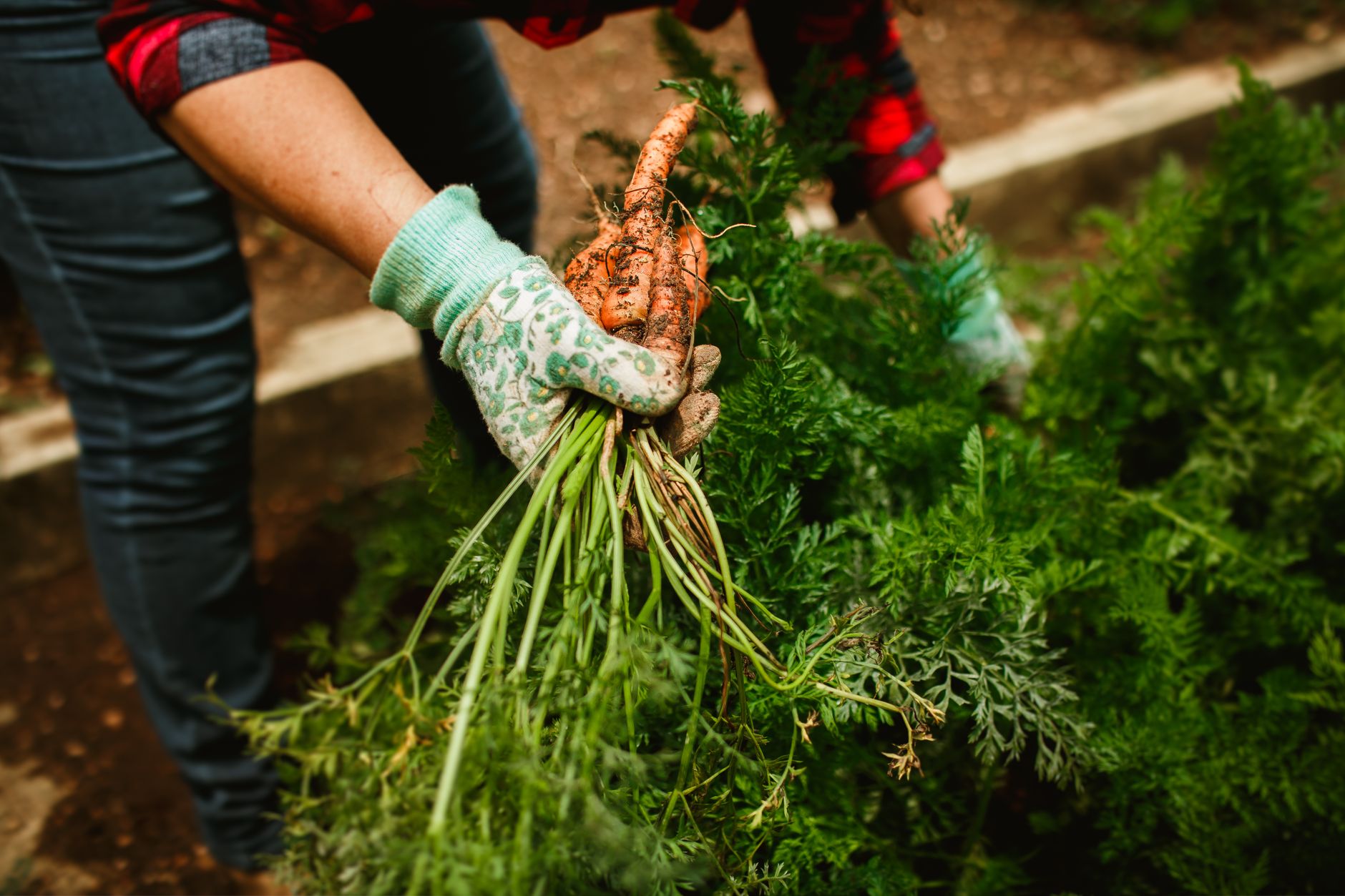
- Pull Gently: Grasp the foliage firmly at the base of the plant, near the soil line. With a gentle twist and a steady pull, carefully ease the root out of the ground. Resist the urge to yank! If it resists, loosen the soil a bit more.
- Trim & Clean: Once out, snip off the foliage (leaving about an inch to prevent the root from drying out too quickly) and gently brush off any excess soil. Avoid washing until just before use if you plan to store them.
One year, with a particularly dry spell in early autumn, I tried to pull some parsnips from a shallow bed without watering first. Snap! Ended up with half a parsnip and a lot of frustration. Learned that lesson quickly. Always, always water first if the soil is dry!
Storing Your Bounty
For short-term storage, most of these roots will happily keep in the fridge for a few weeks in a perforated bag. For longer storage, parsnips are great left in the ground until needed (as mentioned). Carrots can be stored in damp sand or sawdust in a cool, dark place, which works well in a shed or garage here in the UK, but I generally eat them fresh or blanch and freeze any excess. Daikon are best eaten fresh or stored for a couple of weeks in the fridge.
Conclusion: Shallow Beds, Deep Rewards in Your UK Garden
So there you have it, fellow UK gardeners! My journey from an IT desk to a dirt-covered devotee has taught me that gardening isn't about having the deepest pockets or the most expansive allotment. It's about clever solutions, a bit of grit, and a whole lot of love for what you do.
Growing long, straight carrots, parsnips, and daikon in shallow raised beds and containers in your UK garden might seem counter-intuitive at first. I certainly thought so when I first started experimenting in my compact Midlands backyard. But by understanding the specific needs of these wonderful root vegetables and adapting our techniques to our unique British climate and limited space, we can absolutely achieve fantastic results.
From choosing the right, shorter-rooted varieties and crafting the perfect, stone-free soil mix, to mastering precision planting, ruthless thinning, consistent watering, and smart pest management – every step plays a vital role. Yes, I've had my share of forked carrots and snapped parsnips, especially when battling our unpredictable weather or making a mistake with watering. But those failures were my greatest teachers, pushing me to refine my methods and find what truly works here in Britain.
The sheer joy of pulling up a pristine, unblemished root from a shallow bed, knowing you've outsmarted the depth limitations, is truly unparalleled. It’s a testament to the ingenuity and passion that drives us home gardeners.
So, if you've been dreaming of those perfect, straight roots but felt limited by your shallow beds or containers, I urge you to give it a go. Embrace the challenge, apply these techniques, and prepare to be utterly chuffed with your harvest. Your taste buds (and your gardening ego!) will thank you. Happy growing, and here's to many perfect roots in your UK garden!