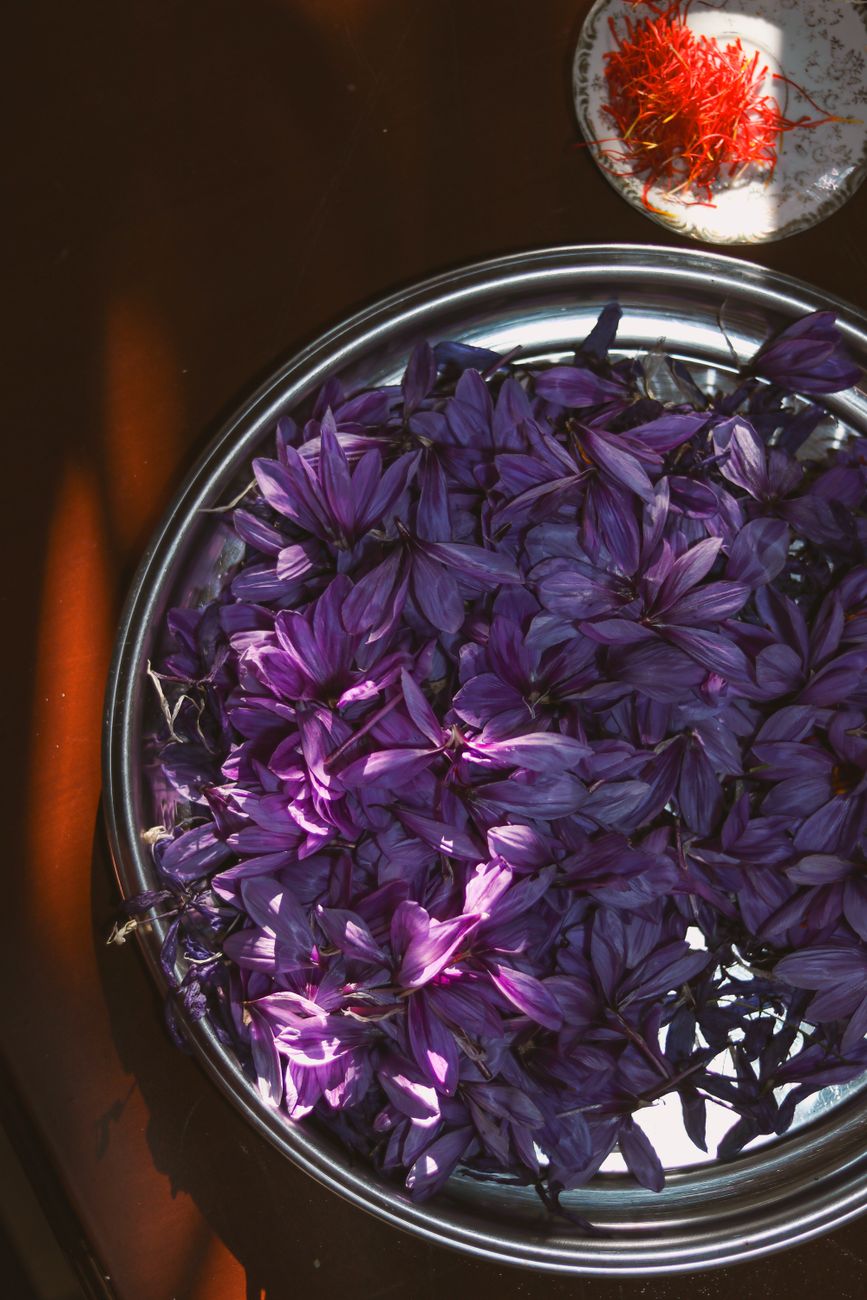
Introduction: Unlocking the Golden Spice from Your UK Garden
Hello fellow green thumbs! Randy here, coming to you from my bustling 800 sq ft backyard here in the heart of the UK Midlands. For the past five years, my world has revolved around digging in the soil, coaxing life from seeds, and constantly experimenting with what we can truly grow in our sometimes-challenging British climate. You might know me for my heirloom tomatoes in the greenhouse or my relentless quest for the perfect early potato, but today, I want to talk about something a little more... golden. We're diving into the world of saffron!
When I first heard you could grow saffron (Crocus sativus) in a UK garden, I was sceptical, to say the least. This exotic, incredibly valuable spice from the Mediterranean? Here, in our damp, unpredictable weather? But my curiosity, as always, got the better of me. After a few seasons of trial and error – and yes, a few damp squibs where I thought I’d completely messed it up – I've not only managed to grow it successfully in my raised beds, but I've also learned the crucial steps to harvesting and curing those precious threads to maximise their potency, aroma, and yield. It’s a truly rewarding experience, transforming those delicate purple blooms into something truly special for your kitchen. So, grab a cuppa, and let's get into how you can unlock this golden spice right here in your own UK garden.
Identifying the Perfect Harvest Window for Peak Saffron Potency
Alright, so you’ve put in the hard work, your saffron corms have settled in, and now those beautiful, delicate purple flowers are starting to emerge, often around late autumn here in the UK. This is where the real art begins! Knowing exactly when to harvest is absolutely critical for maximising the quality of your saffron. Miss the window, and you risk losing that vibrant colour, intense aroma, and powerful flavour that makes saffron so prized. I learned this the hard way during my second season; a sudden cold snap and a busy weekend meant I left some blooms too long, and the quality just wasn't there.
In my Midlands garden, I keep a close eye on the blooms from late September right through October. The key is to harvest shortly after the flower opens, but before it starts to wilt or before heavy rain can damage the delicate stigmas. You're looking for flowers that have just fully opened, ideally on a dry, sunny morning after any dew has evaporated. This timing allows the compounds responsible for saffron’s colour (crocin), aroma (safranal), and bitterness (picrocrocin) to reach their peak concentration. Harvesting too early means they haven't fully developed, while harvesting too late risks degradation and a loss of potency. Our often-damp British climate makes this timing even more crucial, as prolonged wet conditions can quickly degrade the exposed stigmas.
Here's a quick guide based on my experience to help you pinpoint that perfect moment:
| Harvest Window | Visual Cues (UK Garden) | Potency & Aroma Impact | Yield & Quality Impact |
|---|---|---|---|
| Too Early | Flower bud barely open, stigmas still tightly furled. | Lower concentration of crocin, picrocrocin, and safranal. | Threads can be smaller, less vibrant, lower overall quality. |
| Just Right | Flower fully open, stigmas bright red, plump, turgid. | Peak concentration of desired compounds, maximum flavour. | Optimal yield of high-quality, aromatic threads. |
| Too Late | Flower wilting, petals browning, stigmas shrivelled/dark. | Significant degradation of compounds, duller colour, weaker scent. | Threads become brittle, prone to breakage, greatly reduced quality. |
| After Heavy Rain | Stigmas can appear waterlogged, potentially bruised. | Flavour compounds can be diluted or washed away, risk of mould. | Reduced shelf life, poor flavour, potentially unusable. |
Gentle Harvesting Techniques: Plucking Saffron Threads Without Damage
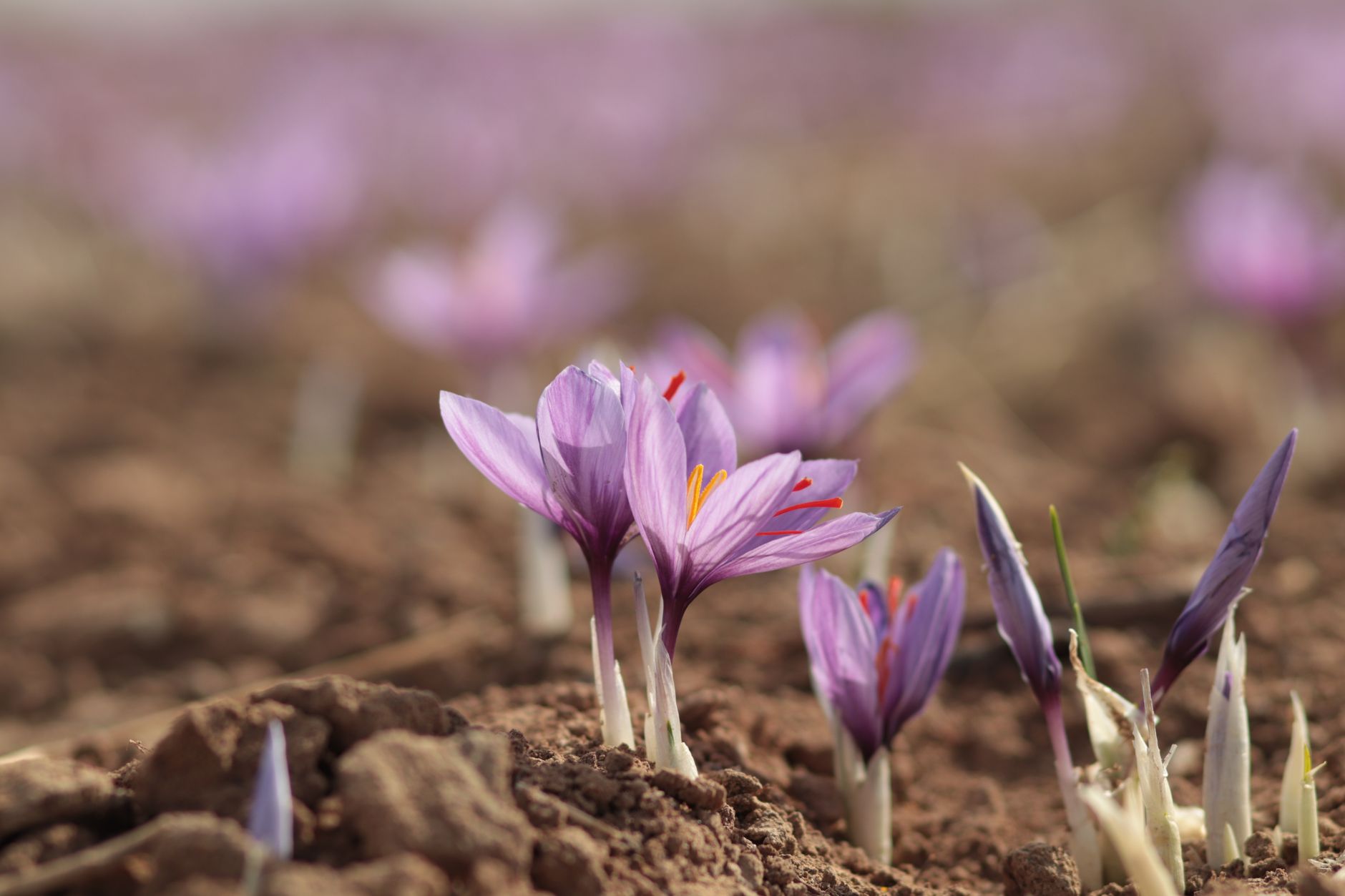
Once you've identified that perfect harvest window, the next step is to gently extract those precious threads. This isn't a job for haste or heavy hands; it requires a delicate touch, almost like performing a tiny, intricate surgery. When I first started, I was a bit too eager and ended up tearing some of the stigmas, which is a real shame when you've put so much effort into growing them. Now, I approach each flower with the reverence it deserves.
The best time to harvest here in the UK is generally in the morning, after the dew has dried but before the midday sun gets too strong, which can cause the delicate stigmas to wilt prematurely. I usually head out to my raised beds around 9 or 10 am, armed with nothing but a small, clean pair of tweezers – though some gardeners prefer to use their fingertips if they have very steady hands and short nails. I've found tweezers give me a bit more precision, especially when dealing with the smaller blooms or those nestled deep within the foliage.
Here's my step-by-step method for harvesting without damage:
- Identify the Target: Locate a fully opened saffron flower with bright red, plump stigmas.
- Steady the Bloom: Gently hold the base of the flower with one hand to keep it steady. You don't want the flower wobbling as you try to extract the threads.
- Locate the Stigmas: Inside the purple petals, you'll see three distinct, bright red-orange threads (the stigmas) extending from the centre. These are typically attached at their base to a pale yellow style.
- Grasp and Pull: Using your clean tweezers, carefully grasp all three red stigmas together at their base, just above where they connect to the yellow style. With a gentle, steady pull straight upwards, detach them. The goal is to get the entire red portion of the stigma without any of the yellow style attached, as the yellow part holds no flavour and can dilute the quality.
- Immediate Placement: As soon as you've plucked them, carefully place the threads onto a clean, dry paper towel or a small, shallow dish. Avoid piling them up, as they are incredibly delicate and can stick together.
- Repeat and Be Patient: Move from flower to flower, taking your time. Remember, quality over quantity is the mantra here. You'll be surprised how quickly a small handful of threads accumulates.
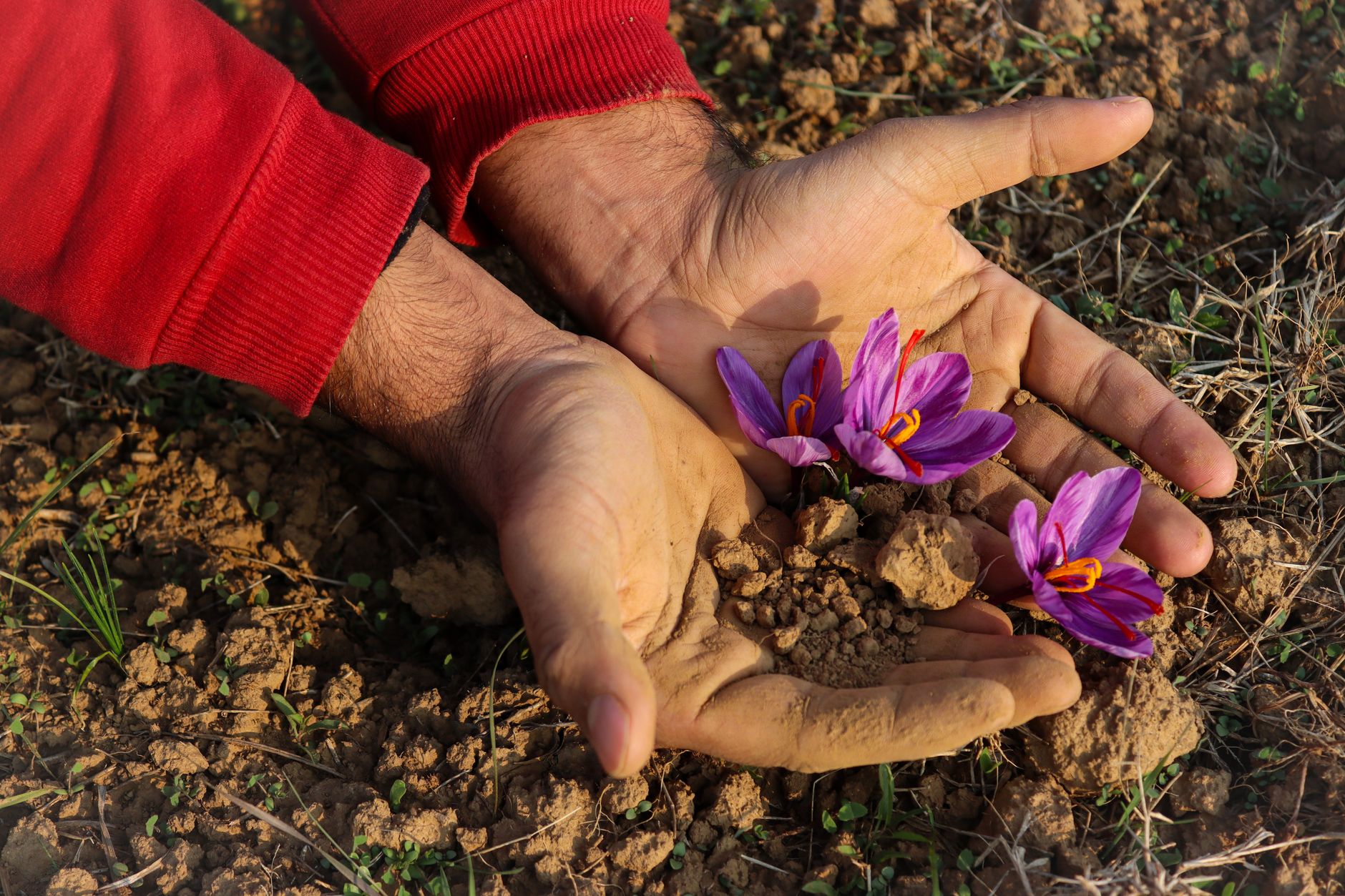
This gentle approach ensures you collect intact, vibrant threads, which are crucial for the curing process and ultimately, for the premium quality of your home-grown saffron.
The Art of Curing Saffron: Maximising Aroma and Flavour Through Proper Drying Methods
Harvesting those delicate threads is just the first part of the magic; the real transformation, the unlocking of saffron's incredible aroma and flavour, happens during the curing process. This is where those moist, fresh stigmas are carefully dried to preserve their potency and give them that characteristic leathery texture and intense fragrance. I've experimented with several methods in my greenhouse and kitchen over the years, trying to find what works best for us here in the UK, especially contending with our naturally higher humidity. One year, during a particularly damp autumn, I tried air-drying them for too long, and some threads developed a faint musty smell – a lesson learned about the importance of proper, controlled drying!
Curing is essentially about reducing the moisture content of the saffron threads to around 10-12%. This not only concentrates their flavour compounds but also prevents mould and bacterial growth, ensuring a long shelf life. The goal is to dry them thoroughly but gently, retaining all those volatile oils that give saffron its unique character. Over-drying can make them brittle and diminish flavour, while under-drying leads to spoilage.
Here are the primary methods I've tried and what I've learned about each for home cooks in the UK:
| Drying Method | Pros (UK Context) | Cons (UK Context) | Target Temp/Time (Guide) | Impact on Quality & Aroma |
|---|---|---|---|---|
| Air Drying (Traditional) | Simple, no special equipment needed, very gentle. | Slow, highly susceptible to UK humidity, risk of mould. | 2-5 days at room temp (18-22°C) in a dry, airy spot. | Can yield excellent quality if conditions are perfect, but risky. |
| Food Dehydrator | Consistent, controlled temperature, efficient. | Requires specific equipment, can over-dry if not monitored. | 40-50°C for 30-90 minutes (check frequently). | Excellent for preserving volatile compounds, consistent results. |
| Low Oven Heat | Accessible to most home cooks, relatively quick. | Risk of uneven drying, easy to overheat/burn, energy use. | 50-70°C with door ajar for 15-45 minutes (very watchful). | Good if done carefully, but high risk of affecting delicate aroma. |
| Warm Plate/Griddle | Quick, direct, good for small batches. | Very easy to burn or scorch, requires constant attention. | Low heat, just warm to touch, ~5-15 minutes (stir constantly). | Can yield intensely aromatic threads but demands extreme care. |
For me, the food dehydrator has become my go-to method. It offers the most reliable and consistent results, especially during our often-damp British autumns. I spread the fresh saffron threads in a single layer on a mesh tray and set the temperature to about 45°C. I check them every 15-20 minutes, gently tossing them, until they are brittle but still slightly flexible – they should snap easily but not crumble into dust. This usually takes between 45 minutes to an hour, depending on the humidity.
If you don't have a dehydrator, a conventional oven on its absolute lowest setting (often around 50°C) with the door propped slightly ajar can work. You must be incredibly vigilant, though, checking and turning the threads every 10 minutes to prevent scorching. The goal is a gentle, even heat that coaxes out the moisture without cooking the threads. Once cured, your saffron threads will be a deep, vibrant red, feel dry and leathery, and emit that unmistakable, intoxicating aroma. Store them immediately in an airtight container in a cool, dark place, and you'll have your own golden spice, ready to elevate your home cooking!
Optimal Storage Solutions: Keeping Your Homegrown Saffron Potent for Years
Right, you’ve done the hard graft of growing, harvesting, and curing your beautiful saffron threads. Now, you absolutely don’t want all that effort to go to waste by improper storage. Trust me, I learned this the hard way during my first proper saffron harvest. I excitedly put my first batch in a little plastic tub, thinking it would be fine. Six months later, it had lost a good chunk of its vibrant colour and that incredible aroma. A proper shame!
The key to keeping your saffron potent for years, retaining its colour, aroma, and flavour, comes down to protecting it from its enemies: light, air, and moisture. Here’s what I’ve found works best here in my Midlands garden and kitchen:
- Airtight Glass Jars: This is non-negotiable. Small, dark-coloured glass jars with incredibly tight-fitting lids are your best friend. The dark glass helps block out light, which degrades saffron over time. If you only have clear glass, make sure to store it in a dark cupboard. Avoid plastic containers at all costs – plastic can leach chemicals and absorb the delicate saffron aroma, diminishing its quality. I use tiny clip-top jars, the sort you might use for spices, and they’re perfect.
- Cool, Dark, Dry Place: Once sealed, store your saffron in a cool, dark, and dry spot. Think a kitchen cupboard away from the oven, or a pantry. Absolutely avoid direct sunlight or areas prone to temperature fluctuations, like above the cooker. The fridge or freezer isn't necessary for dried threads and can introduce moisture if not perfectly sealed, which is a big no-no.
- Whole Threads are Best: Resist the urge to grind your saffron before storage. Whole threads retain their potency much longer. Grind or crush them just before you’re ready to use them.
- Longevity: Properly stored, your homegrown saffron can remain potent for up to two to three years. However, like any fresh spice, it’s always at its peak within the first year. I try to use my annual harvest within about 12-18 months, just to ensure I’m getting the absolute best out of it. It’s a real treat to dip into a jar of my own golden threads, knowing exactly where they came from!
Troubleshooting & Advanced Tips: Boosting Your UK Saffron Yield and Quality
Even with the best intentions, growing saffron in the UK can throw up a few curveballs. Our unpredictable British weather, especially here in the Midlands, can be a real challenge! Over my five years of intensively growing saffron, I’ve had my share of head-scratching moments and learned a few tricks to really boost yield and quality.
Troubleshooting Common UK Saffron Challenges
- Low Yield (Not Enough Flowers): This was a big one for me in my second year. I was getting flowers, but not as many as I'd hoped.
- Corm Health & Size: Are your corms healthy? Small, shrivelled corms won’t produce many flowers. Invest in larger, healthier corms (I always go for 9/10cm or 10/11cm circumference now; I tried smaller ones once and the difference was noticeable). Also, make sure they're not too crowded. After 3-4 years, corms can get quite congested, leading to fewer flowers.
- Sunlight: Saffron absolutely demands full sun. If your spot gets less than 6 hours of direct sunlight, especially during the autumn flowering period, your yields will suffer. My saffron patch is in the sunniest, south-facing raised bed I have.
- Soil Drainage: Crocus sativus hates wet feet. If your soil is heavy clay and retains water, especially in a wet British autumn, your corms can rot. I learned this the hard way in an older, less amended bed. Now, I grow them exclusively in my raised beds with a free-draining sandy loam mix, enriched with plenty of homemade compost and a bit of grit.
- Autumn Watering: While good drainage is key, if we have a very dry autumn here in the UK, your corms might need a good soak to encourage flowering. I generally rely on our usual autumn rains, but if we get an unseasonably dry spell, I give them a thorough watering.
- Poor Quality Threads (Faded Colour, Weak Aroma):
- Harvest Timing: As we discussed, picking at the right time is crucial. Too early, and they haven't developed full potency. Too late, and they can lose some vibrancy. This comes down to careful observation.
- Curing Issues: The most common culprit in our damp UK climate. If your threads aren't dried quickly and thoroughly, they can become musty, lose colour, or even mould. My first attempt at air-drying in a slightly damp kitchen was a disaster. The dehydrator is my absolute go-to now.
Advanced Tips for Maximising Your UK Saffron Success
- Corm Division & Replanting: Saffron corms multiply over time, forming "cormlets" around the main corm. After about 3-4 years, these can become overcrowded, reducing flower production. In my experience, lifting and dividing them every 3 years or so (during their dormant period in late summer, usually July/August) is a fantastic way to rejuvenate your patch and get more plants. Gently separate the cormlets and replant them at the recommended spacing (about 4 inches apart). It's a bit of work, but totally worth it for a bigger harvest!
- Nutrient Management: Saffron isn't a heavy feeder, but healthy soil is happy soil. I top-dress my saffron beds with a couple of inches of my homemade compost every spring. A balanced, organic granular feed applied lightly in early autumn can also give them a boost just before flowering.
- Pest Protection: Slugs and snails are the bane of every UK gardener, and they can unfortunately nibble on young saffron shoots. I use a combination of copper tape around my raised beds and regular evening patrols (especially after rain) to hand-pick them. Occasionally, mice or voles might go for the corms, so if you have a problem, consider planting in wire cages or sturdy pots.
- Succession Planting (for a continuous supply): While saffron flowers once a year, you can ensure a consistent harvest year after year by planting new corms annually. This way, you always have some corms maturing and reaching peak flower production. I plant a small batch of new corms each August, ensuring I’m always expanding my saffron patch!
Key Factors for Maximising Saffron Yield in the UK
Here's a quick summary of what I've found really makes a difference here in my UK garden:
| Factor | Impact on Yield & Quality | Randy's UK Experience |
|---|---|---|
| --- | --- | --- |