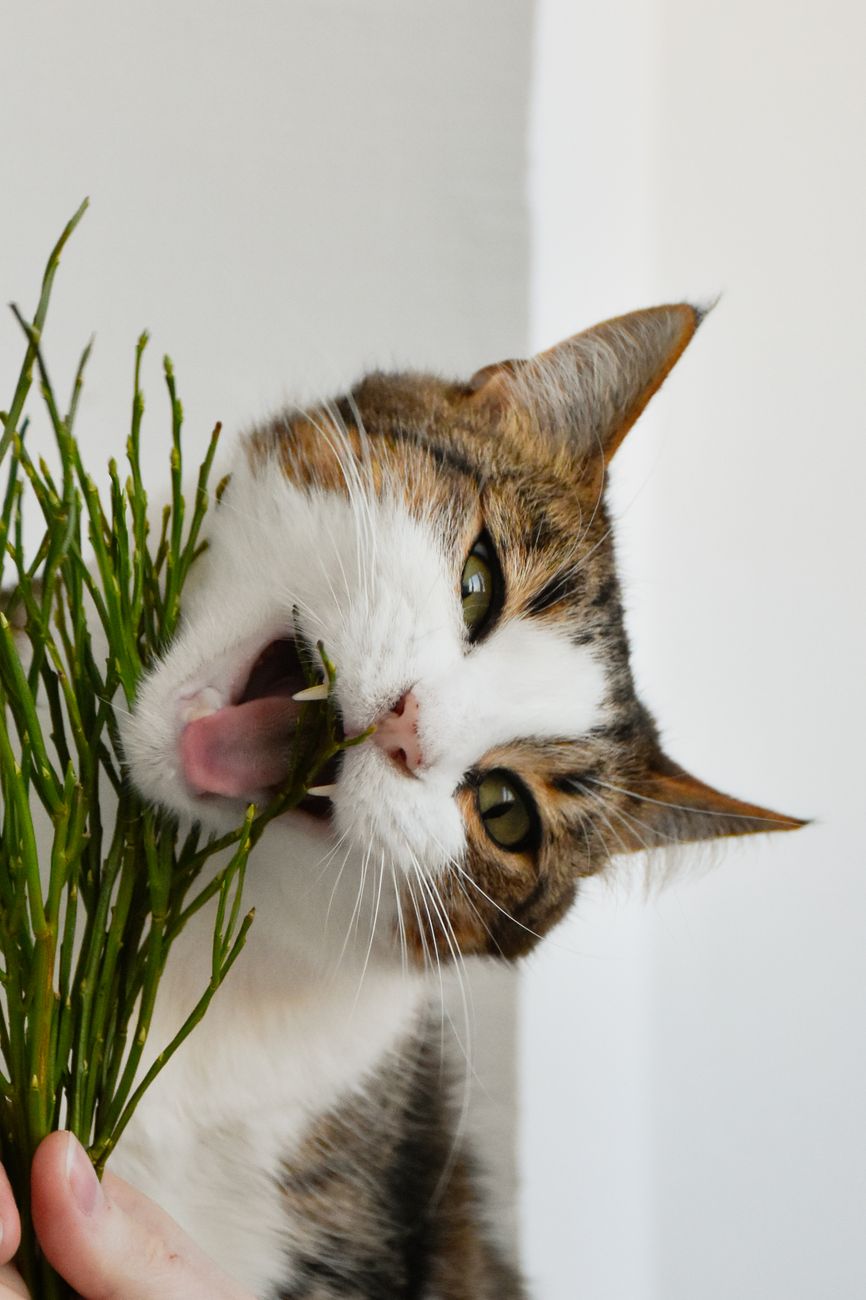
Introduction: Understanding Pet Perils in Your UK Garden
There’s nothing quite like stepping out into your UK garden on a crisp morning, mug of tea in hand, ready to admire all your hard work. The vibrant greens of your emerging 'Red Russian' kale, the promise of 'Sungold' tomatoes ripening in the greenhouse, the scent of lavender humming with bees. It’s a little slice of heaven, isn't it? But then, your gaze falls on it – that tell-tale ragged leaf, the suspicious yellow patch, or worse, a flattened row of promising seedlings. The culprit? Often, it's our beloved four-legged family members.
Here in my 800 sq ft Midlands garden, packed with raised beds and a busy greenhouse, I've had my fair share of "pet incidents" over the past five years. My border collie, Buster, is a wonderful companion, but his enthusiasm for exploring (and marking his territory!) has certainly put my gardening skills to the test. And let's not even get started on the neighbourhood cats who seem to think my meticulously prepared seedbeds are their personal litter trays! I quickly learned that recovering from pet damage is just another vital skill in a UK gardener's toolkit, right up there with battling slugs and deciphering our unpredictable British weather.
This guide isn't about blaming our furry friends – they're part of the family, after all! Instead, it's about practical, real-world strategies I've personally tried and tested in my own UK garden to help your plants bounce back. We'll dive into identifying the different kinds of damage – chewing, urine burn, and trampling – and then I'll share my step-by-step first aid and recovery methods, all tailored for what works here in Britain. I’ve made mistakes, learned lessons, and found what truly helps our precious plants thrive again, even after a run-in with a playful paw or a wayward wee. Let's get those beds back to their blooming best!
Spotting the Signs: Identifying Chewing, Urine Burn, and Trampling
Before we can start the healing process, we need to be plant detectives. Trust me, I've spent enough time scratching my head over mysterious plant ailments to know that accurate diagnosis is half the battle! Here’s what I look for in my UK garden when I suspect a pet has been involved.
Chewing: The Tell-Tale Nibbles and Missing Bits
This is often the easiest to spot. You'll see actual parts of the plant missing or leaves with ragged, torn edges. Unlike the clean cuts of a slug or snail, pet chewing tends to be more indiscriminate and often involves larger chunks.
- Ragged Leaves: Look for leaves with torn, uneven edges, particularly on tender young growth or leafy greens. My 'Forellenschluss' lettuce, a beautiful heirloom variety I grow in my raised beds, is particularly vulnerable to Buster's curious nibbles when it's just getting established.
- Missing Foliage: Entire leaves or significant portions of them might be gone. I once found my entire row of young 'Sugar Snap' peas decimated overnight – just stumps left! It turned out to be a fox, but the damage looked exactly like a very hungry dog had passed through.
- Stem Damage: Sometimes pets, especially puppies, will chew on stems, leading to breakage or deep tooth marks. This can be particularly devastating for younger plants, like my 'Moneymaker' tomato seedlings when they're still delicate.
Urine Burn: The Yellow-Brown Patches of Nitrogen Overload
This one can be a bit more subtle at first, often resembling a disease or nutrient deficiency, but it comes on much faster. Pet urine is highly concentrated in nitrogen and salts, which can scorch plant tissue.
- Irregular Brown/Yellow Patches: You’ll typically see distinct, irregular patches of yellowing or browning foliage, often concentrated near the base of the plant or around the edge of a bed. I've seen this happen to my 'Charlotte' potatoes and even the robust leaves of my 'Crown Prince' squash.
- Crispy Edges and Wilting: The affected areas might quickly turn crispy and dry, and in severe cases, the entire plant can wilt and collapse.
- Green Halo Effect: Sometimes, especially if the urine is slightly diluted or the plant is robust, you might see a central brown patch surrounded by an unusually lush, dark green ring. This is where the nitrogen has dispersed to a more beneficial concentration. I spotted this on one of my more established 'Romanesco' courgette plants last summer.
Trampling: Flattened Friends and Broken Branches
This damage usually occurs when pets run through beds, chase something, or simply decide a spot looks comfortable for a nap.
- Flattened Plants: Obvious squashed or flattened plants, especially noticeable with taller or more delicate varieties. My row of 'Shirley' sweet peas, grown up canes, has been knocked askew more times than I care to count when Buster decides to chase a squirrel through them.
- Broken Stems or Branches: Heavier pets can snap stems clean off or cause significant damage to branches. Young fruit trees or even my taller 'Ailsa Craig' onions have suffered from an accidental paw.
- Compacted Soil: While harder to spot immediately, repeated trampling can compact the soil, making it difficult for roots to grow and water to penetrate. This is particularly bad in my raised beds where I work hard to maintain loose, airy soil.
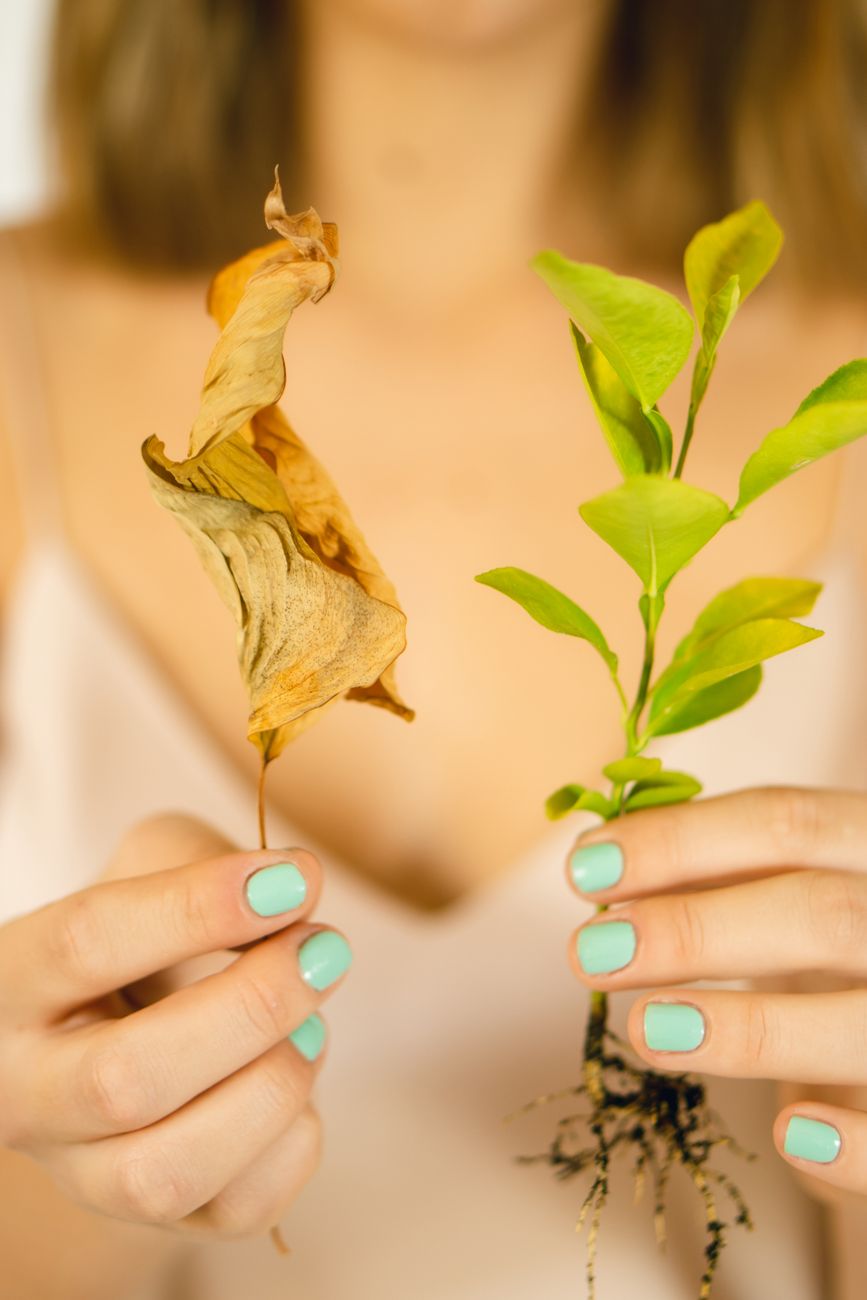
First Aid for Nibbled Leaves: Recovering from Pet Chewing
Discovering your prize 'Black Krim' tomato plant with a significant chunk missing can feel like a punch to the gut. I’ve been there, staring in disbelief at the damage, wondering if it's even worth trying to save it. But don't despair! Most plants are surprisingly resilient, and with a bit of quick thinking and the right care, they can often recover beautifully here in our UK climate.
Assess the Damage and Prune Wisely
My first step is always to assess the extent of the damage. Is it just a few leaves, or has a main stem been compromised? If the damage is extensive on a young seedling, sometimes it's more practical (though heartbreaking) to replace it. However, for most established plants, a bit of "surgery" is usually all that’s needed.
- Clean Up: Carefully prune away any severely damaged or torn leaves and stems. Use sharp, clean secateurs or scissors to make clean cuts. This is crucial because ragged edges are an open invitation for diseases, something we definitely don't want, especially with our often damp British weather. I always prune back to a healthy leaf node or just above a strong side shoot.
- Encourage New Growth: By removing the damaged parts, you're telling the plant to redirect its energy into producing new, healthy growth. This is particularly effective for leafy greens like chard or spinach, which will often put out a fresh flush of leaves. I've found my 'Perpetual Spinach' is incredibly forgiving after a good trim from both me and Buster.
Support and Nourish for Recovery
Once the damaged material is removed, it's time to give your plant a little extra TLC.
- Provide Support: If stems are partially broken but not completely severed, you can often splint them with a small stick and some garden twine. I’ve saved quite a few of my 'San Marzano' tomato branches in the greenhouse this way after an accidental knock.
- Gentle Feeding: Resist the urge to drench it in strong fertiliser. Instead, opt for a gentle liquid feed like a diluted seaweed extract. I use a product like Maxicrop Original at half strength once a week for a couple of weeks. This provides trace elements and encourages root development, which is vital for overall plant health. For my 'Marmande' tomatoes, this gentle boost has often made all the difference.
- Water Wisely: Ensure the plant is well-watered, but don't overdo it, especially if you're in the middle of a typical damp UK spell. Good drainage is key to preventing root rot, which is the last thing a stressed plant needs.
Prevention for the Future
After the immediate crisis is over, I always think about prevention. For young plants, a simple cloche or some netting secured with pegs can deter all but the most determined of pets. For larger areas, a low fence or strategically placed prickly branches (from rose pruning, for example) can send a clear message. I’ve also found that planting catnip in a dedicated "cat zone" away from my main beds can sometimes divert feline attention.
Washing Away the Woes: Tackling Pet Urine Burn in Your Beds
Pet urine burn is a common problem, and it can be quite alarming when you see those tell-tale yellow-brown patches appear seemingly overnight. It's a double whammy for plants: an overdose of nitrogen (which can "burn" the foliage) and high salt content (which draws moisture out of the plant). But fear not, there are effective ways to mitigate the damage and help your plants recover, even here in our diverse UK soils. I've learned this lesson the hard way, particularly with my raised beds, where the soil is more controlled and therefore more susceptible to sudden chemical changes.
Immediate Action: Flush, Flush, Flush!
The absolute first thing you need to do when you spot urine burn is to flush the affected area with plenty of water. This is crucial for diluting the concentrated nitrogen and salts, and leaching them away from the plant roots.
- Thorough Watering: Grab your watering can or hose and give the affected plant and the surrounding soil a really good soak. I mean a proper drenching, far more than your usual watering. For a small patch, I'd use at least 5-10 litres of water, slowly poured over the area to ensure it penetrates deeply. My method, honed over five years of battling rogue dog wee, is to water until I see the water starting to drain from the bottom of the raised bed.
- Repeat if Necessary: If the urine burn is severe, or if you have heavy clay soil (like we often do here in parts of the Midlands), you might need to repeat the flushing a few hours later. The goal is to wash those harmful compounds away from the root zone entirely.
Supporting Recovery and Soil Health
Once the initial flushing is done, it's about helping the plant and the soil recover.
- Prune Damaged Foliage: Just like with chewing, remove any leaves that are completely browned or crispy. These won't recover and are just a drain on the plant's energy. Again, use clean secateurs.
- Gentle Feeding (Later On): Avoid adding any high-nitrogen fertilisers immediately, as that's exactly what caused the problem! After a week or so, once the plant has had a chance to stabilise, a very diluted seaweed solution or a general purpose liquid feed (like a balanced 5-5-5 NPK) can help support new growth. I've found this particularly helpful for my 'Butternut' squash plants, which can be quite sensitive.
- Amend the Soil: Over time, repeated urine deposits can alter soil pH and structure. Incorporating well-rotted garden compost or a good quality soil improver around the affected area can help buffer the soil and restore microbial activity. I usually fork in a good bucketful of my homemade compost into the top few inches of soil.
Immediate Actions vs. Long-Term Recovery for Urine Burn
Here's a quick comparison of what to do right away and how to plan for the future when dealing with pet urine burn in your UK garden.
| Feature | Immediate Action (When you spot damage) | Long-Term Recovery & Prevention (Ongoing strategy) |
|---|---|---|
| Primary Goal | Dilute and leach harmful salts/nitrogen. Stop further damage. | Restore plant health, improve soil, prevent recurrence. |
| Watering | Extensive, deep flushing (5-10L+ per affected area). | Consistent, appropriate watering; consider drip irrigation for beds. |
| Pruning | Remove only severely damaged, crispy leaves. | Prune any lingering damaged leaves as new growth appears; remove dead material. |
| Fertilisation | AVOID high-nitrogen feeds. | After 1-2 weeks, apply very diluted balanced liquid feed or seaweed extract. |
| Soil Amendment | Not immediately. | Incorporate well-rotted compost/manure to buffer soil pH and improve structure. |
| Plant Support | Monitor for wilting; ensure good air circulation. | Ensure adequate light and nutrients for robust growth. |
| Pet Deterrence | Move pet away from the area; temporary barrier (e.g., netting). | Establish dedicated "toilet" areas for pets; use low fencing or physical barriers around beds. Consider strong-smelling deterrents (e.g., citrus peels, specific plants pets dislike). |
| Monitoring | Check plants daily for signs of improvement or worsening. | Observe soil pH over time if issues persist (soil test kits are useful here in the UK). |
Repairing Pathways: Restoring Soil and Plants After Trampling
Ah, trampling. This one hits close to home. My lively Labrador, Buster, has a habit of deciding the shortest distance between two points (usually a squirrel and himself) is a straight line, often right through my meticulously planned rows of 'Muscade de Provence' pumpkins or a newly sown bed of 'Paris Market' carrots. The immediate damage – snapped stems, crushed leaves – is obvious, but the long-term impact on the soil is what really gets me.
When Buster or even my stealthy cat, Mittens, uses a planting bed as a shortcut, they compact the soil. Here in the Midlands, with our often heavy clay soil, this is a real problem. Compacted soil means less air for plant roots, poor water infiltration (so water just runs off instead of soaking in), and a generally unhappy growing environment. I learned this the hard way when a patch of my 'Charlotte' potatoes looked stunted and sad one summer after a particularly enthusiastic game of fetch went awry near their bed.
My approach to repairing trampled areas involves a bit of careful observation and some elbow grease. First, I gently assess the damaged plants. If they're just flattened, I'll carefully lift them and provide some temporary support if needed. For the soil, I use a garden fork to gently aerate the affected area. I push the fork tines into the soil, wiggle it a bit to loosen things up, but I'm careful not to disturb the plant roots too much. For larger areas, a broadfork is fantastic, especially in my raised beds.
Once the soil is loosened, I add a good layer of homemade compost or well-rotted manure. This isn't just about adding nutrients; it's crucial for improving soil structure. The organic matter helps to break up the heavy clay particles, creating a more open, crumbly texture that roots love and water can penetrate easily. I’ve found that even a couple of inches of compost worked into the topsoil can make a massive difference. After amending, a good, deep watering helps settle everything and encourages the plants to recover. It takes patience, but I've seen 'Sweet Million' tomatoes bounce back surprisingly well after being squashed, given the right care.
Proactive Prevention Strategies: Deterrents and Training for a Peaceful Garden
While rescuing plants is rewarding, preventing the damage in the first place is always better for my blood pressure! Over my five years of intensive gardening here in the UK, I've tried just about every trick in the book to keep Buster and Mittens from turning my 800 sq ft into their personal adventure playground. It's a constant battle, but I've learned what works (and what definitely doesn't) in a British garden with curious pets.
One of my first attempts involved physical barriers. Low fencing, like chicken wire or pea netting, has been a lifesaver for protecting vulnerable seedlings or specific beds. I string pea netting around my brassica beds – 'Kalibos' cabbage and 'Cavolo Nero' kale are particular favourites for Buster to sniff. It's not pretty, but it works. For more persistent diggers, like Buster when he spots a molehill, a sturdier, higher fence or even burying part of the fence underground can be necessary.
Scent deterrents are another option, though I've had mixed results. I've sprinkled citrus peels around my lettuce to deter Mittens, and coffee grounds too. They work for a short while, but one good downpour here in the Midlands and their effectiveness washes away, literally. I even tried a homemade chilli spray once, which worked on the plants but was a disaster for my own eyes when the wind changed direction – definitely not recommending that! Commercial pet deterrent sprays are available, but I tend to favour more natural or physical methods.
Motion-activated sprinklers can be effective for larger areas. I had one guarding my prized heirloom tomato greenhouse – 'Cherokee Purple' and 'Brandywine' are too precious to risk. It worked well, startling Buster away from the greenhouse door, until a particularly cold snap in late autumn here in the UK saw it freeze up. Plus, I accidentally sprayed the postman once, which was rather embarrassing.
Ultimately, a multi-pronged approach combining deterrents with pet training is what I've found to be most successful. Creating designated pet-friendly zones in the garden, like a patch of long grass or a sandpit for digging, can redirect their natural instincts away from your prize-winning 'Costoluto Fiorentino' tomatoes. Consistent training, positive reinforcement, and clearly defined boundaries are key. Buster now mostly sticks to the woodchip paths I've laid, but he still has his moments of rebellion.
Here's a quick comparison of some common deterrents I've experimented with:
| Deterrent Type | Pros (UK Context) | Cons (UK Context) | Randy's Experience |
|---|---|---|---|
| Low Fencing/Netting | Effective physical barrier for specific beds, cost-effective, easy to install | Can be unsightly, not always paw-proof for determined pets, wind can damage | Essential for protecting seedlings and brassicas from Buster; I use pea netting a lot. |
| Scent Deterrents (e.g., citrus, coffee grounds, commercial sprays) | Natural options available, can deter some pets, some improve soil | Wash away quickly in rain, need frequent reapplication, not effective for all pets | Limited success with Mittens and coffee grounds; chilli spray was a mistake. |
| Motion-Activated Sprinklers | Non-harmful, can surprise pets, good for larger areas, works when you're not there | Can freeze in UK winters, might spray you or visitors, requires water pressure, can be expensive | Effective for my greenhouse until the cold hit; watch out for the postman! |
| Designated Paths/Areas | Encourages good habits, minimizes damage to planting areas, integrates pets into garden design | Requires consistent training, some pets will still ignore them, takes planning | I've laid woodchip paths; Buster mostly uses them now but needs reminding sometimes. |
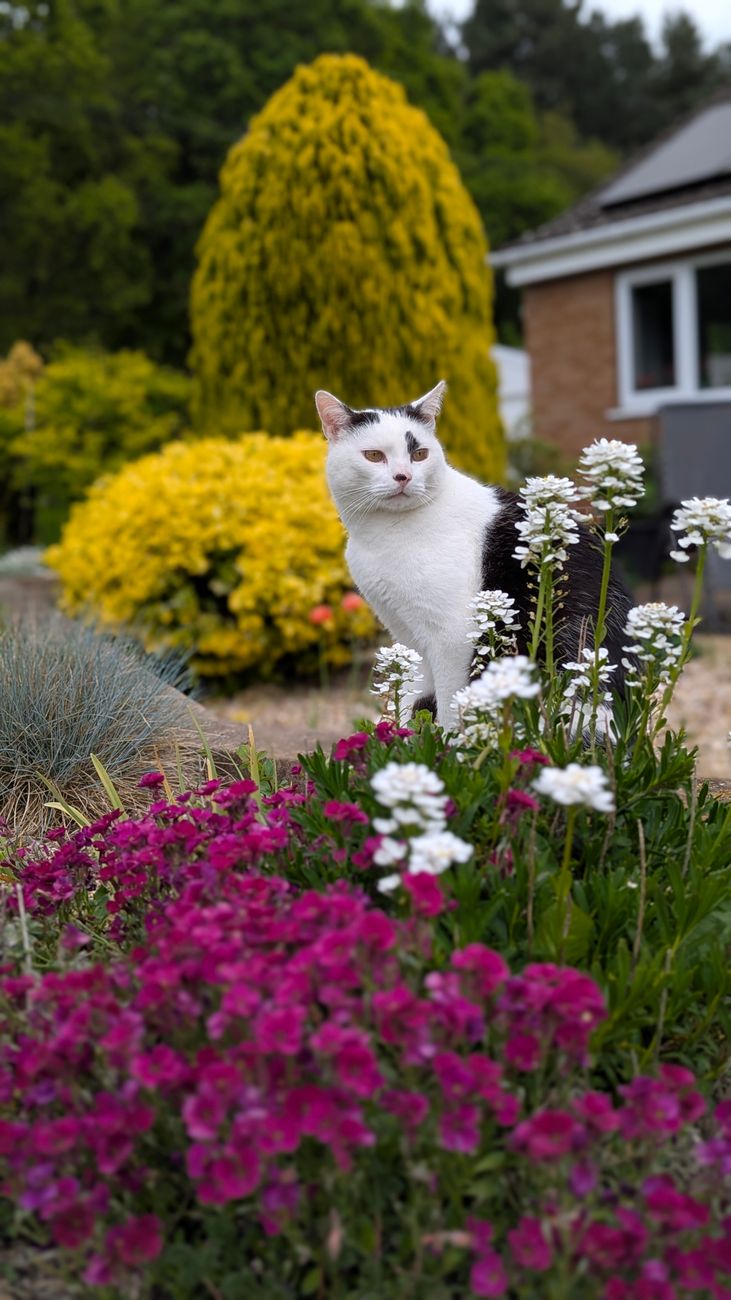
Beyond Recovery: Maintaining a Pet-Friendly & Resilient UK Garden
Recovering from pet damage is one thing, but building a truly pet-friendly and resilient UK garden is a continuous journey. From nibbled 'Black Krim' leaves to urine-scorched patches of lawn and trampled 'Sungold' tomato plants, I've seen it all in my Midlands garden. What I've learned over these past five years is that gardening with pets isn't about perfection; it's about patience, observation, and a willingness to adapt.
We've explored how to give first aid to chewed plants, wash away the woes of urine burn, and restore compacted soil after a dash through your flower beds. We've also delved into proactive strategies, from physical barriers to training, all aimed at creating a harmonious outdoor space for everyone, furry friends included.
My journey from an IT desk to digging in the dirt has been filled with triumphs and more than a few comical failures – like the time Buster decided my prize-winning 'Marmande' tomato plant was a suitable scratching post. But every setback has been a lesson, pushing me to experiment, to learn more about our specific British climate and soil, and to find solutions that genuinely work here in the UK.
Don't get disheartened if your efforts don't yield instant results. Gardening, like pet ownership, is about nurturing. Observe your pets, understand their habits, and then tailor your garden design and prevention methods accordingly. Maybe a low fence works for your rabbit, but your cat needs a designated sunbathing spot away from your herb garden.
Remember, a resilient garden isn't just about plants that bounce back; it's about a gardener who learns and grows too. Keep experimenting, keep observing, and most importantly, keep enjoying the incredible process of growing your own food and flowers, even with a few furry helpers (or hindrances!) along the way. There's nothing quite like harvesting your own 'Forellenschluss' lettuce, knowing it survived the perils of a playful pup, right here in your own UK backyard. Happy gardening, fellow enthusiasts!