Cupped & Distorted Leaves: Why Accurate Diagnosis is Crucial for Your UK Garden
Right, let's talk about that heart-sinking moment, shall we? You're out in your garden, probably with a mug of tea in hand, admiring your hard work, and then you spot it: a plant with leaves that just don't look right. They're cupped, crinkled, maybe a bit distorted, and your first thought is usually, "What on earth have I done now?!" I've been there more times than I care to admit in my 800 sq ft Midlands plot. That feeling of confusion, even panic, is something every gardener experiences, especially when you've poured so much love into growing 'Moneymaker' tomatoes or a cherished 'Rouge Vif d'Etampes' pumpkin.
I remember one particularly frustrating spring when my usually robust 'Shirley' tomatoes in the greenhouse started showing these exact symptoms. My first instinct was pests, then maybe a nutrient deficiency. I sprayed, I fed, I worried. It wasn't until I dug deeper, did some proper detective work, that I realised I was completely off track. And that's the crucial bit: accurate diagnosis. Here in Britain, with our often unpredictable weather and diverse garden environments, figuring out if those cupped leaves are from herbicide drift, a sneaky virus, or a pest invasion is absolutely vital. Get it wrong, and you could be wasting precious time and effort, or worse, making the problem even more severe. My goal today is to share what I've learned over my five years of intensive UK gardening – the trials, the errors, and the breakthroughs – to help you identify these tricky issues in your own patch and get your plants back on track.
Understanding the Trio: Herbicide Drift, Viruses, and Pests in Your Garden
When your plants start exhibiting those tell-tale signs of cupped, distorted, or strangely discoloured leaves, it almost always boils down to one of three main culprits: herbicide drift, a viral infection, or a pest infestation. The challenge, and where many of us (myself included!) stumble, is that their symptoms can often look remarkably similar, especially in the early stages.
I've made the mistake of assuming it was just aphids, only to find out it was a much more insidious virus spreading through my 'Black Krim' tomatoes. Or I’ve blamed a virus, only to later discover a neighbour had been a bit too enthusiastic with their weed killer on a windy day. Each of these problems requires a completely different approach to protection and recovery, and that's why we need to understand the unique characteristics of each. We'll delve into how to distinguish between them, drawing on my experiences from growing everything from 'Sungold' tomatoes in the greenhouse to hardy kale and broad beans out in the raised beds here in the Midlands. It's all about becoming a plant detective, spotting the subtle clues, and knowing what to look for in our specific UK gardening context.
Diagnosing Herbicide Drift: Pinpointing the Cause of Unusual Leaf Deformities
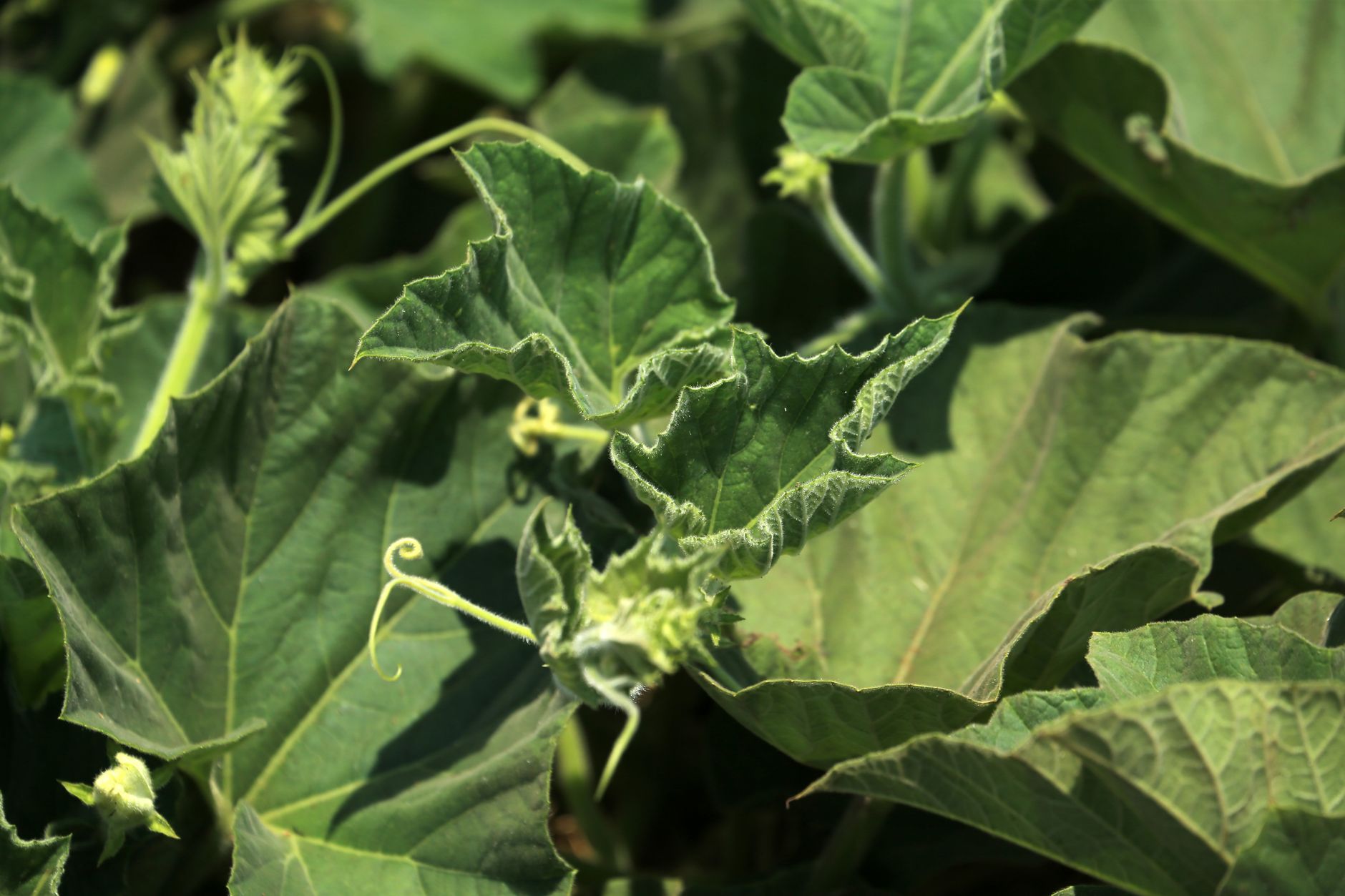
Herbicide drift is one of those silent garden disasters that can truly break your heart. I learned this the hard way a few years back when a small patch of my runner beans and some young courgettes suddenly developed incredibly bizarre, almost plastic-like leaves – severely cupped, thickened, and with strange, elongated growth. I was racking my brains, thinking it was some new, terrifying disease. It turned out, after a quick chat with my neighbour, that they’d used a selective lawn weedkiller on a breezy afternoon. The wind carried those microscopic particles right over my fence, affecting my susceptible plants.
The key with herbicide drift is often its pattern and suddenness. Unlike diseases that usually spread gradually, drift damage often appears quite suddenly over a specific area of your garden, or on plants closest to the source. Here in the UK, especially in built-up areas like my Midlands neighbourhood, it's often from a neighbour's lawn treatment, a nearby council verge spraying, or even agricultural spraying if you're closer to rural land. My heirloom tomatoes, particularly varieties like 'Brandywine' and 'San Marzano' in the greenhouse, are incredibly sensitive and will show symptoms quickly. Look for classic symptoms like leaves that are tightly cupped downwards (like a claw), thickened and leathery, or have strange parallel venation. New growth is usually the most affected, coming out severely stunted or distorted.
What works here in Britain is being vigilant about wind conditions and communicating with neighbours if you suspect they're spraying. If you do suspect drift, don't panic immediately, but act quickly to assess the damage and isolate affected plants if possible.
| Characteristic | Herbicide Drift Symptoms | Randy's Notes from UK Garden |
|---|---|---|
| Onset | Sudden & Widespread: Symptoms appear relatively quickly (hours to a few days) after exposure. Often affects multiple plant types in a specific area. | I've seen this happen overnight after a breezy day! One morning, my usually perky 'Borlotto' beans looked like they'd been hit by a curse. It's often worse on the side of the garden facing the wind direction. |
| Leaf Deformity | Cupping (downwards), Crinkling, Strapping: Leaves curl tightly downwards, often becoming thick, leathery, or brittle. Veins may run parallel instead of branching naturally (strapping). New growth is usually the most severely affected, appearing narrow or elongated. | My 'Black Beauty' courgettes once had new leaves that looked like tiny, green plastic spoons. Seriously bizarre. With my greenhouse tomatoes, I've seen the whole plant's new growth turn into a tight, curled mess. It’s a very distinct, almost artificial look, not like natural disease damage. |
| Discolouration | Minimal or Yellowing: Often no significant discolouration beyond some general yellowing or chlorosis, especially on broadleaf herbicides. Some herbicides can cause bleaching or purpling. | Usually, the colour remains pretty green, just a very unhealthy shade of green. My runner beans didn't really yellow, they just got incredibly distorted and stunted. If it's a bleaching effect, it's usually very uniform across the affected leaf surface. |
| Pattern of Damage | Non-selective or Directional: Damage often follows wind patterns, affecting plants closest to the source first or most severely. Can affect multiple species (weeds and desirable plants) if it's a broad-spectrum herbicide. | This is a big clue for me here in the Midlands. If only the plants on the northern edge of my raised bed are affected, and the wind was from the north, that's a huge indicator. It often hits the most sensitive plants first – my tomatoes and beans are always the first to show. I've even seen my delicate herbs like basil get hit hard while tougher brassicas seem unaffected, depending on the herbicide. |
| Presence of Pests | None directly caused by drift: No visible pests like aphids, whiteflies, or mites directly causing the symptoms, though stressed plants can attract secondary pests. | I always check under the leaves with my magnifying glass, but with drift, there's no sign of the usual suspects. You might find a few aphids later because the plant is weakened, but they aren't the cause of the initial distortion. |
| Recovery Potential | Depends on exposure: Mild exposure might allow plants to outgrow it, especially if new growth is unaffected. Severe exposure usually means the plant is a write-off, as the growing points are too damaged. | I've had some 'Sungold' tomato plants recover from very mild drift if I prune off the worst leaves and give them extra TLC, but it usually sets them back significantly. For my runner beans that got hit hard, they never really recovered and had to be pulled. It's a waiting game, but often, the damage to the growing tips means they won't produce much, if anything, here in our relatively short British growing season. |
Unmasking Viral Infections: Key Signs of Disease in Your Garden Plants
Now, if herbicide drift is the sudden, accidental disaster, viral infections are the insidious, slow-burn threat. I remember one season, about three years into my intensive gardening journey, when my beloved 'Cherokee Purple' tomatoes in the greenhouse started acting odd. The leaves weren't just cupped; they had this strange mottled, mosaic pattern, and the plants looked generally sickly and stunted. I initially thought it was a nutrient deficiency or even just stress from a particularly grey British summer. I tried everything – different feeds, more ventilation – but nothing worked. That's when I realised I was dealing with a virus, likely Tobacco Mosaic Virus (TMV), which is all too common and often spread by touch or sap-sucking pests.
Viruses don't cause the uniform, often dramatic cupping of herbicide drift. Instead, they lead to a more varied range of symptoms that can affect the entire plant over time. You might see a patchy discolouration, often a mosaic of light and dark green, or yellowing between veins. The leaves might be distorted, but it's usually a more crinkled, puckered, or stunted look rather than the tight, downward cup of drift. Growth is typically stunted overall, and fruit production is often severely impacted, leading to small, misshapen, or discoloured fruit. What works here in Britain, especially with our relatively mild, often damp climate, is good hygiene and pest control, as many viruses are spread by sap-sucking insects like aphids or whiteflies, which thrive in my greenhouse if I'm not careful. I've learned to be ruthless: if I suspect a virus, that plant comes out immediately to protect its neighbours.
| Characteristic | Viral Infection Symptoms |
|---|
Pest Culprits: Recognising Insect Damage Causing Cupped and Twisted Leaves
Right, so we've talked about the sneaky herbicide drift and the insidious viruses, but often, the most common culprits for those frustratingly cupped and distorted leaves are right under our noses – or, more accurately, on the undersides of our leaves: pests! In my 800 sq ft Midlands garden, I've had my fair share of battles with these little munchers, and they can certainly put a damper on your harvest if not dealt with swiftly.
The main offenders when it comes to leaf distortion are usually sap-sucking insects. They feed on the tender new growth, which is exactly where plants are most vulnerable to damage. As they feed, they suck out vital plant juices, injecting substances that can disrupt cell development, leading to leaves that curl, cup, pucker, or twist into all sorts of unnatural shapes.
The prime suspect in most UK gardens, including my own, is almost always aphids. These tiny, soft-bodied insects come in various colours – green, black, grey, even pink – and they absolutely adore the succulent tips of new shoots and the undersides of leaves. I've seen them devastate young broad bean plants and even my prize 'Sungold' tomatoes in the greenhouse if I'm not vigilant. When aphids feed, they excrete a sticky substance called honeydew, which can then lead to sooty mould – a black fungal growth that further inhibits photosynthesis. If you see ants crawling up your plants, that's often a dead giveaway too; they 'farm' aphids for their honeydew!
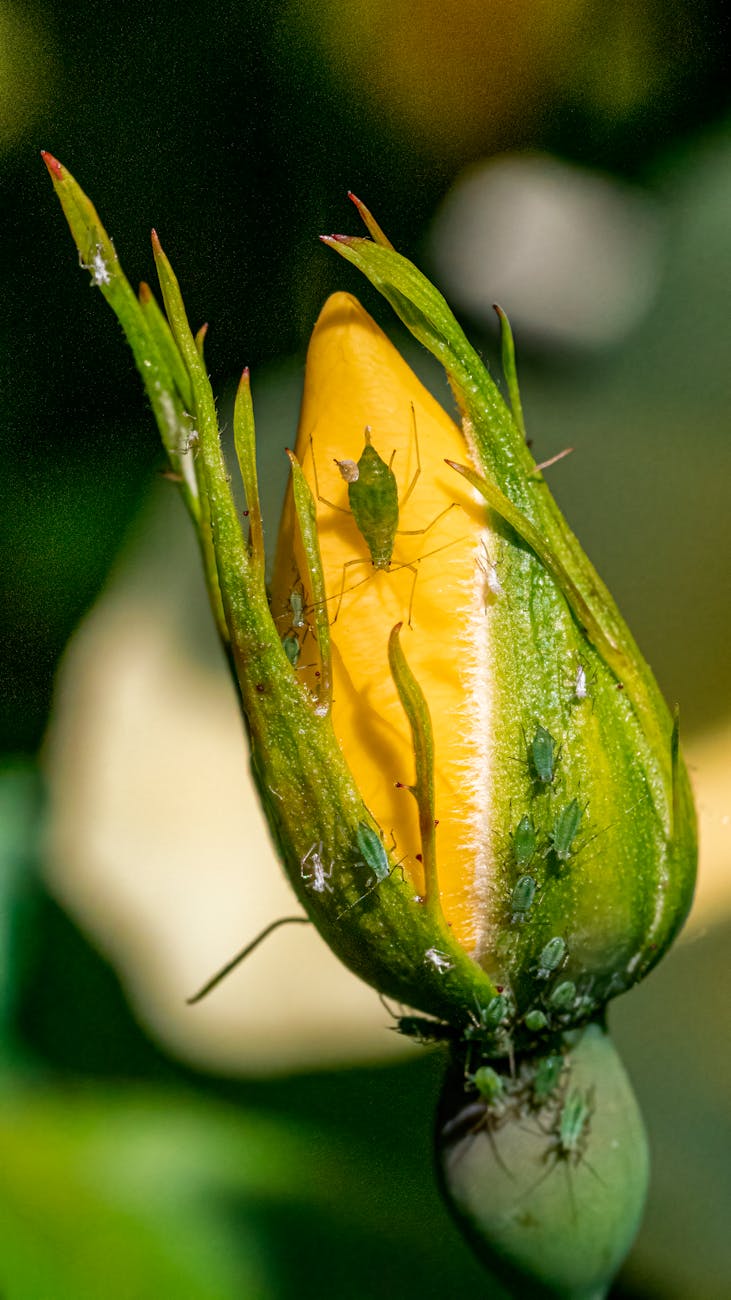
While aphids are the most common, thrips and spider mites can also cause distortion, though their damage often looks a bit different. Thrips tend to cause silvery streaks, stippling, and a crinkling or curling of leaves, especially on younger growth. Spider mites, particularly the two-spotted variety, are tiny and hard to see without a magnifying glass, but their damage often manifests as fine webbing, stippling, and a general bronzing or yellowing, followed by leaf distortion, particularly in hot, dry conditions – a common challenge in my greenhouse during a British heatwave.
Key signs of pest damage:
- Visible insects: The most obvious sign! Check the undersides of leaves and new growth.
- Honeydew and sooty mould: Sticky residue on leaves, often followed by black mould.
- Stippling or discolouration: Tiny dots or patches of lighter colour where sap has been sucked.
- Webbing: A tell-tale sign of spider mites.
- Distortion concentrated on new growth: Pests prefer tender, developing leaves.
- No clear pattern: Unlike drift or viruses, pest damage often appears more localised and patchy initially.
I've learned that a quick, daily inspection of new growth is one of the most powerful tools in my gardening arsenal. Catching pests early in my 800 sq ft garden means I can often deal with them before they cause significant widespread damage.
Garden Defence: Practical Strategies to Protect Against Drift, Viruses, and Pests
Prevention, as they say, is always better than cure. After five years of intensive gardening here in the UK Midlands, I've developed a few solid strategies that have helped me minimise the heartbreak of distorted leaves. It's about being proactive and understanding the specific risks in our British climate.
Protecting Against Herbicide Drift
This one is tricky because it often comes from outside your garden, but there are steps you can take.
- Communicate with neighbours: A friendly chat can go a long way. If you know neighbours use weed killers, politely ask them to be mindful of wind direction and to apply on still days. I've had success explaining the vulnerability of my greenhouse tomatoes to drift.
- Timing is key: If you or a neighbour must spray, ensure it's on a calm day with minimal wind. Early morning or late evening often works best.
- Physical barriers: For vulnerable plants, especially my heirloom tomatoes like 'Cherokee Purple' and 'Brandywine' in the greenhouse, a temporary barrier like horticultural fleece or even a cardboard shield can offer some protection if spraying is happening nearby. I've even used old shower curtains draped over stakes in a pinch!
- Plant choice: While not a direct defence, choosing plants less susceptible to drift in exposed areas can be a consideration. But let's be honest, we want to grow what we love!
Minimising Viral Infections
Viruses are frustrating because there's generally no cure once a plant is infected. So, prevention is paramount.
- Buy healthy plants: Always source seeds and seedlings from reputable UK suppliers. Healthy beginnings lead to healthy plants.
- Practice good hygiene: This is non-negotiable in my garden. I regularly disinfect my tools with a 10% bleach solution or rubbing alcohol, especially after pruning a plant that looks remotely suspicious. This stops me from inadvertently spreading viruses from one plant to another, which I learned the hard way with some chilli plants a few seasons back.
- Control sap-sucking pests: Aphids, whiteflies, and thrips are notorious vectors for many plant viruses. Keeping their populations in check significantly reduces the risk of viral spread. My integrated pest management strategy (see below) is crucial here.
- Remove infected plants: As soon as I definitively diagnose a viral infection, the plant comes out. There's no point in hoping for recovery; it just becomes a reservoir for the virus, threatening other plants. I double-bag them and send them to the general waste, not the compost.
Managing Pests Effectively
My approach to pest control is all about observation and organic methods, tailored for my UK garden.
- Regular inspection: As I mentioned, this is number one. Every morning, especially in spring and early summer, I walk through my raised beds and greenhouse, gently checking under leaves and the tips of new growth. Early detection is key.
- Encourage beneficial insects: My garden is a haven for ladybirds, lacewings, and hoverflies. I plant companion flowers like calendula, borage, and dill around my veg beds to attract them. These natural predators are fantastic at keeping aphid populations down.
- Physical removal: For small infestations of aphids on my broad beans or roses, I often just squish them with my fingers or blast them off with a strong jet of water from the hose. It's primitive but effective for small numbers.
- Organic sprays: For larger outbreaks, particularly in my greenhouse, I turn to organic solutions. A simple homemade soap spray (a few drops of mild washing-up liquid in water) works wonders on aphids by suffocating them. I also occasionally use neem oil, which is an effective deterrent and growth disruptor for many pests, though I always check for UK-specific product availability and application rates.
- Crop rotation: This is vital for soil health and breaking pest lifecycles. I diligently rotate my brassicas, potatoes, and legumes in my raised beds each year, which helps prevent a build-up of specific pests and diseases in the soil.
- Healthy soil, healthy plants: A well-fed, unstressed plant is far more resilient to pest attacks. I focus on building rich, organic soil with plenty of compost, which gives my plants the best possible start and helps them fend off problems.
From Diagnosis to Recovery: Nurturing Your Plants Back to Health
So, you've done your detective work, you've diagnosed the issue – now what? The path to recovery varies wildly depending on whether you're dealing with drift, a virus, or pests. My approach in the UK Midlands is always to support the plant and learn from the experience, even if it means admitting defeat.
Recovery from Herbicide Drift
This is perhaps the most hopeful scenario for recovery, but it requires patience and a bit of luck.
- Remove affected parts (if mild): If only a few leaves are showing light distortion, and the plant isn't too badly affected, I'll sometimes prune off the worst of the damaged foliage. This allows the plant to focus its energy on new, healthy growth.
- Support the plant: Ensure the plant has optimal growing conditions. This means consistent watering (especially during dry spells here in Britain), good soil nutrition (a balanced organic feed can help), and reducing any other stressors. Think of it as nursing a patient back to health.
- Time and patience: This is crucial. Herbicide residues can break down over time, and if the plant's growing point wasn't terminally damaged, it often will produce new, healthy leaves. I've had chilli plants bounce back from what looked like certain death after a very minor drift incident a couple of years ago.
- Know when to let go: Sadly, sometimes the damage is too severe, especially if a strong herbicide was used or the plant was very young. If the entire plant is badly distorted and new growth shows no sign of improvement after a few weeks, it's often kinder to remove it and start again. It's a tough call, but sometimes necessary for the overall health of your garden.
Dealing with Viral Infections
As I've mentioned, once a plant has a virus, there's no cure.
- Immediate removal: This is the only responsible action. Dig up the infected plant, double-bag it, and dispose of it in your household waste. Do not compost it, as some viruses can persist.
- Disinfect everything: Clean your tools thoroughly after handling the infected plant.
- Monitor surrounding plants: Keep a very close eye on any plants that were growing nearby, as they may have been exposed to the virus or the pests that spread it.
Bringing Plants Back from Pest Damage
This is usually the most manageable recovery, provided you catch it early.
- Implement your pest control strategy: Once you've identified the pest, put your chosen defence mechanisms into action (physical removal, organic sprays, attracting beneficials).
- Supportive care: As with drift, give your plant everything it needs to recover: adequate water, good light, and balanced nutrients. Strong, healthy plants are much more resilient.
- Pruning (if necessary): If pest damage is severe on certain leaves, I might prune them off to encourage fresh growth, but only once the pest population is under control.
Conclusion: Your Garden Detective Journey Continues
So, there we have it – a deep dive into the sometimes bewildering world of distorted and cupped leaves in our UK gardens. From the invisible threat of herbicide drift to the microscopic world of viruses and the ever-present challenge of pests, accurate diagnosis is the first, most crucial step in protecting your precious plants.
My five years of intensive gardening here in the Midlands have taught me that gardening is a continuous journey of learning, observing, and adapting. I've certainly had my share of head-scratching moments, and yes, even some outright failures, often thanks to our wonderfully unpredictable British weather! But each challenge has been an opportunity to learn something new, to experiment, and to refine my approach.
Remember, your garden is a living, breathing ecosystem. Take the time to really look at your plants, get to know their normal growth patterns, and you'll be much quicker to spot when something isn't quite right. Don't be afraid to get up close, turn over those leaves, and become the best garden detective you can be.
The joy of nurturing a plant back to health, or even preventing an issue before it takes hold, is one of the most rewarding aspects of this passion. Keep experimenting, keep learning, and most importantly, keep enjoying your unique UK gardening journey. Happy growing!