Introduction: Why Your Pot Size Choice is Crucial for Thriving Container Plants
Alright, fellow green-fingered enthusiasts! Randy here, coming to you from my 800 sq ft patch of green heaven right here in the UK Midlands. If there's one thing I've learned over my five years of intensive gardening – a journey that started after I traded my IT keyboard for a trowel – it's that the size of your pot is not just a minor detail. Oh no, it's absolutely fundamental to whether your container plants thrive or merely survive, especially with our wonderfully unpredictable British weather.
I've seen it all in my greenhouse and raised beds: tomatoes wilting despite constant watering, herbs bolting prematurely, and even my beloved chillies just sitting there, stubbornly refusing to grow. More often than not, the culprit wasn't my watering technique or the compost blend, but the humble pot itself. When I first started, I used to grab whatever looked "about right" or, worse, whatever I had spare. That was a rookie mistake, and one I've spent years rectifying and learning from. This guide isn't just about picking a pot; it's about making a strategic choice that prevents those soul-crushing watering woes and gives your plants the best shot at developing strong, healthy roots, even in our changeable UK climate. Trust me, I've made all the mistakes so you don't have to!
The Golden Rules of Pot Sizing: Understanding Root-to-Pot Ratio for Optimal Growth
Choosing the right pot size isn't guesswork; it's about understanding the delicate balance between your plant's root system and the available space. Think of it like a house for your plant – too small, and it's cramped and stressed; too big, and it feels lost and struggles to establish. This "root-to-pot ratio" is the golden rule I live by in my UK garden. What we're aiming for is enough space for root development without an excessive volume of compost that can stay wet for too long, leading to root rot, especially during our cooler, damp spells here in the Midlands.
When I pot up my heirloom 'Marmande' tomatoes in the greenhouse, for example, I always start them in small pots, then move them up gradually. I never go straight from a tiny seedling tray into their final 25-litre pot. Why? Because a small seedling in a massive pot means the compost dries out unevenly, the roots struggle to colonise all that space, and it becomes a breeding ground for fungal issues. Conversely, if I leave a vigorous plant like my 'Jalapeno Early' chillies in a pot that's too small, their roots quickly become pot-bound, circling round and round, unable to access enough water or nutrients. I learned this the hard way one particularly hot British summer when a batch of my chillies, left in 3-litre pots, just gave up the ghost despite daily watering; their root systems simply couldn't keep up.
The ideal situation is where the plant's roots can comfortably fill the pot, but still have room to grow and breathe. This means the compost dries out relatively evenly, encouraging the roots to spread, and you can maintain a consistent watering schedule without constantly battling with over or under-watering. It's a sweet spot that truly makes a difference, turning a struggling plant into a thriving one.
Matching Pot Dimensions to Plant Type: A Quick Reference Guide for UK Gardeners
Now, let's get down to the nitty-gritty: what size pot for what plant? This is where my experimentation over the years, often informed by our specific UK climate and growing seasons, really comes in handy. I've found that some plants are surprisingly forgiving, while others are incredibly particular. Below is a quick reference guide based on my experiences in my 800 sq ft garden, designed to help you make informed choices, whether you're growing in a tiny urban space or packing out a greenhouse like mine. Remember, these are minimums, and going a little larger is often fine, especially for thirsty plants or if you can't water daily.
| Plant Type (UK Focus) | Minimum Pot Diameter/Volume (Litres) | Key Considerations for UK Growing | Randy's Personal Tip (Midlands Garden)
5. Strategic Pot Sizing for Specific Scenarios: Deep-Rooted Veg, Climbers, and Perennials
Now that we’ve covered the basics, let’s dig into some specific scenarios that often trip up even seasoned UK gardeners. I’ve certainly made my share of mistakes here in the Midlands trying to cram a greedy plant into too small a home!
Deep-Rooted Vegetables: Going for Depth
When it comes to root vegetables like carrots, parsnips, or even some potato varieties, depth is king. I learned this the hard way trying to grow 'Autumn King' carrots in a standard patio pot – they were more like stumpy fingers than the majestic orange spears I was hoping for! For these, you need a pot that’s at least 30-45cm (12-18 inches) deep, ideally more, to allow those taproots to stretch out properly.
For potatoes, especially early varieties like 'Charlotte' or 'Rocket' that I love growing for a quick harvest, I swear by fabric grow bags. My 40-litre fabric bags (about 40cm/16 inches in diameter and depth) in the greenhouse or a sunny spot in the garden work a treat. You can "chit" them, plant them deep, and then gradually earth up as the foliage grows. It stops the tubers from greening and gives them plenty of room to develop.
Climbers: Stability and Sustenance
Climbers like my beloved heirloom tomatoes, cucumbers, or runner beans are incredibly vigorous growers, and they need both ample root space and stability. A top-heavy tomato plant in a dinky pot is a recipe for disaster in a British gust of wind!
In my greenhouse, my 'Marmande' and 'Cherokee Purple' tomatoes go into 25-litre (around 35cm/14 inches wide and deep) plastic pots. This gives their extensive root systems the room to explore and keeps them well-anchored, especially when laden with fruit. I've found anything smaller just doesn't cut it, leading to constant watering and nutrient deficiencies. For runner beans like 'Scarlet Emperor' outside, a 20-litre pot per plant, or a larger trough shared between two, works well, always ensuring there's a sturdy cane or trellis for them to climb.
Perennials: Long-Term Residents
Perennials, whether they're herbs like rosemary, lavender, or small fruit bushes like blueberries, are in it for the long haul. You don't want to be repotting them every season. The goal here is to choose a pot that gives them room to grow for a few years before they need an upgrade.
For a rosemary bush, I’d start with a 15-20 litre pot, knowing it’ll happily live there for 2-3 years before I consider a move. Blueberries, which appreciate acidic soil, thrive in 30-50 litre pots, giving them the space they need without drying out too quickly, especially during our unpredictable UK summers. Think about the mature size of the plant, not just its current seedling state.
Here's a quick reference table based on my own trials and errors:
| Plant Type | Example Varieties (UK) | Recommended Pot Size (approx.) | Key Reason for Size Choice |
|---|---|---|---|
| Deep-Rooted Veg | Carrots ('Autumn King'), | 30-45cm (12-18") deep | Allows taproots to fully extend, prevents forking/stunting. |
| Parsnips, Daikon | (min. 15cm/6" width) | ||
| Potatoes | 'Charlotte', 'Rocket' | 30-50 Litre fabric grow bag | Earth-up potential, good aeration, ample tuber development. |
| (e.g., 40cm/16" dia. & depth) | |||
| Climbing Veg | Tomatoes ('Marmande', | 20-25 Litre (30-35cm/12-14" | Supports vigorous growth, heavy fruit load, and large root |
| 'Sungold'), Runner Beans | dia. & depth) per plant | systems. Provides stability against wind. | |
| Bushy Veg | Courgettes, Chillies | 10-20 Litre (25-30cm/10-12" | Accommodates extensive root systems for fruiting, moisture. |
| dia. & depth) | |||
| Perennial Herbs | Rosemary, Lavender, Sage | 10-20 Litre (25-30cm/10-12" | Room for root growth over several years, prevents rapid drying. |
| dia. & depth) | |||
| Small Fruit Bushes | Blueberries, Gooseberries | 30-50 Litre (40-50cm/16-20" | Long-term home, stable moisture, ample nutrient space. |
| dia. & depth) |
6. Potting Material Matters: How Terracotta, Plastic, and Fabric Pots Influence Your Choice
The pot's material isn't just about aesthetics; it fundamentally affects how often you water, how warm the roots stay, and ultimately, your plant's health. I've experimented with all sorts in my 800 sq ft Midlands garden, from fancy glazed ceramics to cheap plastic buckets, and each has its place.
Terracotta: The Breathable Beauty
Ah, terracotta! They look absolutely brilliant, don't they? Especially with a lovely lavender or a trailing nasturtium spilling over the edge. The biggest advantage of terracotta is its breathability. The porous clay allows air to circulate to the roots, which is fantastic for plants that hate 'wet feet' – think Mediterranean herbs like oregano or thyme. This breathability also helps prevent root rot, which can be a real issue in damp UK conditions.
However, that porosity is a double-edged sword. Terracotta pots dry out much faster than plastic. In a warm spell (yes, we do get them here in Britain!), I might have to water my terracotta pots twice a day, especially if they're in full sun. I learned this the hard way with some basil that just kept wilting. They're also heavy, can break easily, and the price can add up. I tend to reserve them for smaller, less thirsty plants, or for decorative accents on my patio.
Plastic Pots: The Workhorse of My UK Garden
Plastic pots are, frankly, the unsung heroes of my vegetable patch and greenhouse. They're lightweight, durable, cheap, and they retain moisture incredibly well. This moisture retention is a huge advantage, particularly during those unpredictable British summers where a hot day can quickly turn into a cool, damp one. My tomato and pepper plants in the greenhouse absolutely thrive in plastic pots because I don't have to worry about them drying out every few hours.
The main downsides? They're not as aesthetically pleasing to everyone, and in direct, intense sun, the dark plastic can sometimes overheat the roots. I mitigate this by using lighter-coloured plastic pots where possible, or by grouping pots together to provide some shade for each other. Just make sure any plastic pot you choose has excellent drainage holes – I often drill extra ones myself to be safe, especially for our often-rainy climate.
Fabric Pots (Grow Bags): The Root Health Revolution
Fabric pots, or grow bags, have been a game-changer for me, especially for potatoes, carrots, and larger fruiting plants like courgettes. Made from a breathable, felt-like material, they offer a unique benefit called "air-pruning." When roots reach the edge of a fabric pot, instead of circling endlessly (which can lead to a root-bound plant), they hit the air and naturally stop growing, encouraging the plant to send out more fibrous feeder roots. This leads to a denser, healthier root system.
They also offer fantastic drainage and aeration, preventing waterlogging even during a proper British downpour. The breathable material helps keep roots cooler in summer and warmer in winter, providing a more stable environment. The only real "con" is that they dry out faster than plastic pots, though not as quickly as terracotta. They're also not the prettiest things, but for sheer plant health, they're hard to beat. I've got dozens of them tucked away in my raised beds and greenhouse.
7. When to Upgrade: Signs Your Plant Needs a Bigger Home (and How to Repot Safely)
Knowing when to move your plant to a bigger pot is crucial, and it’s something I’ve learned to spot over my five years of intensive gardening. Ignoring these signs leads to stressed, unproductive plants – and trust me, I've had my share of stunted cucumbers because I left them in their starter pots too long!
Clear Signs Your Plant is Crying for More Space:
- Roots Escaping Drainage Holes: This is the most obvious sign. If you see roots peeking out of the bottom, it's definitely time for an upgrade.
- Rapid Drying Out: If your pot compost is drying out daily, or even twice a day, despite consistent watering, your plant has likely filled the pot with roots and there's not enough compost to hold moisture.
- Stunted Growth or Yellowing Leaves: Even with regular feeding, a root-bound plant will struggle to take up enough nutrients and water, leading to slow growth or signs of stress like yellowing foliage.
- Plant Becomes Top-Heavy: A large plant in a small pot will easily topple over, especially in a breeze. This isn't just about stability; it indicates the root system isn't sufficient to anchor the plant or support its top growth.
- Roots Visible on the Surface: If you can see a dense mat of roots on the surface of the compost, it's a clear indicator that the plant has outgrown its current home.
How to Repot Safely (My UK Garden Method):
Once you've spotted the signs, repotting doesn't have to be stressful for you or the plant. Here’s my tried-and-tested method:
- Choose the Right Size: Don't go crazy! The general rule is to choose a new pot that's only 2.5-5cm (1-2 inches) wider in diameter than the old one. Too big of a jump can lead to overpotting woes, which we discussed earlier.
- Prepare the New Pot: Add a layer of fresh, good-quality potting compost to the bottom of the new pot. I always use a specific 'vegetable and herb' compost for my edibles, ensuring it has the right balance of nutrients for our UK growing conditions.
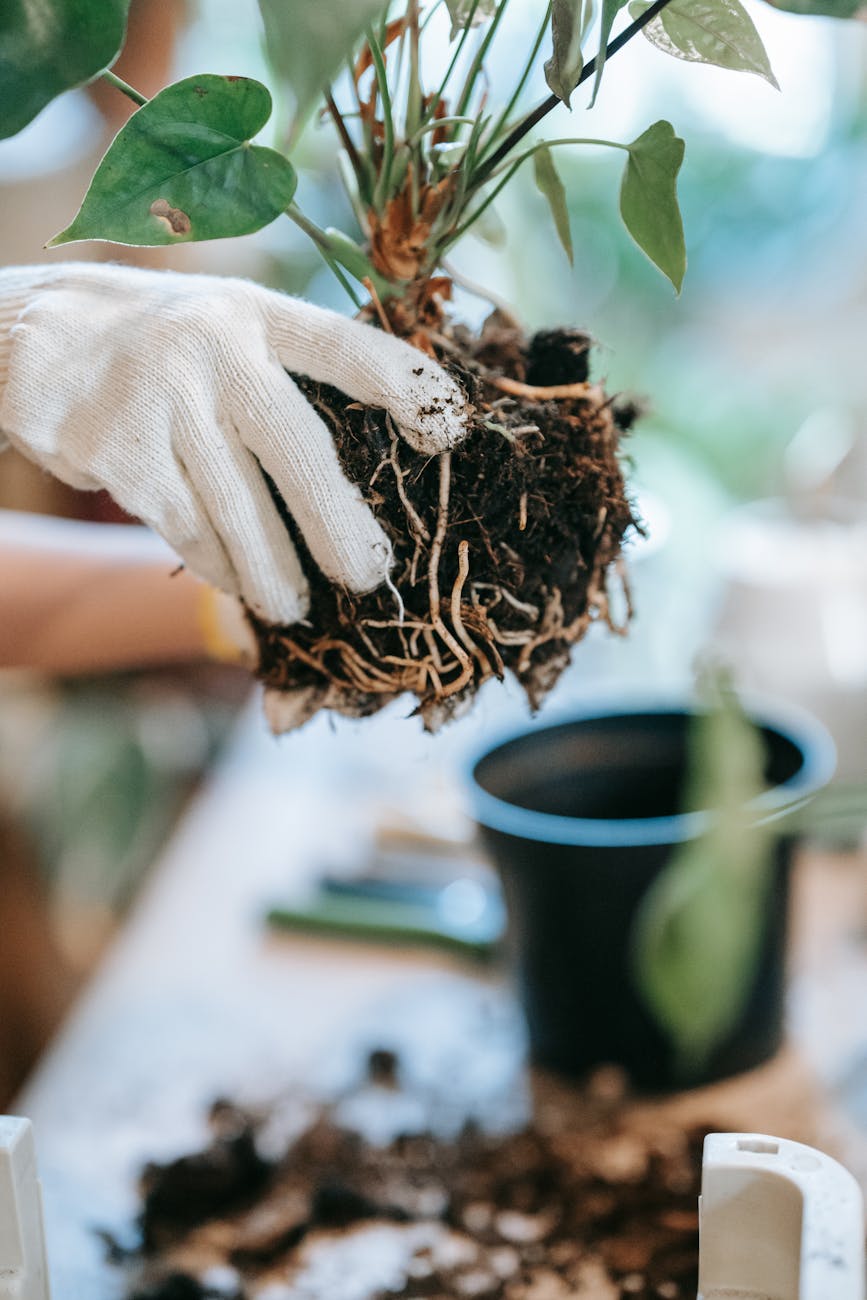
- Remove the Plant Gently: Water your plant thoroughly a few hours before repotting. This makes it easier to slide out. Turn the pot on its side, gently wiggle the plant, and pull it out by the base of the stem (not the stem itself!). If it's really stuck, you might need to tap the bottom or even carefully slide a trowel around the edges.
- Inspect the Roots: If the roots are tightly circling the root ball, gently tease them apart at the bottom and sides. This encourages them to grow outwards into the new compost.
- Position and Fill: Place the plant in the new pot, ensuring the top of the root ball is at the same level as it was in the old pot (or slightly lower if you plan to 'earth up' like with tomatoes). Fill around the root ball with fresh compost, gently firming it down to remove any large air pockets.
- Water In Thoroughly: Give your newly repotted plant a good drink of water until it drains from the bottom. This settles the compost around the roots.
- Post-Repotting Care: Keep an eye on your plant for the next few days. It might show a little transient wilting as it adjusts, but generally, a well-repotted plant bounces back quickly, ready to put on new growth!
Conclusion: Empowering Your Container Garden
Choosing the right pot size for your plants might seem like a small detail, but believe me, it’s one of the most fundamental decisions you'll make for the health and productivity of your container garden. From preventing those frustrating watering woes to ensuring robust root development, getting it right makes all the difference.
Over my five years of intense gardening here in the UK, from my humble beginnings to my packed 800 sq ft Midlands plot, I’ve learned that observation and a little strategic thinking go a long way. I’ve killed my fair share of plants with both overpotting and underpotting, especially when first grappling with our quirky British weather patterns. But each mistake was a lesson learned, helping me fine-tune my approach.
Remember, it’s all about understanding that delicate balance between the plant's needs, the pot's characteristics, and the environment you’re providing. Don't be afraid to experiment, pay close attention to your plants' signals, and always consider the long-term growth potential.
So, next time you're eyeing up a new plant for your patio or greenhouse, take a moment. Think about its roots, its water needs, and its future. Armed with this strategic guide, you're now ready to make informed choices that will lead to a thriving, vibrant container garden, no matter what the UK weather throws at us.
Happy potting, fellow gardeners! I’d love to hear about your own pot sizing successes (or even your comical failures!) in the comments below. What are your go-to pot sizes for your favourite UK plants?